


Anti-infection
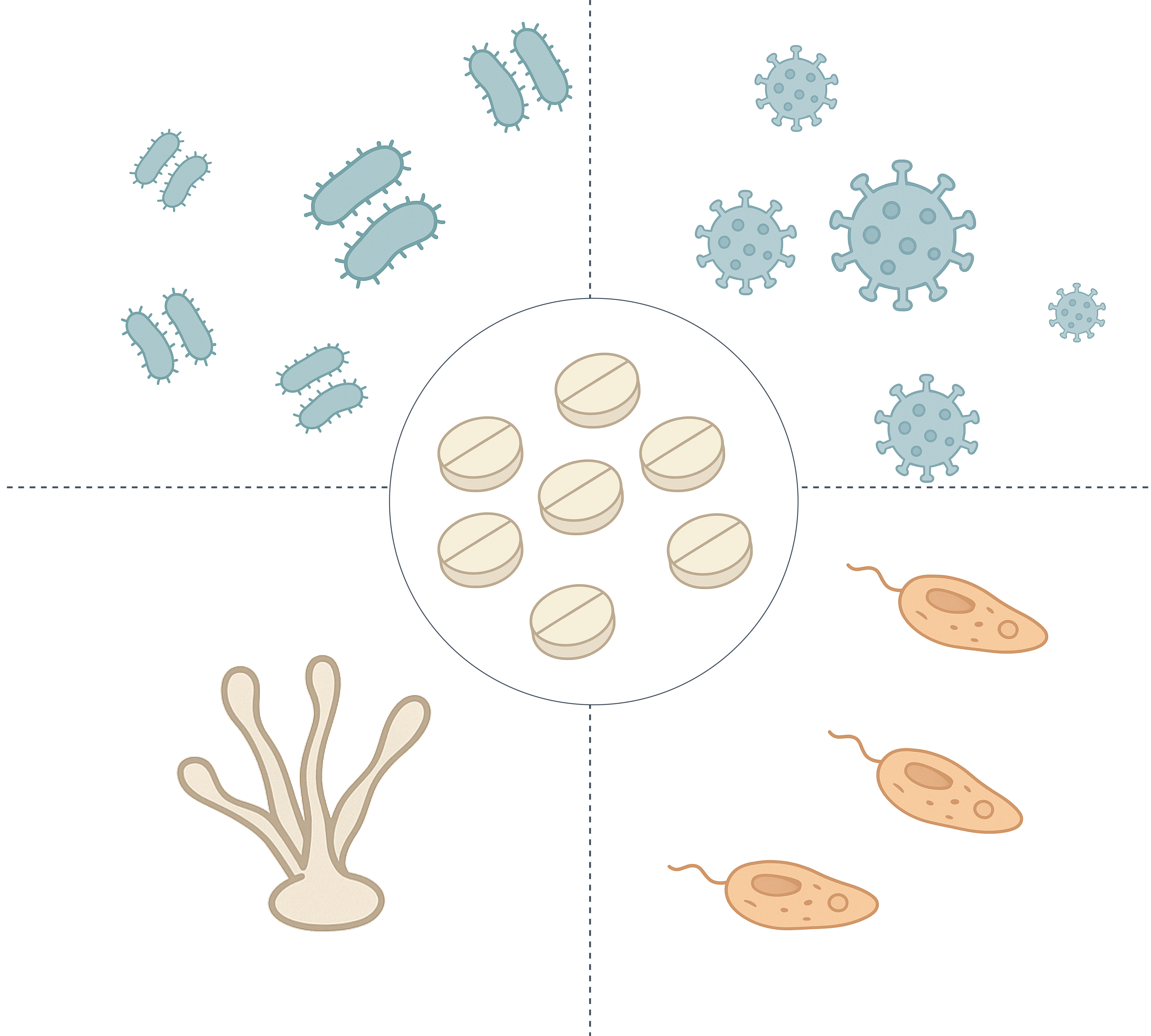
Anti-infectives are agents that eliminate or inhibit the spread of infectious organisms, encompassing antibiotics, antifungals, antivirals, and antiprotozoals.
Antibiotics are a class of antimicrobial agents specifically designed to target bacterial pathogens. They exert their effects by interfering with essential bacterial processes such as cell wall synthesis, protein synthesis, nucleic acid replication, and metabolic pathways, thereby either inhibiting bacterial growth or inducing bacterial death.
Antifungals are antimicrobial agents employed to combat fungal infections (mycoses) in humans and animals. Common antifungal classes include azoles, polyenes, echinocandins, and allylamines, which function by disrupting unique fungal structures or pathways, such as the synthesis or integrity of ergosterol-containing cell membranes and β-glucan-based cell walls, or by interfering with nucleic acid or protein synthesis.
Antivirals are compounds developed to inhibit the replication and spread of viruses within host organisms. Antivirals typically act by blocking viral entry, genome replication, protein processing, or virion assembly and release. Representative examples include nucleoside analogs, protease inhibitors, and neuraminidase inhibitors.
Antiprotozoals are drugs used to treat infections caused by protozoan parasites, including malaria, amebiasis, giardiasis, and trypanosomiasis. They act through a variety of mechanisms, including inhibition of nucleic acid synthesis, interference with mitochondrial function, and disruption of heme detoxification pathways in susceptible parasites.
-
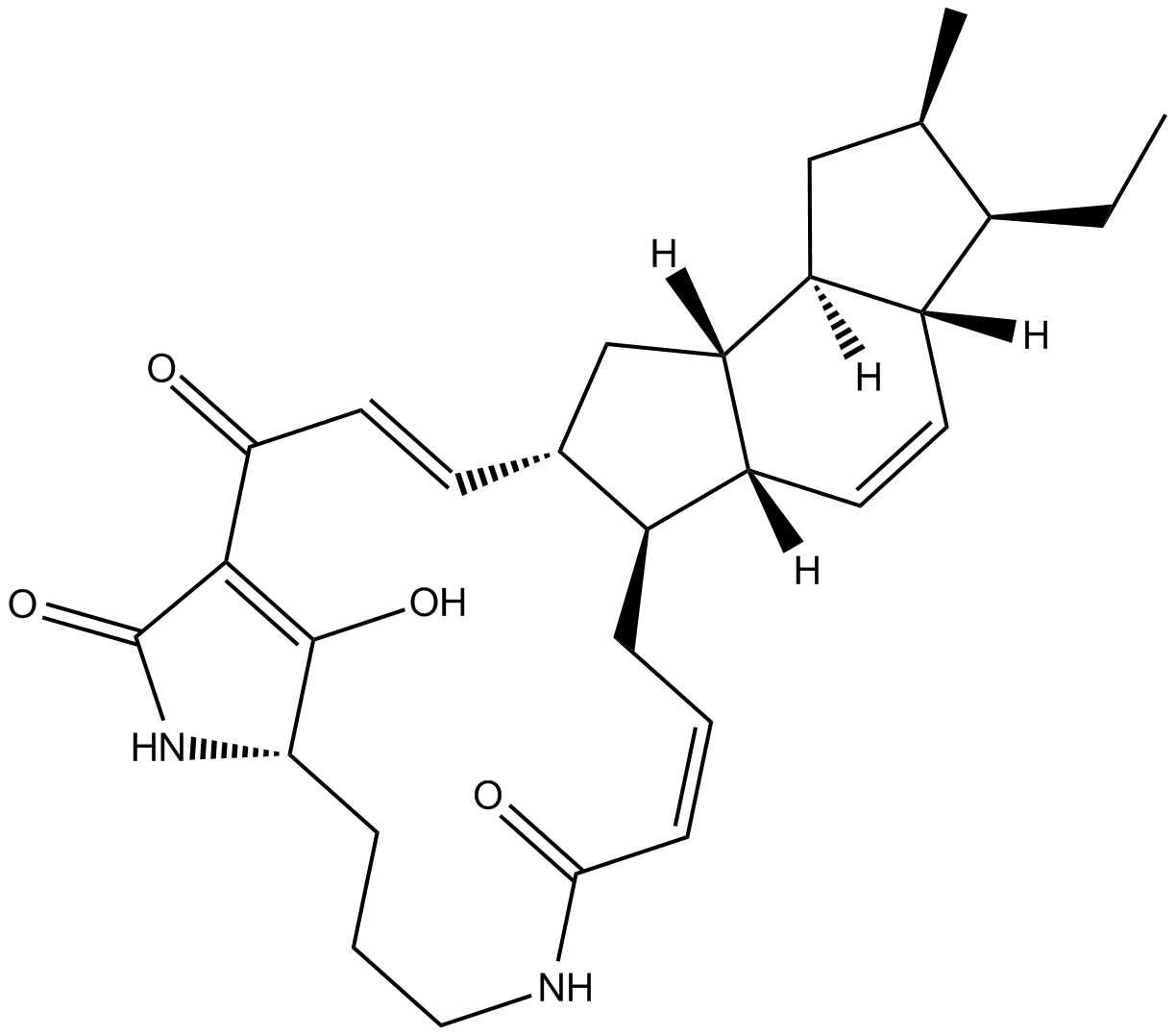 C3602 IkarugamycinSummary: A clathrin-mediated endocytosis inhibitor with antibacterial activity.
 -
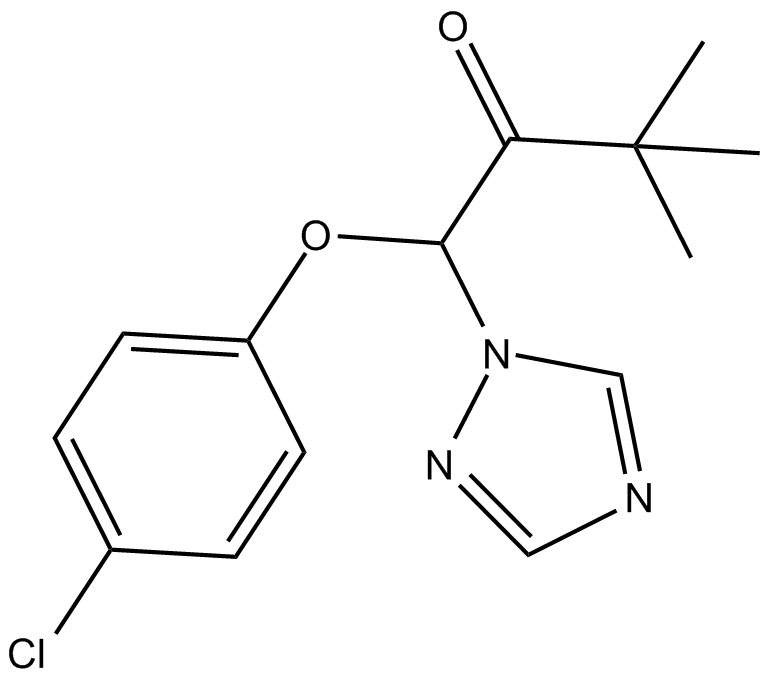 C3759 TriadimefonSummary: A triazole fungicide used to control powdery mildew and rust diseases.
 -
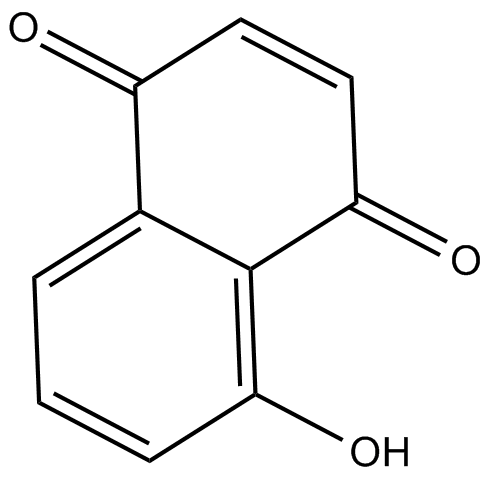 C3770 JugloneSummary: A yellow dye with antibacterial, antitumor, and apoptosis-inducing activities.
 -
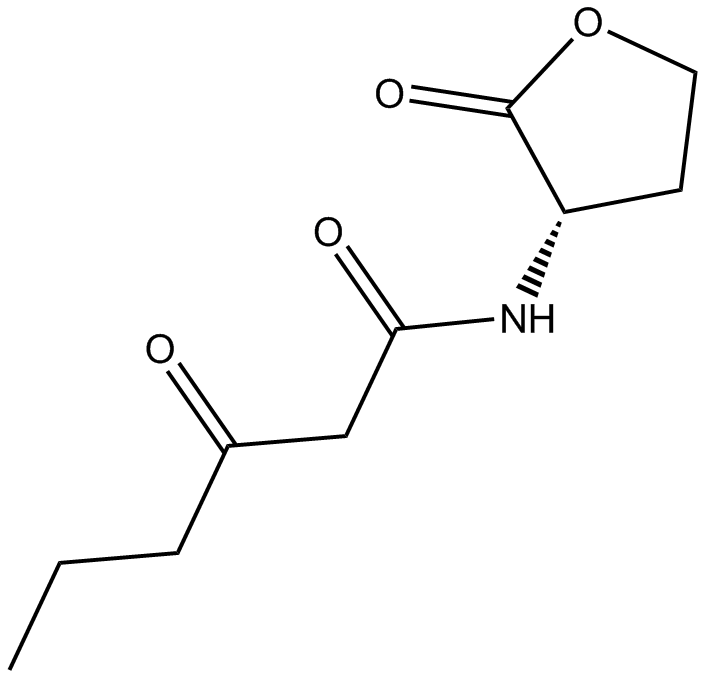 C4369 N-(β-ketocaproyl)-L-Homoserine lactoneSummary: A signaling molecule that regulates quorum sensing in Gram-negative bacteria.
 -
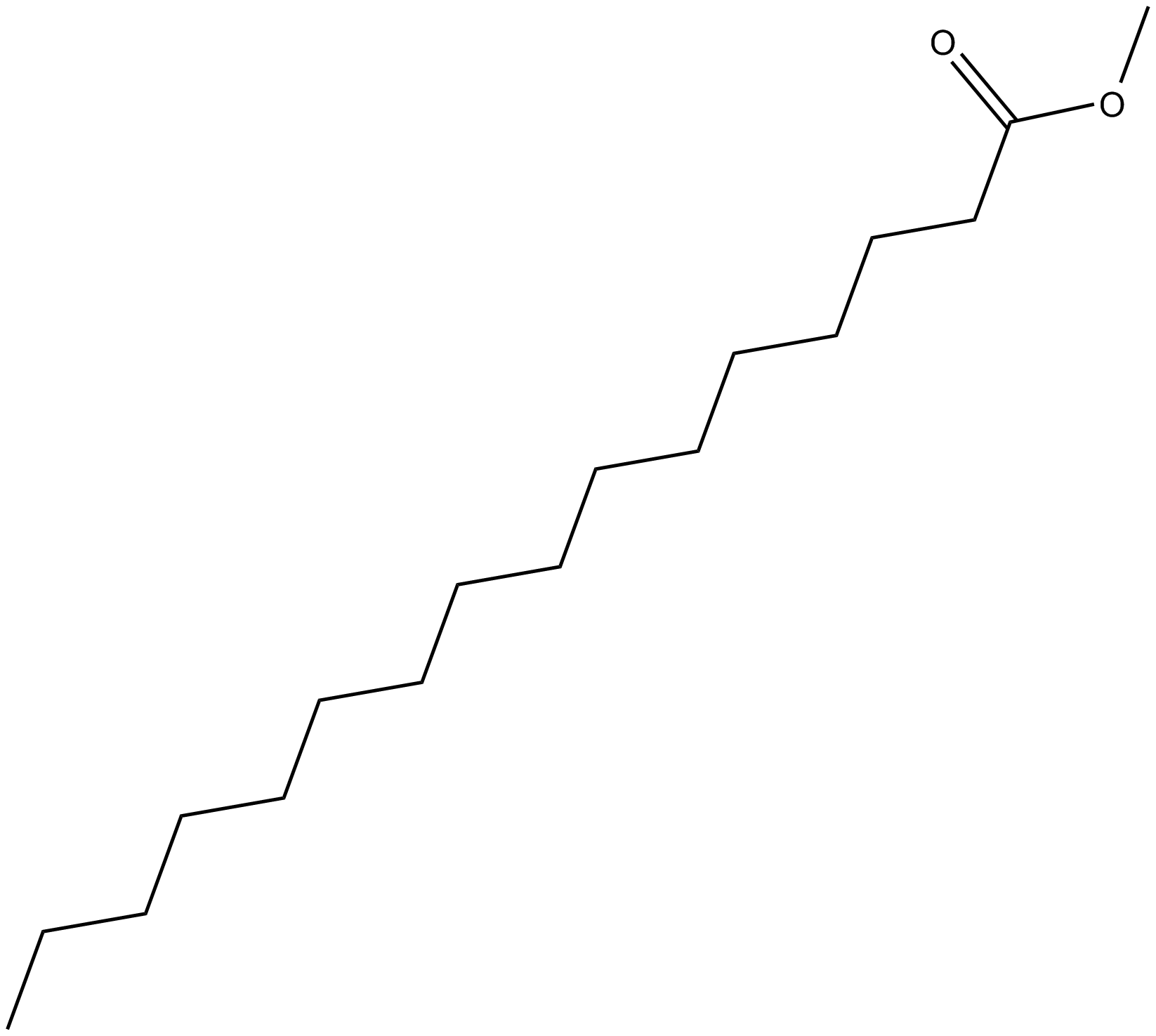 C5107 Palmitic Acid methyl esterSummary: A naturally derived fatty acid methyl ester compound with anti-inflammatory, anti-fibrotic, and immunomodulatory effects.
 -
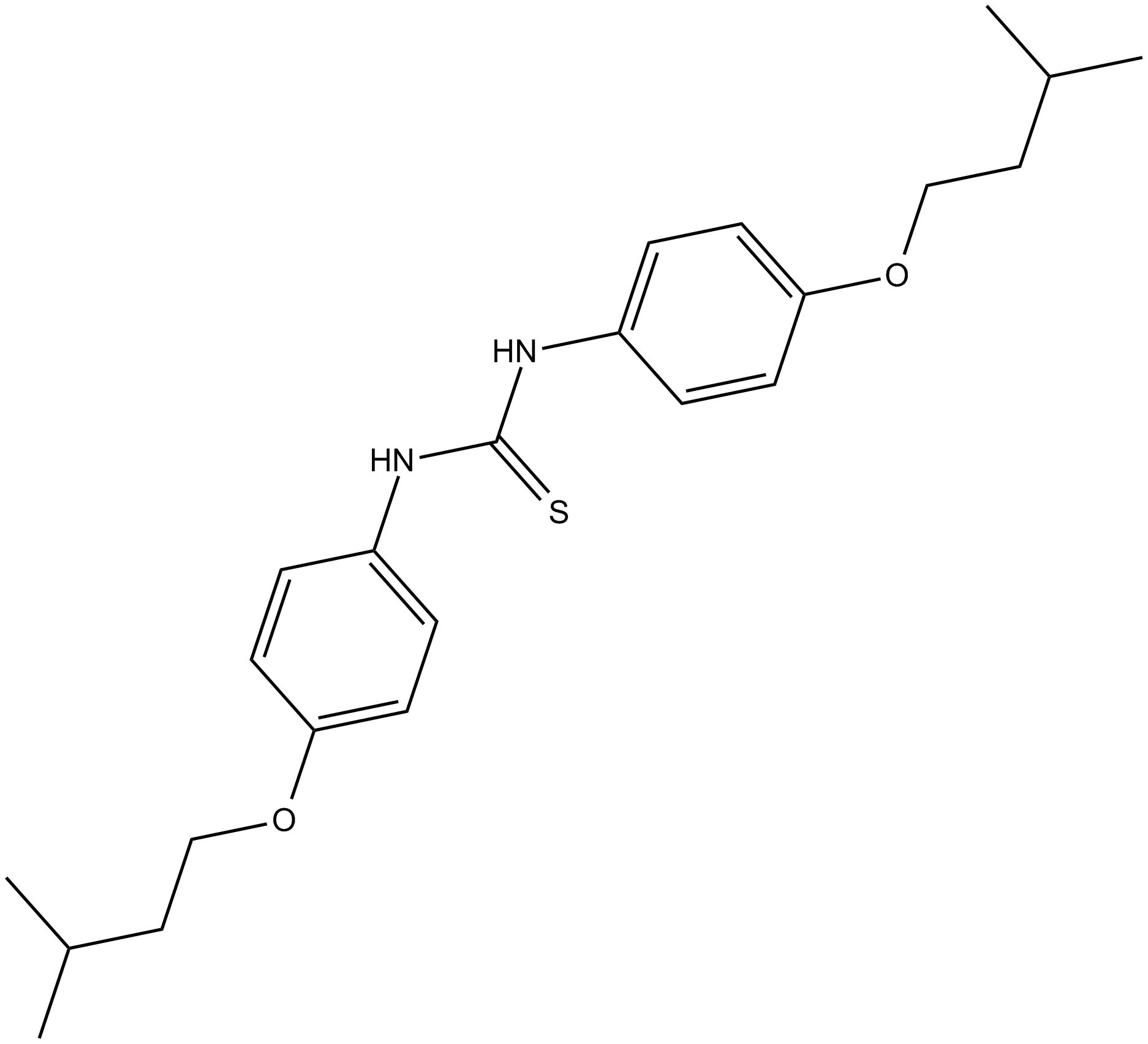 C5168 ThiocarlideSummary: An antibacterial agent with inhibitory activity against multiple Mycobacterium species, for related research use.
 -
 C8147 DaunomycinoneSummary: Daunomycinone (NSC-109351) is a metabolite of Daunomycin.
 -
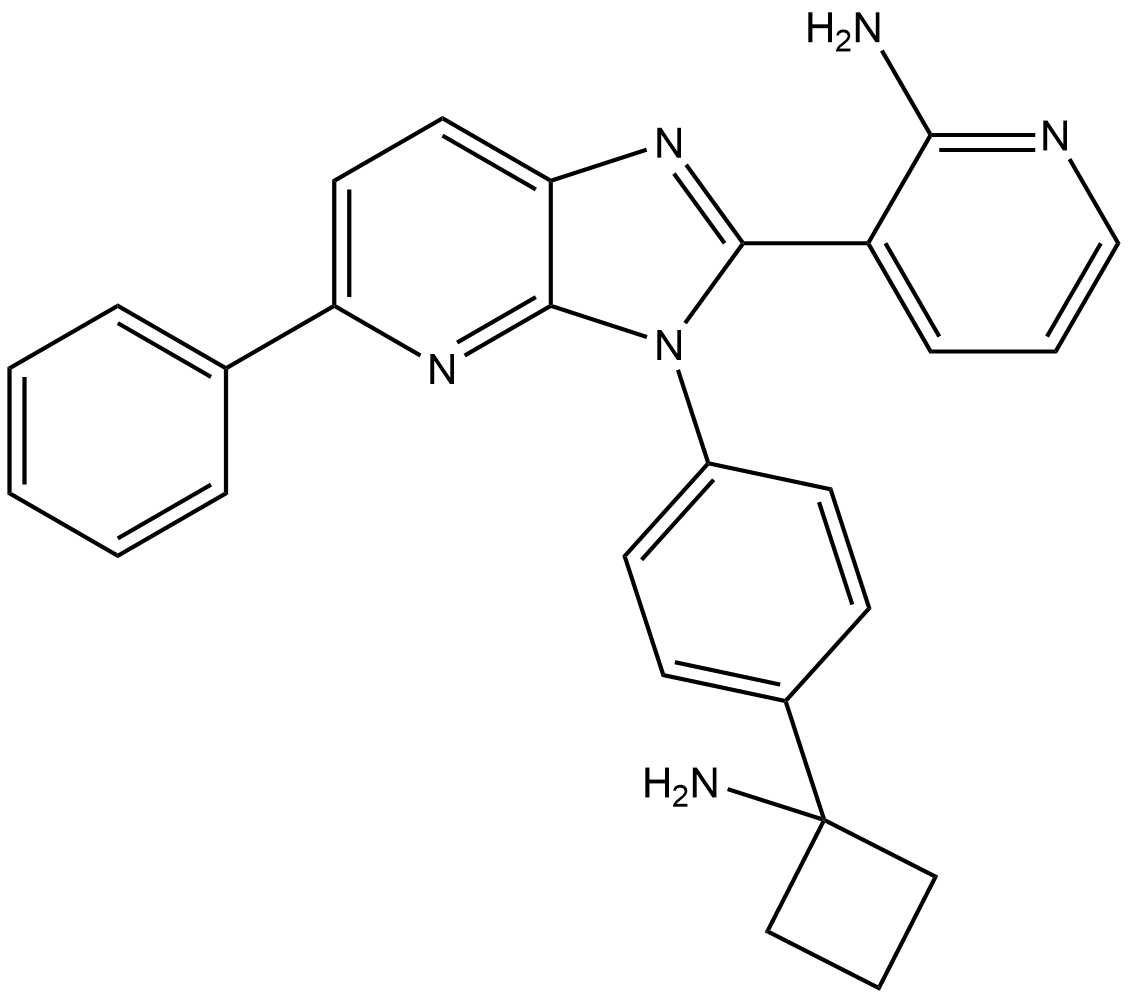 C8430 MiransertibSummary: Pan-AKT inhibitors
 -
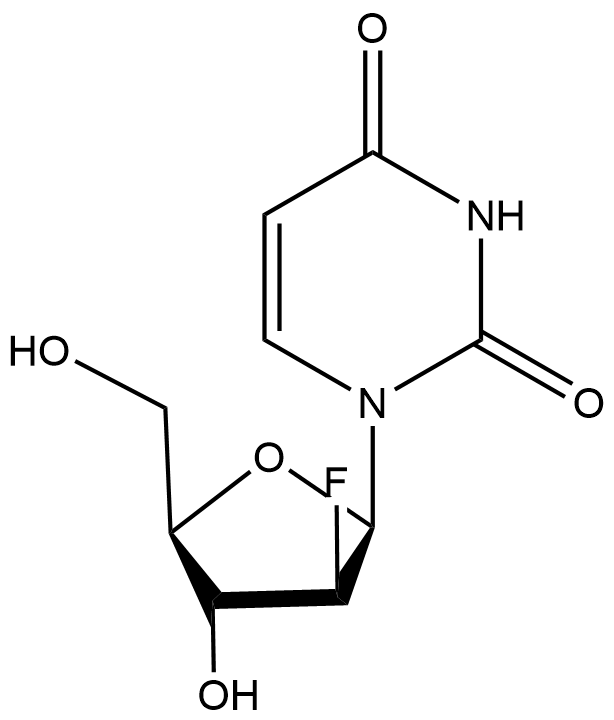 A9928 1-(2-Deoxy-2-fluoro-beta-D-arabinofuranosyl)uracilSummary: A nucleoside analogue that interferes with the synthesis of viral DNA or RNA
 -
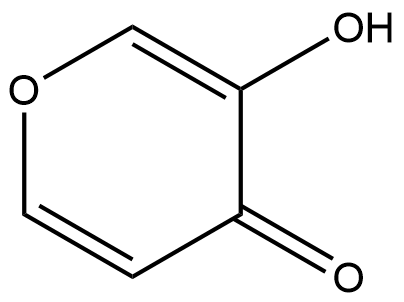 A9933 Pyromeconic acidSummary: A compound of the pyranone family