


Arabinose
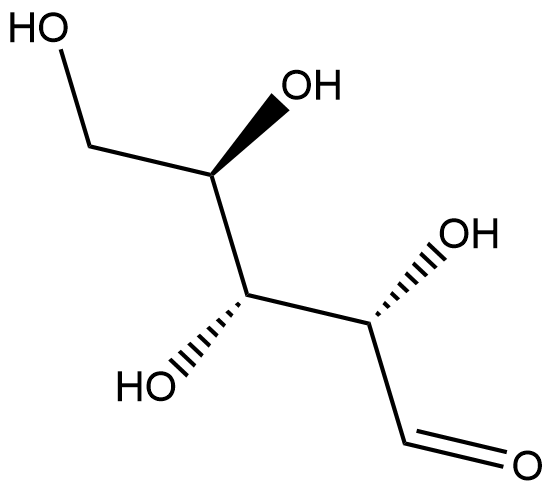
Arabinose (CAS No.: 147-81-9) is a naturally occurring pentose monosaccharide widely distributed in plants, microorganisms, and eukaryotic systems, where it participates in diverse metabolic pathways and is predominantly localized in the cytoplasm. As a key component of carbohydrate metabolism, arabinose is extensively utilized in molecular biology as an inducible regulator in gene expression systems, particularly in arabinose-responsive promoter platforms that enable precise, tunable control of recombinant gene transcription in microbial hosts. This property underpins its broad application in genetic engineering, strain optimization, and recombinant protein production. In addition, arabinose serves as an intermediate in synthetic and metabolic engineering workflows, supporting pathway elucidation and compound biosynthesis studies. Emerging research also indicates that arabinose can modulate cellular signaling processes associated with immune and inflammatory responses, making it a useful tool for investigating mechanisms of immune regulation in cell-based and preclinical experimental models, although specific molecular targets remain incompletely defined. In vitro studies typically employ arabinose across a range of concentrations depending on the experimental system, particularly in microbial and cell culture models designed to probe transcriptional regulation, metabolic flux, and host–pathogen interactions. Its well-characterized role as a regulatory sugar and metabolic substrate positions arabinose as a versatile reagent in biochemical, microbiological, and drug discovery research contexts.
| Physical Appearance | A solid |
| Storage | 4°C, sealed storage, away from moisture |
| M.Wt | 150.13 |
| Cas No. | 147-81-9 |
| Formula | C5H10O5 |
| Synonyms | DL-Arabinose |
| Solubility | ≥12.3 mg/mL in DMSO; ≥1.23 mg/mL in EtOH with gentle warming and ultrasonic; ≥12.55 mg/mL in H2O |
| Chemical Name | (2S,3R,4R)-2,3,4,5-tetrahydroxypentanal |
| Canonical SMILES | O=CC(O)C(O)C(O)CO |
| Shipping Condition | Small Molecules with Blue Ice, Modified Nucleotides with Dry Ice. |
| General tips | We do not recommend long-term storage for the solution, please use it up soon. |