


Anti-HA Tag Mouse Monoclonal Antibody
Catalog No.
MA5849
Anti-HA Tag Mouse Monoclonal Antibody
Featured Products
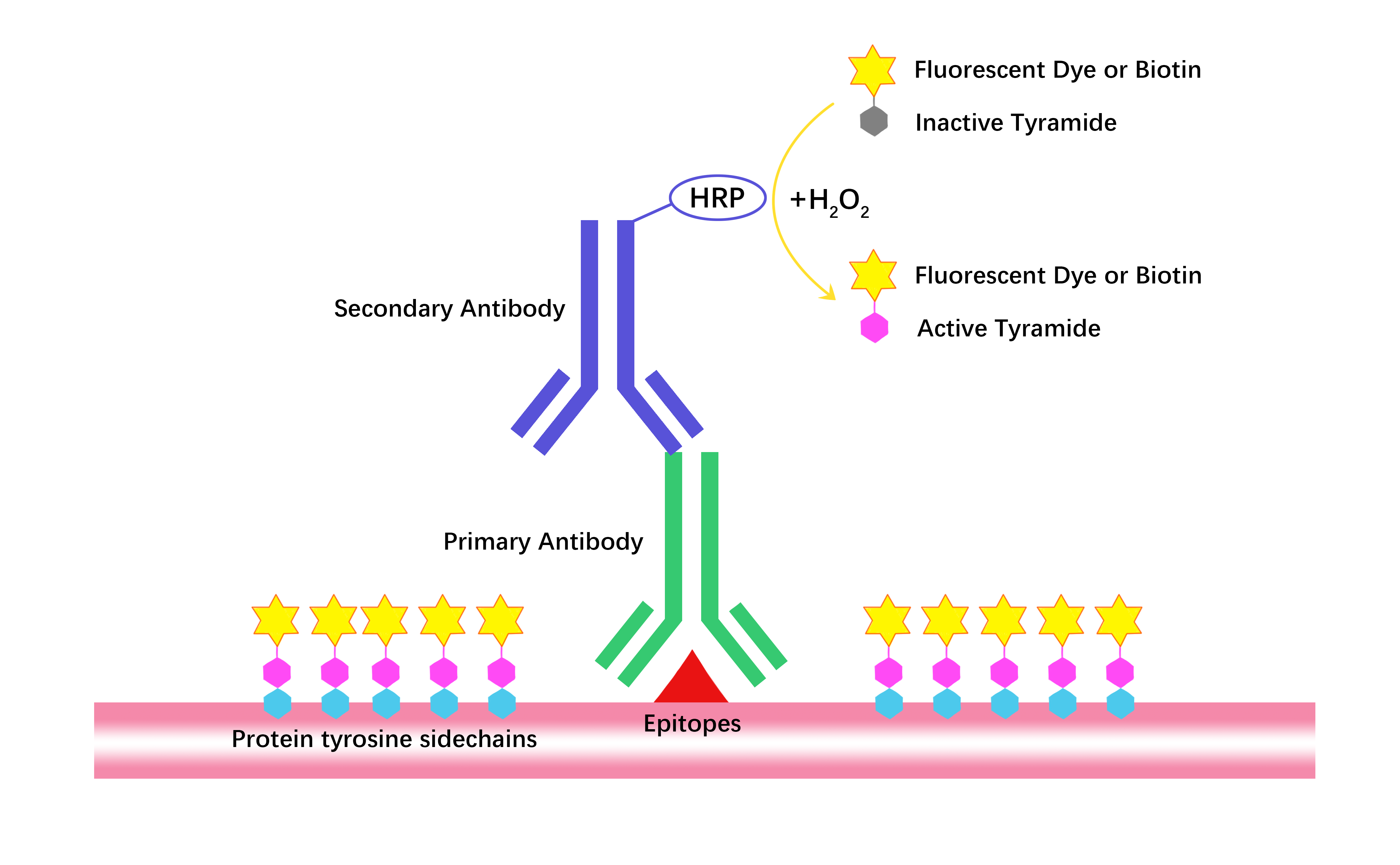
The HA tag is derived from amino acid residues 98–106 of the human influenza virus hemagglutinin protein (sequence: YPYDVPDYA), and is a widely used universal epitope tag. Due to its hydrophilic nature and extremely small size, the HA tag is typically exposed on the surface of fusion proteins, facilitating antibody recognition without affecting the biological function of the target protein. This mouse monoclonal antibody has been validated for Western Blot (WB), Immunocytochemistry/Immunofluorescence (ICC/IF), and ELISA, and can be used for target protein detection, cellular localization, and quantitative analysis.
Blue ice
HA epitope tag; HA1; HA2; hemagglutinin
Mouse
Species independent
Unconjugated
Unmodified
Monoclonal Antibody
AP-11D8H3
Liquid
See label
Carrier Not Free
Synthetic peptide of HA tag (YPYDVPDYA).
Affinity Purified
Store at -20°
12 months
Please avoid freeze-thaw cycles.