


Alkyne tyramide
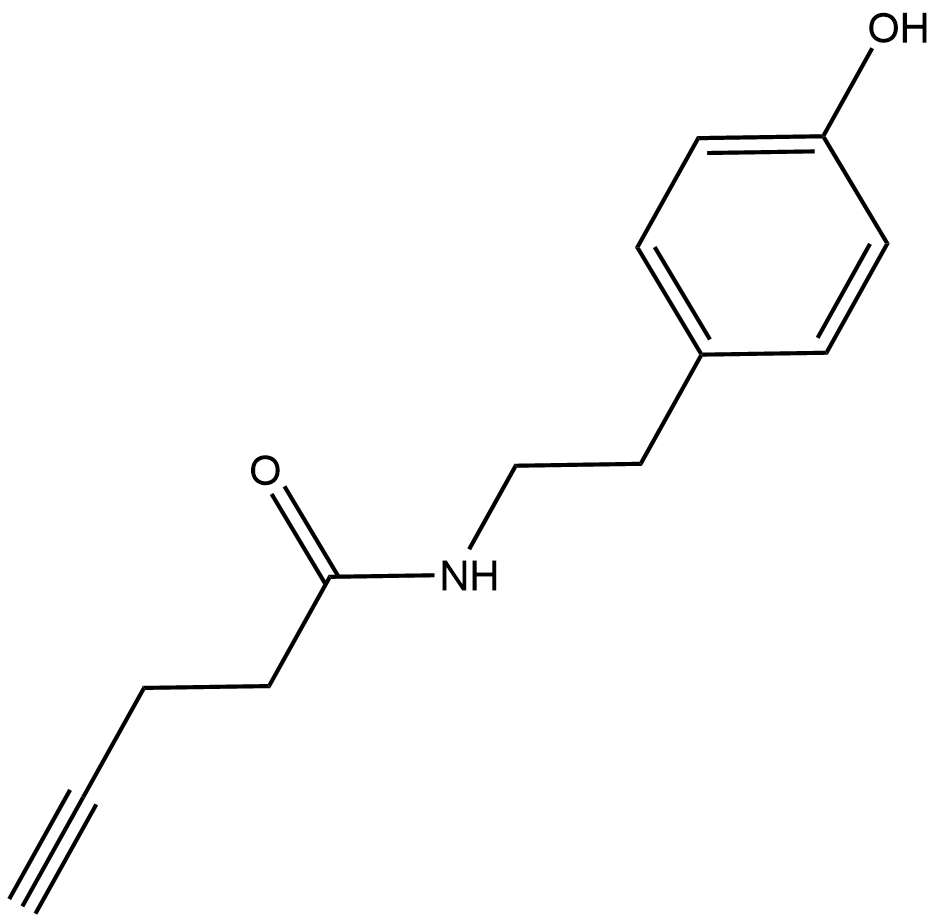
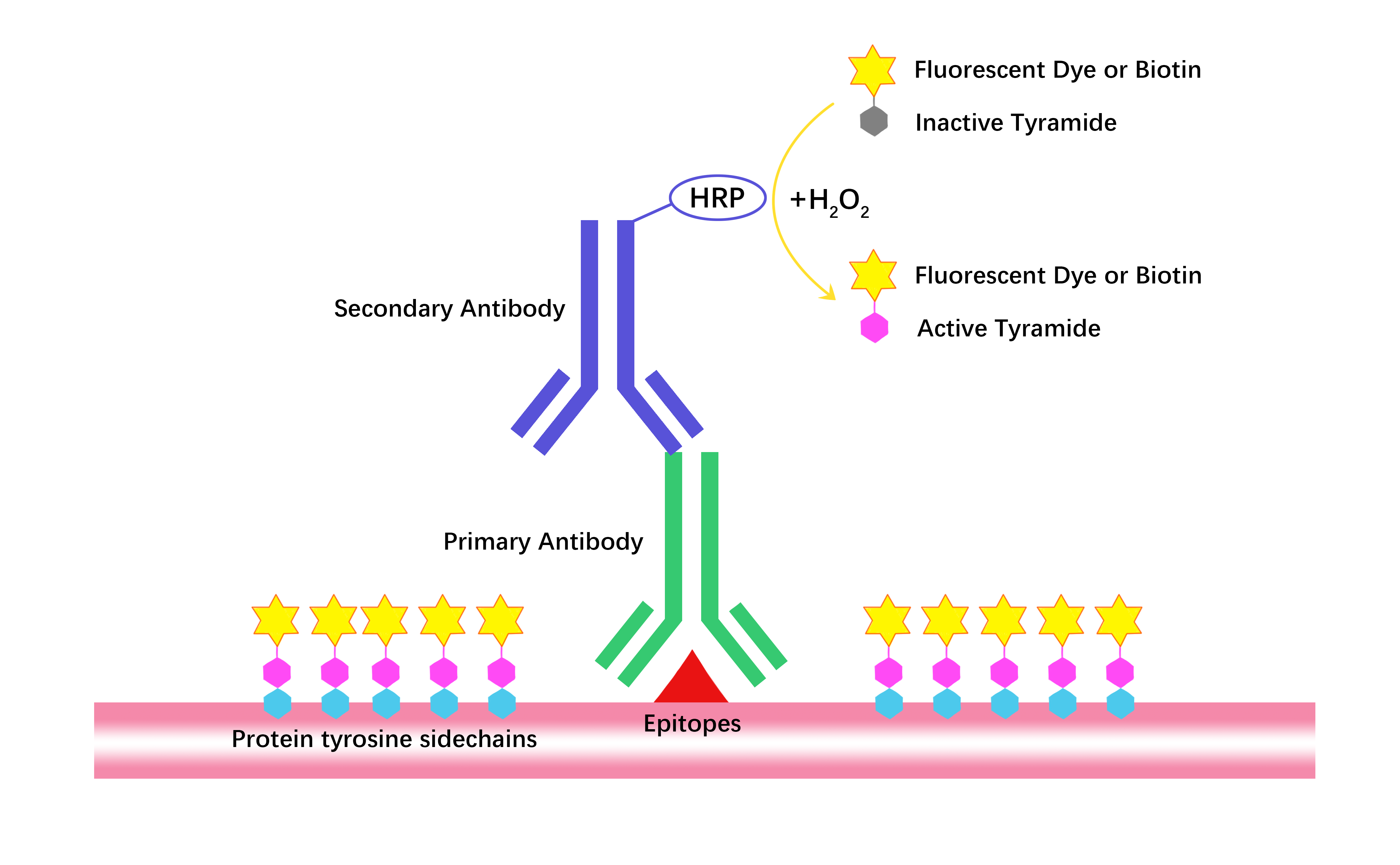
Alkyne tyramide (CAS No.: 1694495-59-4) is a clickable phenolic probe widely used in proximity labeling applications based on engineered ascorbate peroxidase 2 (APEX2), enabling high-resolution mapping of protein, RNA, and subcellular microenvironments in living systems. Upon activation by APEX2 in the presence of hydrogen peroxide, Alkyne tyramide undergoes enzymatic oxidation to generate short-lived phenoxyl radicals that covalently label biomolecules within a spatial radius of approximately 10–20 nm, thereby capturing local interactomes with high specificity. Compared with traditional substrates such as biotin-phenol, this probe exhibits enhanced cellular permeability, particularly in systems with restrictive barriers such as yeast cell walls, resulting in improved labeling efficiency in intact cells. The incorporated alkyne functional group enables subsequent bioorthogonal conjugation via copper-catalyzed azide-alkyne cycloaddition with azide-bearing reporters, including fluorophores or affinity tags, facilitating downstream visualization, enrichment, and proteomic or transcriptomic analysis. Functionally, Alkyne tyramide supports the identification of subcellular protein localization and membrane topology, especially within mitochondria, and has been applied in diverse models including microbial and mammalian systems for mapping protein-protein and protein-RNA interactions. As a research tool rather than a therapeutic agent, its effective concentrations are typically optimized empirically depending on the biological system, labeling duration, and detection method, and it is broadly utilized in chemical biology, cell biology, and drug discovery workflows requiring precise spatial profiling of biomolecular interactions.
| Physical Appearance | A solid |
| Storage | -20°C |
| M.Wt | 217.27 |
| Cas No. | 1694495-59-4 |
| Formula | C13H15NO2 |
| Solubility | ≥27.2 mg/mL in DMSO; ≥12.05 mg/mL in EtOH; ≥3.95 mg/mL in H2O with ultrasonic |
| Chemical Name | N-(4-hydroxyphenethyl)pent-4-ynamide |
| Canonical SMILES | O=C(CCC#C)NCCC1=CC=C(O)C=C1 |
| Shipping Condition | Small Molecules with Blue Ice, Modified Nucleotides with Dry Ice. |
| General tips | We do not recommend long-term storage for the solution, please use it up soon. |