


16-hydroxy Hexadecanoic Acid
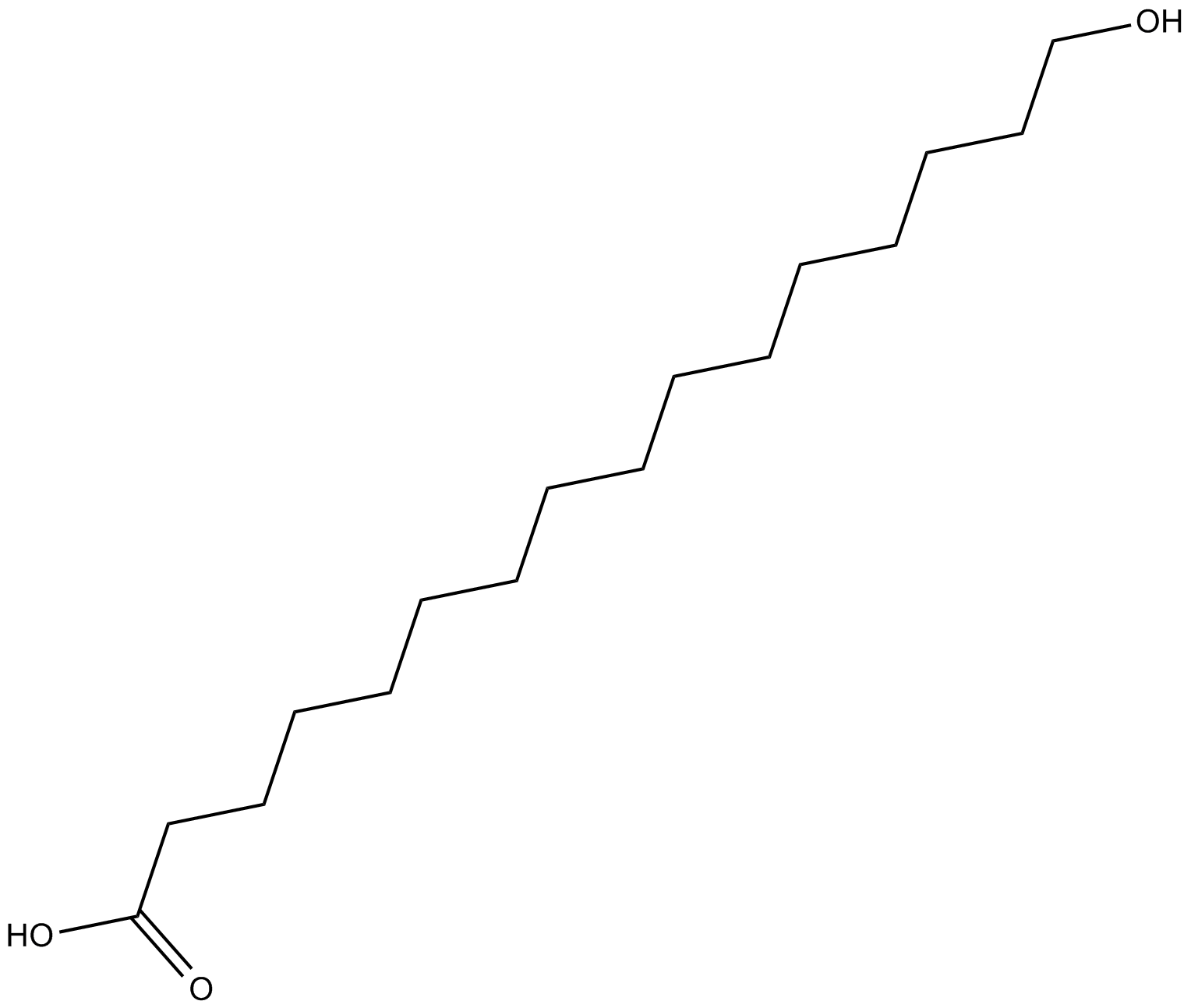
16-hydroxy Hexadecanoic Acid (CAS No.: 506-13-8) is a naturally occurring hydroxylated fatty acid derived from the ω-hydroxylation of palmitic acid by cytochrome P450 enzymes in both plant and animal systems, and is recognized as a key monomeric component of plant cutin. As a bioactive lipid metabolite, it has been implicated in the modulation of enzyme activity and cellular signaling pathways associated with cell proliferation and metabolic regulation, although its precise molecular targets remain to be fully elucidated. Available evidence suggests that it can influence biochemical processes through interactions with lipid-mediated signaling networks and oxidative metabolism, with functional effects typically observed in the nanomolar to micromolar concentration range in vitro. In addition to its biological activity, it is widely utilized as an internal standard for the quantitative analysis of hydroxy and hydroperoxy fatty acids in biological samples, particularly in plasma lipidomics studies. In biomedical research and drug discovery contexts, 16-hydroxy Hexadecanoic Acid serves as a useful tool for investigating fatty acid metabolism, oxidative stress pathways, and lipid signaling mechanisms in cell-based assays and preclinical models, where experimental concentrations or dosing regimens are adjusted according to specific study designs and analytical objectives.
| Physical Appearance | A solid |
| Storage | -20°C |
| M.Wt | 272.42 |
| Cas No. | 506-13-8 |
| Formula | C16H32O3 |
| Synonyms | FA 16:0;O; 16-hydroxy Palmitic Acid; Juniperic Acid |
| Solubility | insoluble in H2O; ≥38.3 mg/mL in DMSO; ≥6.56 mg/mL in EtOH |
| Chemical Name | 16-hydroxyhexadecanoic acid |
| Canonical SMILES | OC(CCCCCCCCCCCCCCCO)=O |
| Shipping Condition | Small Molecules with Blue Ice, Modified Nucleotides with Dry Ice. |
| General tips | We do not recommend long-term storage for the solution, please use it up soon. |