


TGF-β/Smad Signaling
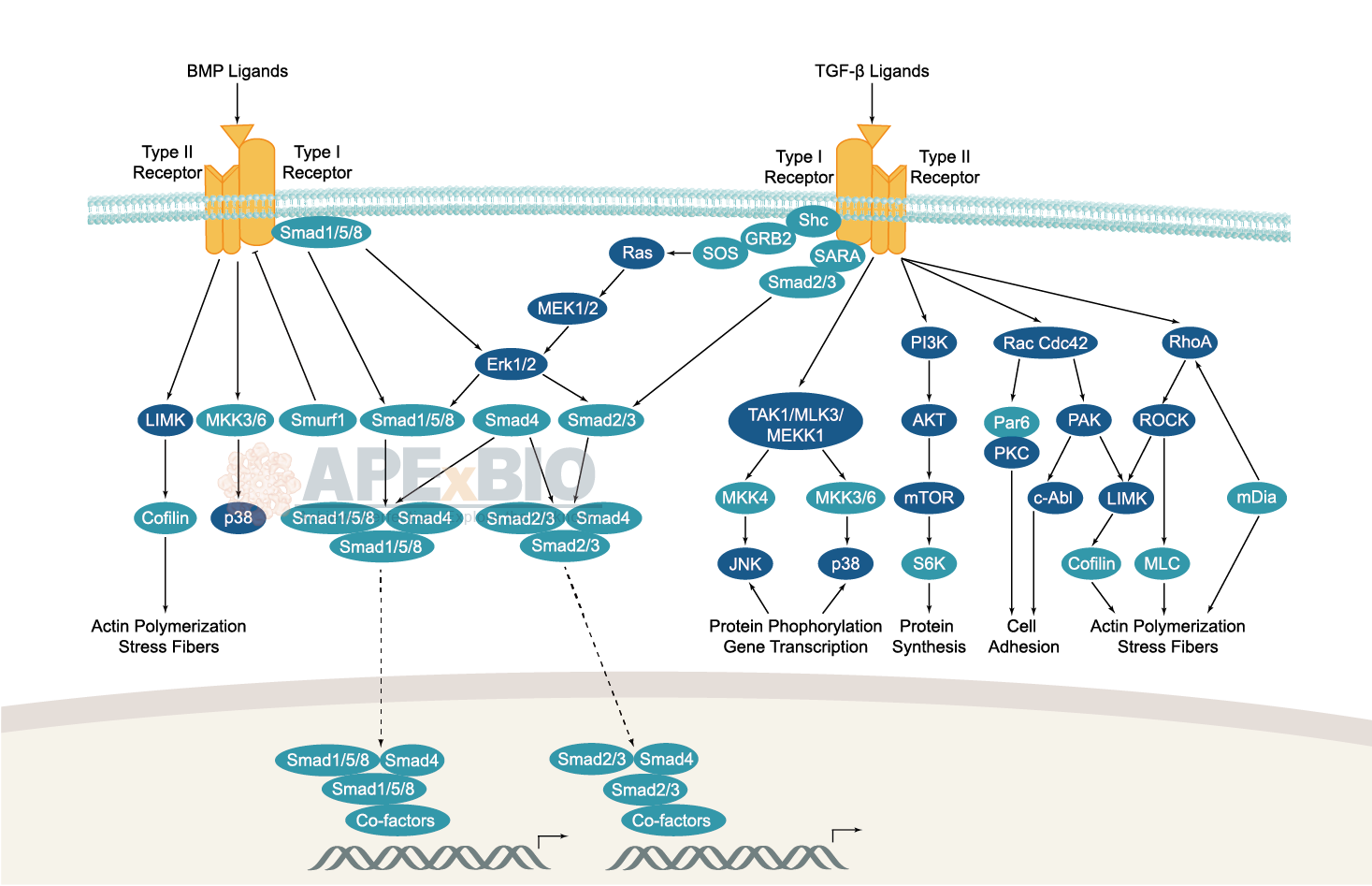
The TGF-β family is generally classified into two sub-families, TGF-β ligands, and bone morphogenic protein (BMP) ligands. In canonical signaling, receptor activation lead to phosphorylation of a group of transcription factors called Smads. TGF-β ligands bind to type II receptors (TGF-β II) which recruit and phosphorylate type I receptor (TGF-β I) on serine/threonine residues. The TGF-β I then recruits and phosphorylates a receptor regulated Smad (R-Smad). The R-Smad binds to the common Smad (Co-Smad) and forms a heterodimeric complex. This complex then translocates into the cell nucleus where it binds with nuclear co-factors to regulate the transcription of various target genes. Dysregulation of TGF-β/Smad signaling pathway is associated with a number of pathological conditions including fibrosis, cancer, immunodeficiency, diabetes and cardiovascular diseases etc.
-
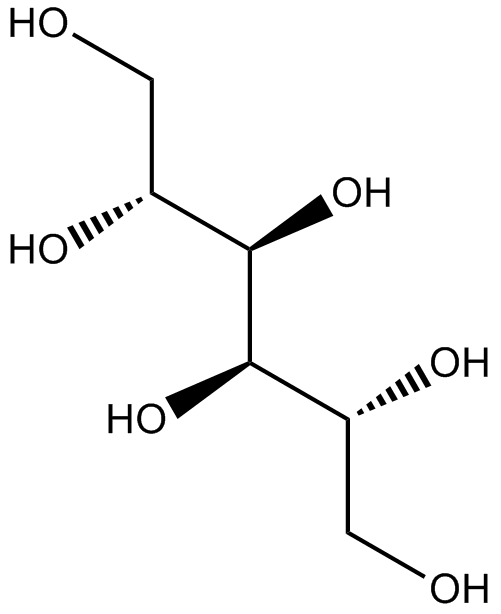 B2090 D-MannitolSummary: osmotic diuretic agent,weak renal vasodilator.
 -
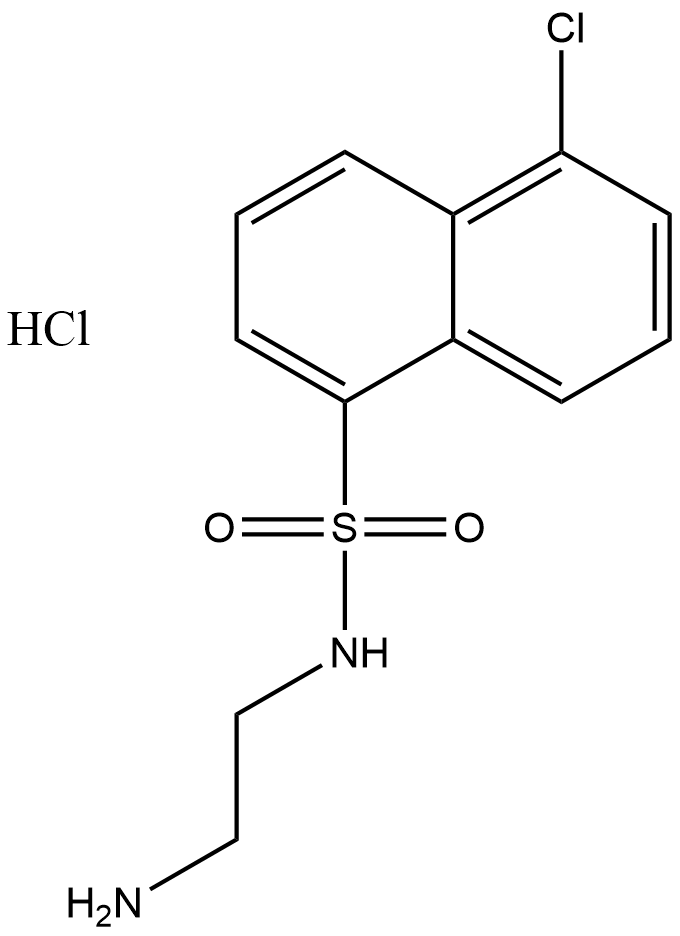 A9031 A-3 hydrochloride
 -
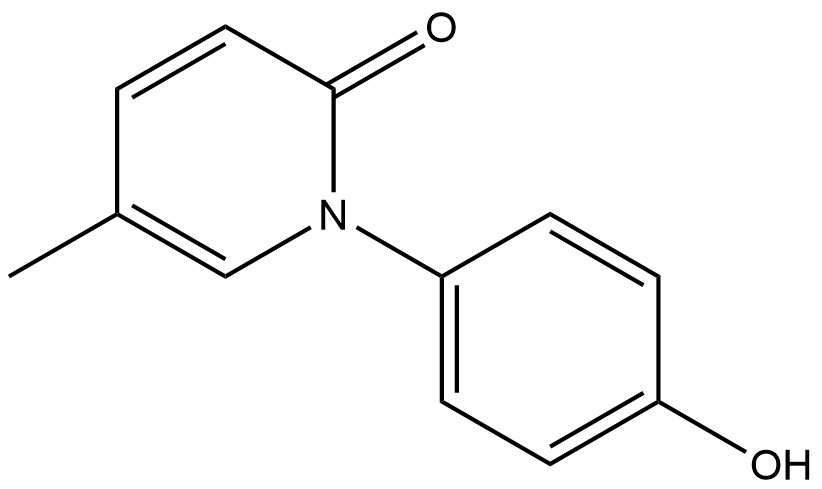 A9036 Hydronidone
 -
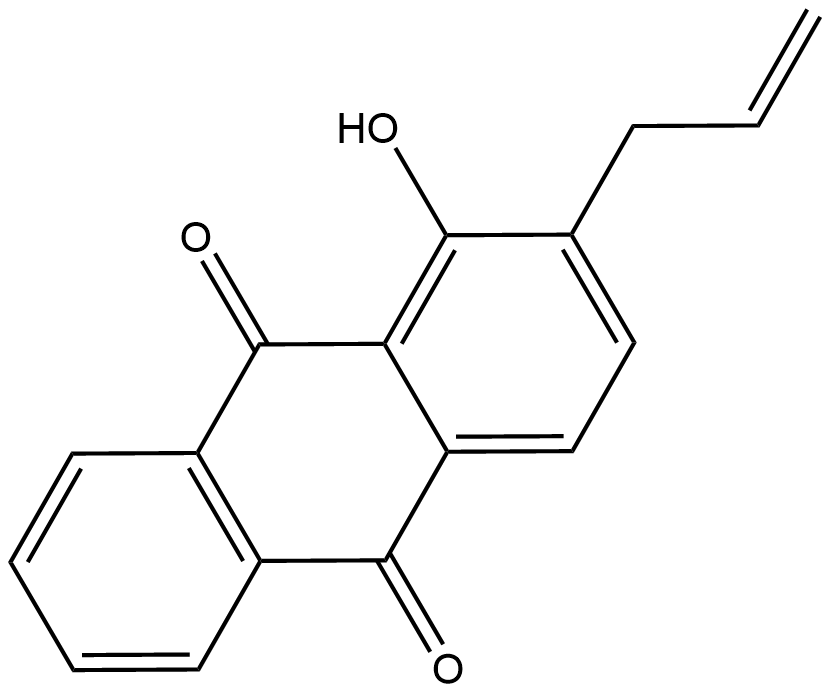 B8775 R162Summary: A small-molecule inhibitor of glutamate dehydrogenase (GDH1) that disrupts glutamine metabolism
 -
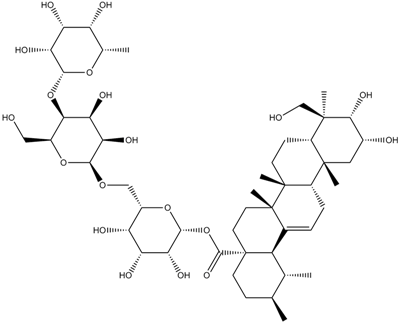 N1357 Asiaticoside1 Citation
 -
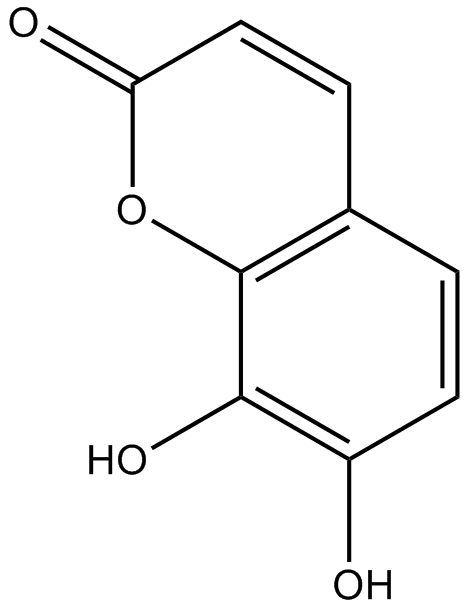 N1567 DaphnetinSummary: Protein kinases inhibitor for EGFR/PKA/PKC
 -
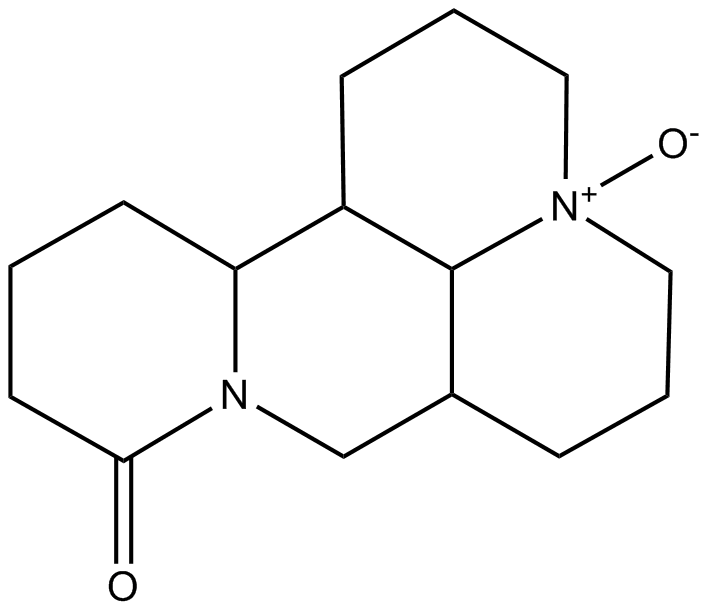 N1835 Oxymatrine
 -
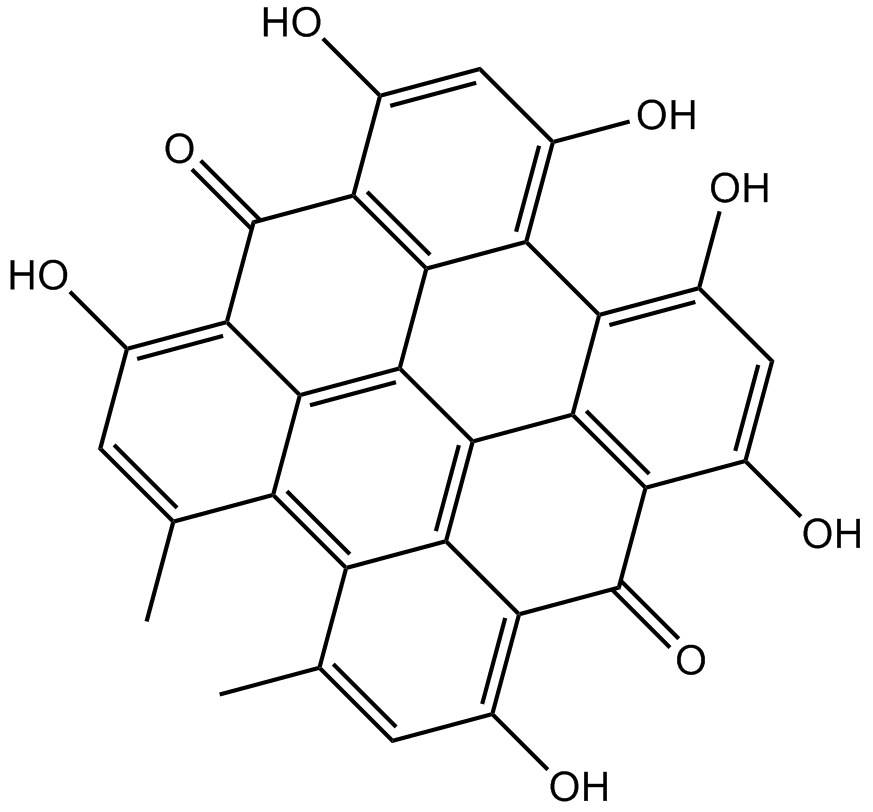 N2739 Hypericin
 -
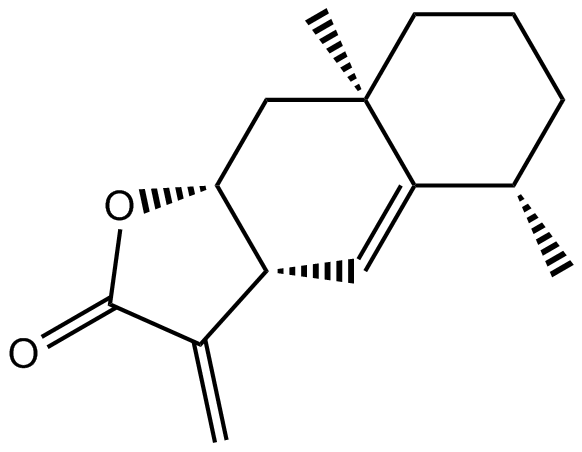 N2660 Alantolactone
 -
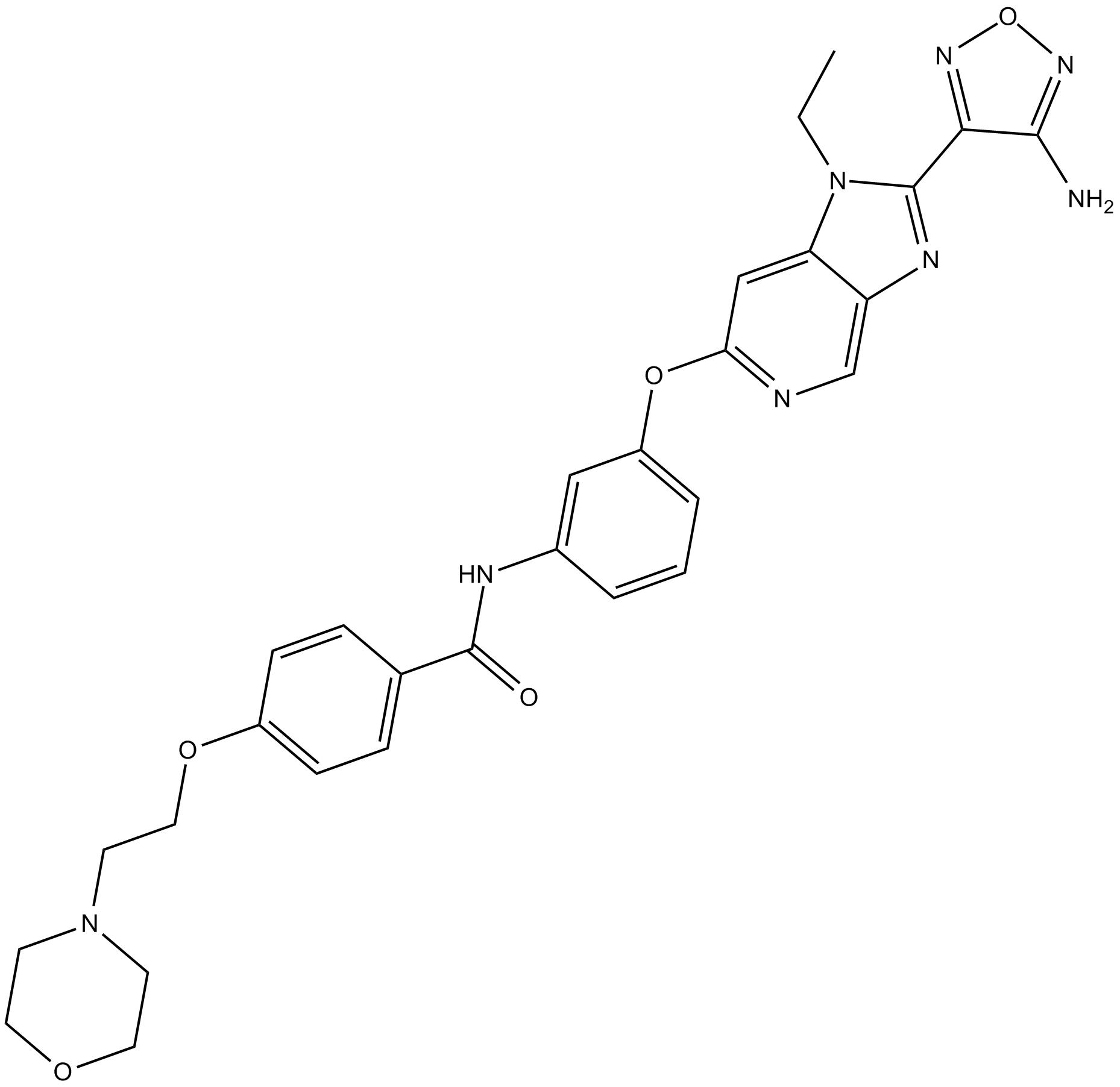 B3392 GSK269962ATarget: ROCK|RSK|MSKSummary: ROCK inhibitor