


TGF-β/Smad Signaling
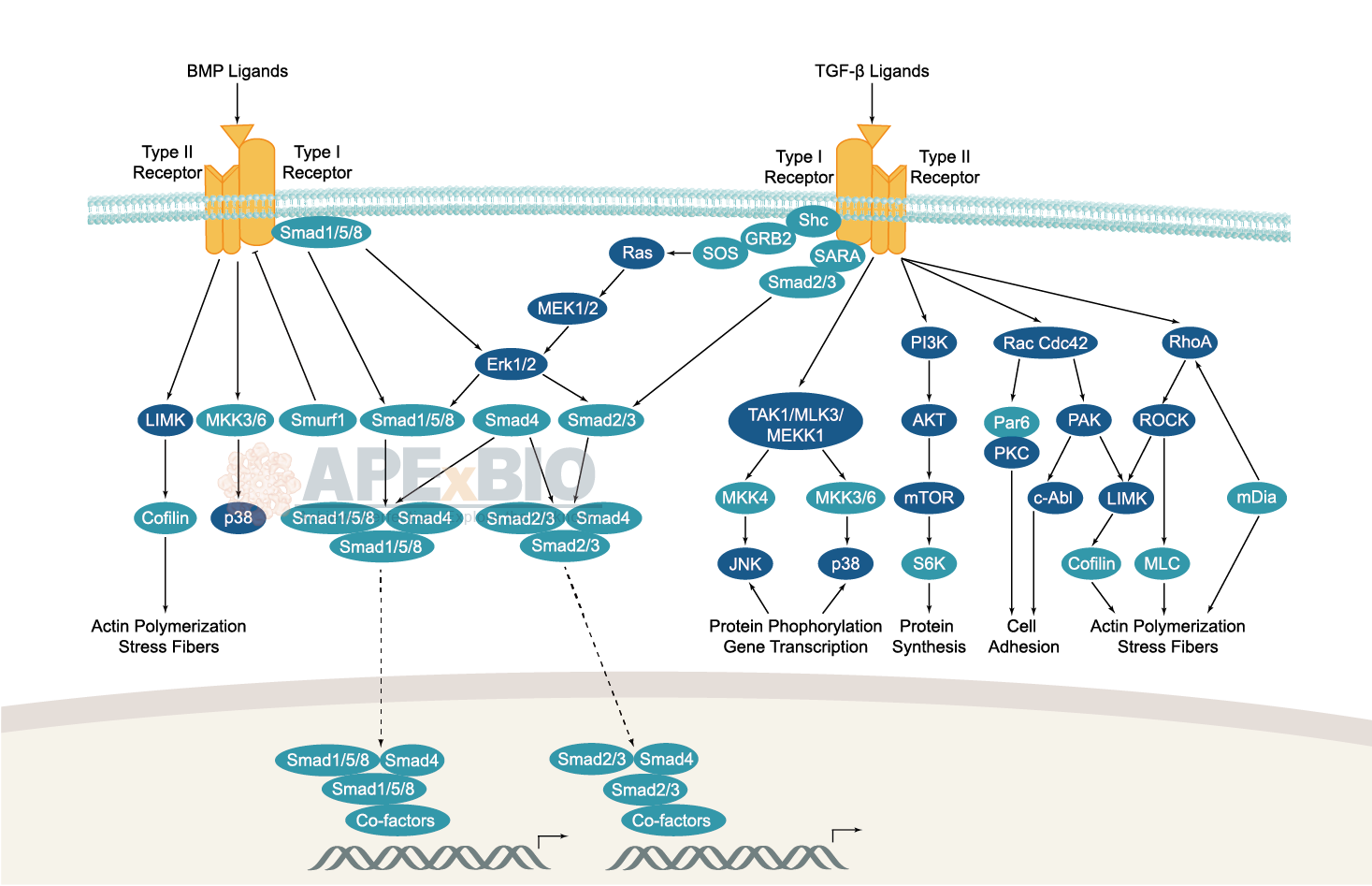
The TGF-β family is generally classified into two sub-families, TGF-β ligands, and bone morphogenic protein (BMP) ligands. In canonical signaling, receptor activation lead to phosphorylation of a group of transcription factors called Smads. TGF-β ligands bind to type II receptors (TGF-β II) which recruit and phosphorylate type I receptor (TGF-β I) on serine/threonine residues. The TGF-β I then recruits and phosphorylates a receptor regulated Smad (R-Smad). The R-Smad binds to the common Smad (Co-Smad) and forms a heterodimeric complex. This complex then translocates into the cell nucleus where it binds with nuclear co-factors to regulate the transcription of various target genes. Dysregulation of TGF-β/Smad signaling pathway is associated with a number of pathological conditions including fibrosis, cancer, immunodeficiency, diabetes and cardiovascular diseases etc.
-
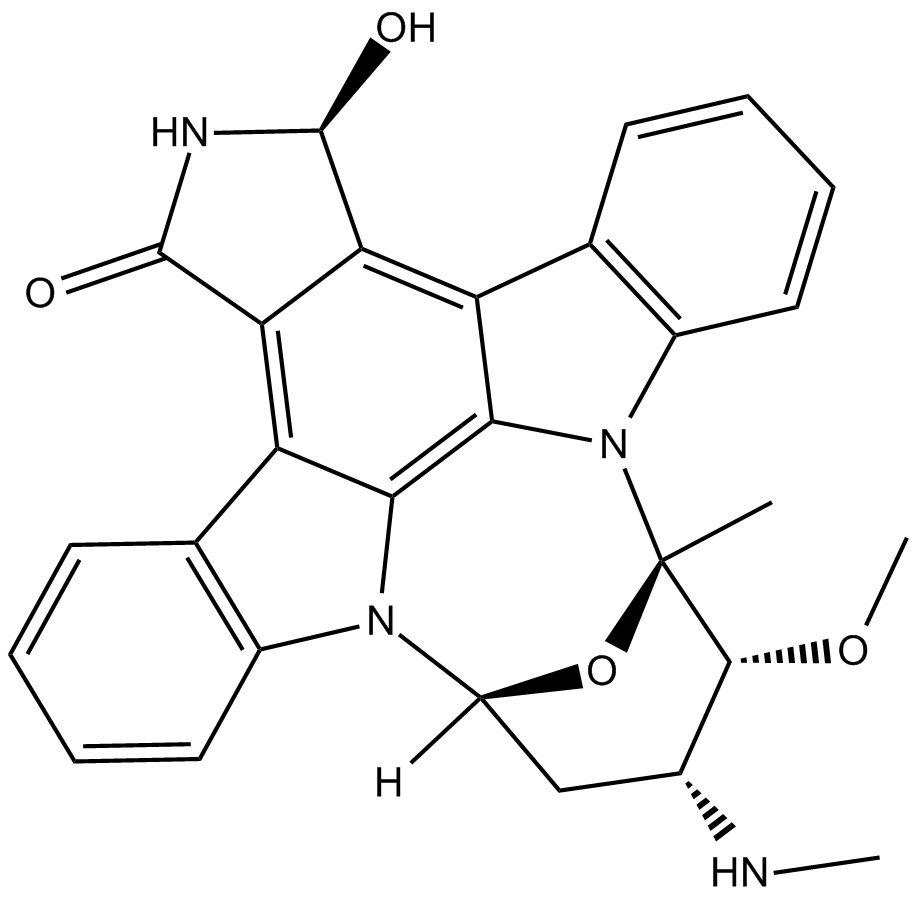 C4829 UCN-02Summary: protein kinase C inhibitor
 -
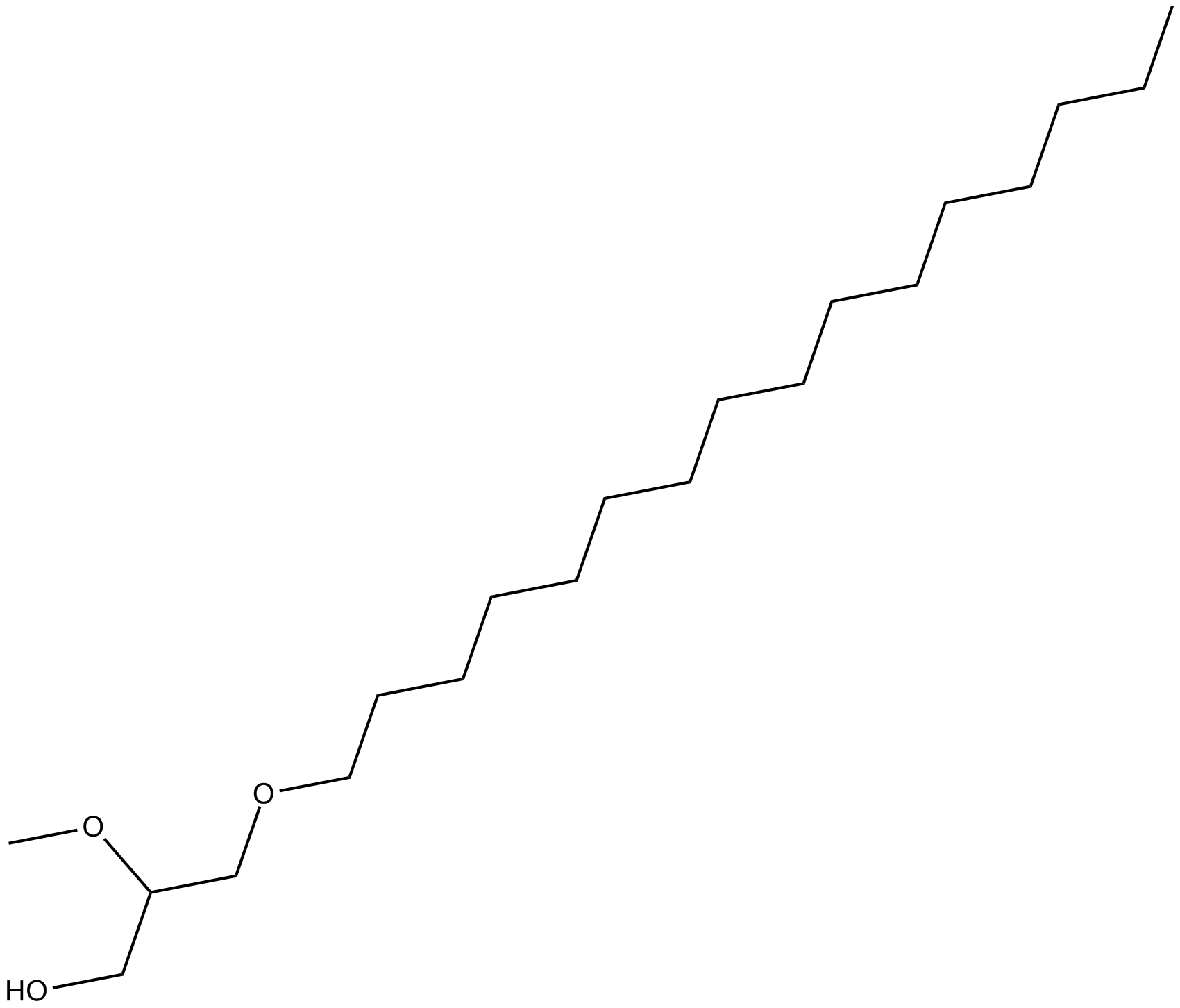 C5388 Hexadecyl Methyl GlycerolSummary: protein kinase C activity inhibitor
 -
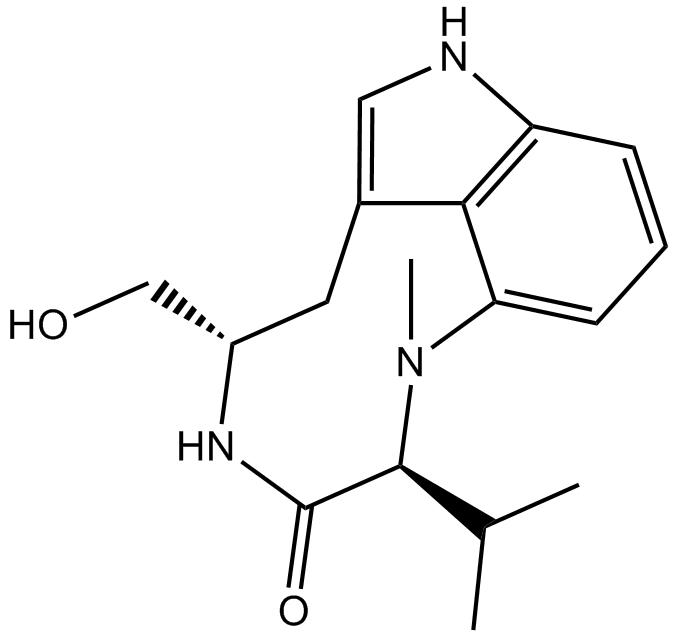 B7454 (-)-Indolactam VSummary: protein kinase C activator
 -
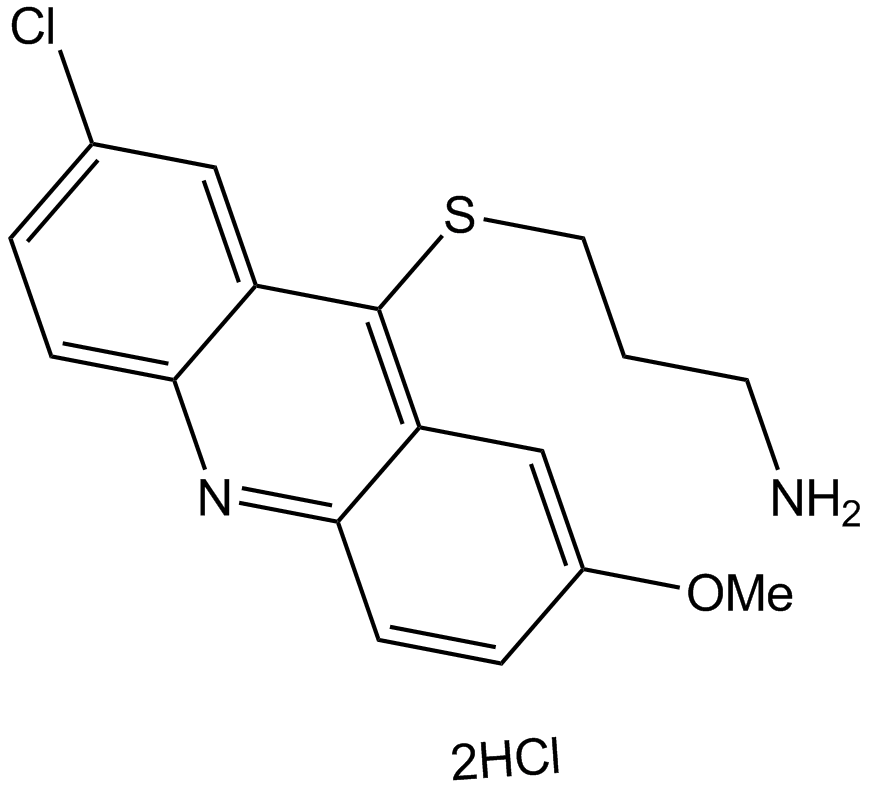 B7785 LDN 209929 dihydrochlorideTarget: haspin kinaseSummary: haspin kinase inhibitor
 -
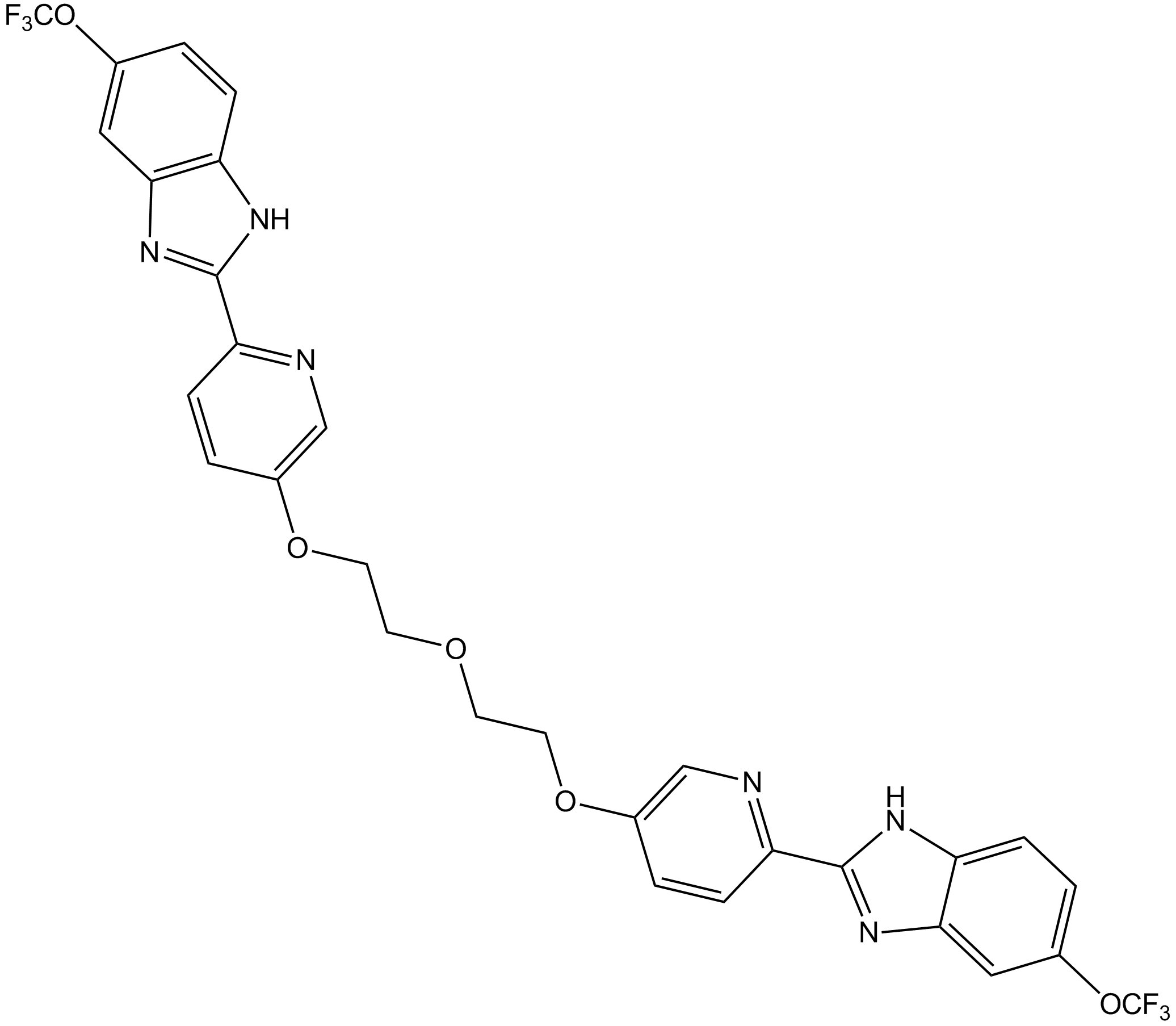 A8694 AI-10-491 CitationSummary: A selective leukemia oncoprotein CBFβ-SMHHC inhibitor
 -
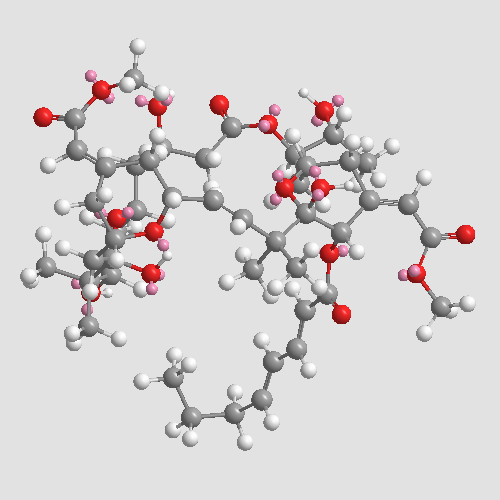 B4942 Bryostatin 2Summary: Protein kinase C (PKC) activator
 -
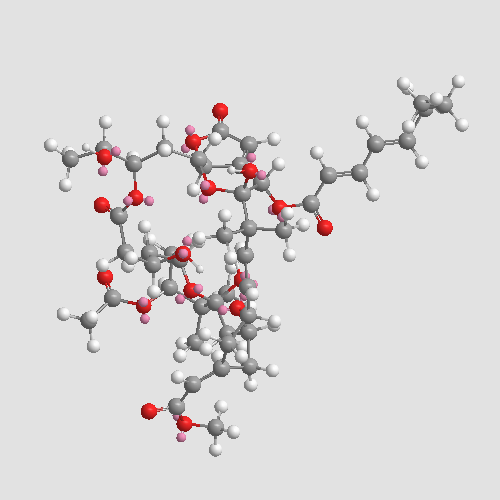 B4943 Bryostatin 3Summary: protein kinase C activator
 -
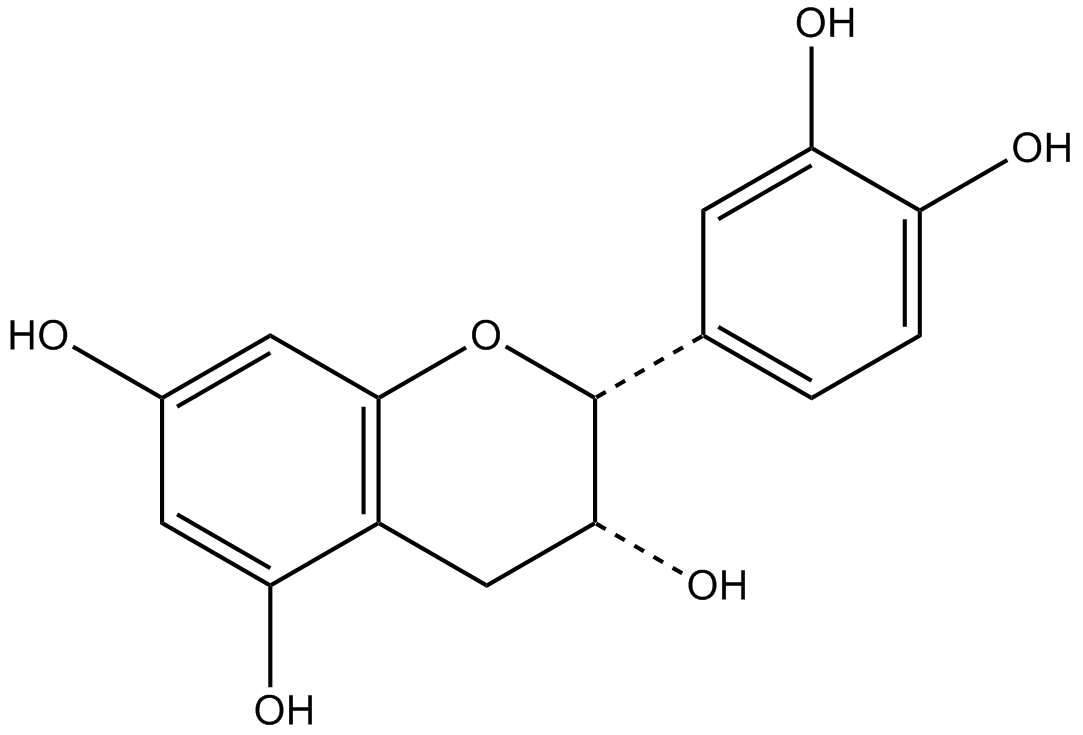 B4964 (-)-epicatechinSummary: inducer of pancreatic β-cell regeneration
 -
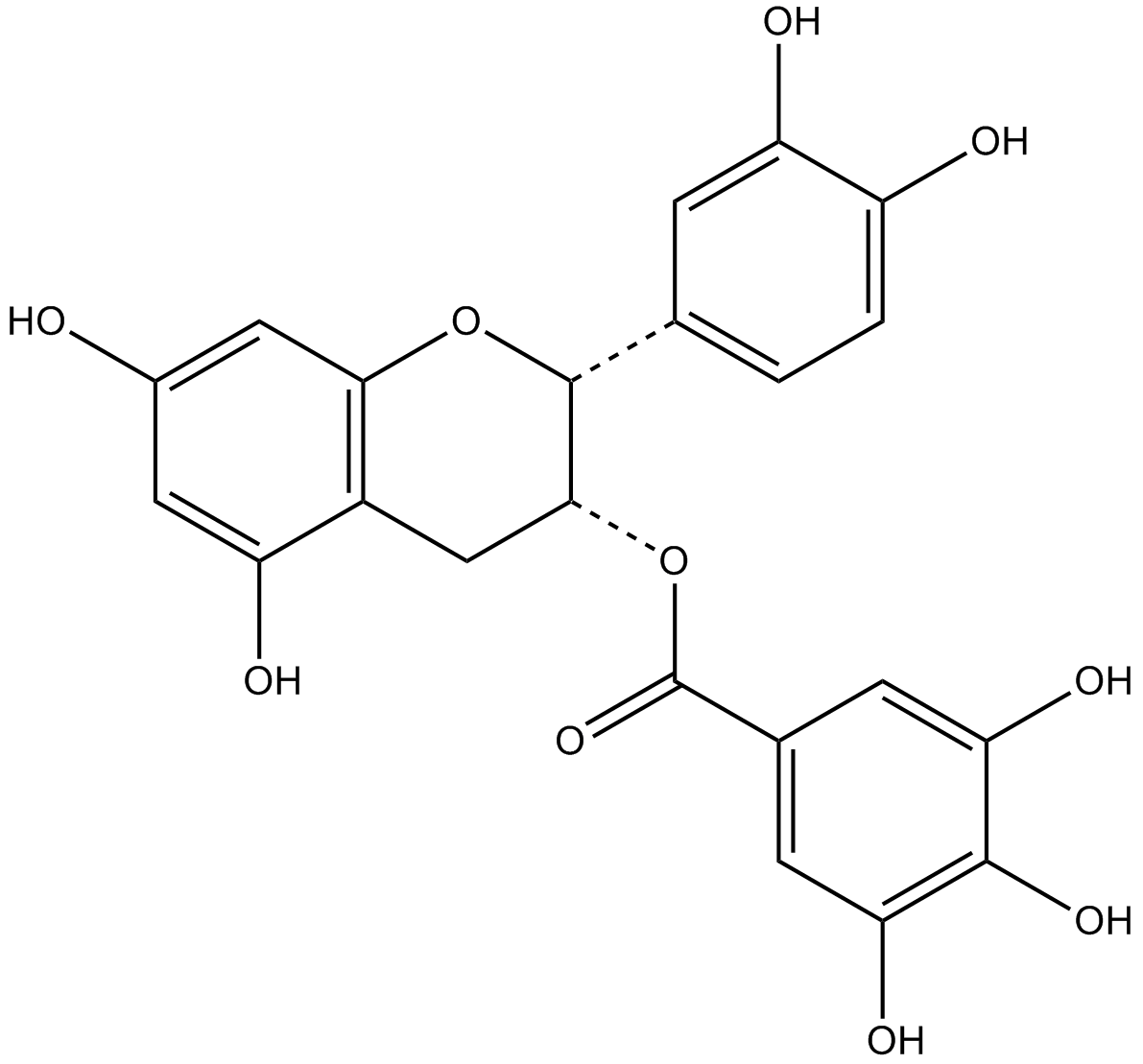 B4965 (-)-epicatechin gallateSummary: major catechin in green tea
 -
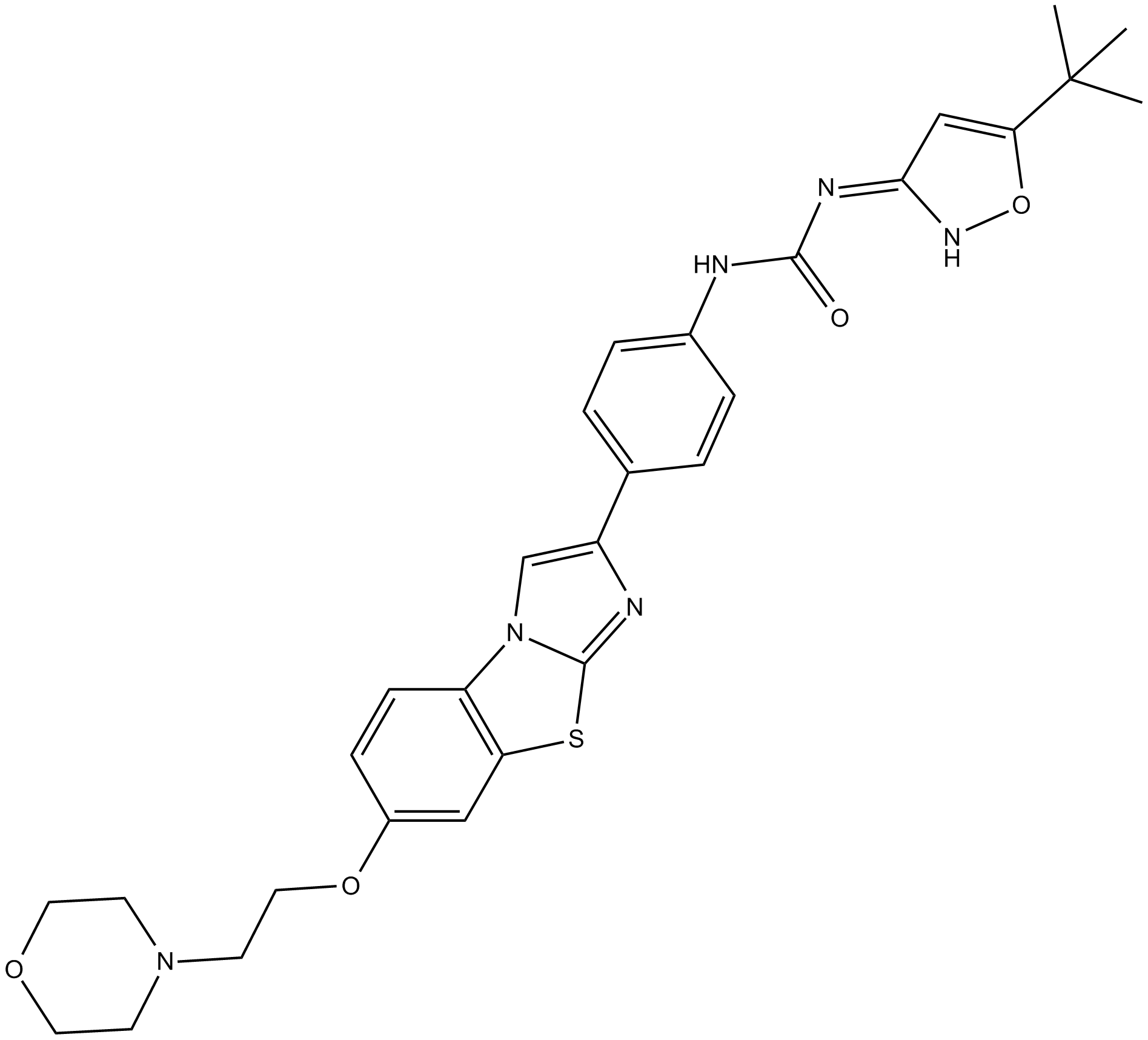 B5858 ITD 1Summary: The first selective TGFβ inhibitor