


TGF-β/Smad Signaling
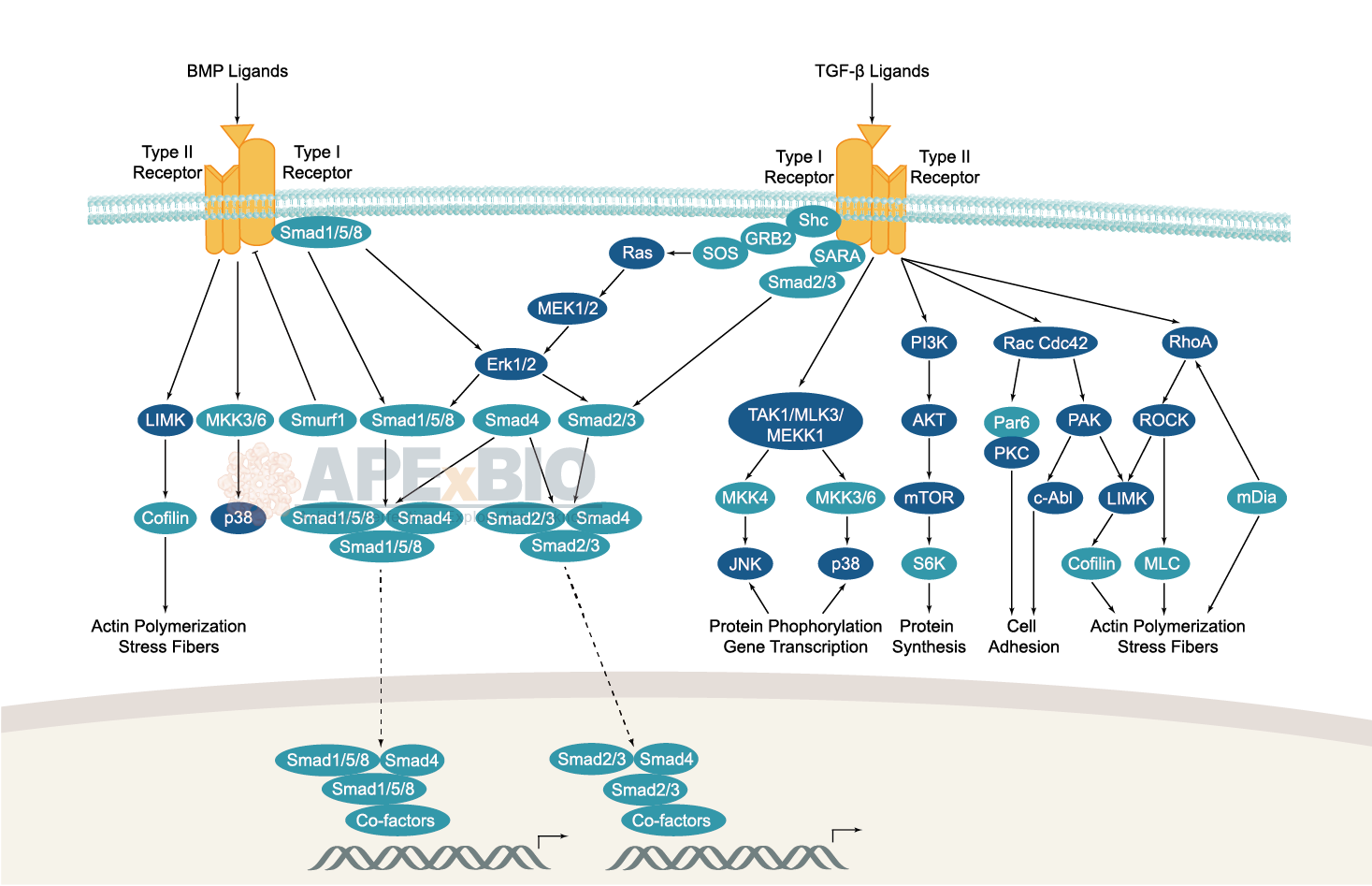
The TGF-β family is generally classified into two sub-families, TGF-β ligands, and bone morphogenic protein (BMP) ligands. In canonical signaling, receptor activation lead to phosphorylation of a group of transcription factors called Smads. TGF-β ligands bind to type II receptors (TGF-β II) which recruit and phosphorylate type I receptor (TGF-β I) on serine/threonine residues. The TGF-β I then recruits and phosphorylates a receptor regulated Smad (R-Smad). The R-Smad binds to the common Smad (Co-Smad) and forms a heterodimeric complex. This complex then translocates into the cell nucleus where it binds with nuclear co-factors to regulate the transcription of various target genes. Dysregulation of TGF-β/Smad signaling pathway is associated with a number of pathological conditions including fibrosis, cancer, immunodeficiency, diabetes and cardiovascular diseases etc.
-
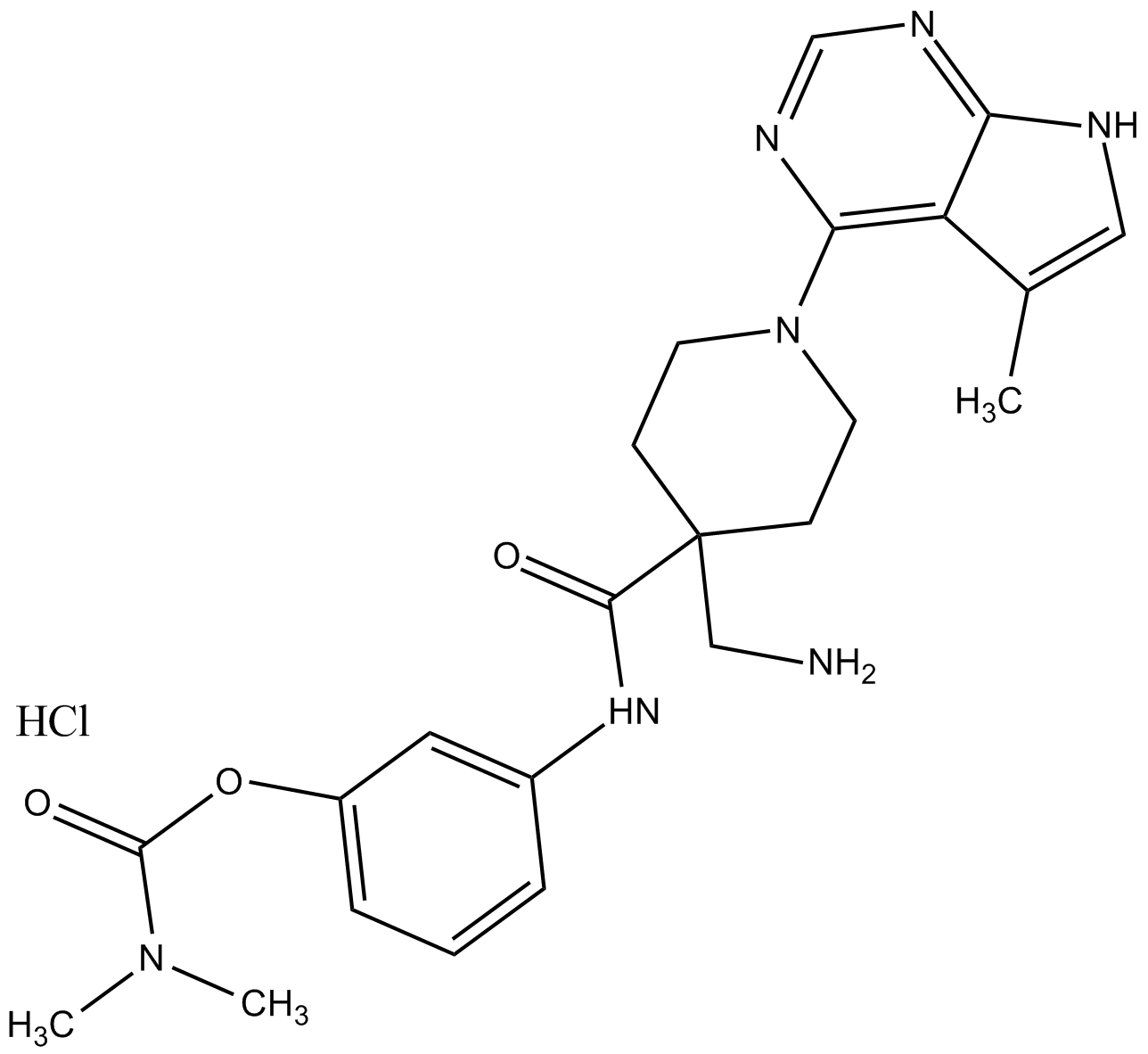 B5863 LX7101 HCLSummary: Dual LIM-kinase and ROCK inhibitor
 -
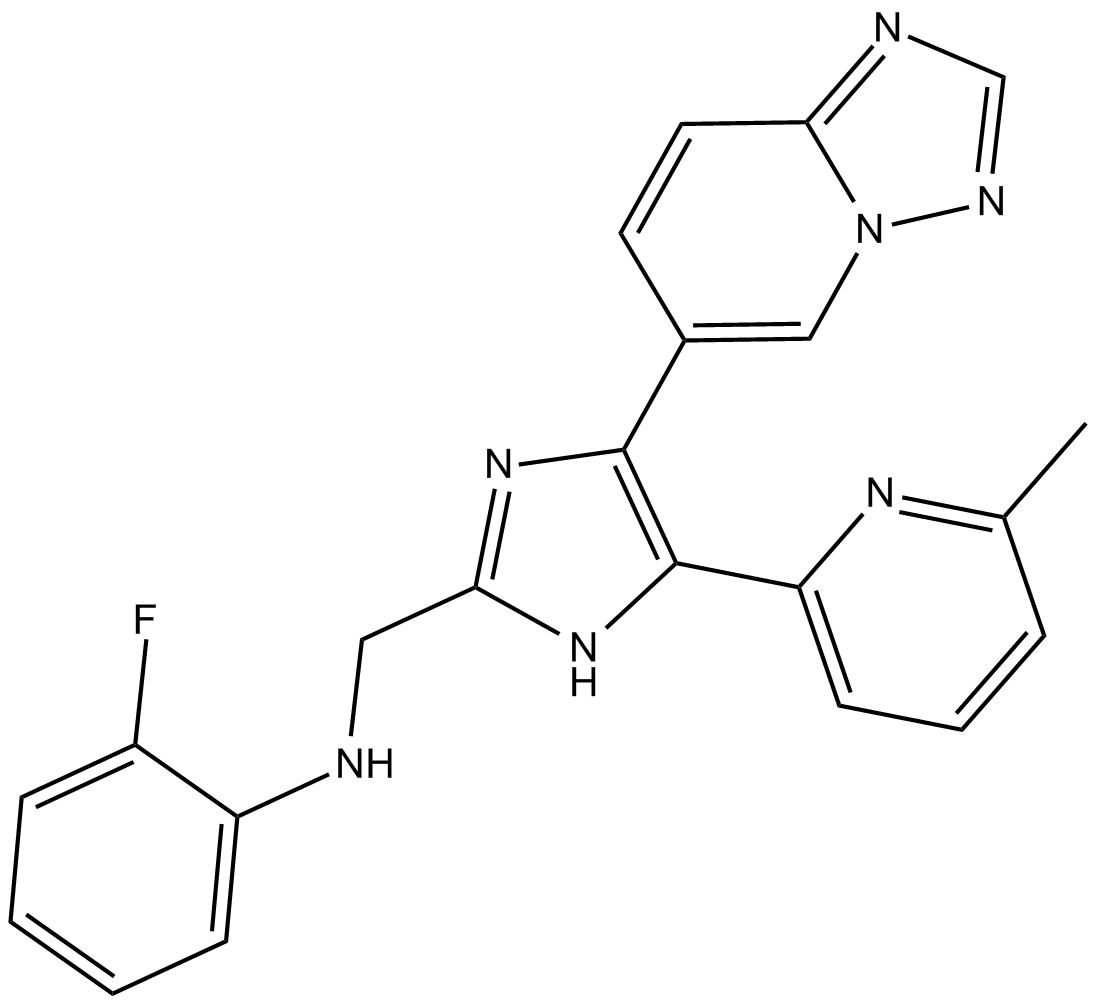 B5946 EW-71971 CitationTarget: BMP and Other Activin ReceptorsSummary: Selective inhibitor of TGF-β type I receptor kinase
 -
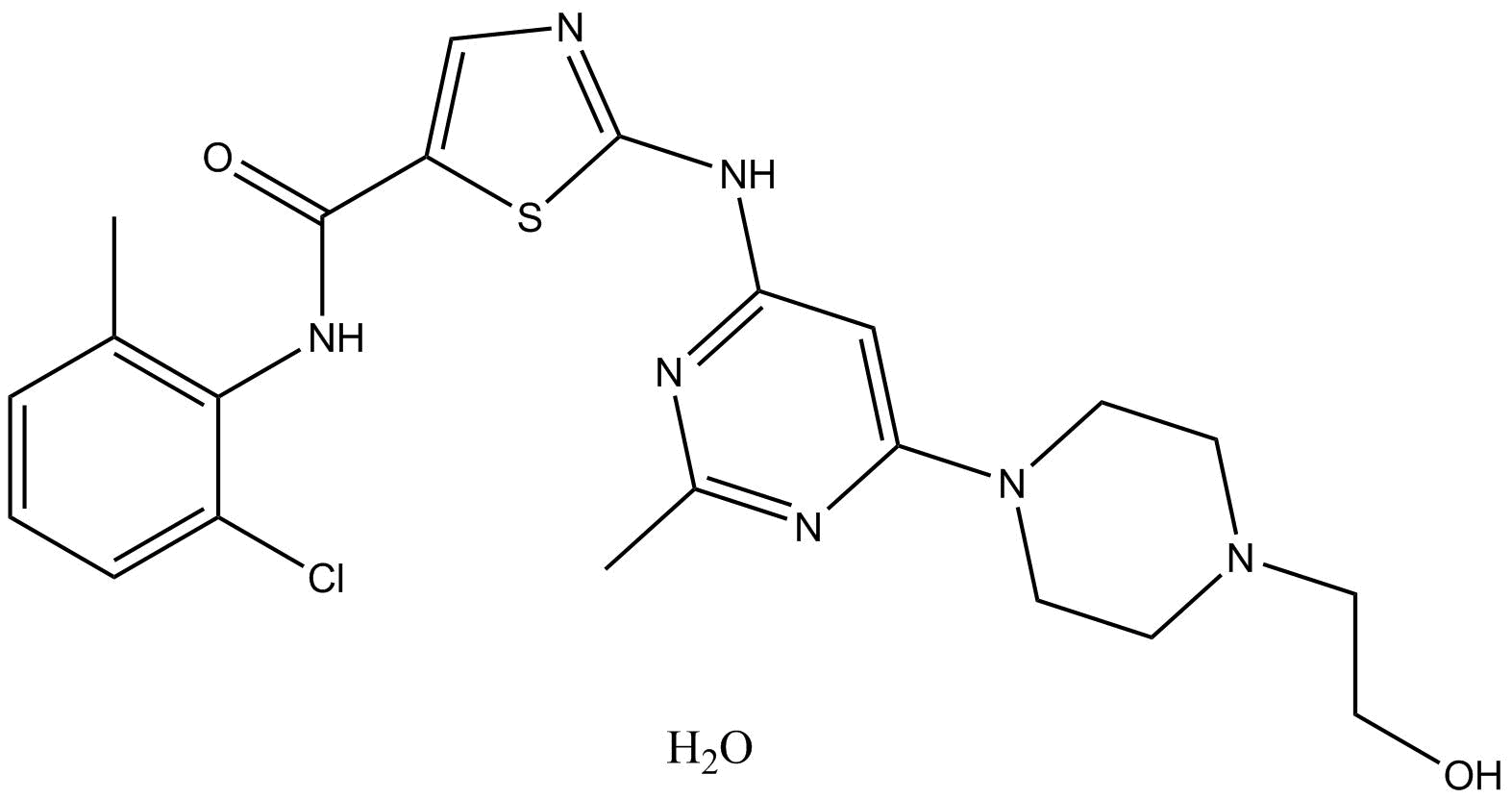 B5954 Dasatinib MonohydrateTarget: PDGFR|c-Kit|Bcr-Abl|SrcSummary: Inhibitor of ABL, SRC, KIT, PDGFR, and other tyrosine kinases.
 -
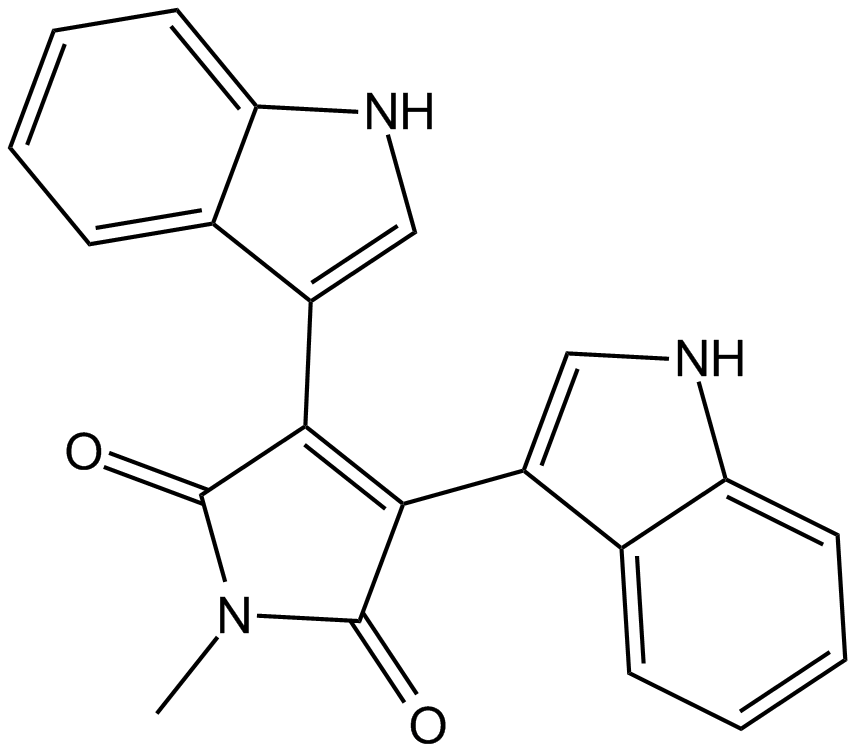 B6066 Bisindolylmaleimide VSummary: negative control for protein kinase C (PKC)-inhibitory activity
 -
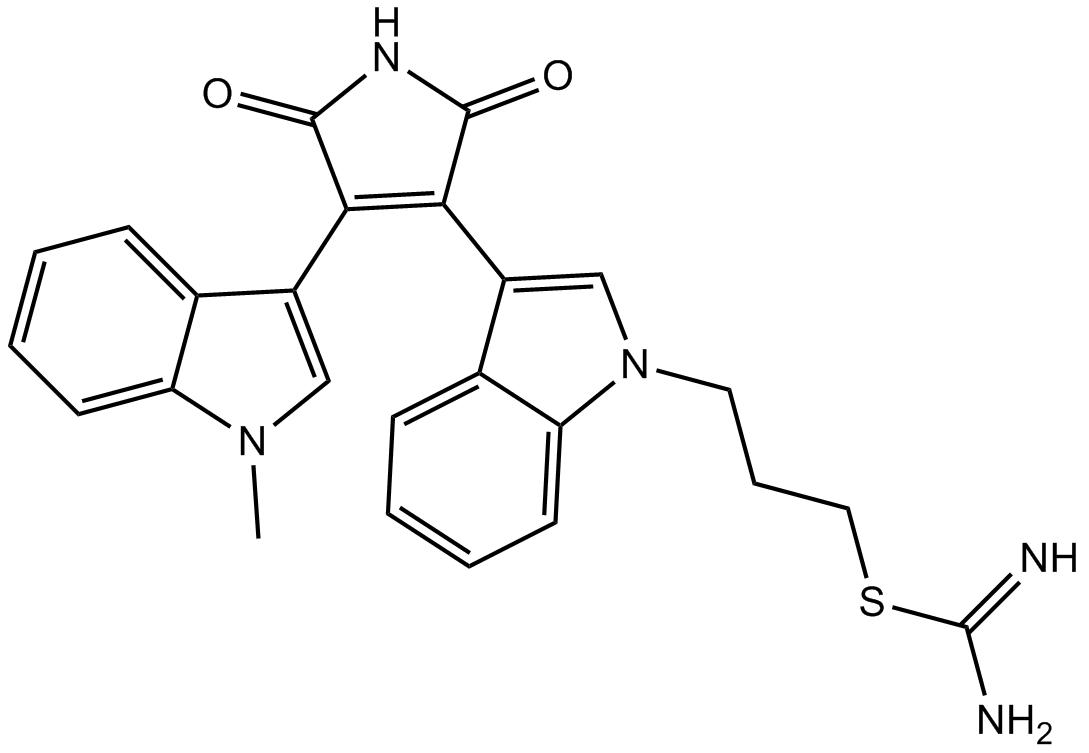 B1287 Ro 31-8220Target: PKCSummary: pan-PKC inhibitor
 -
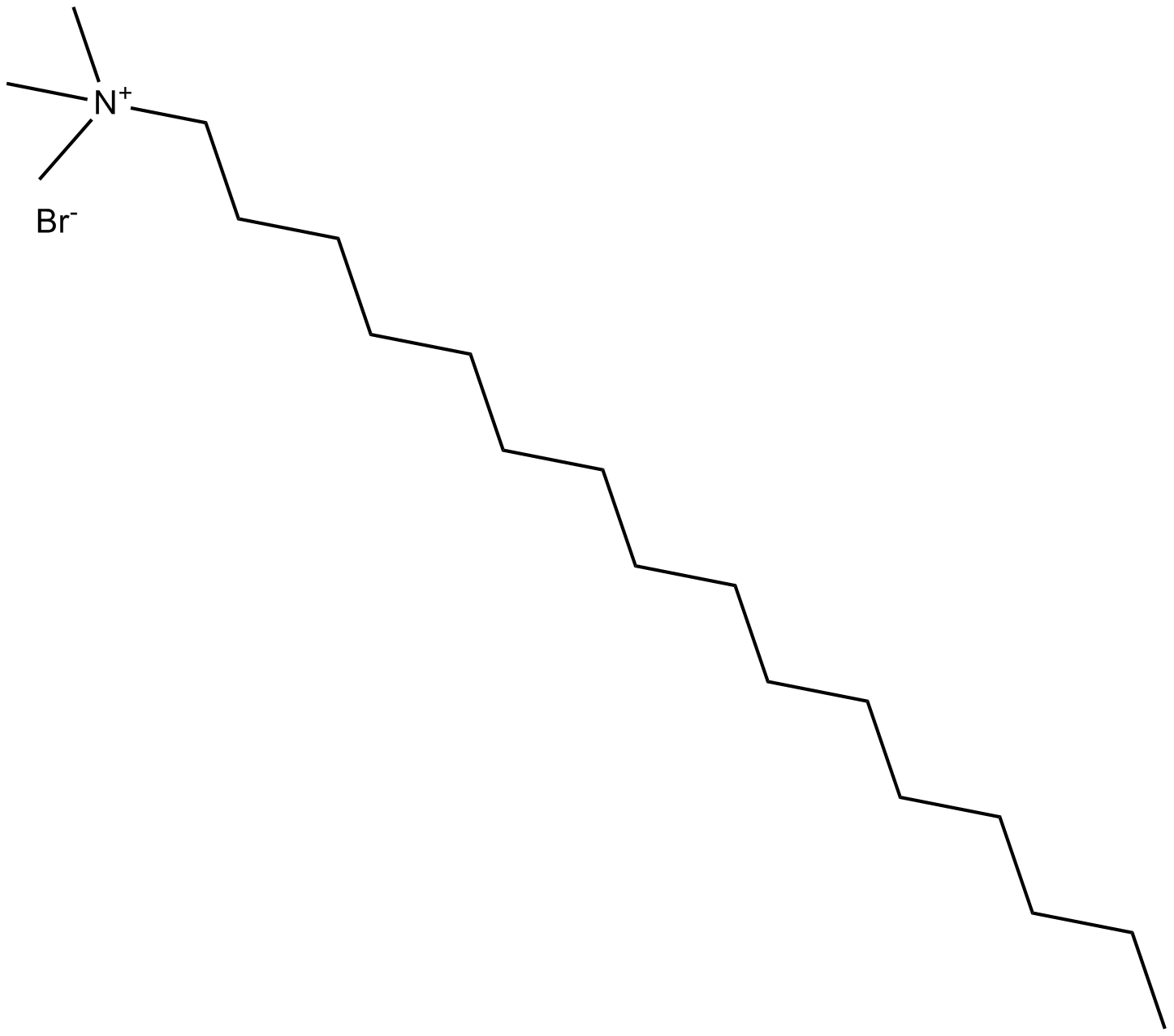 B1693 Cetrimonium Bromide (CTAB)Summary: Component of the broad-spectrum antiseptic cetrimide
 -
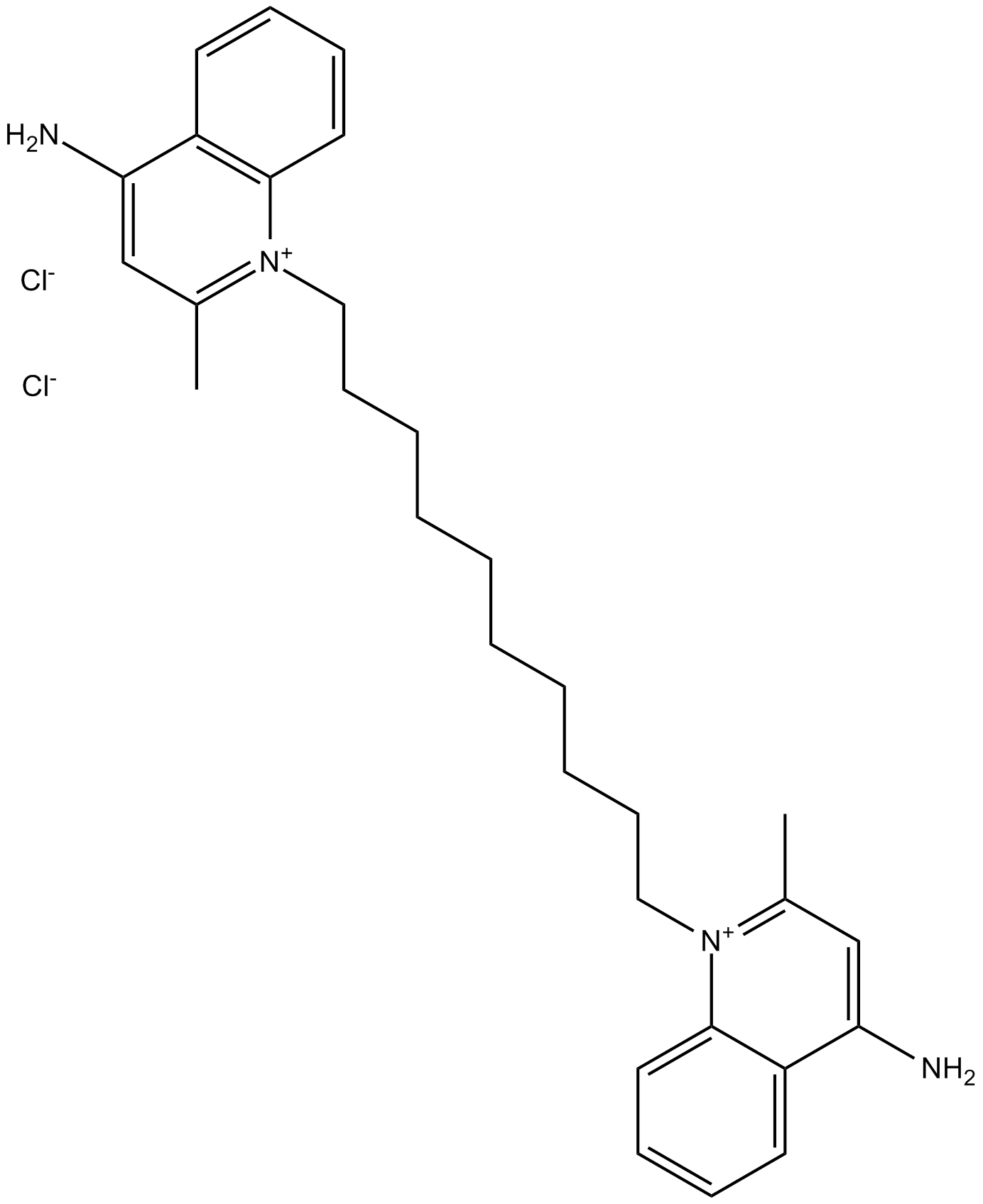 B2191 Dequalinium ChlorideTarget: PKC|Calcium-Activated Potassium (KCa) ChannelsSummary: anti-tumor agent and PKC inhibitor
 -
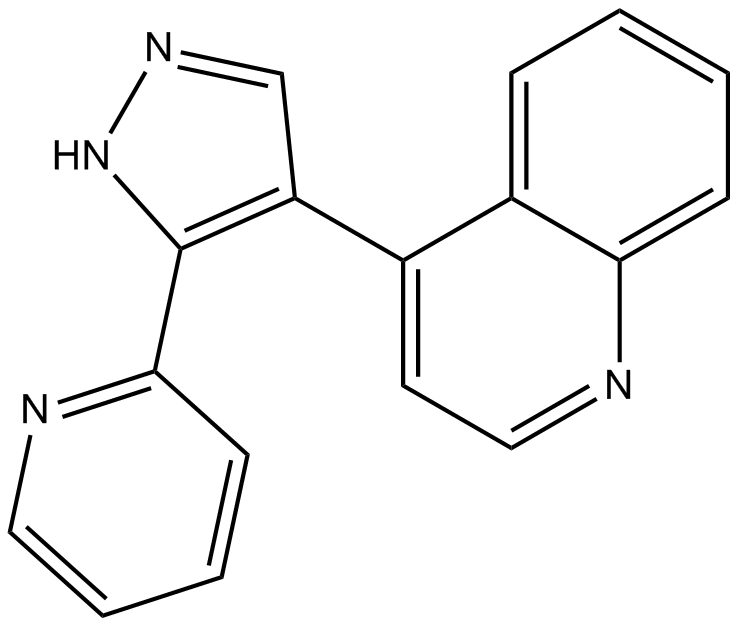 B2287 LY3649474 CitationSummary: inhibitor of TGF-β type I receptor kinase domain
 -
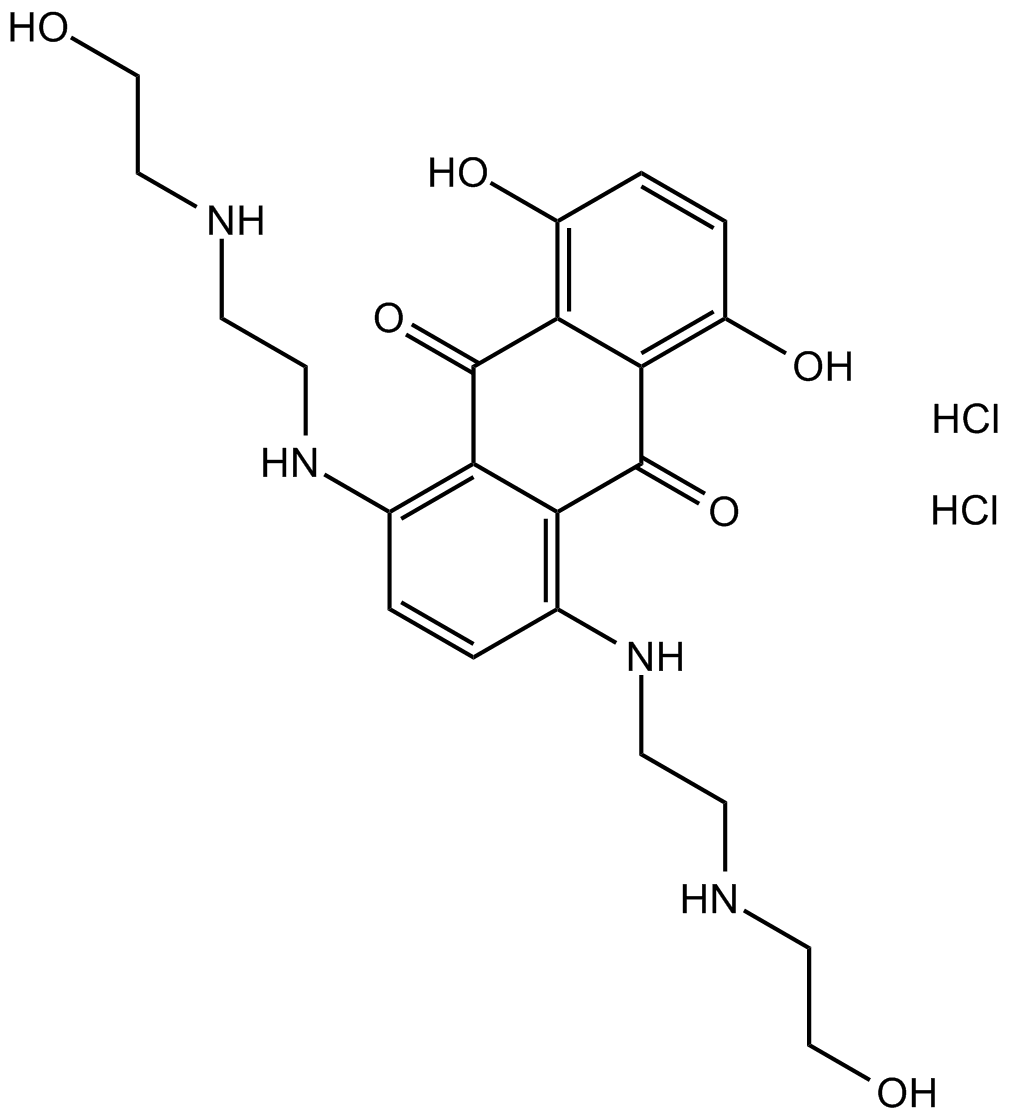 B2114 Mitoxantrone HCl2 CitationTarget: Pim|Topoisomerases|USP|HIV IntegrasesSummary: Topoisomerase II inhibitor, anti-neoplastic drug
 -
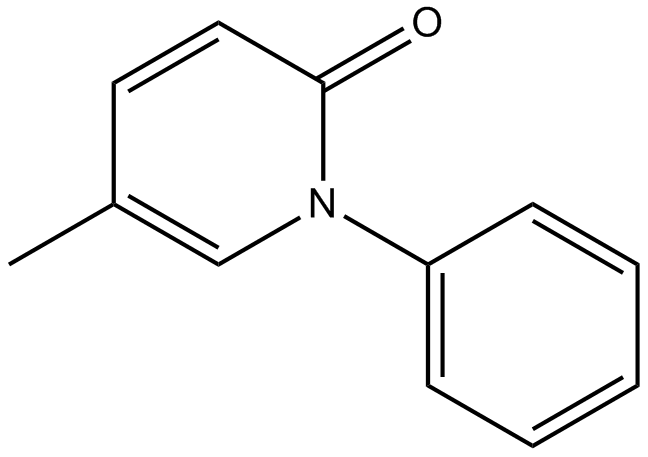 B2288 Pirfenidone3 CitationSummary: TGF-β production inhibitor