


Immunology/Inflammation
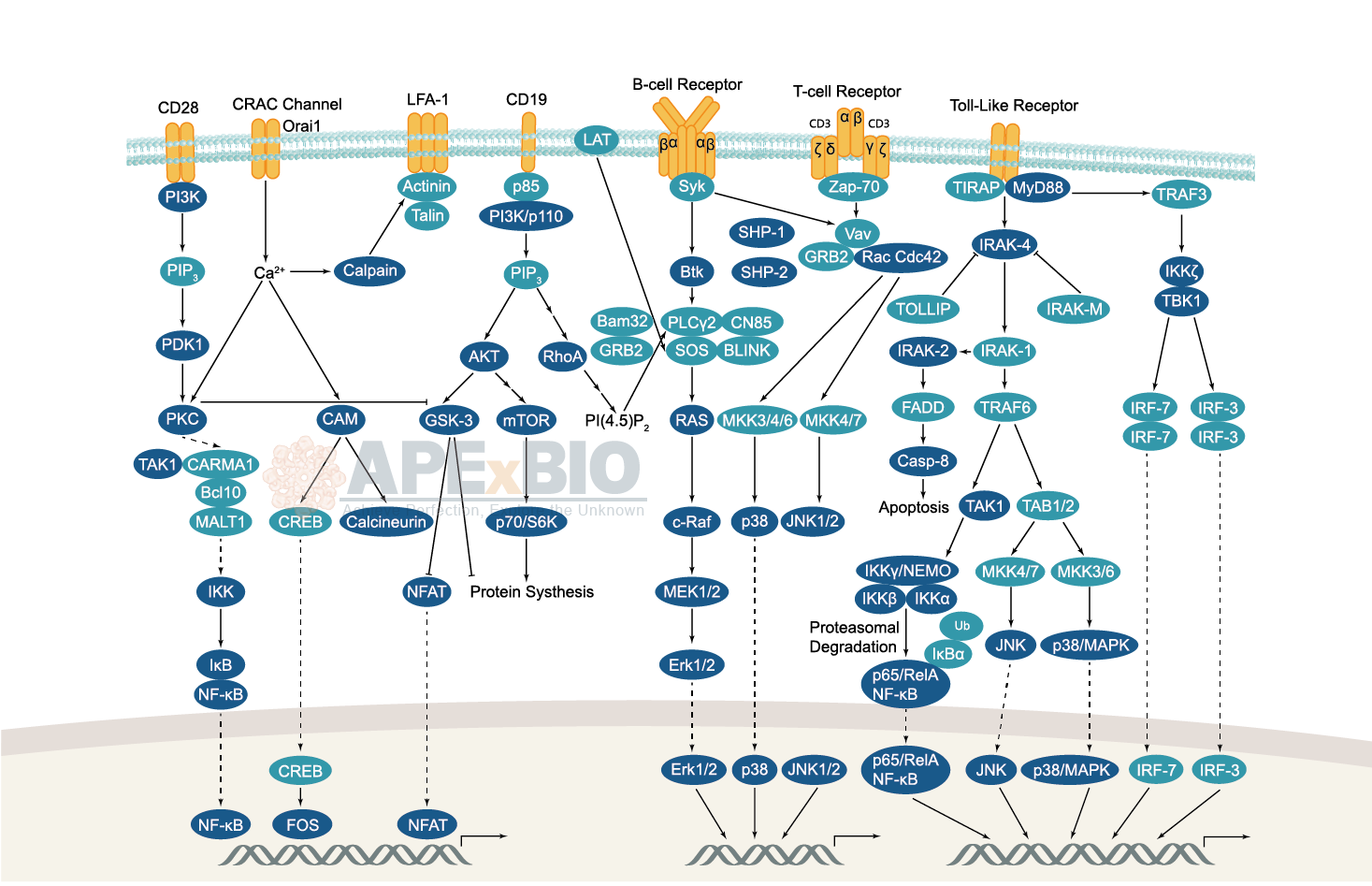
The adaptive immune system consists of B and T lymphocytes which mediate humoral immunity (e.g. antibody response) and cell-mediated immunity, respectively. B cell receptor and T cell receptor signaling is responsible for activation of Src family tyrosine kinases, such as Blk, Fyn, and Lyn in B cells and Fyn and Lck in T cells, resulting phosphorylation of the receptor-associated ITAM motifs. Phosphorylated ITAMs serve as the docking sites for Syk family tyrosine kinases, e.g. Syk in B cells and Zap-70 in T cells. Activated Syk kinases then propagate the signals via phosphorylation of downstream proteins. Furthermore, lymphocyte receptor signaling facilitates B and T cell development, differentiation, proliferation and survival.
-
 A8981 ODN 1826 sodiumSummary: A CpG oligodeoxynucleotide TLR9 agonist that activates TLR9 and promotes Th1-type immune responses for antitumor and antiviral immunity
-
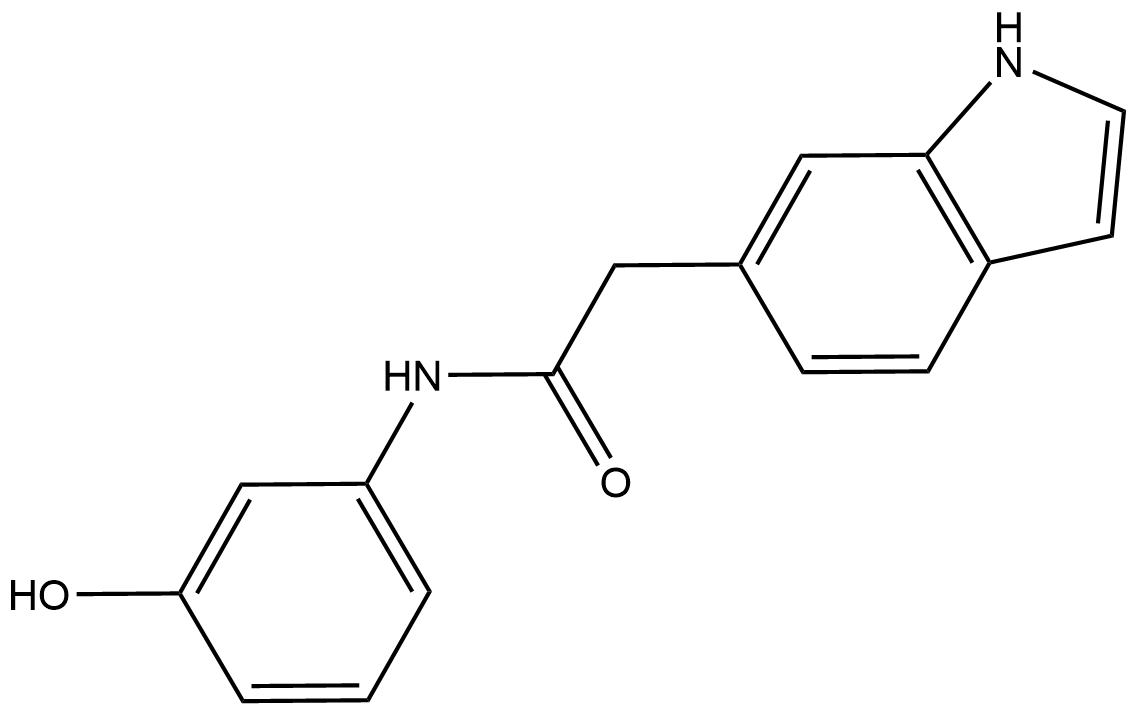 A8997 NLRP3/AIM2-IN-3Summary: An inflammasome modulator that disrupts ASC oligomerization for pyroptosis and inflammatory disease
-
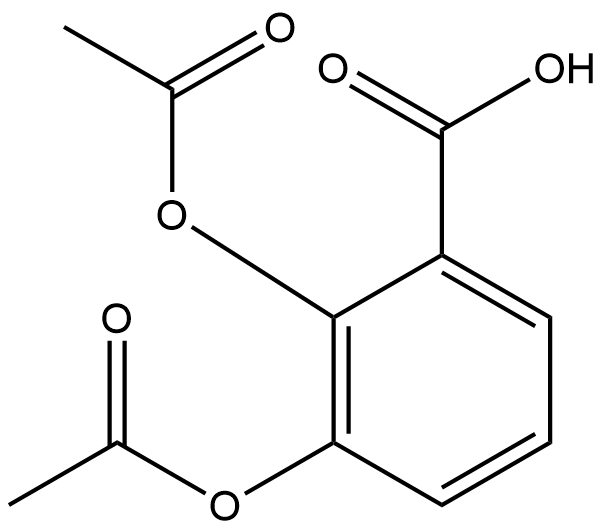 A9009 Dipyrocetyl
-
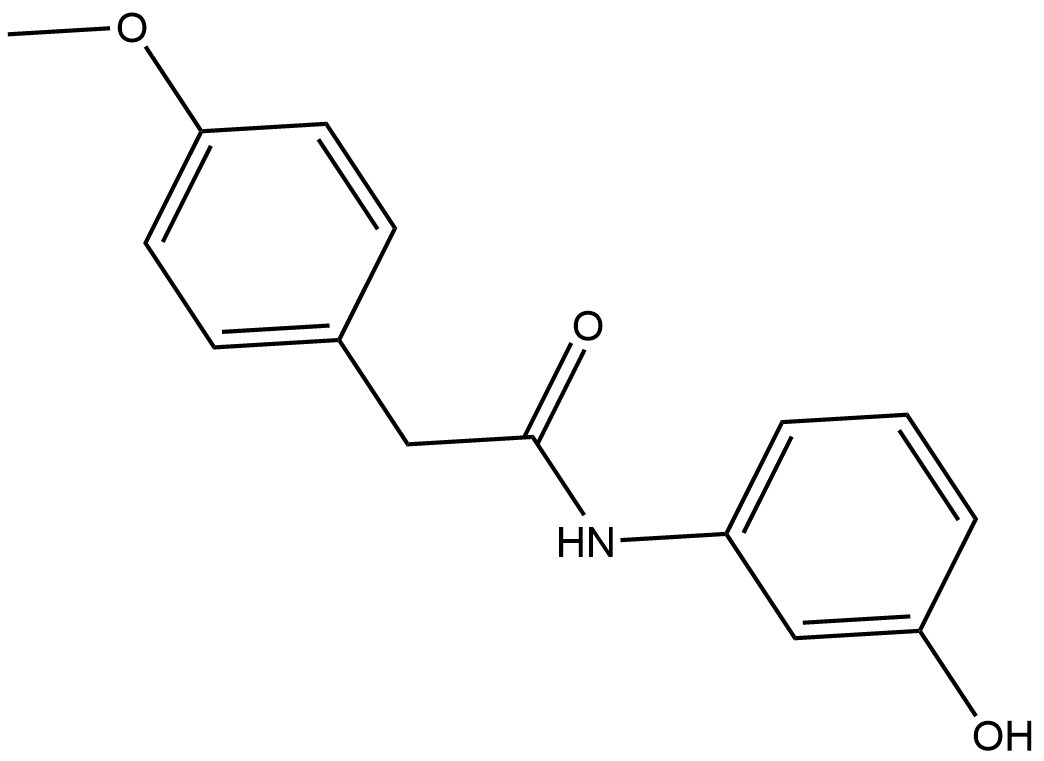 A9014 NLRP3/AIM2-IN-2
-
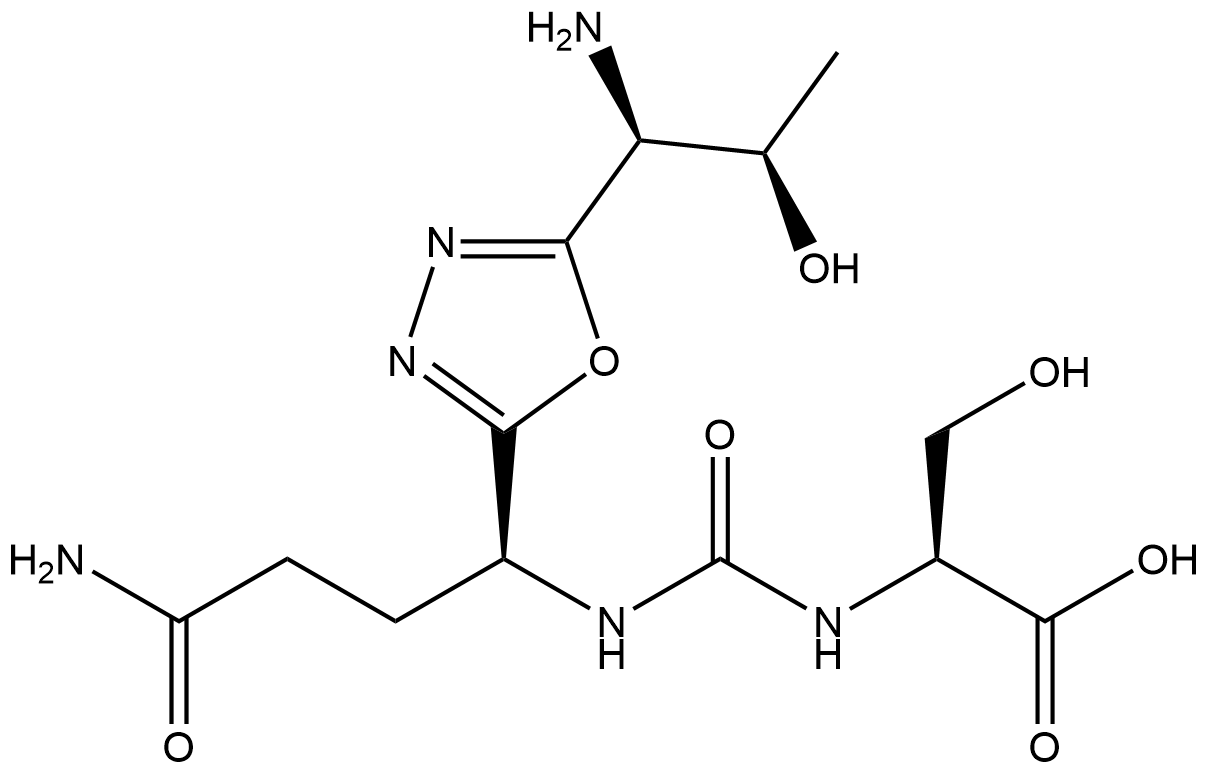 A9026 PD-1-IN-17
-
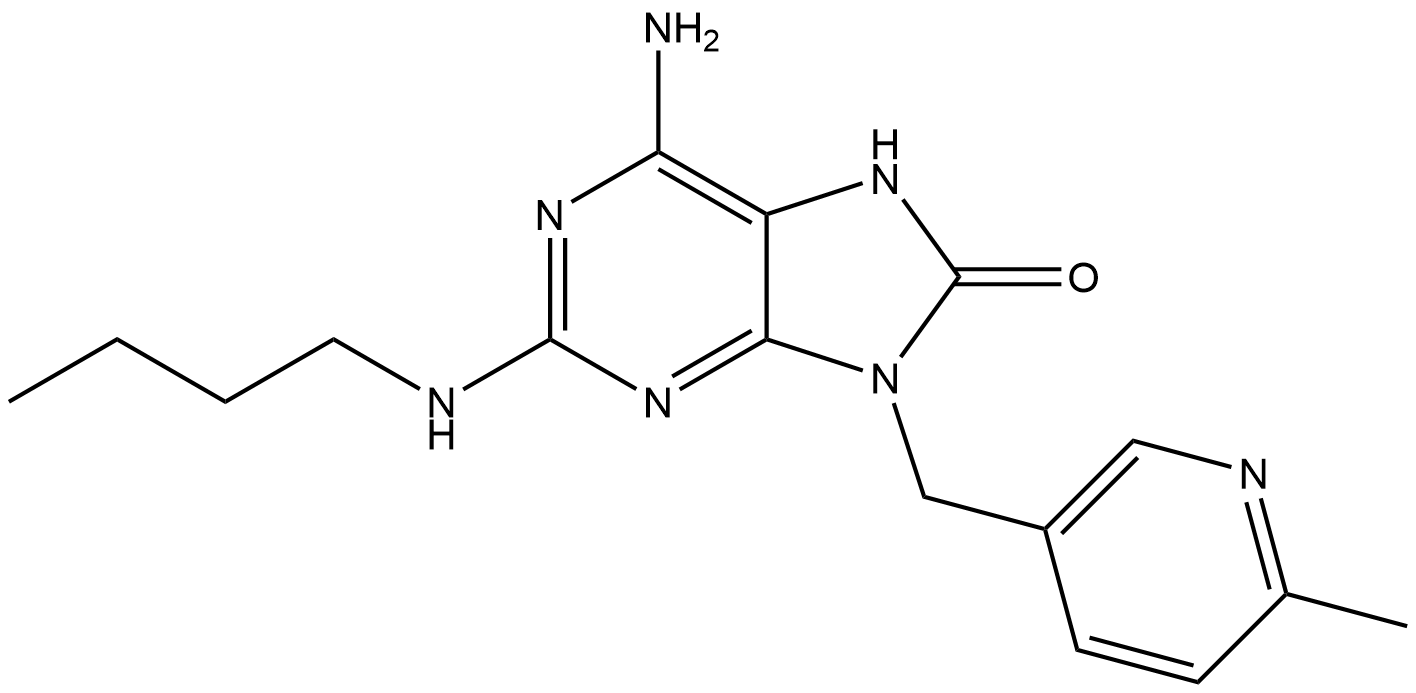 A9027 SM-276001
-
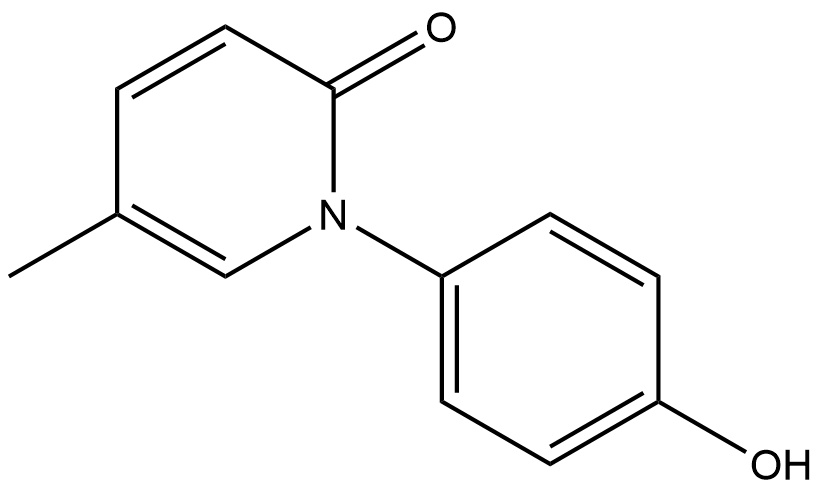 A9036 Hydronidone
-
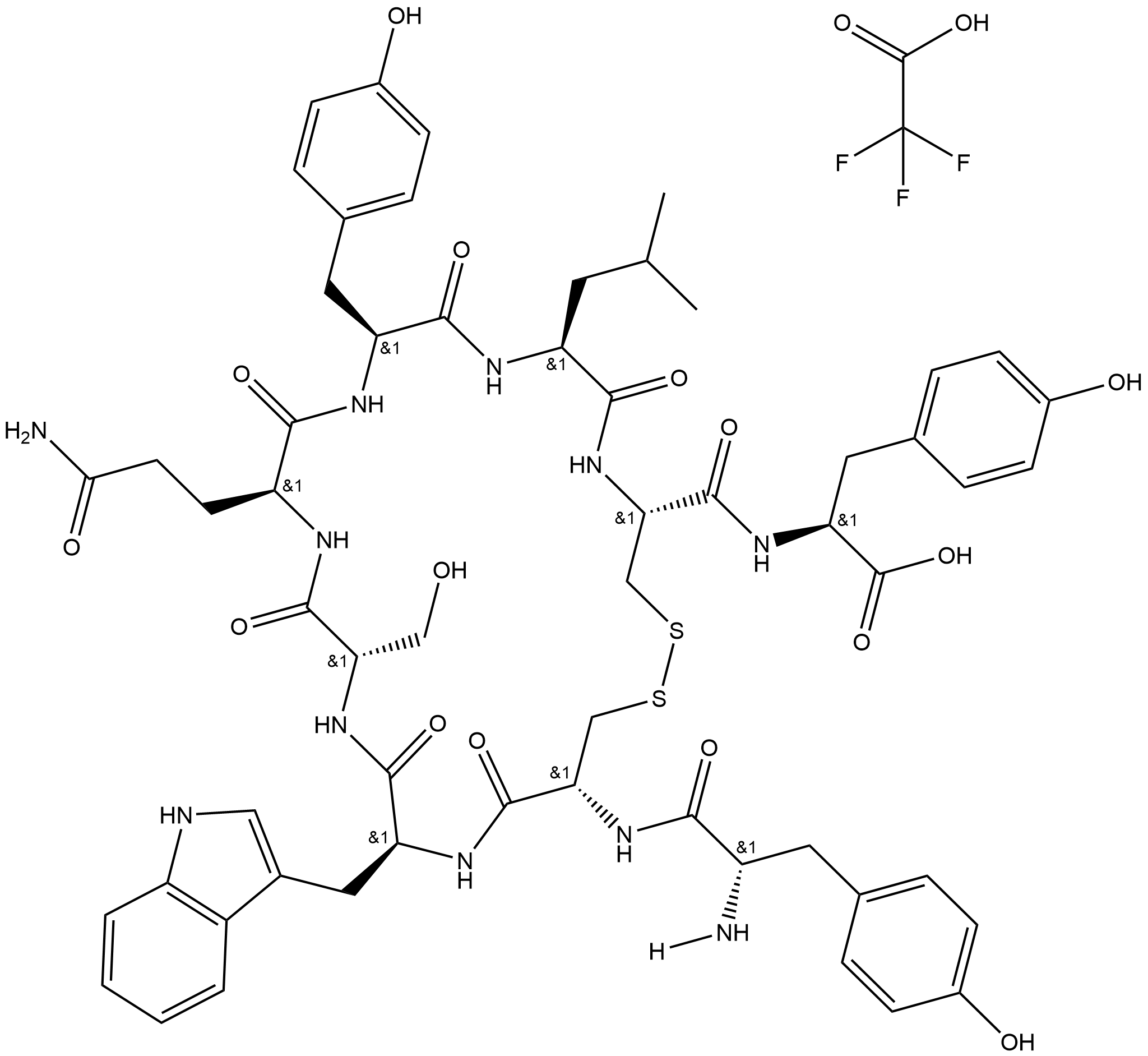 A9057 TNF-α Antagonist TFA
-
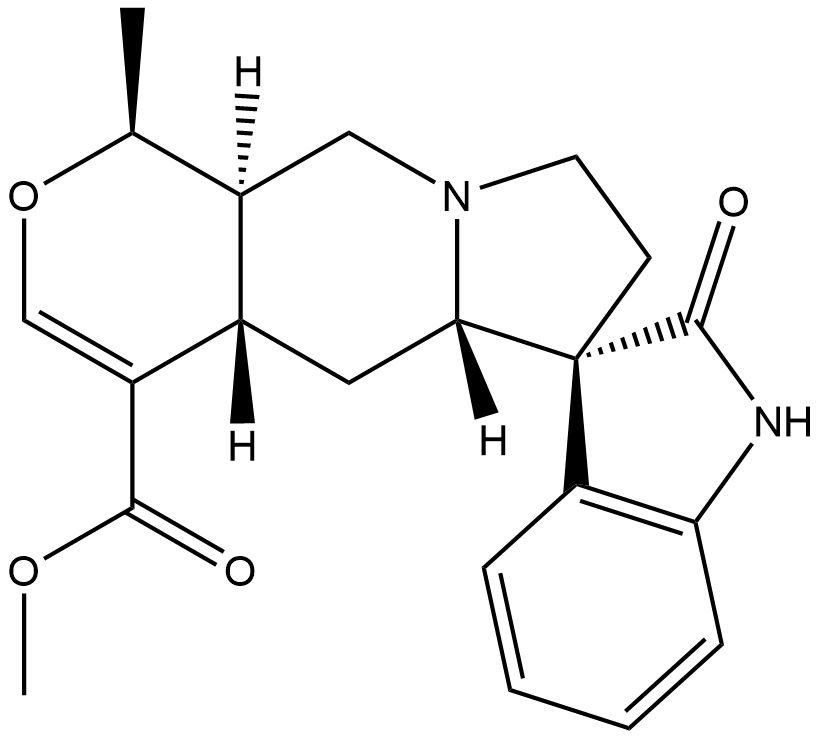 A9072 MitraphyllineSummary: Major pentacyclic oxindole alkaloid found in Uncaria tomentosa, inhibits lipopolysaccharide-induced activation of primary human neutrophils.
-
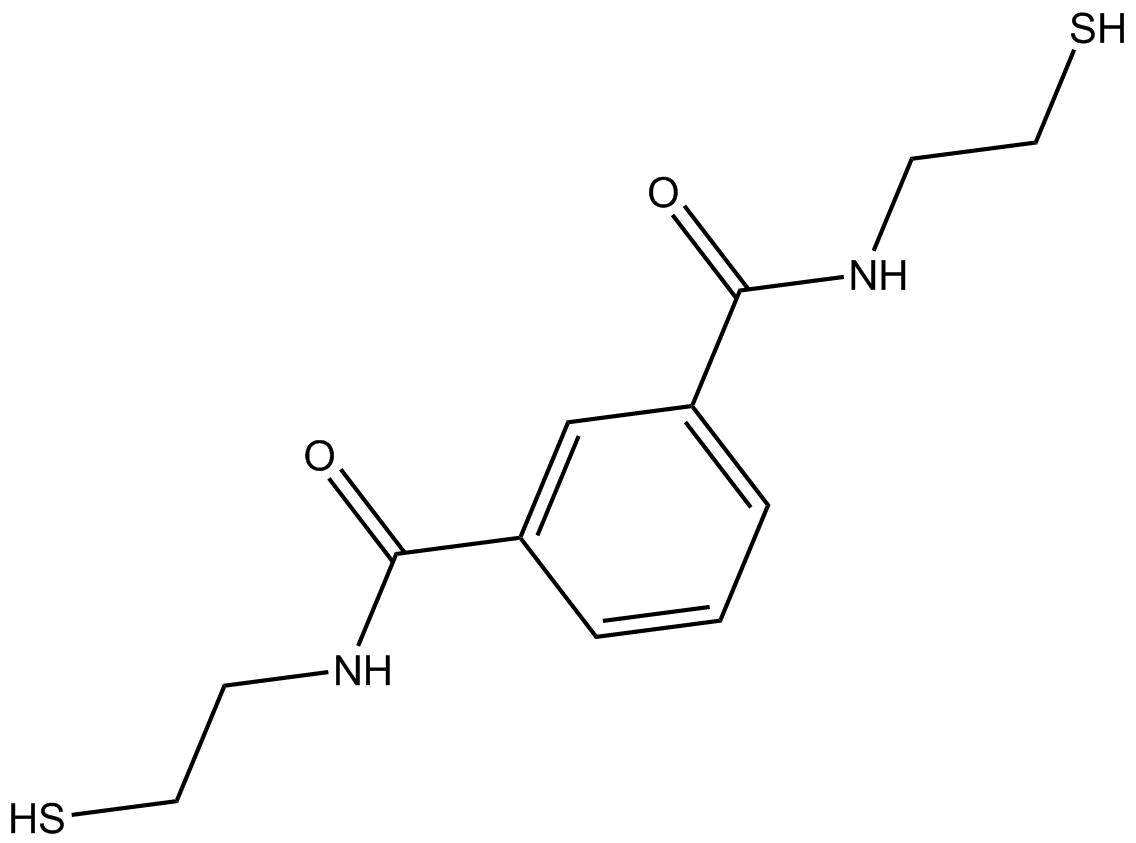 C6596 EmeramideSummary: A heavy metal chelator and antioxidant for the treatment of mercury poisoning