


Immunology/Inflammation
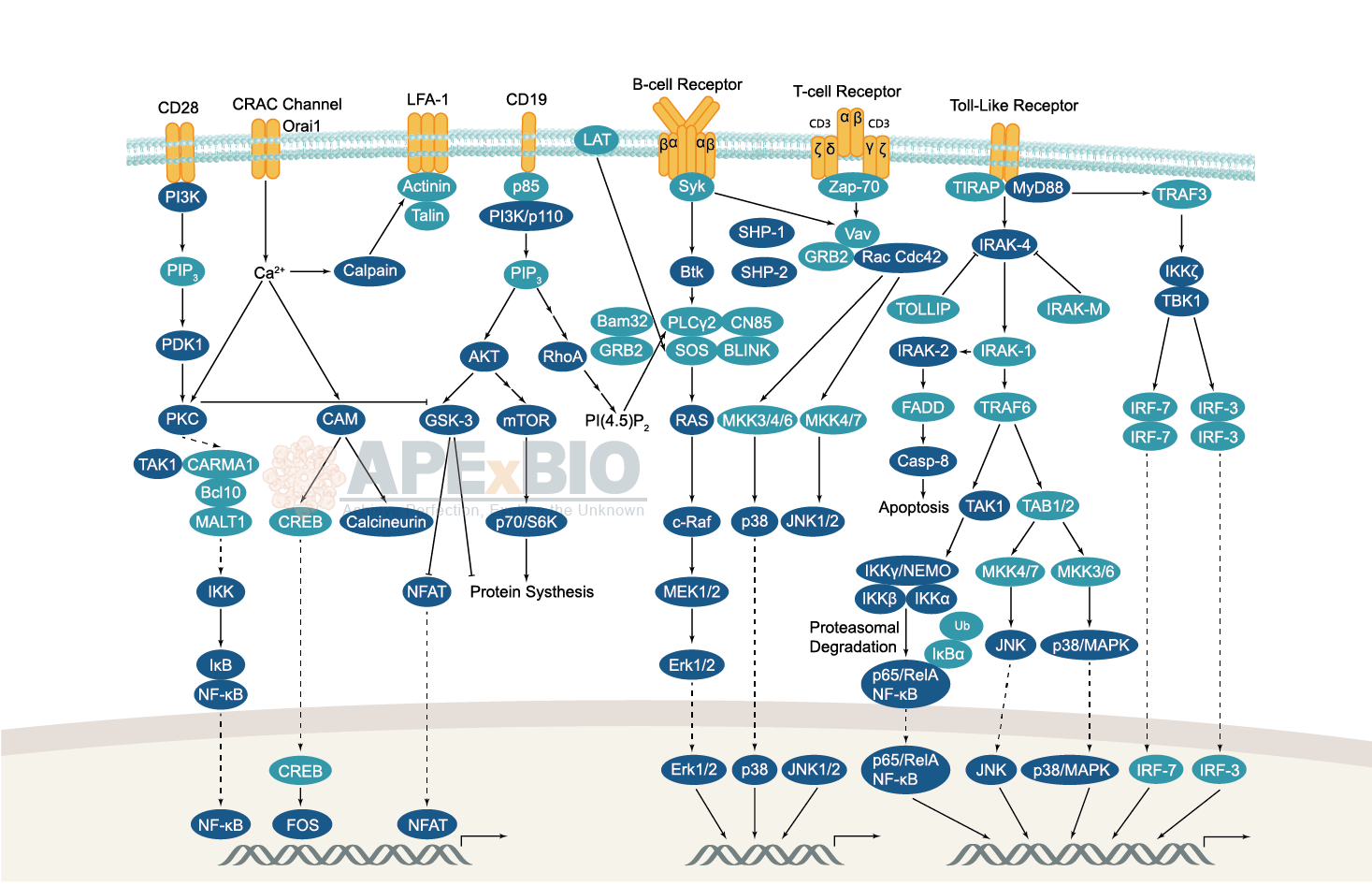
The adaptive immune system consists of B and T lymphocytes which mediate humoral immunity (e.g. antibody response) and cell-mediated immunity, respectively. B cell receptor and T cell receptor signaling is responsible for activation of Src family tyrosine kinases, such as Blk, Fyn, and Lyn in B cells and Fyn and Lck in T cells, resulting phosphorylation of the receptor-associated ITAM motifs. Phosphorylated ITAMs serve as the docking sites for Syk family tyrosine kinases, e.g. Syk in B cells and Zap-70 in T cells. Activated Syk kinases then propagate the signals via phosphorylation of downstream proteins. Furthermore, lymphocyte receptor signaling facilitates B and T cell development, differentiation, proliferation and survival.
-
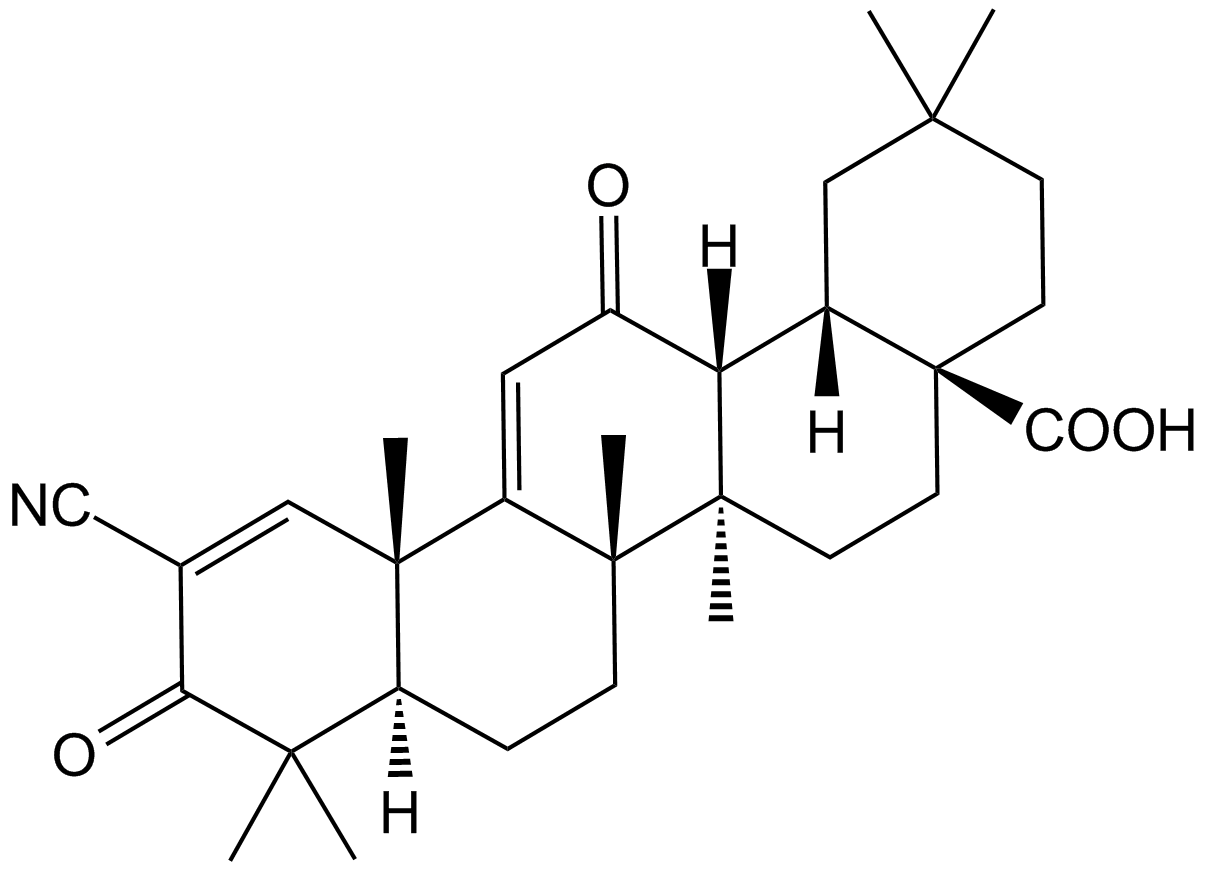 A3220 BardoxoloneTarget: COX|iNOSSummary: Once-a-day treatment for CKD
 -
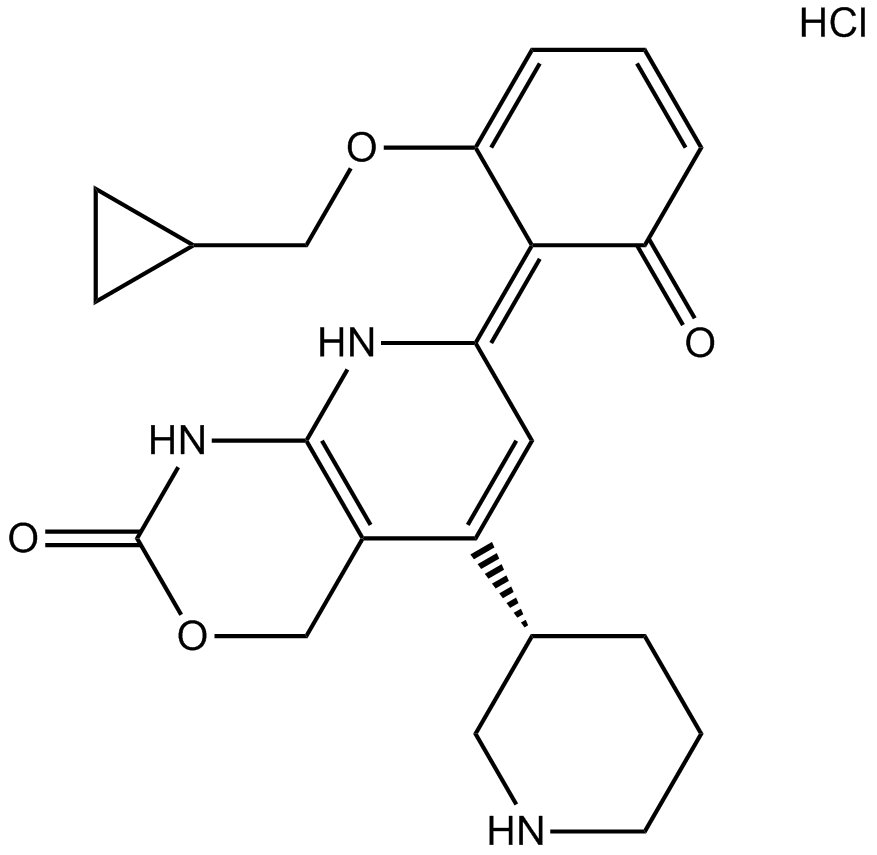 A3230 Bay 65-1942 HCl saltSummary: IKKβ kinase inhibitor
 -
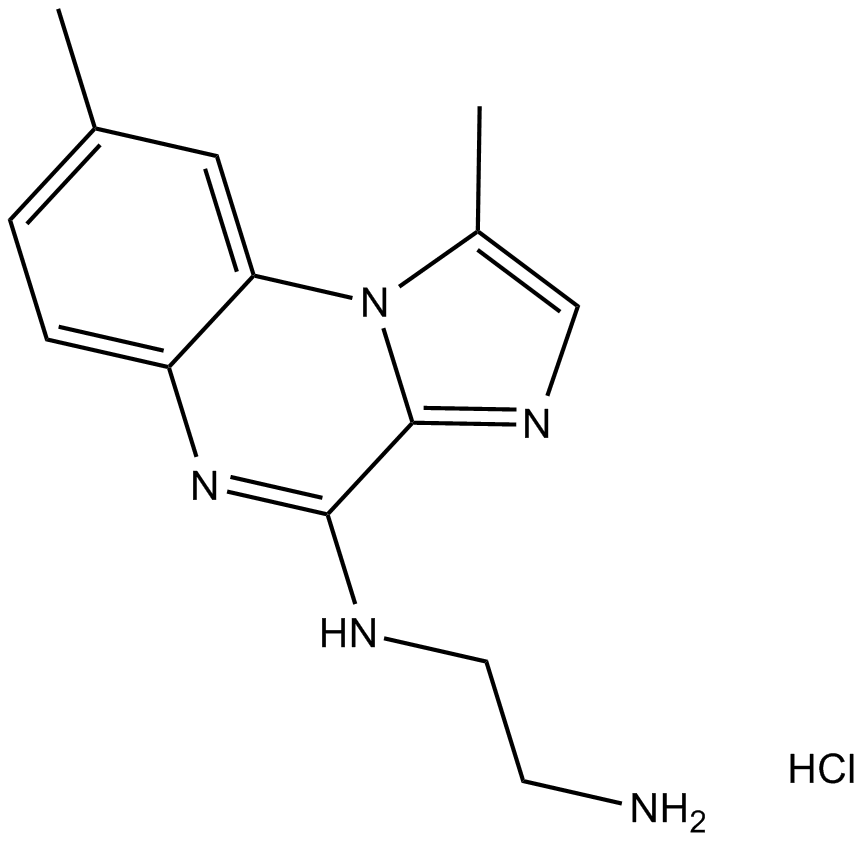 A3248 BMS345541 hydrochlorideTarget: IKKSummary: IKK inhibitor,highly selective
 -
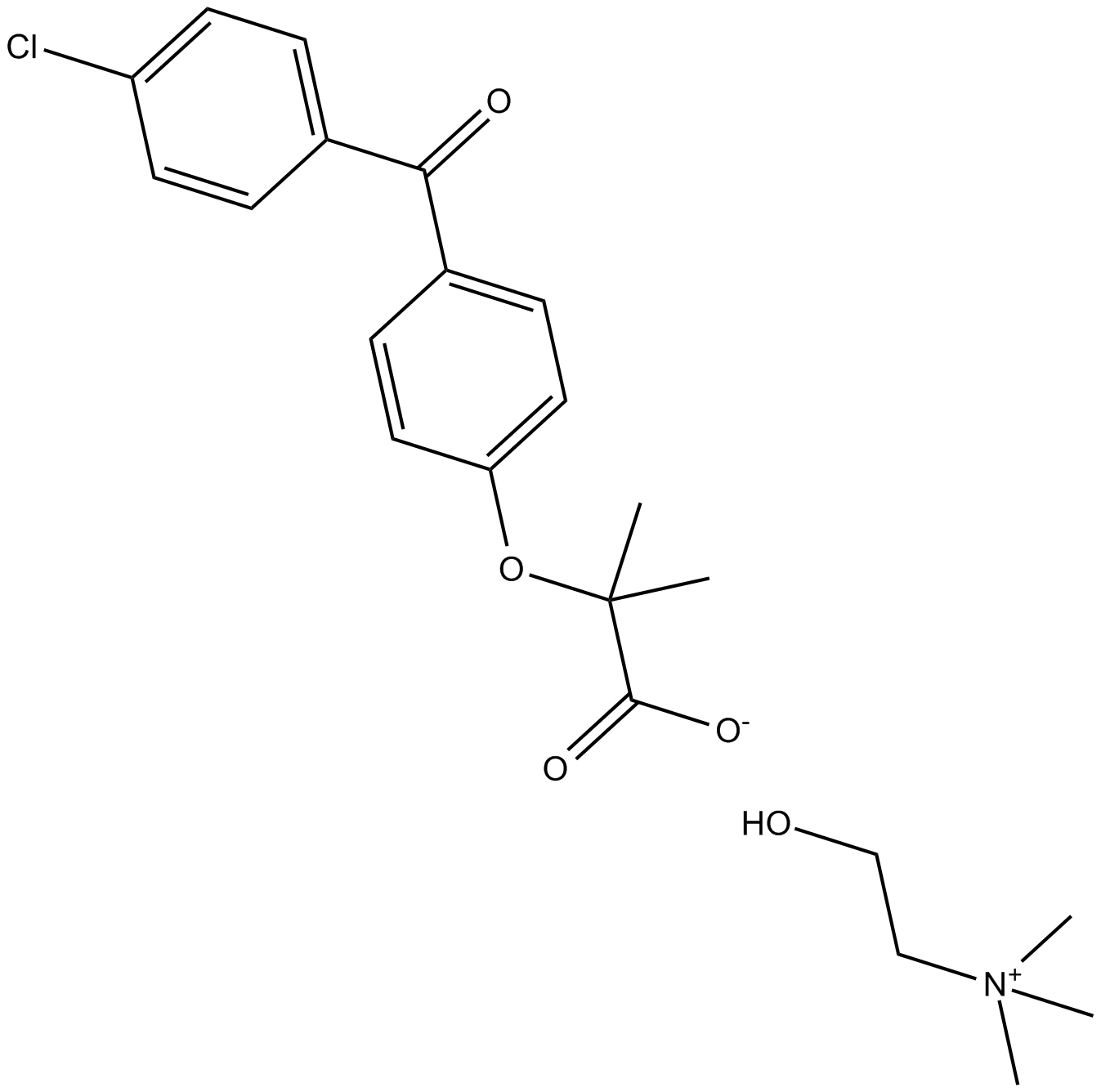 A3308 Choline FenofibrateSummary: Choline salt of fenofibric acid
 -
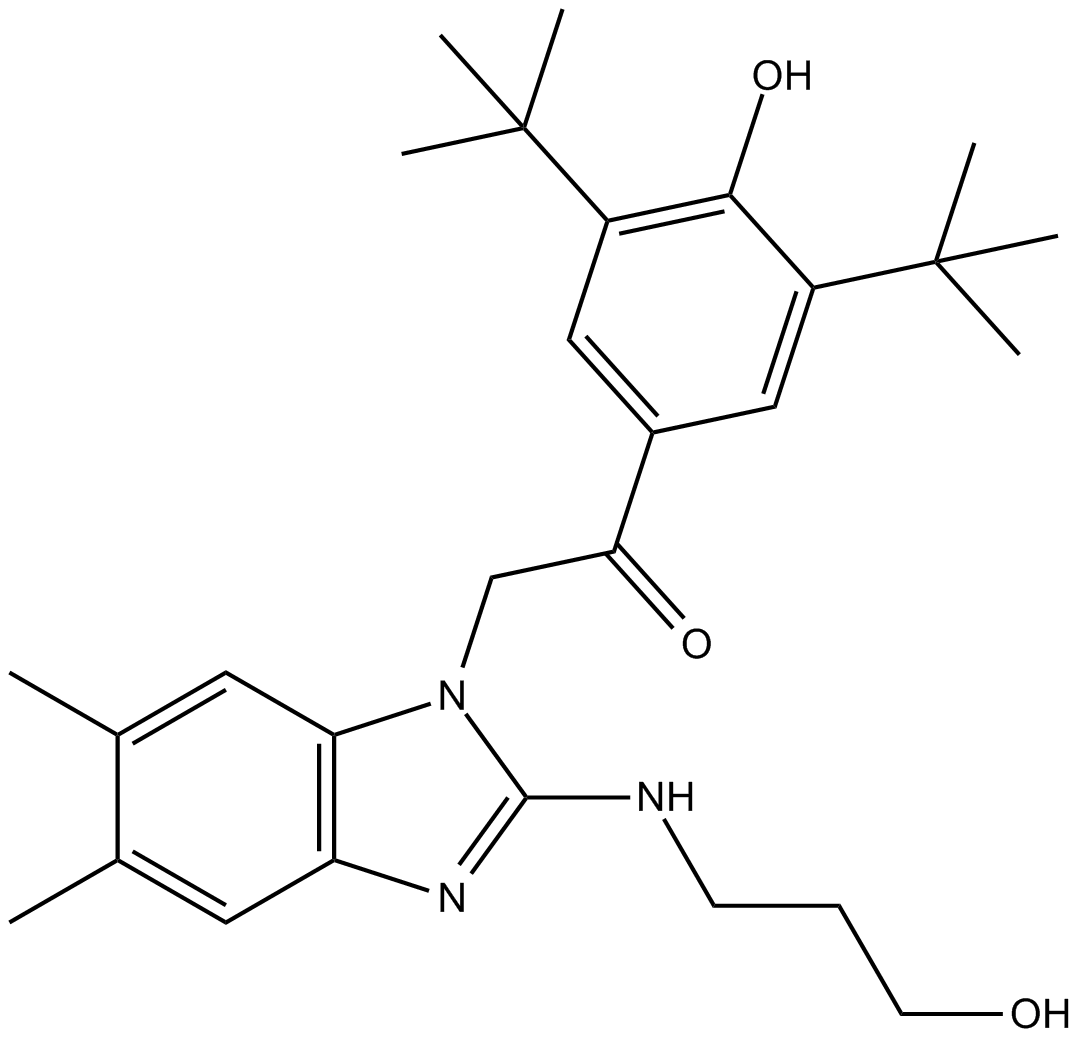 A3311 CID-2858522Summary: NF-κB pathway inhibitor
 -
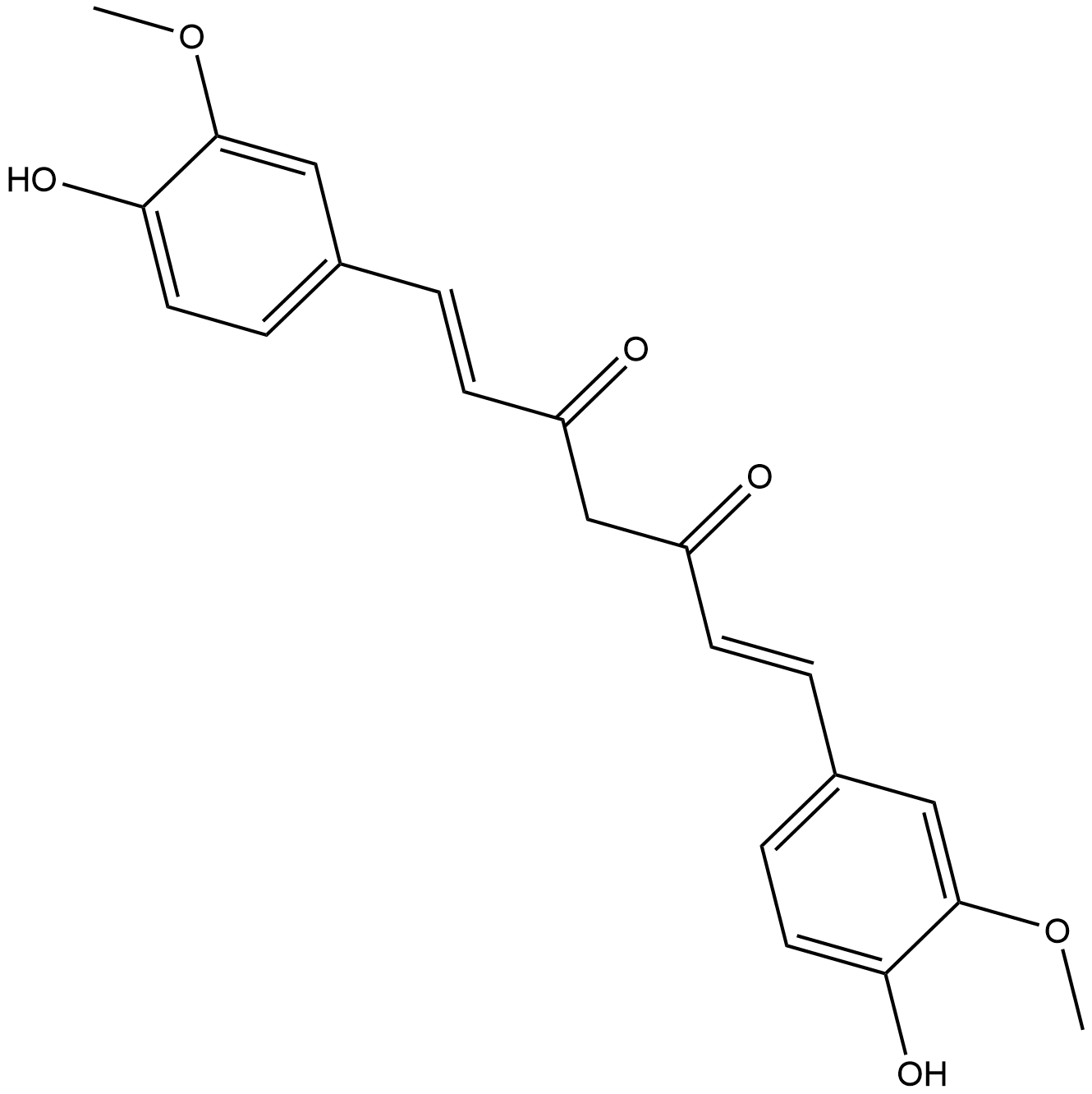 A3335 Curcumin1 CitationTarget: Histone Deacetylases (HDACs)|Nrf2|Histone Acetyltransferases (HATs)|TyrosinasesSummary: Specific histone and non-histone acetyltransferase inhibitor
 -
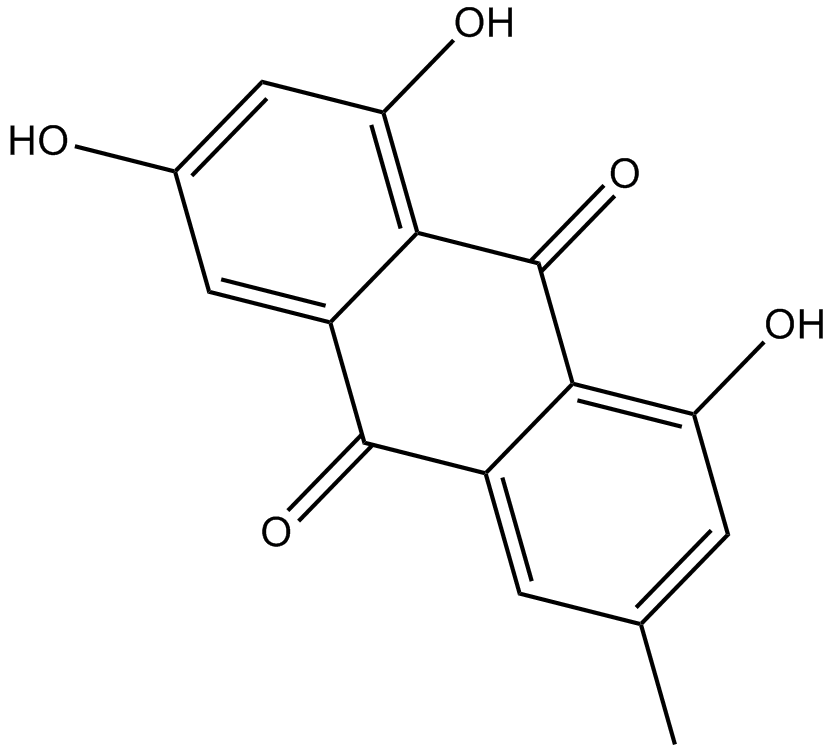 A3392 EmodinTarget: CK2Summary: Naturally occurring anthraquinone,antiproliferative
 -
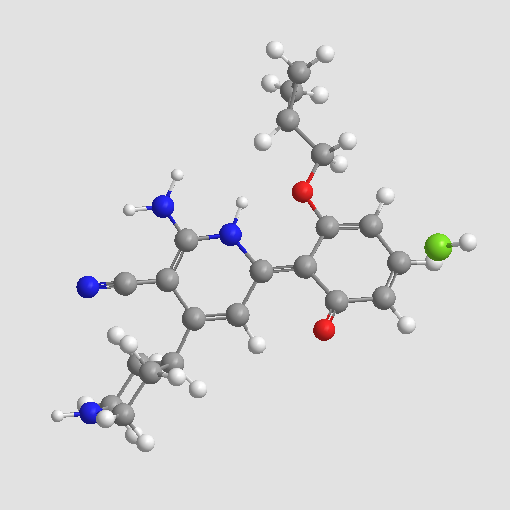 A3485 IKK-2 inhibitor VIII2 CitationSummary: IKK-2 inhibitor,potent and selective
 -
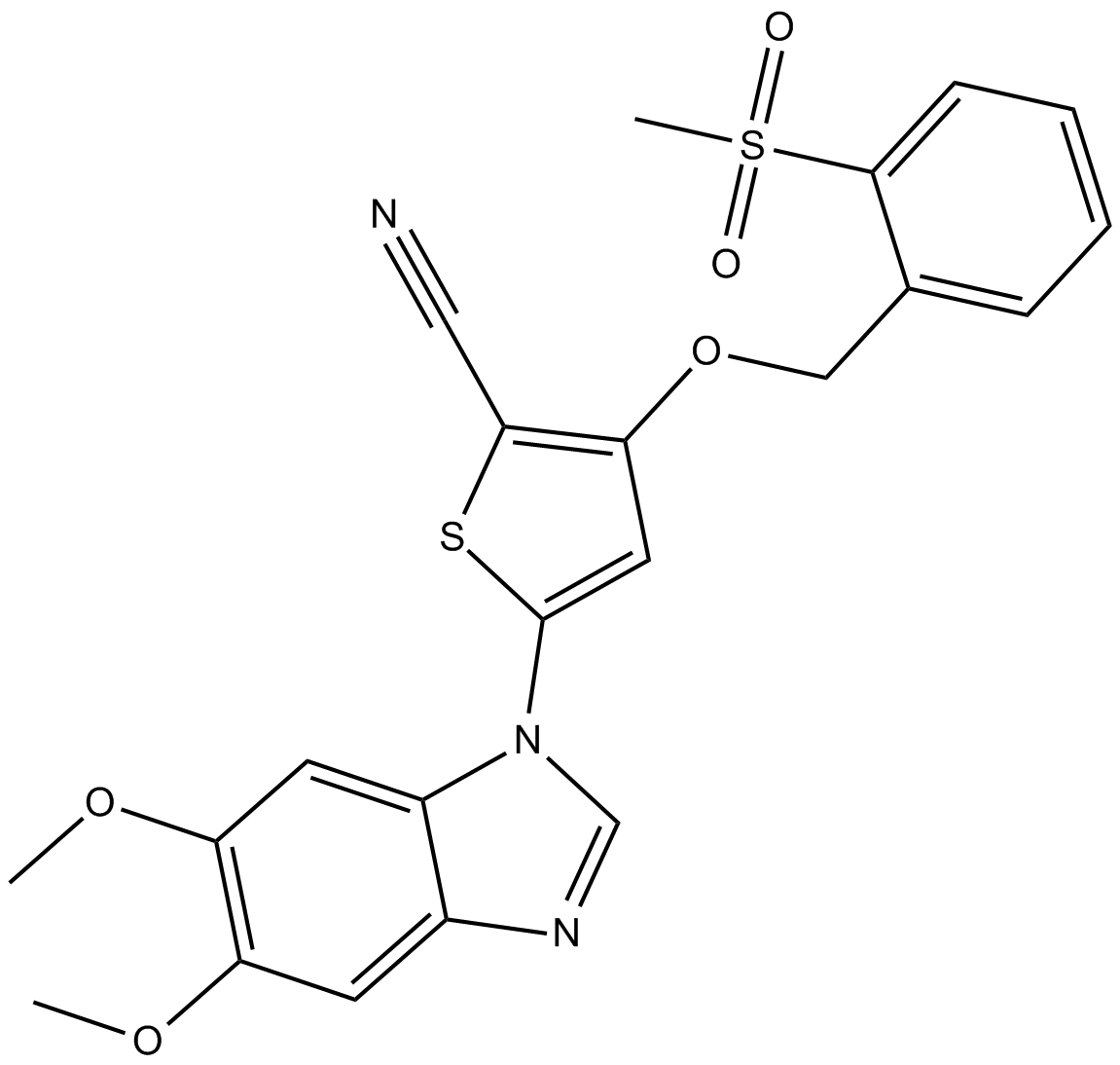 A3486 IKK-3 InhibitorSummary: IKK-3 Inhibitor
 -
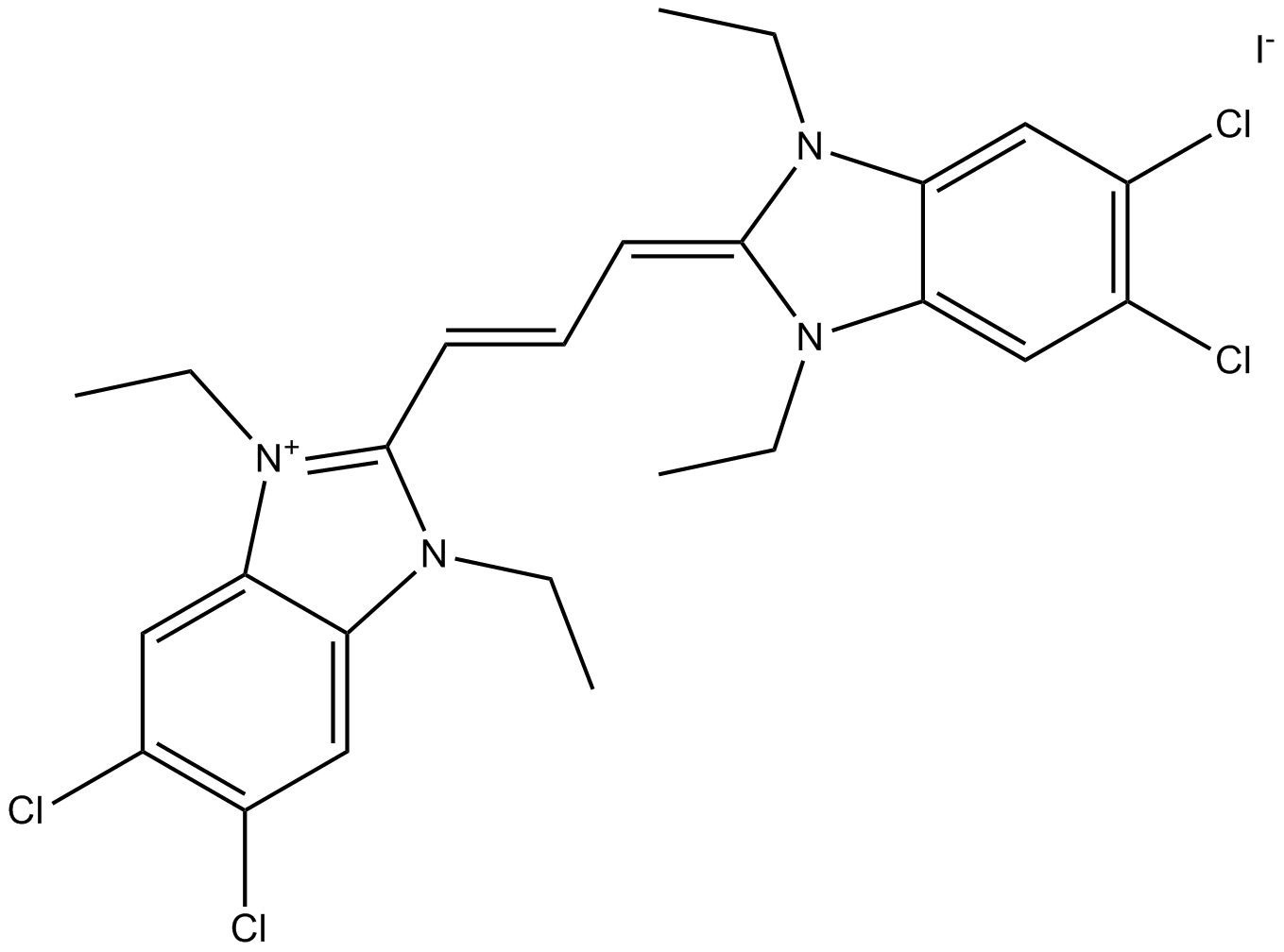 A3516 JC-15 CitationSummary: Probe for Mitochondrial Membrane Potential