


Immunology/Inflammation
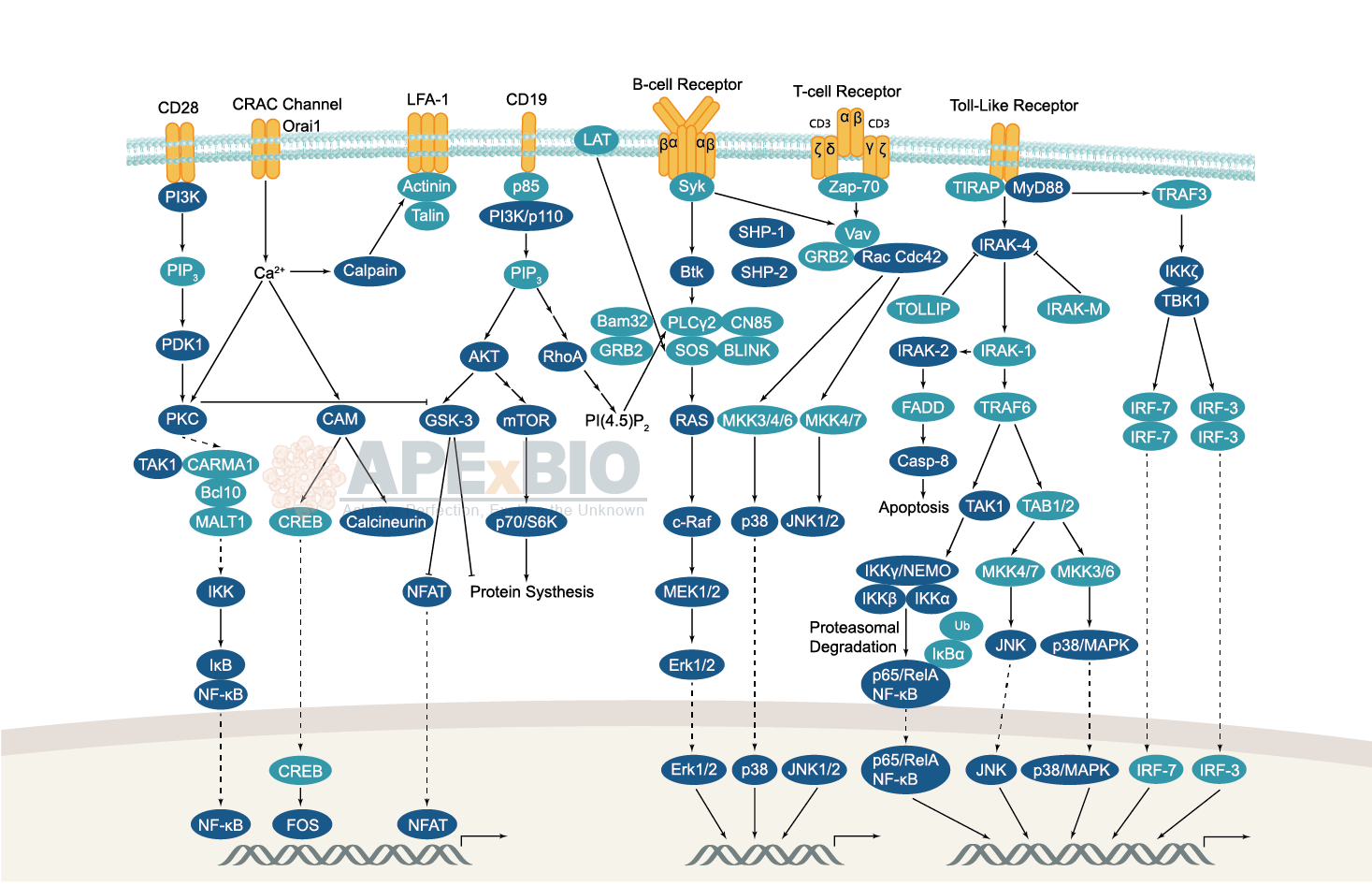
The adaptive immune system consists of B and T lymphocytes which mediate humoral immunity (e.g. antibody response) and cell-mediated immunity, respectively. B cell receptor and T cell receptor signaling is responsible for activation of Src family tyrosine kinases, such as Blk, Fyn, and Lyn in B cells and Fyn and Lck in T cells, resulting phosphorylation of the receptor-associated ITAM motifs. Phosphorylated ITAMs serve as the docking sites for Syk family tyrosine kinases, e.g. Syk in B cells and Zap-70 in T cells. Activated Syk kinases then propagate the signals via phosphorylation of downstream proteins. Furthermore, lymphocyte receptor signaling facilitates B and T cell development, differentiation, proliferation and survival.
-
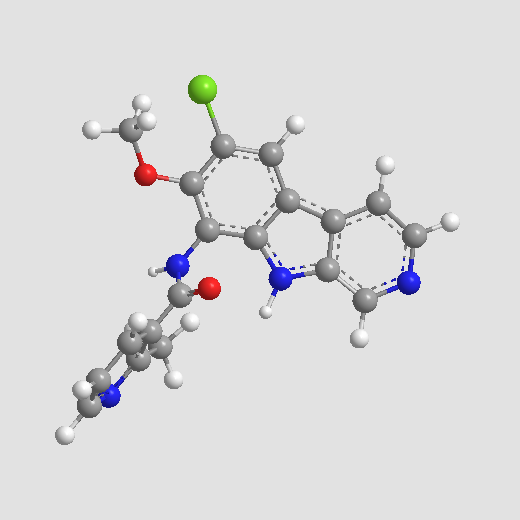 A3628 MLN120B1 CitationSummary: IκB Kinase β Inhibitor
 -
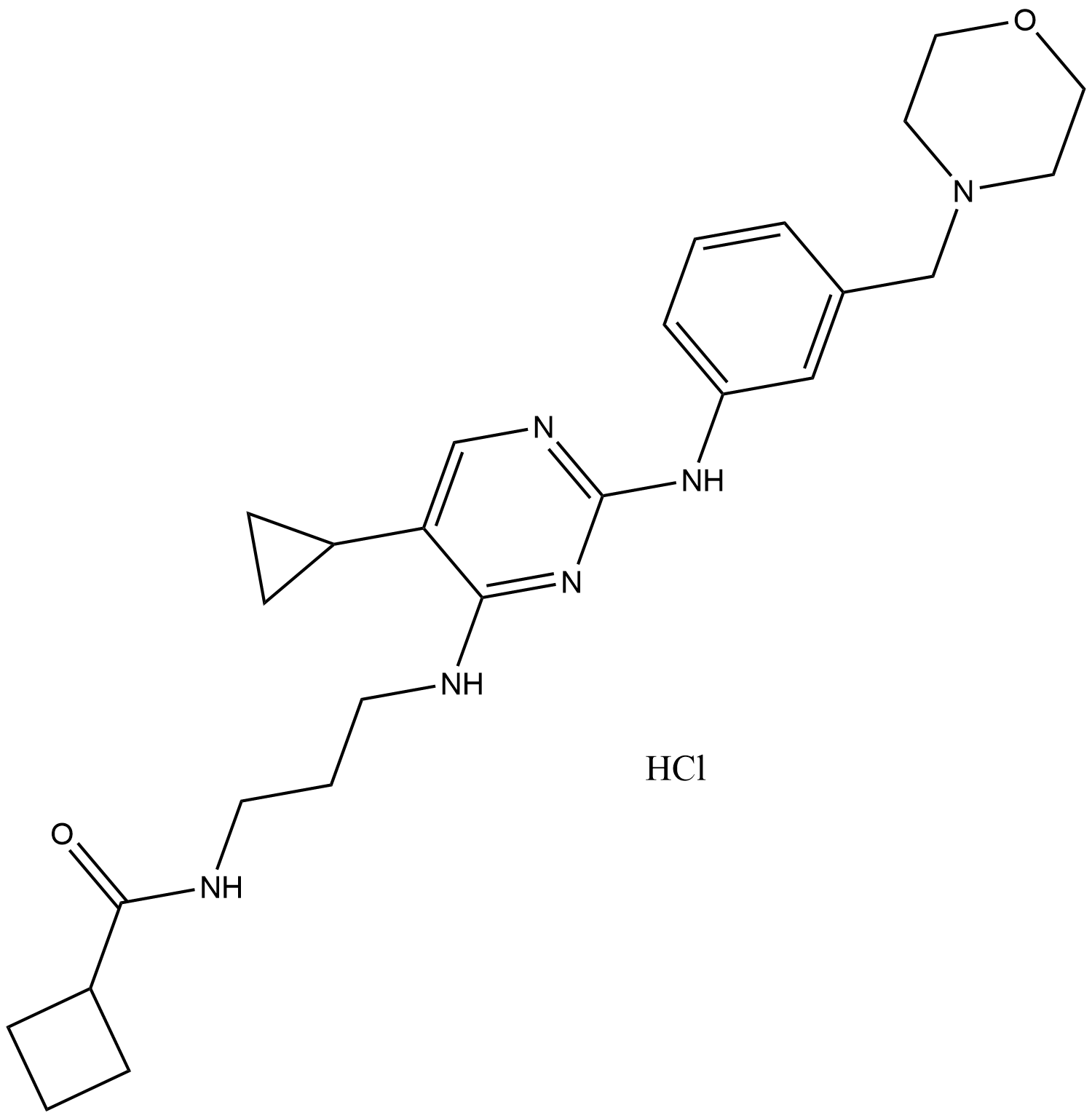 A3635 MRT67307 HClTarget: TBK1|MARK1|NUAK1Summary: SIK/TBK-1/IKKe inhibitor
 -
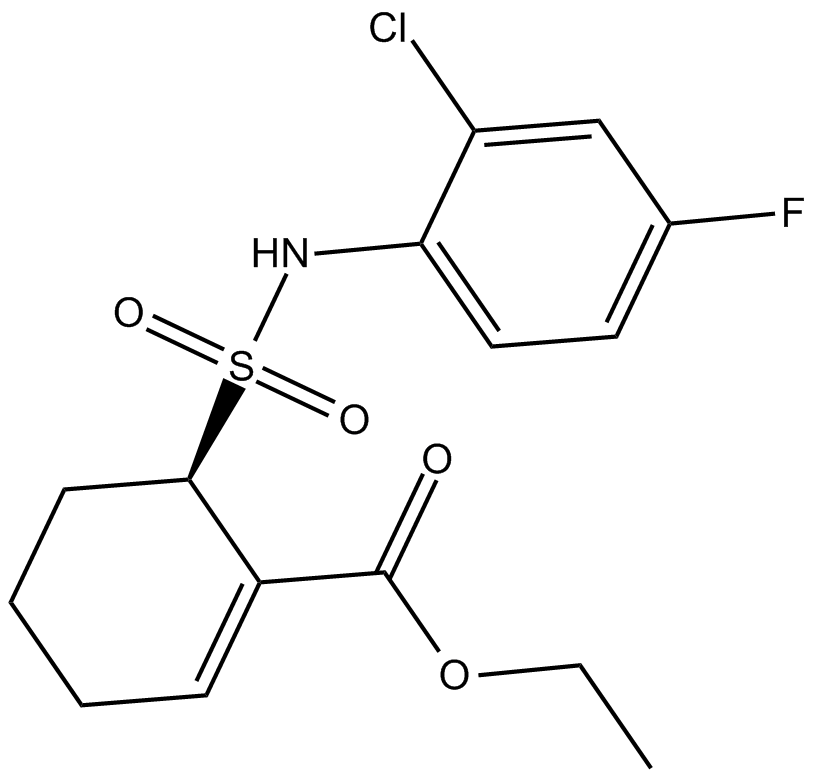 A3850 TAK-24241 CitationTarget: Toll-like receptors (TLRs)|NO Donors / Precursors|IL ReceptorsSummary: TLR4 inhibitor
 -
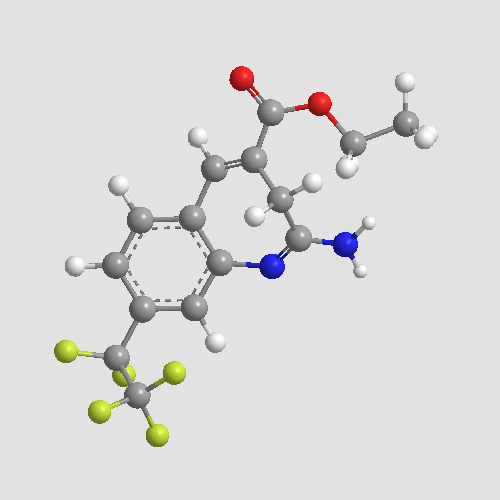 A3881 Toll-like receptor modulatorSummary: TLR antagonist
 -
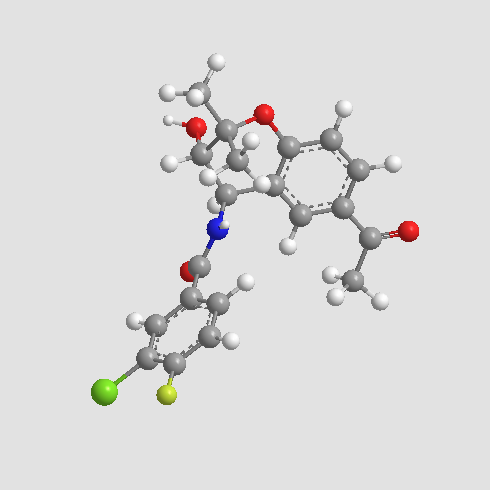 A3883 TonabersatSummary: Gap junction modulator,novel benzopyran compound for Migraine and epilepsy treatment
 -
 BA2729 BrusatolSummary: Brusatol (NSC172924) is a unique pathway inhibitor that sensitizes a wide range of cancer cells to Cisplatin and other chemotherapeutically active molecules.
 -
BA2730 GSK2795039Summary: GSK2795039 is a NADPH oxidase 2 inhibitor that averaged 6 in different cell-free assays.
-
BA2732 IsoginkgetinSummary: Isoginkgetin is an inhibitor.
-
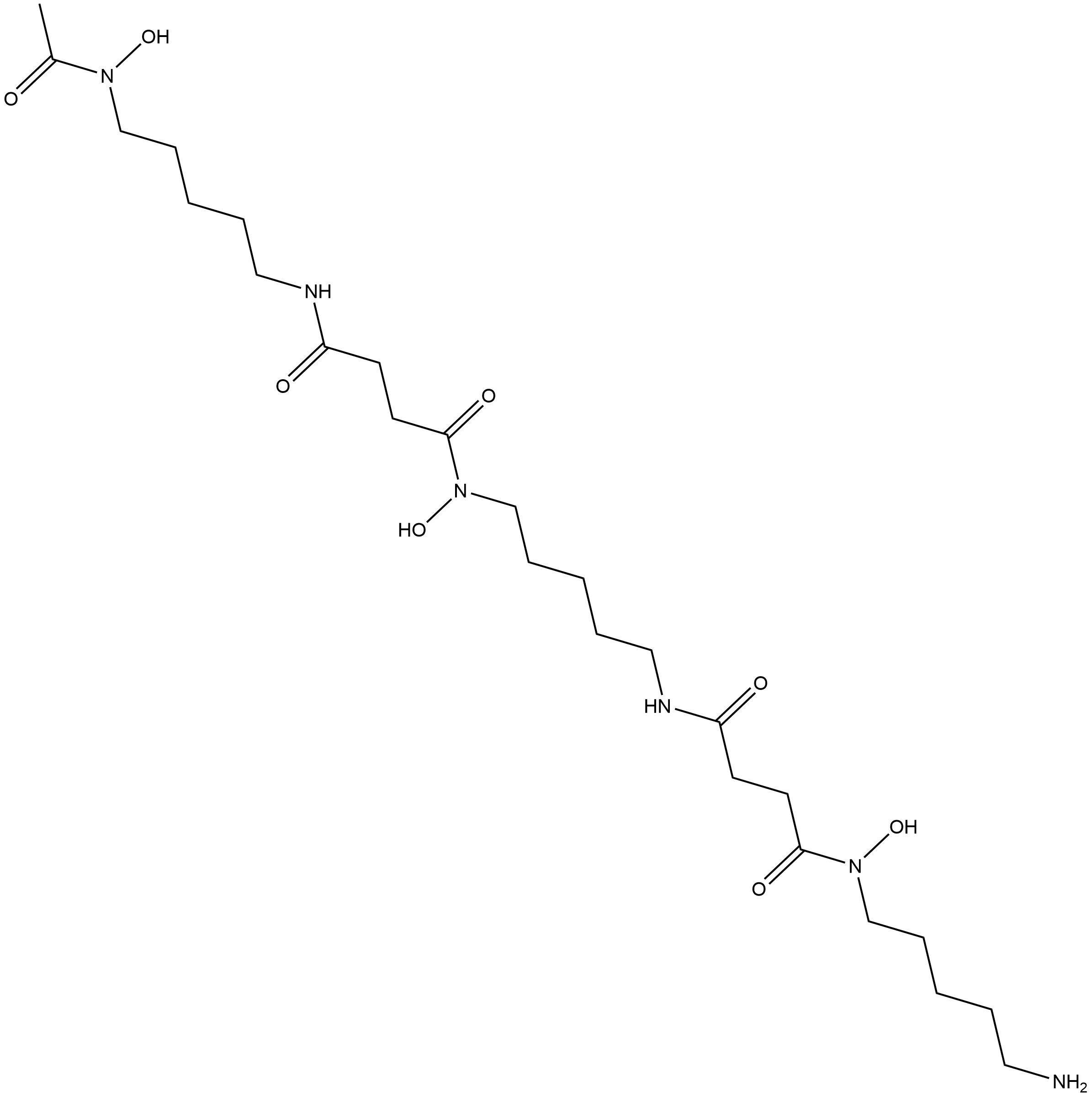 BA2746 Deferoxamine6 CitationSummary: Deferoxamine (DeferoxamineB) is an iron chelator (binding Fe(III) and many other metal cations) that is widely used to reduce iron accumulation and deposition in tissues.
 -
BA2762 GinkgetinSummary: Ginkgetin is a biflavonoid isolated from Ginkgo biloba.