


Immunology/Inflammation
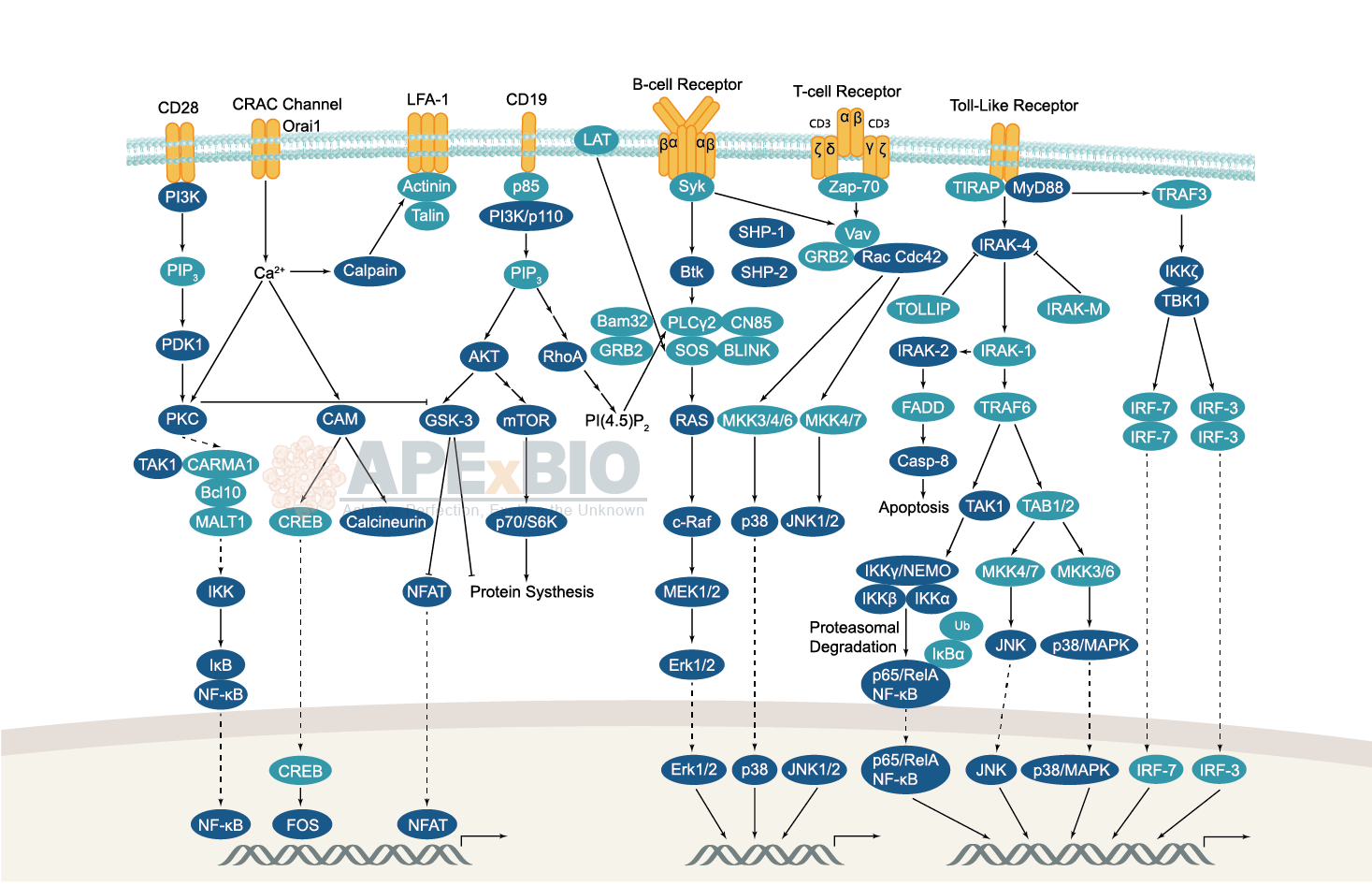
The adaptive immune system consists of B and T lymphocytes which mediate humoral immunity (e.g. antibody response) and cell-mediated immunity, respectively. B cell receptor and T cell receptor signaling is responsible for activation of Src family tyrosine kinases, such as Blk, Fyn, and Lyn in B cells and Fyn and Lck in T cells, resulting phosphorylation of the receptor-associated ITAM motifs. Phosphorylated ITAMs serve as the docking sites for Syk family tyrosine kinases, e.g. Syk in B cells and Zap-70 in T cells. Activated Syk kinases then propagate the signals via phosphorylation of downstream proteins. Furthermore, lymphocyte receptor signaling facilitates B and T cell development, differentiation, proliferation and survival.
-
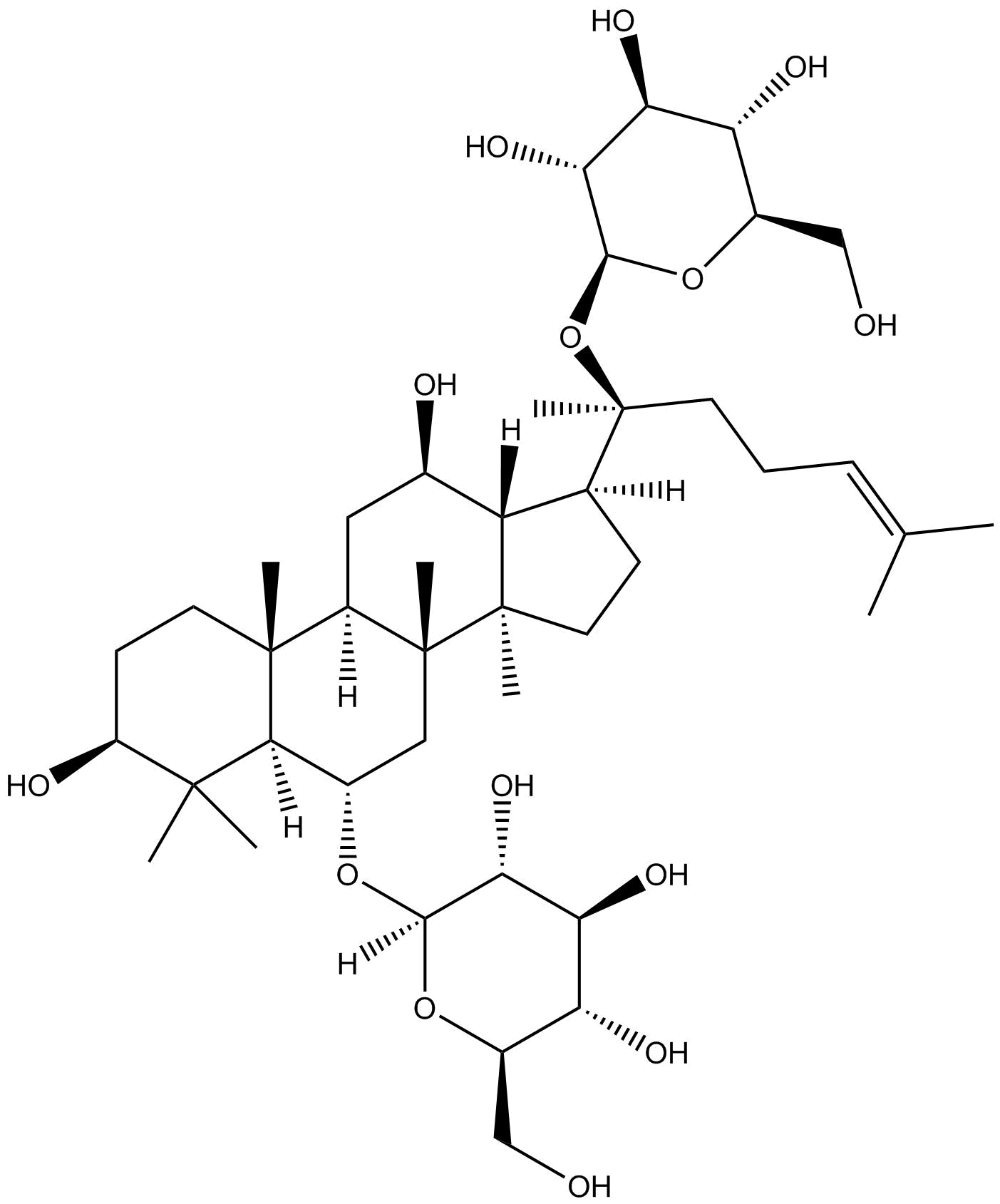 N1613 Ginsenoside Rg11 CitationTarget: Glucocorticoid ReceptorsSummary: Triterpene saponins/steroid glycosides found in Panax
 -
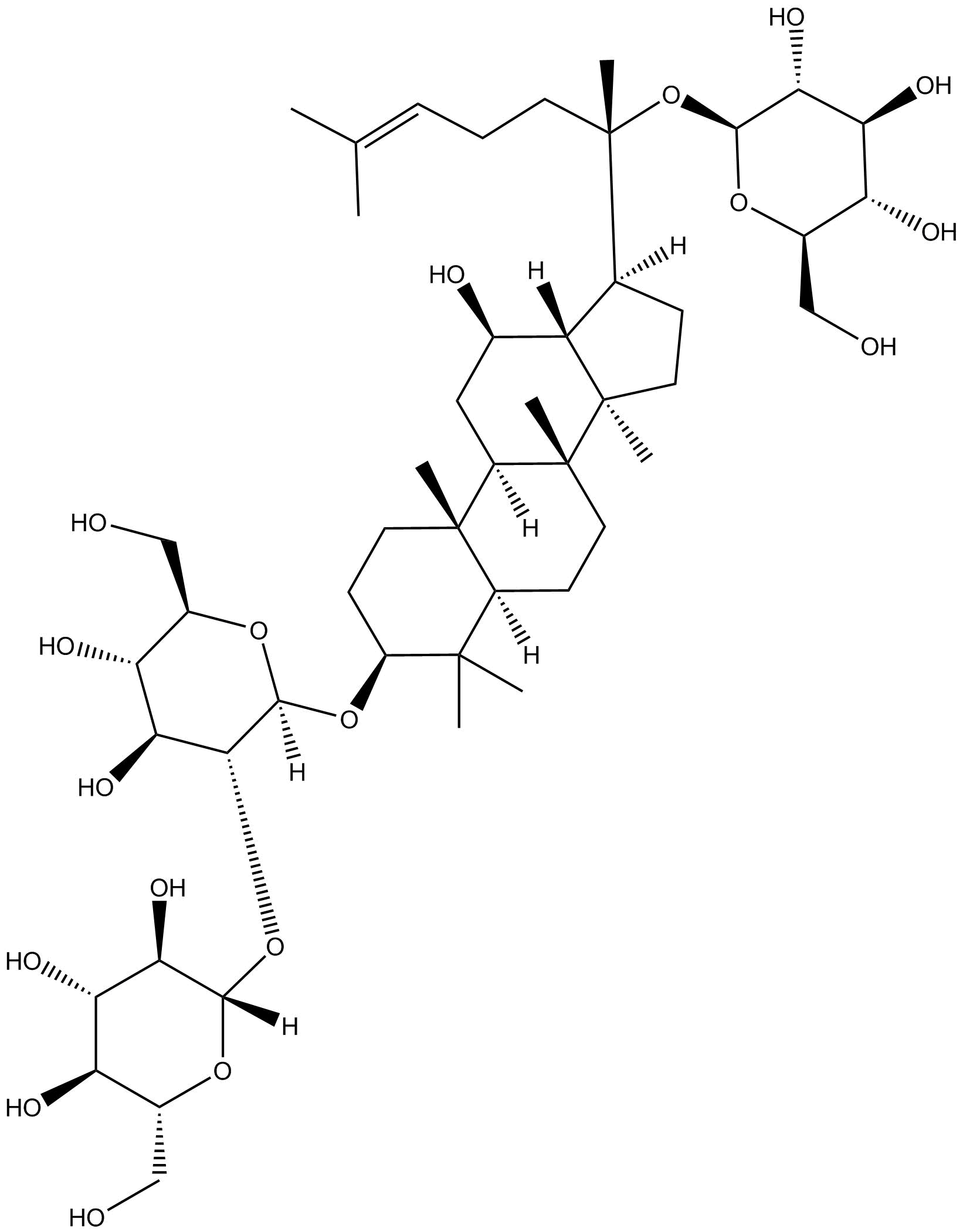 N1616 Ginsenoside Rd
 -
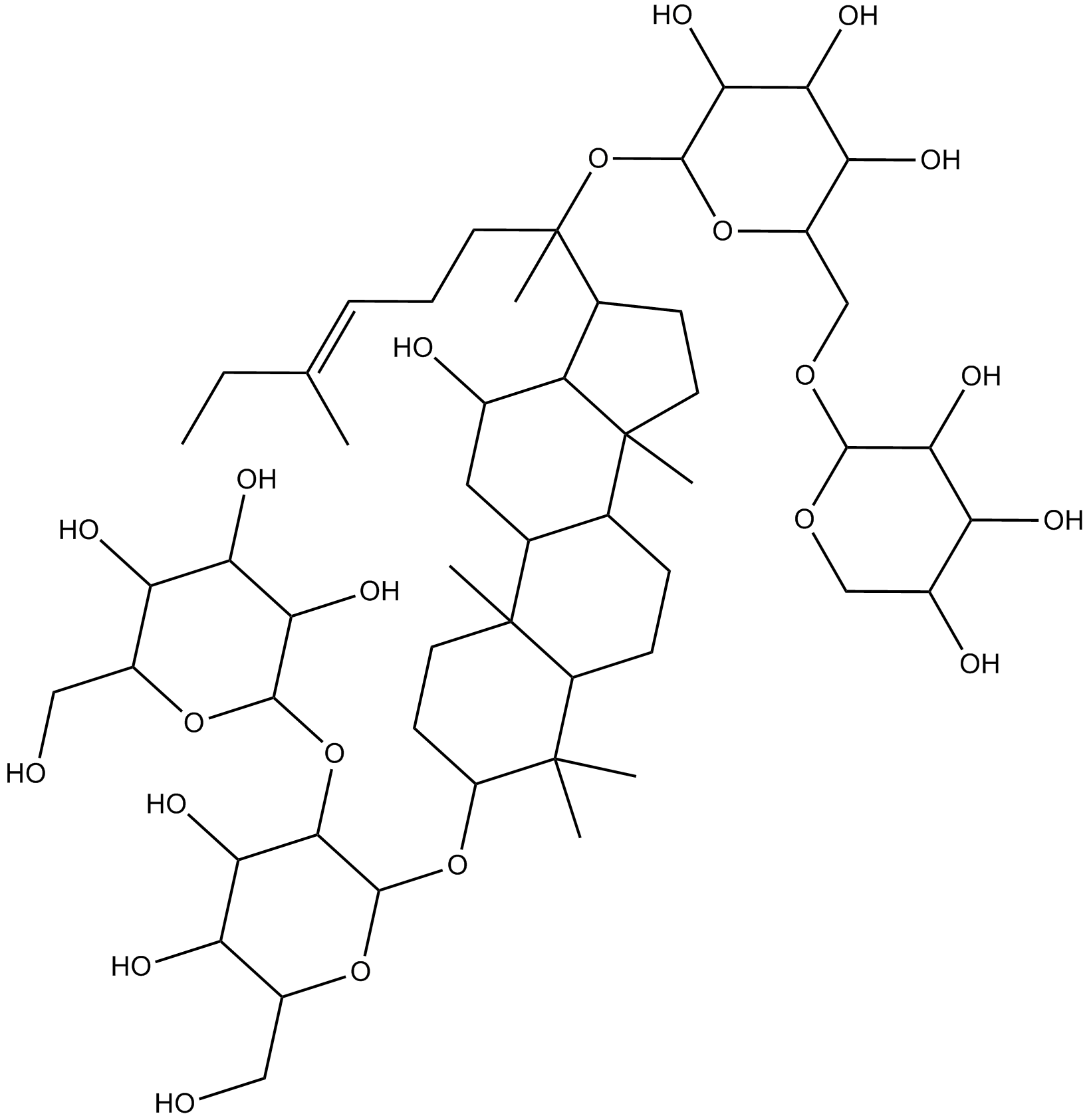 N1618 Ginsenoside Rb3
 -
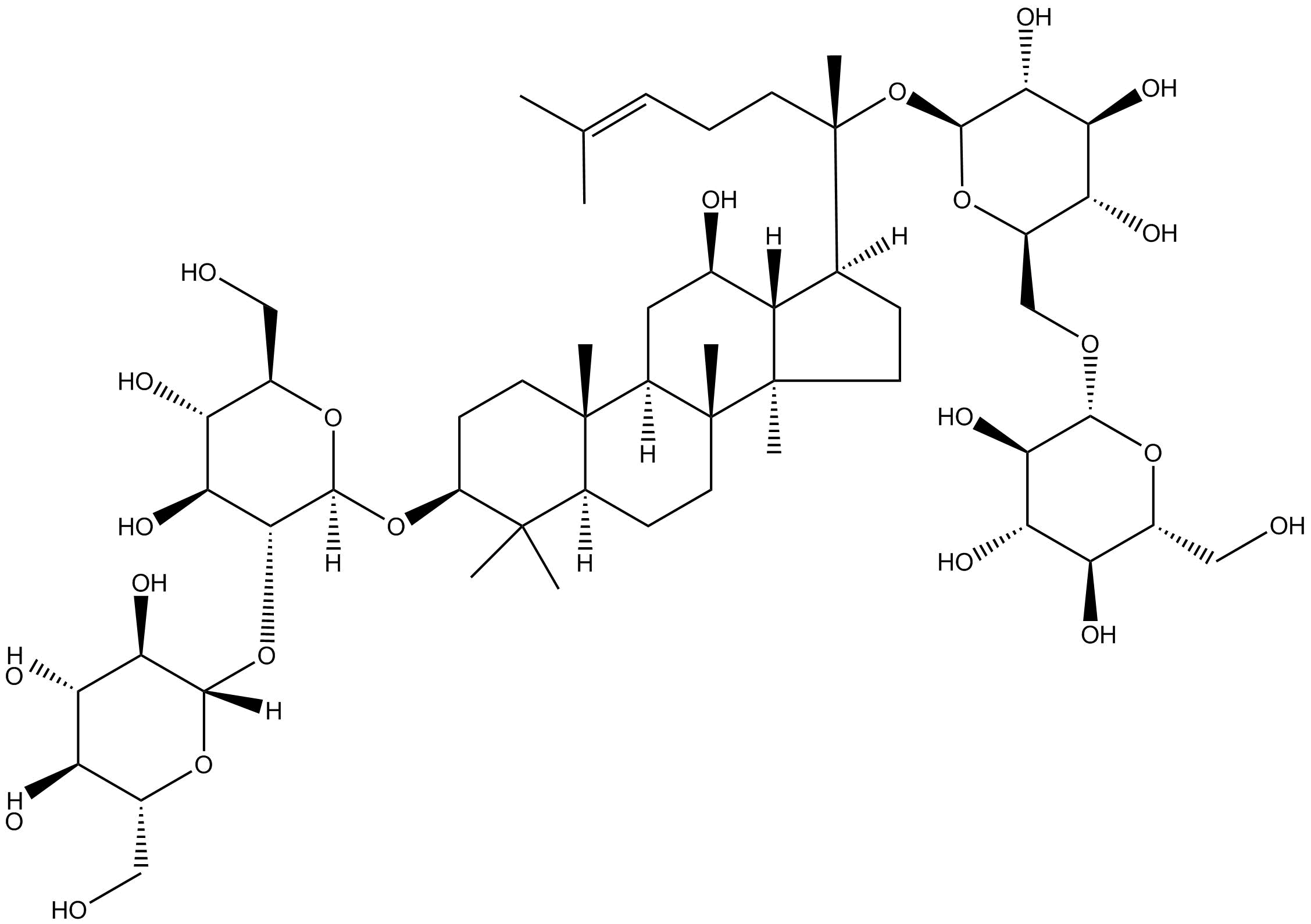 N1620 Ginsenoside Rb1Summary: Antiproliferative agent
 -
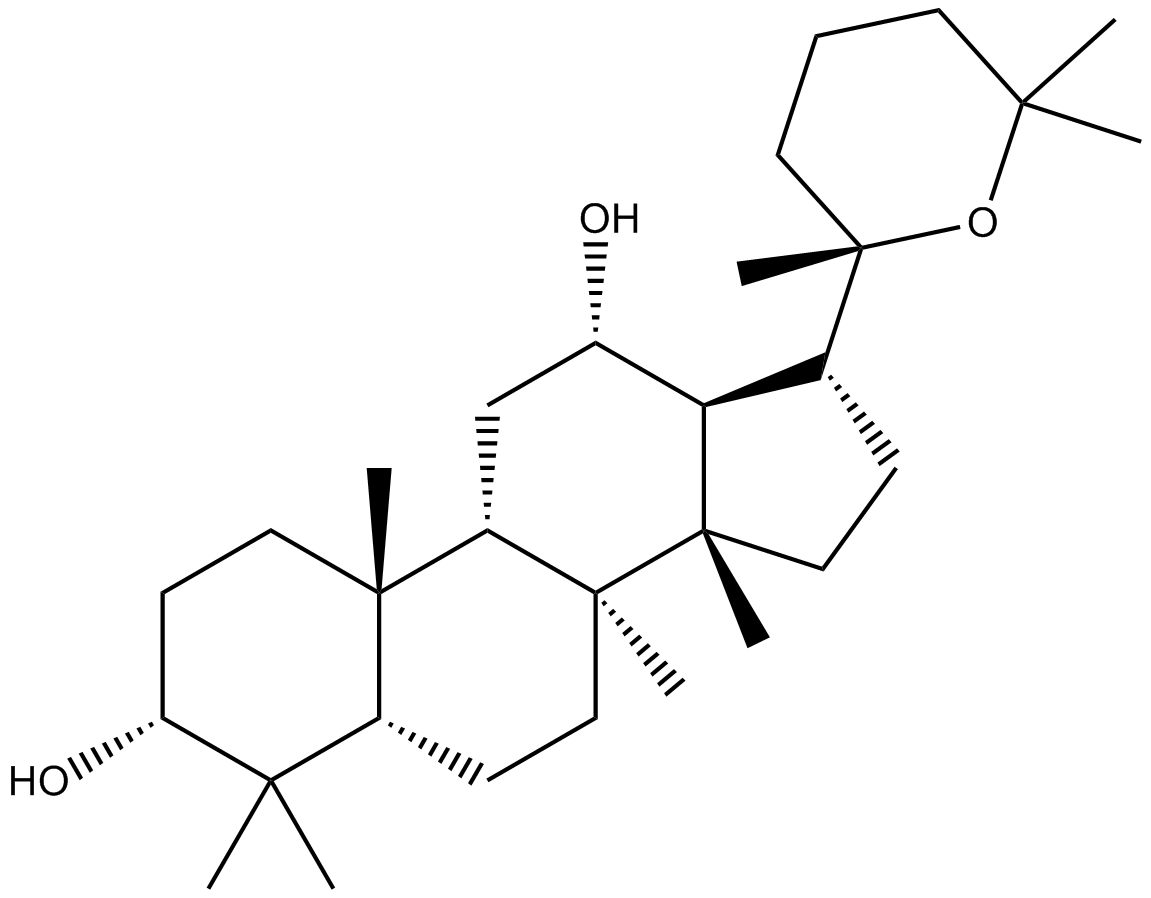 N1622 Panaxadiol
 -
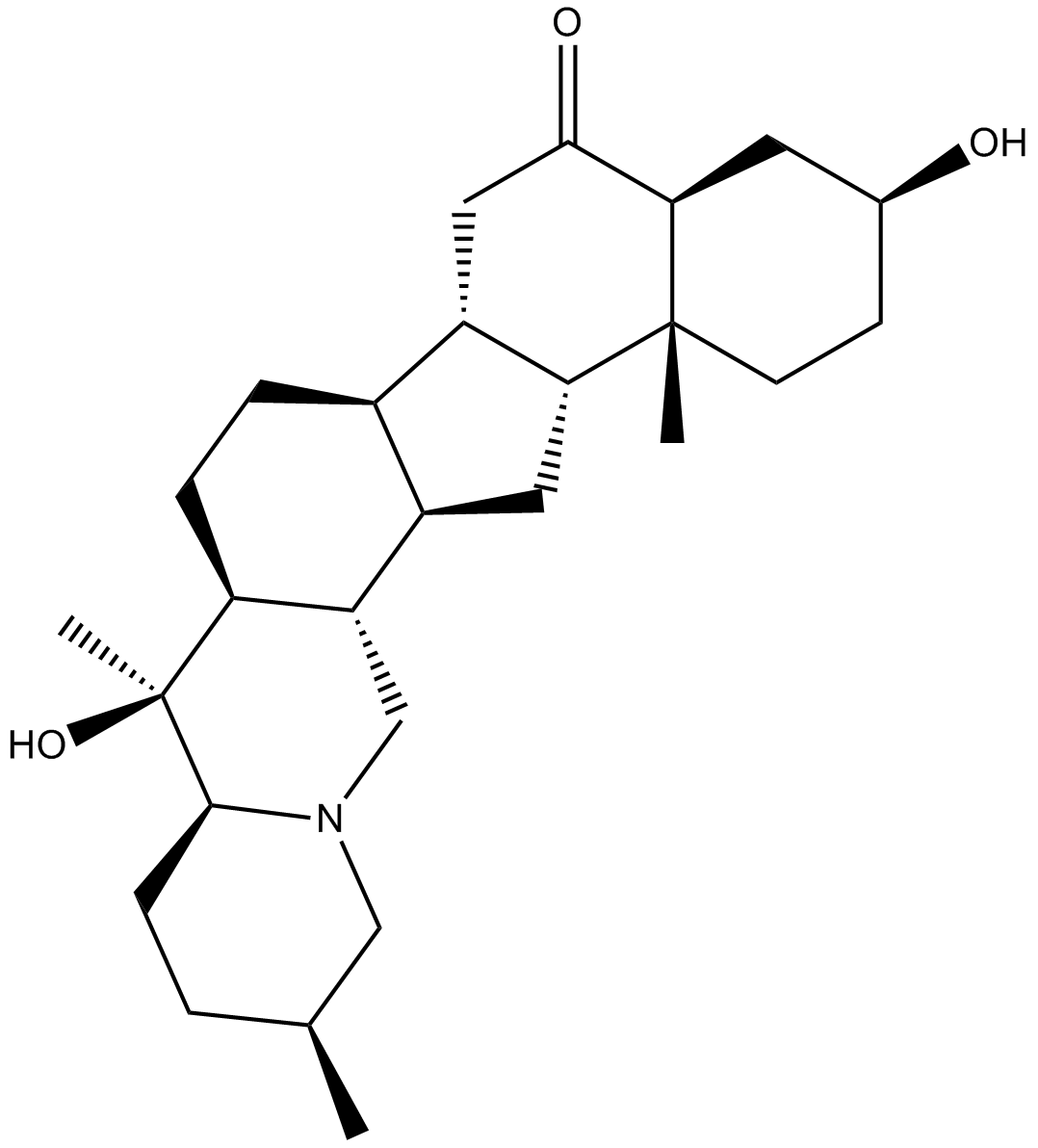 N1638 Peiminine
 -
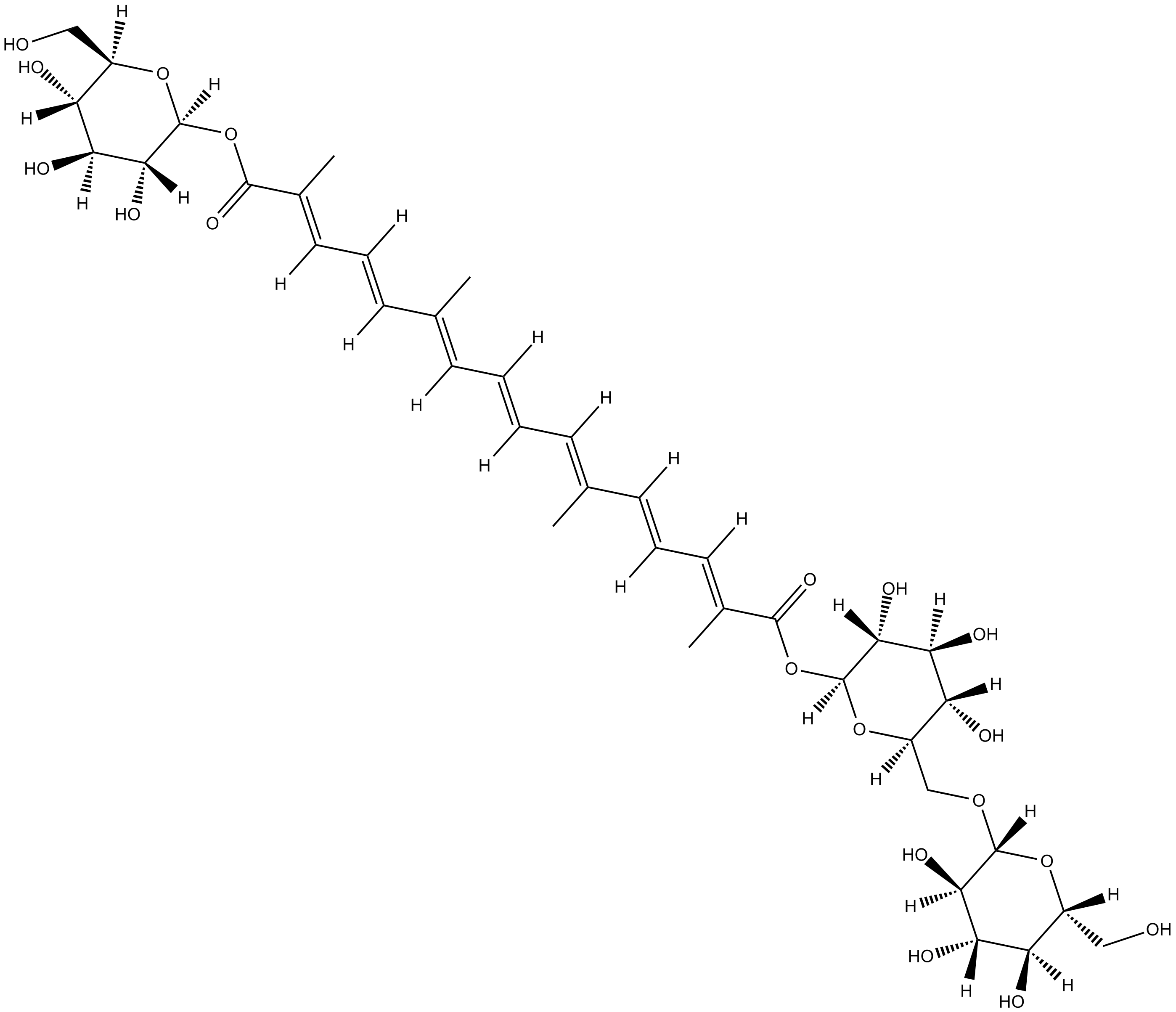 N1652 Crocin II
 -
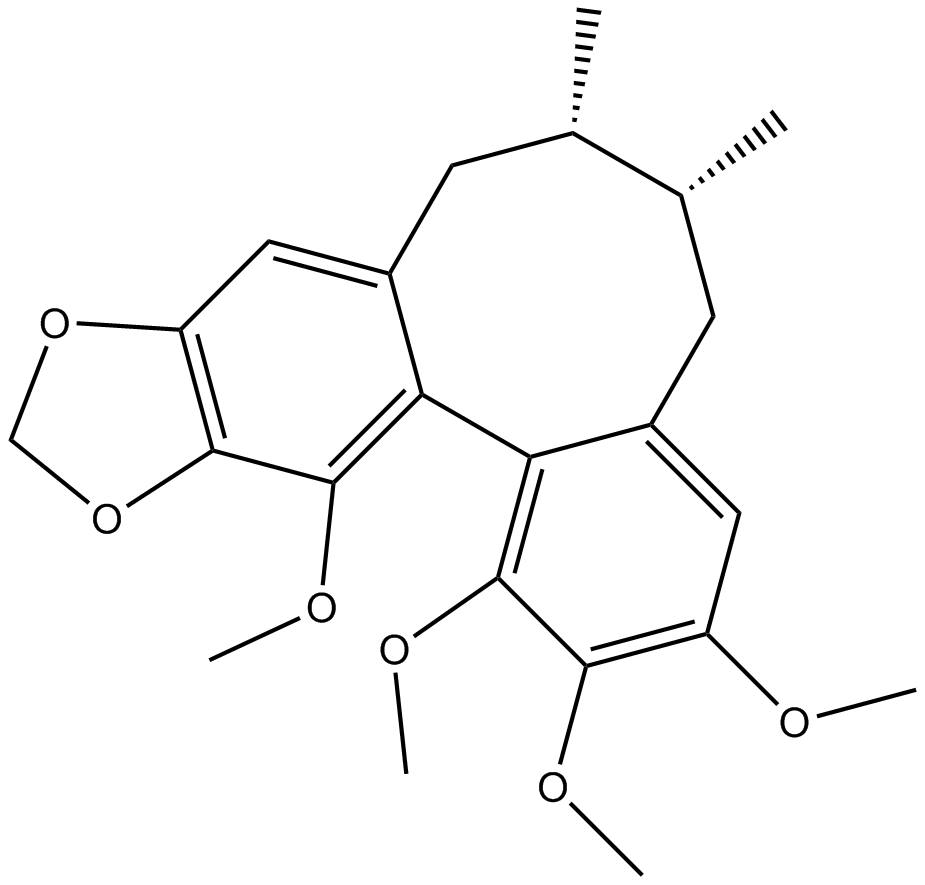 N1656 Schizandrin BTarget: Nrf2|ROS and Other Gaseous DonorsSummary: inhibits lipid peroxidation
 -
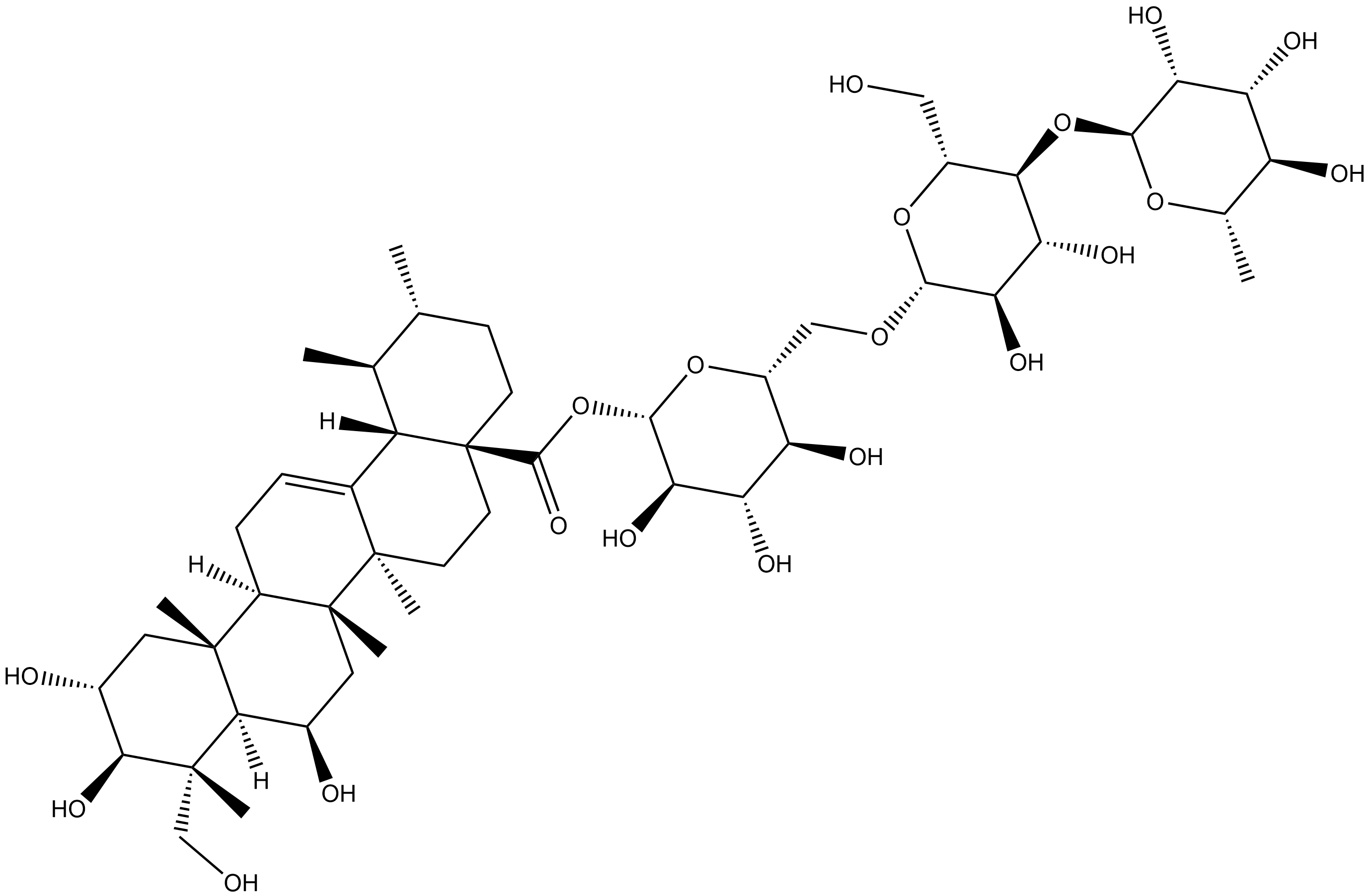 N1663 Madecassoside1 CitationTarget: AntioxidantsSummary: Major triterpenoid Centella asiatica component
 -
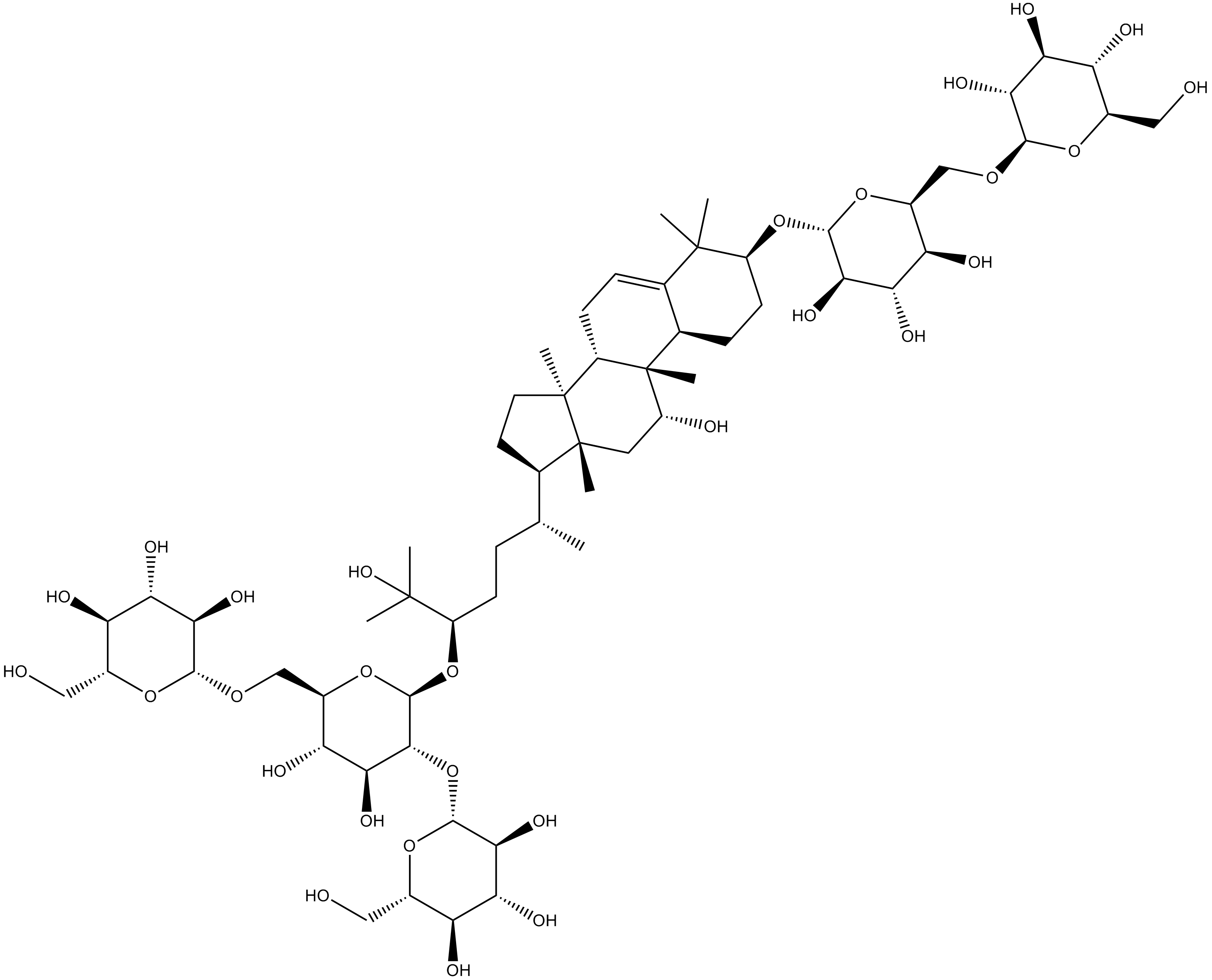 N1666 Mogroside Ⅴ