


Immunology/Inflammation
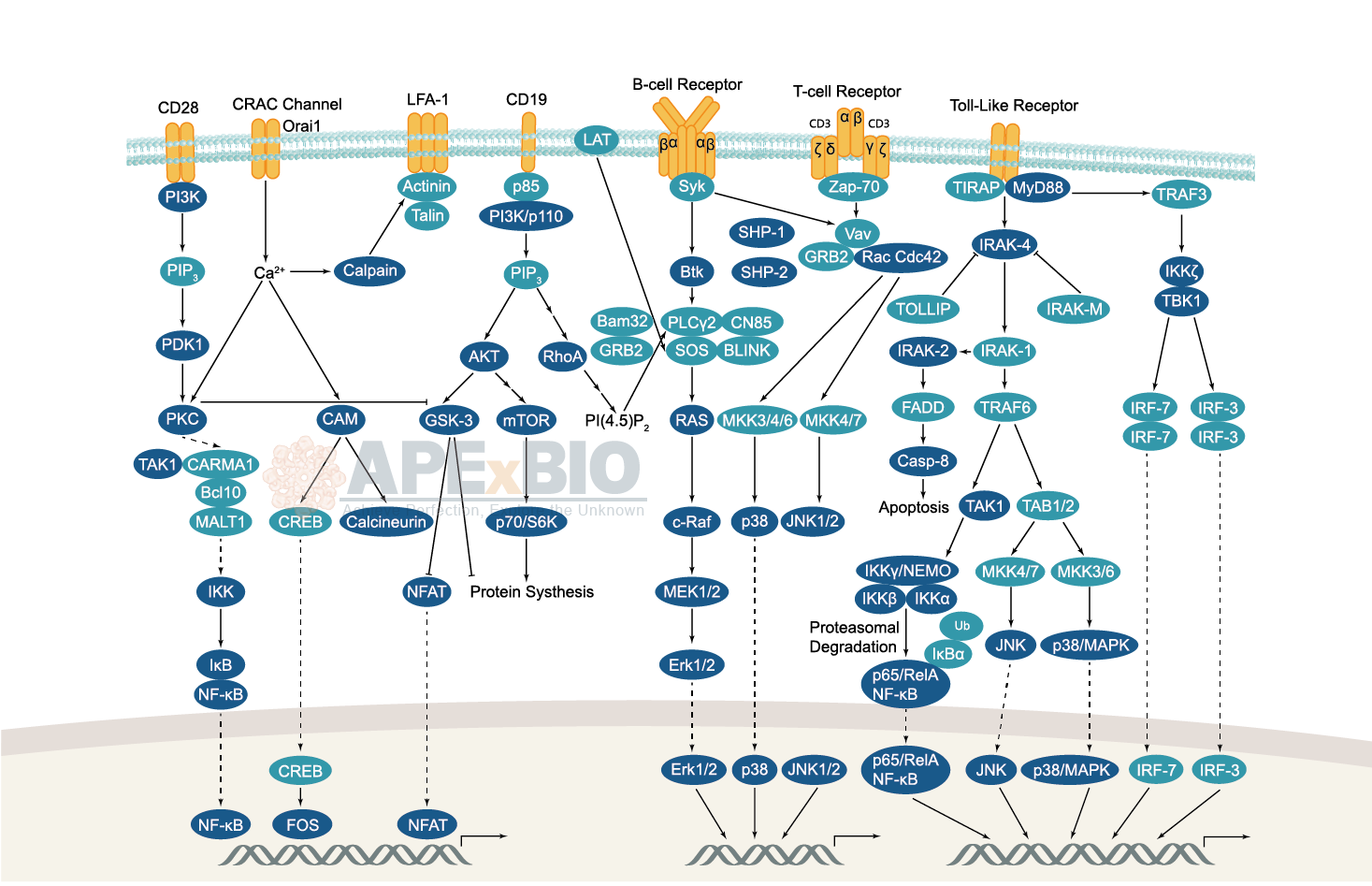
The adaptive immune system consists of B and T lymphocytes which mediate humoral immunity (e.g. antibody response) and cell-mediated immunity, respectively. B cell receptor and T cell receptor signaling is responsible for activation of Src family tyrosine kinases, such as Blk, Fyn, and Lyn in B cells and Fyn and Lck in T cells, resulting phosphorylation of the receptor-associated ITAM motifs. Phosphorylated ITAMs serve as the docking sites for Syk family tyrosine kinases, e.g. Syk in B cells and Zap-70 in T cells. Activated Syk kinases then propagate the signals via phosphorylation of downstream proteins. Furthermore, lymphocyte receptor signaling facilitates B and T cell development, differentiation, proliferation and survival.
-
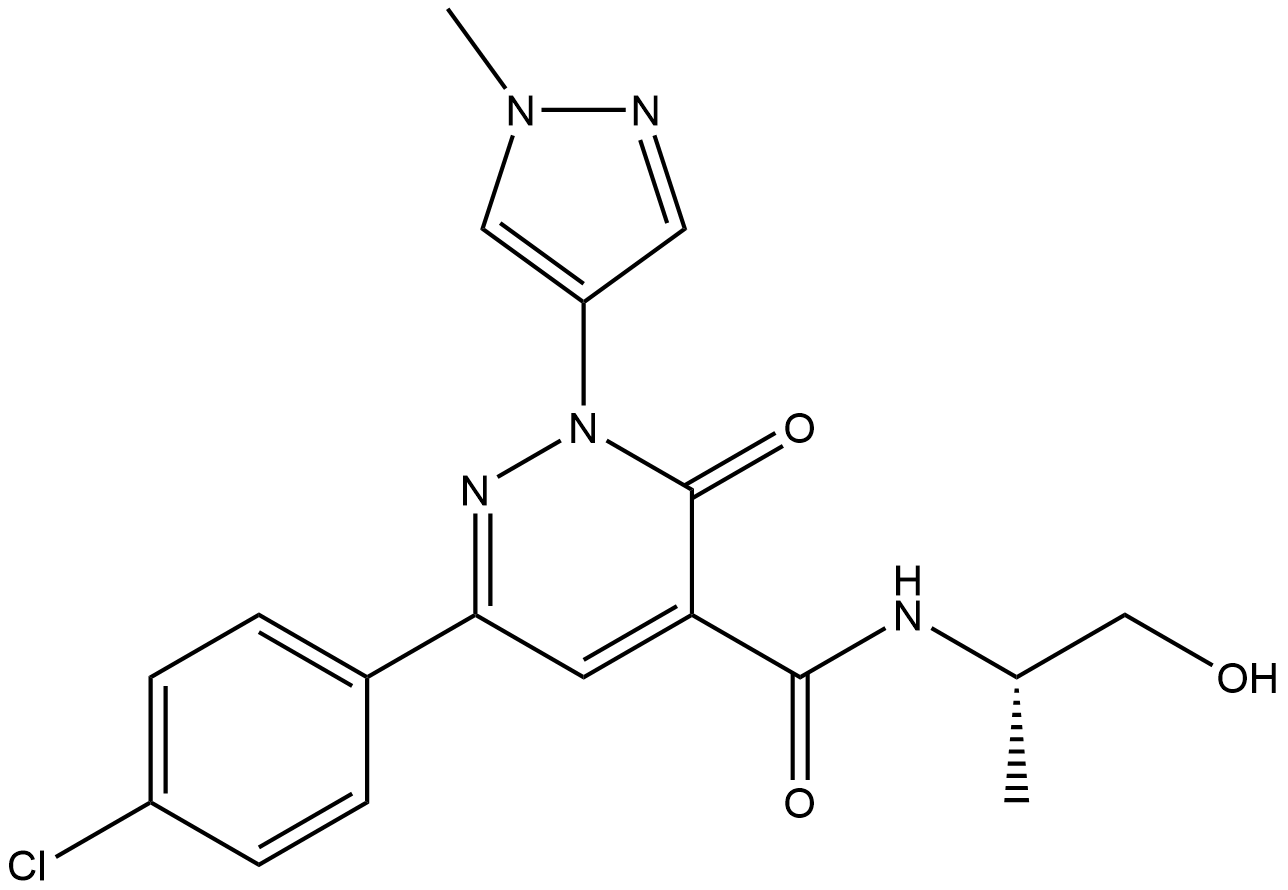 A4763 BAY 2416964Summary: A selective aryl hydrocarbon receptor antagonist for solid tumors
-
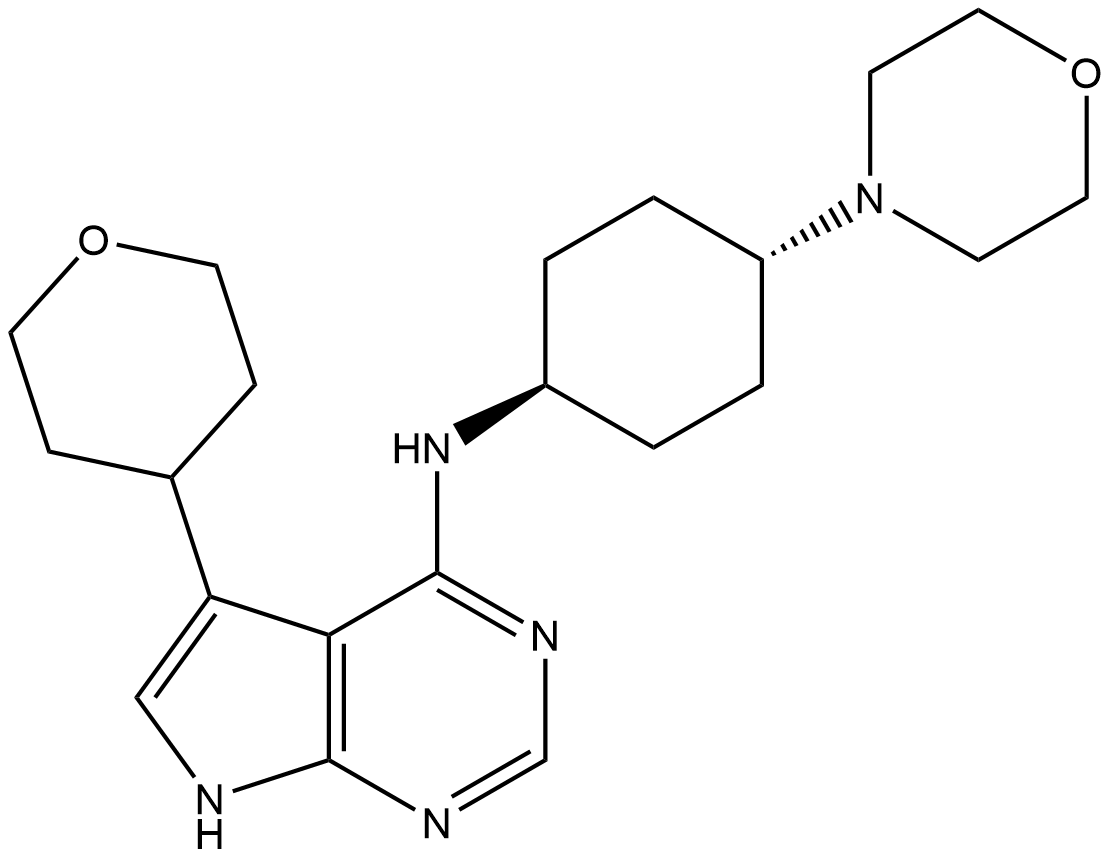 A4764 AZ1495Summary: An orally active IRAK4 inhibitor for DLBCL-related pathways
-
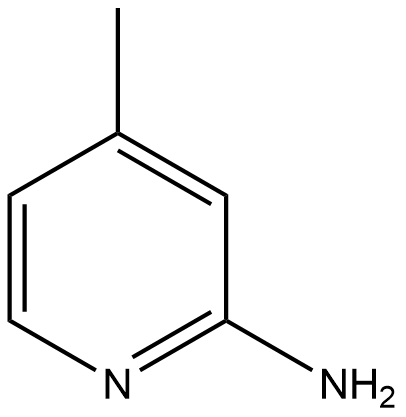 A4772 AminopicolineSummary: A nonselective nitric oxide synthase (NOS) inhibitor that regulates NO signaling pathways
-
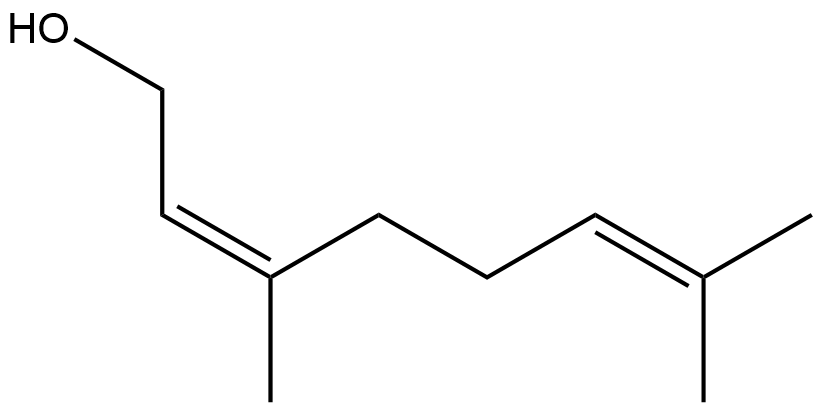 A4774 NerolSummary: A monoterpene that induces mitochondrial apoptosis and exhibits antifungal activity for cancer and fungal infection
-
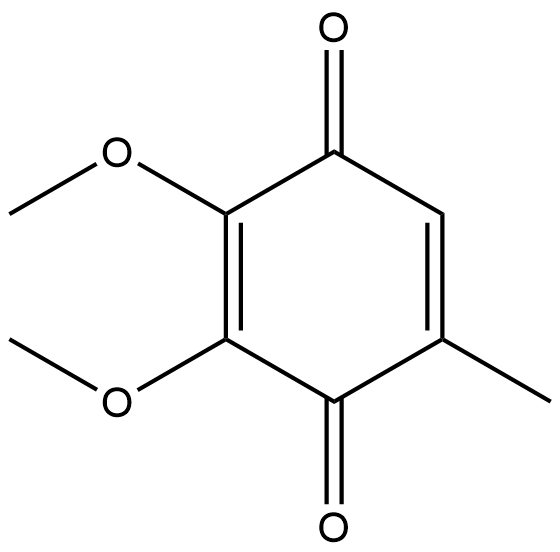 A4783 Coenzyme Q0Summary: A quinone compound that induces apoptosis and autophagy and inhibits angiogenesis
-
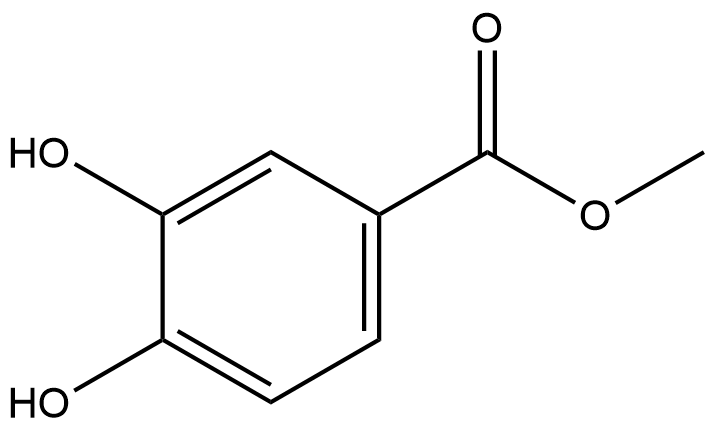 A4789 Methyl 3,4-dihydroxybenzoateSummary: A tea polyphenol metabolite derivative with antioxidant and anti-inflammatory activities
-
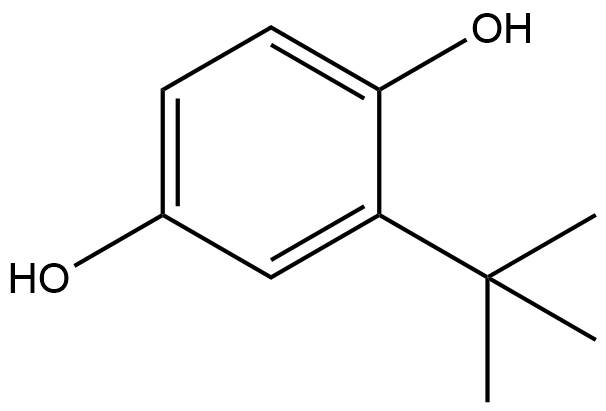 A4790 TBHQSummary: An organic phenolic compound that activates the Nrf2 and ERK pathways
-
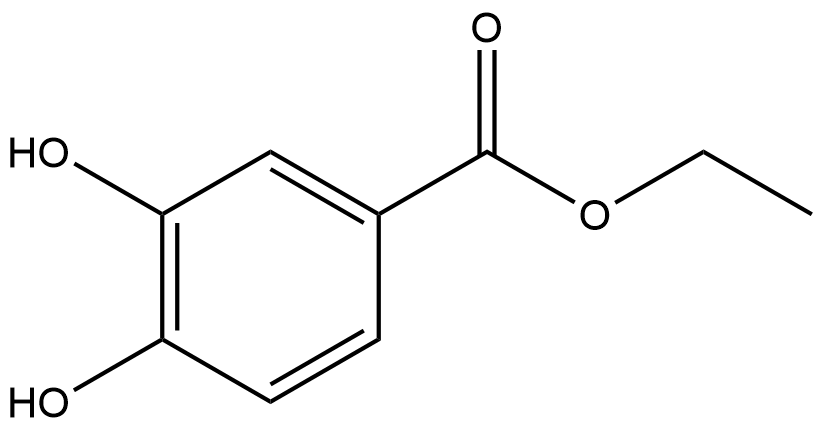 A4791 Ethyl 3,4-dihydroxybenzoateSummary: An antioxidant (ethyl 3,4-dihydroxybenzoate) that protects cardiomyocytes and modulates autophagy and apoptosis for myocardial injury
-
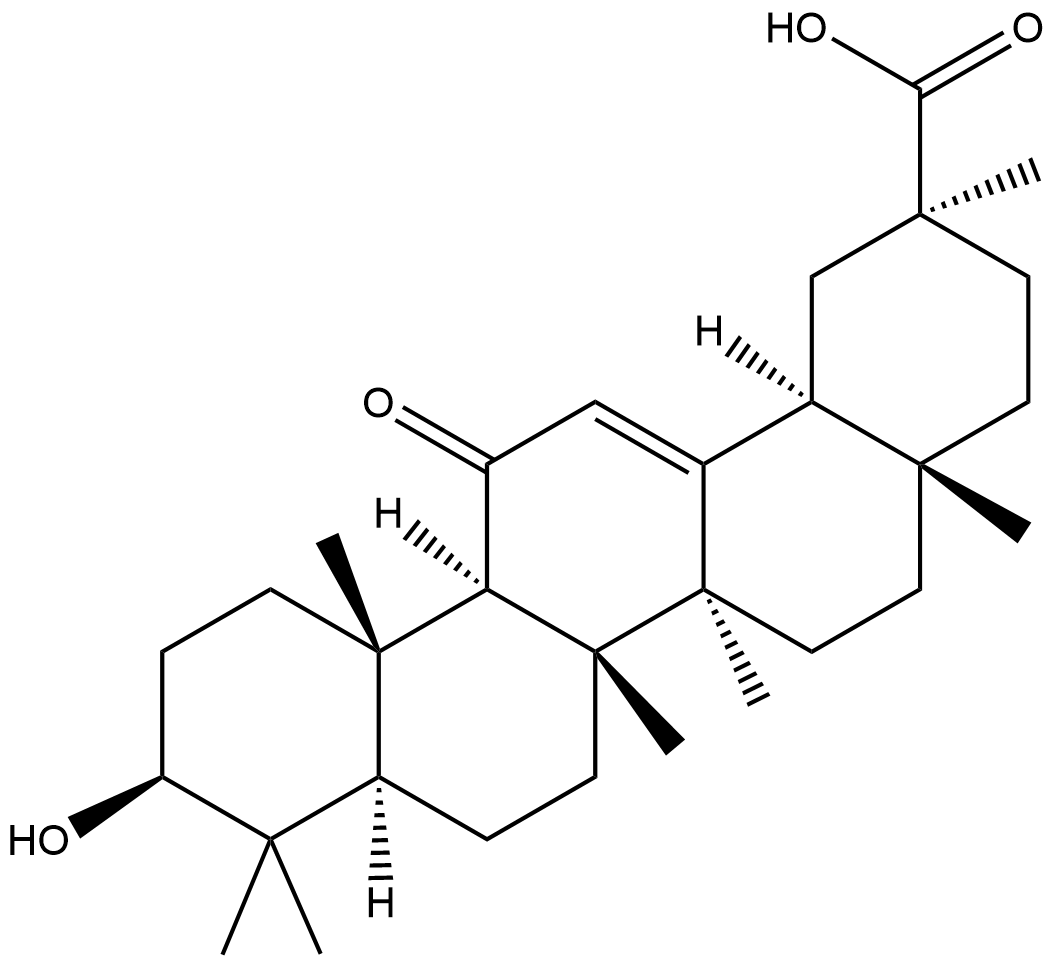 A4749 18α-Glycyrrhetinic acidSummary: A compound that inhibits NF-κB, activates the proteasome and induces apoptosis
-
 A8981 ODN 1826 sodiumSummary: A CpG oligodeoxynucleotide TLR9 agonist that activates TLR9 and promotes Th1-type immune responses for antitumor and antiviral immunity