


Cell Cycle/Checkpoint
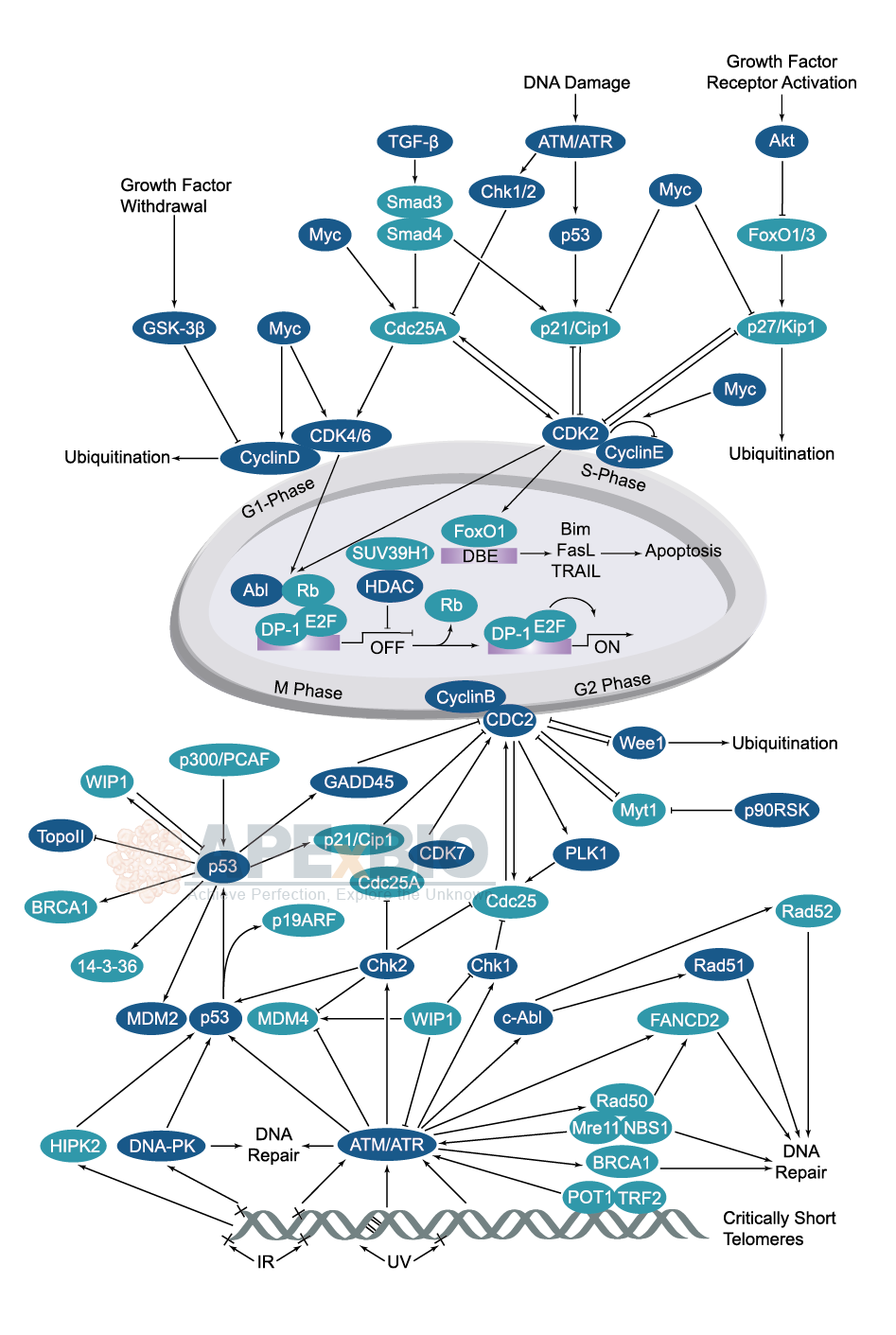
The cell cycle is consisted of 4 main phases: Gap 1 (G1), DNA replication (S), Gap 2 (G2), and mitosis (M). There are “checkpoints” mechanism regulates the transition between these phases, at the G1/S boundary, in the S-phase and during G2/M phases. Cell can only pass through these checkpoints when signaling factors are activated and free of DNA damage. Important proteins that control cell cycle events and checkpoints are cullins, cyclins, cyclin-dependent kinases (Cdks), p53 and their inhibitors etc. Cdks family (Cdk2, Cdk3, Cdk4 and Cdk6) are Ser/Thr kinases that regulate cell cycle progression in association with cyclin binding partners (cyclin D, cyclin E and cyclin A) during all four phases. p53 halts the cell cycle if the DNA is damaged and allowing time for DNA repair to progress; it can also initiate apoptosis if DNA damage is too severe to be repaired.
-
 BA4345 5-O-DMT-ibu-rGSummary: Useful models of novel DNA-binding molecules for the development of potent and selective anticancer drugs.
 -
BA4346 5-O-DMT-2-O-TBDMS-N-Bz-AdenosineSummary: 5'-O-DMT-2'-O-TBDMS-N-Bz-Adenosine is an adenosine derivative.
-
BA4347 TroxacitabineSummary: A dioxolane analog with potent antitumor activity.
-
BA4435 NorathyriolSummary: Norathyriol (Mangiferitin) is a natural metabolite of mangiferin.
-
BA4478 RAD51-IN-3Summary: An inhibitor.
-
BA4479 RAD51-IN-5Summary: RAD51-IN-5 is a potent inhibitor.
-
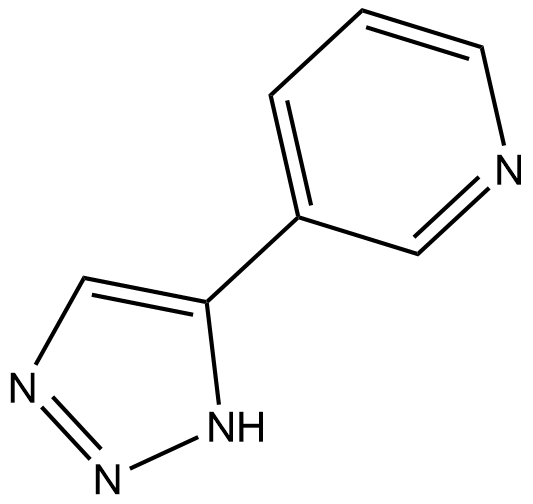 BA4504 3-TYPSummary: 3-TYP is an inhibitor (~377 μM) and an inhibitor of methionine aminopeptidase 2 and indoleamine 2,3-dioxygenase.
 -
BA4565 Pomalidomide-C3-adavosertibSummary: Pomalidomide-C3-adavosertib is a fast and selective degrader.
-
BA4637 IMM-H007Summary: IMM-H007 (WS070117) is an orally effective (AMP-activated protein kinase) activator and (transforming growth factor beta 1) antagonist.
-
BA5870 RBN013209Summary: RBN013209 is a potent inhibitor.