


Cell Cycle/Checkpoint
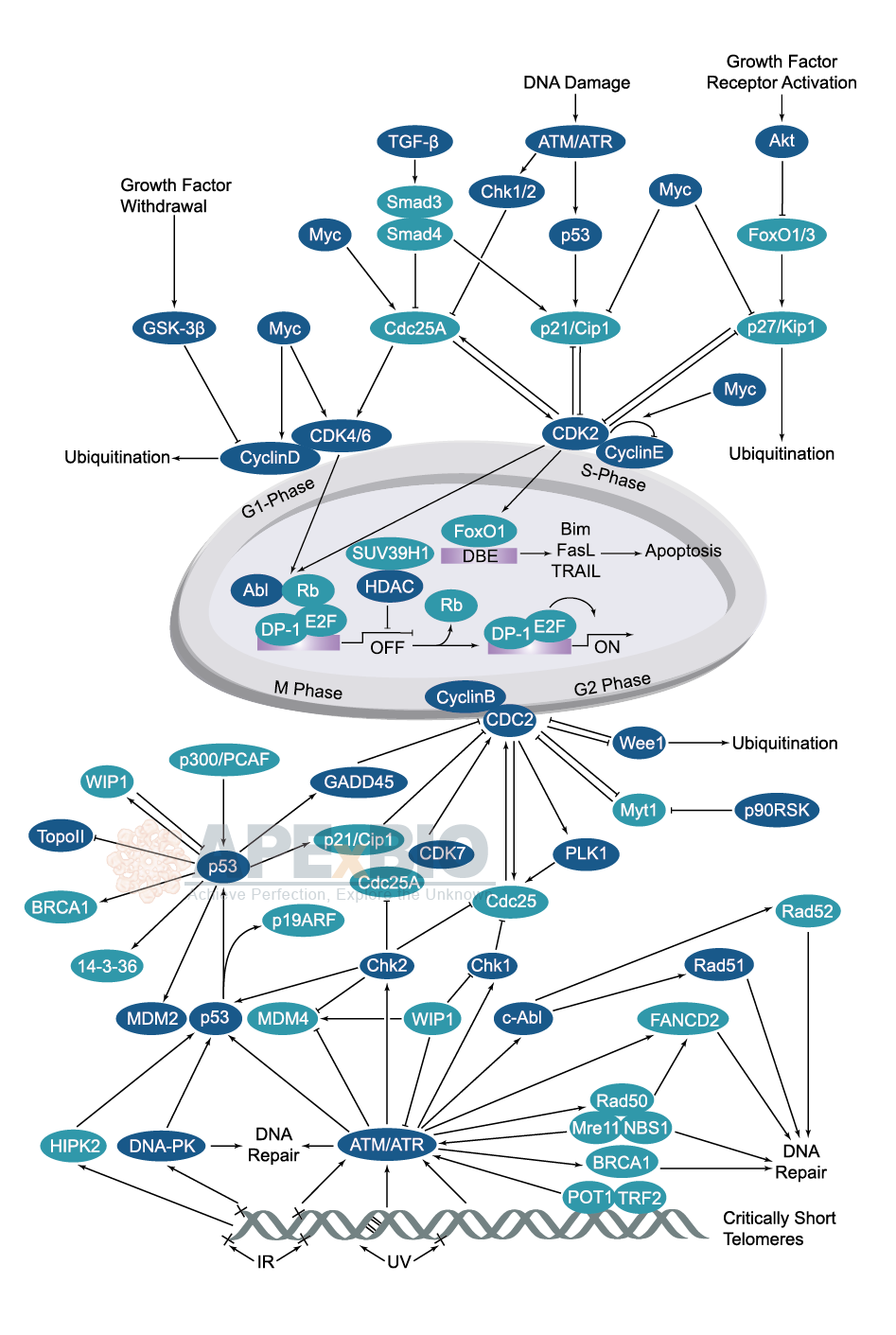
The cell cycle is consisted of 4 main phases: Gap 1 (G1), DNA replication (S), Gap 2 (G2), and mitosis (M). There are “checkpoints” mechanism regulates the transition between these phases, at the G1/S boundary, in the S-phase and during G2/M phases. Cell can only pass through these checkpoints when signaling factors are activated and free of DNA damage. Important proteins that control cell cycle events and checkpoints are cullins, cyclins, cyclin-dependent kinases (Cdks), p53 and their inhibitors etc. Cdks family (Cdk2, Cdk3, Cdk4 and Cdk6) are Ser/Thr kinases that regulate cell cycle progression in association with cyclin binding partners (cyclin D, cyclin E and cyclin A) during all four phases. p53 halts the cell cycle if the DNA is damaged and allowing time for DNA repair to progress; it can also initiate apoptosis if DNA damage is too severe to be repaired.
-
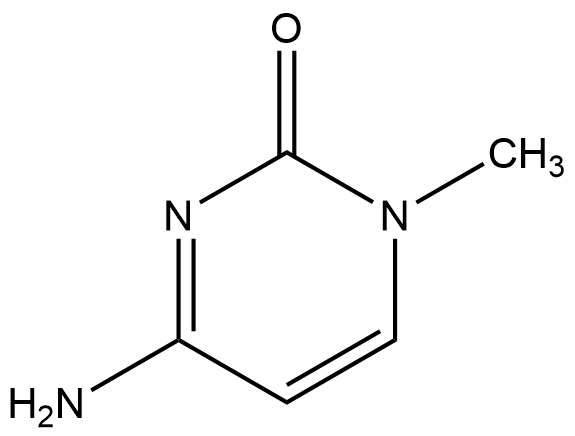 A9019 1-Methylcytosine
 -
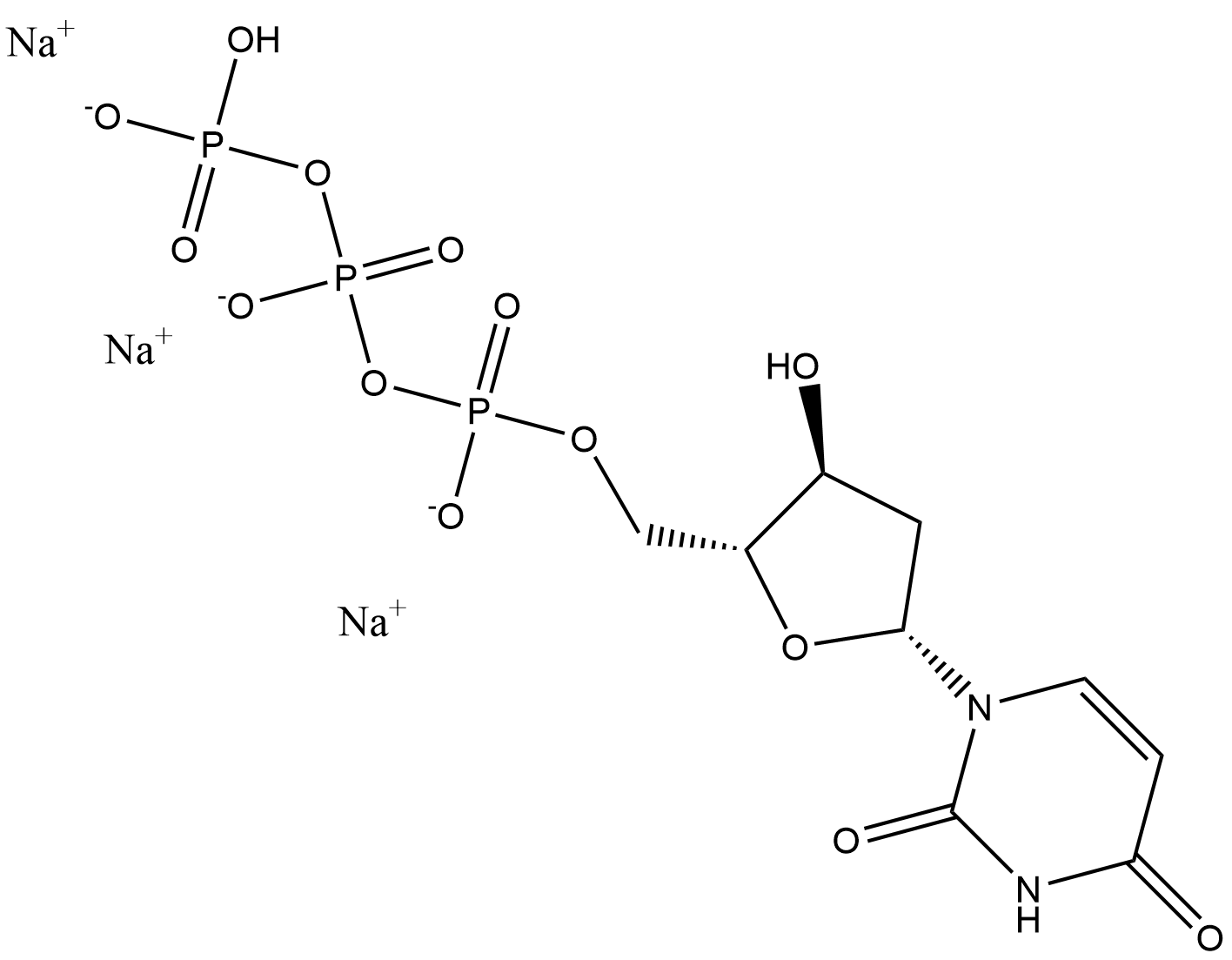 B8822 dUTP trisodium
 -
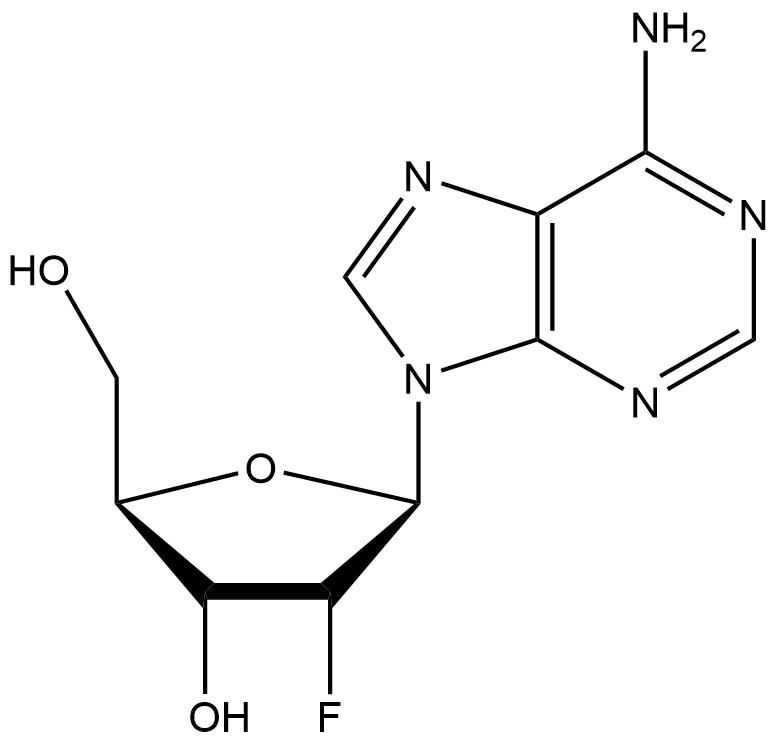 B8924 2′-Deoxy-2′-fluoroadenosine
 -
 BA2727 L-AsparaginaseSummary: L-Asparaginase (L-ASNase) is a deamidase that catalyzes the hydrolysis of L-asparagine and L-glutamine and can be used in acute lymphoblastic leukemia.
 -
BA2787 AOH1160Summary: AOH1160 is a potent orally available small molecule inhibitor of proliferating cell nuclear antigen.
-
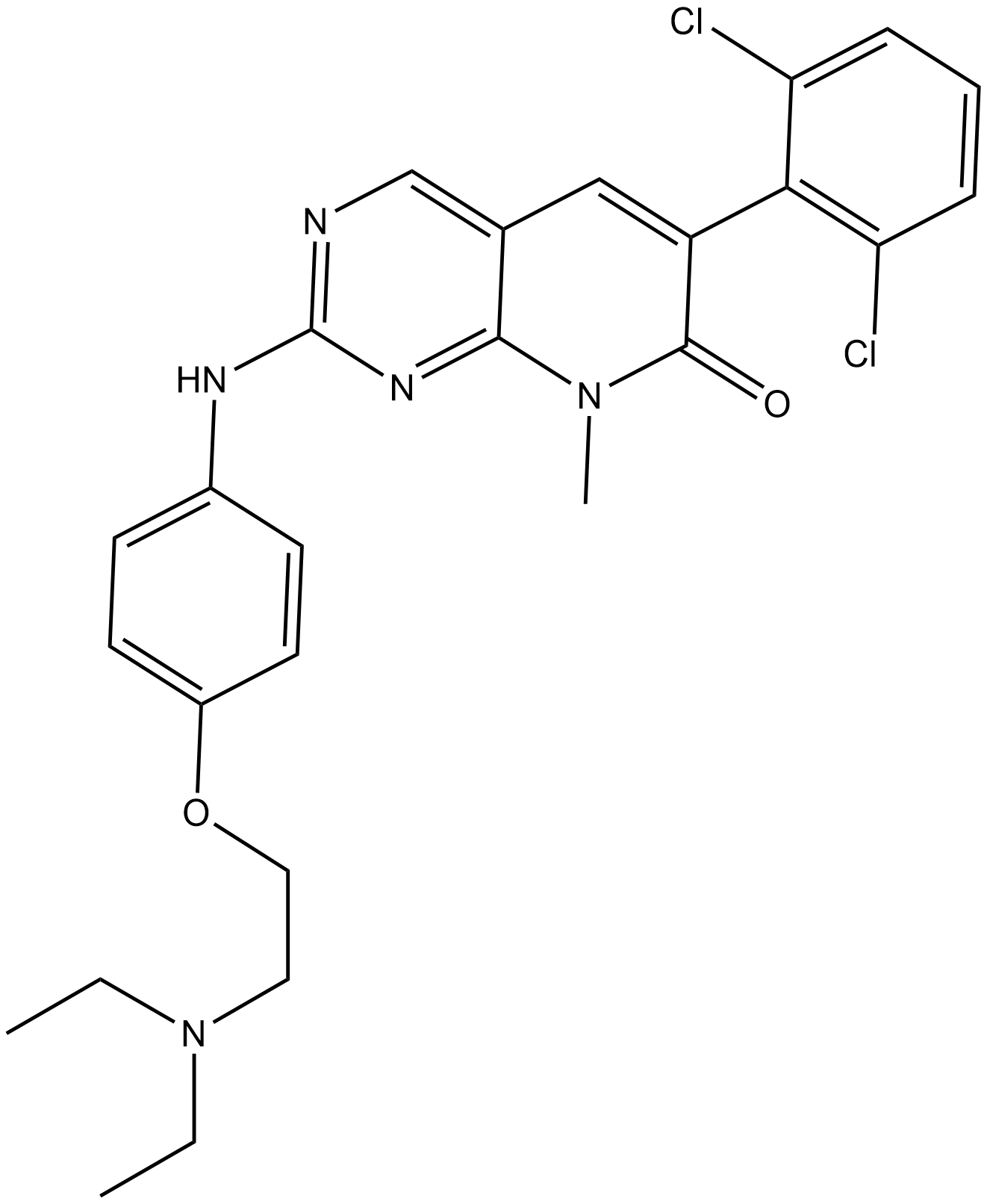 BA2789 PD0166285Summary: PD0166285 is a substrate for P-gp.
 -
BA2794 ON1231320Summary: ON1231320 is a highly specific polo-like kinase 2 inhibitor.
-
BA2809 SupinoxinSummary: Supinoxin (RX-5902) is a potent orally active inhibitor of phosphorylated p68RNA deconjugase and is the first antitumor reagent of its kind.
-
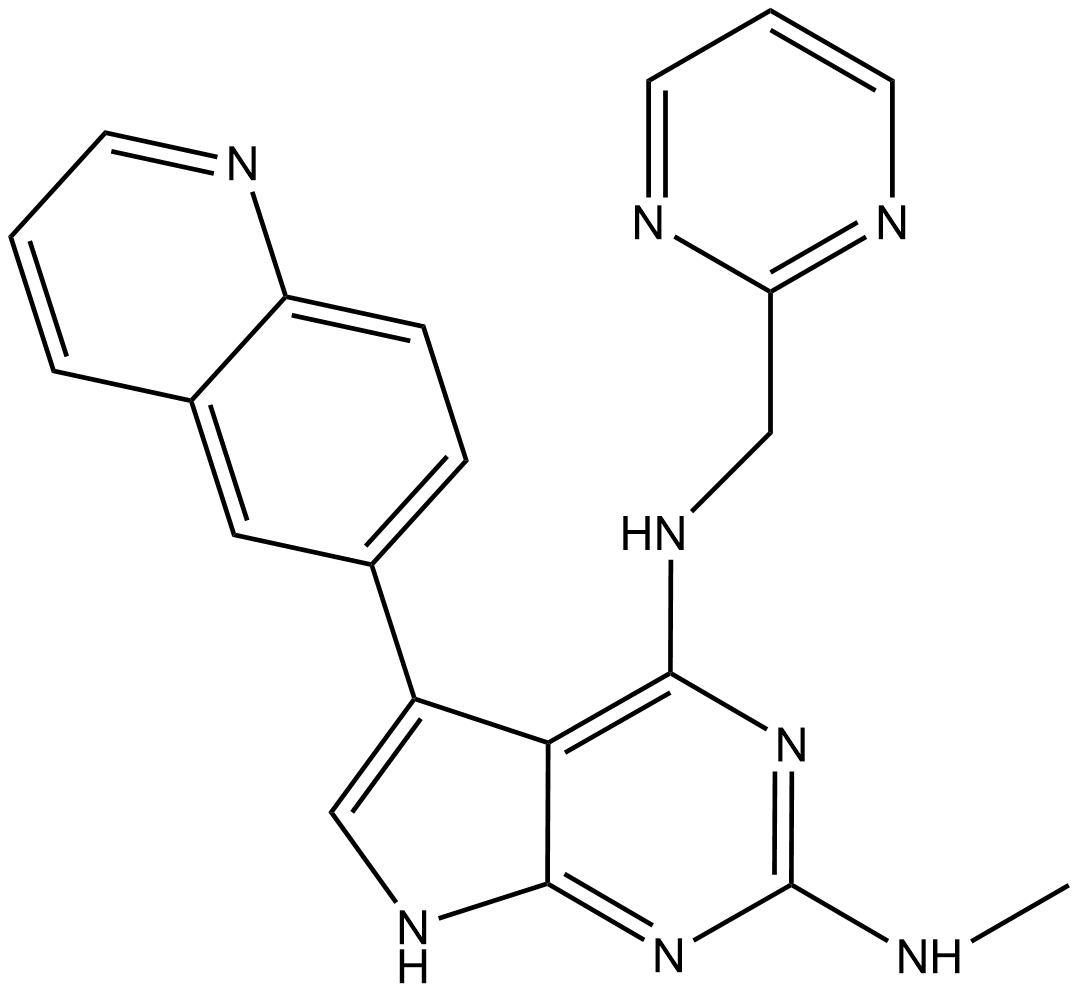 BA2818 T025Summary: T025 is an orally effective inhibitor.
 -
BA2835 NitrochinSummary: Nitrochin (4-NQO) is a chemical carcinogen.