


Cell Cycle/Checkpoint
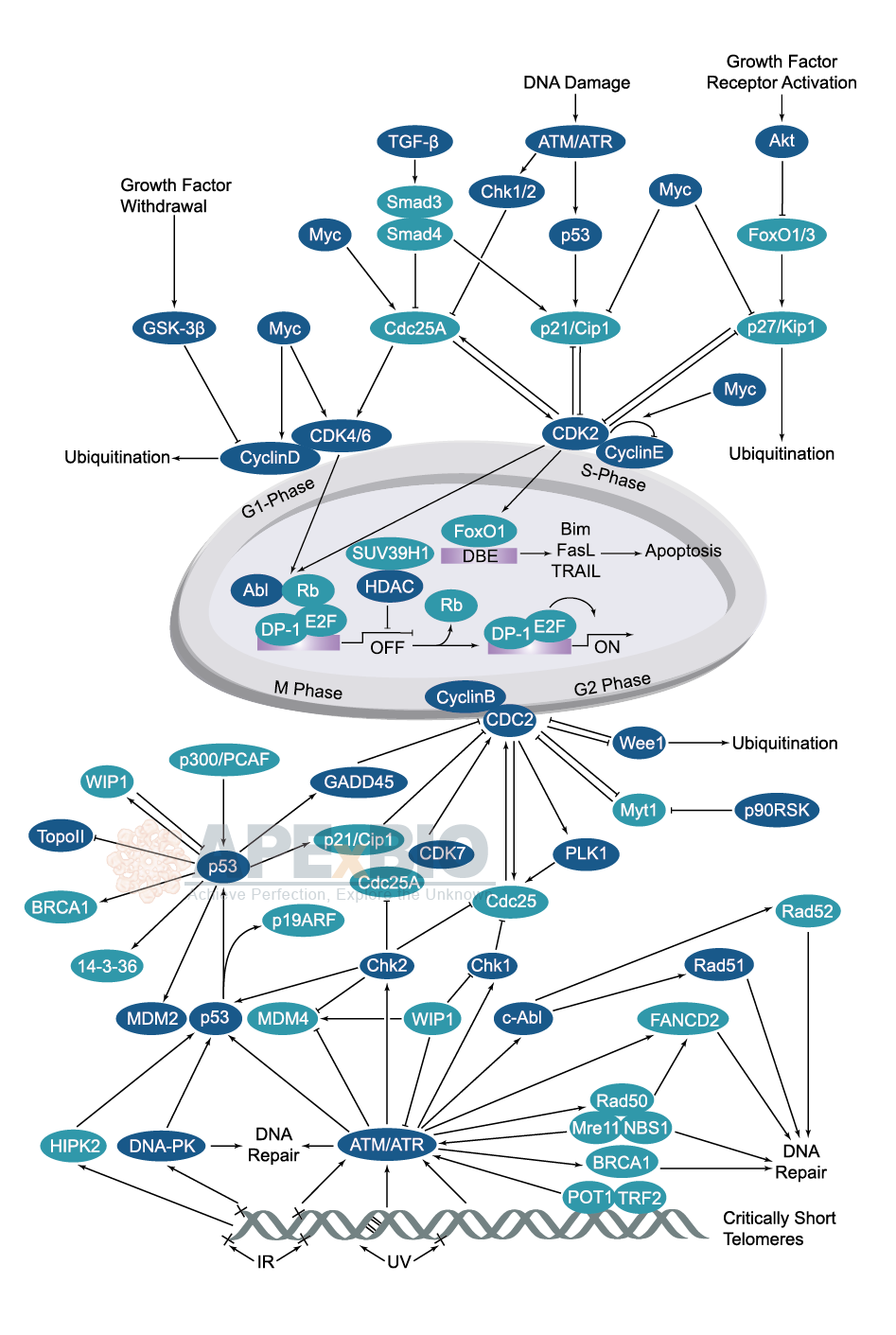
The cell cycle is consisted of 4 main phases: Gap 1 (G1), DNA replication (S), Gap 2 (G2), and mitosis (M). There are “checkpoints” mechanism regulates the transition between these phases, at the G1/S boundary, in the S-phase and during G2/M phases. Cell can only pass through these checkpoints when signaling factors are activated and free of DNA damage. Important proteins that control cell cycle events and checkpoints are cullins, cyclins, cyclin-dependent kinases (Cdks), p53 and their inhibitors etc. Cdks family (Cdk2, Cdk3, Cdk4 and Cdk6) are Ser/Thr kinases that regulate cell cycle progression in association with cyclin binding partners (cyclin D, cyclin E and cyclin A) during all four phases. p53 halts the cell cycle if the DNA is damaged and allowing time for DNA repair to progress; it can also initiate apoptosis if DNA damage is too severe to be repaired.
-
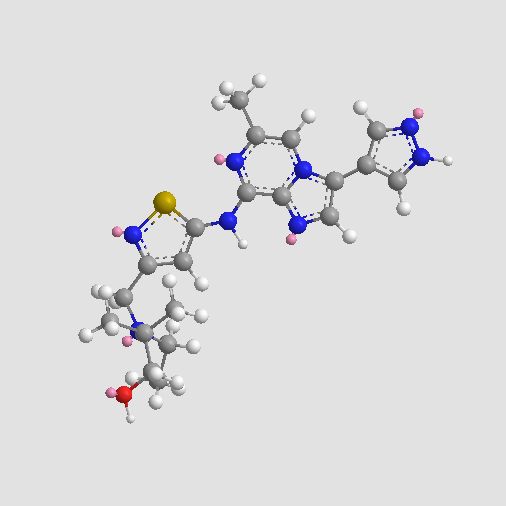 A3804 SCH-1473759Summary: Aurora A/B inhibitor
 -
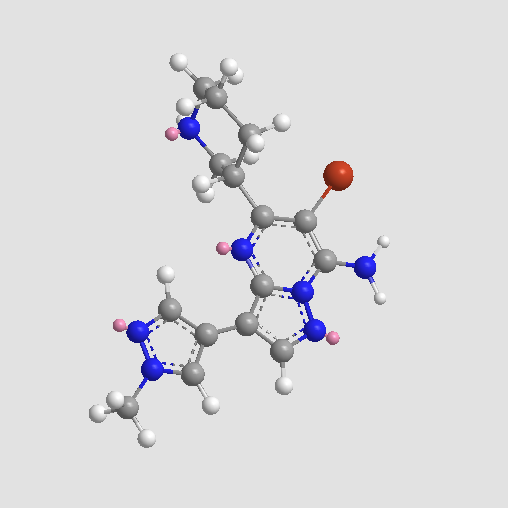 A3806 SCH900776 S-isomerSummary: Checkpoint kinase(Chk)inhibitor
 -
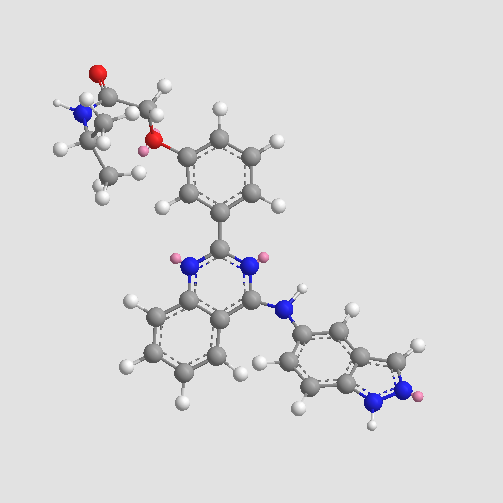 A3825 SLx-21191 CitationTarget: ROCKSummary: Selective ROCK2 inhibitor
 -
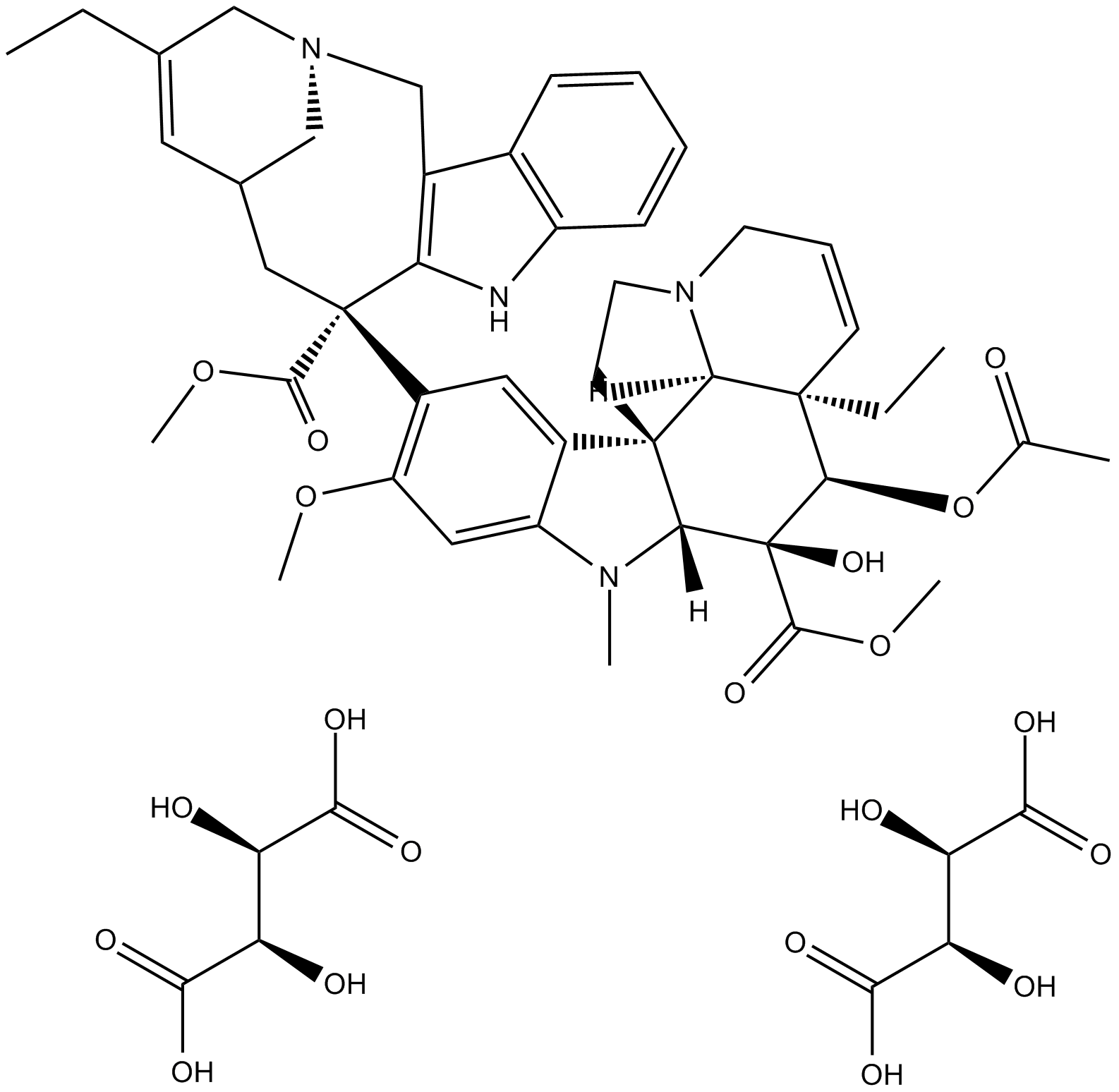 A3921 Vinorelbine ditartrateSummary: Anti-mitotic chemotherapy drug
 -
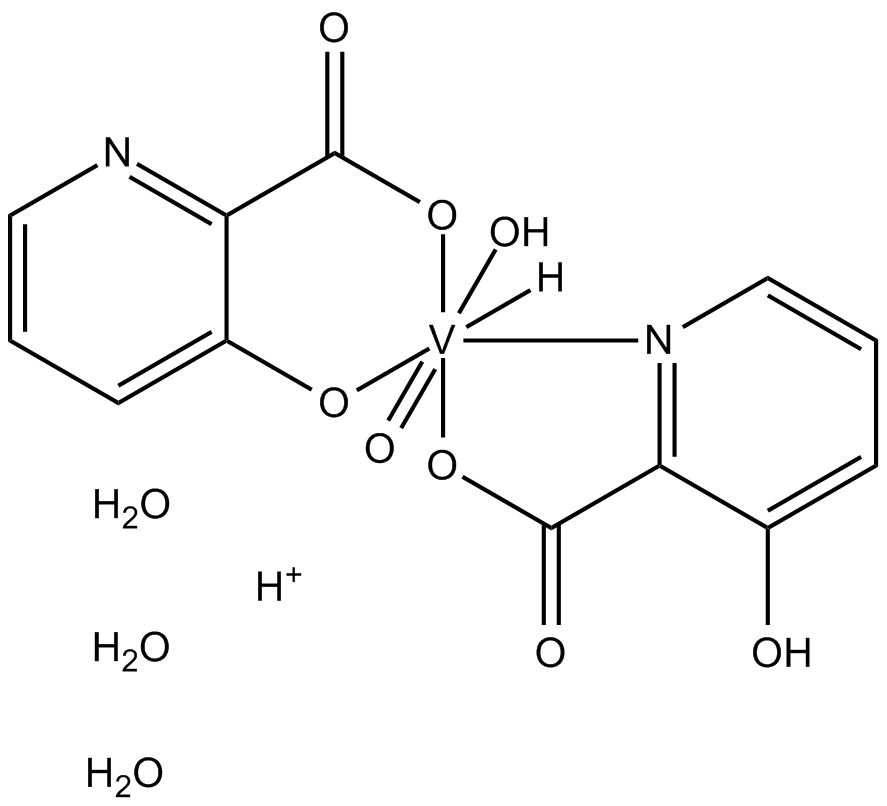 A3923 VO-Ohpic trihydrateSummary: PTEN inhibitor
 -
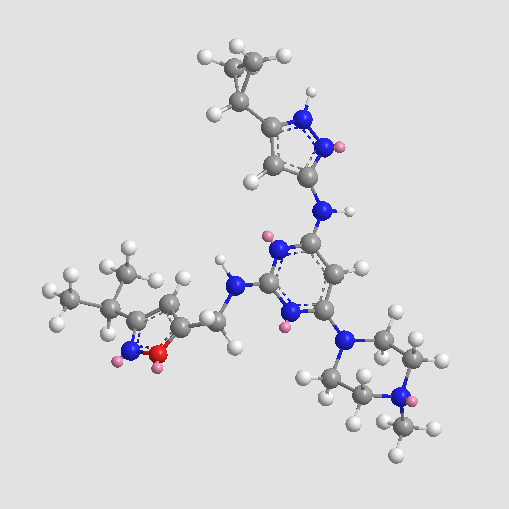 A3939 XL228Summary: IGF1R/AURORA /FGFR1-3/ABL/SRC family kinases inhibitor
 -
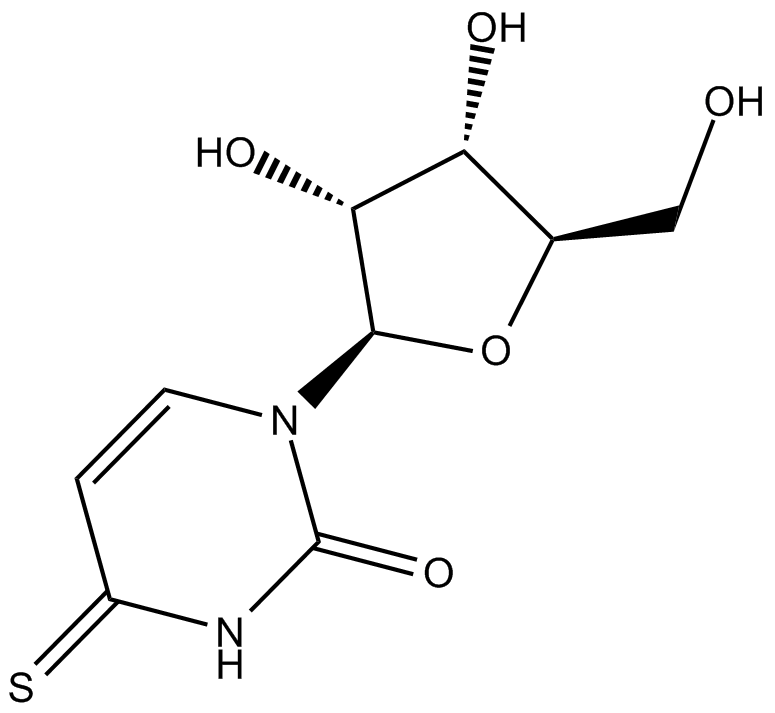 C3722 4-ThiouridineSummary: 4-Thiouridine is a ribonucleoside analog that is widely utilized in RNA analysis and (m)RNA labeling. It also inhibits rRNA synthesis, leading to a nucleolar stress response.
 -
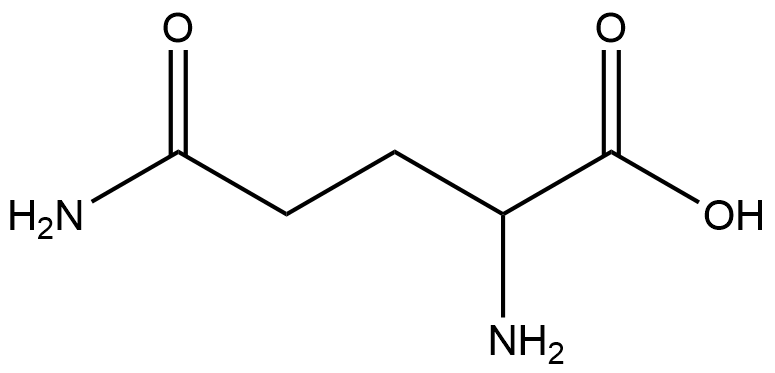 A4733 DL-GlutamineSummary: A mixture of amino acids composed of the two enantiomers D-glutamine and L-glutamine
 -
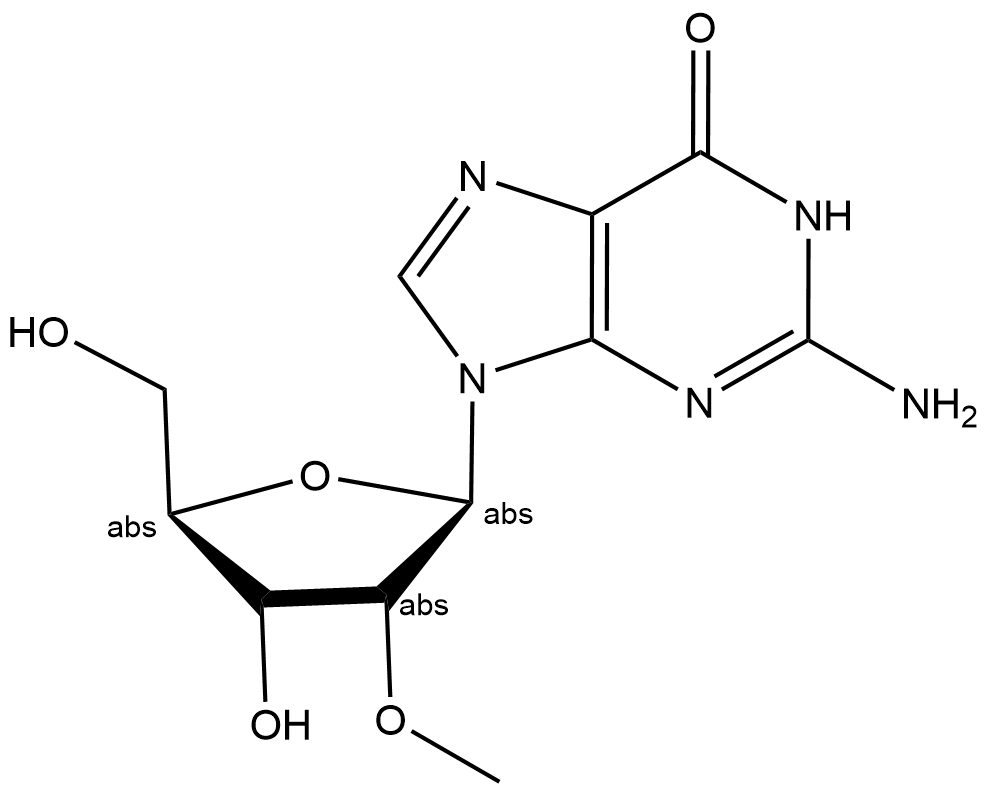 A4769 2'-O-MethylguanosineSummary: A modified nucleoside with apoptosis-promoting activity for cancer
 -
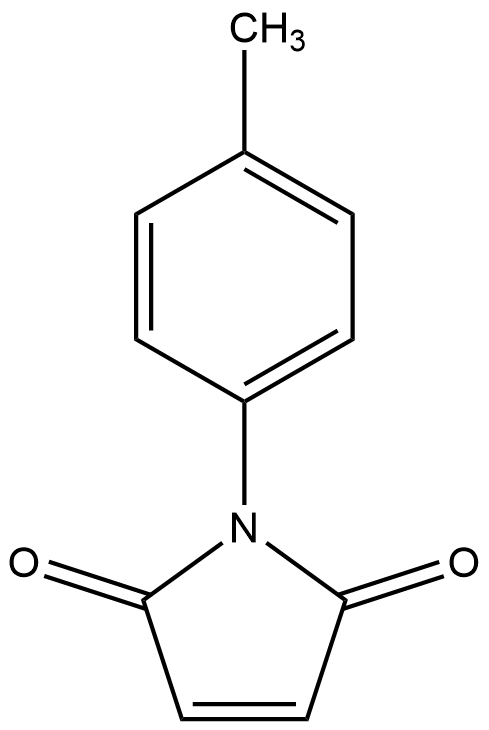 A8995 p-Tolylmaleimide