


Cell Cycle/Checkpoint
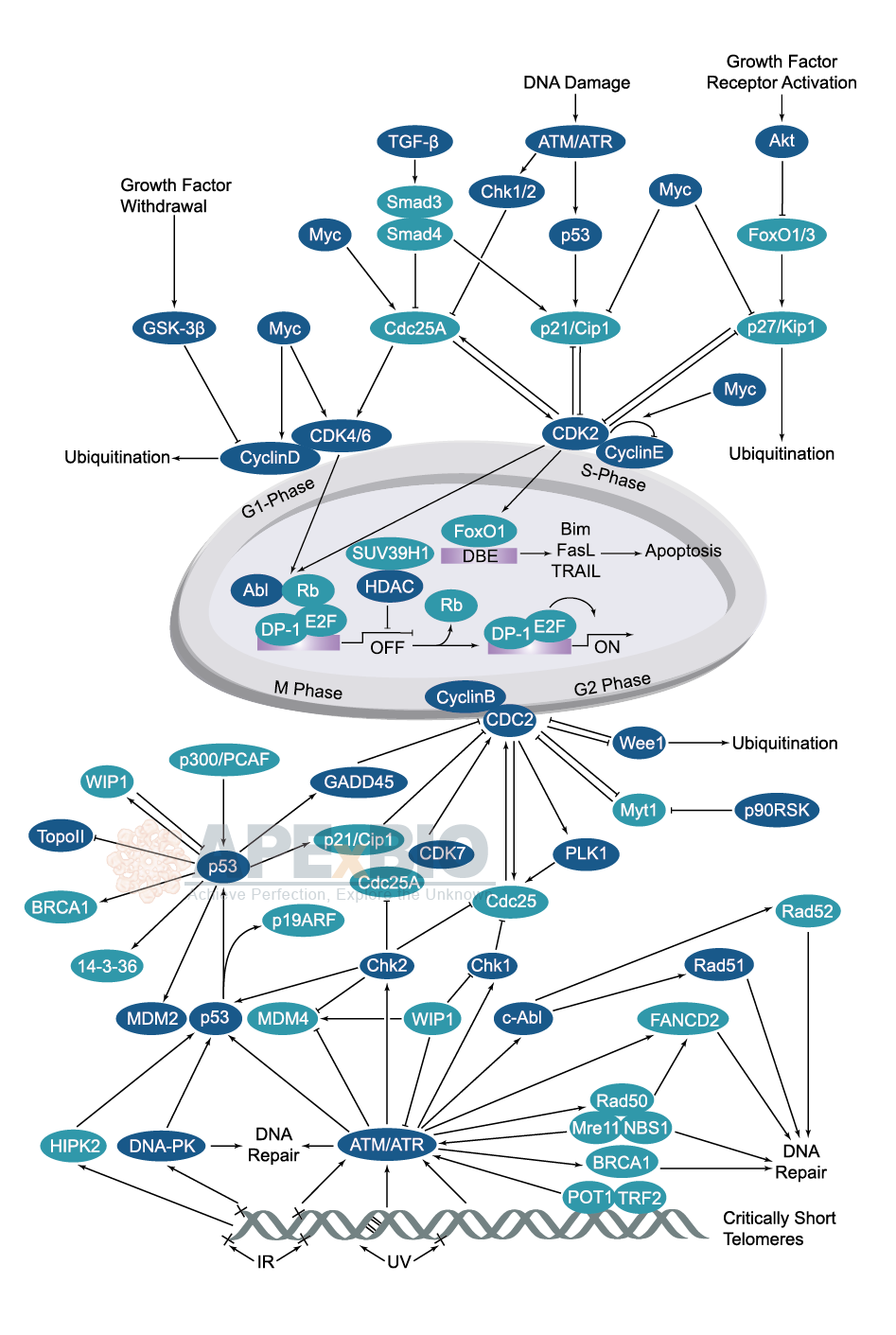
The cell cycle is consisted of 4 main phases: Gap 1 (G1), DNA replication (S), Gap 2 (G2), and mitosis (M). There are “checkpoints” mechanism regulates the transition between these phases, at the G1/S boundary, in the S-phase and during G2/M phases. Cell can only pass through these checkpoints when signaling factors are activated and free of DNA damage. Important proteins that control cell cycle events and checkpoints are cullins, cyclins, cyclin-dependent kinases (Cdks), p53 and their inhibitors etc. Cdks family (Cdk2, Cdk3, Cdk4 and Cdk6) are Ser/Thr kinases that regulate cell cycle progression in association with cyclin binding partners (cyclin D, cyclin E and cyclin A) during all four phases. p53 halts the cell cycle if the DNA is damaged and allowing time for DNA repair to progress; it can also initiate apoptosis if DNA damage is too severe to be repaired.
-
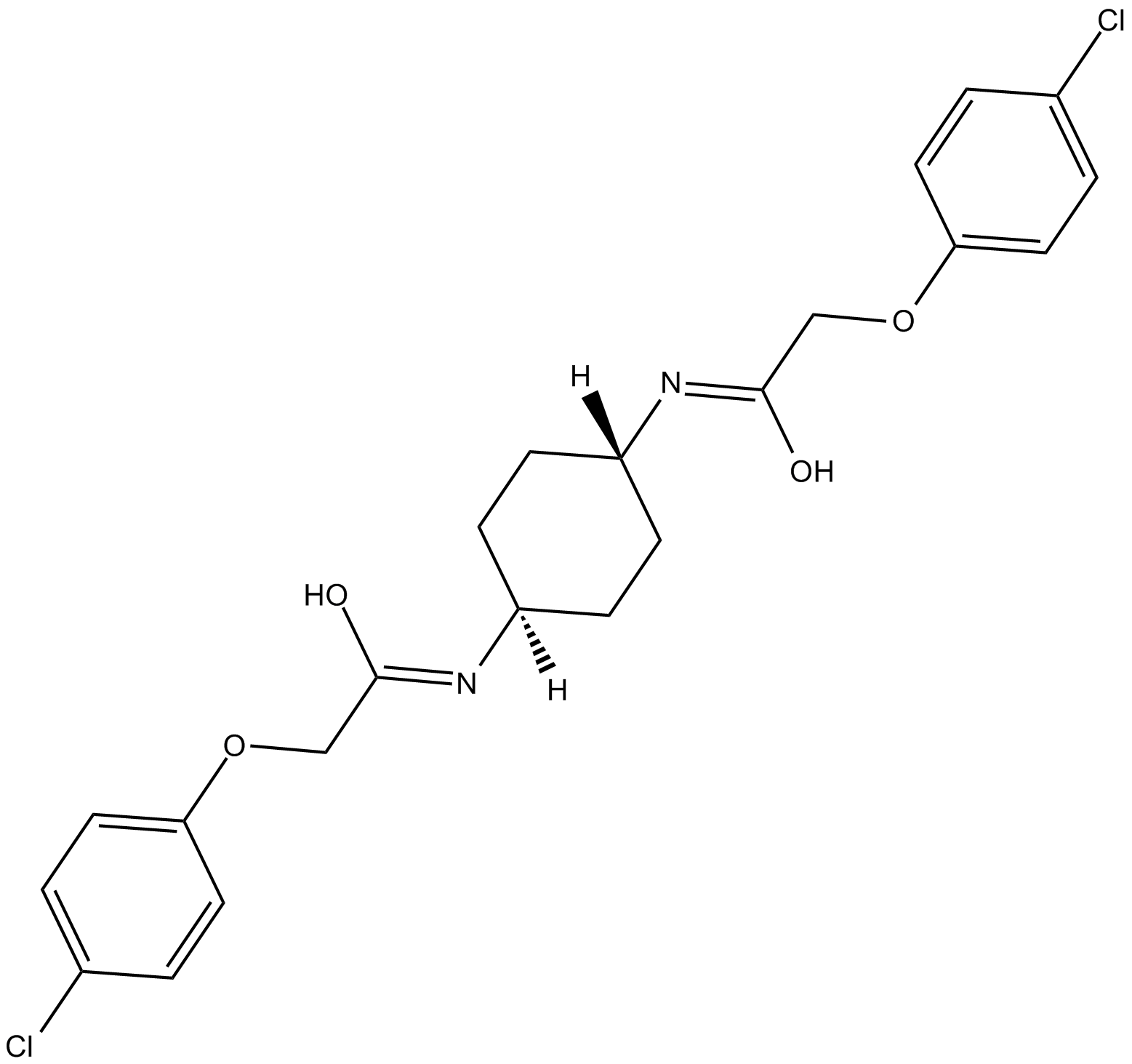 B6093 ISRIBSummary: PERK signaling inhibitor
 -
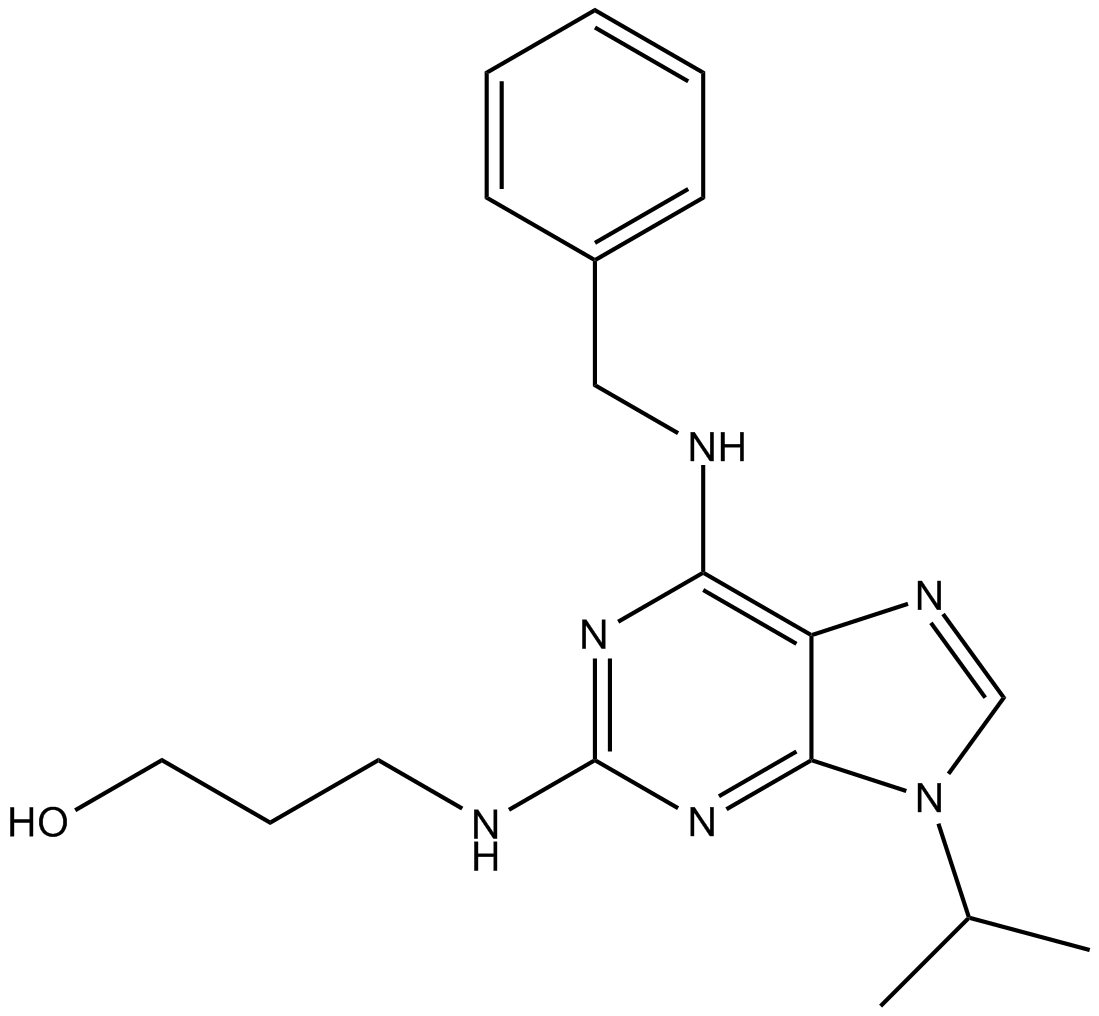 B6101 BohemineSummary: CDK inhibitor
 -
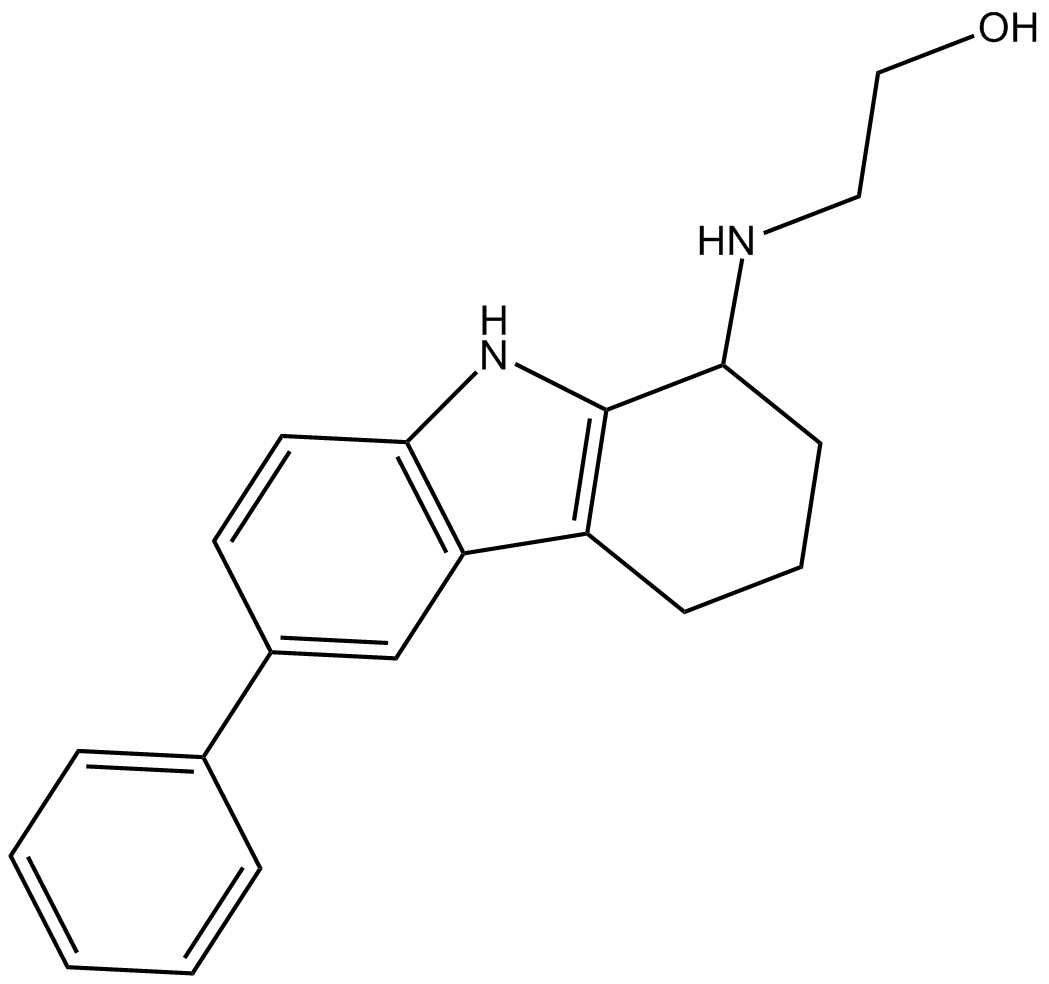 B6103 CasinSummary: GTPase Cdc42 inhibitor
 -
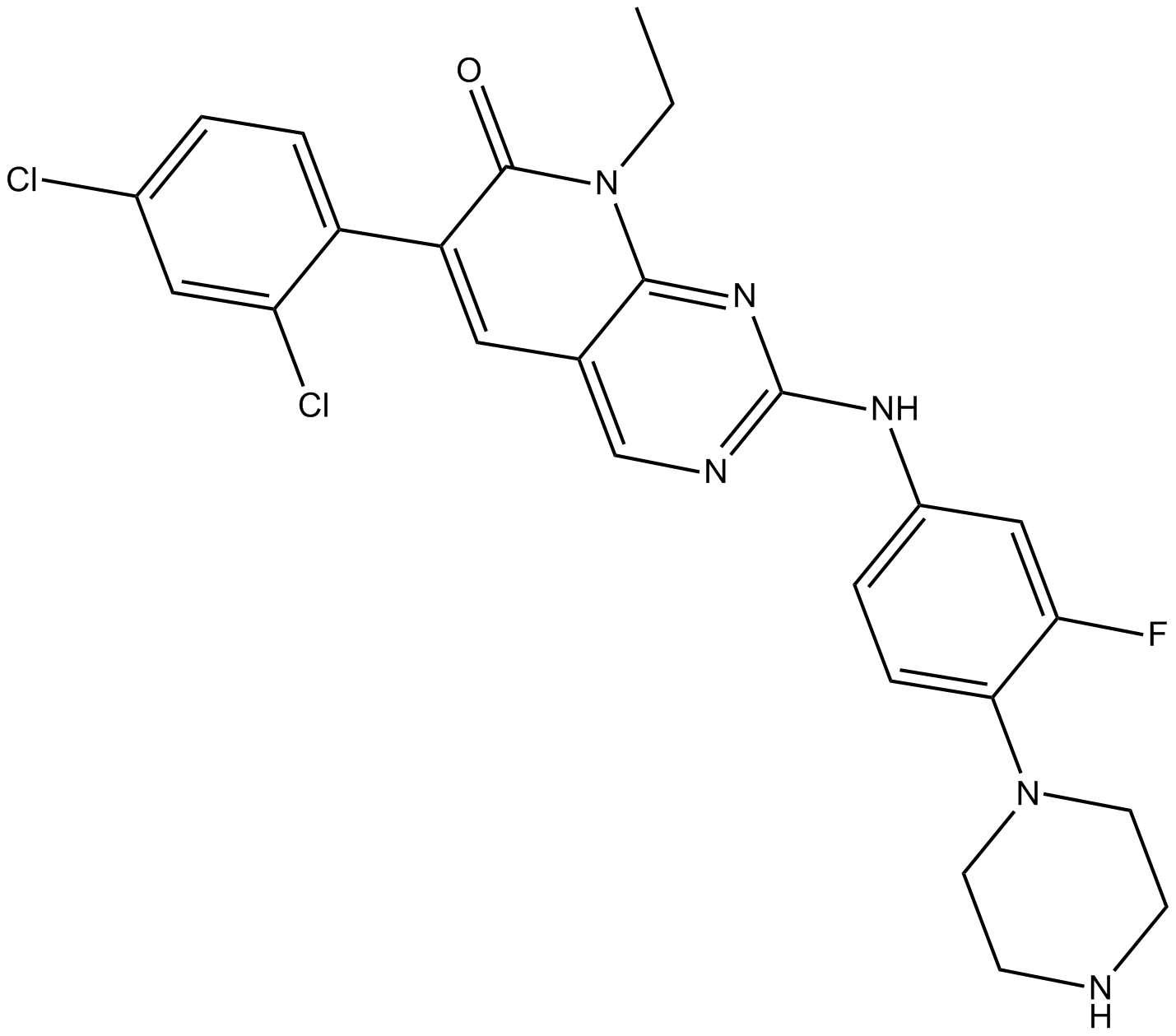 B6165 FRAX486Summary: p21-activated kinase (PAK) inhibitor
 -
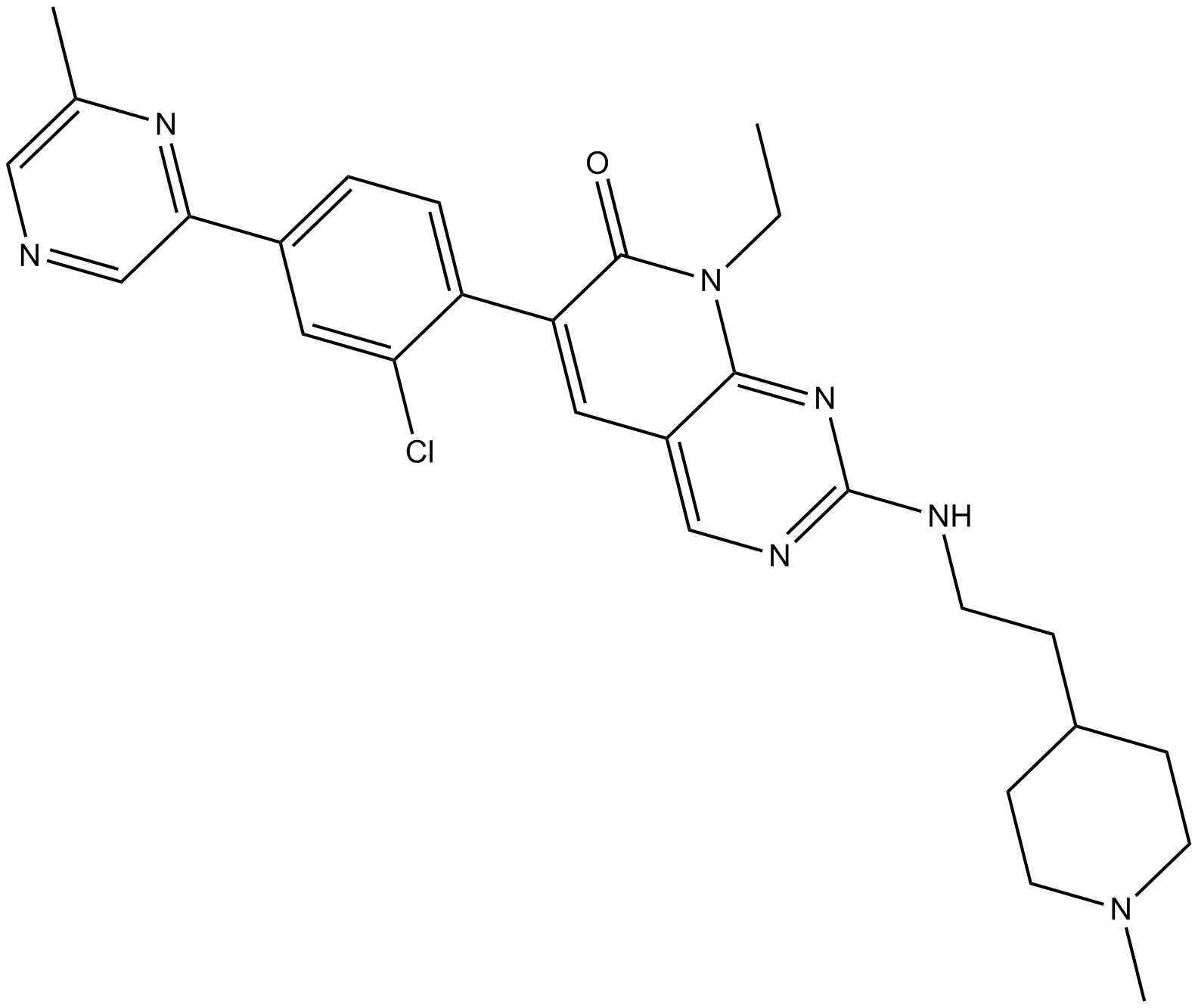 B6180 FRAX1036Summary: p21-activated kinase I (PAK1) inhibitor
 -
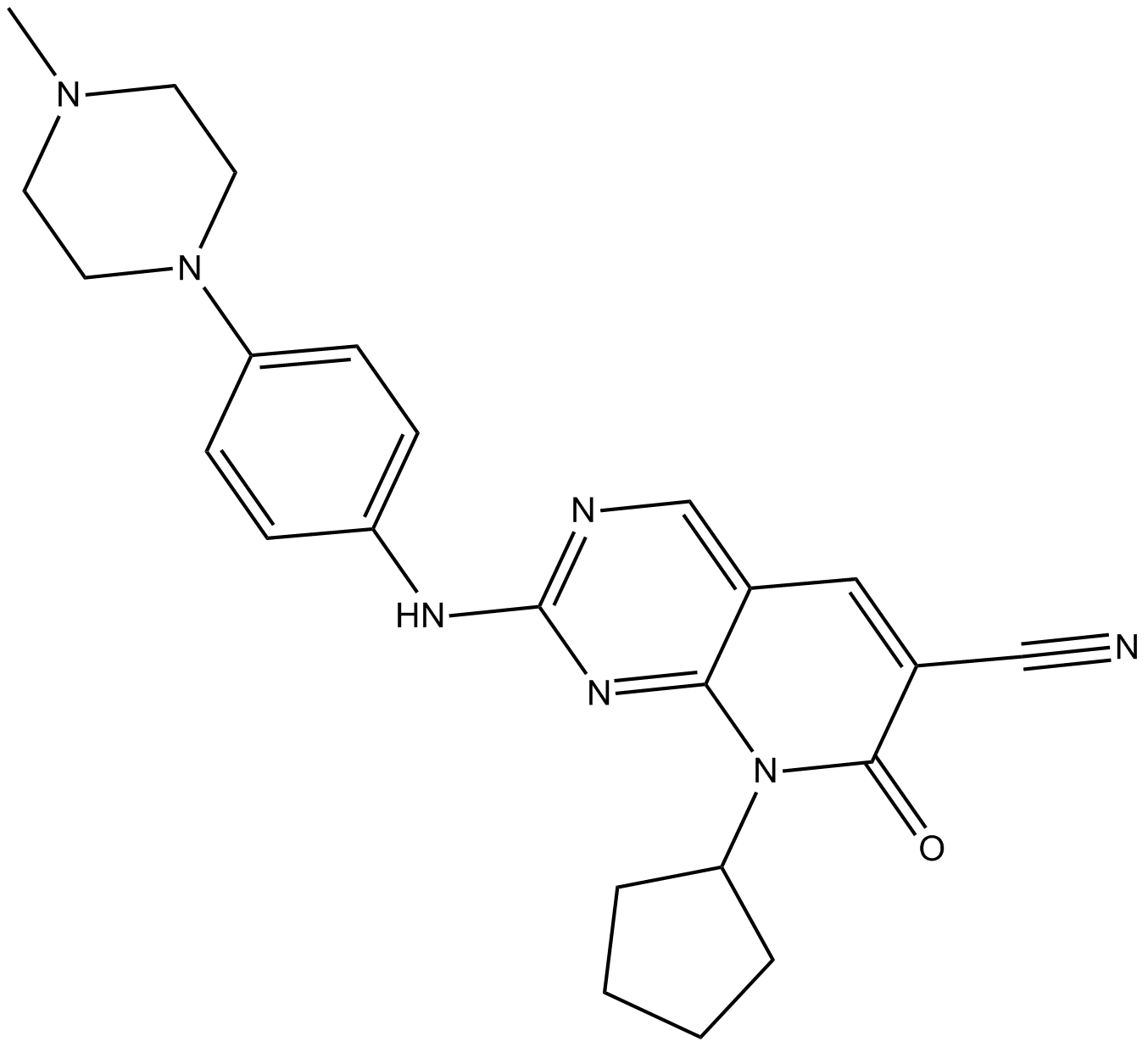 B6192 ON123300Summary: multi-targeted kinase inhibitor,inhibits CDK4, Ark5, PDGFRβ, FGFR1, RET, and Fyn
 -
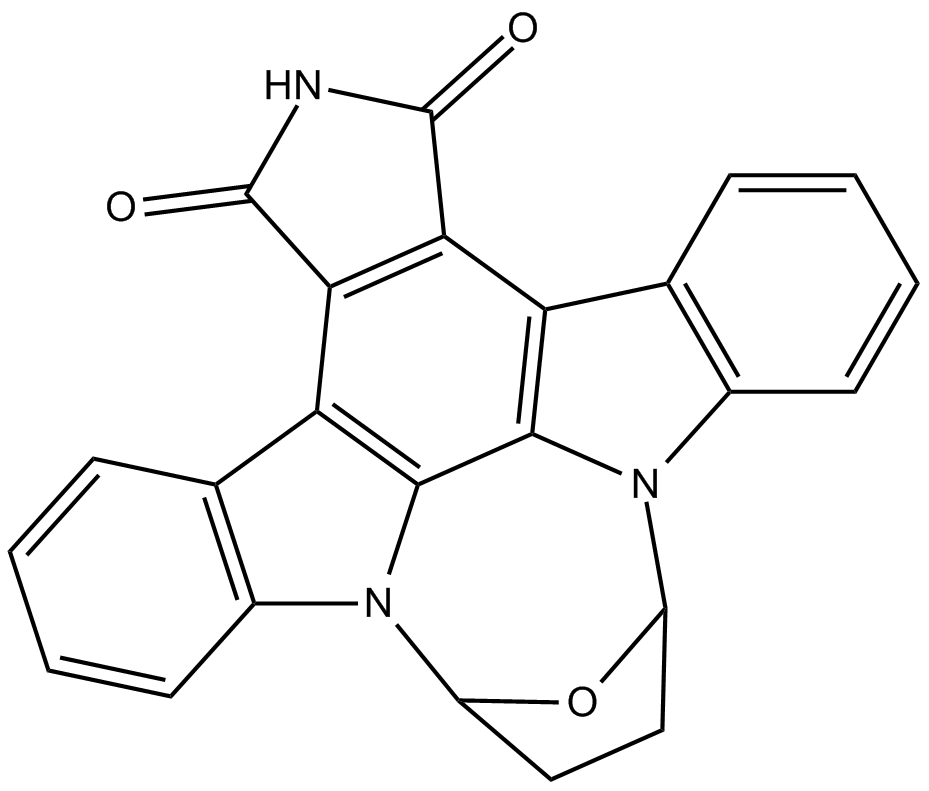 C3012 SB 218078Summary: checkpoint kinase 1 (Chk1) inhibitor
 -
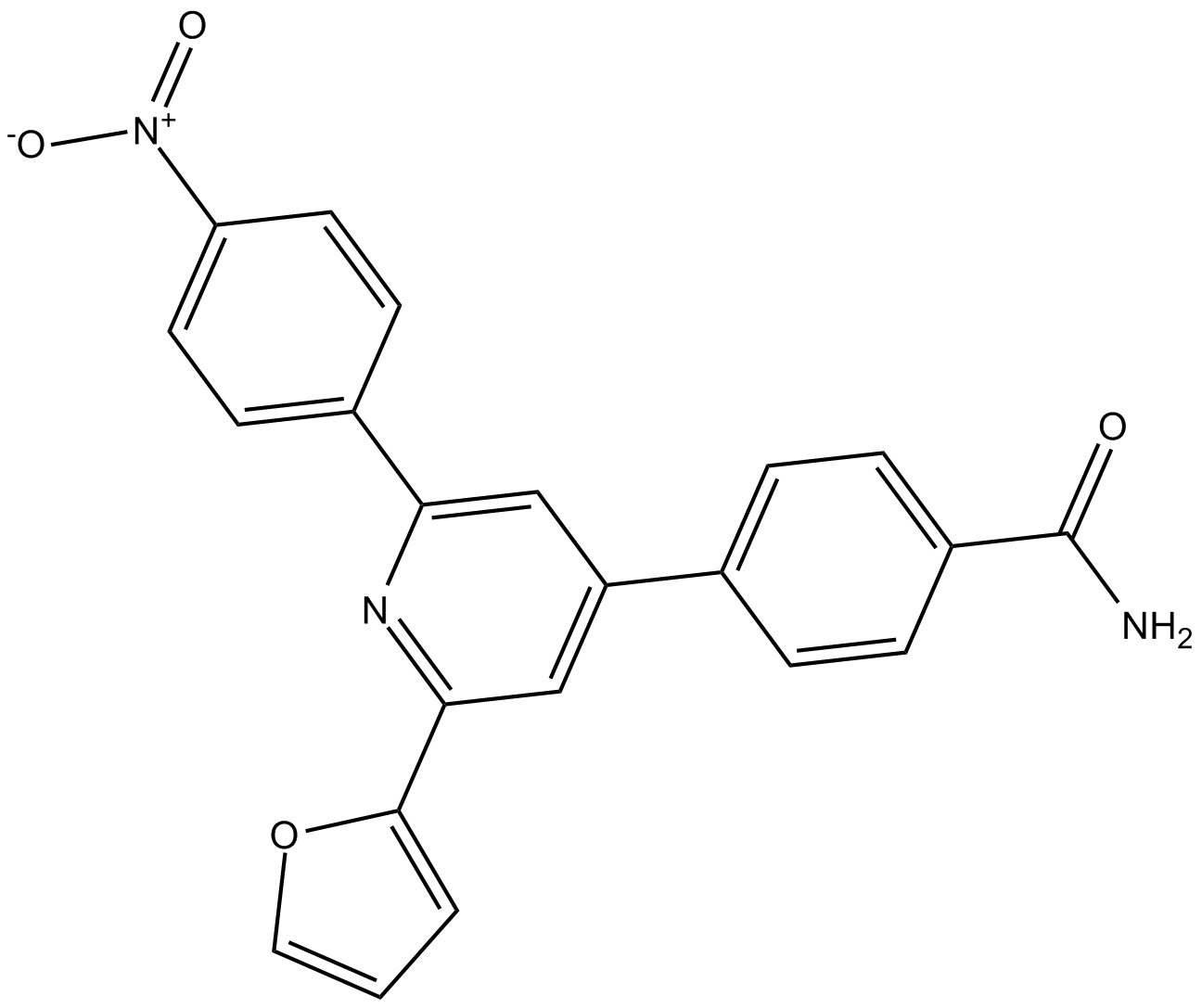 C3014 KJ Pyr 9Summary: c-Myc inhibitor, cell-permeable
 -
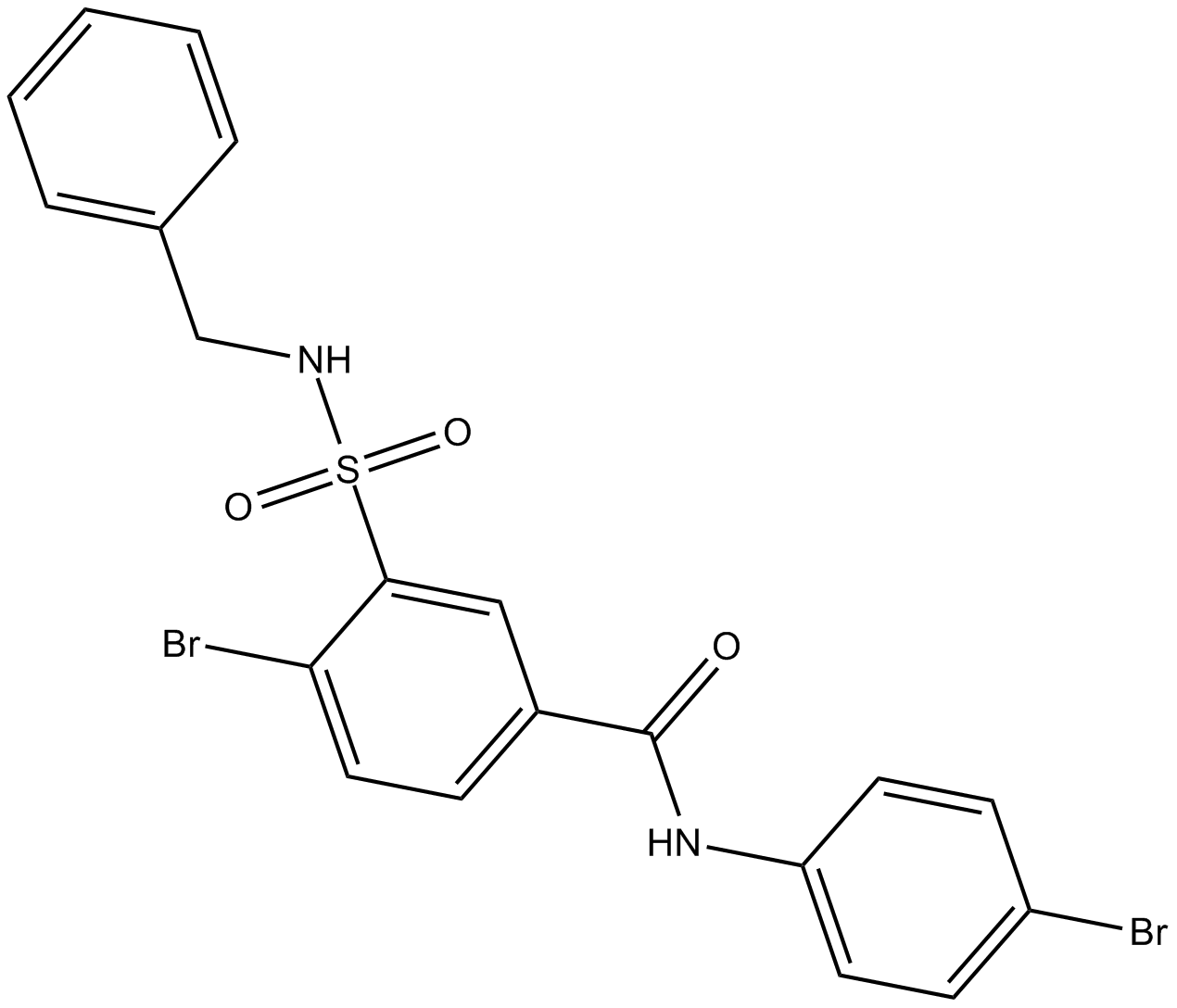 C3357 RS-13 CitationSummary: RAD51 activator
 -
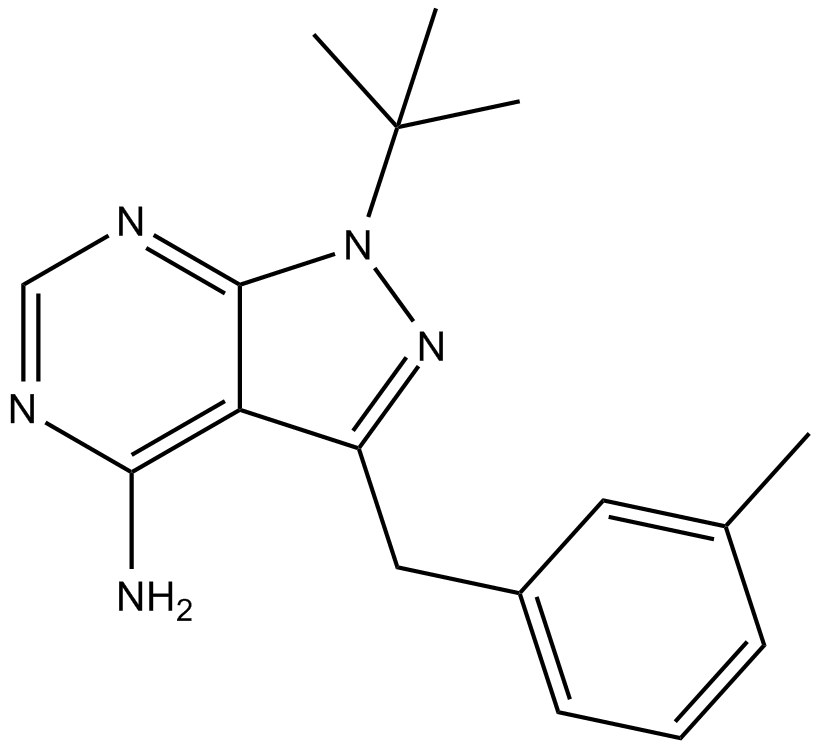 C3340 3MB-PP1Summary: polo-like kinase 1 (Plk1) allele inhibitor,ATP-competitive