


Cell Cycle/Checkpoint
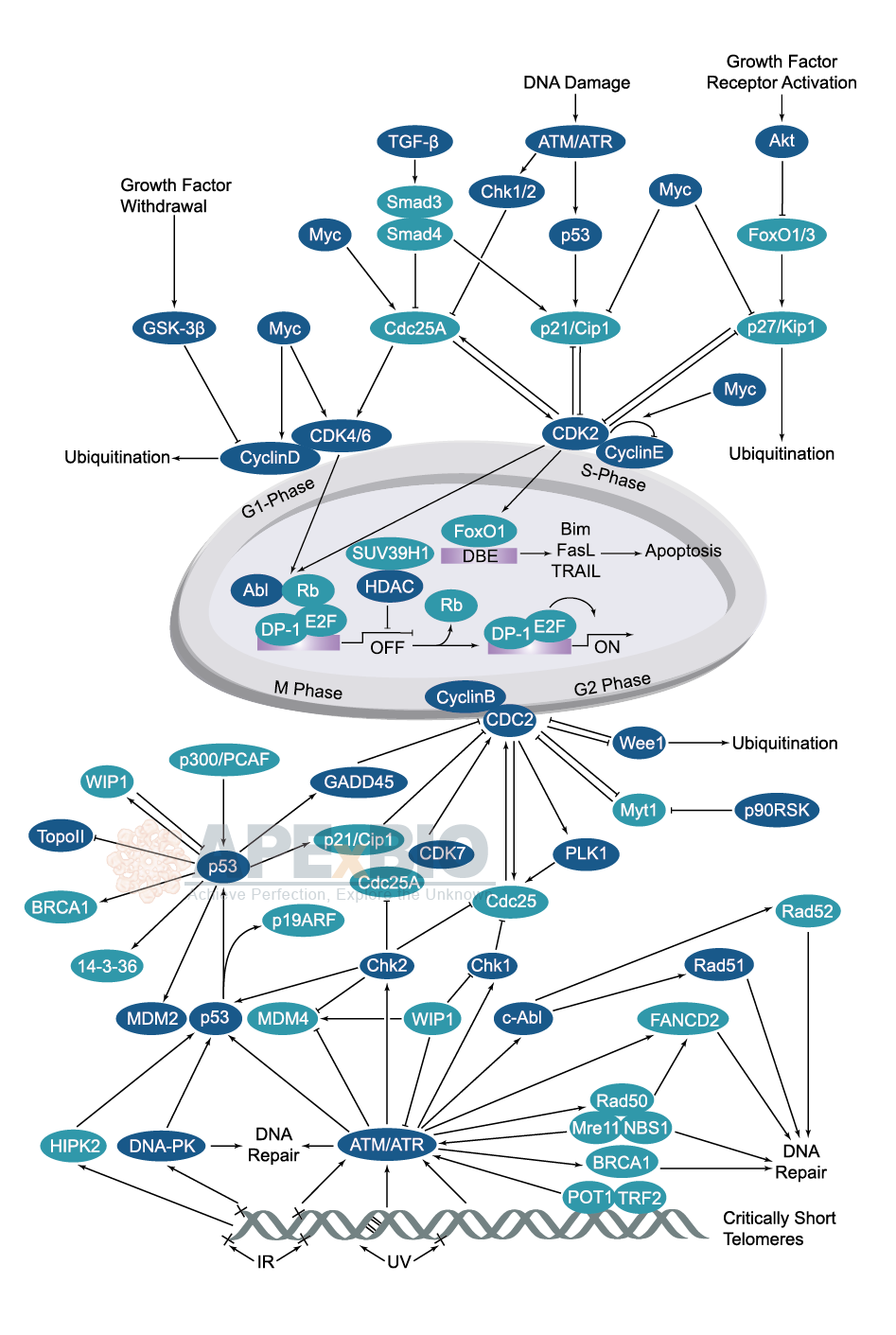
The cell cycle is consisted of 4 main phases: Gap 1 (G1), DNA replication (S), Gap 2 (G2), and mitosis (M). There are “checkpoints” mechanism regulates the transition between these phases, at the G1/S boundary, in the S-phase and during G2/M phases. Cell can only pass through these checkpoints when signaling factors are activated and free of DNA damage. Important proteins that control cell cycle events and checkpoints are cullins, cyclins, cyclin-dependent kinases (Cdks), p53 and their inhibitors etc. Cdks family (Cdk2, Cdk3, Cdk4 and Cdk6) are Ser/Thr kinases that regulate cell cycle progression in association with cyclin binding partners (cyclin D, cyclin E and cyclin A) during all four phases. p53 halts the cell cycle if the DNA is damaged and allowing time for DNA repair to progress; it can also initiate apoptosis if DNA damage is too severe to be repaired.
-
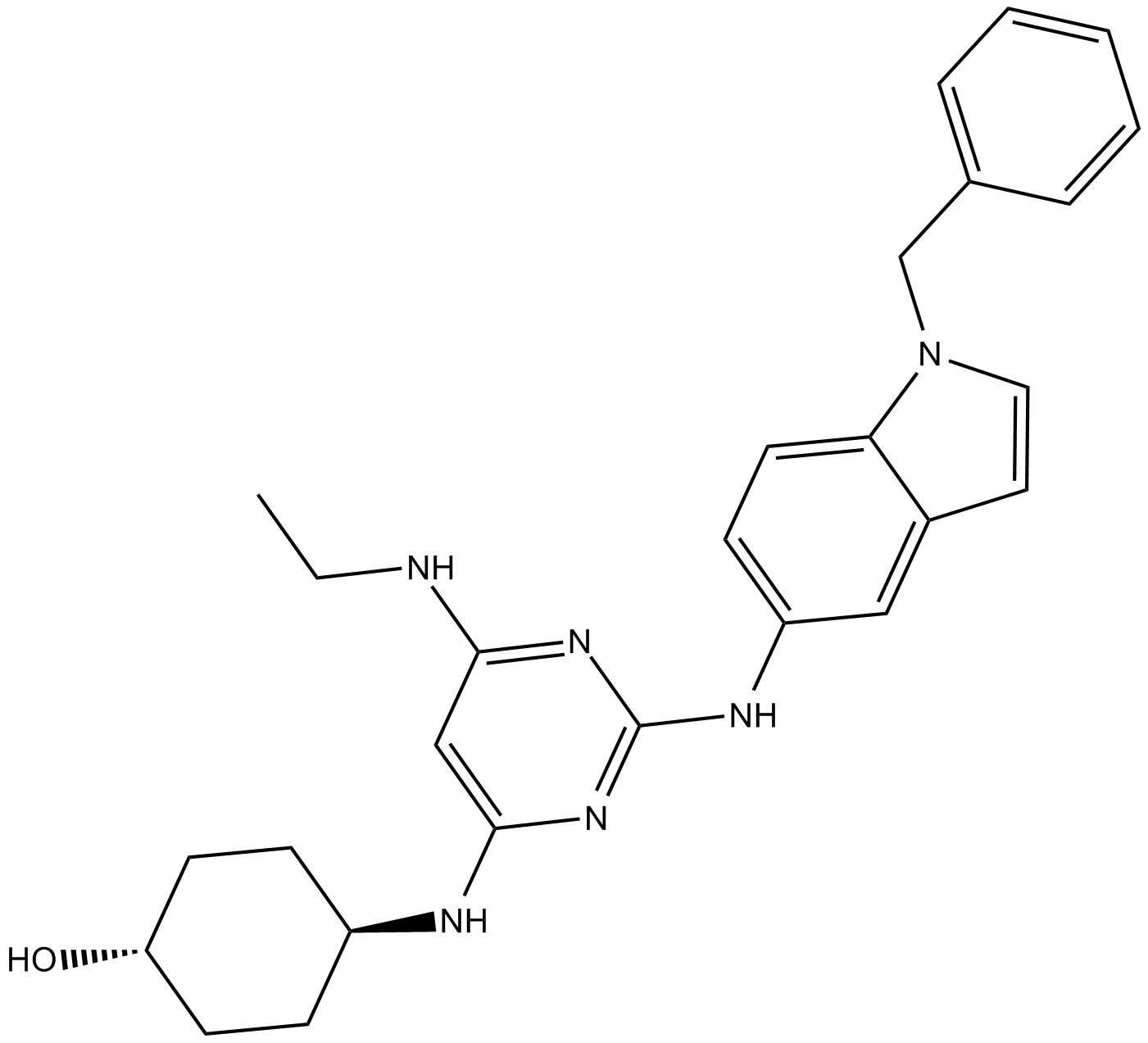 C3995 Cdk4/6 Inhibitor IVSummary: Cdk4/cyclin D1 and Cdk6/cyclin D1 inhibitor
 -
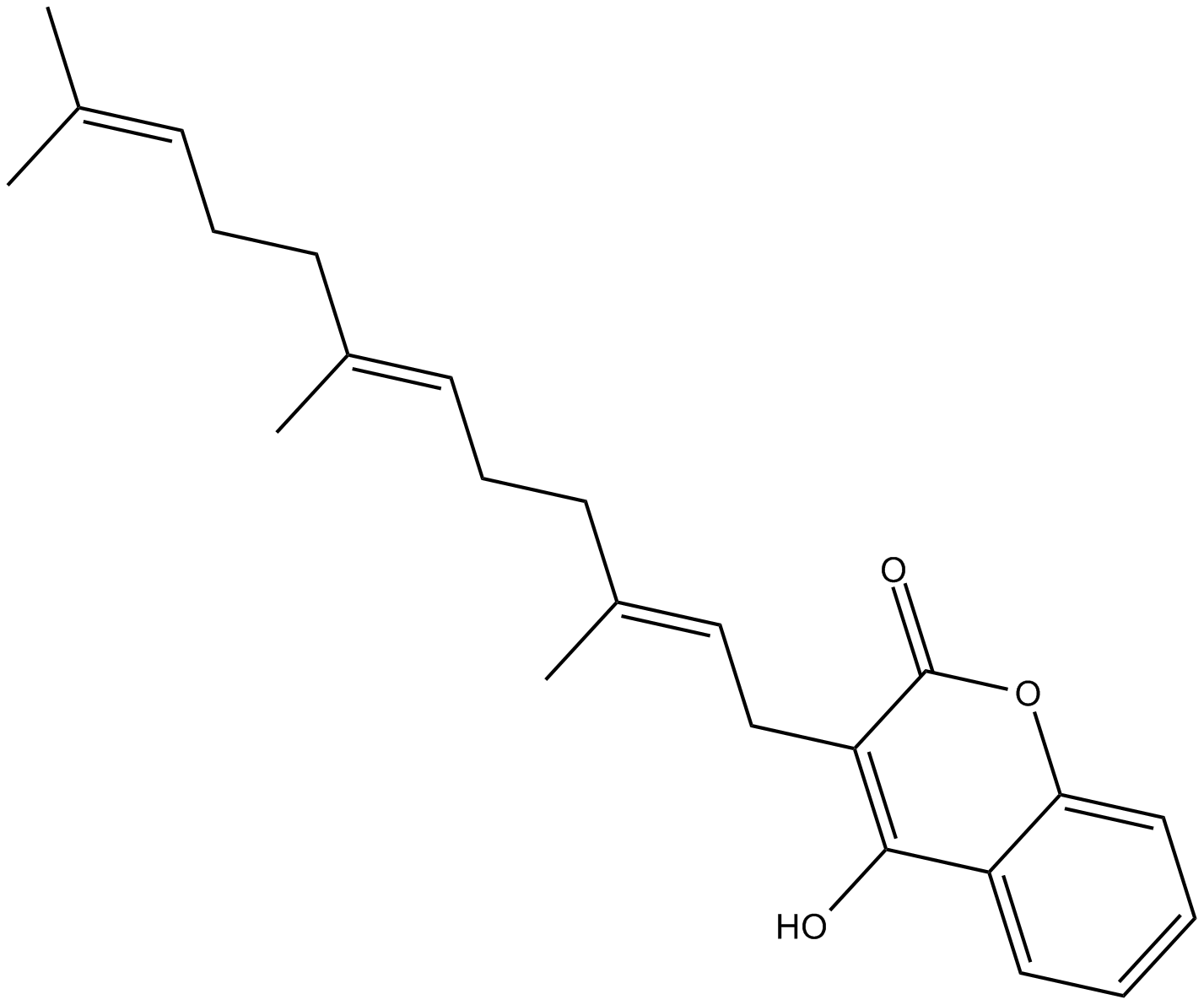 C3889 FerulenolSummary: antimycobacterial activity and stimulates tubulin polymerization
 -
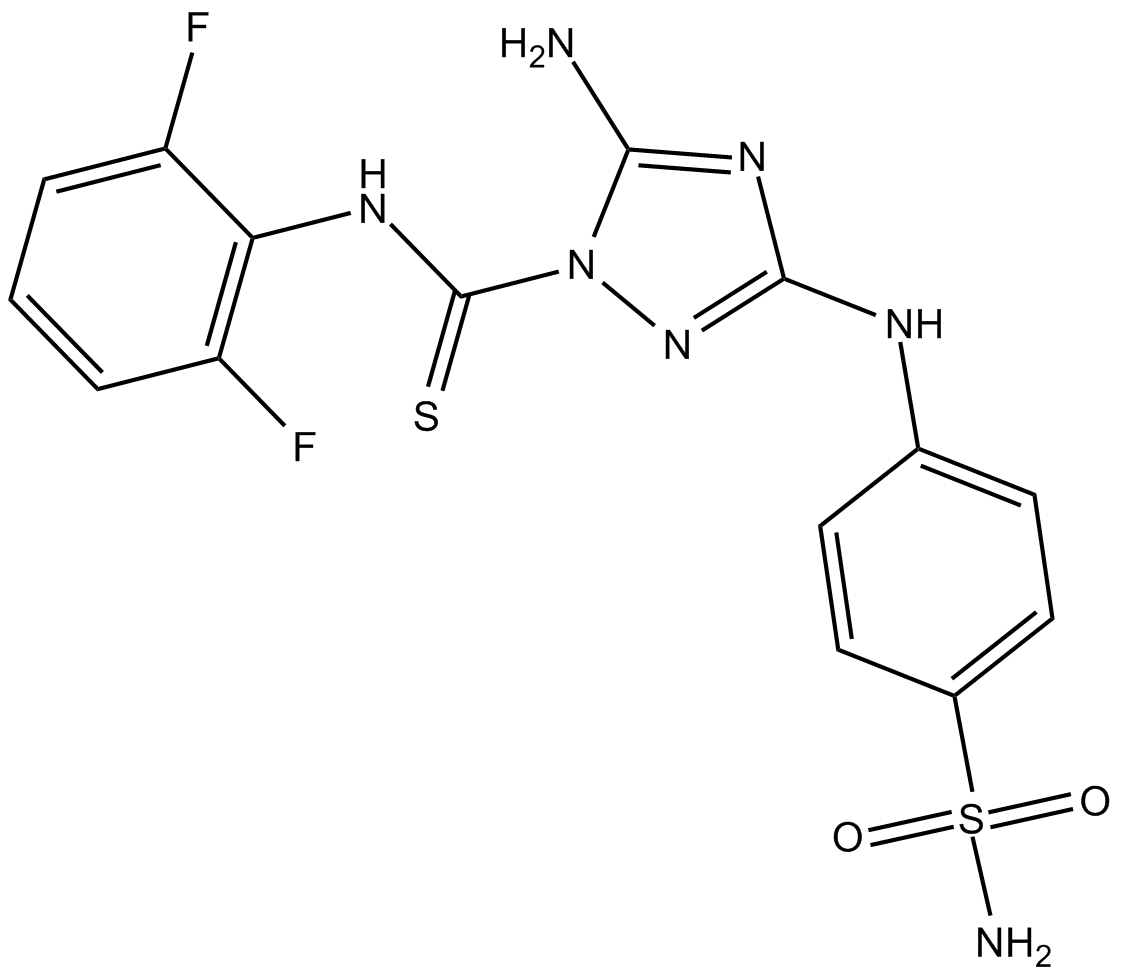 C3679 Cdk1/2 Inhibitor IIISummary: Cdk1/cyclin B and Cdk2/cyclin A inhibitor
 -
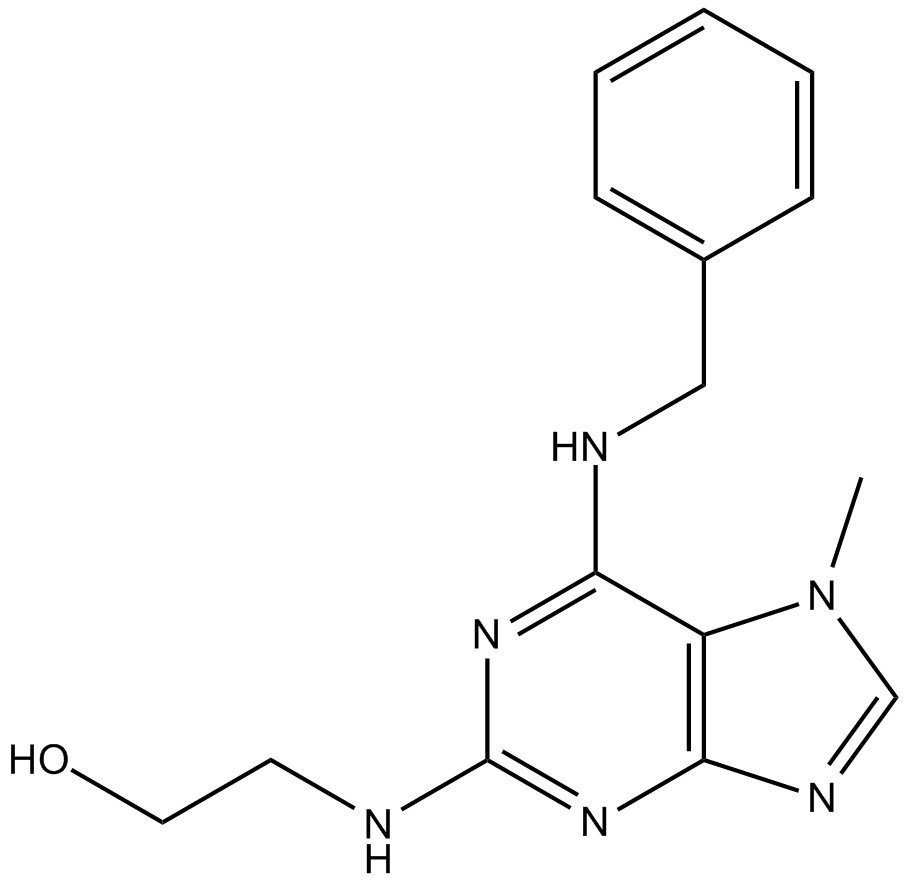 C3767 Iso-OlomoucineSummary: inactive stereoisomer of the Cdk5 inhibitor olomoucine
 -
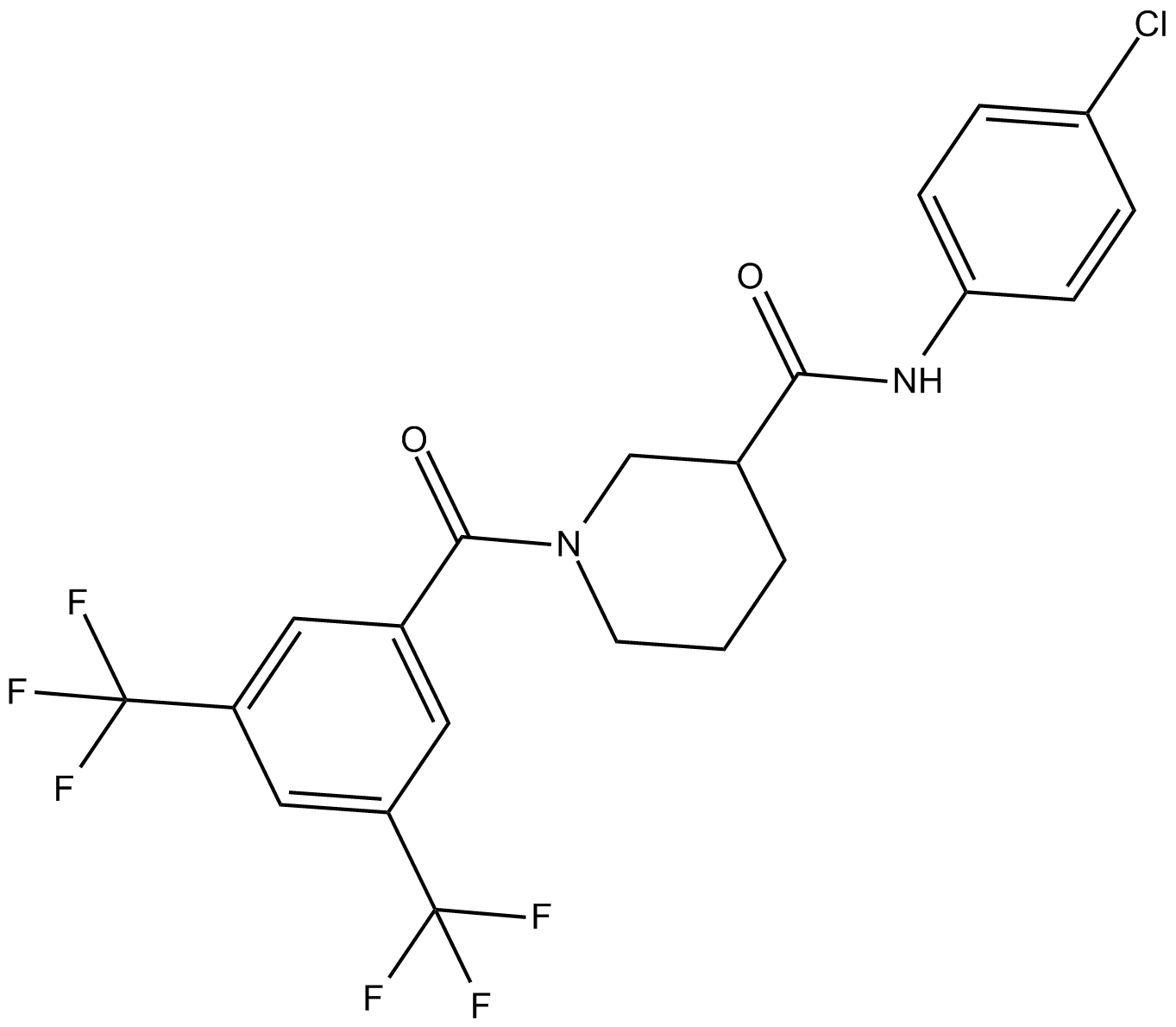 C3687 CCG-1006021 CitationSummary: Rho pathway inhibitor
 -
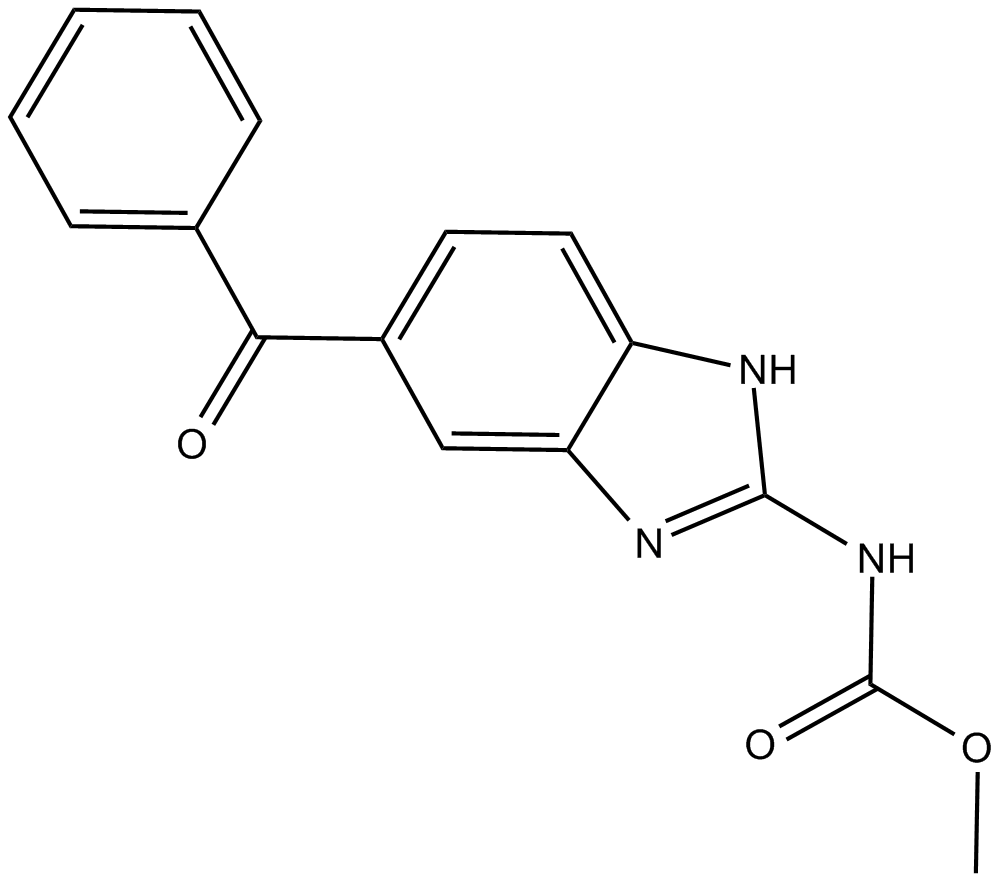 C4087 MebendazoleSummary: broad-spectrum anthelmintic that inhibits intestinal microtubule synthesis
 -
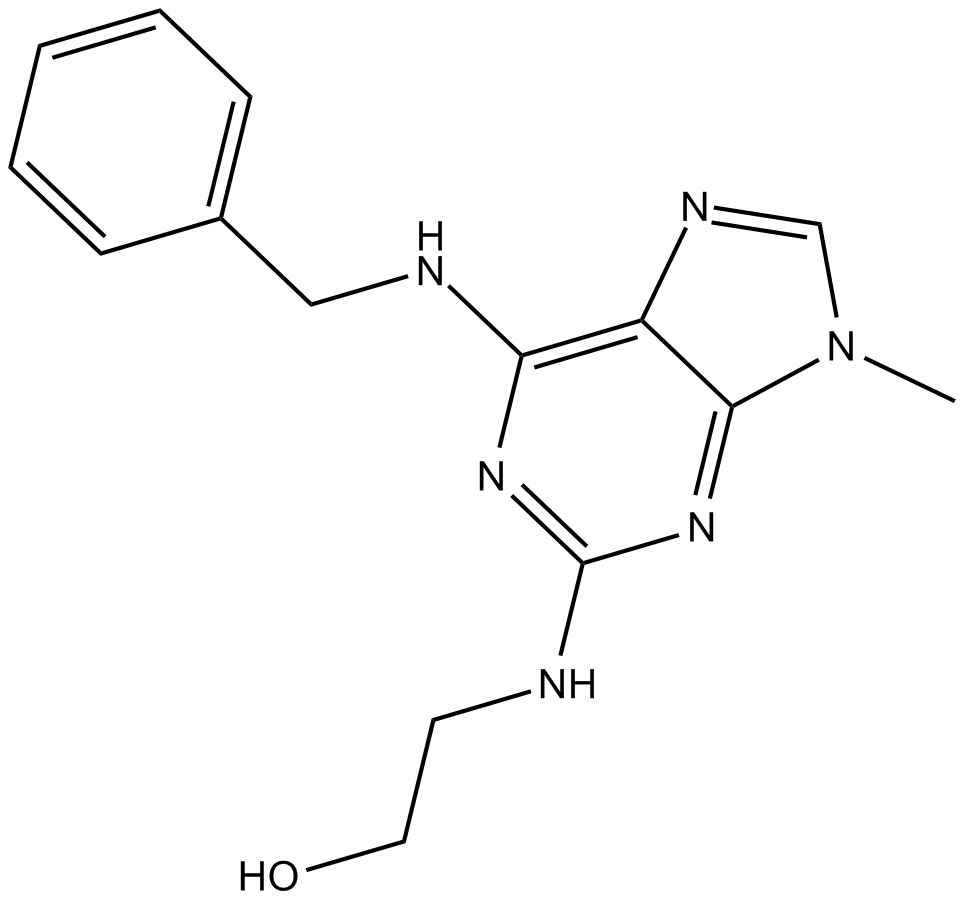 C4040 OlomoucineSummary: cdk inhibitor
 -
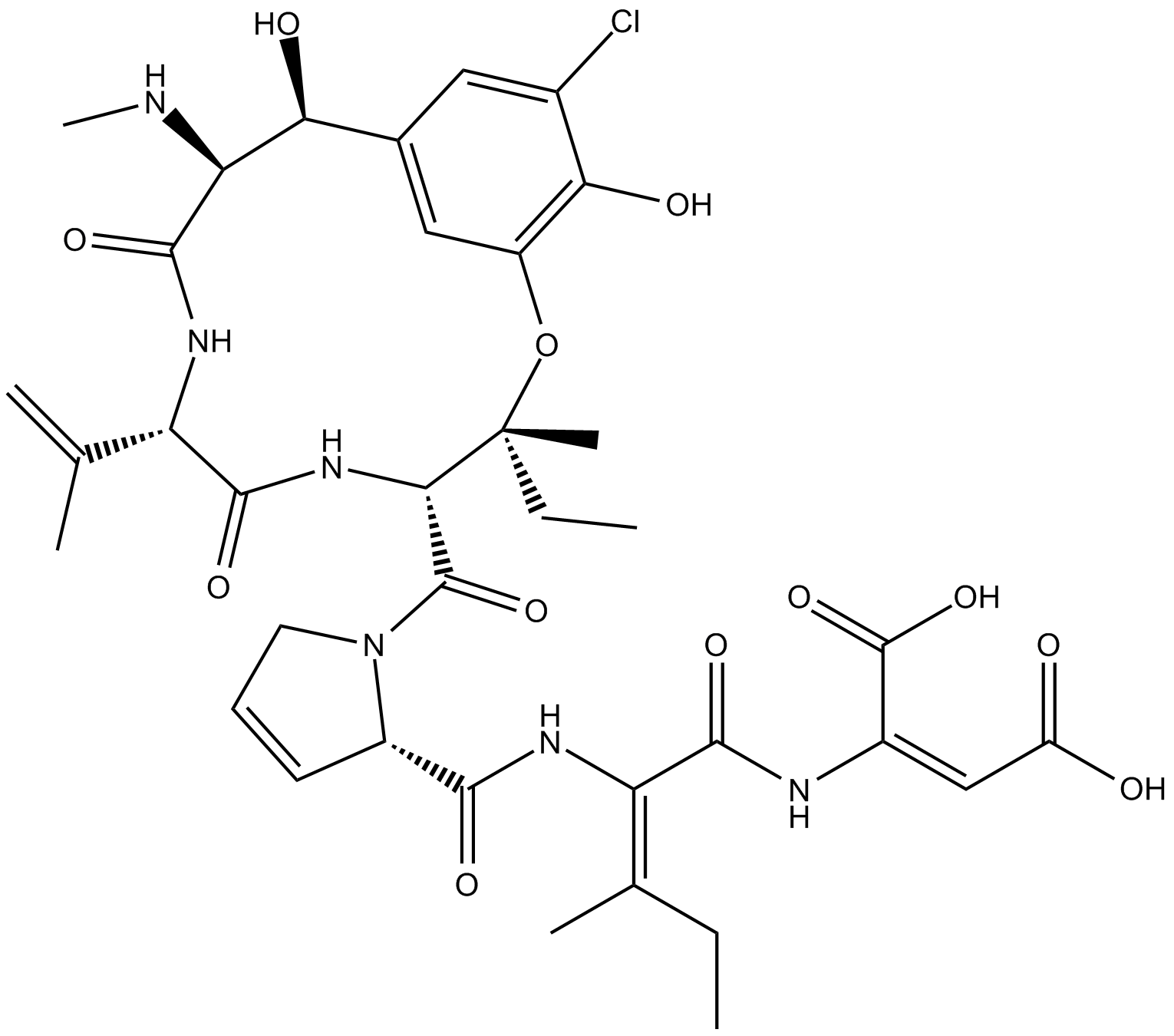 C4226 Phomopsin ASummary: cyclic hexapeptide mycotoxin that binds β-tubulin
 -
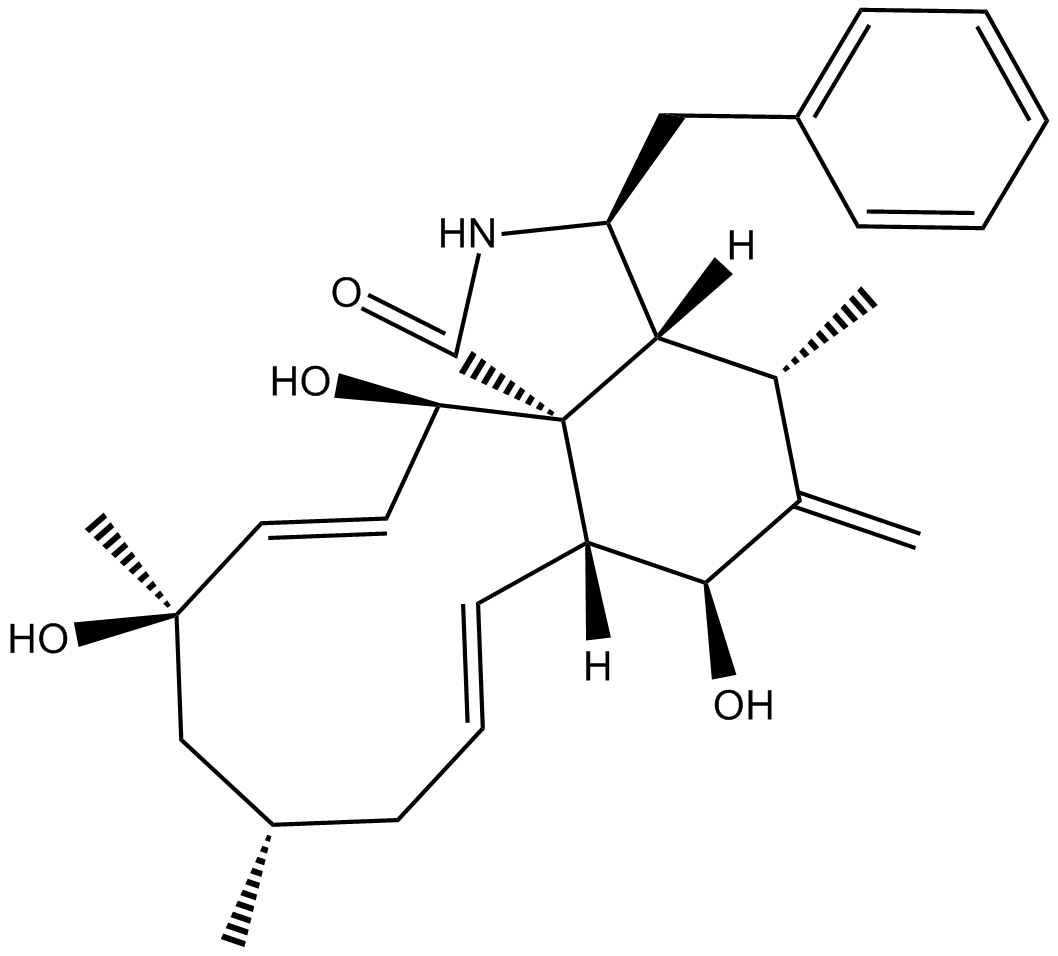 C4390 Cytochalasin JSummary: alters mitotic spindle microtubule organization and kinetochore structure
 -
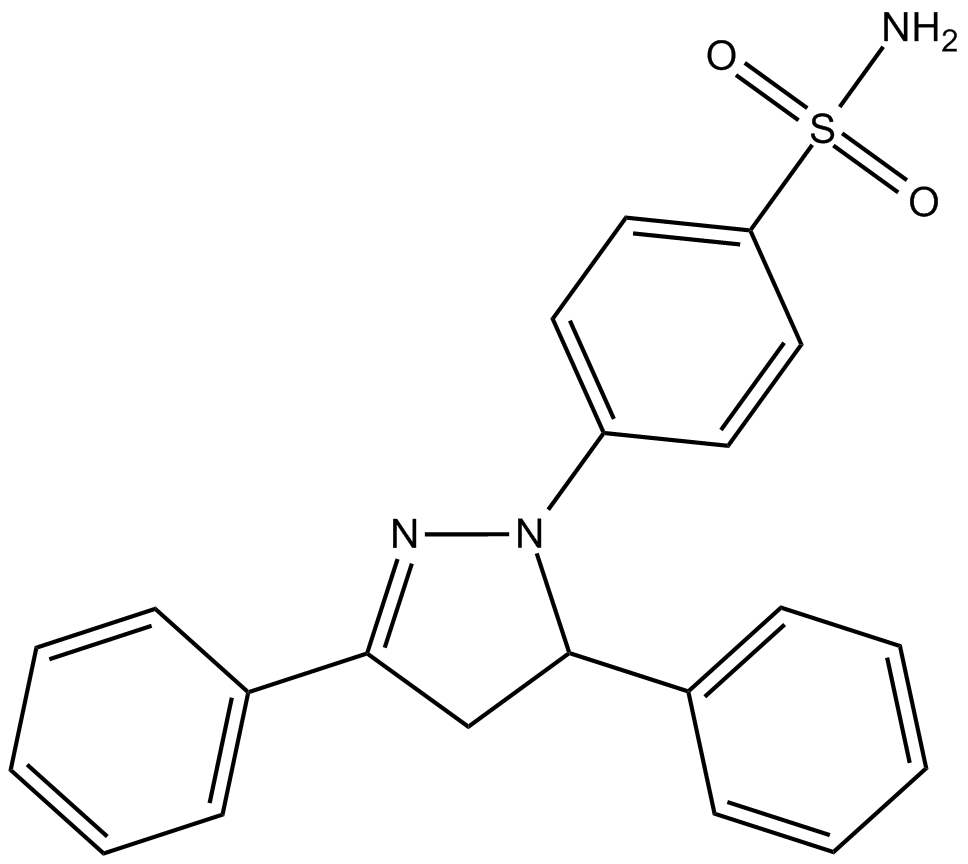 C4738 MLS-573151Summary: Cdc42 inhibitor