


Ubiquitination/ Proteasome
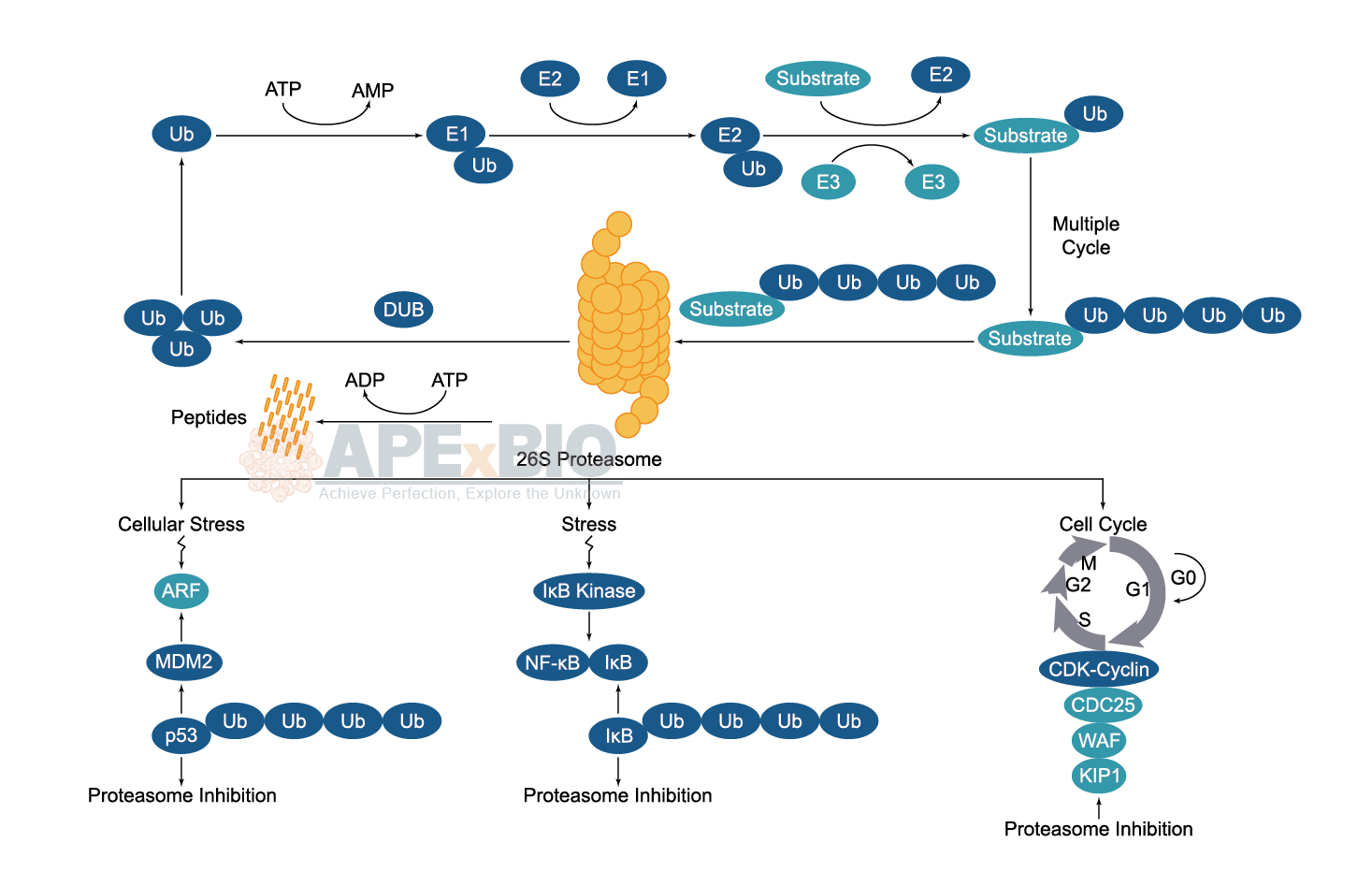
Once the substrate protein is labeled, proteasome will bind to a polyubiquitin chain, allowing the degradation of the labeled protein. The polyubiquitinated target protein is then recognized and degraded by the 26S proteasome. Deubiquitinating enzymes (DUBs) reverse the process of ubiquitination by removing ubiquitin from its substrate protein. Dysregulation of the ubiquitin-proteasome system has been linked to cancer, diabetes, cardiovascular and neurodegenerative diseases etc.
-
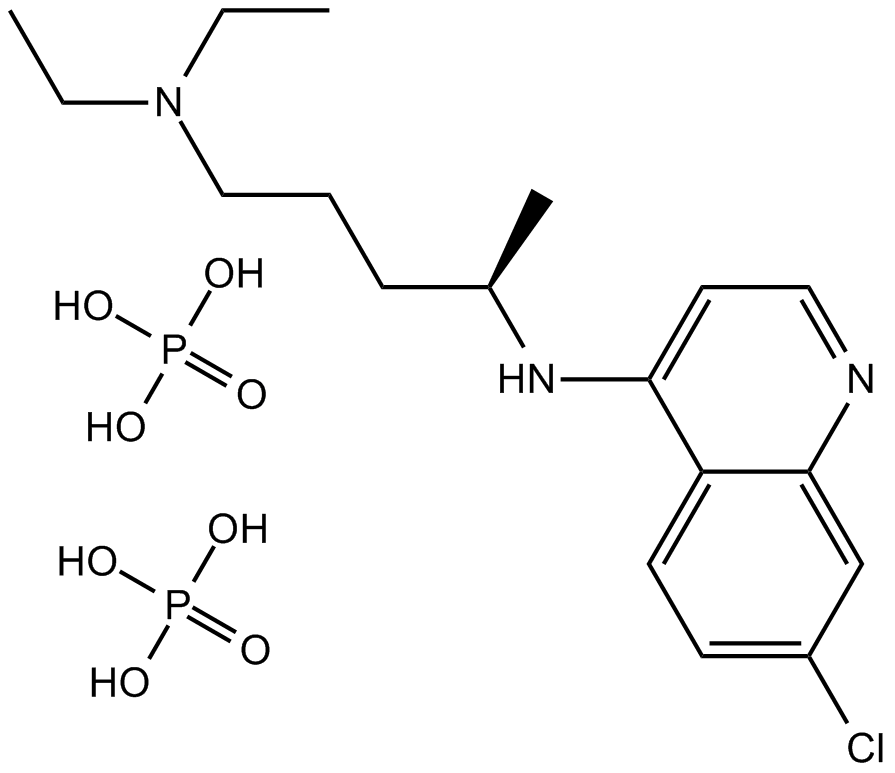 A8628 Chloroquine diphosphate17 CitationTarget: AutophagySummary: Antimalarial drug, TLR7 and TLR9 inhibitor
 -
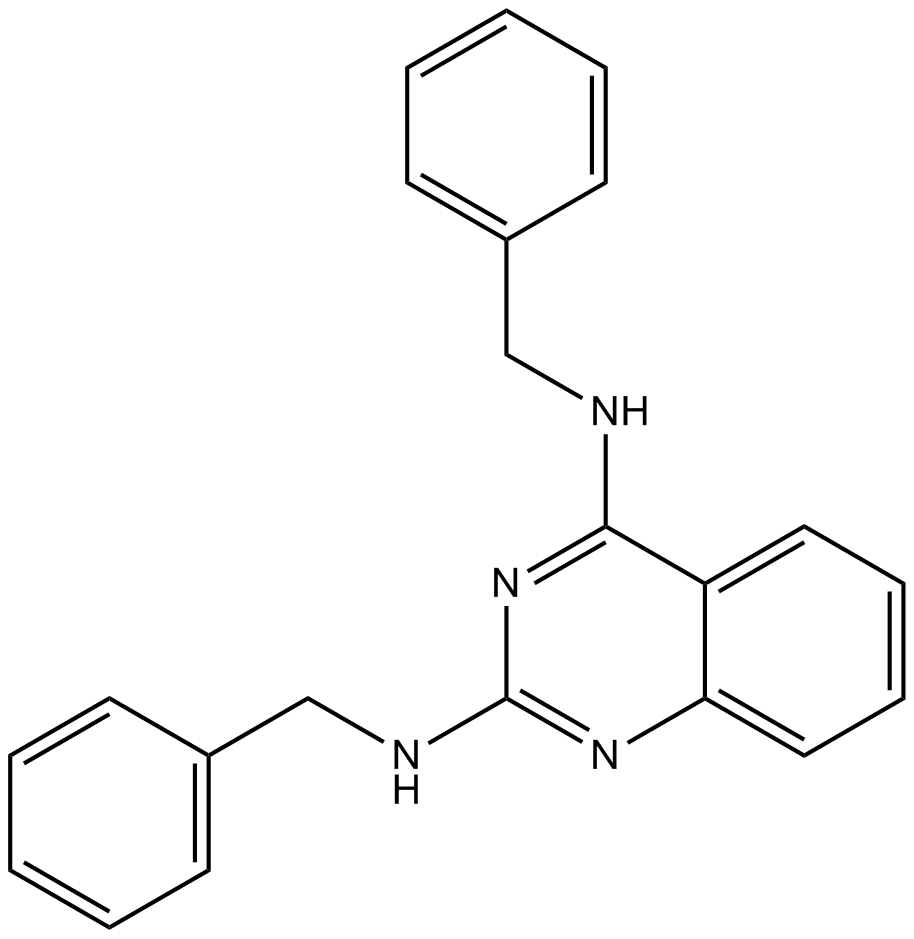 A8629 DBeQTarget: P97 ATPaseSummary: P97 ATPase inhibitor
 -
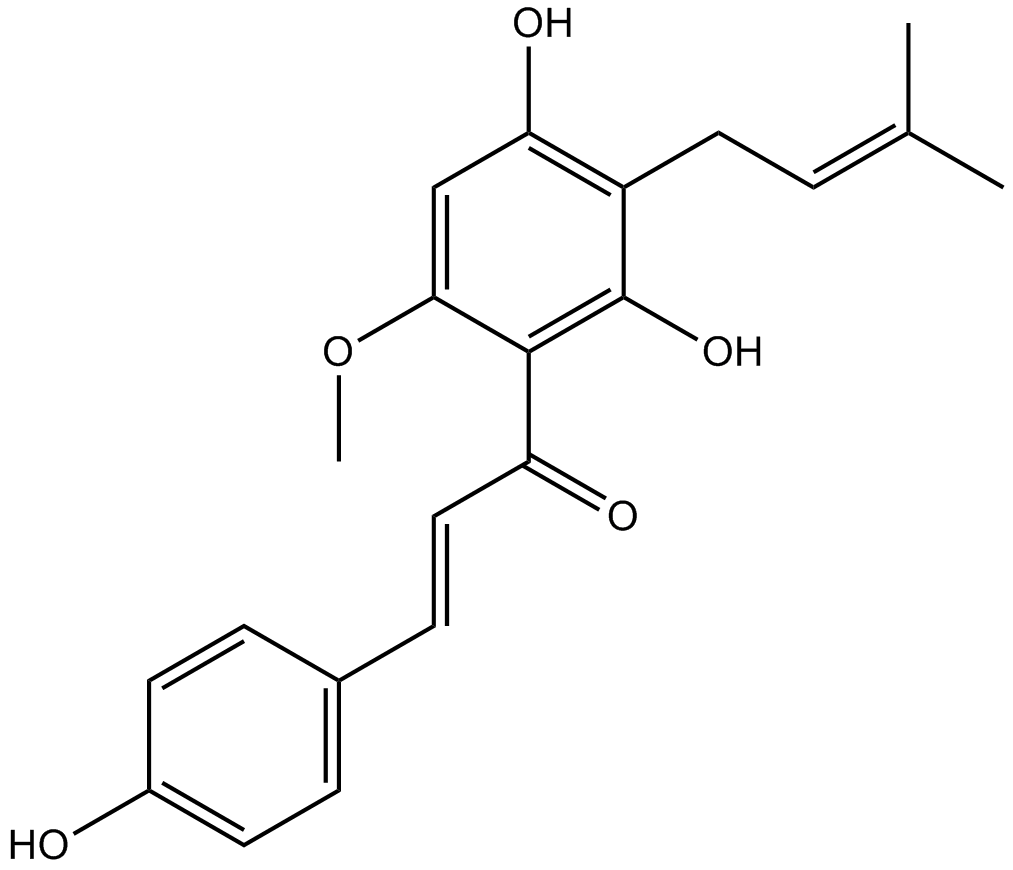 A8630 XanthohumolSummary: VCP inhibitor
 -
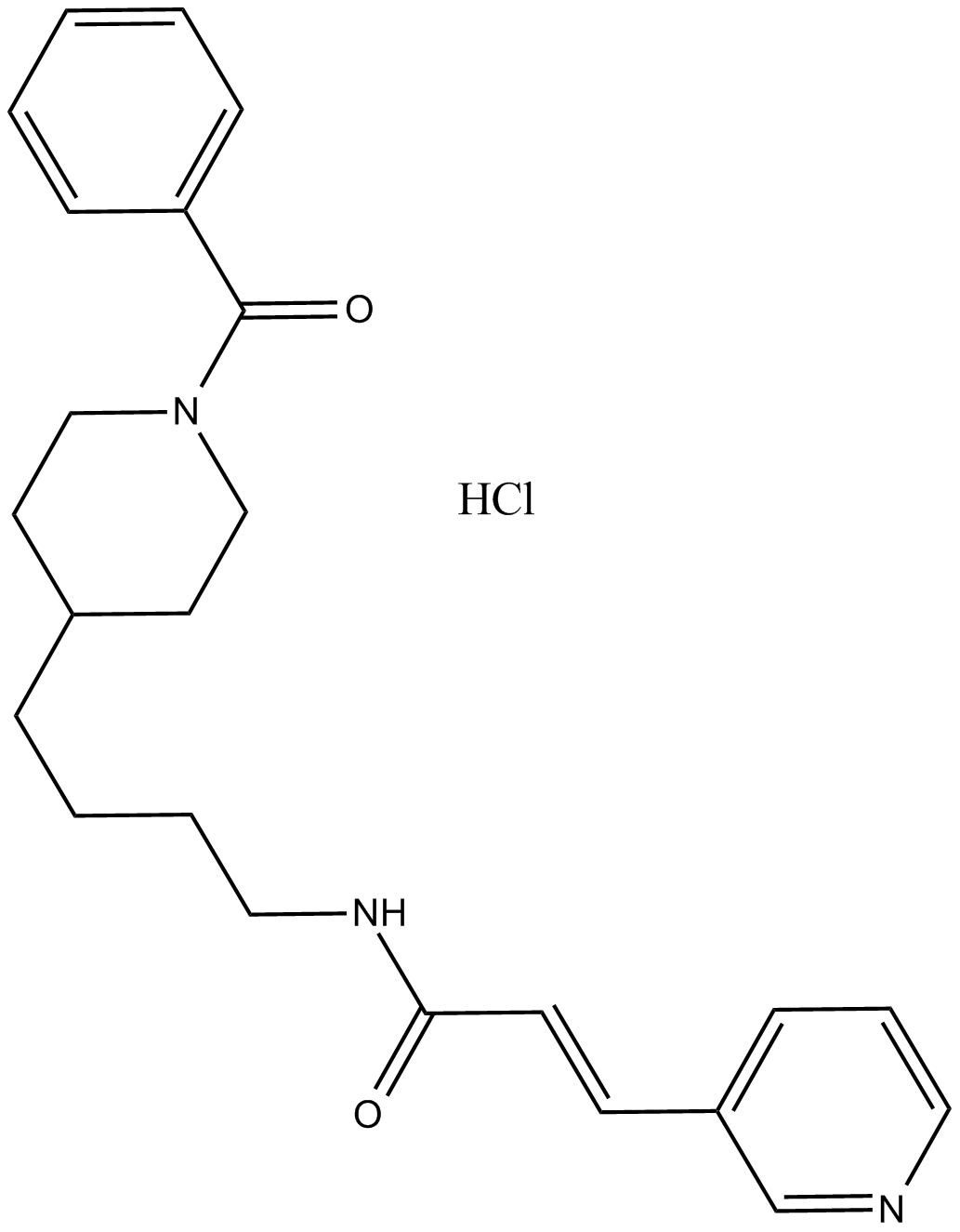 A8631 FK 866 HCLTarget: NMPRTaseSummary: NMPRTase inhibitor
 -
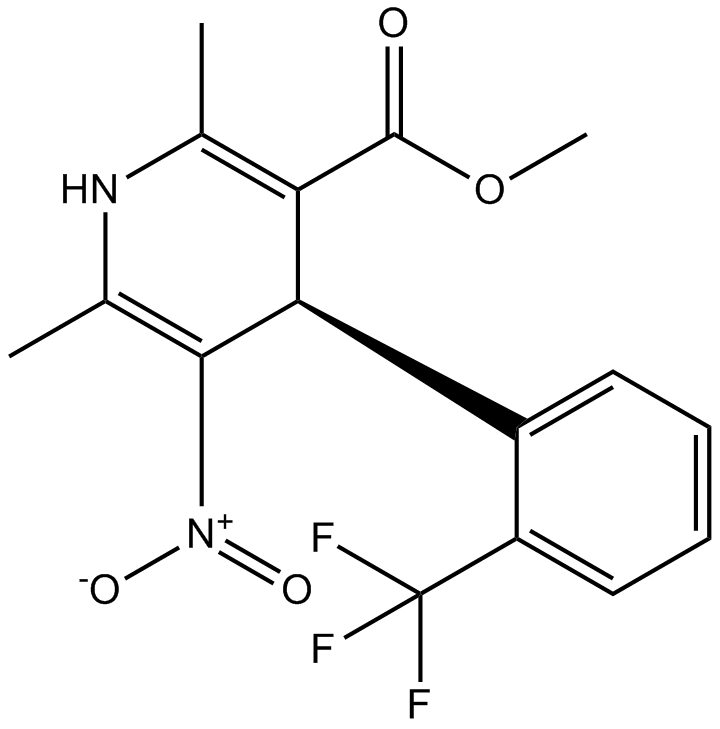 A8632 (±)-Bay K 8644Summary: L-type Ca2+-channel activator
 -
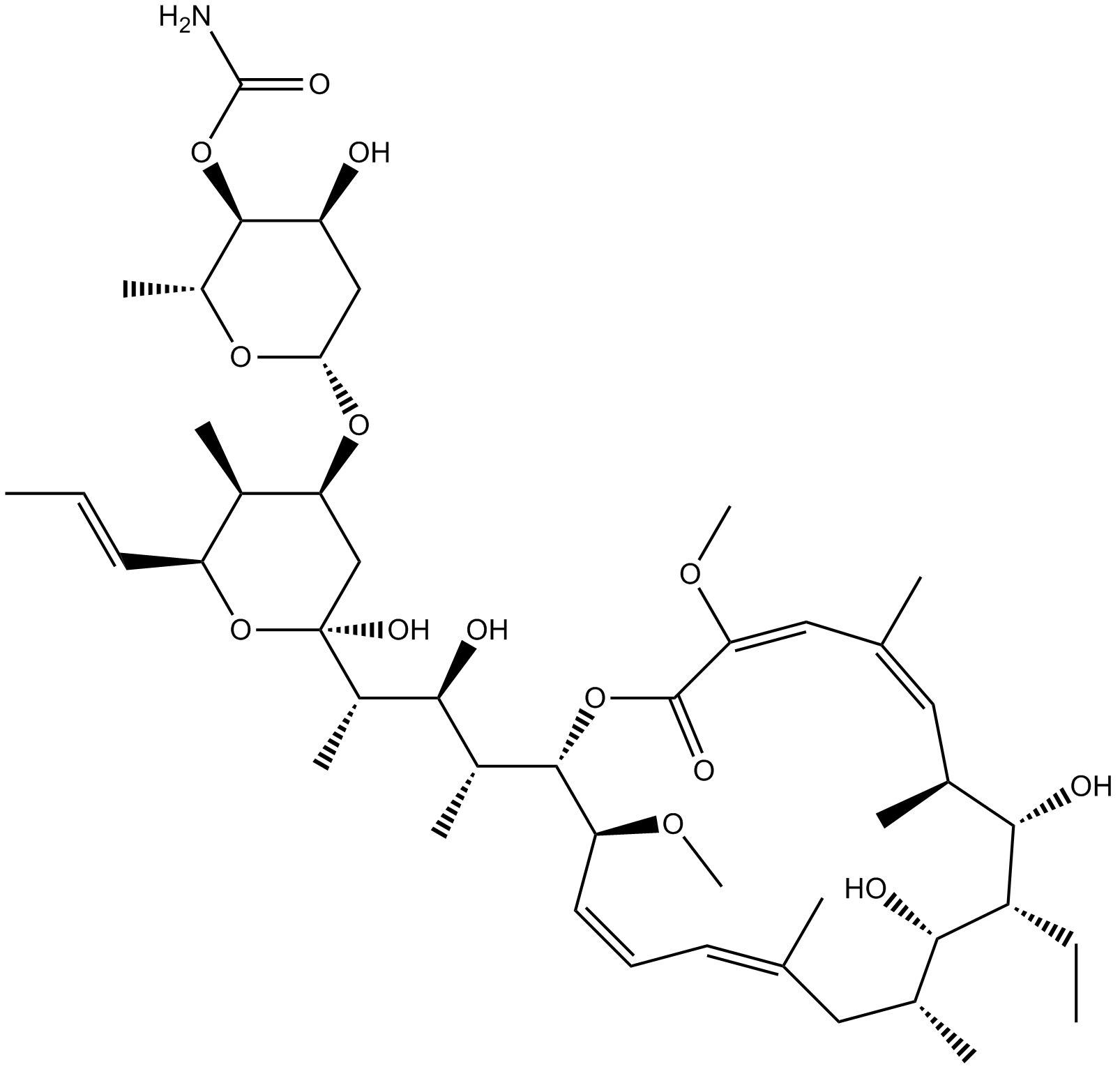 A8633 Concanamycin A13 CitationTarget: Vacuolar-type ATPaseSummary: V-type (vacuolar) H+-ATPase inhibitor
 -
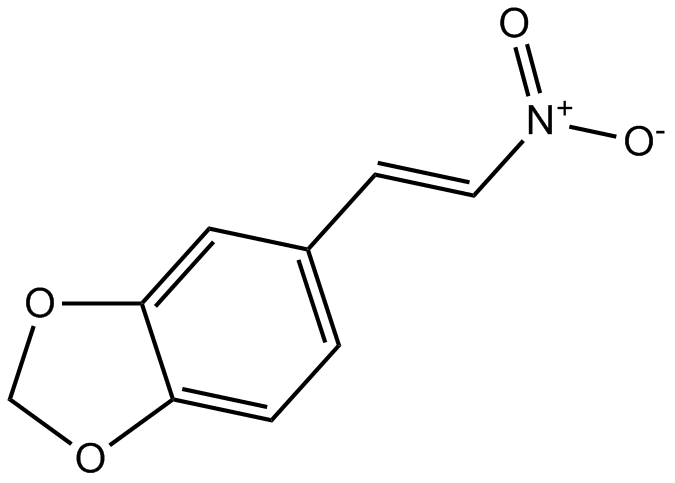 A8661 MNSSummary: Inhibitor of Src/Syk tyrosine kinases
 -
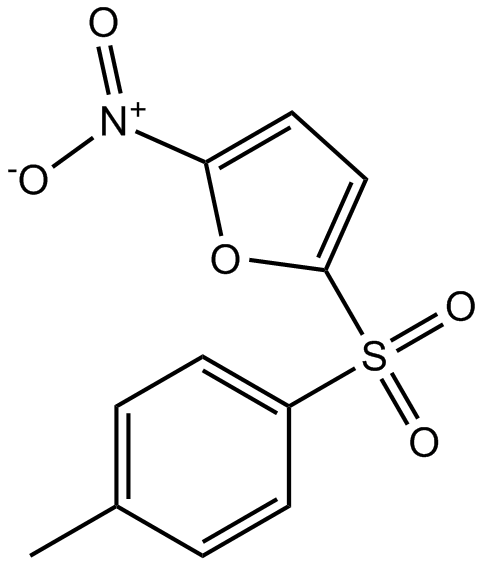 A8813 NSC697923Target: Ub-conjugating enzyme (E2) complexSummary: Inhibitor of E2 complex Ubc13-Uev1A,cell permeable and selective
 -
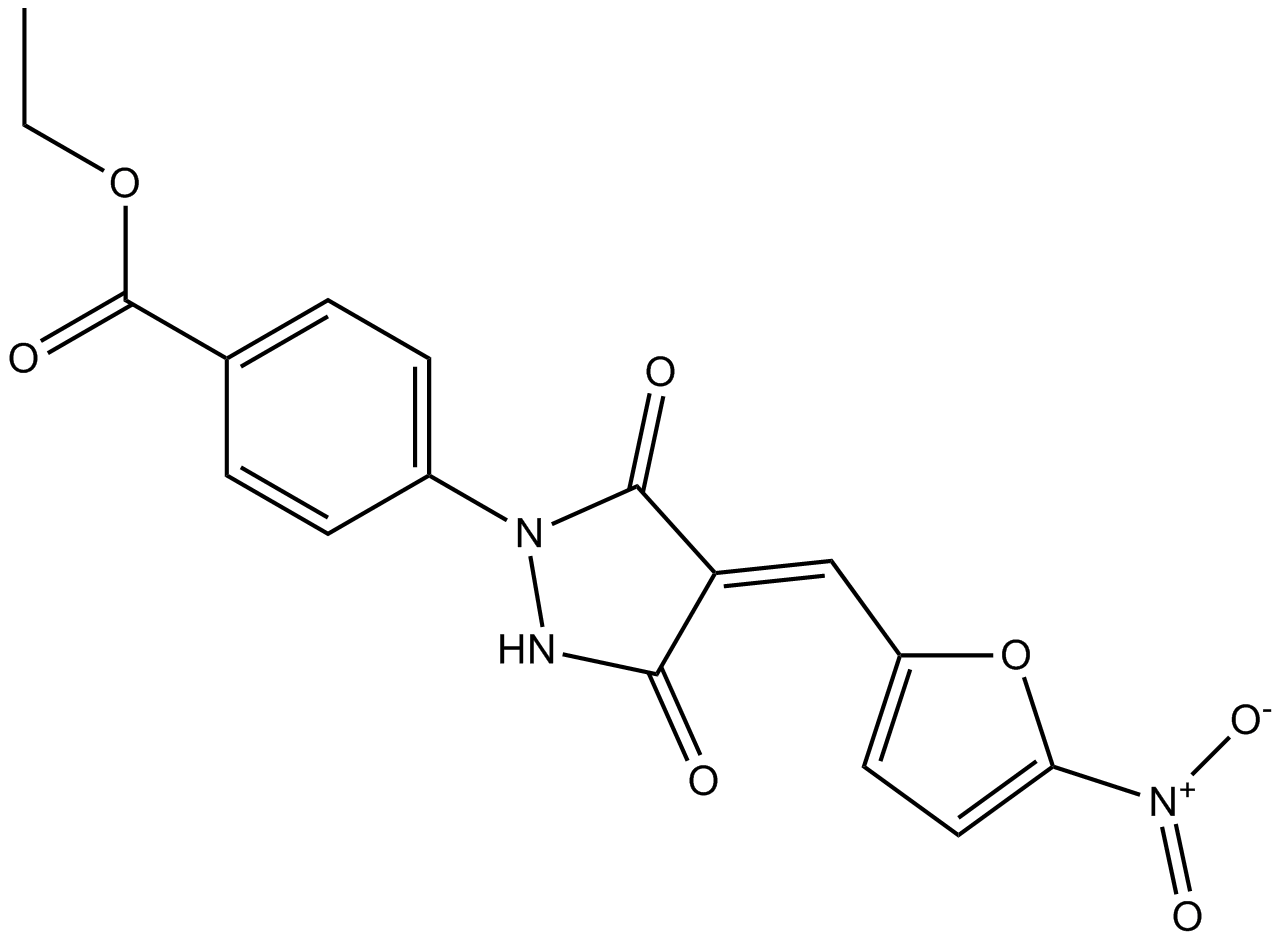 B1492 PYR-412 CitationTarget: ProteasomeSummary: inhibitor of Ubiquitin-Activating Enzyme (E1)
 -
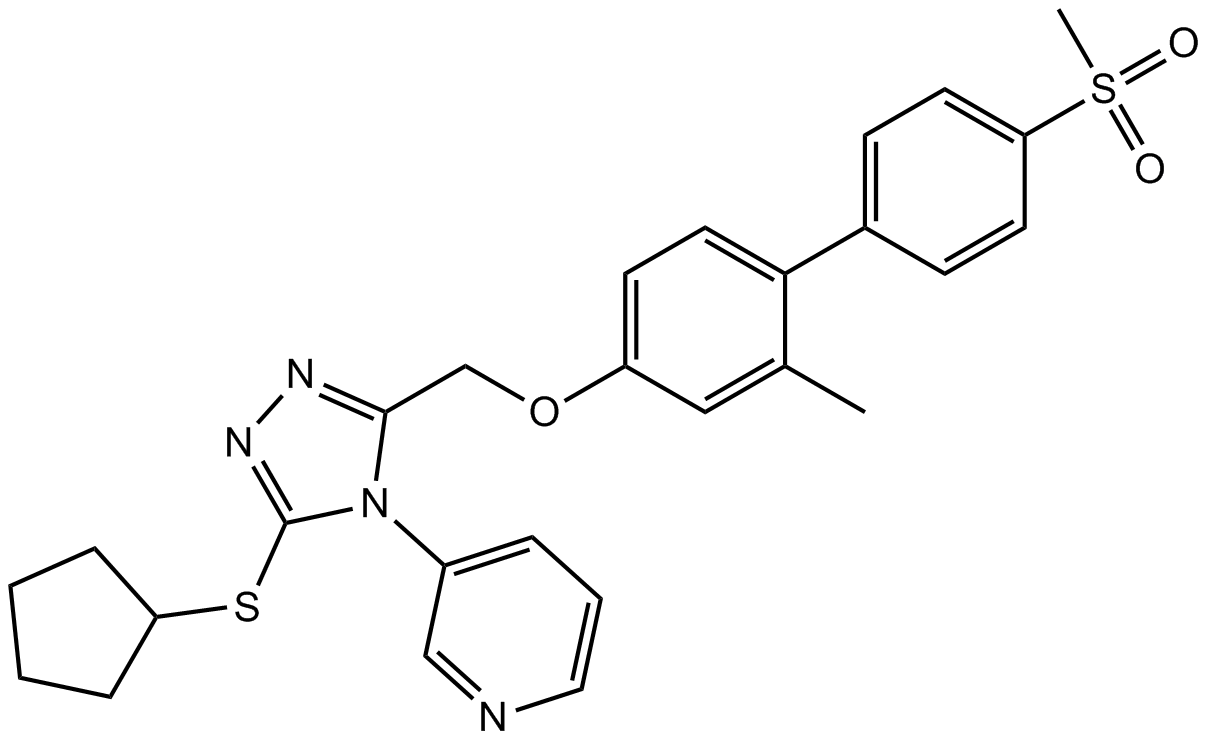 B2168 NMS-8733 CitationTarget: Valosin-containing protein (VCP)Summary: VCP/p97 inhibitor,selective and allosteric