


Ubiquitination/ Proteasome
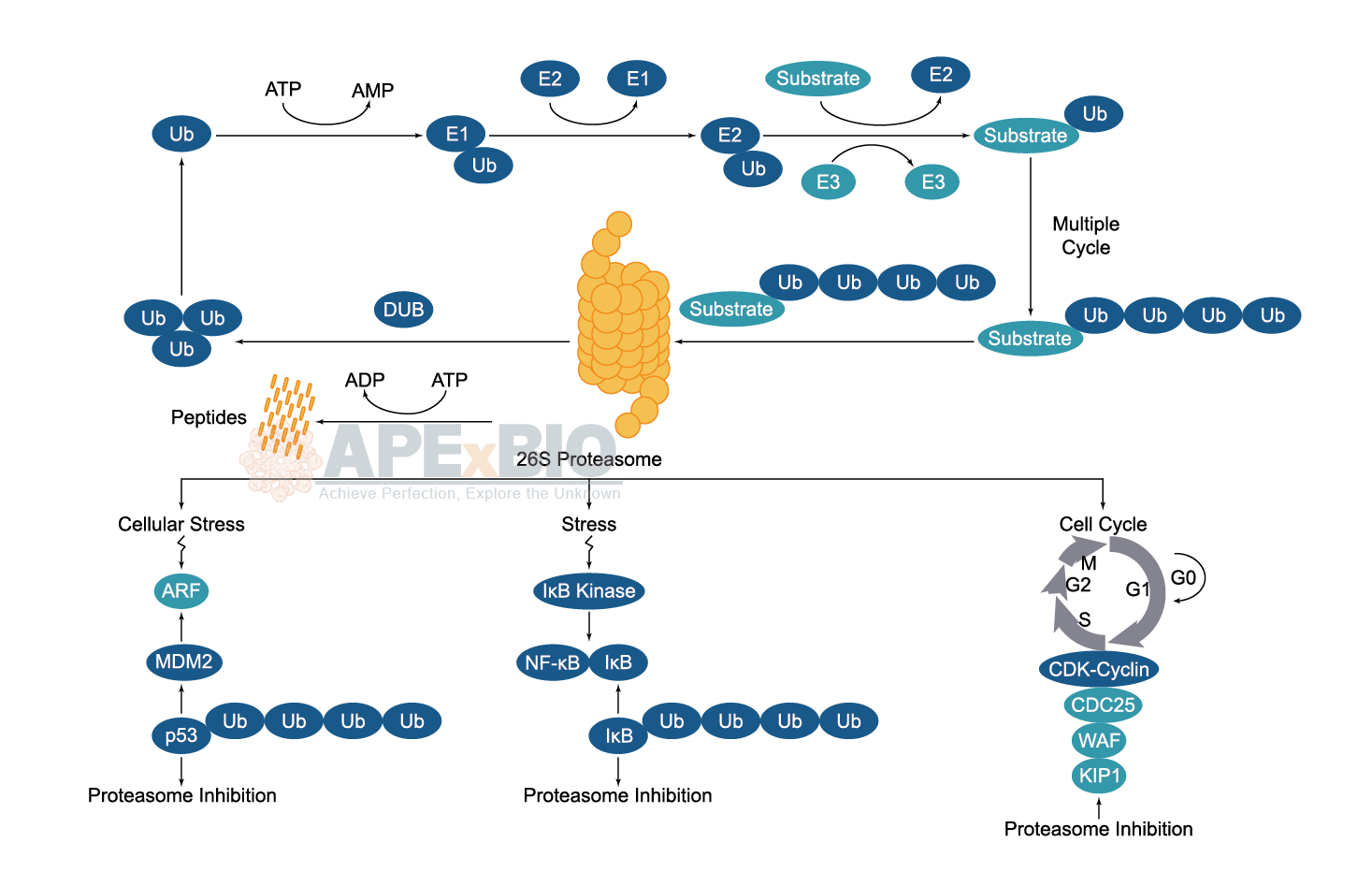
Once the substrate protein is labeled, proteasome will bind to a polyubiquitin chain, allowing the degradation of the labeled protein. The polyubiquitinated target protein is then recognized and degraded by the 26S proteasome. Deubiquitinating enzymes (DUBs) reverse the process of ubiquitination by removing ubiquitin from its substrate protein. Dysregulation of the ubiquitin-proteasome system has been linked to cancer, diabetes, cardiovascular and neurodegenerative diseases etc.
-
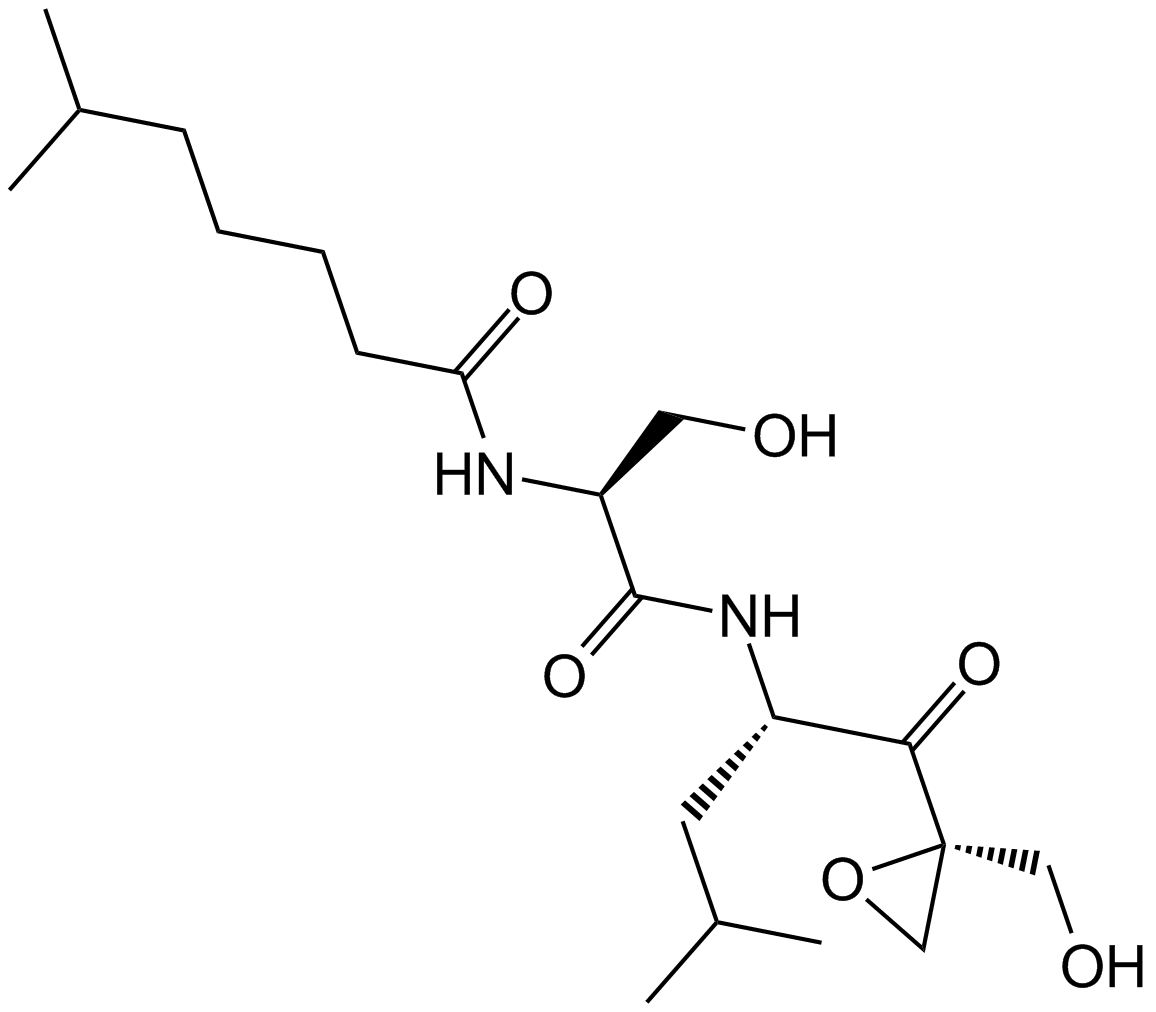 A8172 Dihydroeponemycin1 CitationSummary: Proteasome inhibitor,antitumor reagent,eponemycin ddrivative
 -
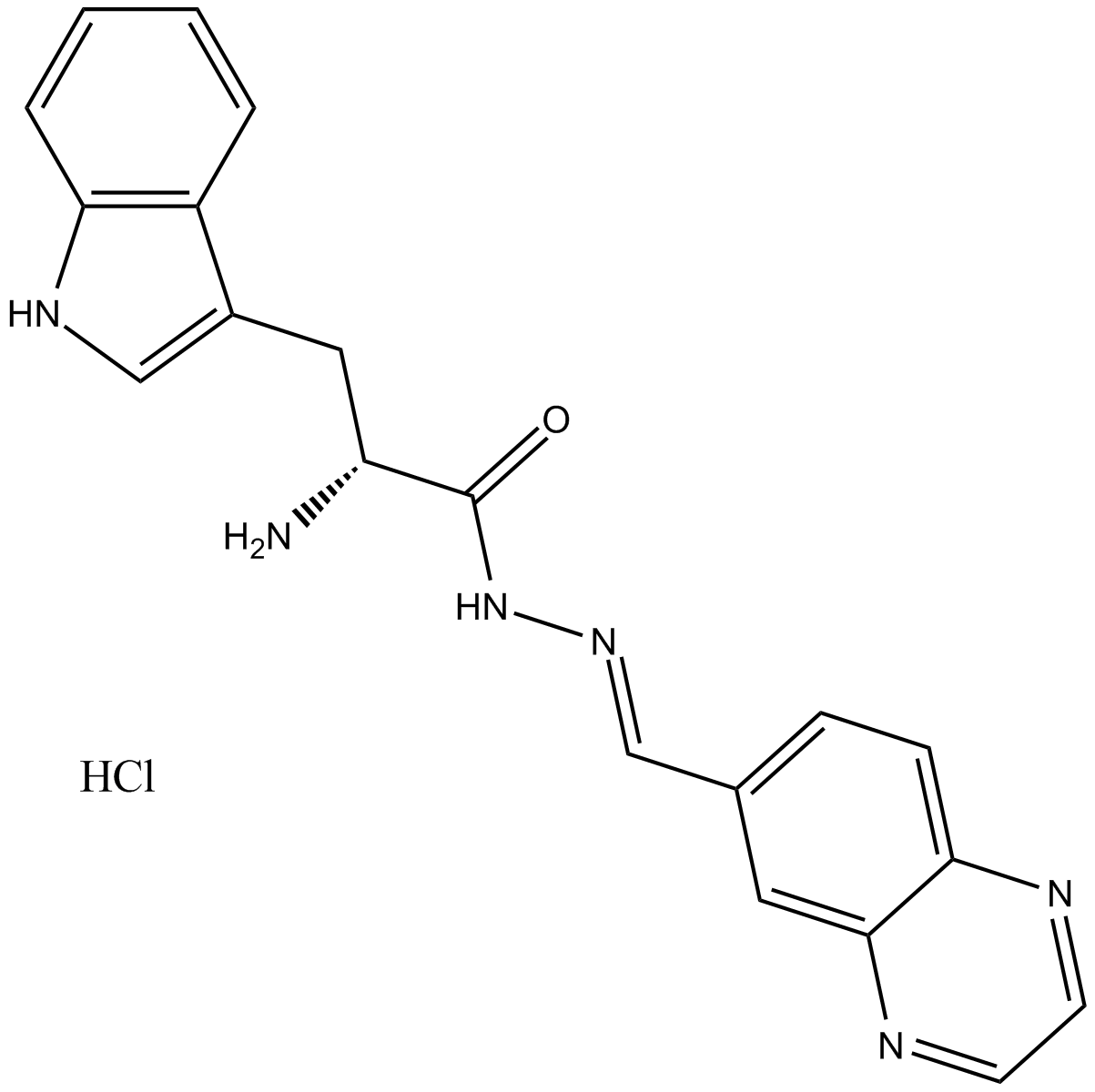 B8557 Rhosin hydrochlorideSummary: A potent and selective inhibitor of RhoA subfamily Rho GTPases
 -
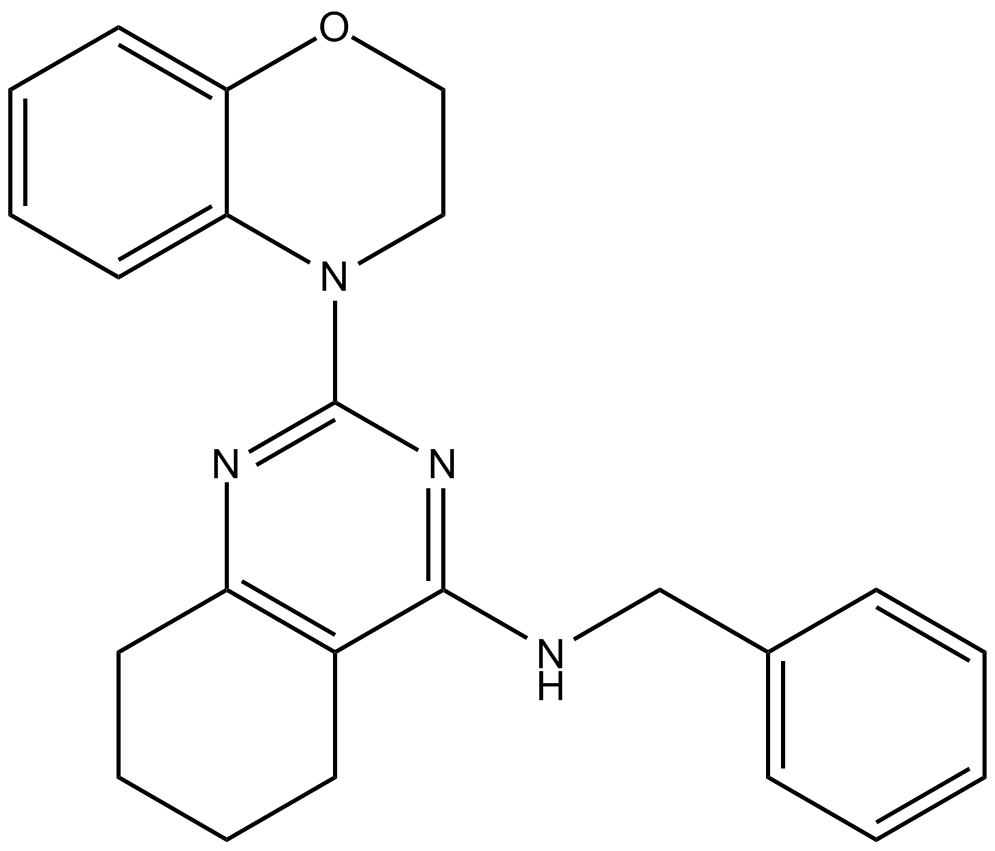 B6107 ML241Summary: p97 ATPase inhibitor
 -
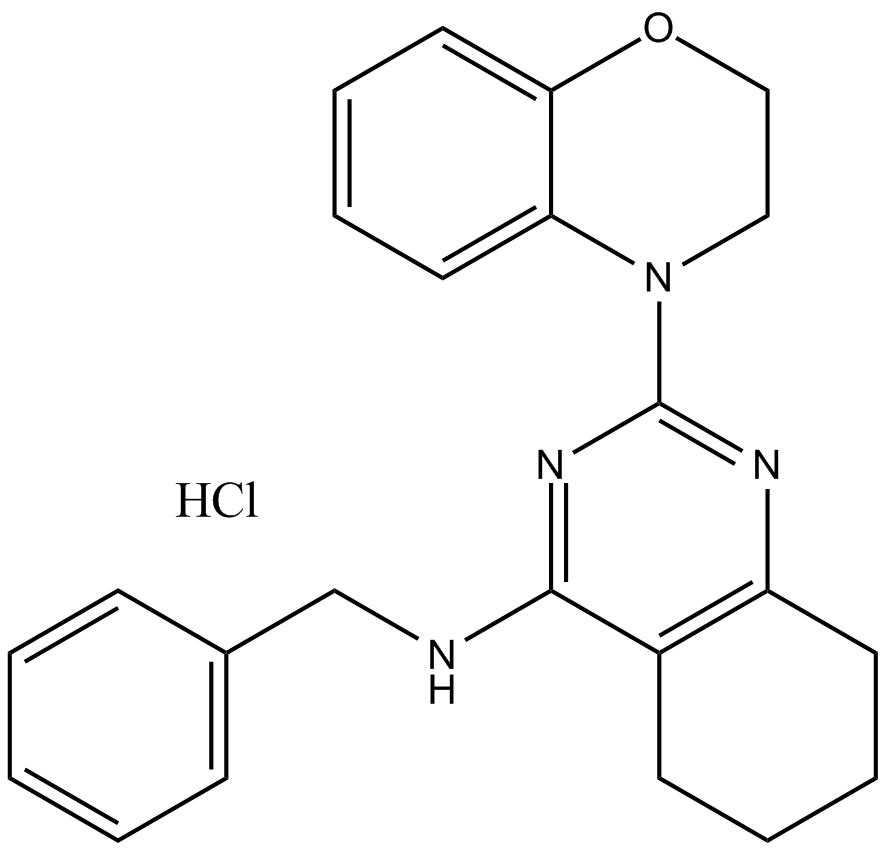 B6122 ML241 hydrochlorideSummary: p97 ATPase inhibitor
 -
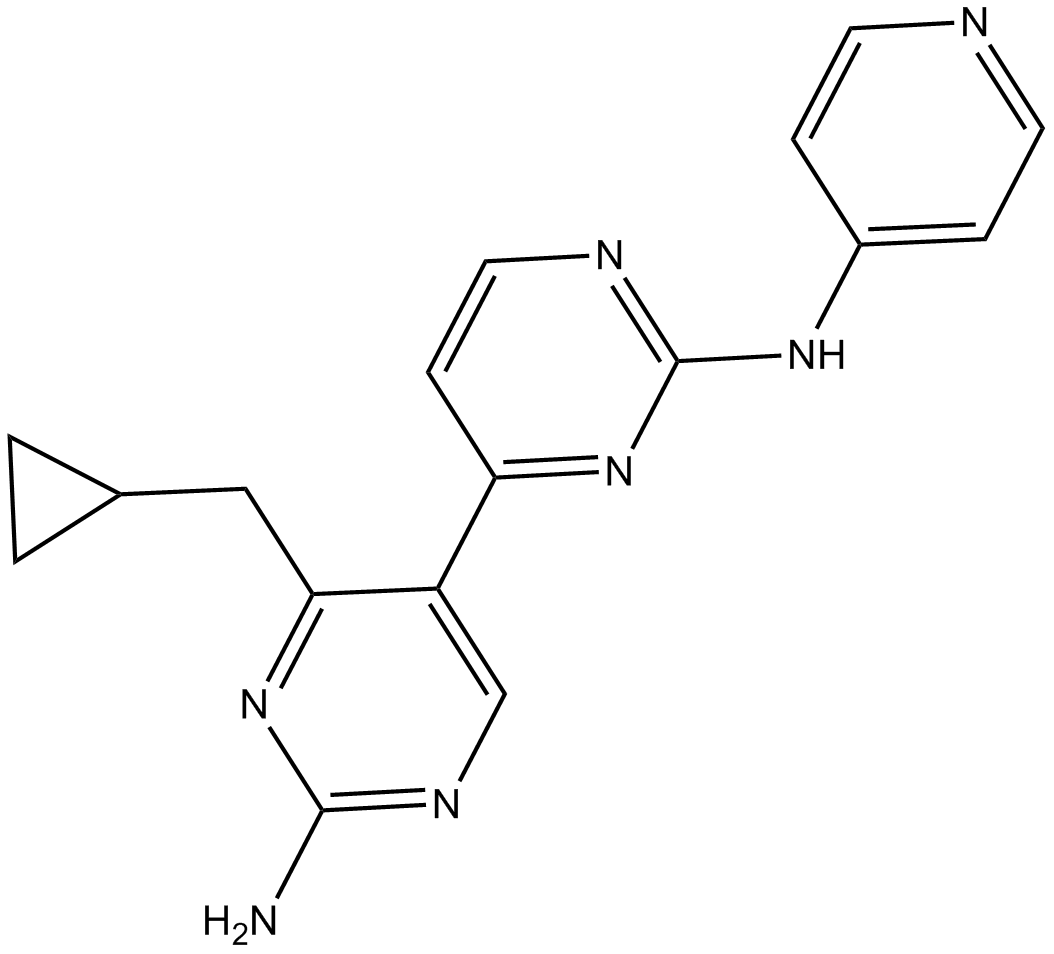 B6160 PIK-III1 CitationSummary: VPS34 inhibitor and inhibits autophagy
 -
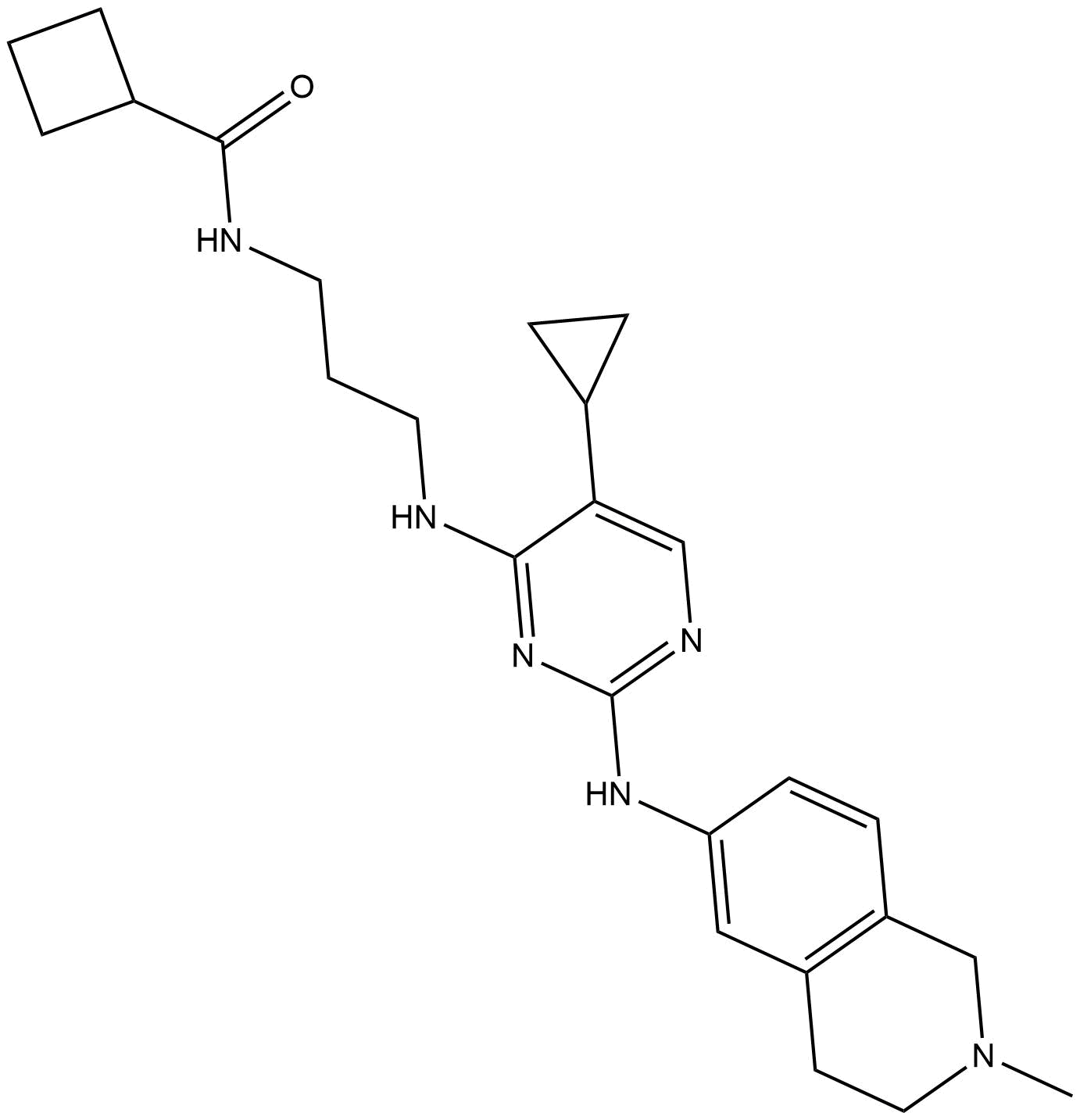 B6174 MRT68921Summary: dual autophagy kinase ULK1/2 inhibitor
 -
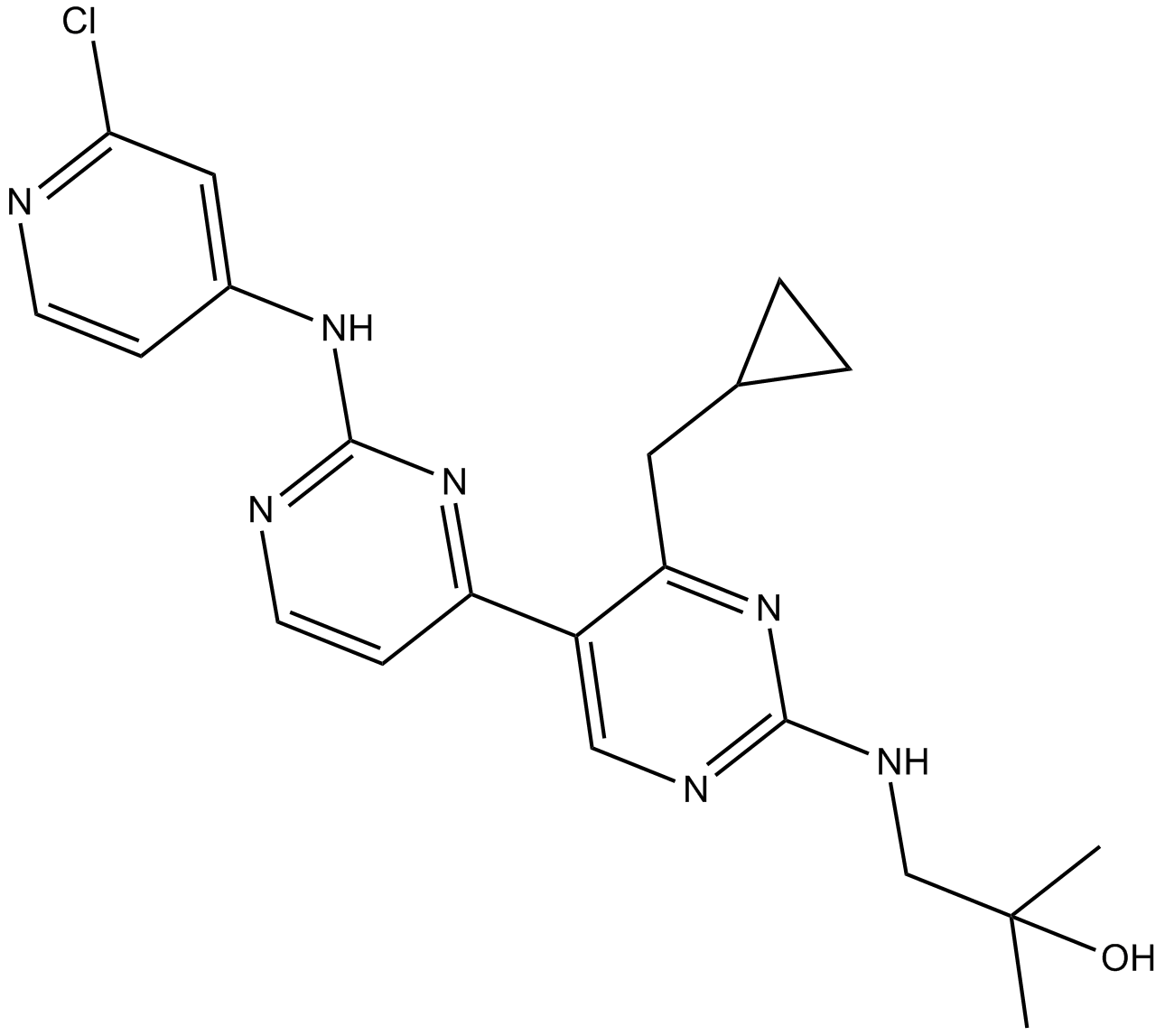 B6179 VPS34-IN1Summary: Vps34 inhibitor
 -
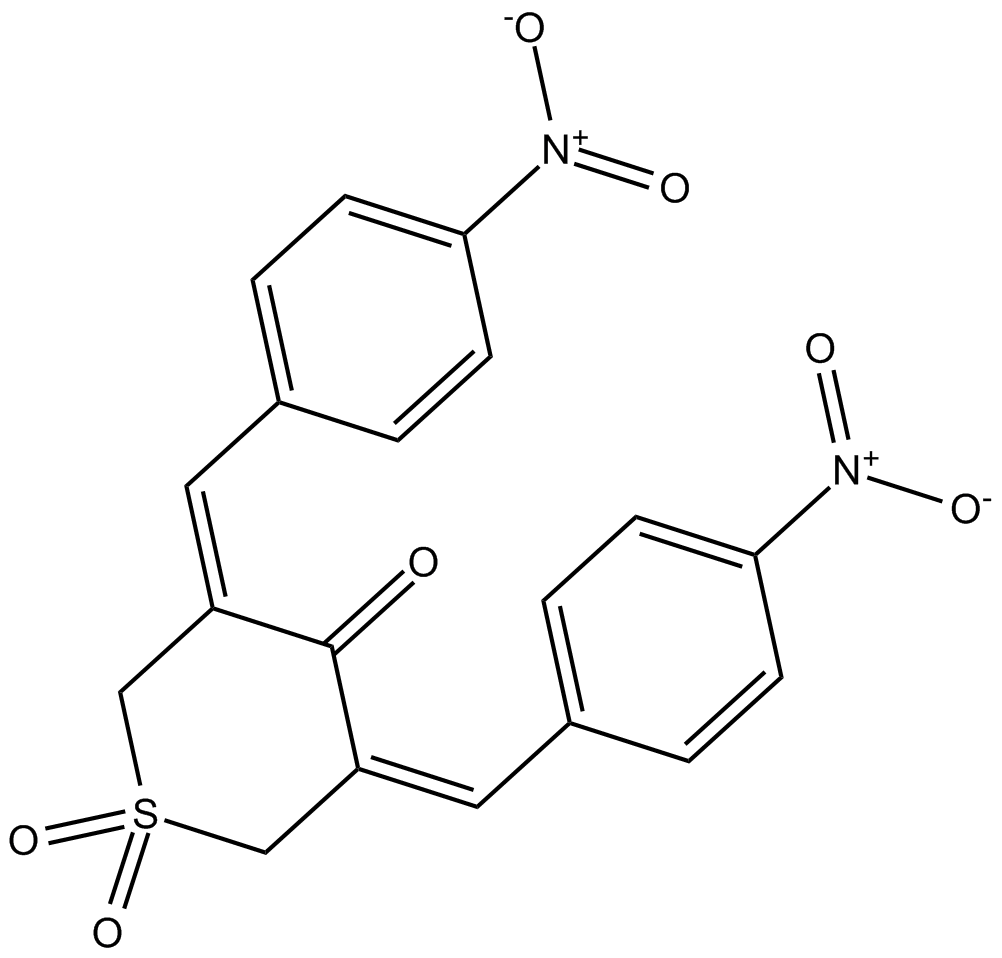 C3250 Ubiquitin Isopeptidase Inhibitor ISummary: ubiquitin isopeptidase inhibitor
 -
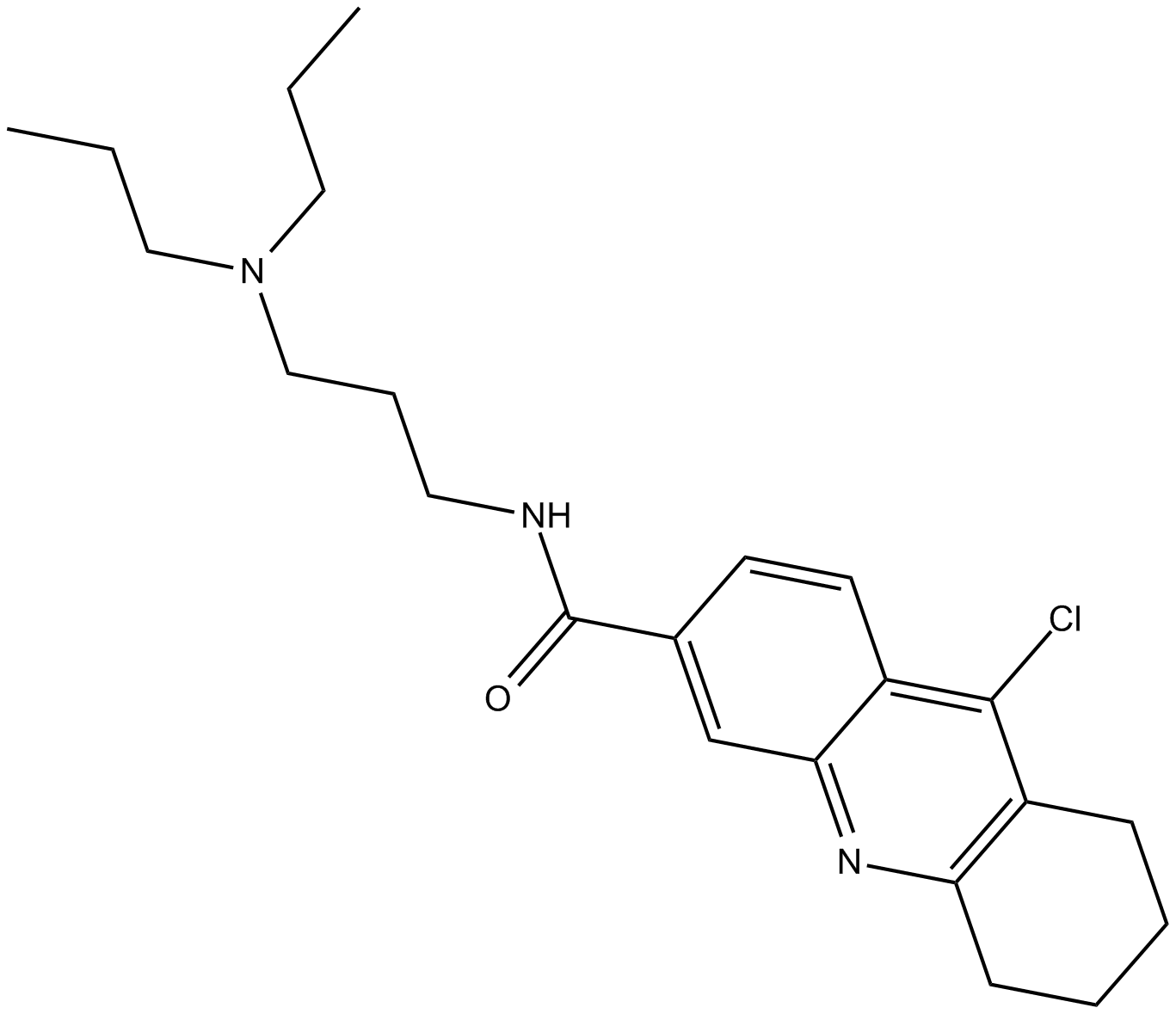 A8740 C598-0466Summary: USP7 inhibitor
 -
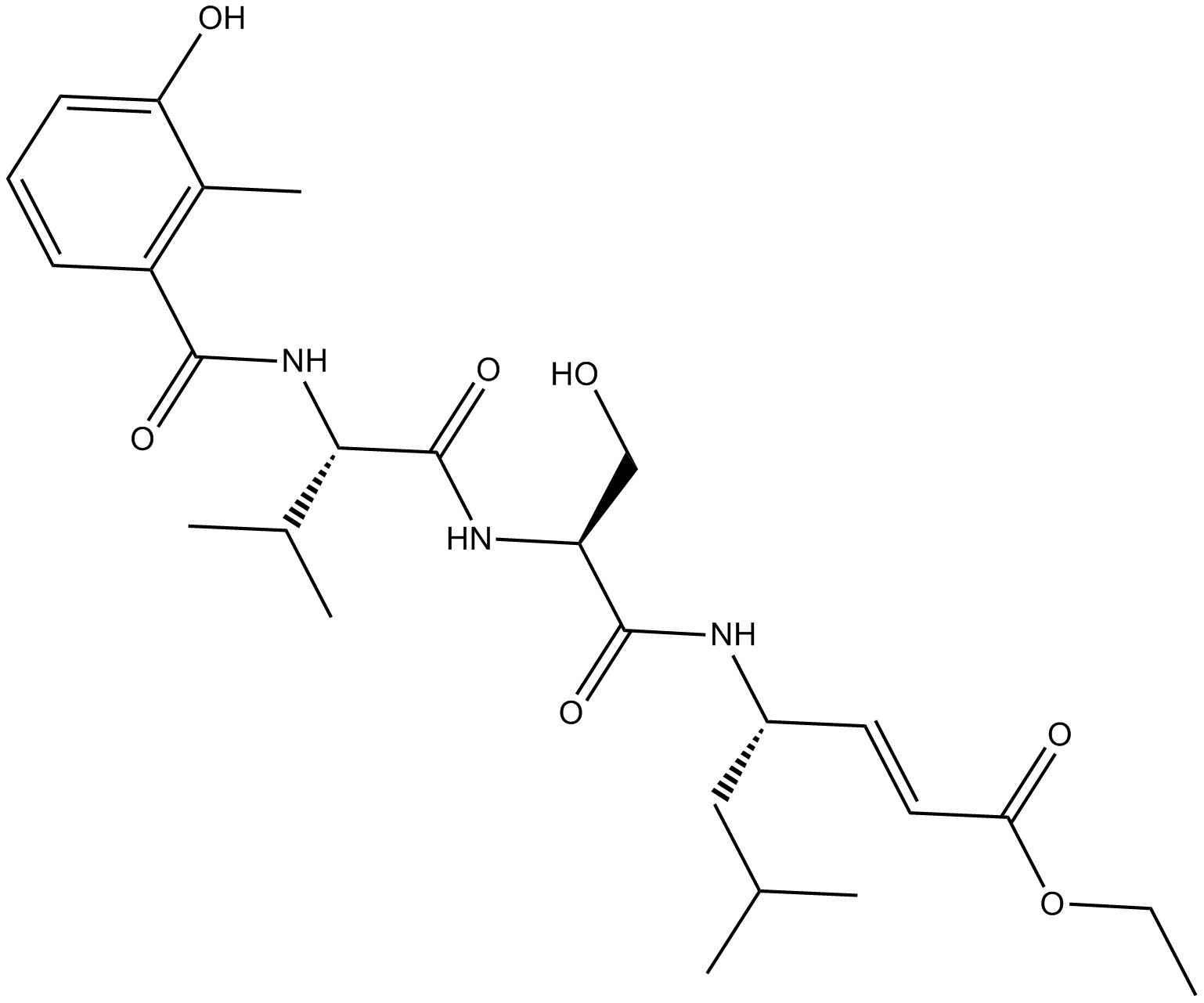 C4090 HMB-Val-Ser-Leu-VESummary: inhibitor of the trypsin-like activity of the 20S proteasome