


Tyrosine Kinase
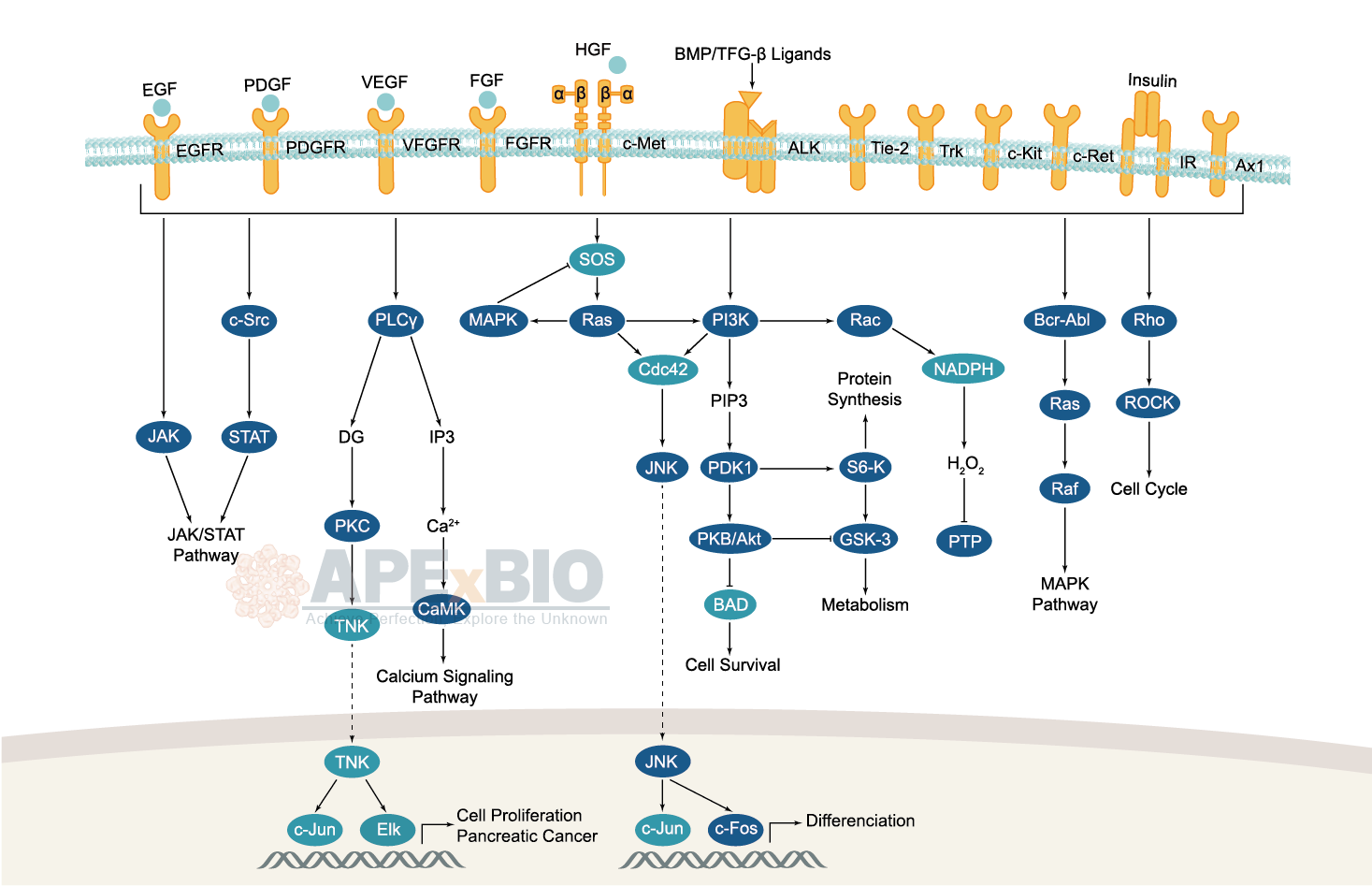
Receptor tyrosine kinases bind to extracellular ligands/growth factors, which promotes receptor dimerization and autophosphorylation of receptor tyrosine residues. This triggers a cascade of downstream events through phosphorylation of intracellular proteins that ultimately transduce the extracellular signal to the nucleus, causing changes in gene expression. Receptor tyrosine kinases include EGFR/ErbB, PDGFR, VEGFR, FGFR and MET subfamilies etc. Dysfunctions in tyrosine phosphorylation are linked to oncogenic transformation. In additions, various adaptor and effector proteins couple to carboxy-terminal of an active kinase. For instance, binding of the GRB2 adaptor protein activates EGFR and MAPK/ERK signaling.
Non-receptor tyrosine kinases involve many well-defined proteins (e.g. the Src family kinases, c-Abl, and Jak kinases) and other kinases which regulates cell growth and differentiation. For example, Src family kinases are curial for activating and inhibitory pathways in the innate immune response.
-
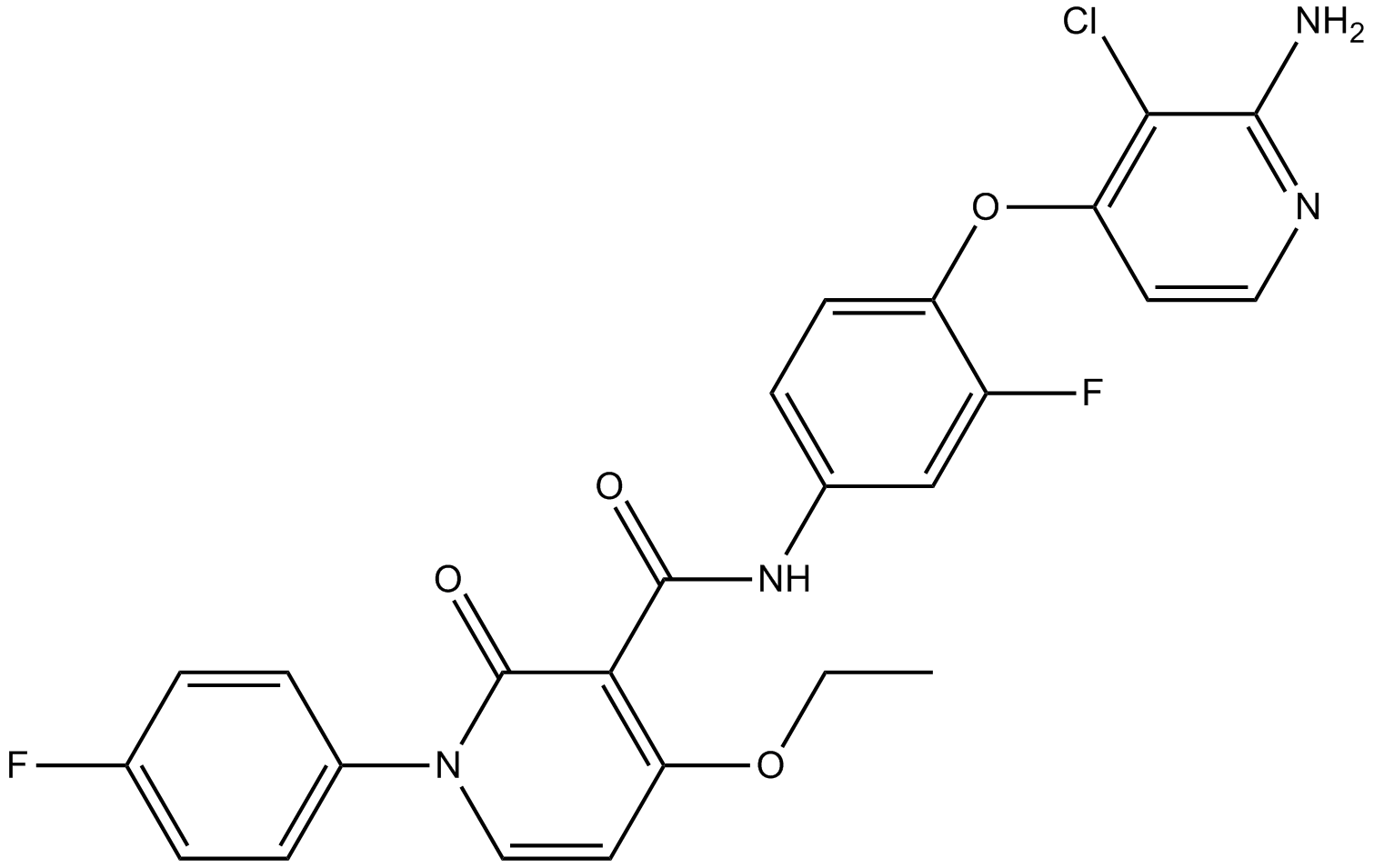 A5703 BMS-7776072 CitationTarget: METSummary: C-Met inhibitor, potent and selective
 -
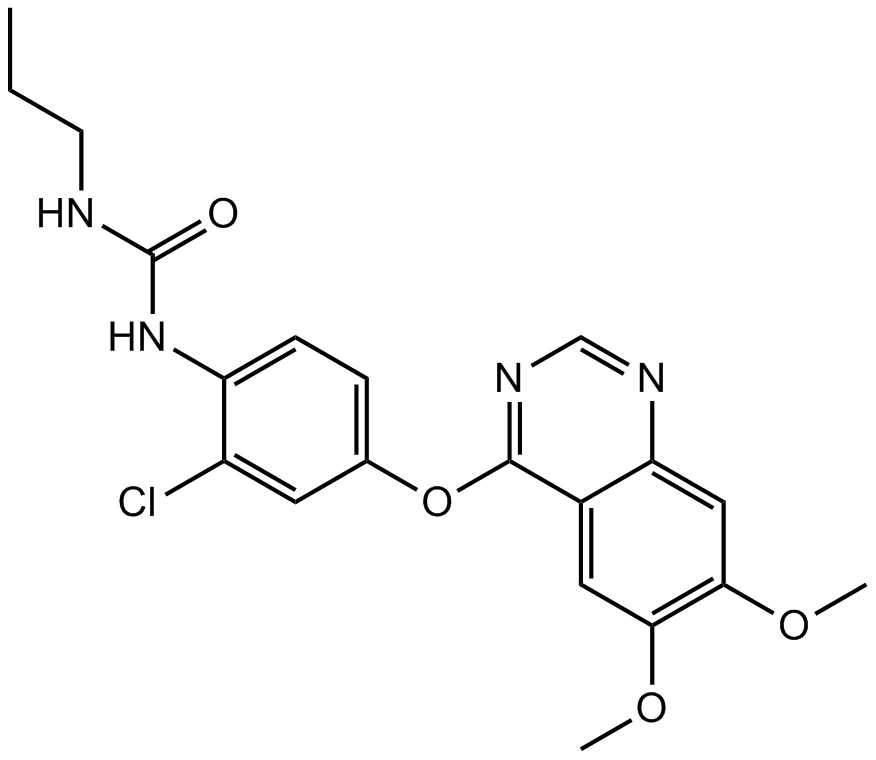 A5760 KRN 633Summary: VEGFR inhibitor,ATP-competitive
 -
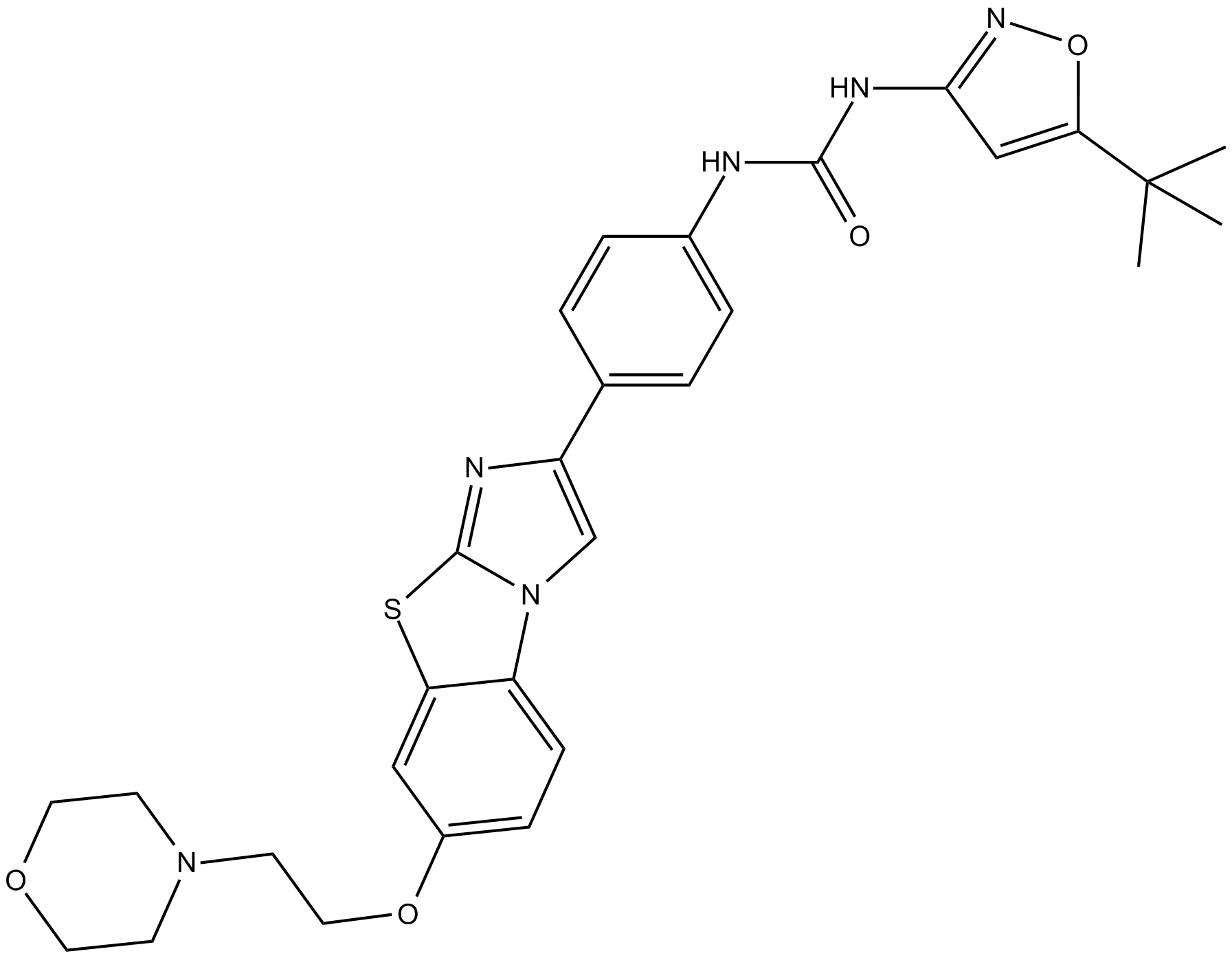 A5793 Quizartinib (AC220)Target: FLT3Summary: FLT3 inhibitor,potent and selective
 -
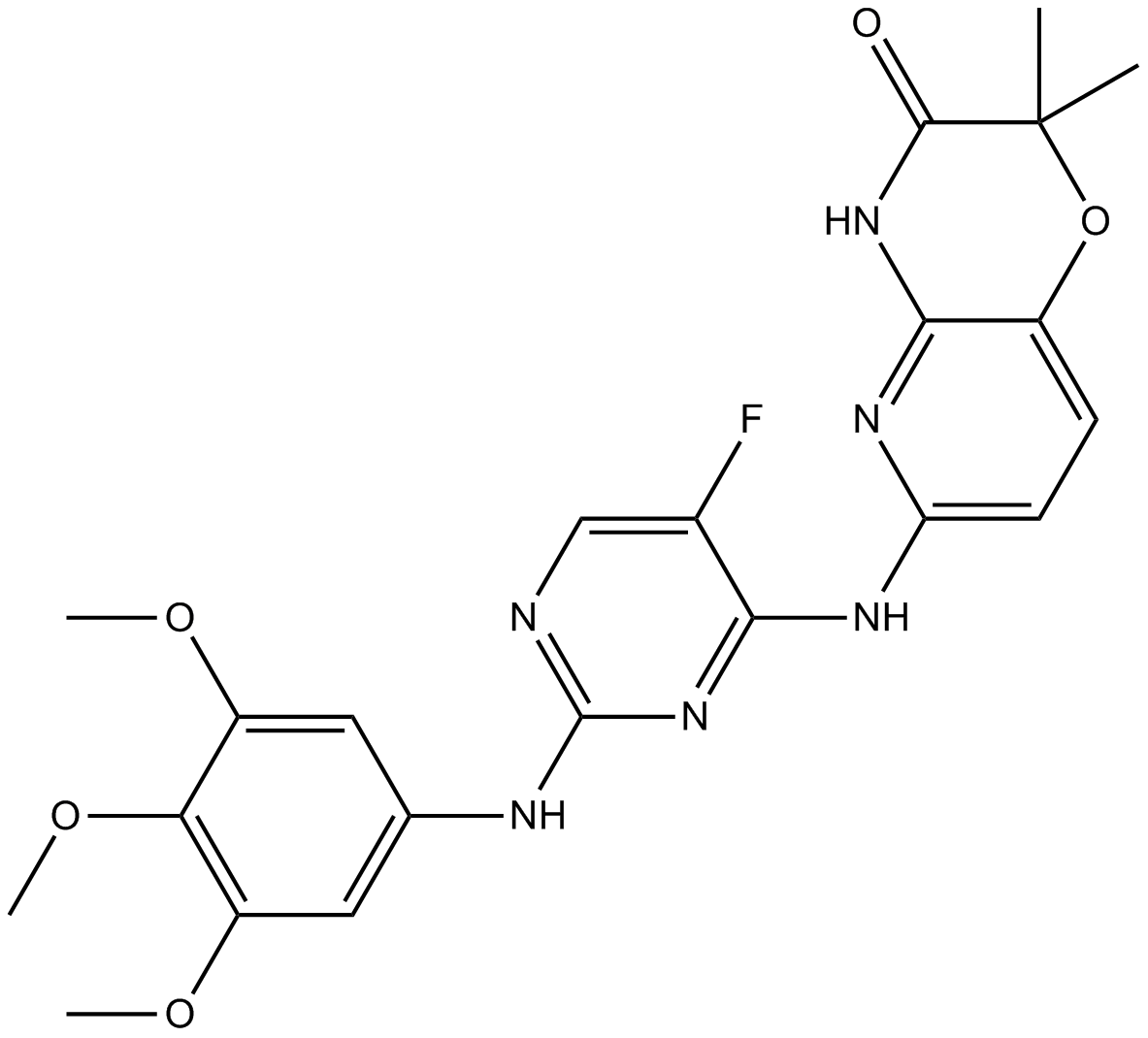 A5880 R406 (free base)Summary: Syk inhibitor
 -
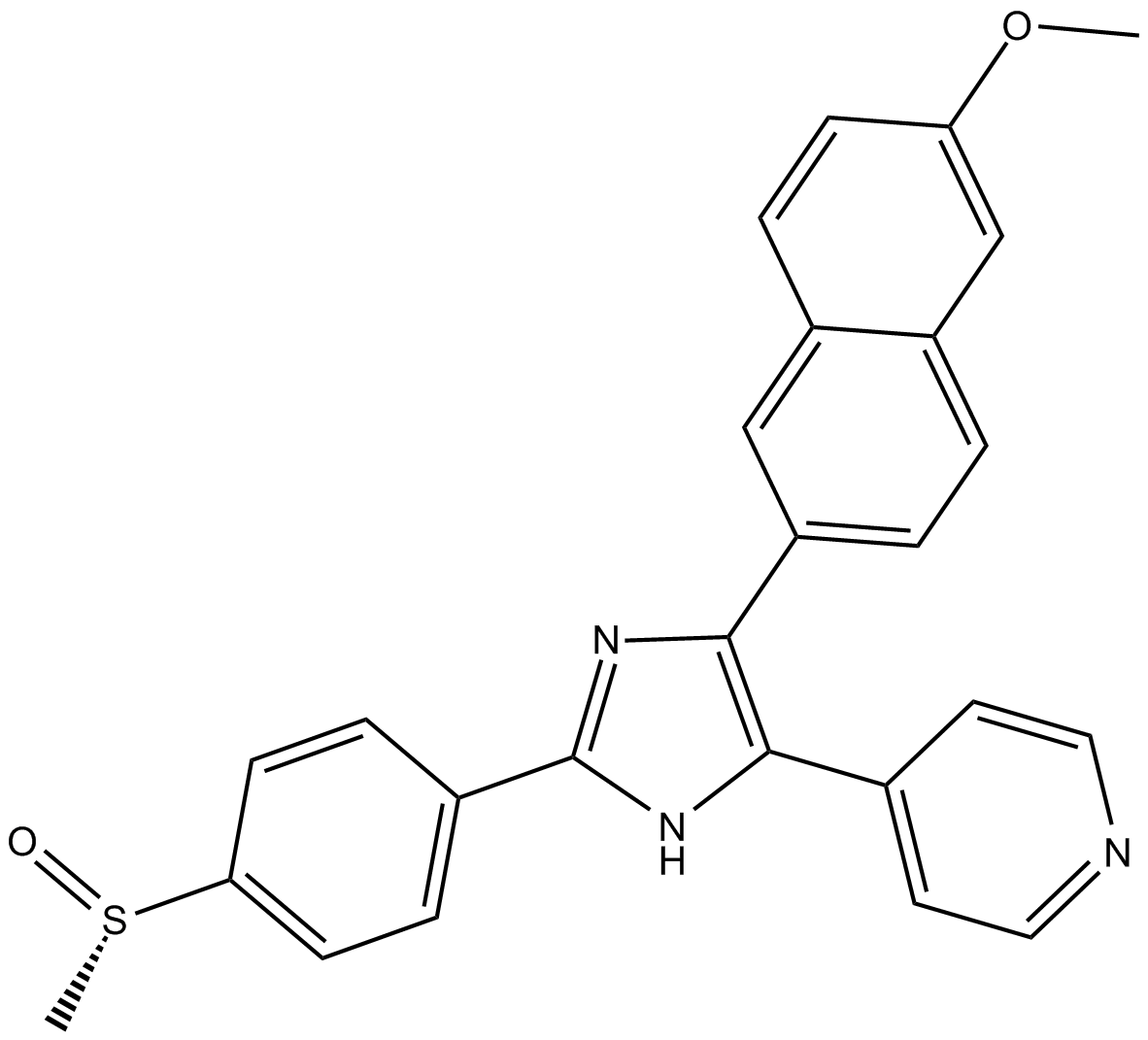 A5979 Tie2 kinase inhibitor1 CitationTarget: Tie-2Summary: Tie-2(Tie2 ) inhibitor
 -
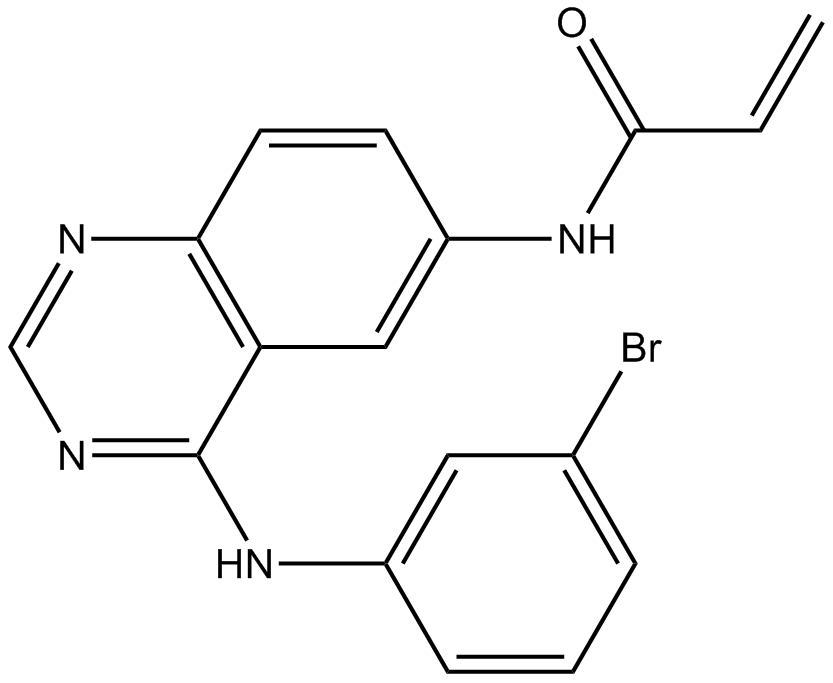 A2024 PD168393Target: PDGFR|FGFR|EGFR|PKC|insulinSummary: EGFR inhibitor
 -
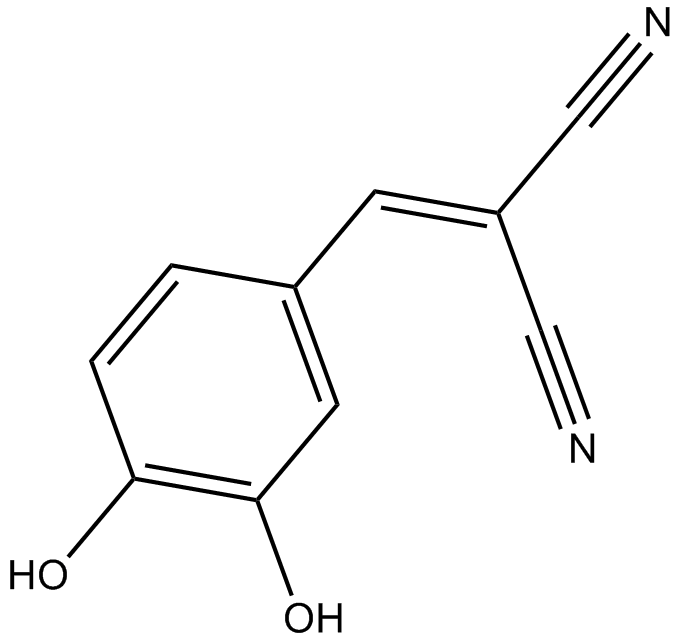 A1173 AG-18Summary: EGFR/PDGFR inhibitor
 -
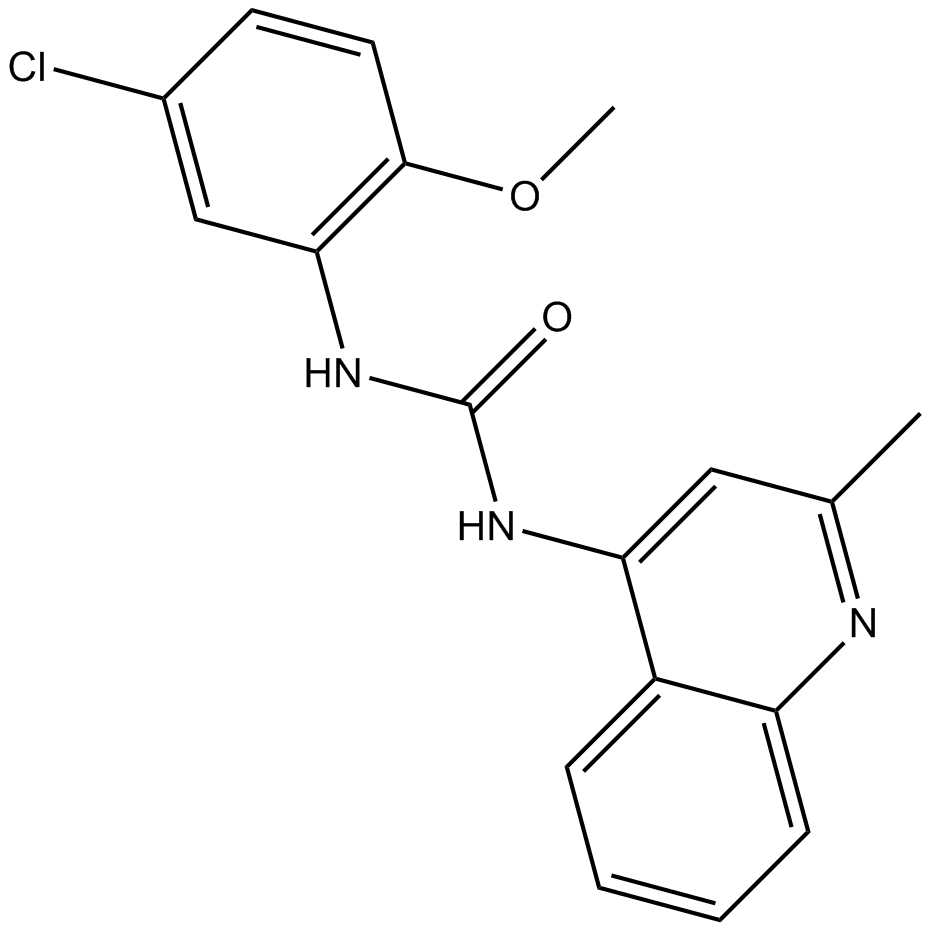 A2033 PQ 4011 CitationSummary: IGF1R inhibitor,potent and cell-permeable
 -
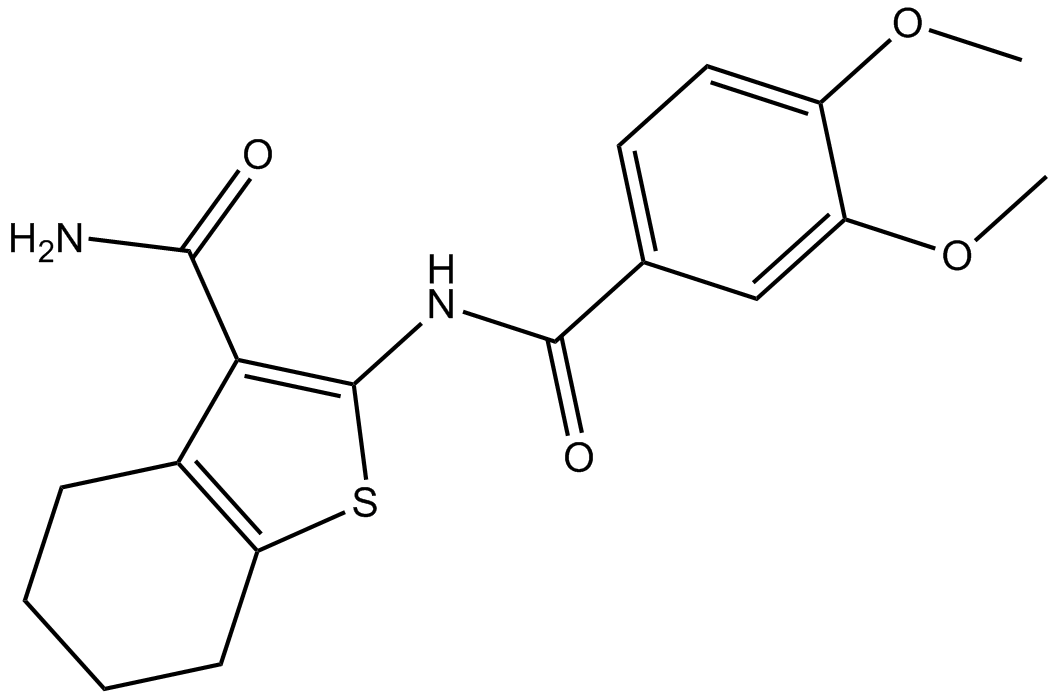 A2323 TCS 359Summary: Potent FLT3 inhibitor
 -
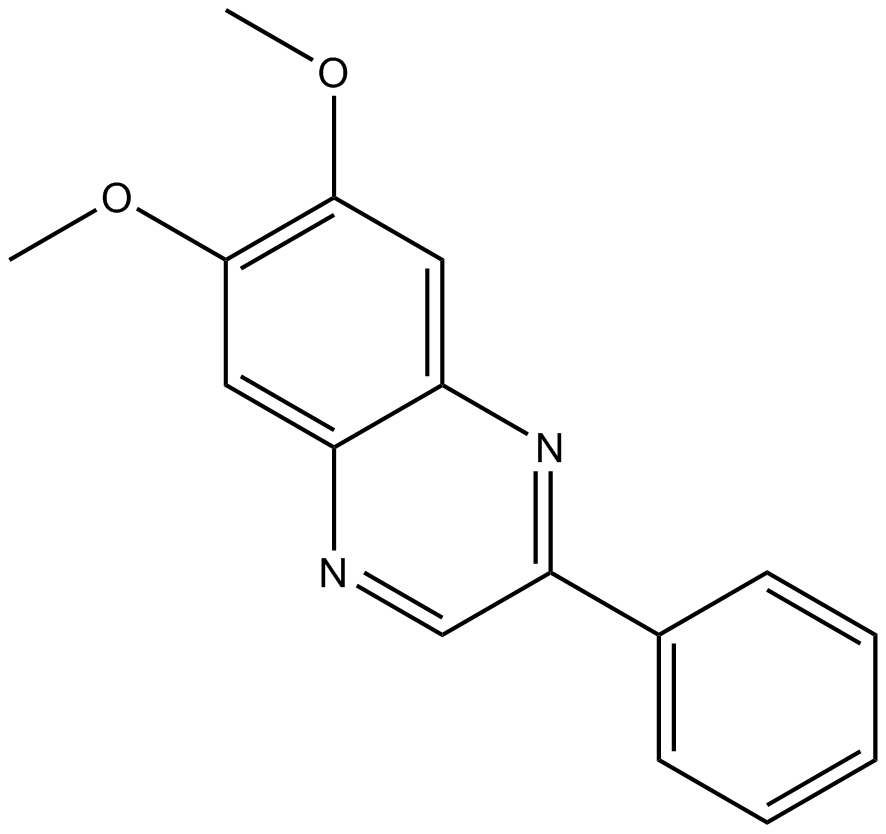 A2477 Tyrphostin AG 12961 CitationTarget: PDGFRSummary: PDGFR inhibitor,selective and ATP-competitive