


Stem Cell
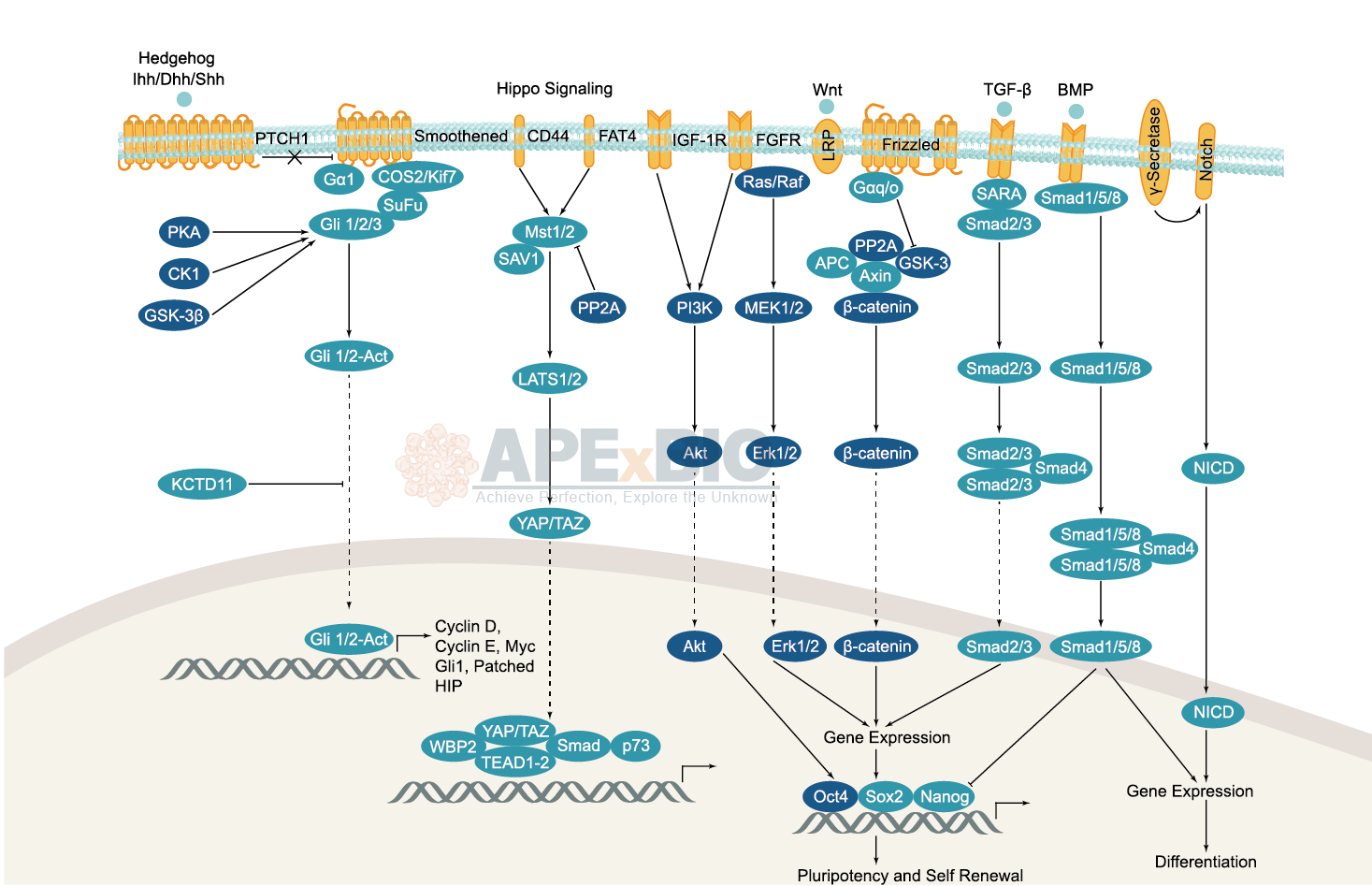
In ESC, BMP/TGF-β signaling pathway plays a key role in maintaining pluripotency and self-renewal. It signals through Smad proteins, and the FGF signaling pathway, which activates the MAPK and Akt pathways. The Wnt signaling pathway also promotes pluripotency. OCT-4, SOX2, and NANOG are three main transcription factors that are expressed and activated by these pathways. Induced pluripotent stem cells (iPSC) are pluripotent cells that can be generated from differentiated cells with forced expression of specific reprogramming factors. Both ESC and iPSC can be induced to develop into distinct cell types that associated with three primary germ layers: ectoderm, mesoderm and endoderm. Signaling pathways that control the development of these cell lineages, including BMP/TGF-β, Notch, Wnt/β-catenin, Hedgehog and Hippo pathways, which regulate cell division, growth and differentiation. Defects in stem cell signaling are related to developmental disorders and cancer.
-
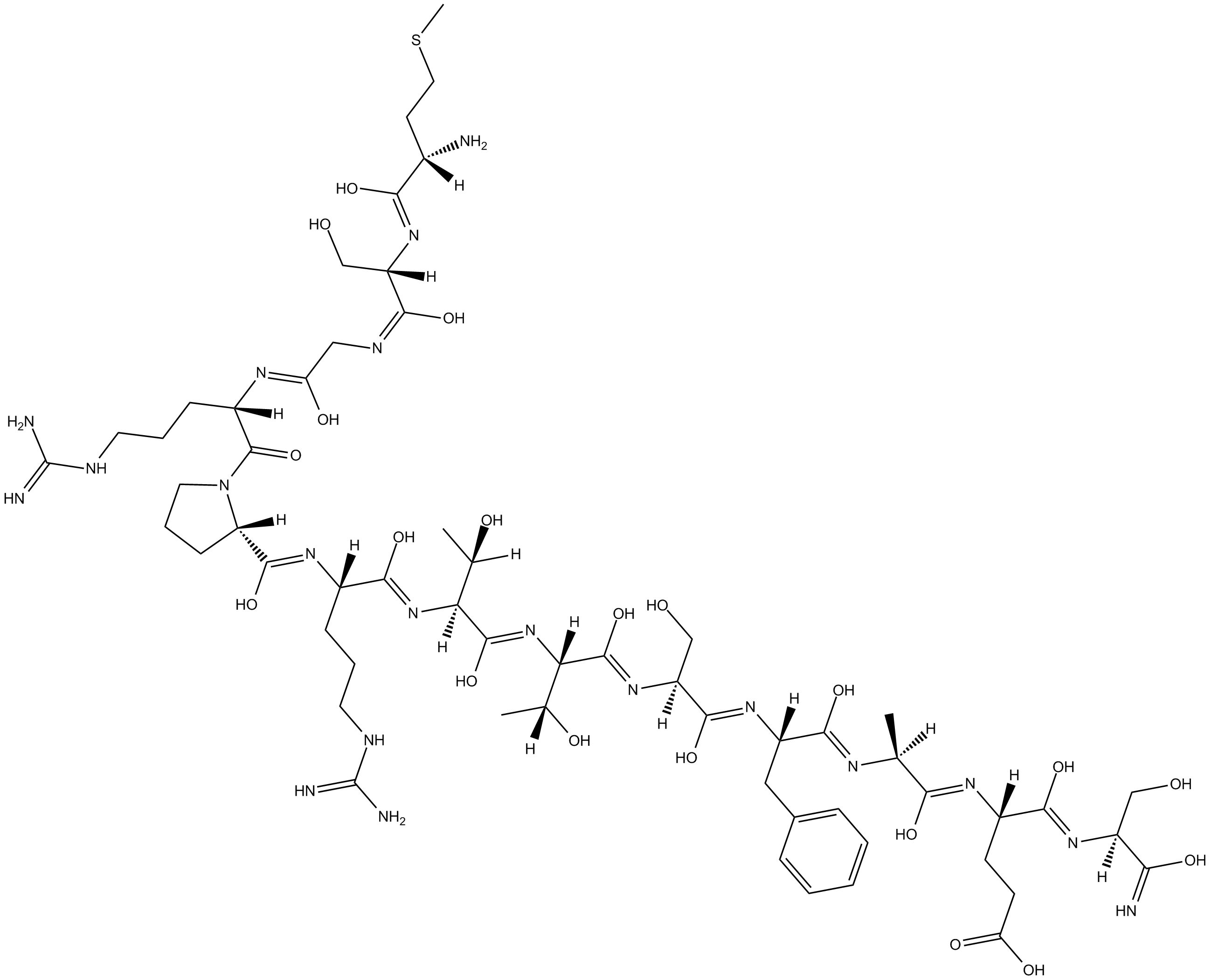 B5277 TCS 183Summary: competitive inhibitor of GSK-3β (Ser9) phosphorylation
 -
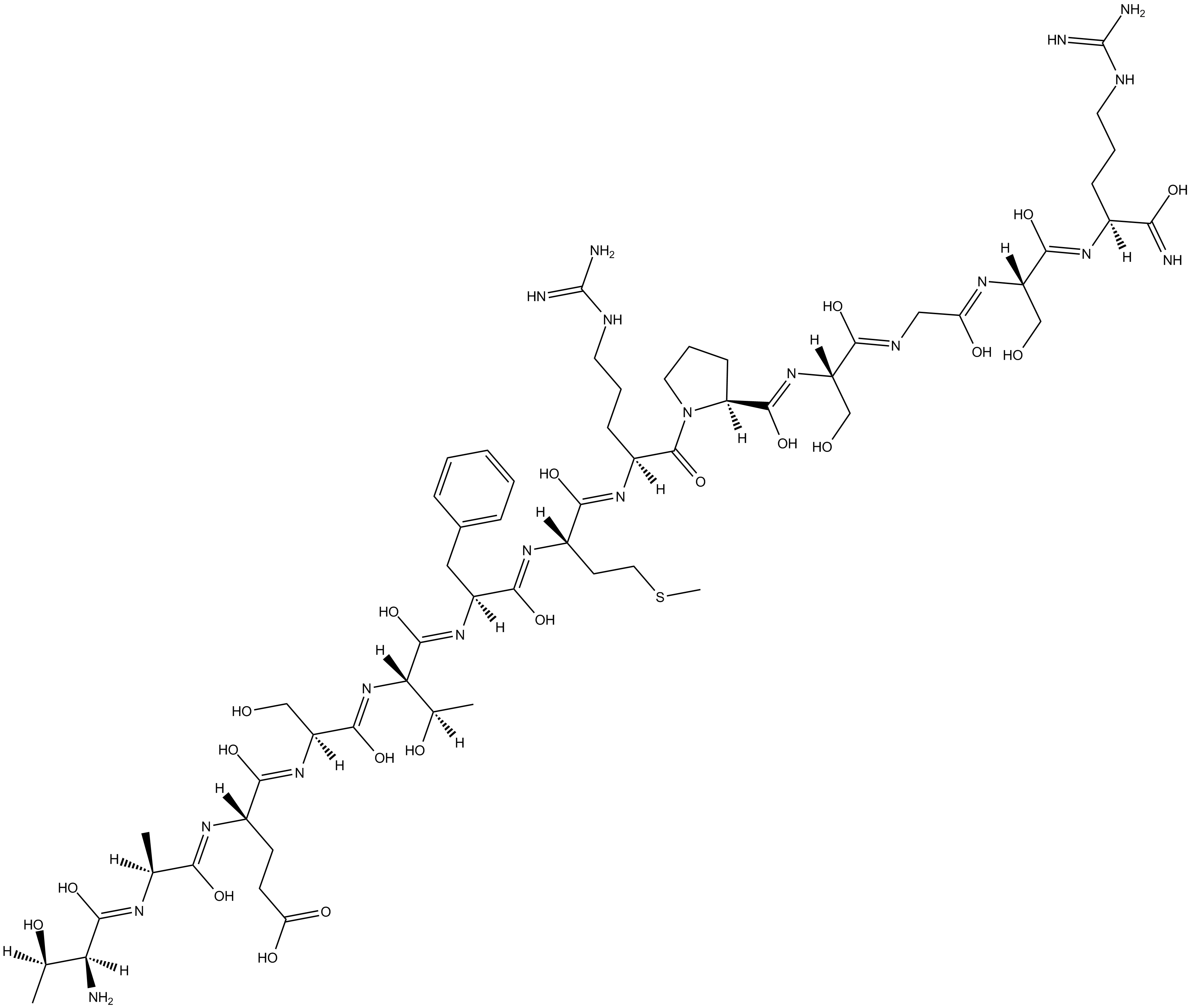 B5290 TCS 184Summary: Scrambled control peptide for use with TCS 183
 -
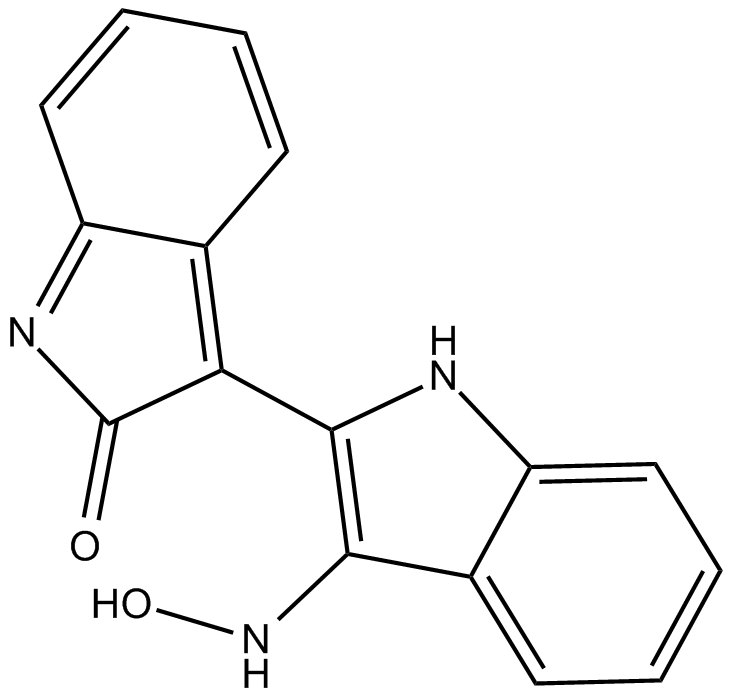 B6865 Indirubin-3'-oximeSummary: GSK-3β and CDK inhibitor
 -
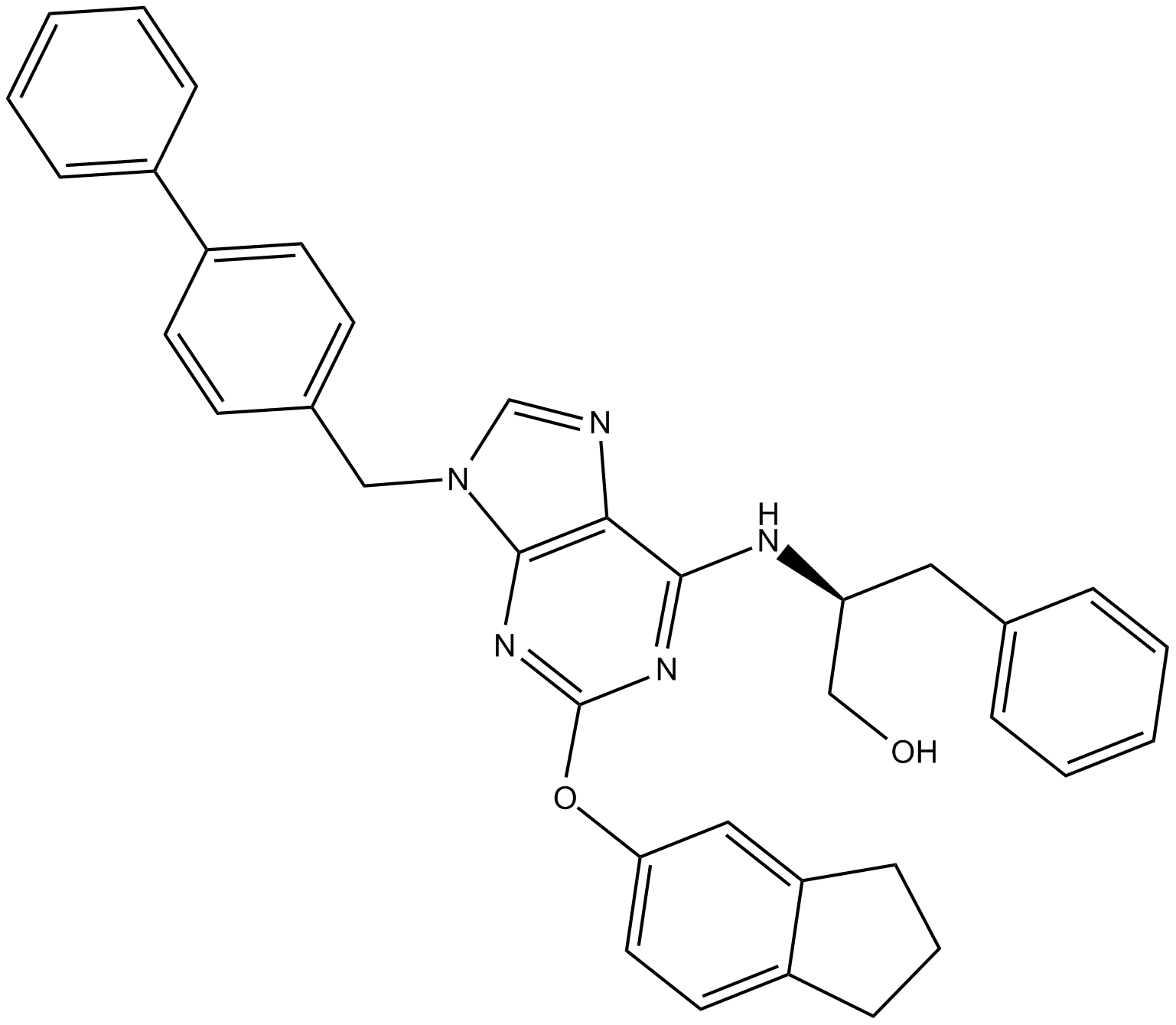 B7364 QS 11Summary: ARFGAP1 inhibitor,Wnt/beta-catenin pathway modulator
 -
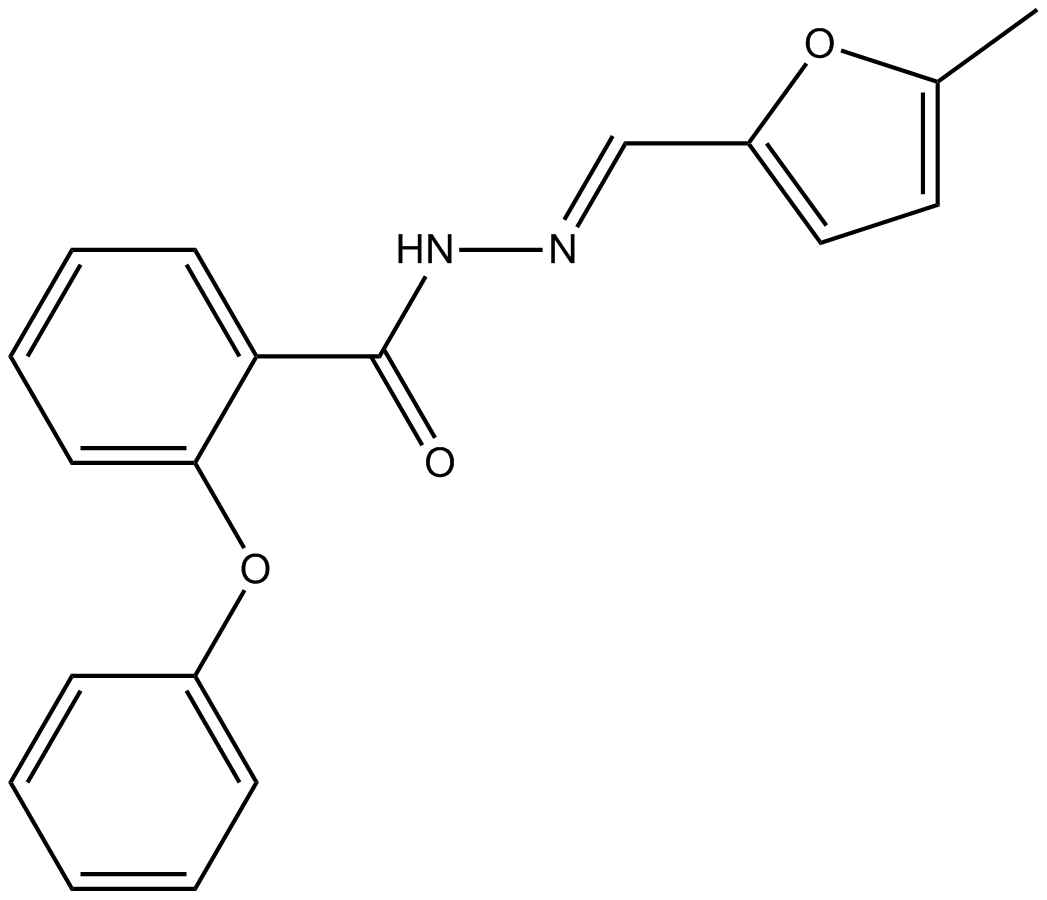 B7422 PNU 74654Summary: Wnt signaling pathway inhibitor
 -
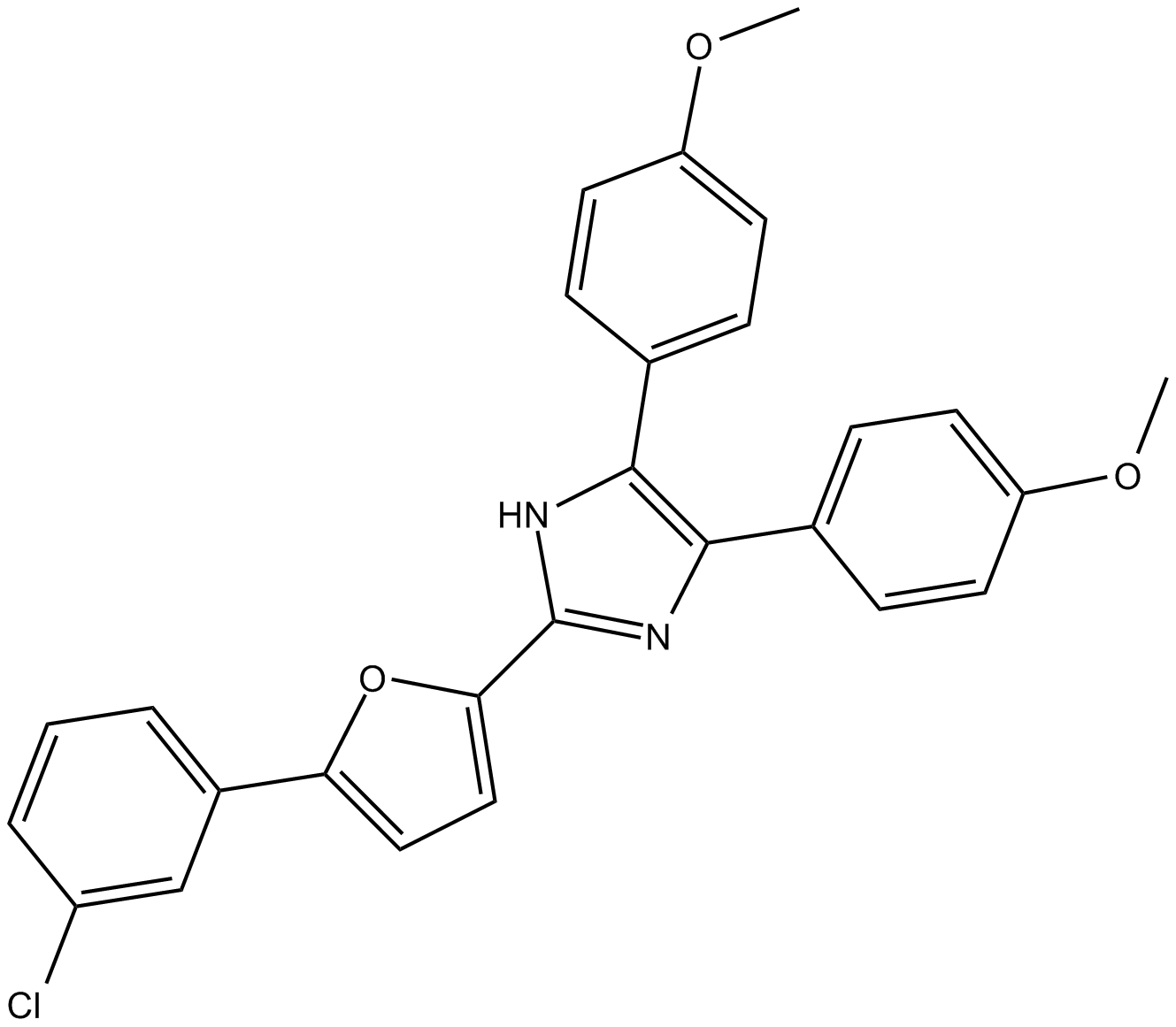 B7457 NeurodazineSummary: Induces neurogenesis of non-pluripotent C2C12 myoblasts
 -
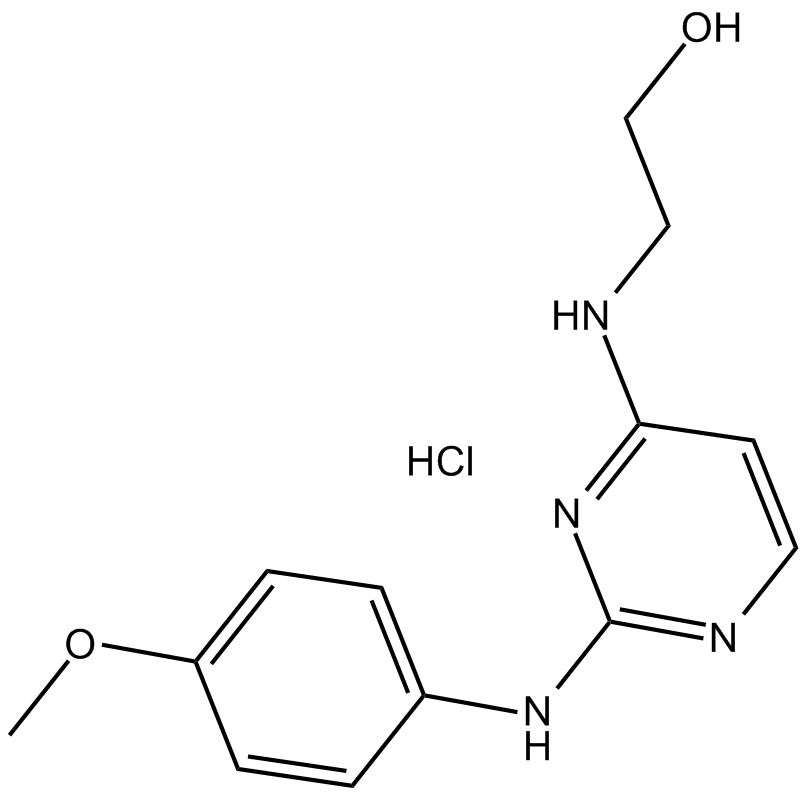 B7513 Cardiogenol C hydrochlorideSummary: Induces differentiation of mouse embryonic stem cells (ESCs) into cardiomyocytes
 -
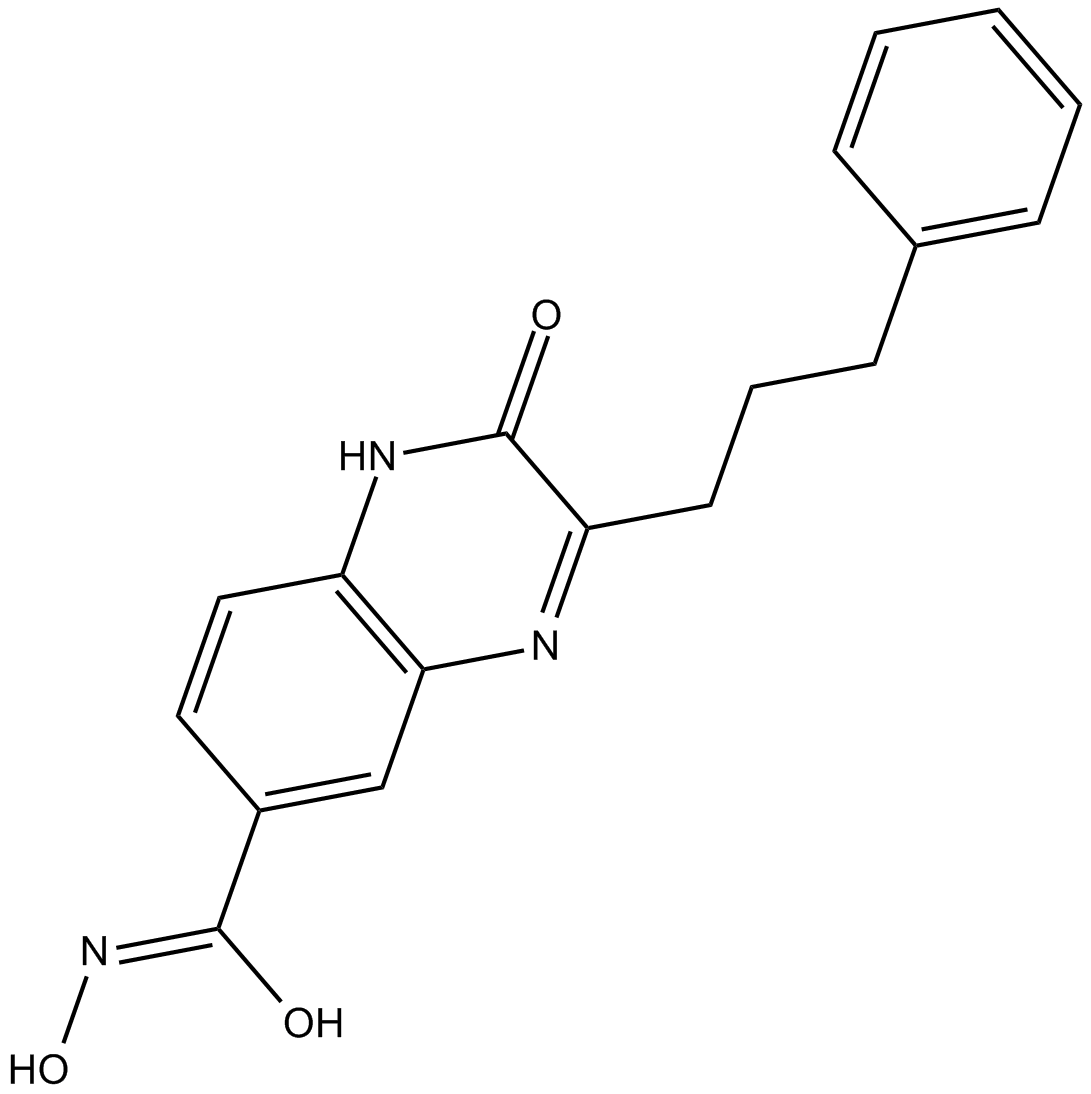 B7521 TCS 2210Summary: Inducer of neuronal differentiation in mesenchymal stem cells (MSCs)
 -
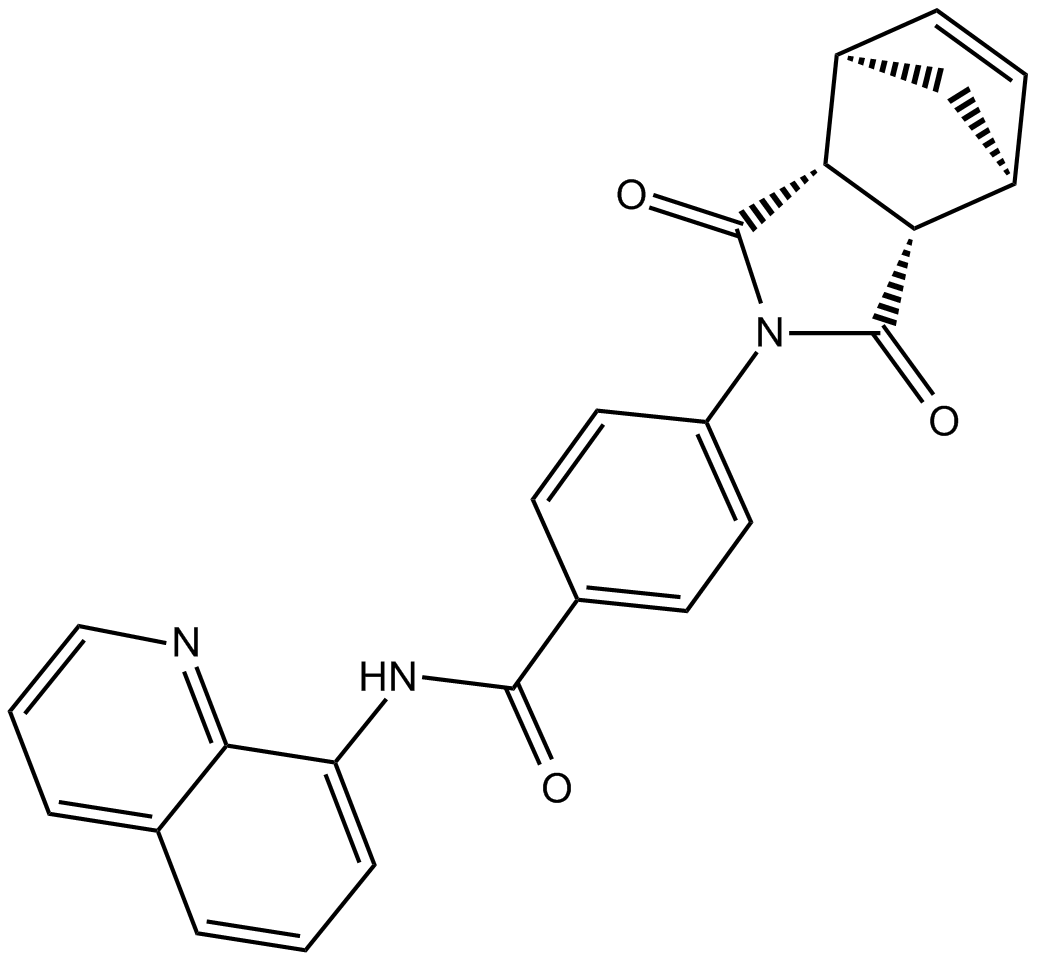 B7548 exo-IWR 1Summary: Negative control for endo-IWR 1 (Wnt signaling inhibitor)
 -
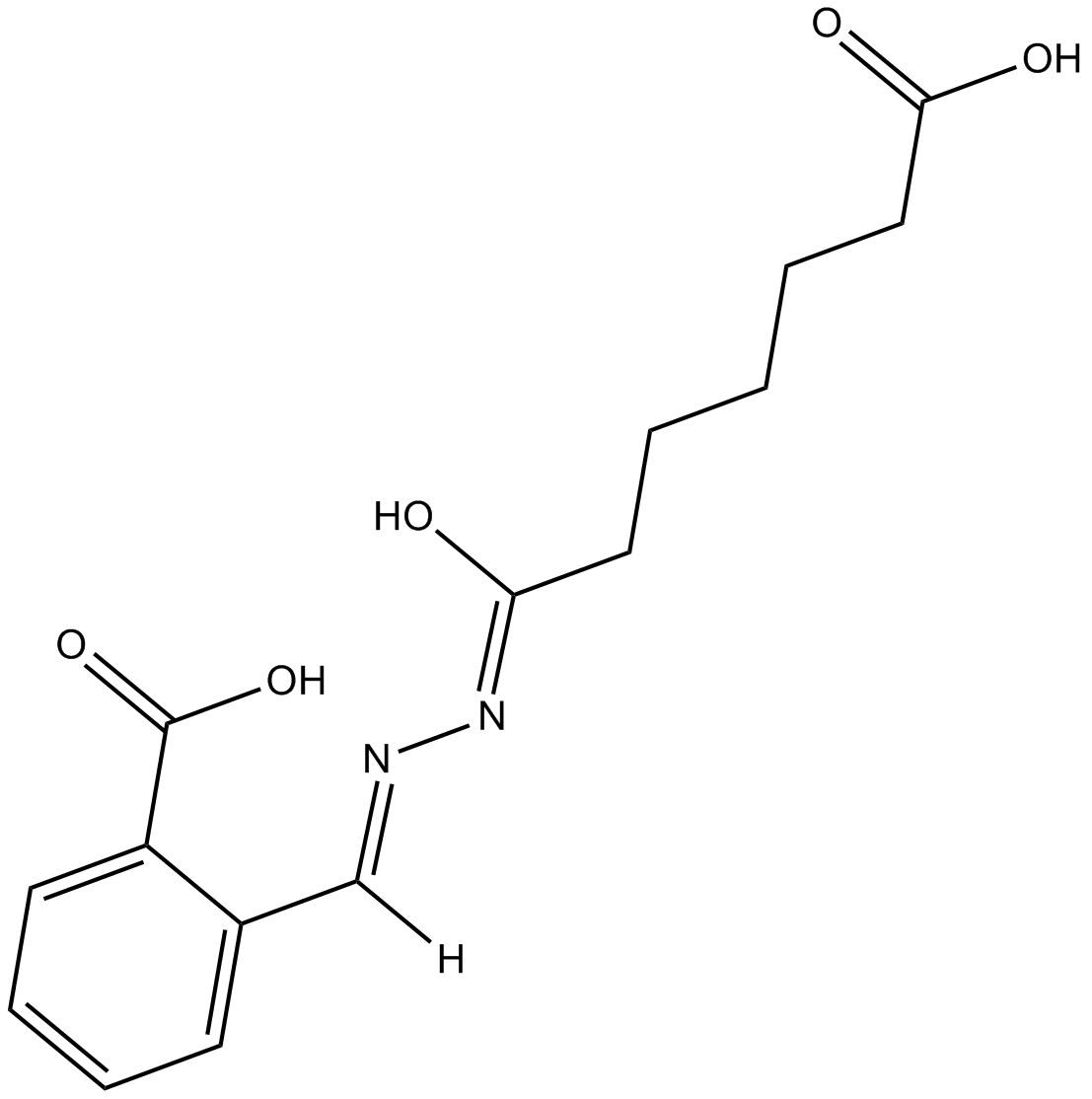 B7566 IDE 1Summary: activate the TGF-β signaling pathway