


Stem Cell
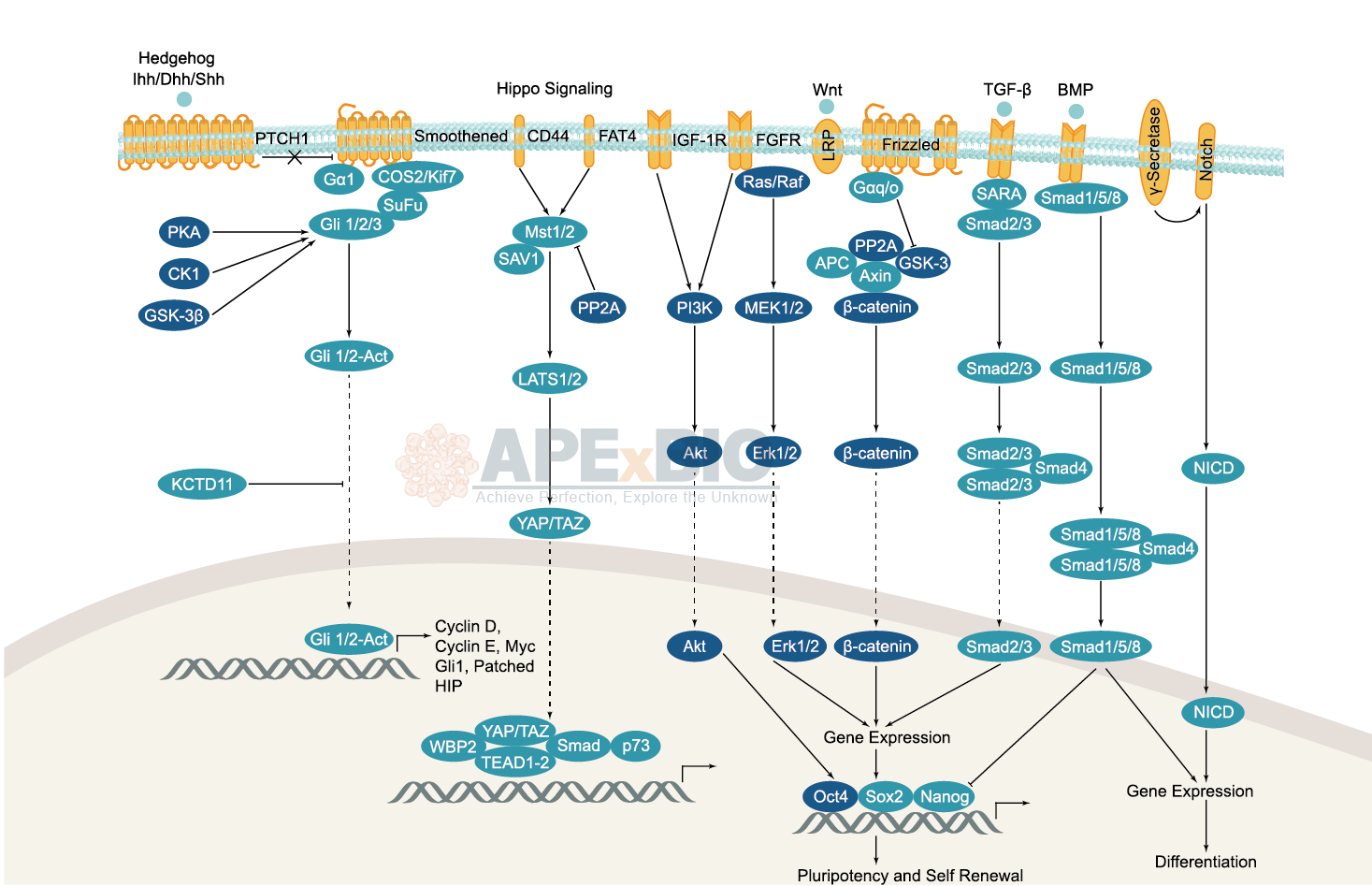
In ESC, BMP/TGF-β signaling pathway plays a key role in maintaining pluripotency and self-renewal. It signals through Smad proteins, and the FGF signaling pathway, which activates the MAPK and Akt pathways. The Wnt signaling pathway also promotes pluripotency. OCT-4, SOX2, and NANOG are three main transcription factors that are expressed and activated by these pathways. Induced pluripotent stem cells (iPSC) are pluripotent cells that can be generated from differentiated cells with forced expression of specific reprogramming factors. Both ESC and iPSC can be induced to develop into distinct cell types that associated with three primary germ layers: ectoderm, mesoderm and endoderm. Signaling pathways that control the development of these cell lineages, including BMP/TGF-β, Notch, Wnt/β-catenin, Hedgehog and Hippo pathways, which regulate cell division, growth and differentiation. Defects in stem cell signaling are related to developmental disorders and cancer.
-
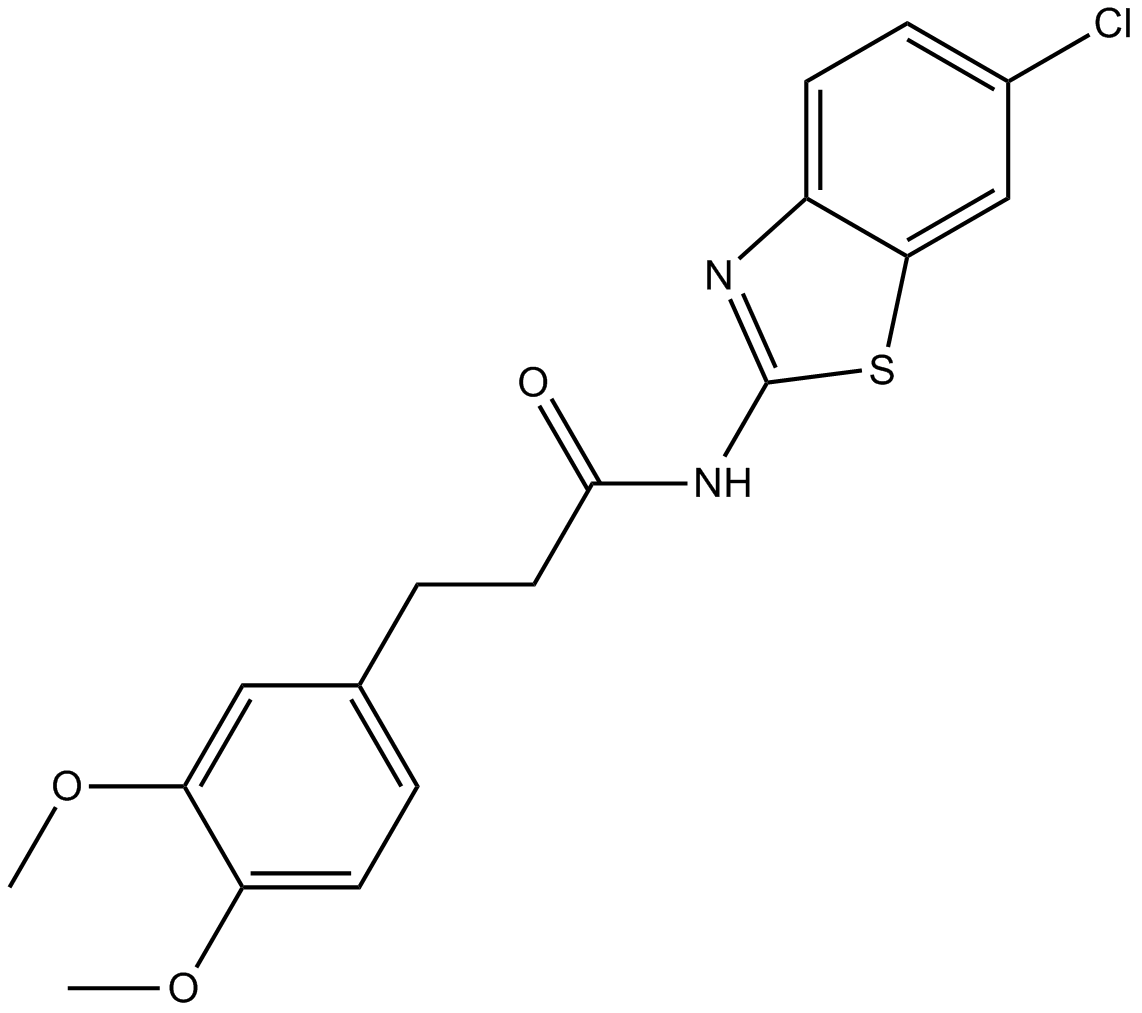 A8213 KY 02111Summary: WNT signaling inhibitor
 -
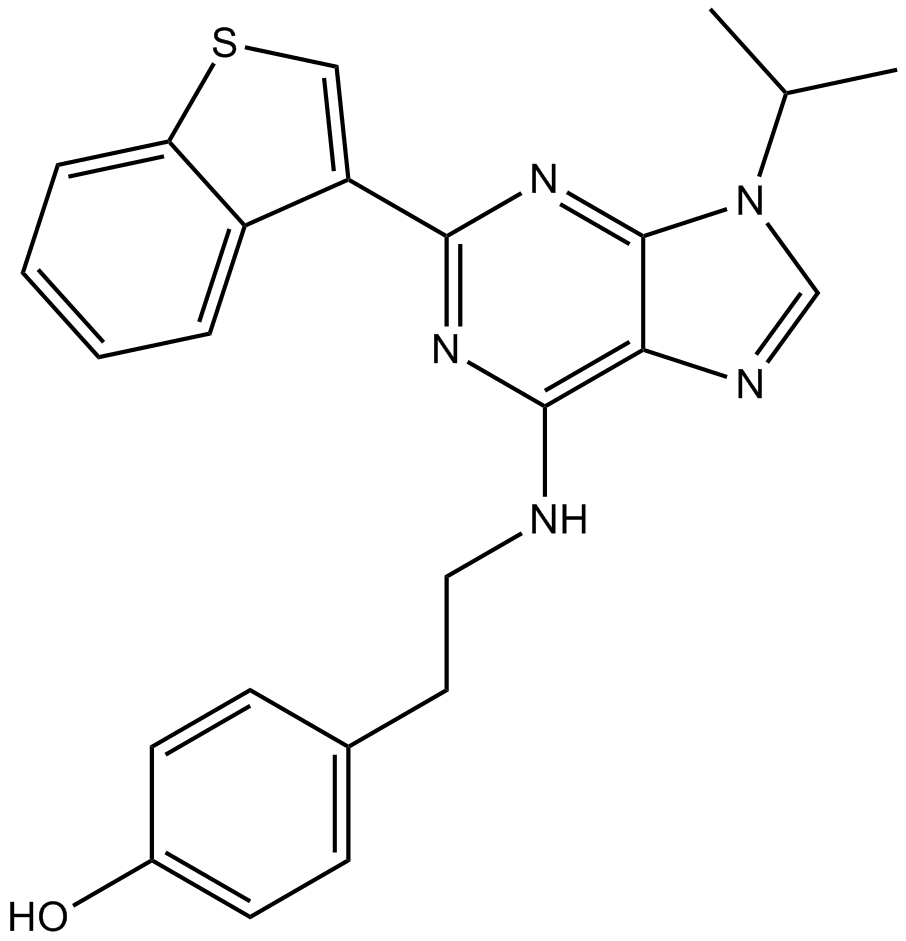 A8224 StemRegenin 1 (SR1)Summary: AhR antagonist
 -
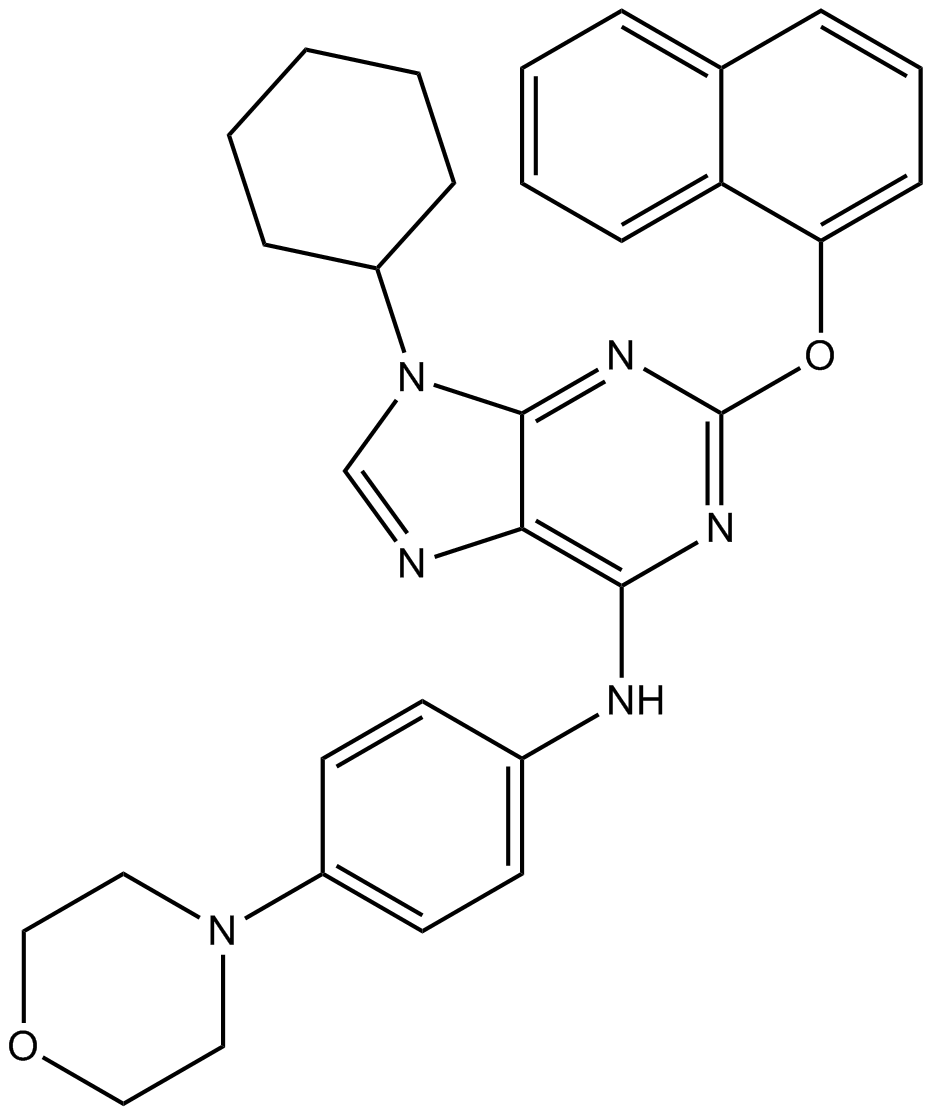 A8228 Purmorphamine3 CitationSummary: Hedgehog agonist
 -
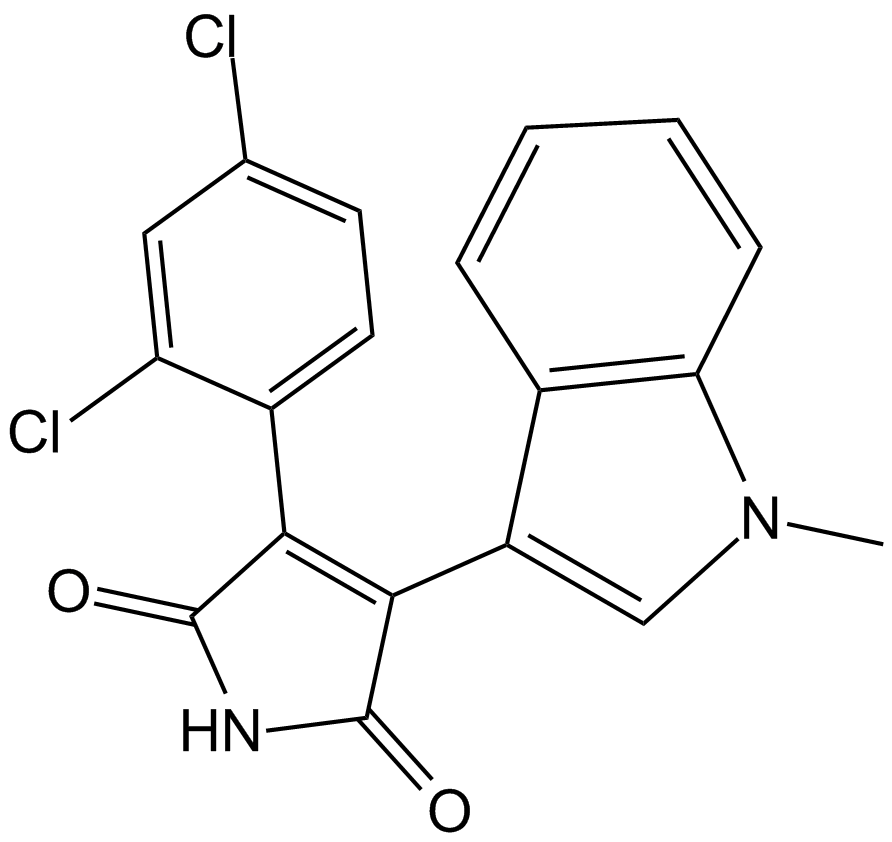 A8240 SB 2167633 CitationTarget: GSK-3Summary: GSK-3 inhibitor,ATP-competitive,potent and selective
 -
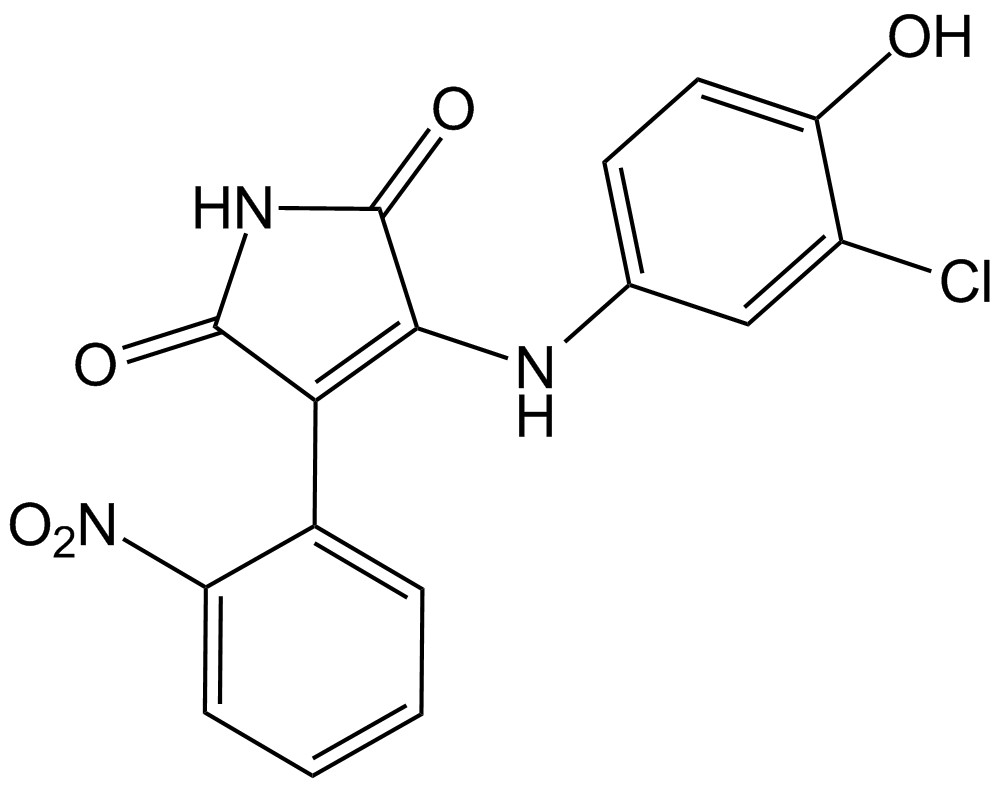 A8241 SB 4152861 CitationSummary: GSK-3 inhibitor,potent and selective
 -
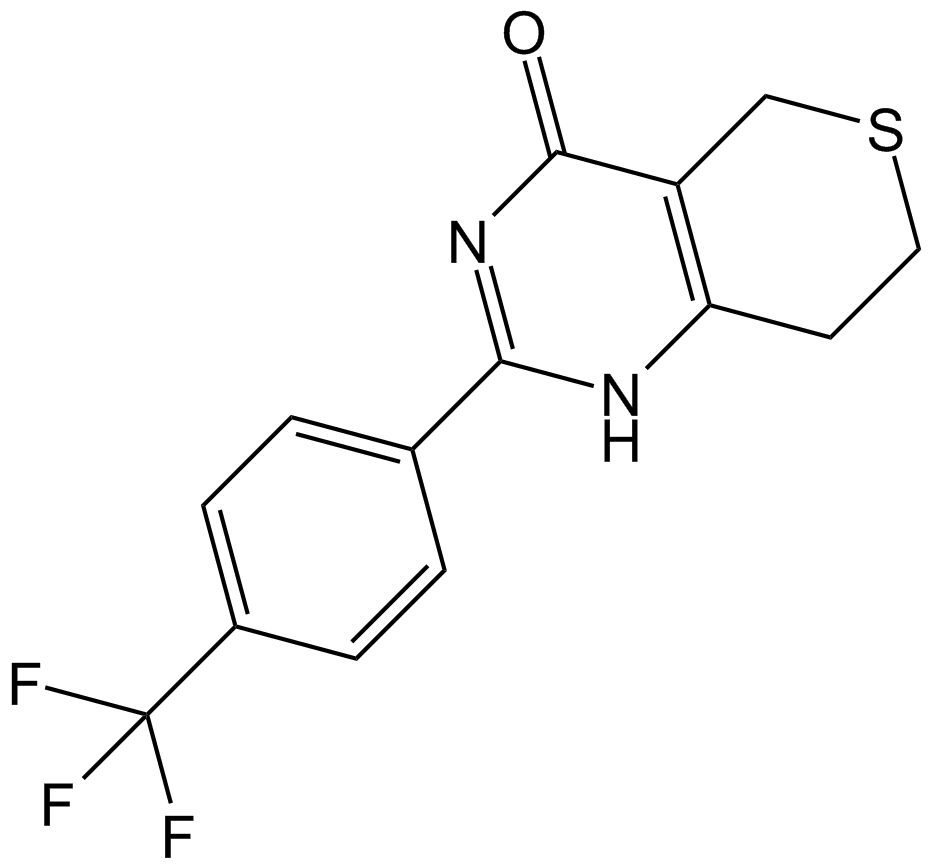 A1877 XAV-93916 CitationTarget: TNKSSummary: Tankyrase 1/2 (TNKS) inhibitor
 -
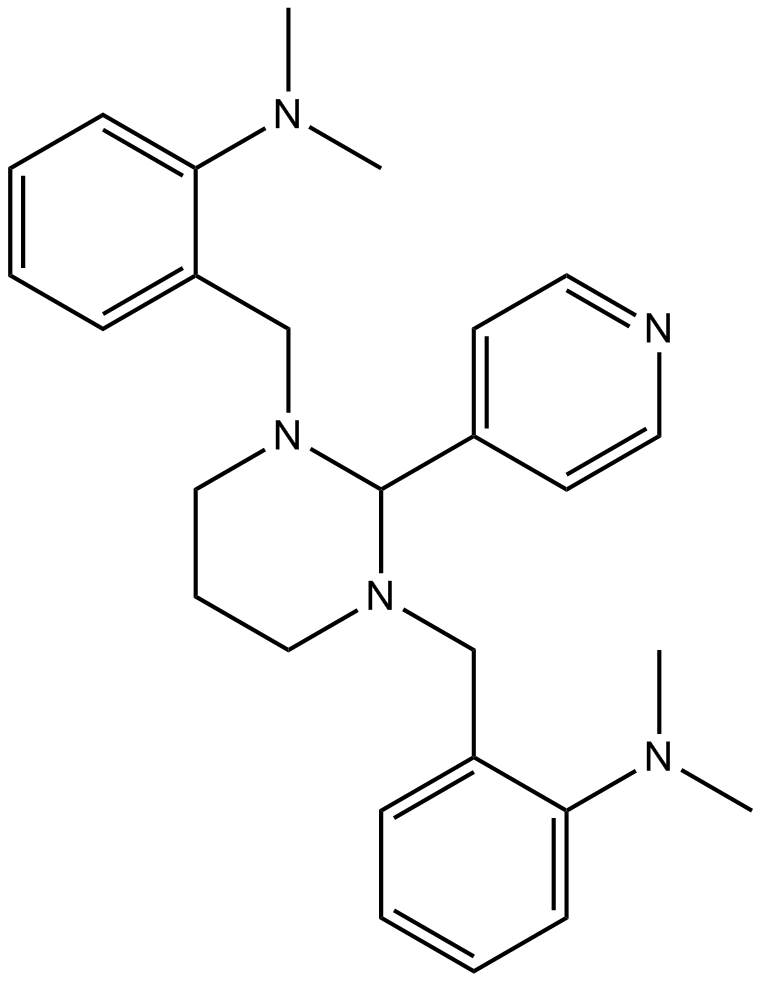 A1615 GANT615 CitationTarget: GLISummary: GLI antagonist
 -
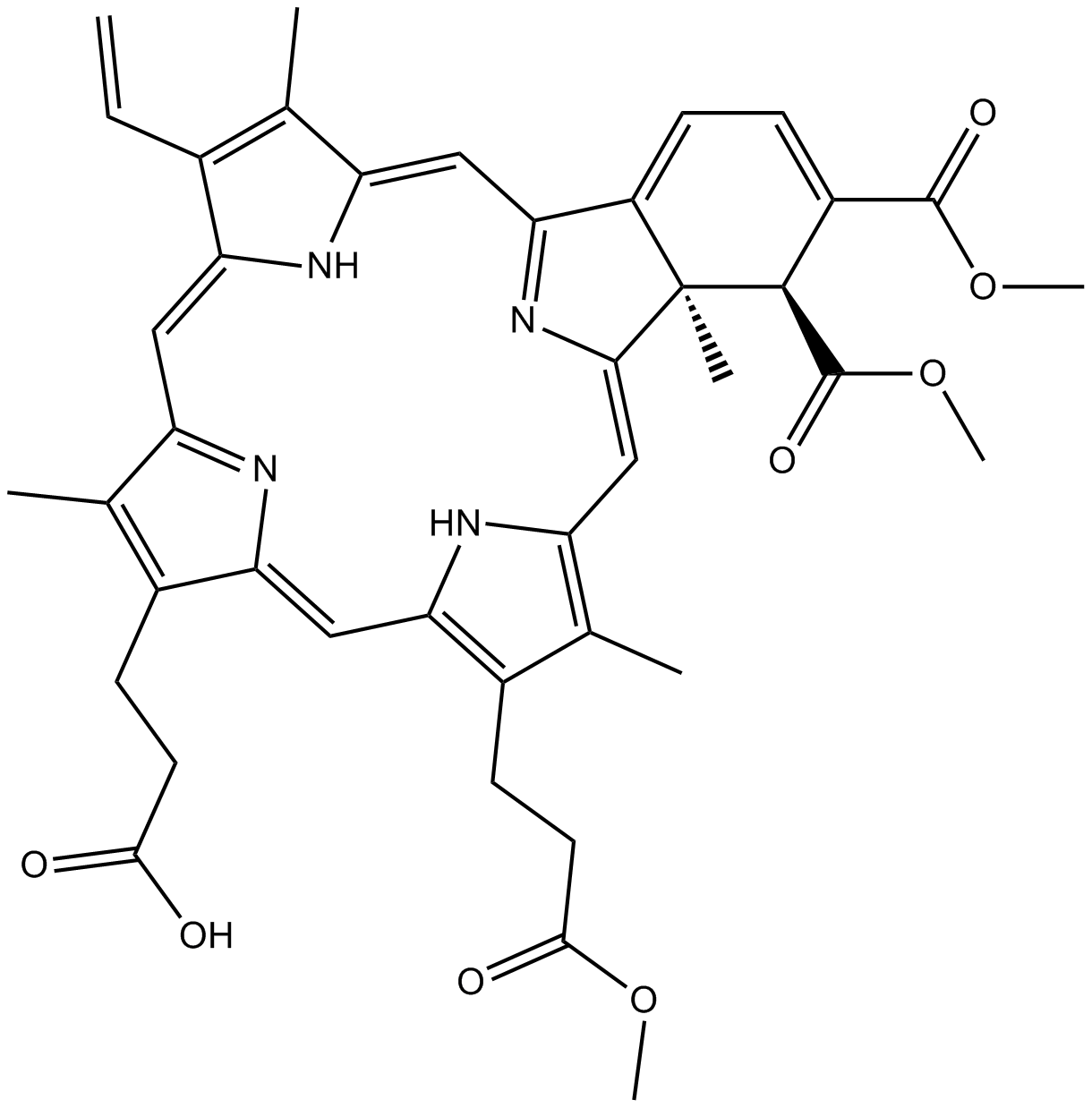 A8327 Verteporfin11 CitationTarget: YAPSummary: Photosensitizer used in photodynamic therapy
 -
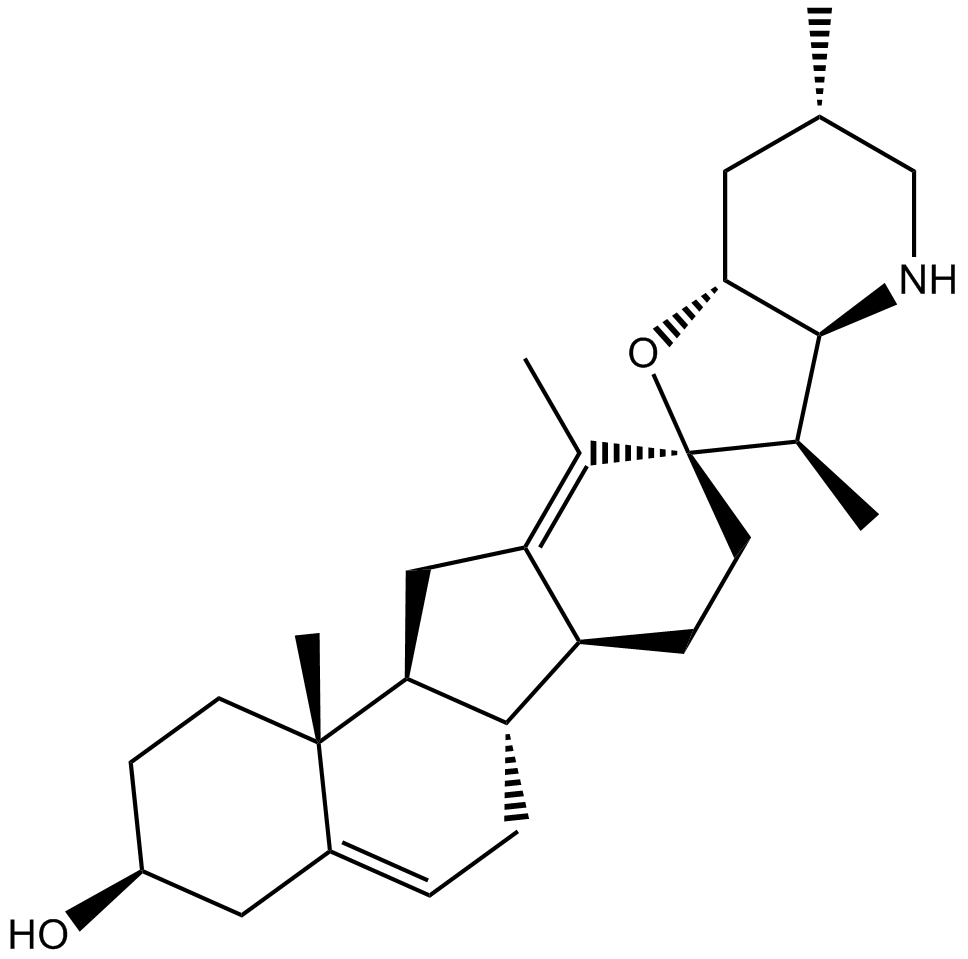 A8340 Cyclopamine8 CitationTarget: SmoothenedSummary: Hedgehog (Hh) signaling Inhibitor
 -
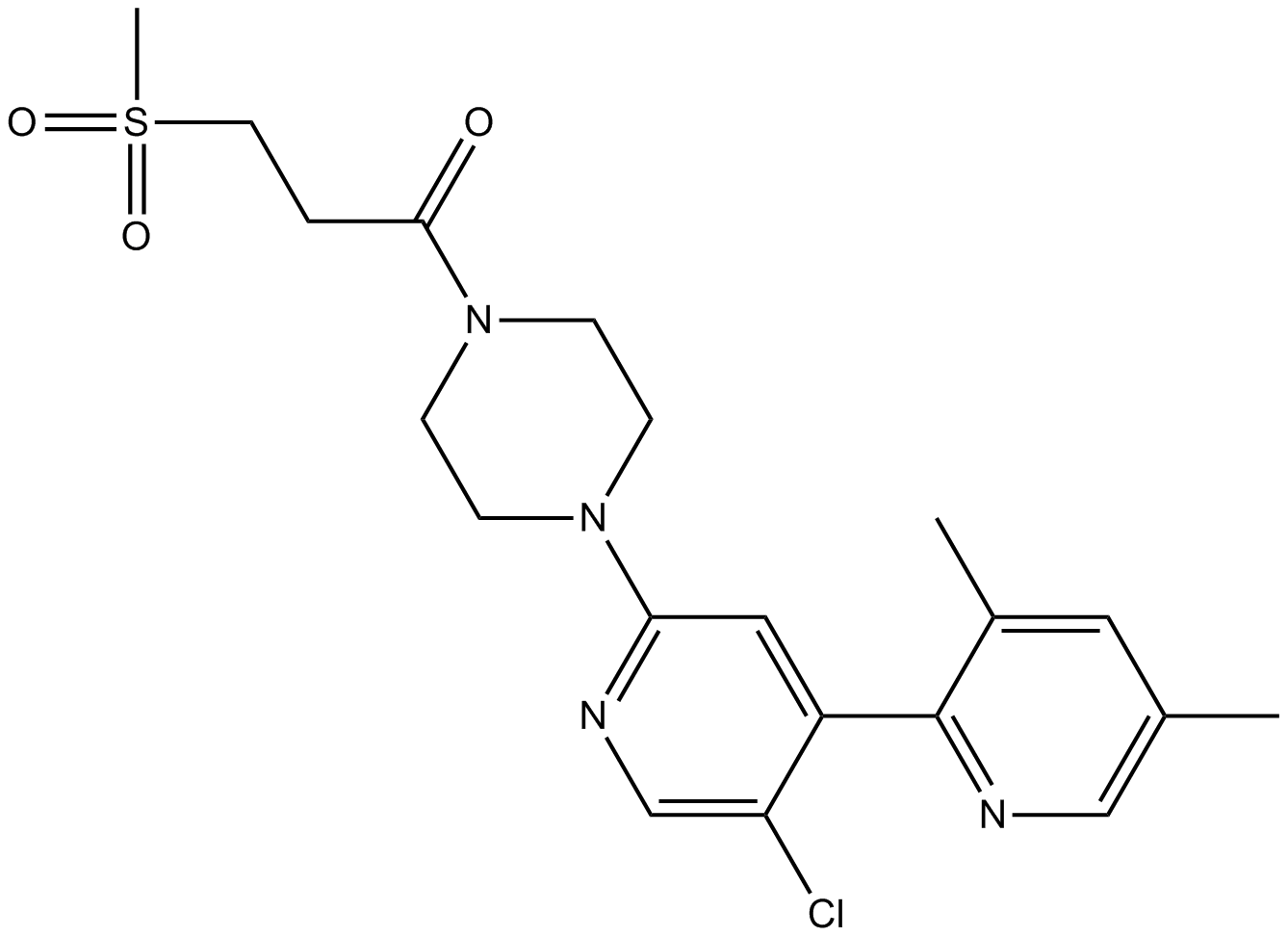 A8500 PF-5274857Summary: Smo antagonist,potent and selective