


Membrane Transporter/Ion Channel
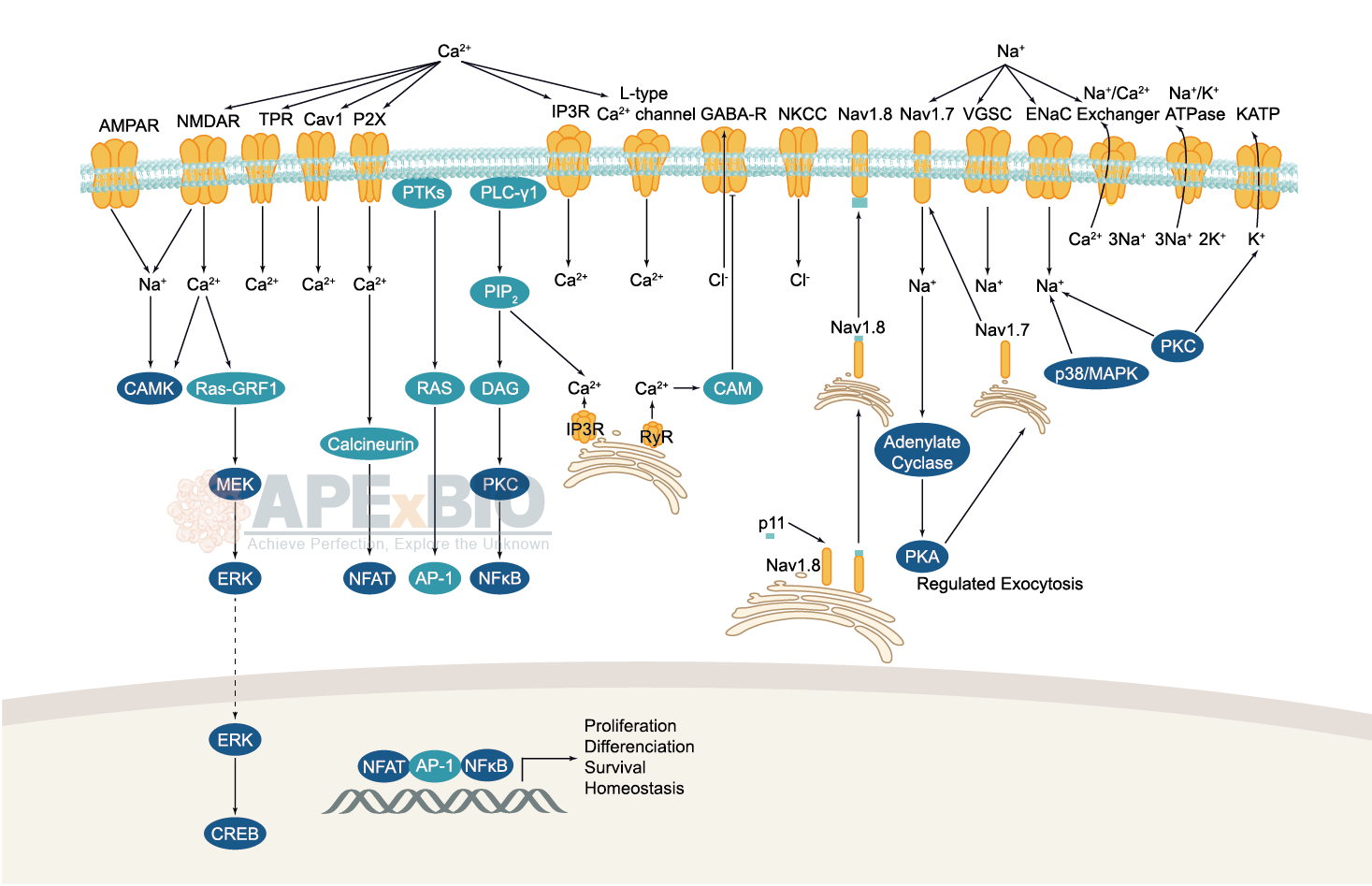
Membrane Transporters mediate the movement of ions and molecules via binding and moving the substance across the membrane. There are two main actions of transporter: facilitated diffusion (passive transport) and active transport. Membrane transporters which bind the hydrolysis of ATP to the transport of target molecules are referred to as ATPases. For instance, Na+,K+-ATPases or Na+,K+-pumps are responsible for the transport of Na+ out of and K+ into cells.
Ion channels are pore-forming membrane proteins which allow the flow of ions across the membrane. The ion channels can be broadly grouped into six families including calcium channels, chloride channels, potassium channels, sodium channels, gap junction proteins and porins. Not all ion channels are gated, such as certain type of K+ and Cl– channels, transient receptor potential superfamily of cation channels, the ryanodine receptors and the IP3 receptors, but most Na+, K+, Ca2+ and some Cl– channels are all gated by voltage. Ligand-gated channels are regulated in response to ligand binding (e.g. neurotransmitters signaling). These ligand-gated neurotransmitter receptors are known as ionotropic receptors. Various neurotransmitters couple to ionotropic receptors such as glutamate, acetylcholine, glycine, GABA, and serotonin.
-
 B6647 Cyclopiazonic acidSummary: sarcoplasmic reticulum Ca2+-ATPase inhibitor
 -
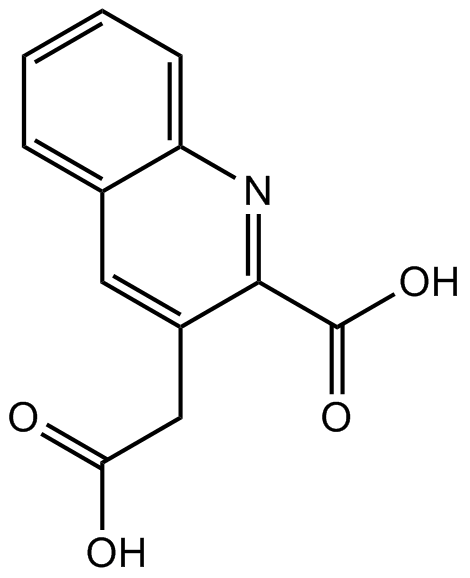 B6650 CCMQSummary: inhibits [3H]-homoquinolinic acid binding to non-NMDA sensitive sites
 -
 B6651 NF 023Summary: P2X1 receptor antagonist
 -
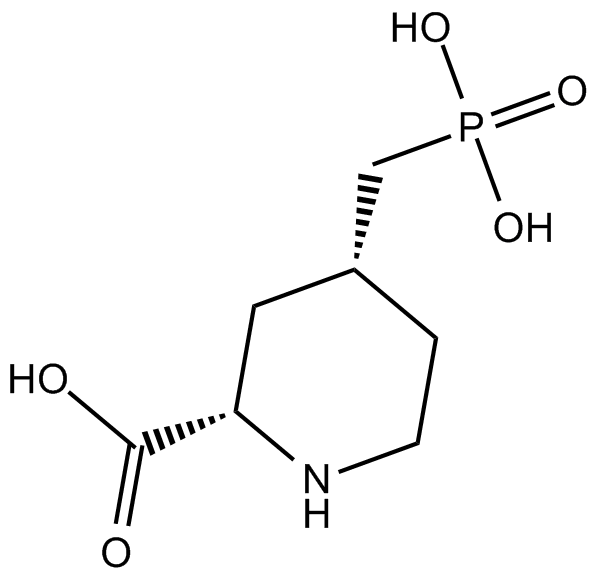 B6652 CGS 19755Summary: NMDA receptor antagonist
 -
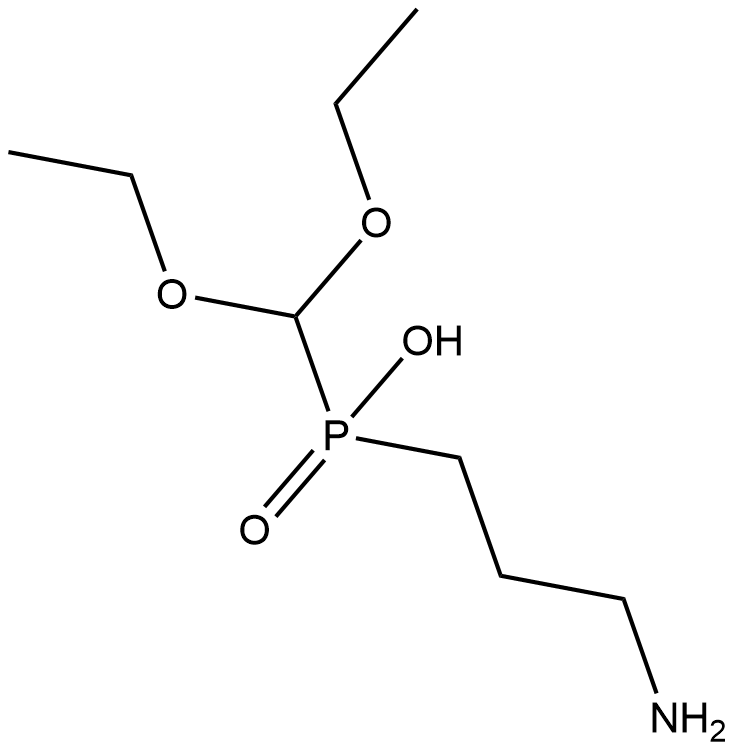 B6654 CGP 35348Summary: Selective GABAB antagonist, brain penetrant
 -
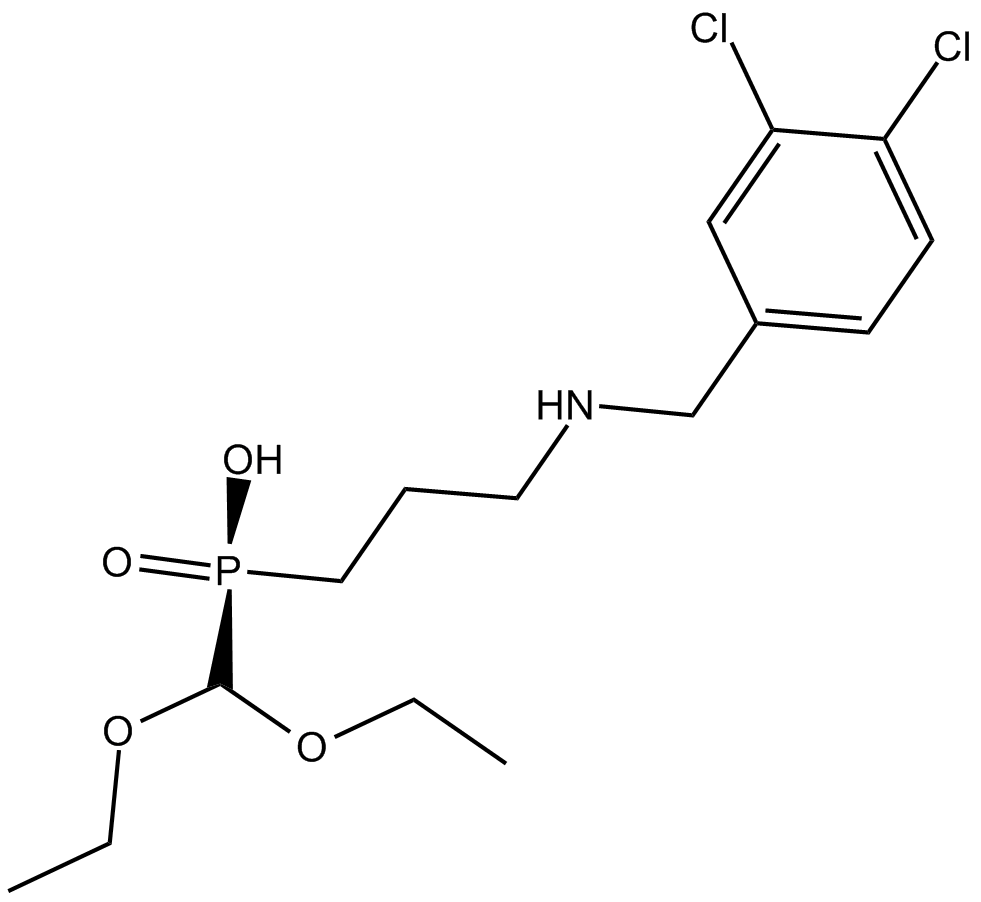 B6655 CGP 52432Summary: GABAB receptor antagonist
 -
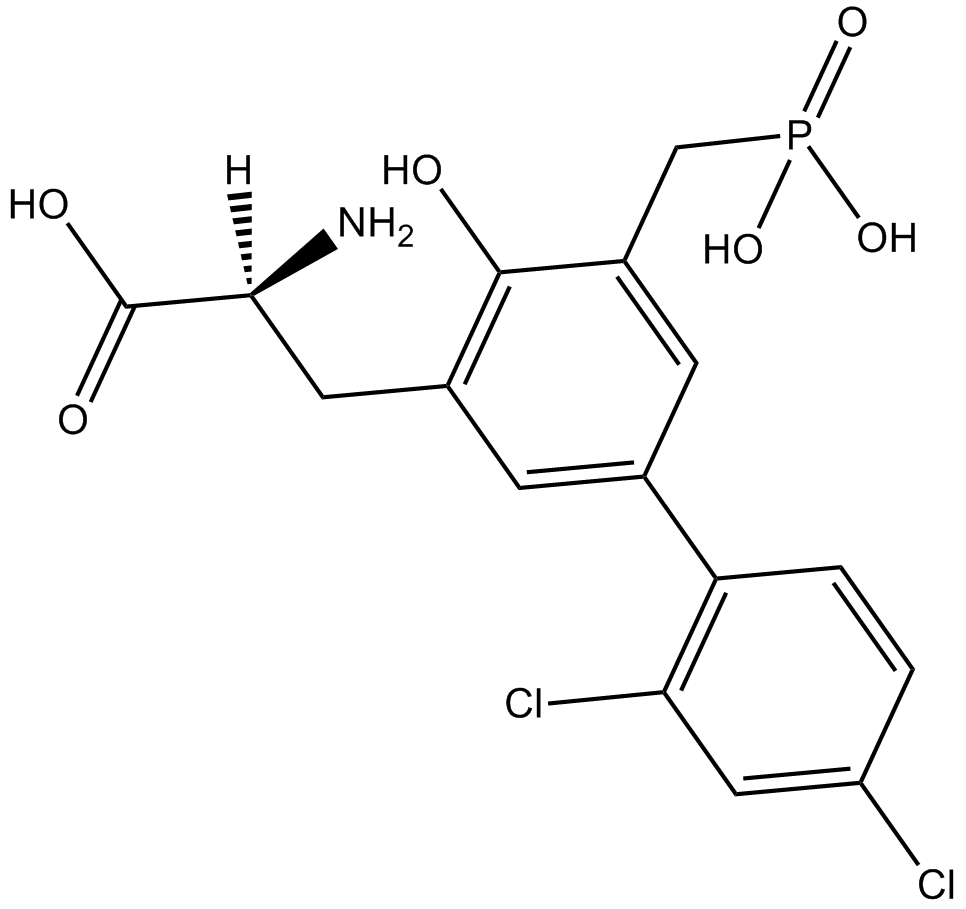 B6658 SDZ 220-040Summary: NMDA receptor antagonist
 -
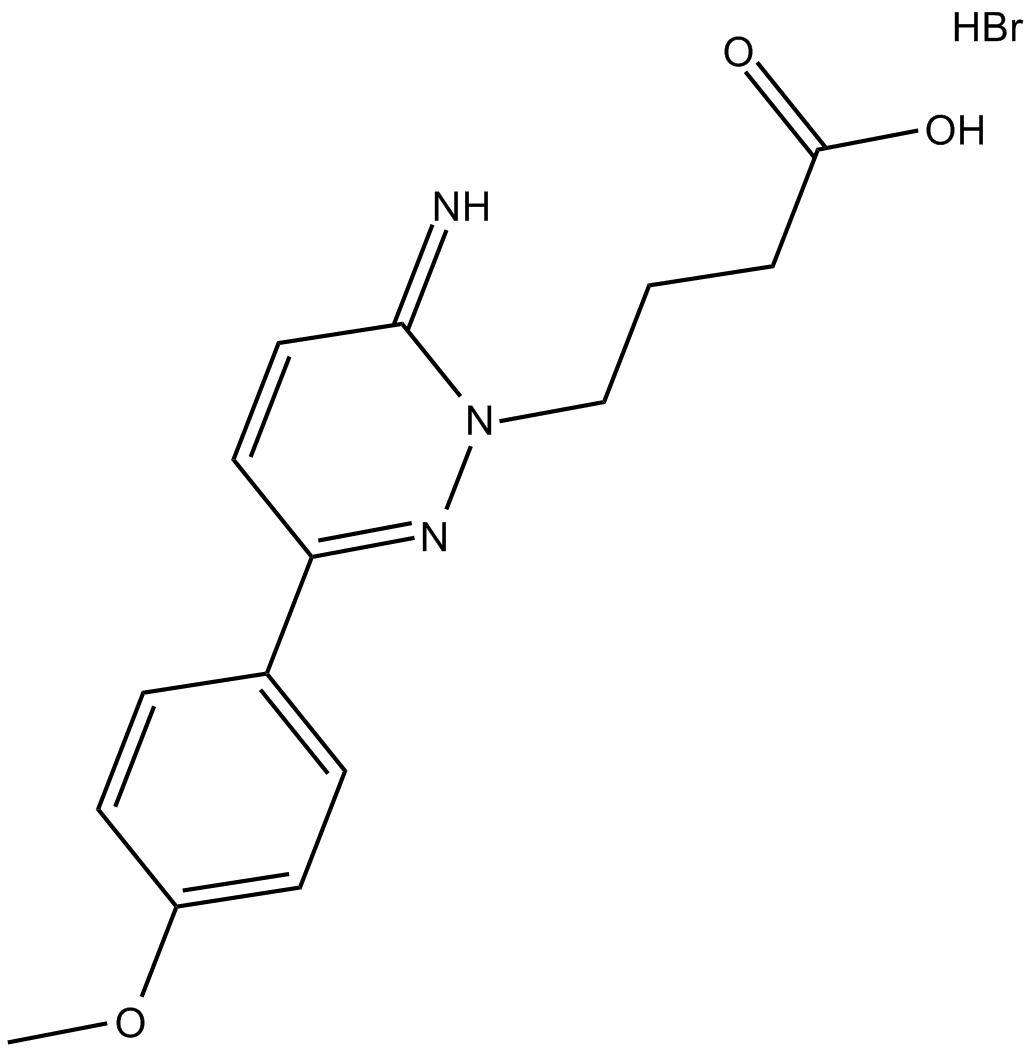 B6663 SR 95531 hydrobromideSummary: A Selective GABA_A receptor antagonist
 -
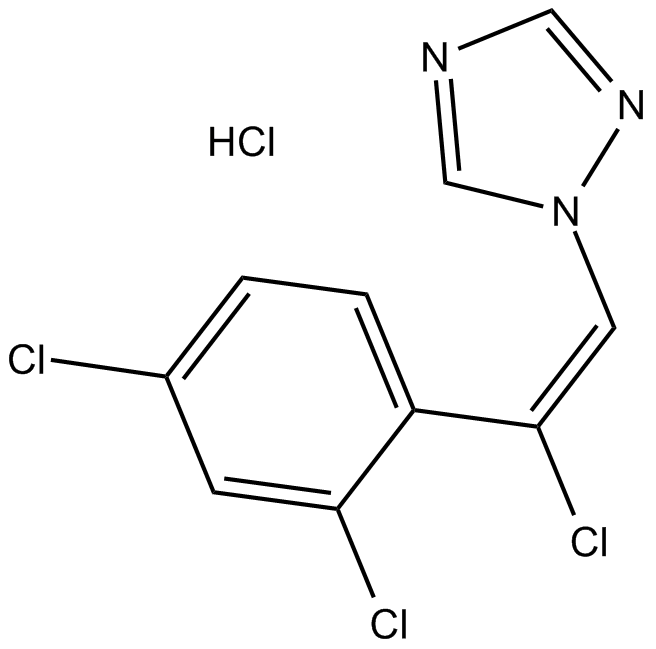 B6676 Loreclezole hydrochlorideSummary: GABAA receptor modulator
 -
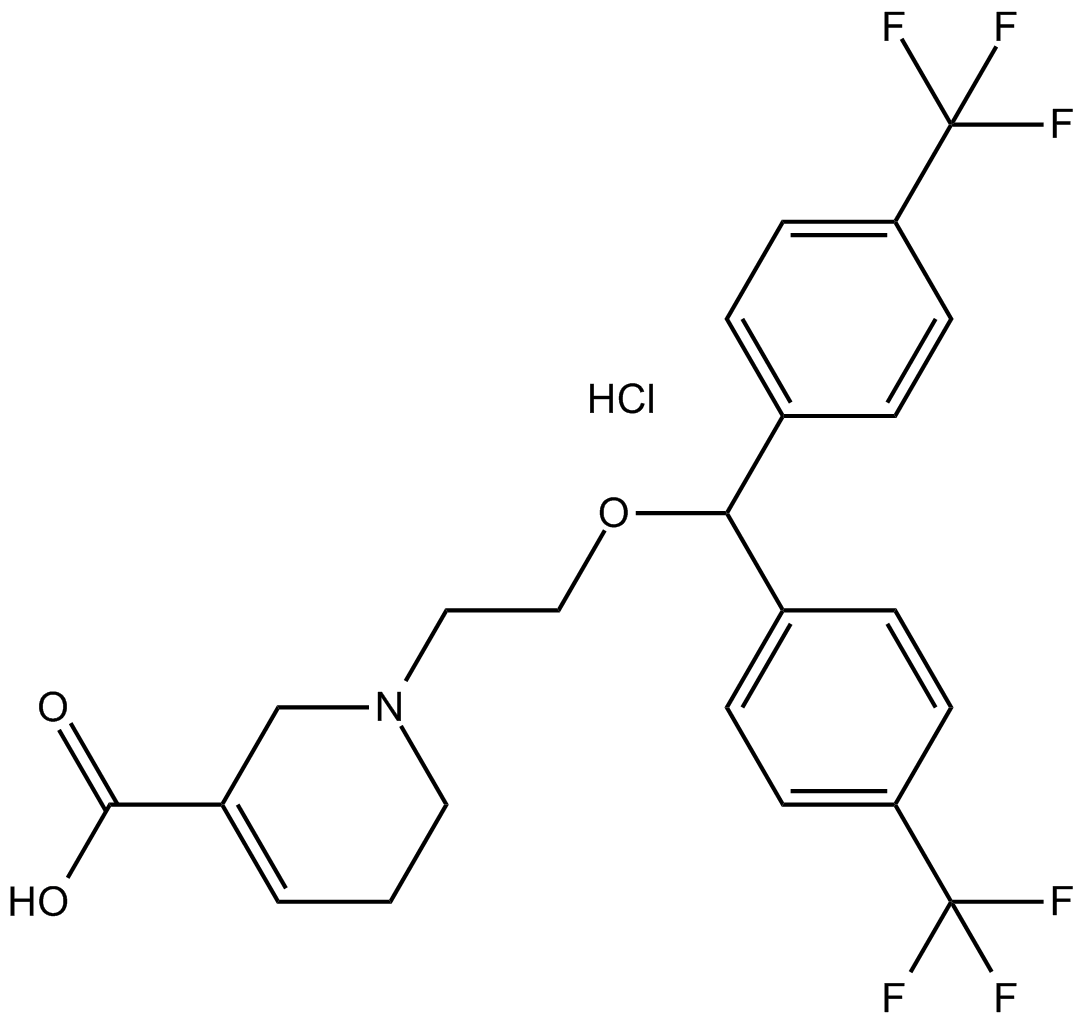 B6677 CI 966 hydrochlorideSummary: GABA transporter GAT-1 inhibitor