


Immunology/Inflammation
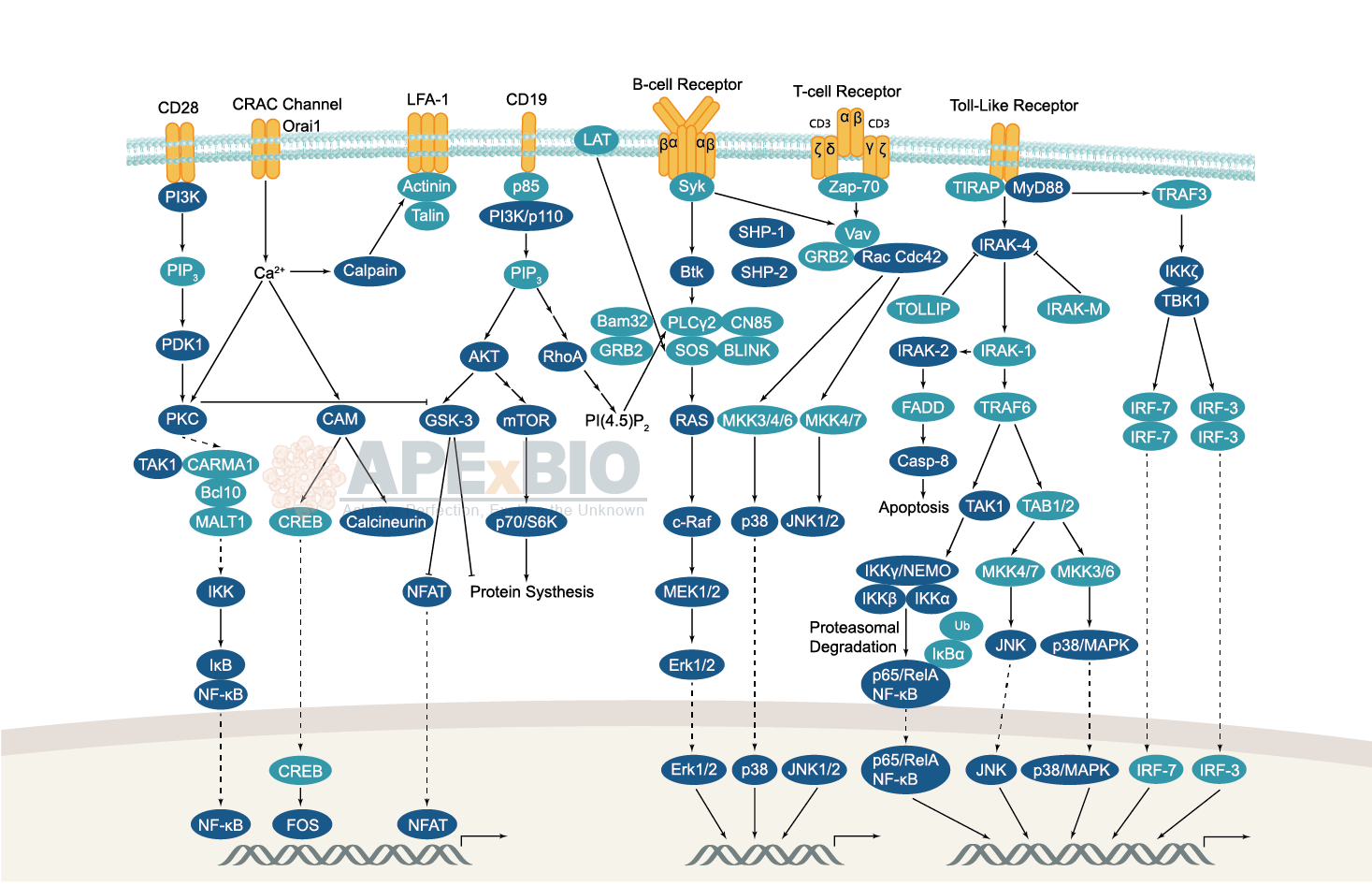
The adaptive immune system consists of B and T lymphocytes which mediate humoral immunity (e.g. antibody response) and cell-mediated immunity, respectively. B cell receptor and T cell receptor signaling is responsible for activation of Src family tyrosine kinases, such as Blk, Fyn, and Lyn in B cells and Fyn and Lck in T cells, resulting phosphorylation of the receptor-associated ITAM motifs. Phosphorylated ITAMs serve as the docking sites for Syk family tyrosine kinases, e.g. Syk in B cells and Zap-70 in T cells. Activated Syk kinases then propagate the signals via phosphorylation of downstream proteins. Furthermore, lymphocyte receptor signaling facilitates B and T cell development, differentiation, proliferation and survival.
-
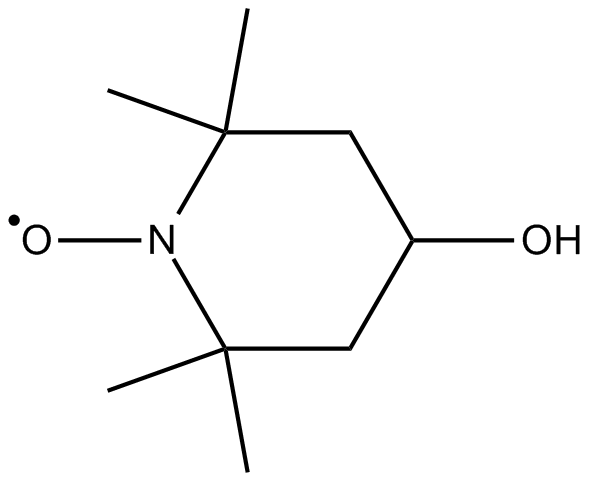 B2046 TempolSummary: superoxide scavenger
 -
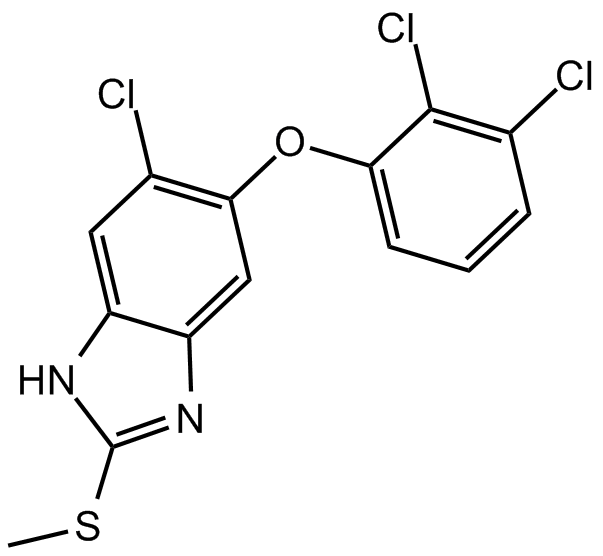 B1860 TriclabendazoleSummary: Microtubule associated inhibitor
 -
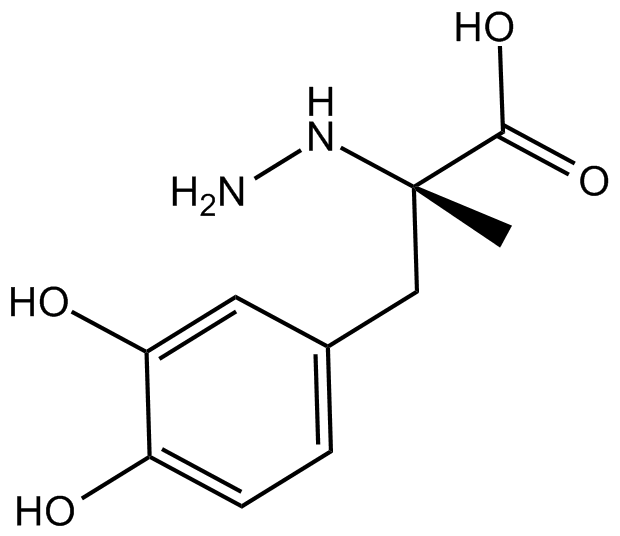 B1904 CarbidopaSummary: Decarboxylase inhibitor
 -
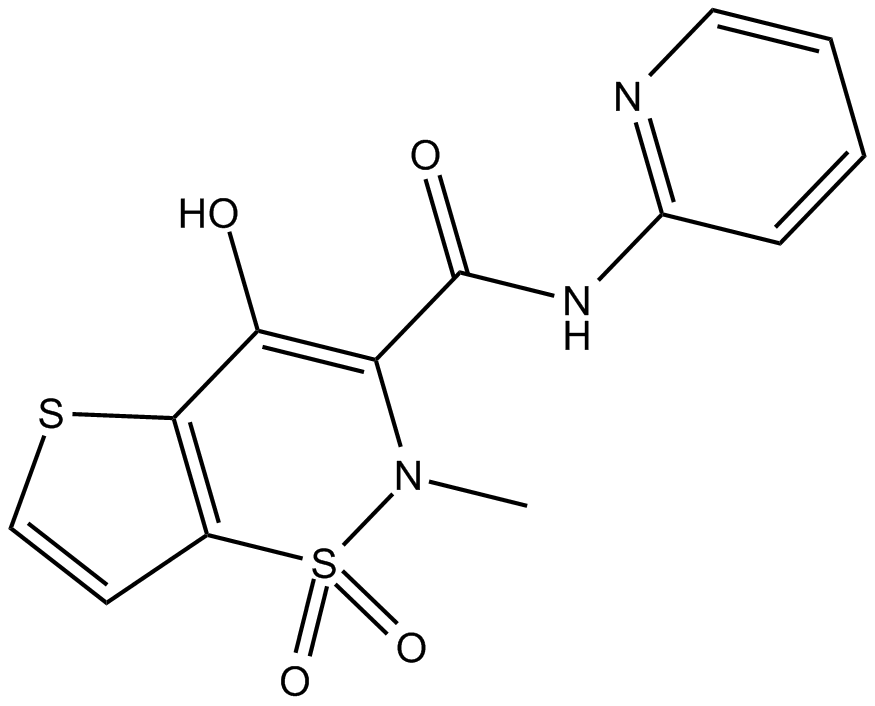 B1849 TenoxicamSummary: antiinflammatory agent
 -
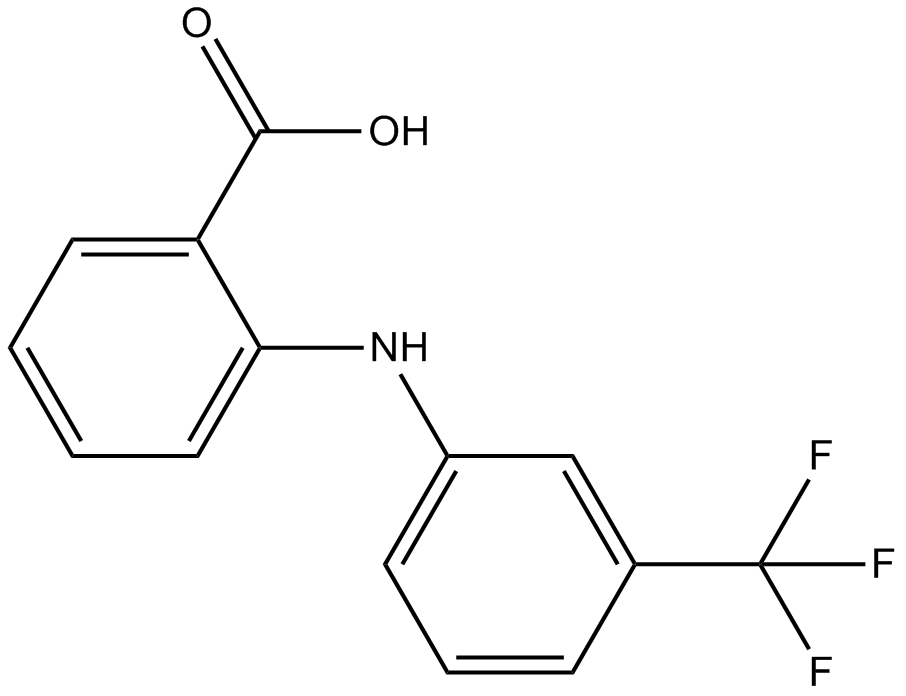 B1760 Flufenamic acidSummary: TRPC activator
 -
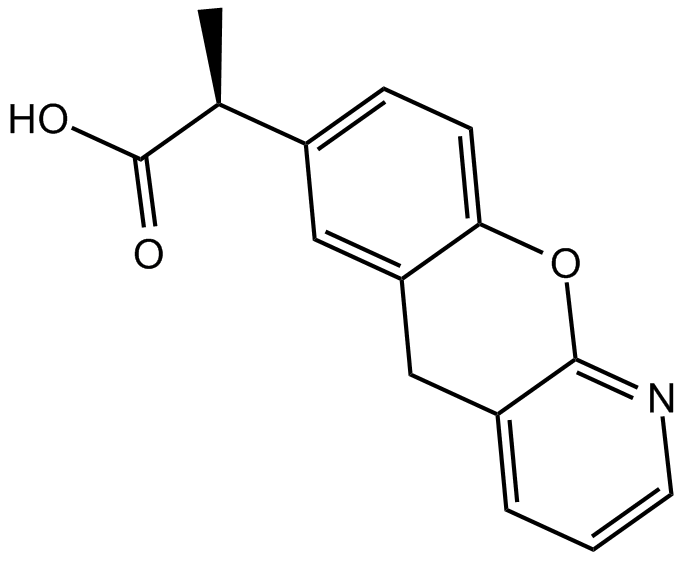 B2010 PranoprofenSummary: non-steroidal COX inhibitor
 -
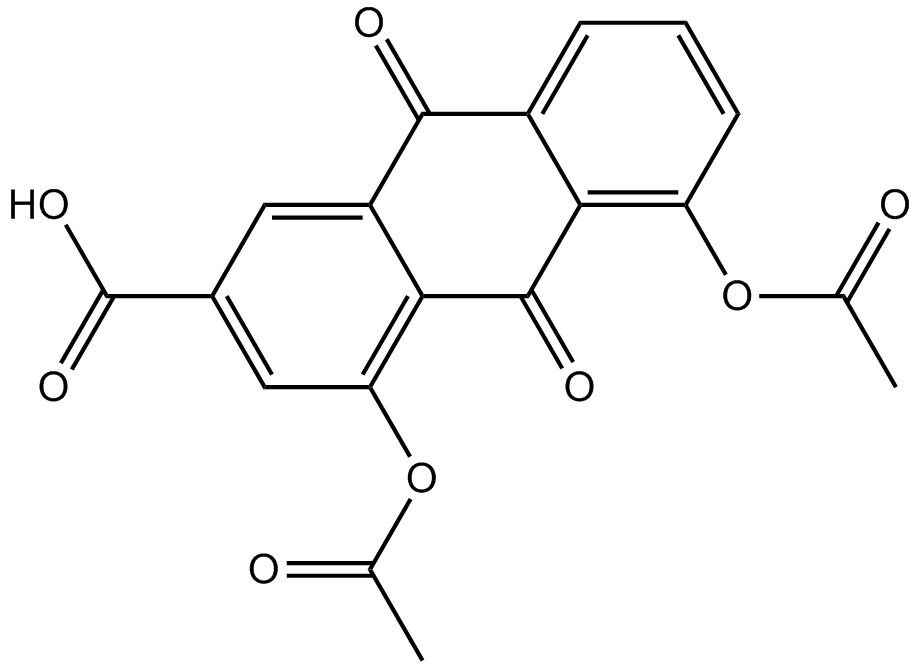 B1726 DiacereinSummary: IL-1β receptor inhibitor
 -
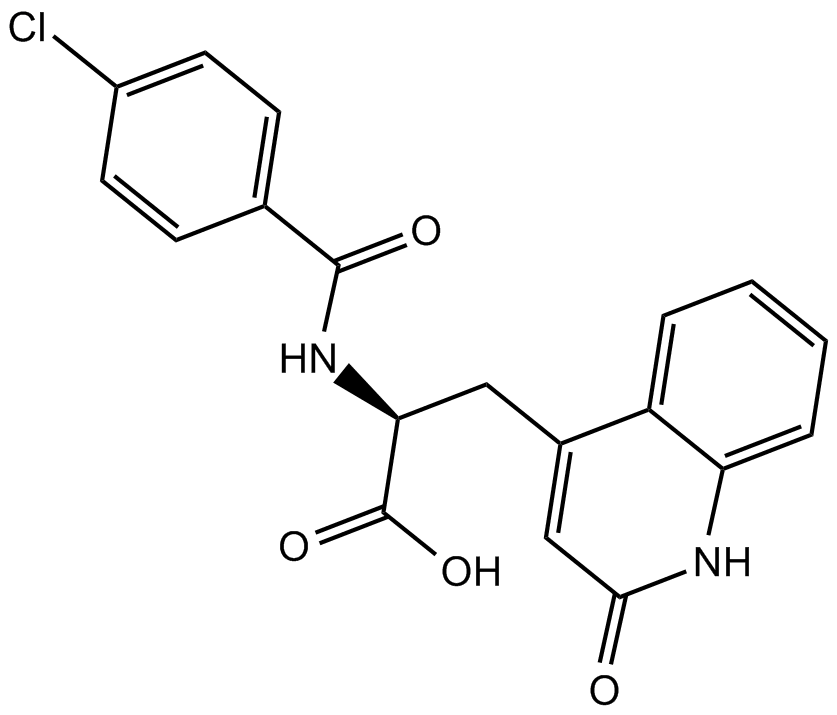 B2018 RebamipideSummary: cholecystokinin type 1 (CCK1) receptor inhibitor
 -
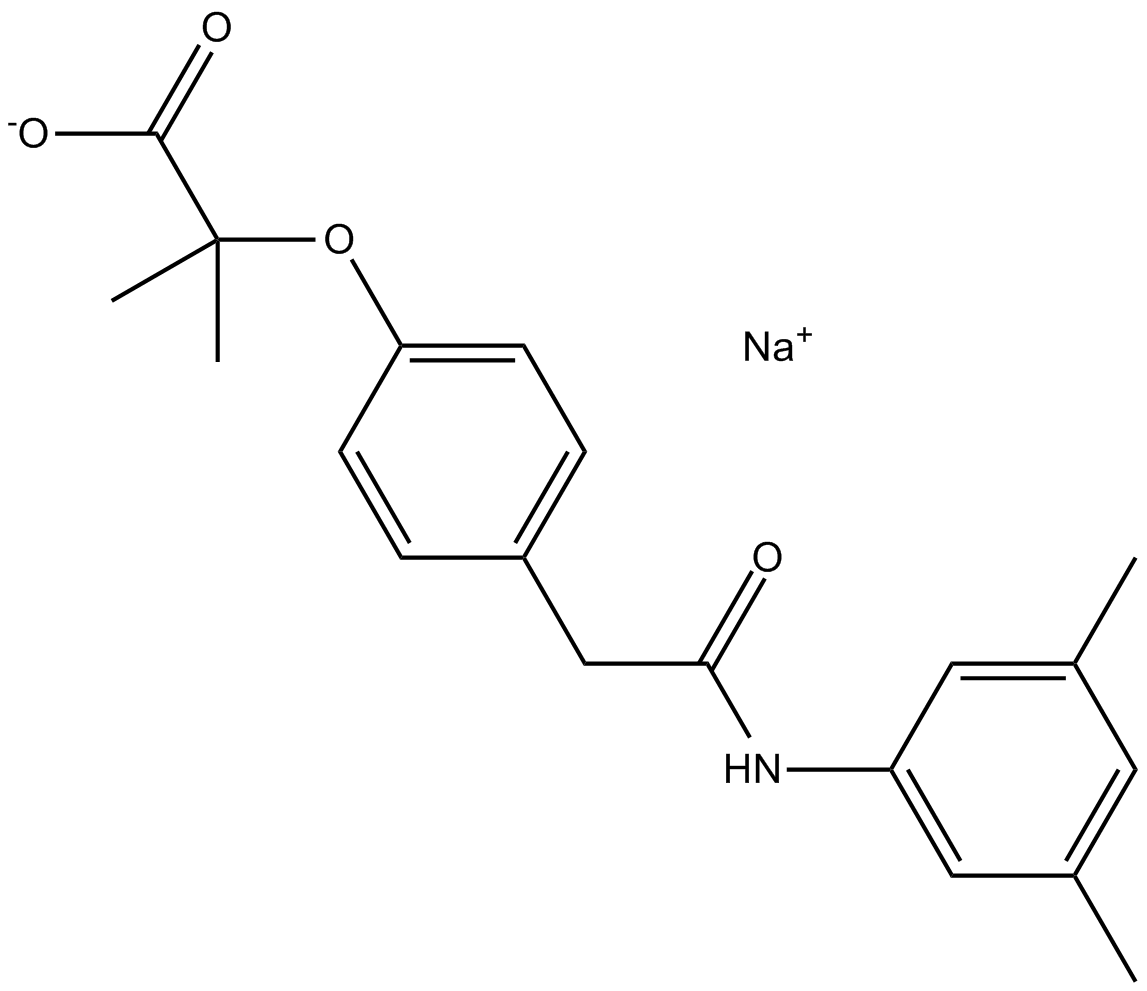 B1741 Efaproxiral SodiumSummary: Synthetic allosteric modifier of hemoglobin
 -
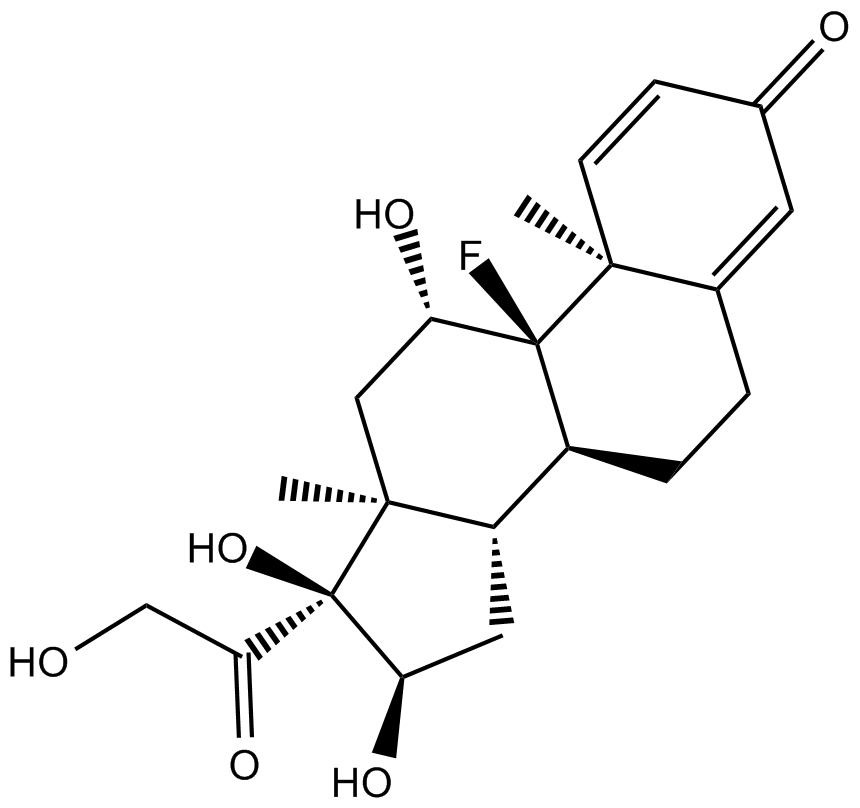 B1859 Triamcinolone1 CitationSummary: synthetic glucocorticoid agonist