


Immunology/Inflammation
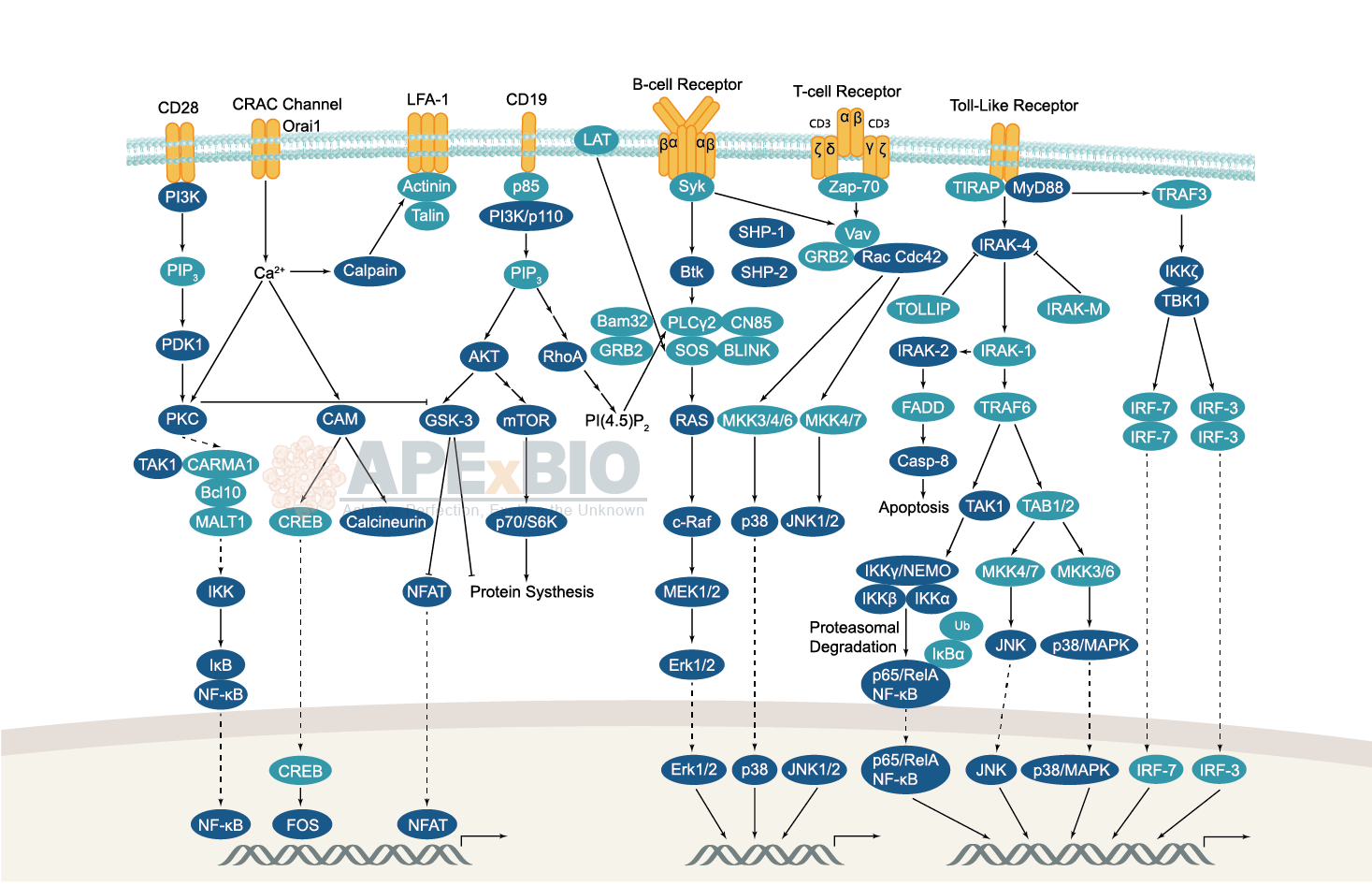
The adaptive immune system consists of B and T lymphocytes which mediate humoral immunity (e.g. antibody response) and cell-mediated immunity, respectively. B cell receptor and T cell receptor signaling is responsible for activation of Src family tyrosine kinases, such as Blk, Fyn, and Lyn in B cells and Fyn and Lck in T cells, resulting phosphorylation of the receptor-associated ITAM motifs. Phosphorylated ITAMs serve as the docking sites for Syk family tyrosine kinases, e.g. Syk in B cells and Zap-70 in T cells. Activated Syk kinases then propagate the signals via phosphorylation of downstream proteins. Furthermore, lymphocyte receptor signaling facilitates B and T cell development, differentiation, proliferation and survival.
-
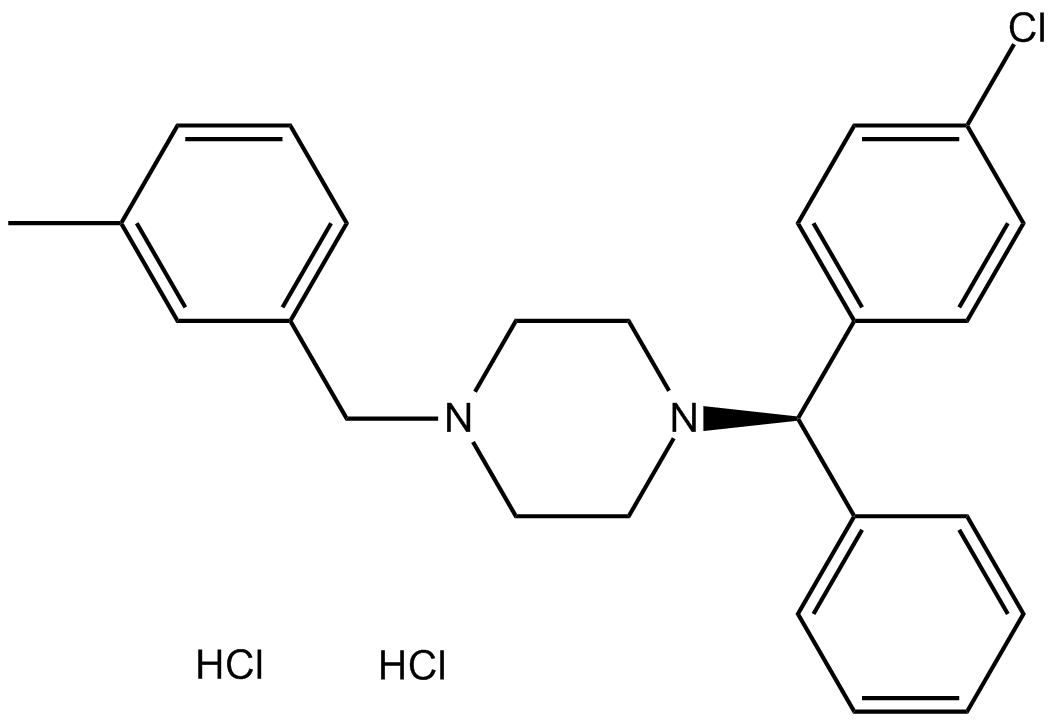 B1786 Meclizine 2HCl4 CitationSummary: Histamine H1 receptor antagonist
 -
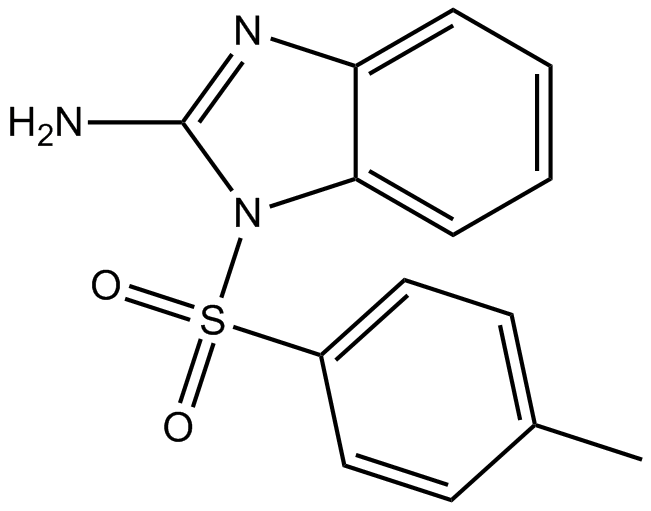 B1646 ML130 (Nodinitib-1)Target: NOD1Summary: Potent and selective inhibitor of NOD1
 -
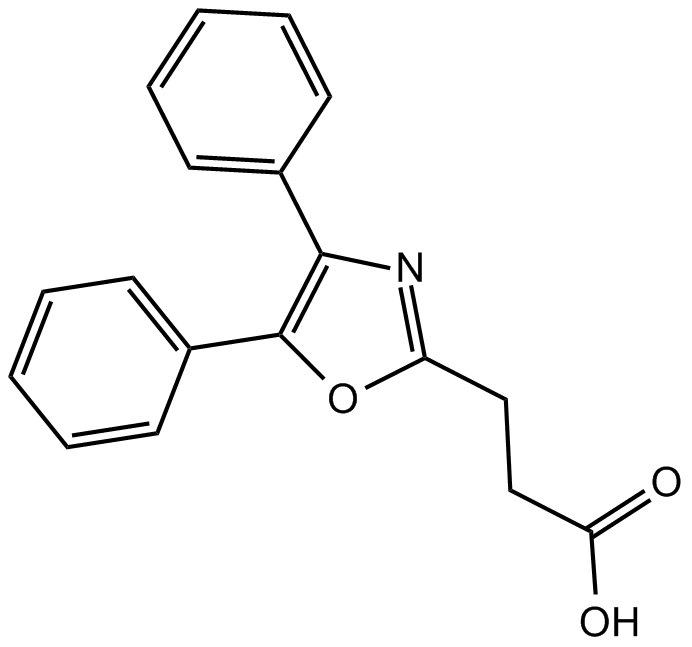 B1804 OxaprozinSummary: COX inhibitor
 -
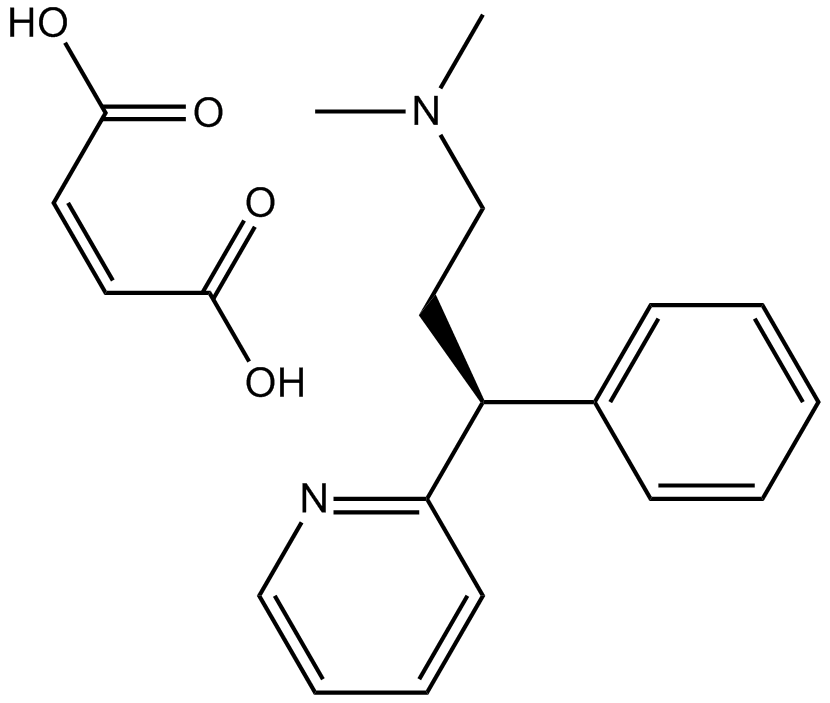 B1814 Pheniramine MaleateSummary: Histamine receptor antagonist
 -
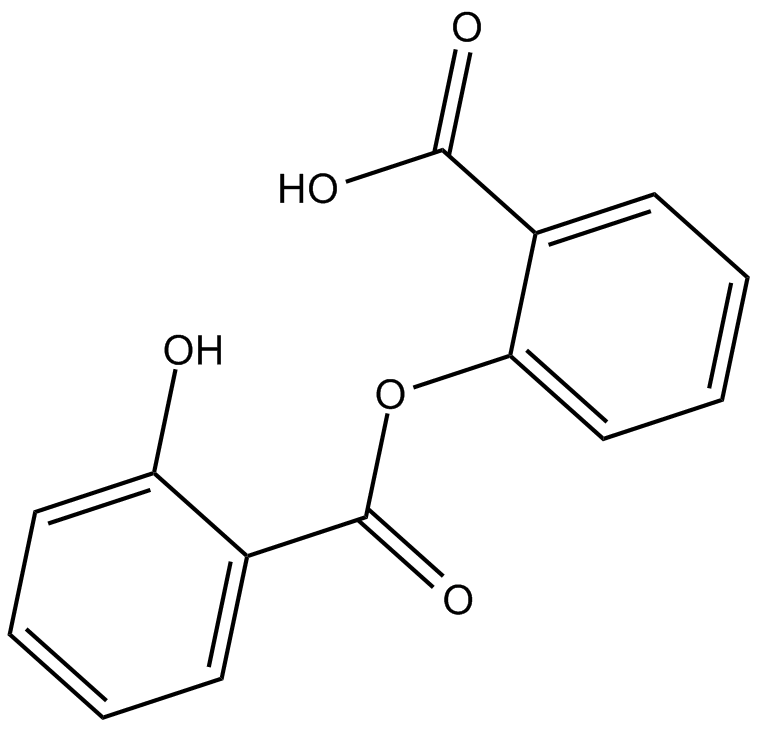 B1829 SasapyrineSummary: Nonsteroidal oral anti-inflammatory agent
 -
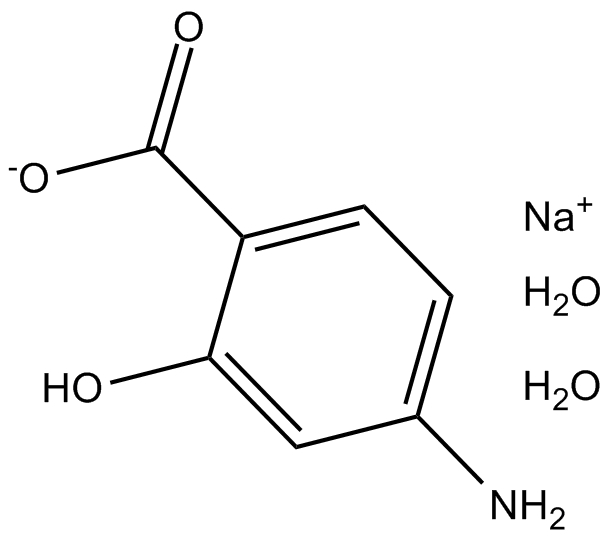 B1643 Sodium 4-AminosalicylateSummary: NF-κB inhibitor
 -
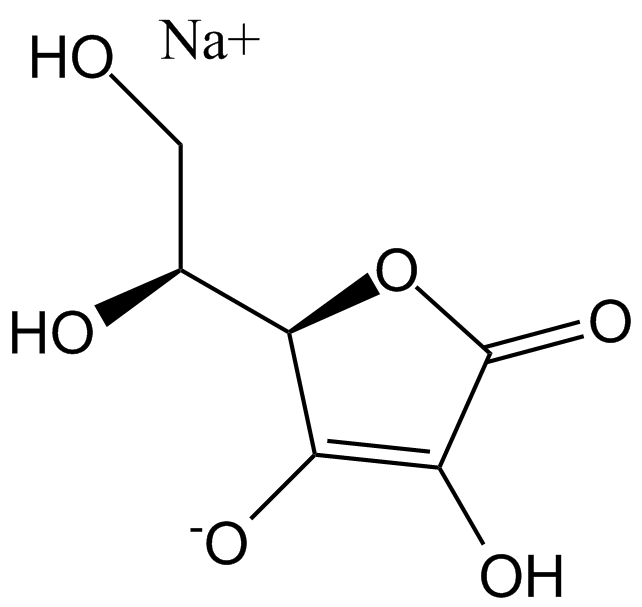 B1834 Sodium ascorbate1 CitationSummary: mineral salts of ascorbic acid
 -
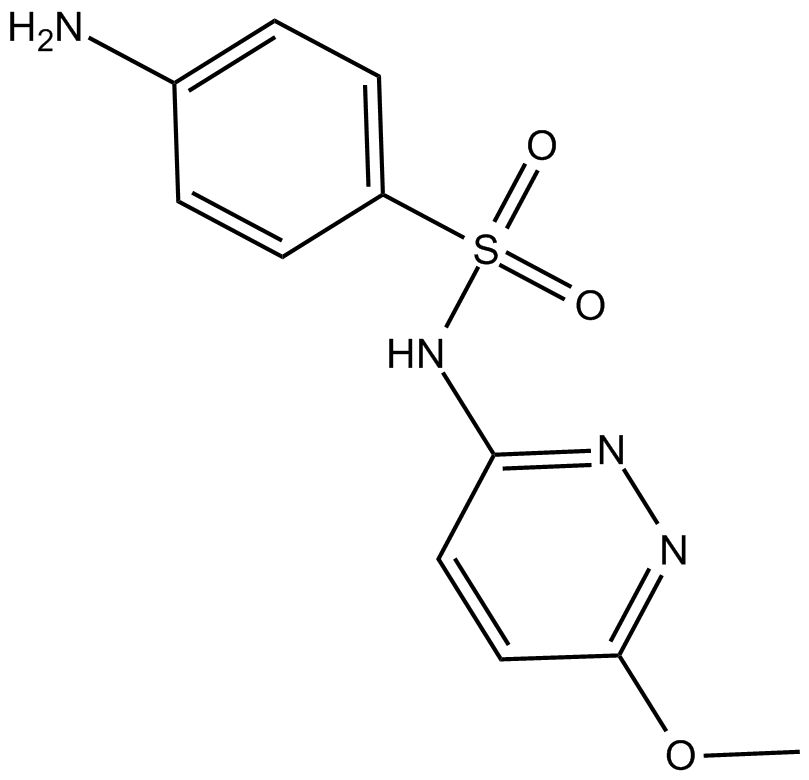 B1843 SulfamethoxypyridazineSummary: long-acting sulfonamide antibiotic
 -
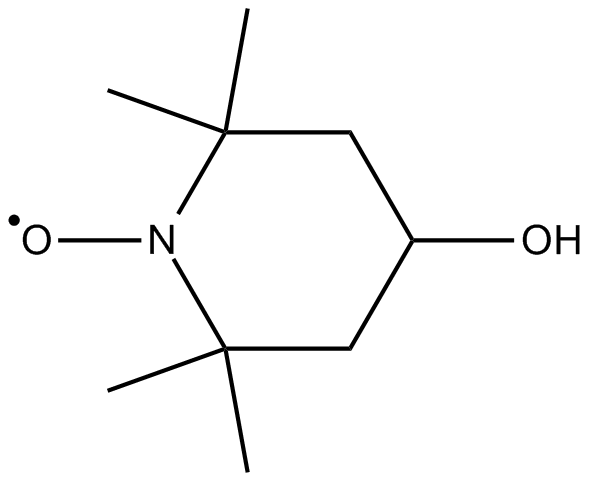 B2046 TempolSummary: superoxide scavenger
 -
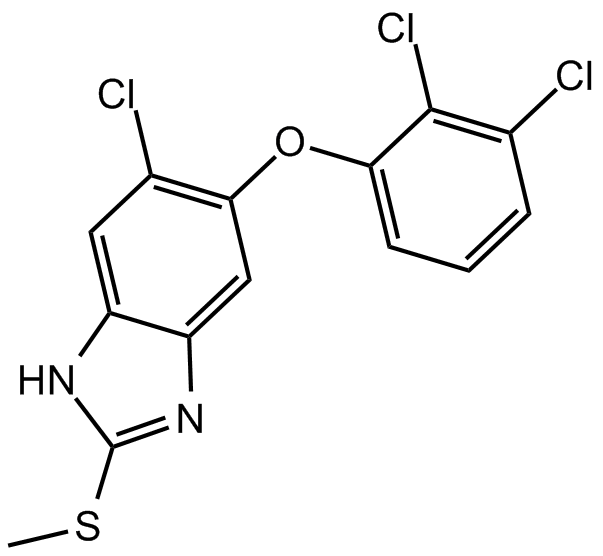 B1860 TriclabendazoleSummary: Microtubule associated inhibitor