


DNA Damage/DNA Repair
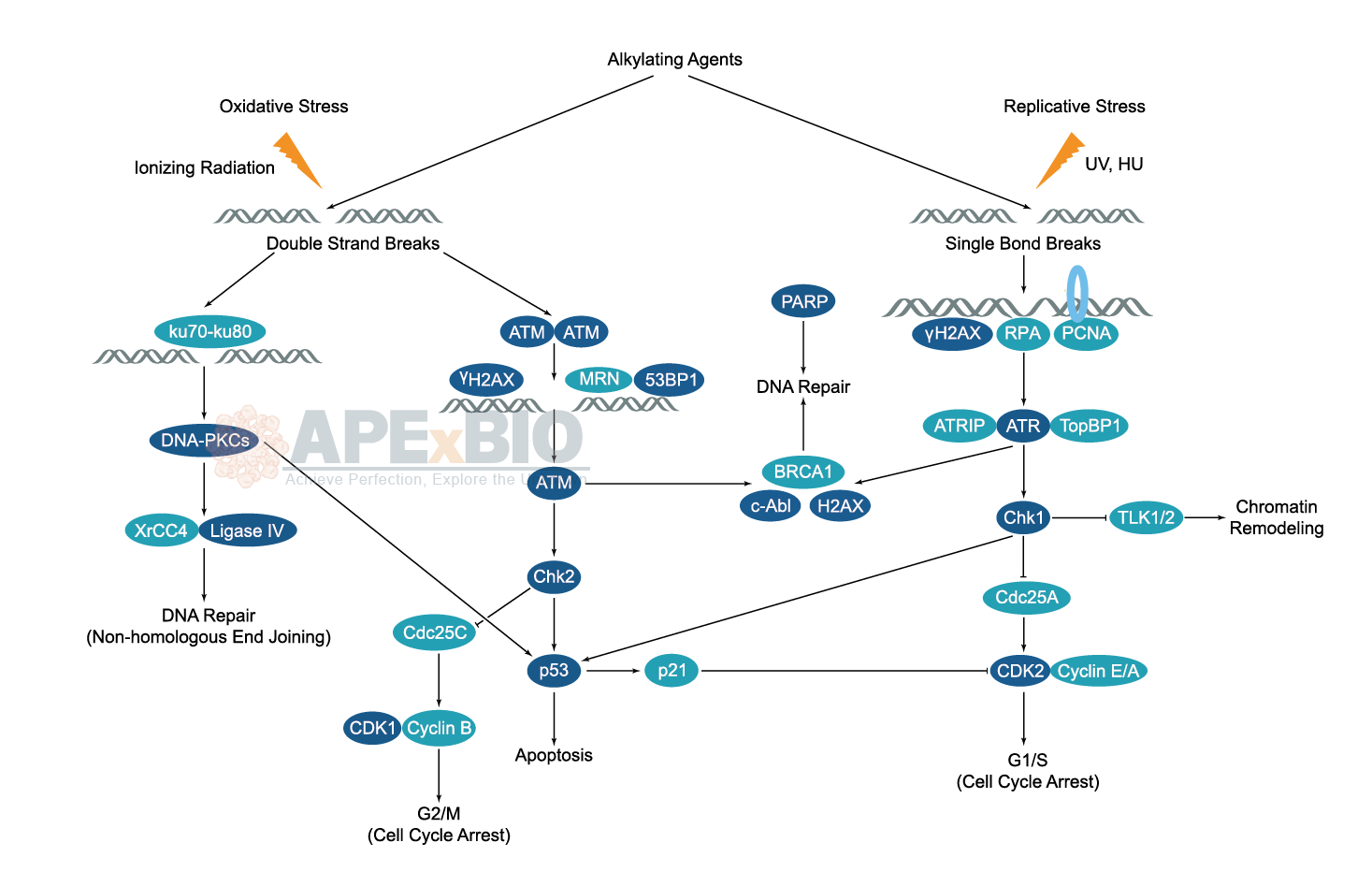
The DNA in a human cell receives tens of thousands of damages per day due to both external (exogenous) and internal (endogenous) stress. The exogenous damages are caused by chemical contamination, UV light, ionizing radiation and alkylation/methylation etc, while the endogenous damages are coming from oxidation, alkylation and hydrolysis of bases etc. Since single strand and double strand breaks of DNA will occur after the damage, unrepaired DNA damage leads to cell senescent, apoptosis and malignancies etc. To overcome this threat, cell has developed DNA damage response, to detect DNA damage and mediate its repair.
DNA repair involves multiple mechanisms such as mismatch, base excision, and nucleotide excision repair etc. A group of proteins and pathways are participated in those processes. ATM/ATR kinases and DNA-PK are crucial for the detection of the DNA damage. Chromatin remodelers regulate chromatin accessibility for the DNA repair factors to function. RPA, Rad51 and the fanconi anemia proteins act directly on repairing the DNA damage. p53 network, the RAS GTPase superfamily, and the ubiquitin system also play important part in the DNA damage response. Aberrant DNA damage response is linked to aging, cancer and immune diseases.
-
 B1039 LY2334737Summary: Anticancer agent
-
 C3176 5-Chloro-2'-deoxyuridineSummary: thymidine analog used as mutagens, clastogens, and antiviral compounds
-
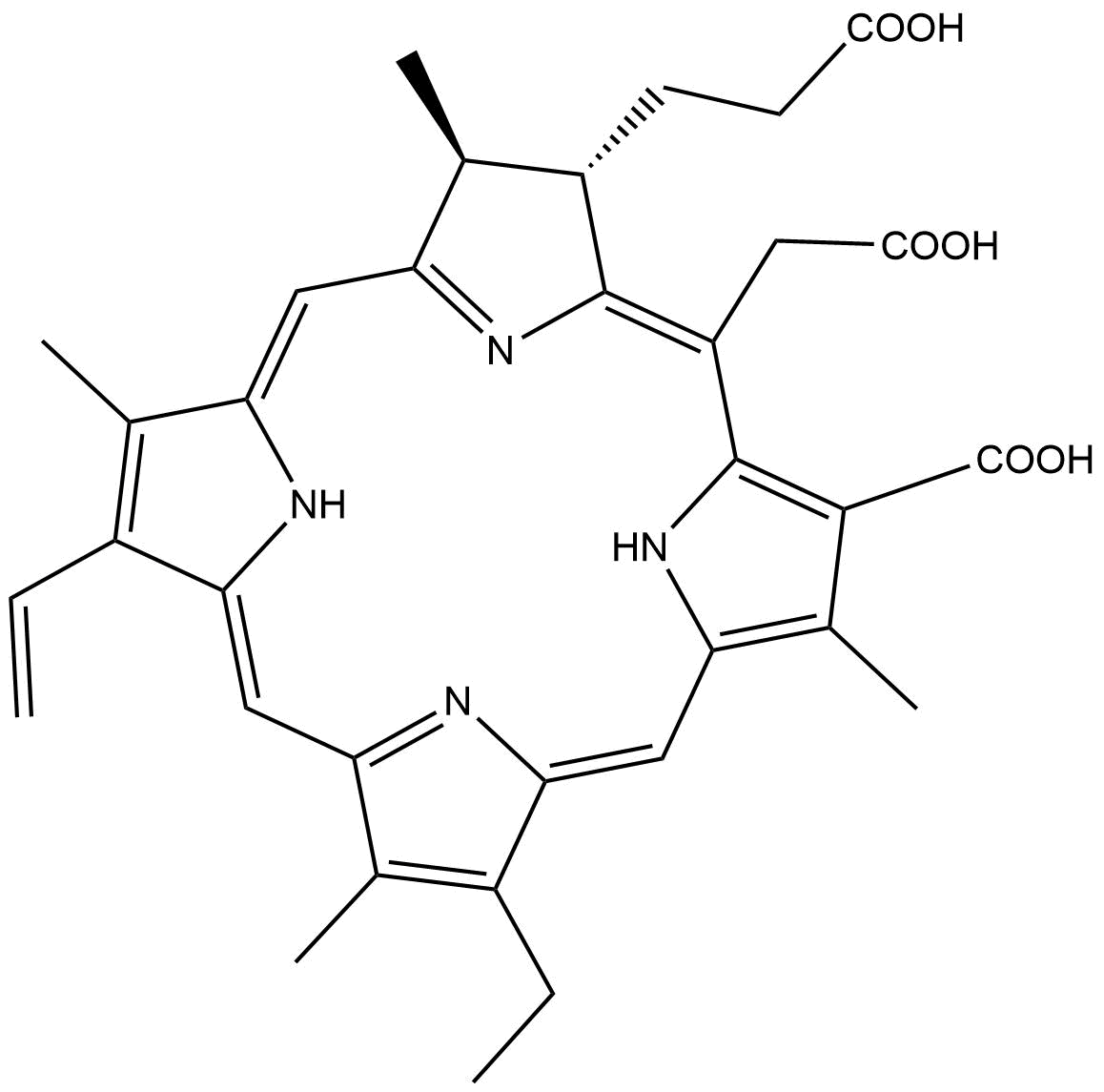 B8314 Chlorin e61 CitationSummary: A photosensitizer with antibacterial efficacy and anticancer activity
-
 A7912 Fmoc-Leu-OH
-
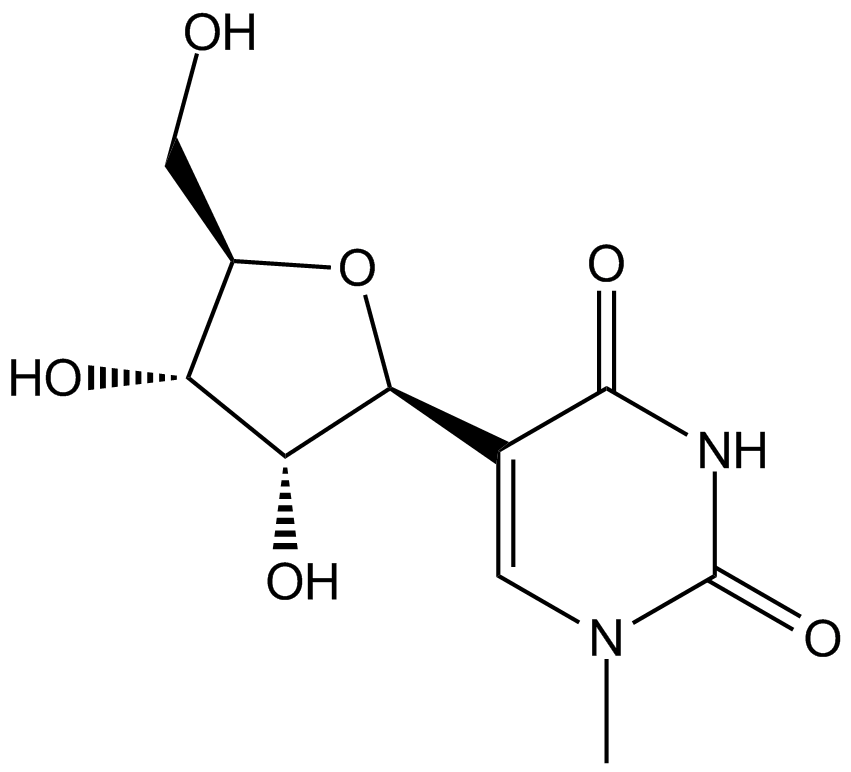 B8340 N1-MethylpseudouridineSummary: A modified nucleoside used for enhancing mRNA translation
-
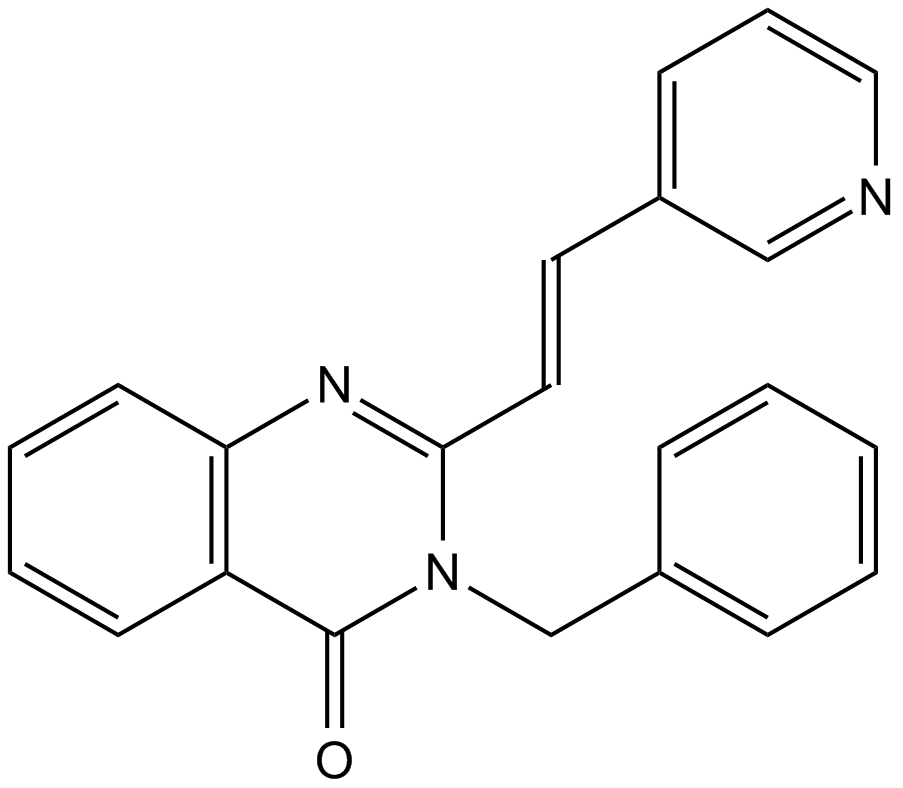 B8396 RAD51 Inhibitor B021 CitationSummary: An inhibitor that suppresses human RAD51 activity and enhances the antitumor effect of cisplatin
-
 C6454 N-Ethylmaleimide (NEM)Summary: A thiol reagent and enzyme inhibitor for alkylating cysteine residues
-
 C6469 Ademetionine disulfate tosylateSummary: An orally active methyl donor with antidepressant and antitumor potential
-
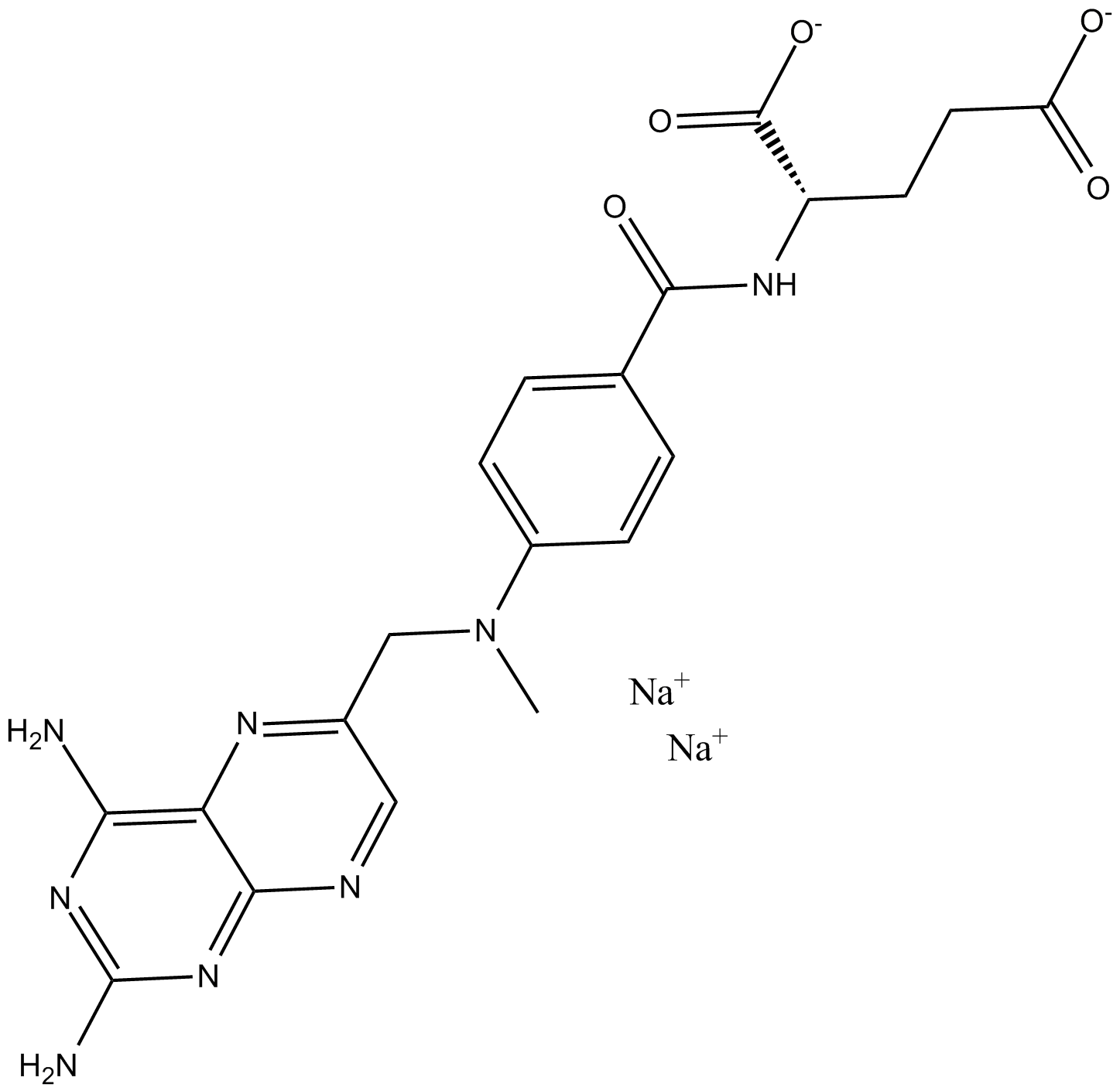 C6503 Methotrexate disodiumSummary: An antimetabolite, antifolate DHFR inhibitor with immunosuppressive and antitumor activity
-
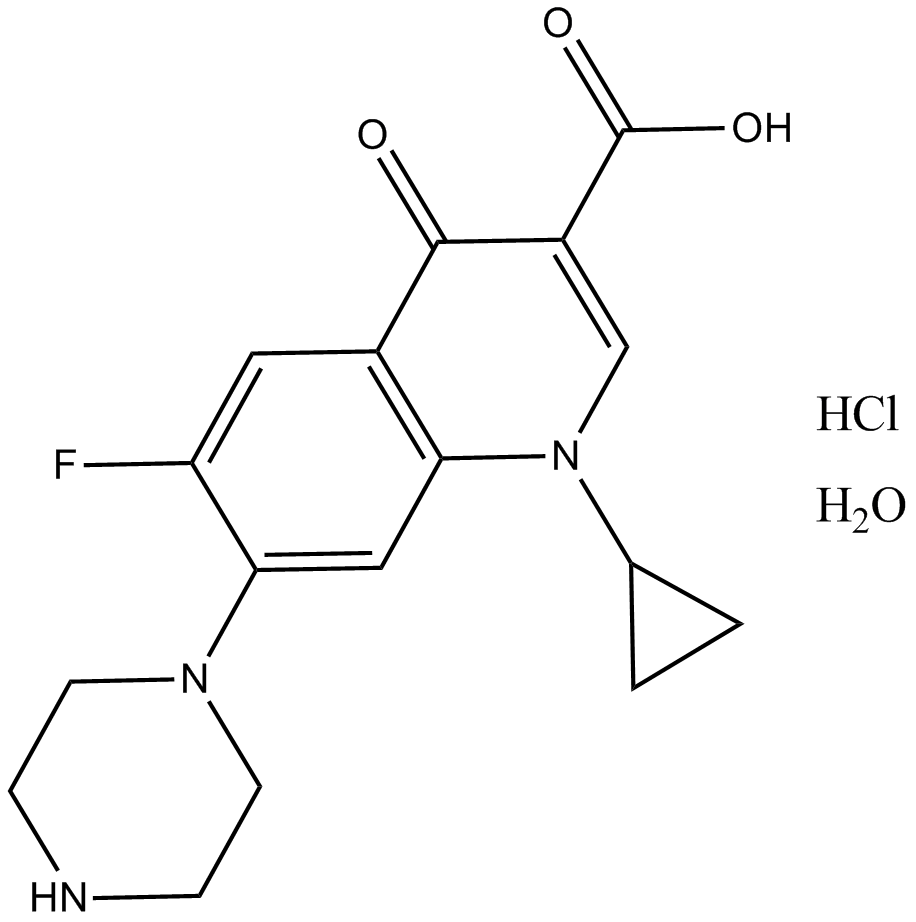 C6510 Ciprofloxacin hydrochloride hydrateSummary: A fluoroquinolone topoisomerase inhibitor that induces DNA damage and apoptosis