


Chromatin/Epigenetics
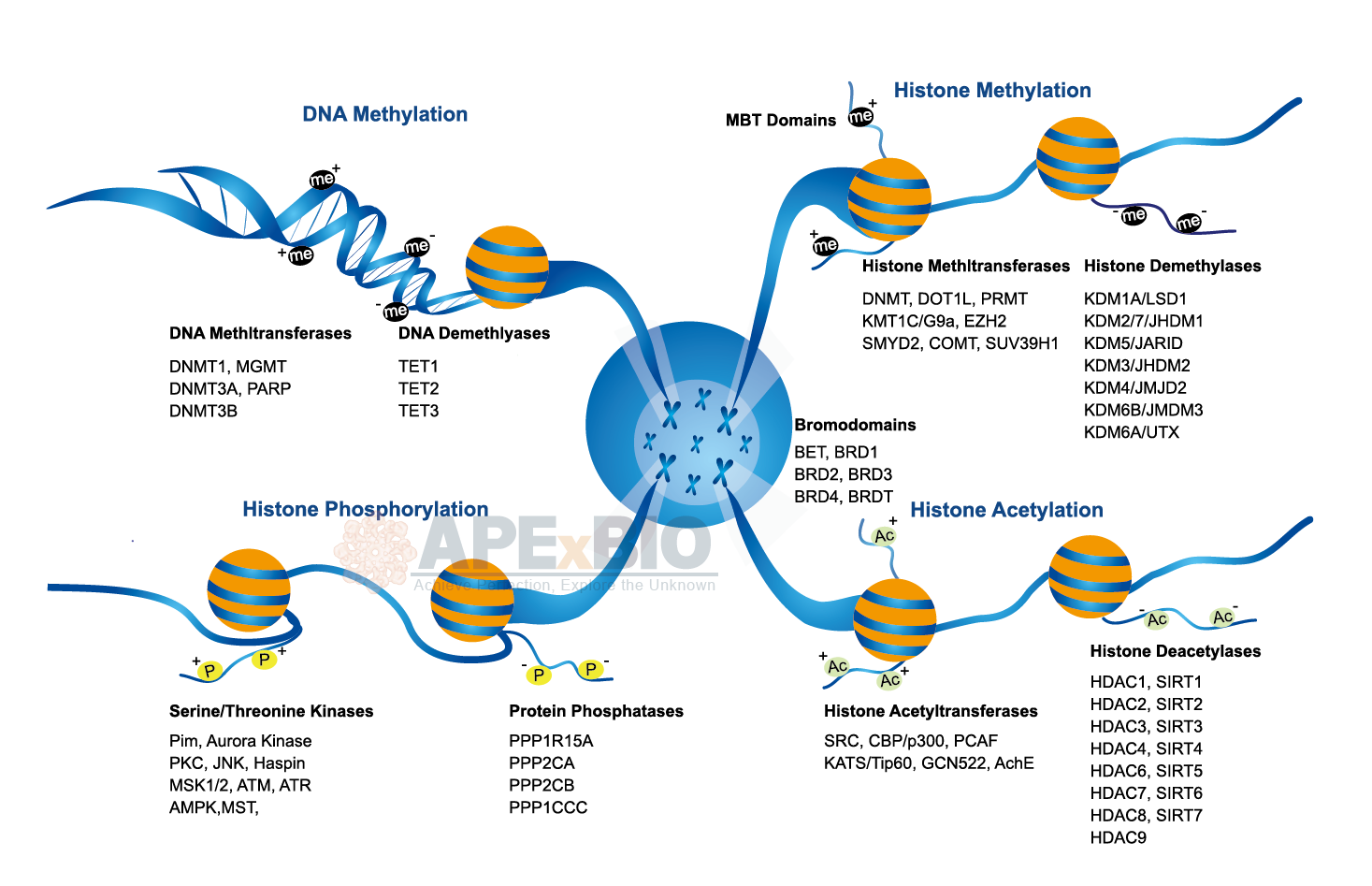
Epigenetics is the heritable modifications in gene expression that is not associated with changes in DNA sequence. Epigenetic modifications occur mostly on DNA or on the histone octamer. There are several types of epigenetics modifications, DNA methylation by DNA-methyl transferase (DNMT) and covalent modification of histones (e.g. acetylation, methylation, phosphorylation and ubiquitination). Histone acetylation by histone acetyltransferases (HATs) is involved in transcriptional activation, whereas histone deacetylation by histone deacetylases (HDACs) is connected with transcriptional repression. Histone demethylation is associated with lysine-specific demethylase (LSD) and JmjC domain containing histone demethylase (JHDM).
The nucleosome is consisted of four histone proteins (H2A, H2B, H3, and H4), they are primary building block of chromatin. The addition and removal of specific chemical groups refers to as epigenetic marks, it regulates chromatin structure and affects gene expression. Moreover, RNA is intimately involved in the formation of a repressive chromatin state.
Epigenetic mechanism responds to environmental changes at the cellular level and thus influences cellular plasticity. Chromatin and epigenetic regulation play a significant role in the programming of the genome during development and stress response, defects in epigenetics can lead to cancer, inflammation and metabolic disorders etc.
-
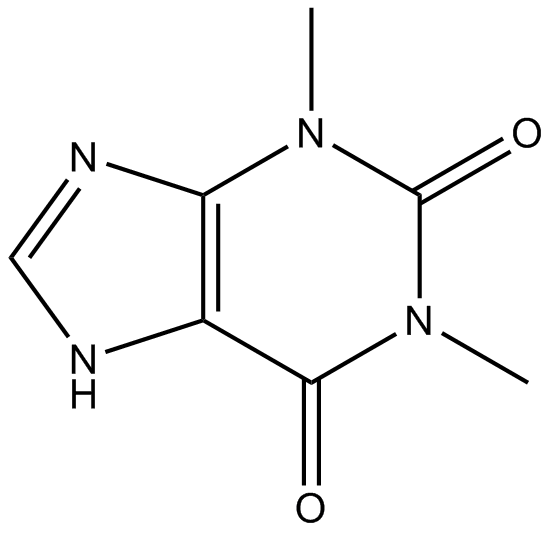 N1442 Theophylline
 -
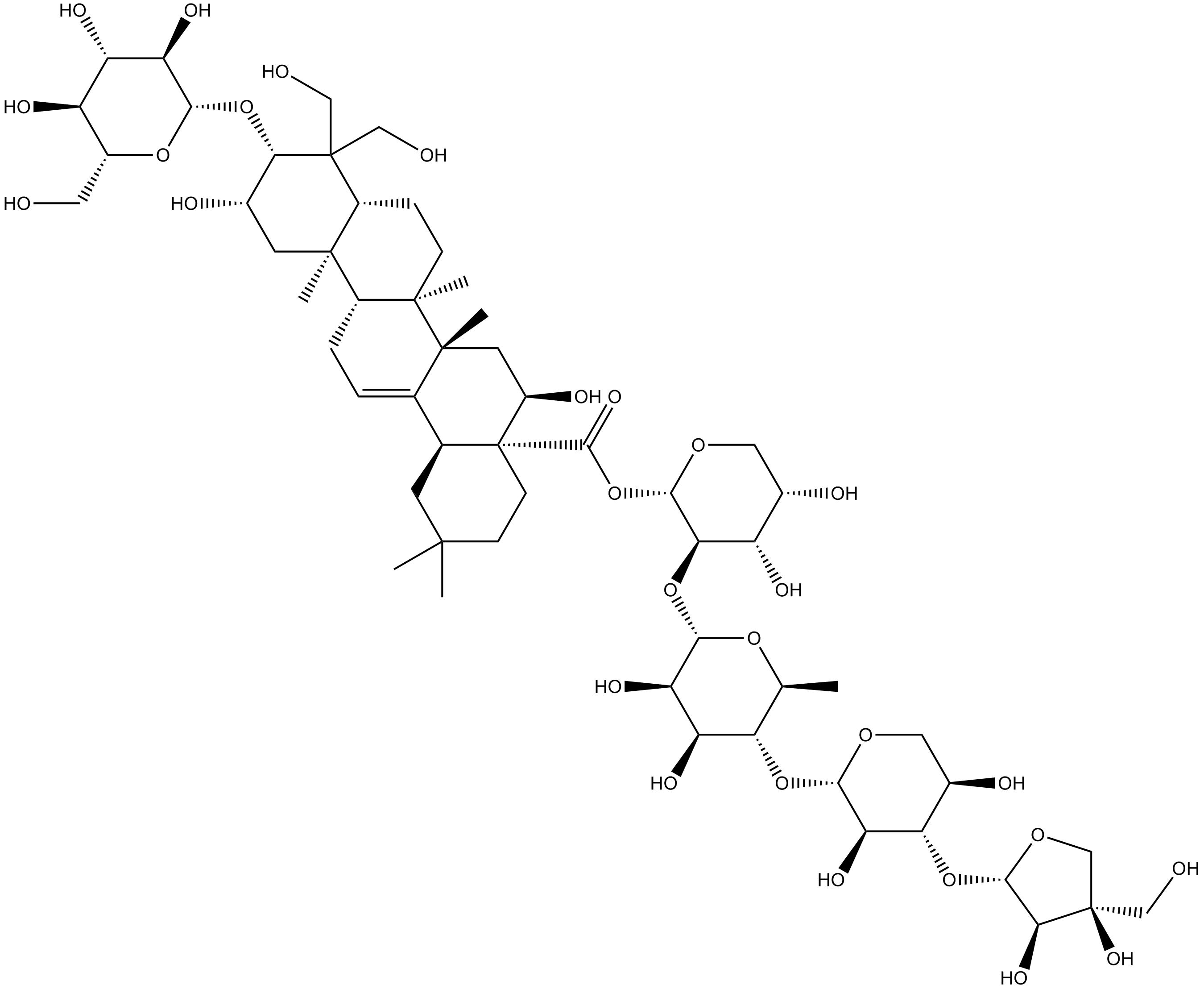 N1498 Platycodin DSummary: Saponin
 -
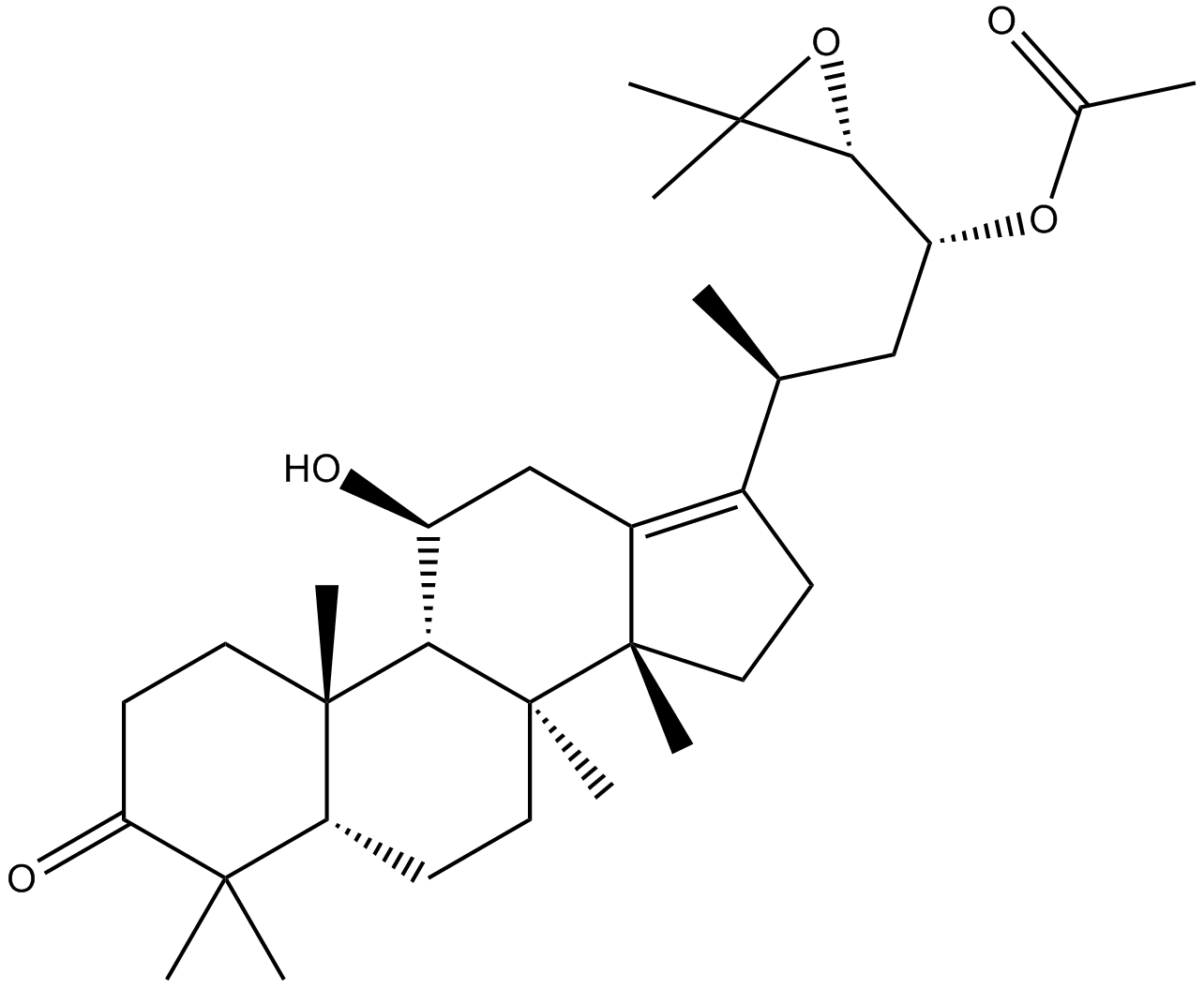 N1550 Alisol B 23-acetateTarget: Pregnane X Receptors
 -
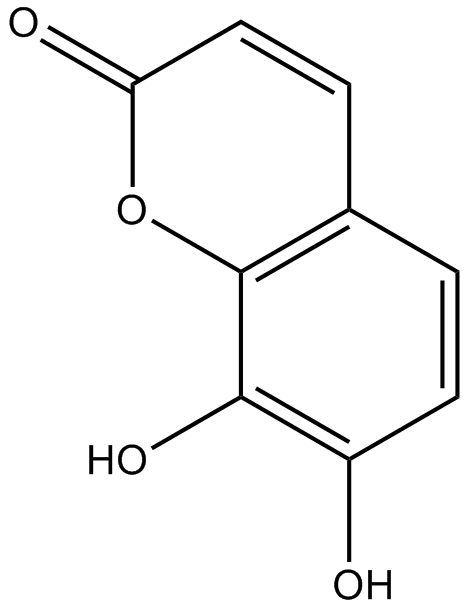 N1567 DaphnetinSummary: Protein kinases inhibitor for EGFR/PKA/PKC
 -
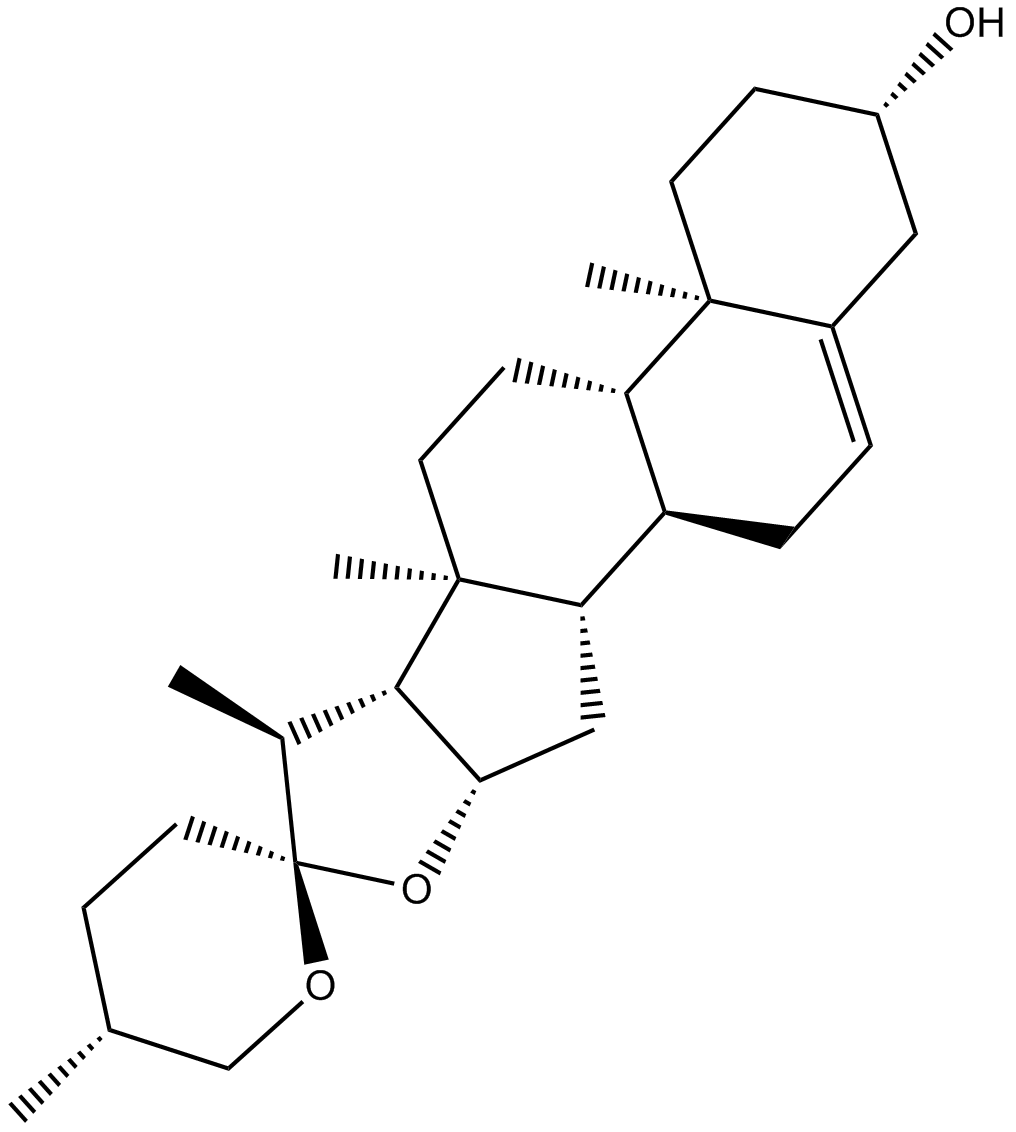 N1715 Diosgenin
 -
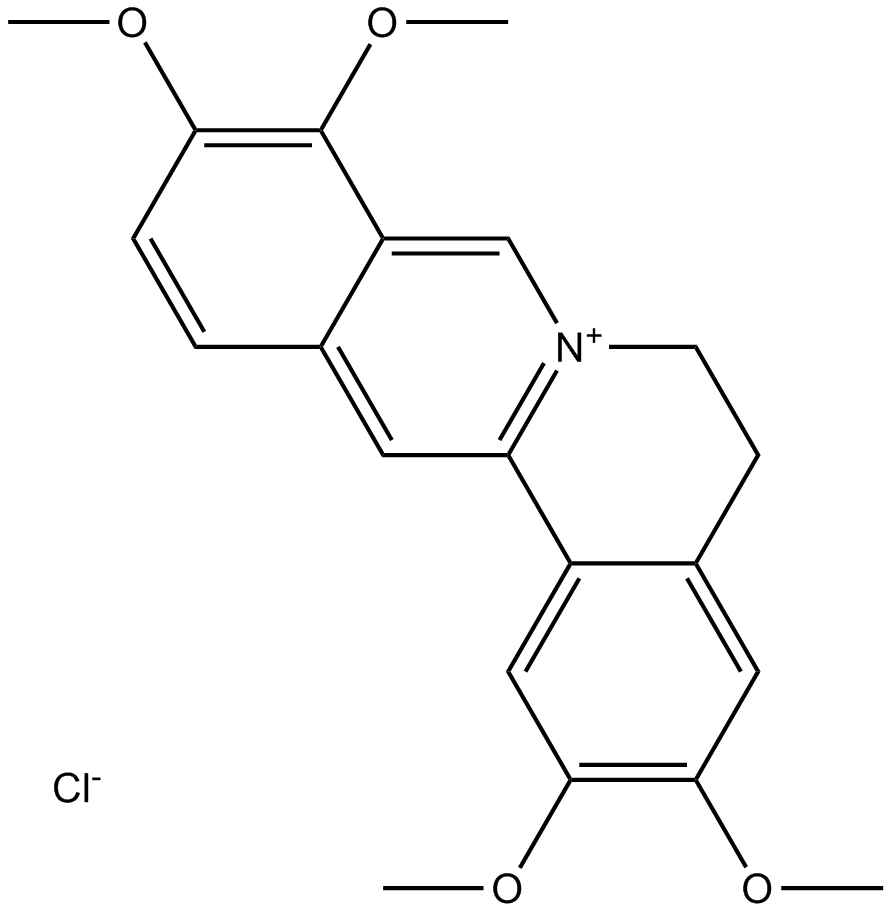 N1760 Palmatine hydrochloride
 -
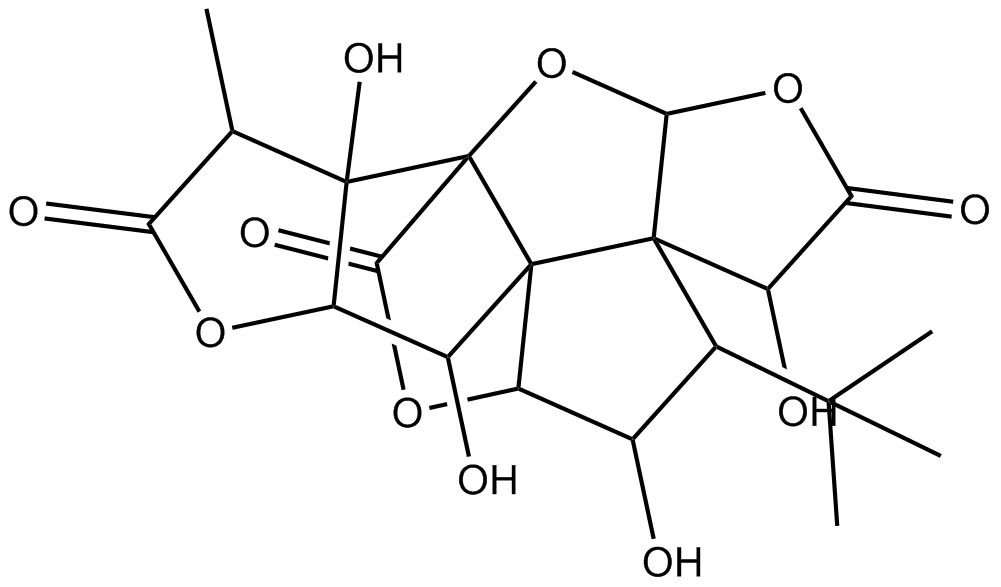 N1908 Ginkgolide C
 -
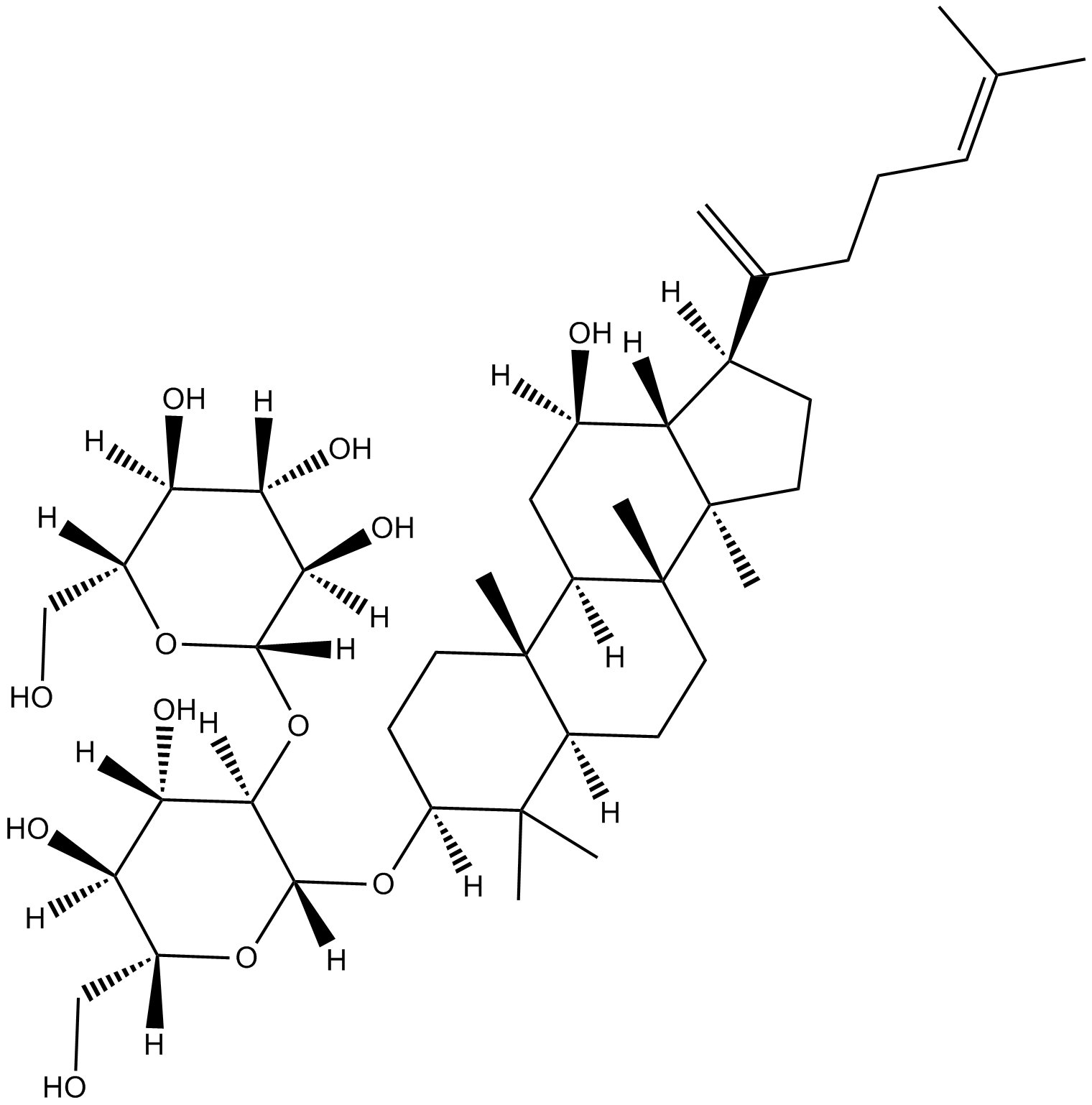 N2097 Ginsenoside Rk1
 -
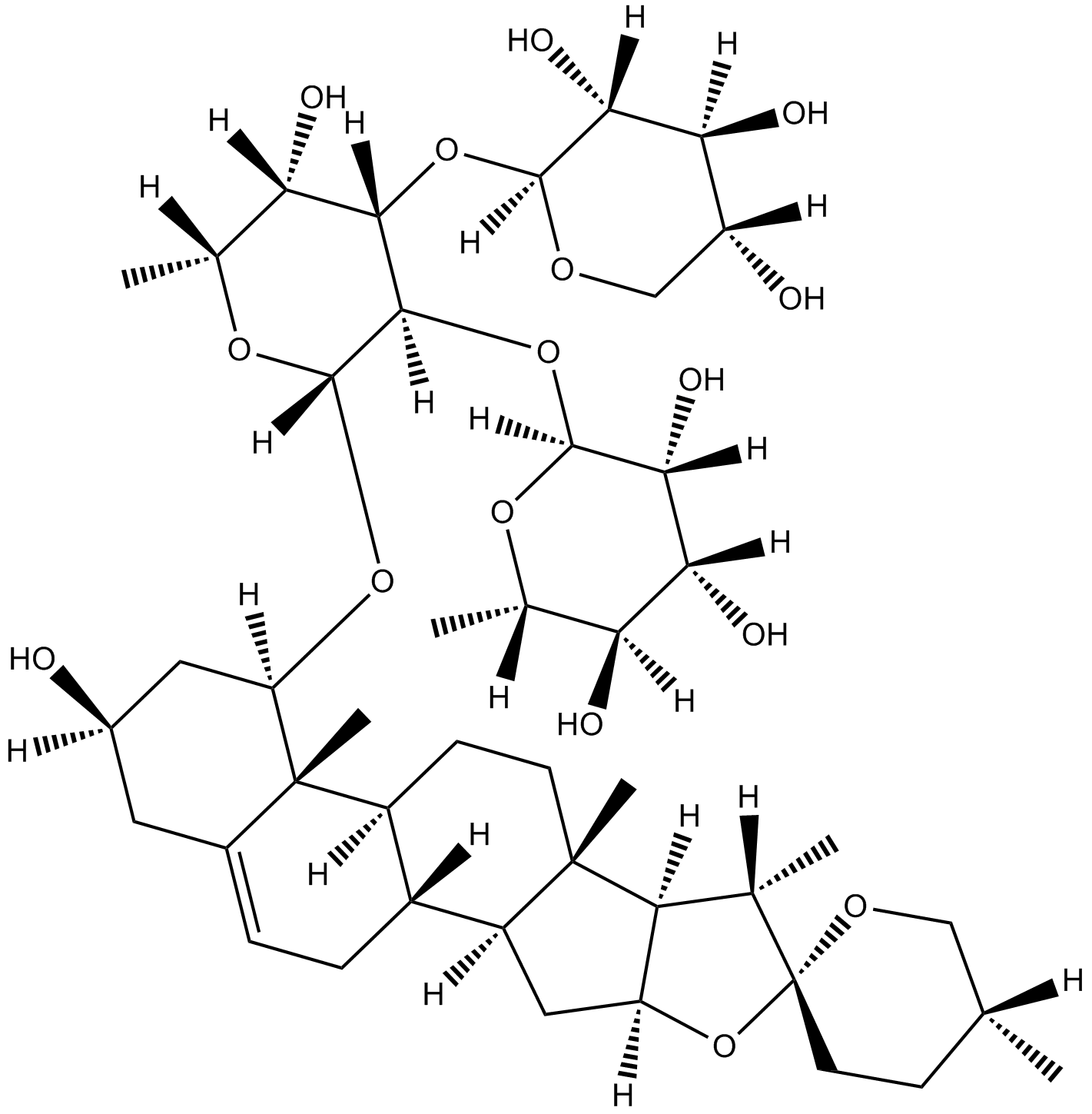 N2001 Ophiopogonin D'
 -
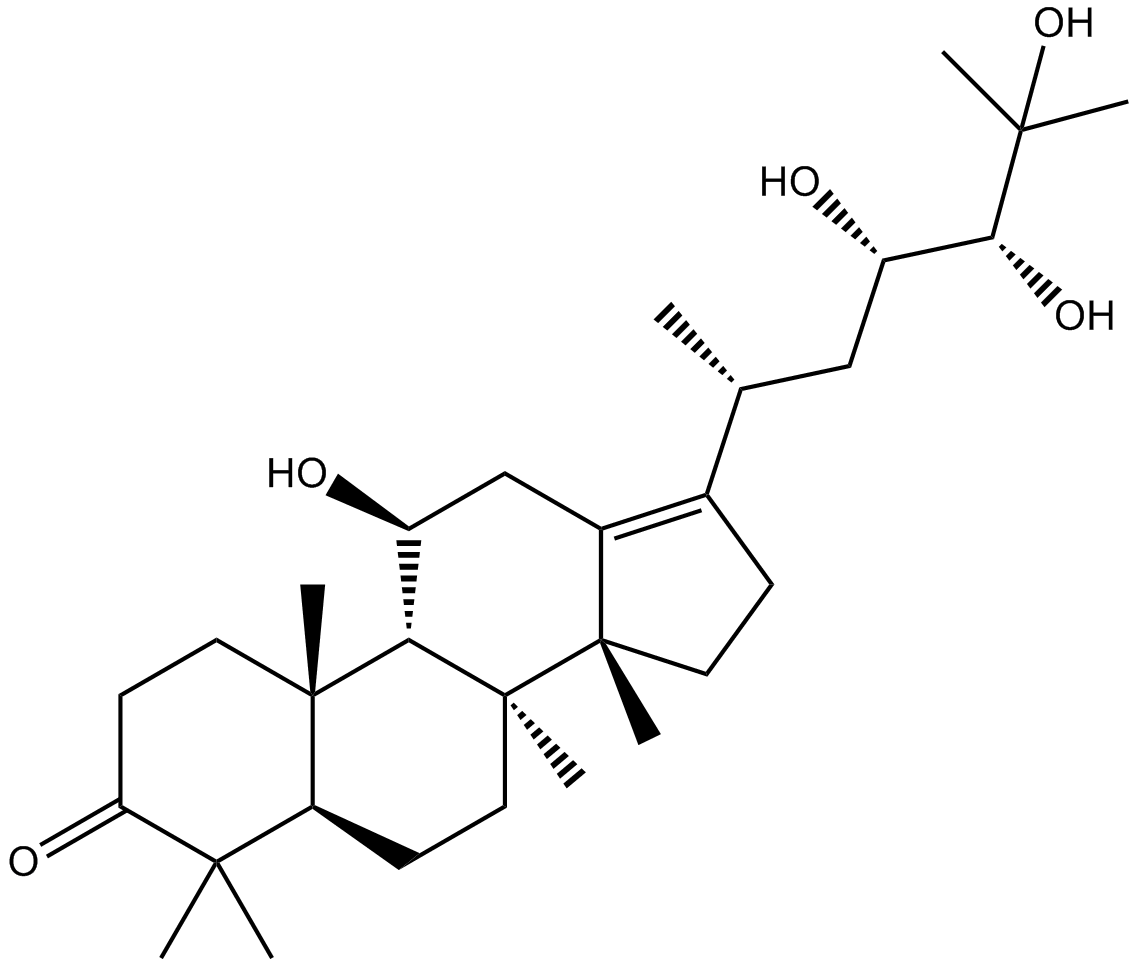 N2021 Alisol A