


Cell Cycle/Checkpoint
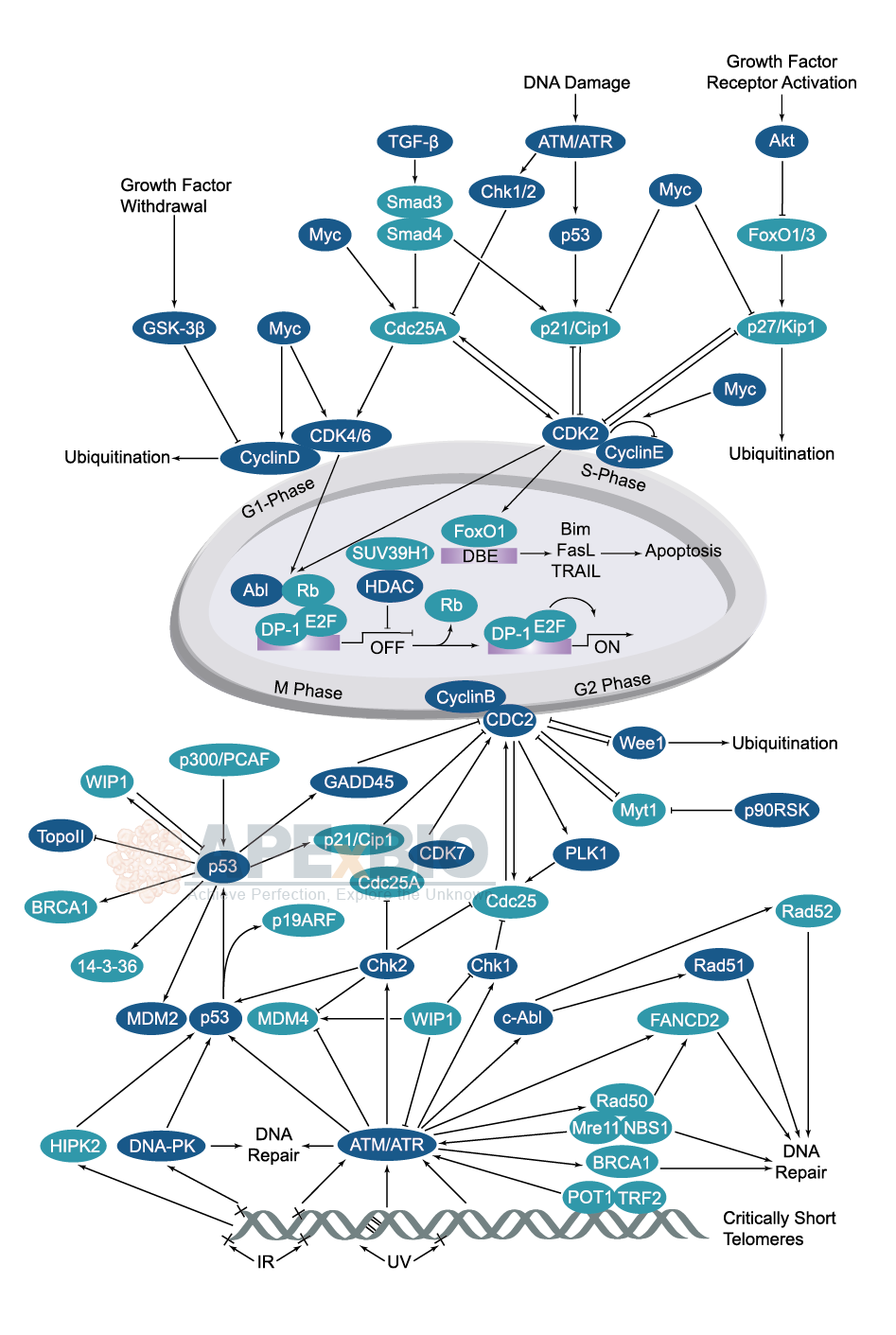
The cell cycle is consisted of 4 main phases: Gap 1 (G1), DNA replication (S), Gap 2 (G2), and mitosis (M). There are “checkpoints” mechanism regulates the transition between these phases, at the G1/S boundary, in the S-phase and during G2/M phases. Cell can only pass through these checkpoints when signaling factors are activated and free of DNA damage. Important proteins that control cell cycle events and checkpoints are cullins, cyclins, cyclin-dependent kinases (Cdks), p53 and their inhibitors etc. Cdks family (Cdk2, Cdk3, Cdk4 and Cdk6) are Ser/Thr kinases that regulate cell cycle progression in association with cyclin binding partners (cyclin D, cyclin E and cyclin A) during all four phases. p53 halts the cell cycle if the DNA is damaged and allowing time for DNA repair to progress; it can also initiate apoptosis if DNA damage is too severe to be repaired.
-
 BA3824 NU2058Summary: NU2058 (O6-(Cyclohexylmethyl)guanine) is an inhibitor.
 -
BA3862 ZDLD20Summary: ZDLD20 is a β-carboline, a selective, orally active inhibitor.
-
BA3877 TNG348Summary: TNG348 is an orally active deubiquitinating enzyme inhibitor.
-
BA3878 CapziminSummary: Capzimin is effective.
-
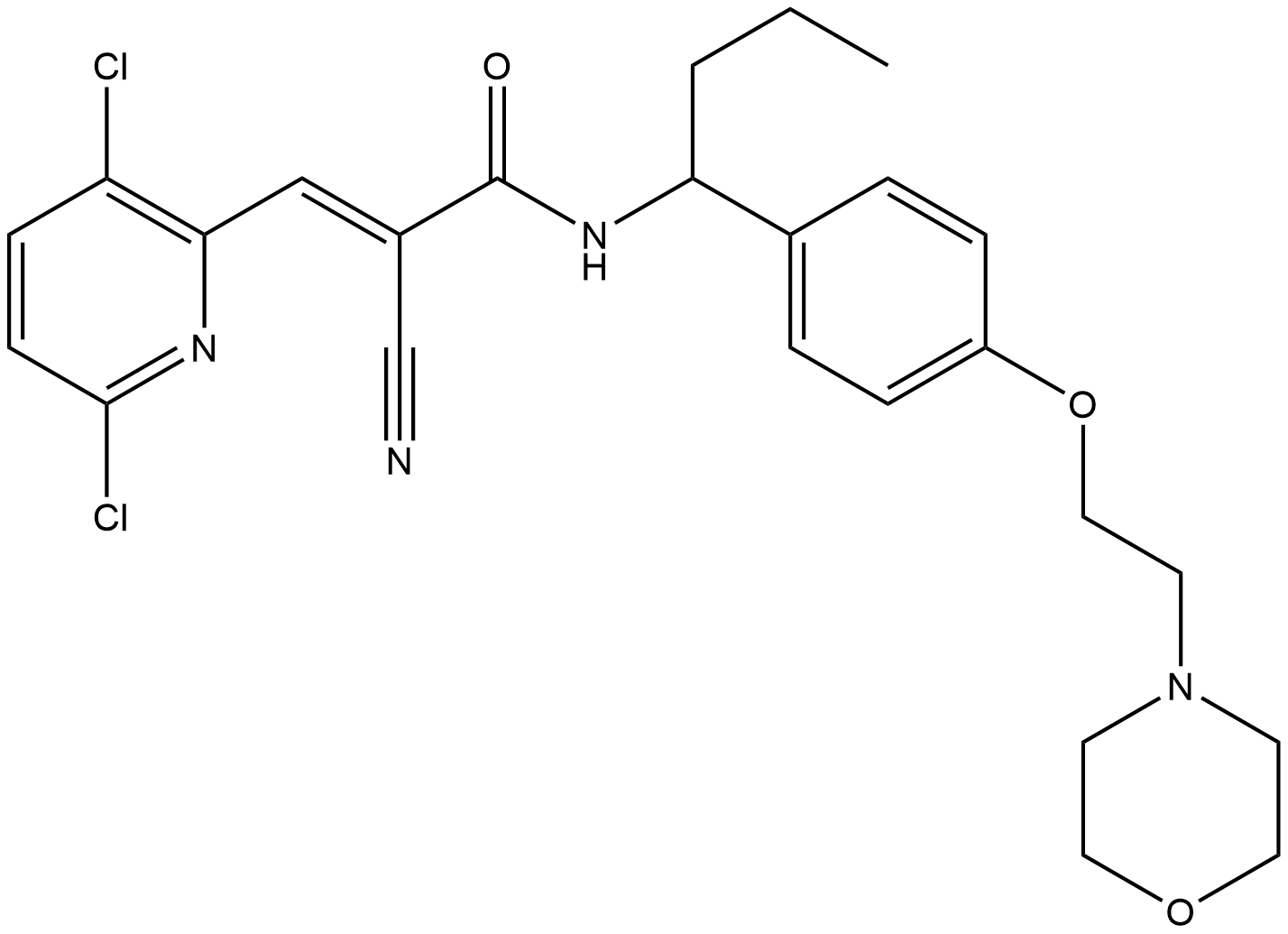 BA3881 EOAI3402143Summary: A deubiquitinase (DUB) inhibitor that inhibits USP9x/USP24 and USP5
 -
BA3886 FT206Summary: Carboxyamine ubiquitin-specific protease inhibitors.
-
BA3887 FT709Summary: FT709 is a potent and selective inhibitor.
-
BA3888 6RK73Summary: 6RK73 is a covalent irreversible specific inhibitor.
-
BA3898 8RK64Summary: 8RK64 is a covalent inhibitor.
-
BA3907 LCAHASummary: LCAHA (LCAhydroxyamide), a deubiquitinase inhibitor, was found to be 9.7 μM and 3.7 μM in Ub-AMC analysis and Di-Ub analysis, respectively.