


Anti-infection
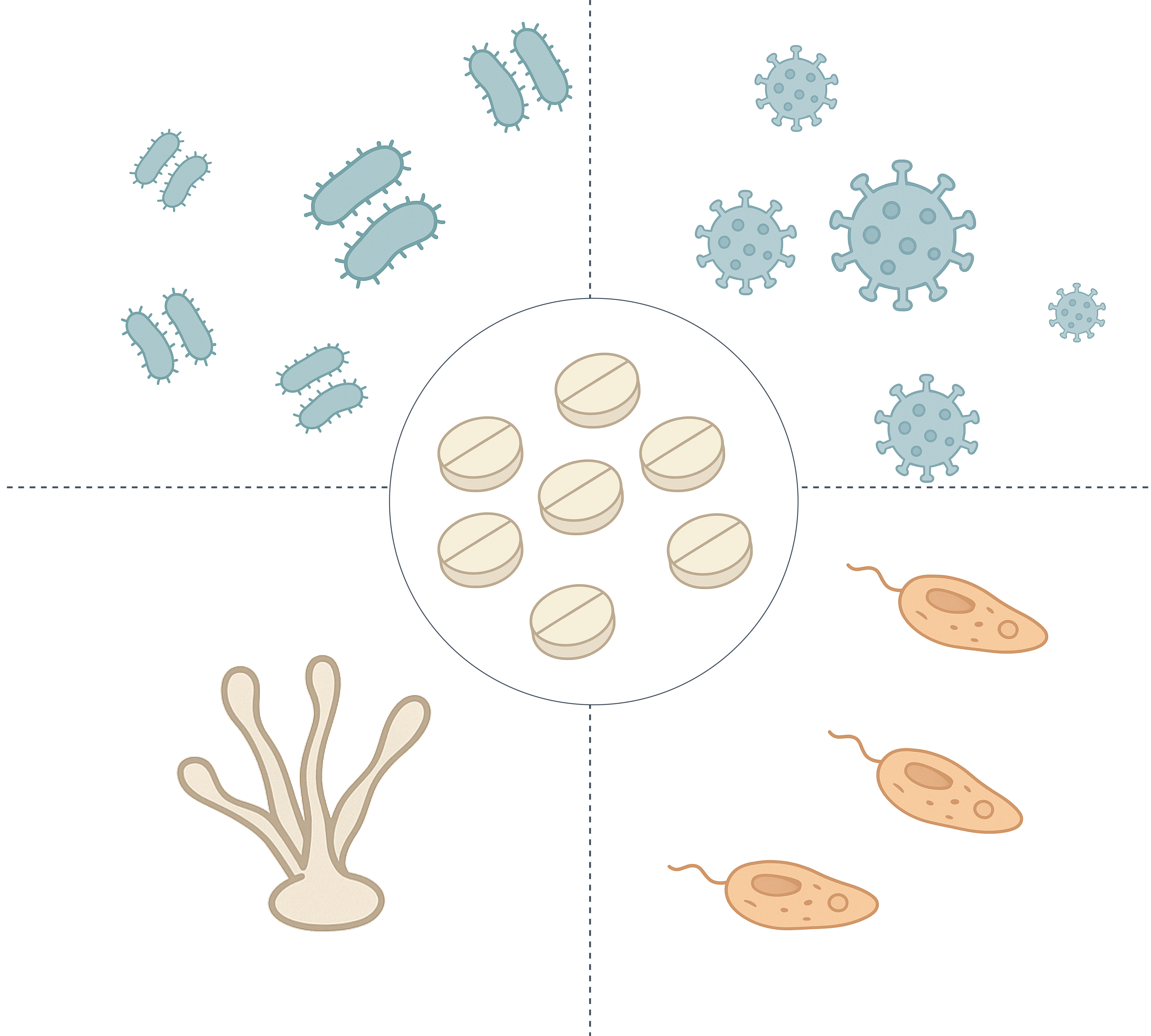
Anti-infectives are agents that eliminate or inhibit the spread of infectious organisms, encompassing antibiotics, antifungals, antivirals, and antiprotozoals.
Antibiotics are a class of antimicrobial agents specifically designed to target bacterial pathogens. They exert their effects by interfering with essential bacterial processes such as cell wall synthesis, protein synthesis, nucleic acid replication, and metabolic pathways, thereby either inhibiting bacterial growth or inducing bacterial death.
Antifungals are antimicrobial agents employed to combat fungal infections (mycoses) in humans and animals. Common antifungal classes include azoles, polyenes, echinocandins, and allylamines, which function by disrupting unique fungal structures or pathways, such as the synthesis or integrity of ergosterol-containing cell membranes and β-glucan-based cell walls, or by interfering with nucleic acid or protein synthesis.
Antivirals are compounds developed to inhibit the replication and spread of viruses within host organisms. Antivirals typically act by blocking viral entry, genome replication, protein processing, or virion assembly and release. Representative examples include nucleoside analogs, protease inhibitors, and neuraminidase inhibitors.
Antiprotozoals are drugs used to treat infections caused by protozoan parasites, including malaria, amebiasis, giardiasis, and trypanosomiasis. They act through a variety of mechanisms, including inhibition of nucleic acid synthesis, interference with mitochondrial function, and disruption of heme detoxification pathways in susceptible parasites.
-
 BA1104 AspoxicillinSummary: Aspoxicillin is a broad-spectrum antimicrobial agent with values of <=0.05 μg/ml for inhibition of isolated Actinobacillus pleuropneumoniae strain 68.
 -
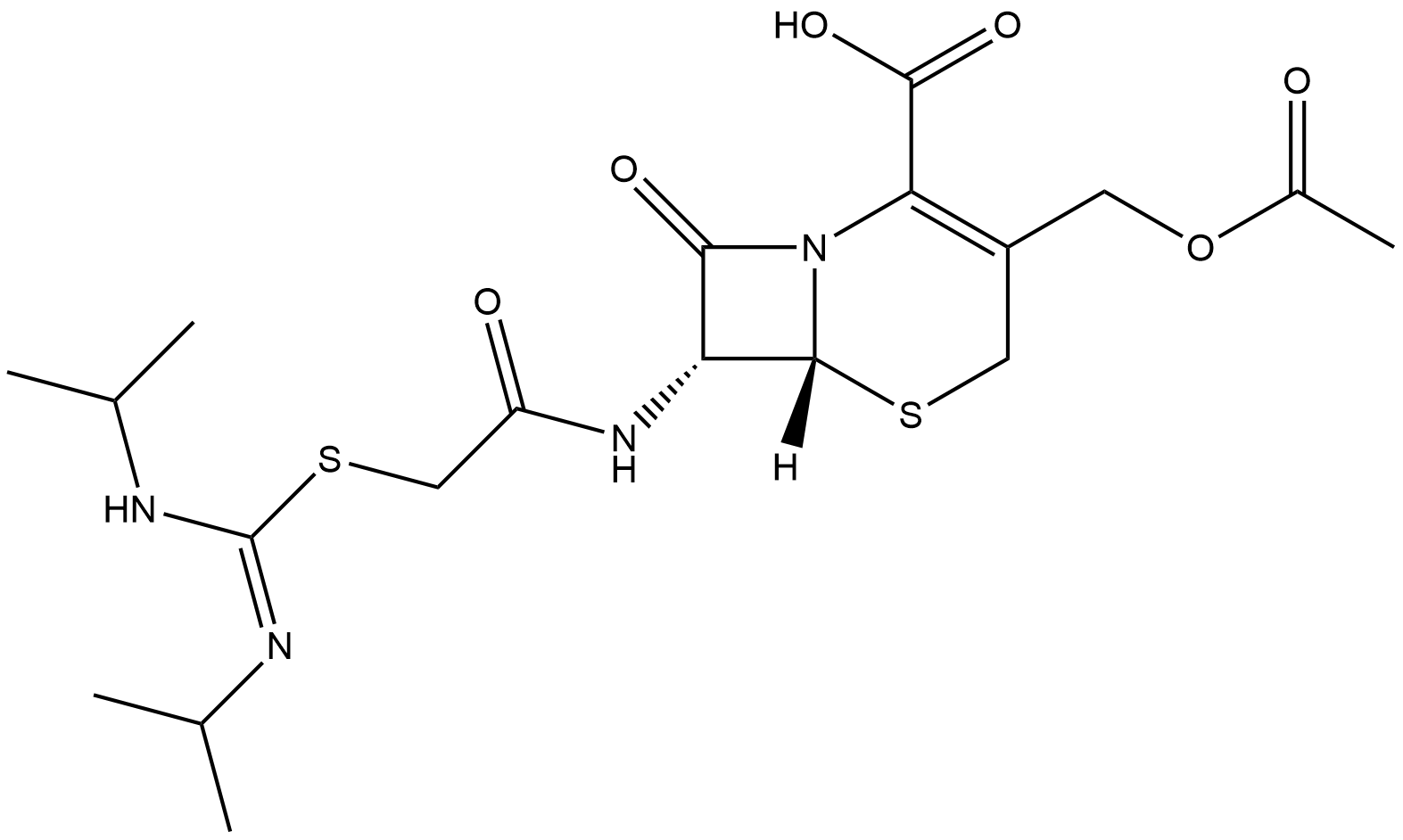 BA1105 CefathiamidineSummary: A first-generation cephalosporin antimicrobial agent used for infections caused by susceptible bacteria
 -
BA1106 ML406Summary: ML406 is a small molecule probe that exerts anti-tuberculosis activity through inhibition (synthase).
-
BA1107 PC190723Summary: PC190723 is a bacterial cell division protein inhibitor.
-
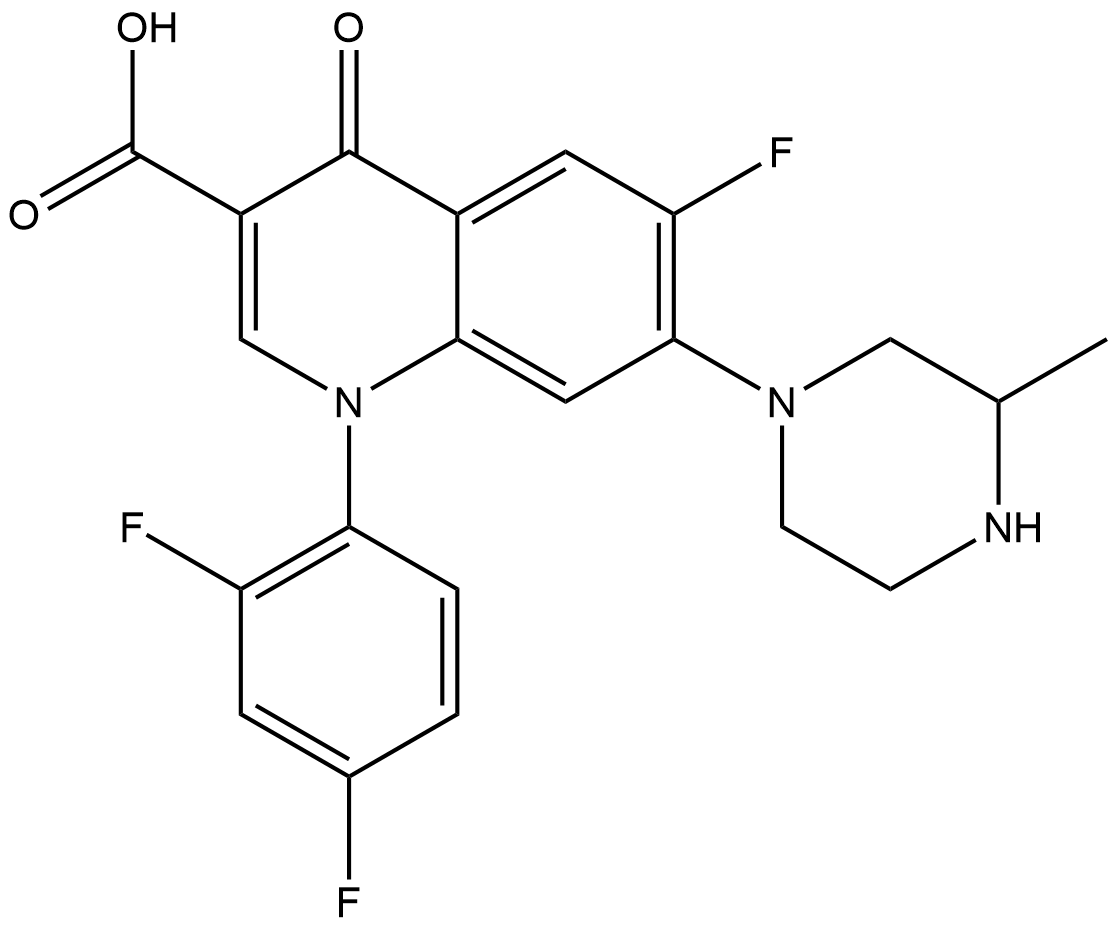 BA1108 TemafloxacinSummary: A fluoroquinolone broad-spectrum antibacterial agent that inhibits bacterial DNA replication and transcription by targeting DNA gyrase (gyrA subunit) and topoisomerase IV
 -
BA1109 NilofabicinSummary: Nilofabicin is an inhibitor.
-
BA1110 SulfaclozineSummary: Sulfaclozine (Sulfachloropyrazine) is a potent sulfonamide derivative with antibacterial and anticoccidial properties.
-
BA1111 ErythromycylamineSummary: Erythromycylamine is a macrolide antibiotic.
-
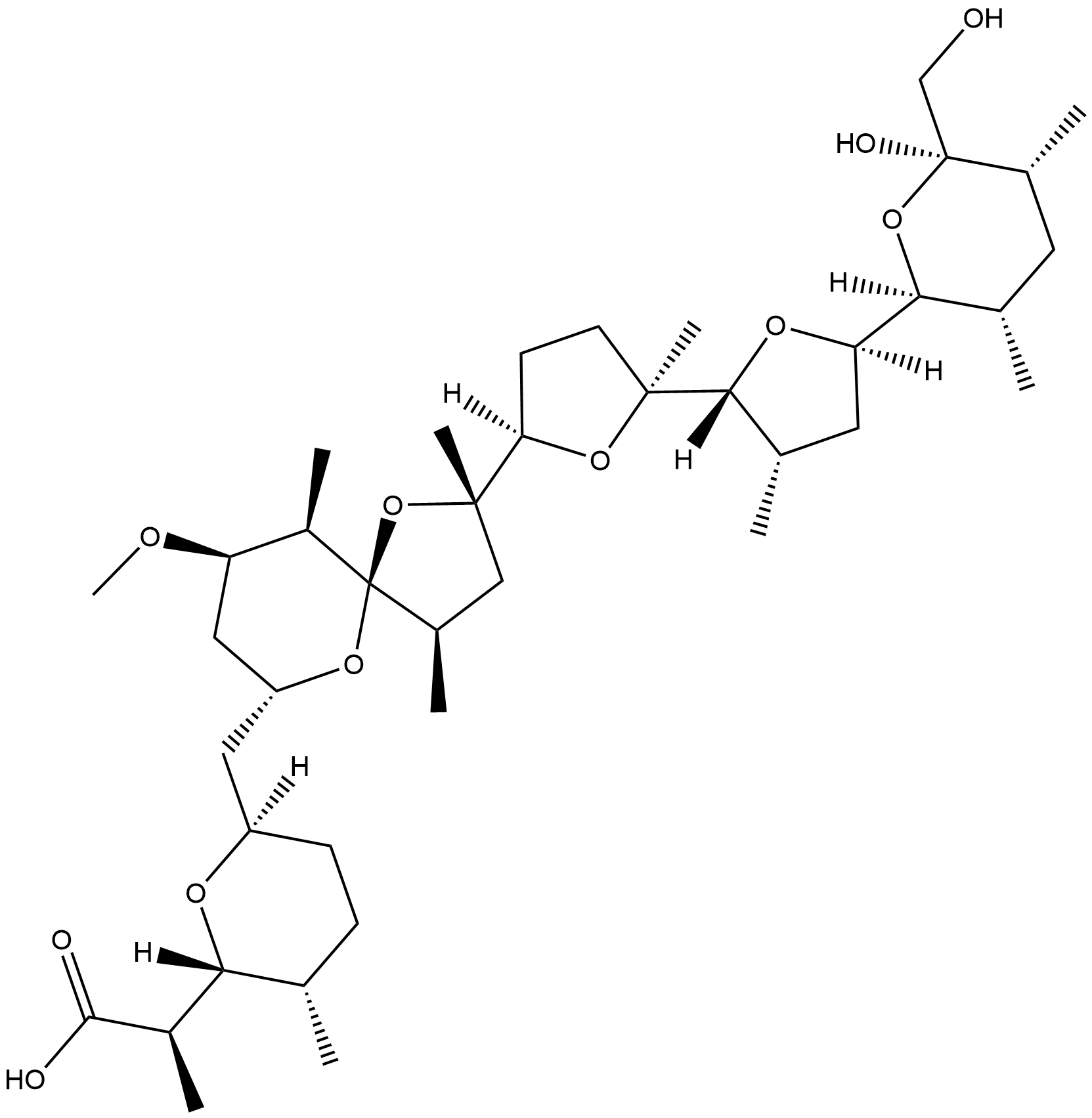 BA1112 Nigericin2 CitationSummary: An antibiotic derived from Streptomyces hygroscopicus that acts as a K+/H+ ionophore and NLRP3 activator for inflammasome and cancer
 -
BA1114 Targocil-IISummary: Targocil-II is an ABC transporter protein inhibitor.