


Anti-infection
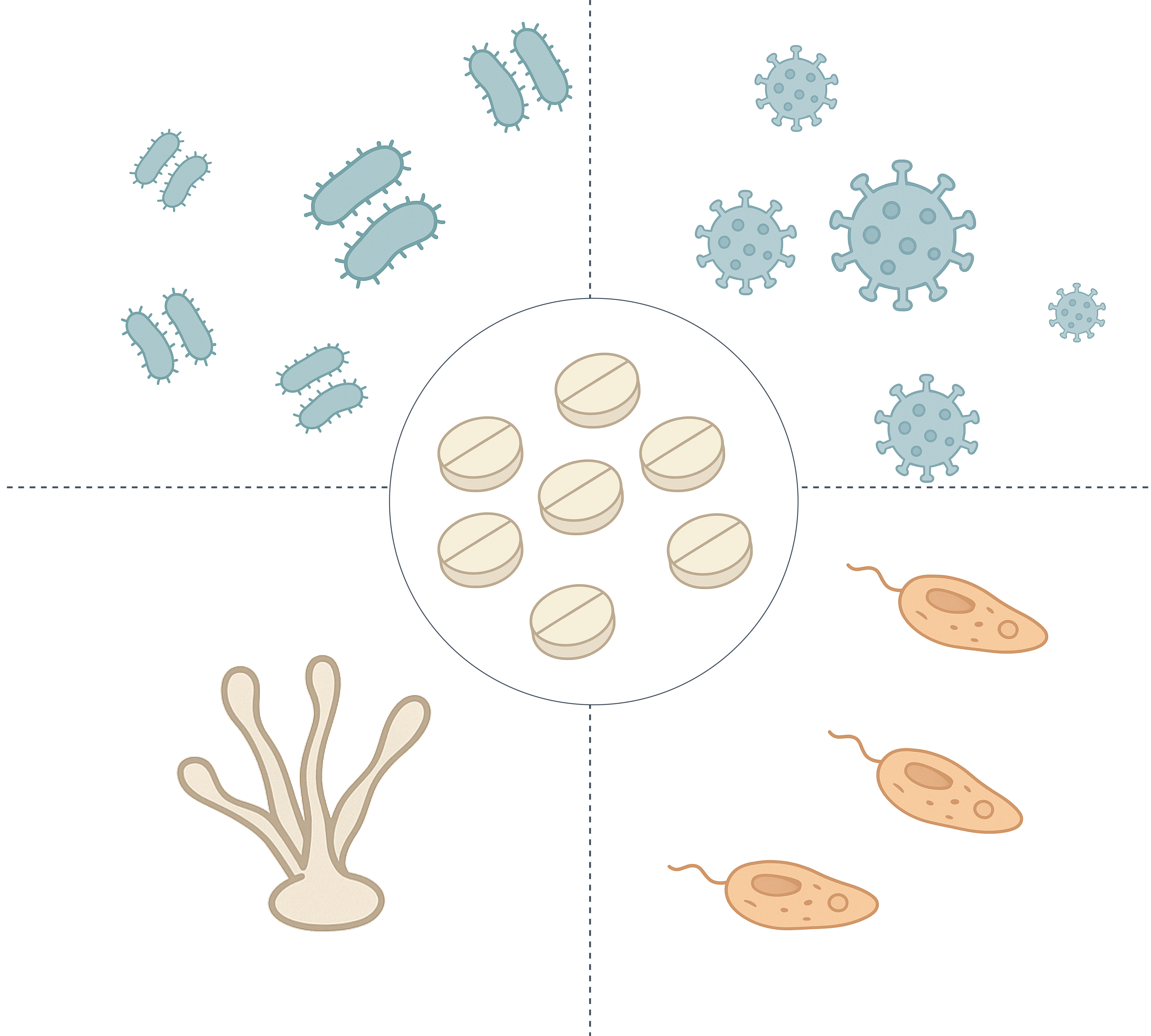
Anti-infectives are agents that eliminate or inhibit the spread of infectious organisms, encompassing antibiotics, antifungals, antivirals, and antiprotozoals.
Antibiotics are a class of antimicrobial agents specifically designed to target bacterial pathogens. They exert their effects by interfering with essential bacterial processes such as cell wall synthesis, protein synthesis, nucleic acid replication, and metabolic pathways, thereby either inhibiting bacterial growth or inducing bacterial death.
Antifungals are antimicrobial agents employed to combat fungal infections (mycoses) in humans and animals. Common antifungal classes include azoles, polyenes, echinocandins, and allylamines, which function by disrupting unique fungal structures or pathways, such as the synthesis or integrity of ergosterol-containing cell membranes and β-glucan-based cell walls, or by interfering with nucleic acid or protein synthesis.
Antivirals are compounds developed to inhibit the replication and spread of viruses within host organisms. Antivirals typically act by blocking viral entry, genome replication, protein processing, or virion assembly and release. Representative examples include nucleoside analogs, protease inhibitors, and neuraminidase inhibitors.
Antiprotozoals are drugs used to treat infections caused by protozoan parasites, including malaria, amebiasis, giardiasis, and trypanosomiasis. They act through a variety of mechanisms, including inhibition of nucleic acid synthesis, interference with mitochondrial function, and disruption of heme detoxification pathways in susceptible parasites.
-
 BA1115 LevonadifloxacinSummary: Levonadifloxacin ((S)-(-)-Nadifloxacin; WCK771) is a broad-spectrum anti-staphylococcal agent.
 -
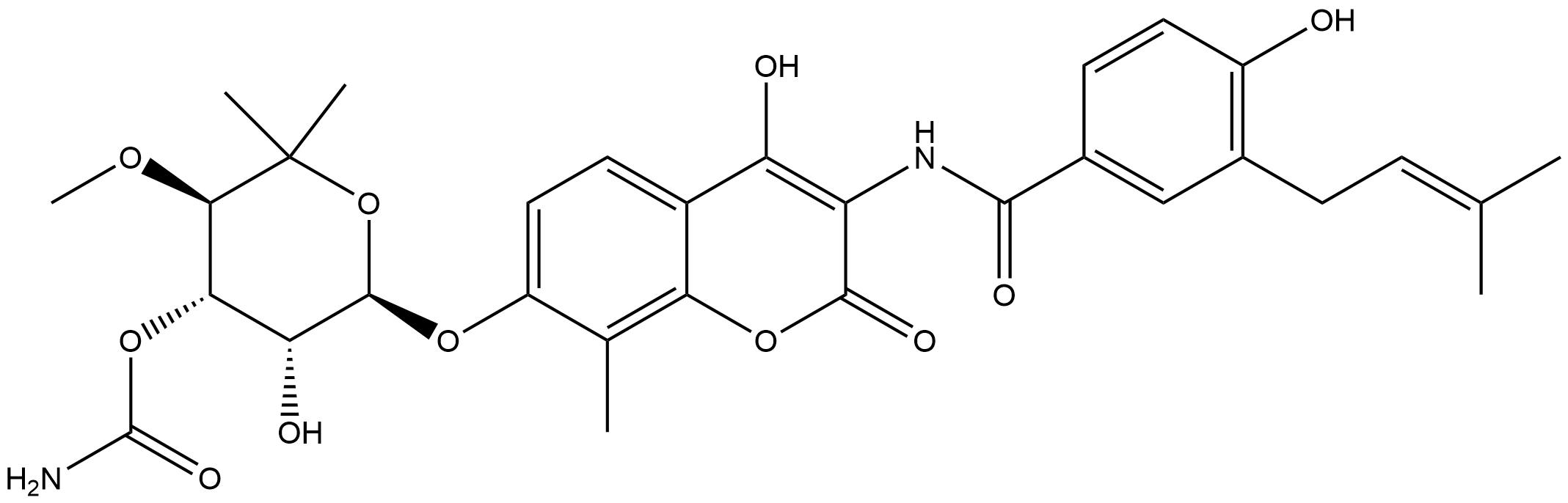 BA1116 NovobiocinSummary: An effective orally active antibiotic. Its targets include bacterial DNA gyrase (subunit B, inhibiting ATPase activity) and Hsp90. It can also inhibit bacterial DNA replication, cell membrane synthesis, and vacuole formation.
 -
BA1117 PXYC1Summary: PXYC1, a ribosomal protein S1 antagonist, was 0.81 and 0.31 μM for RpsA-CTD and RpsA-CTDΔ438A, respectively.
-
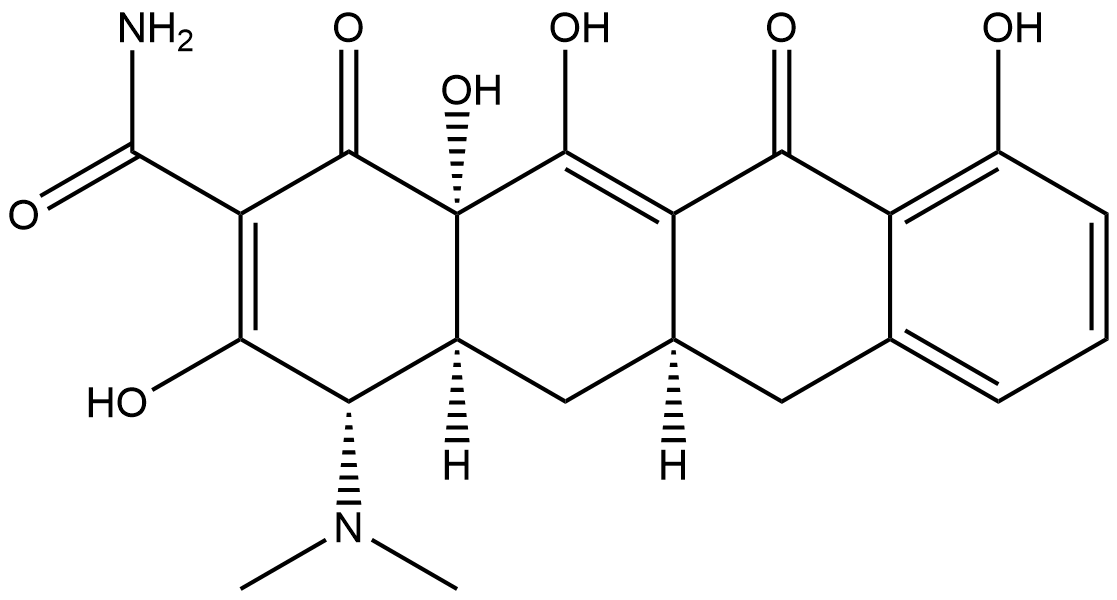 BA1118 SancyclineSummary: A semi-synthetic tetracycline produced by hydrothermalysis of the chlorine and benzyl hydroxyl groups of Declomycin.
 -
BA1120 FinafloxacinSummary: Fluoroquinolone anti-microbial agent with optimal efficacy in a slightly acidic environment.
-
BA1122 MonascorubrinSummary: Monascorubrin was purified from the mycelium of Aspergillus erythropolis.
-
BA1123 IsoxazoleSummary: Isoxazole is an active molecular scaffold.
-
BA1124 EmodinanthroneSummary: Anthrone is an anthraquinone, a precursor of rhodopsin, with antibiotic activity.
-
BA1125 StreptazolinSummary: Streptazolin is an antibiotic.
-
BA1126 SABA1Summary: SABA1 has antimicrobial activity, such as Pseudomonas aeruginosa and Escherichia coli.