


Stem Cell
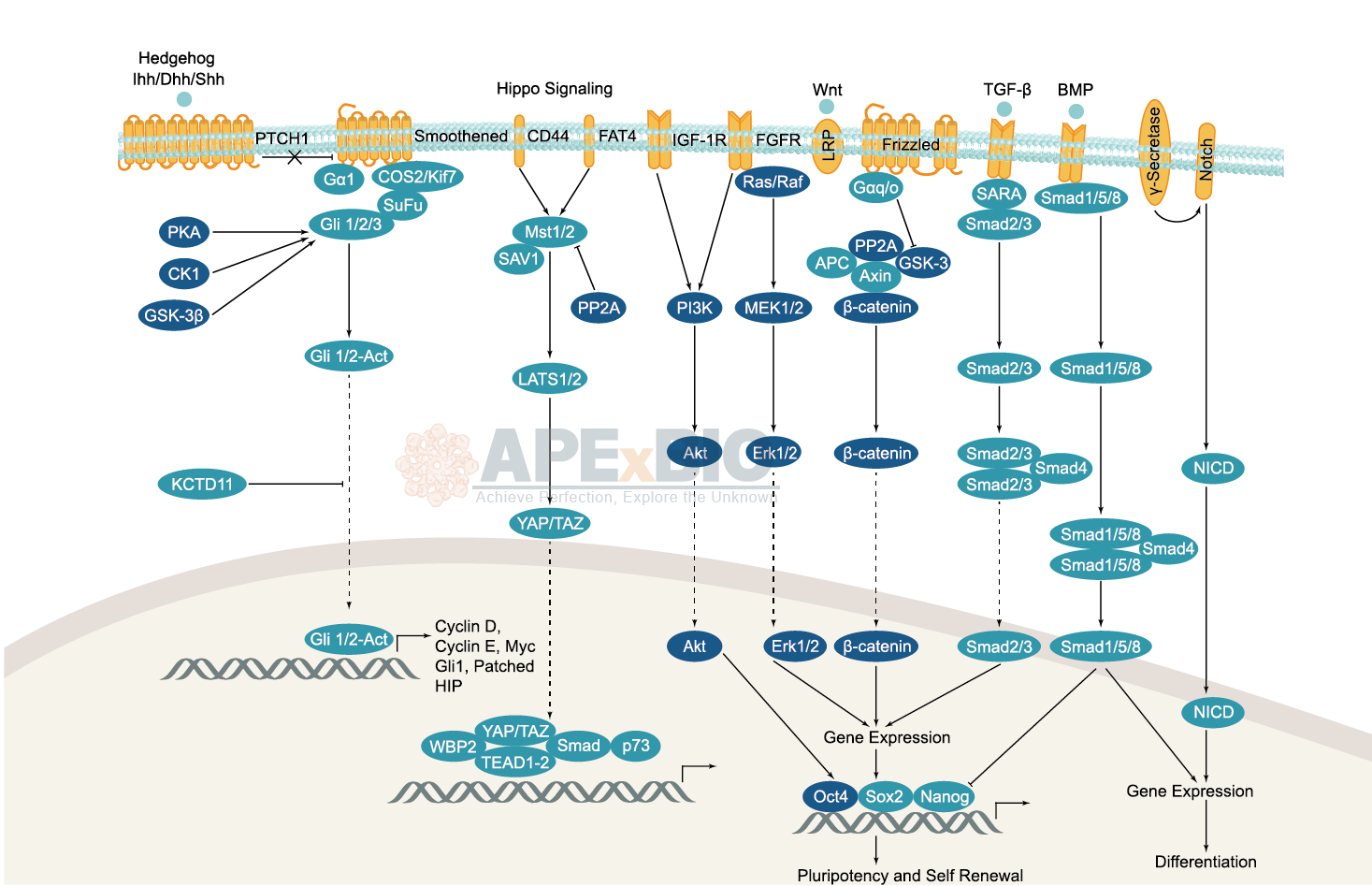
In ESC, BMP/TGF-β signaling pathway plays a key role in maintaining pluripotency and self-renewal. It signals through Smad proteins, and the FGF signaling pathway, which activates the MAPK and Akt pathways. The Wnt signaling pathway also promotes pluripotency. OCT-4, SOX2, and NANOG are three main transcription factors that are expressed and activated by these pathways. Induced pluripotent stem cells (iPSC) are pluripotent cells that can be generated from differentiated cells with forced expression of specific reprogramming factors. Both ESC and iPSC can be induced to develop into distinct cell types that associated with three primary germ layers: ectoderm, mesoderm and endoderm. Signaling pathways that control the development of these cell lineages, including BMP/TGF-β, Notch, Wnt/β-catenin, Hedgehog and Hippo pathways, which regulate cell division, growth and differentiation. Defects in stem cell signaling are related to developmental disorders and cancer.
-
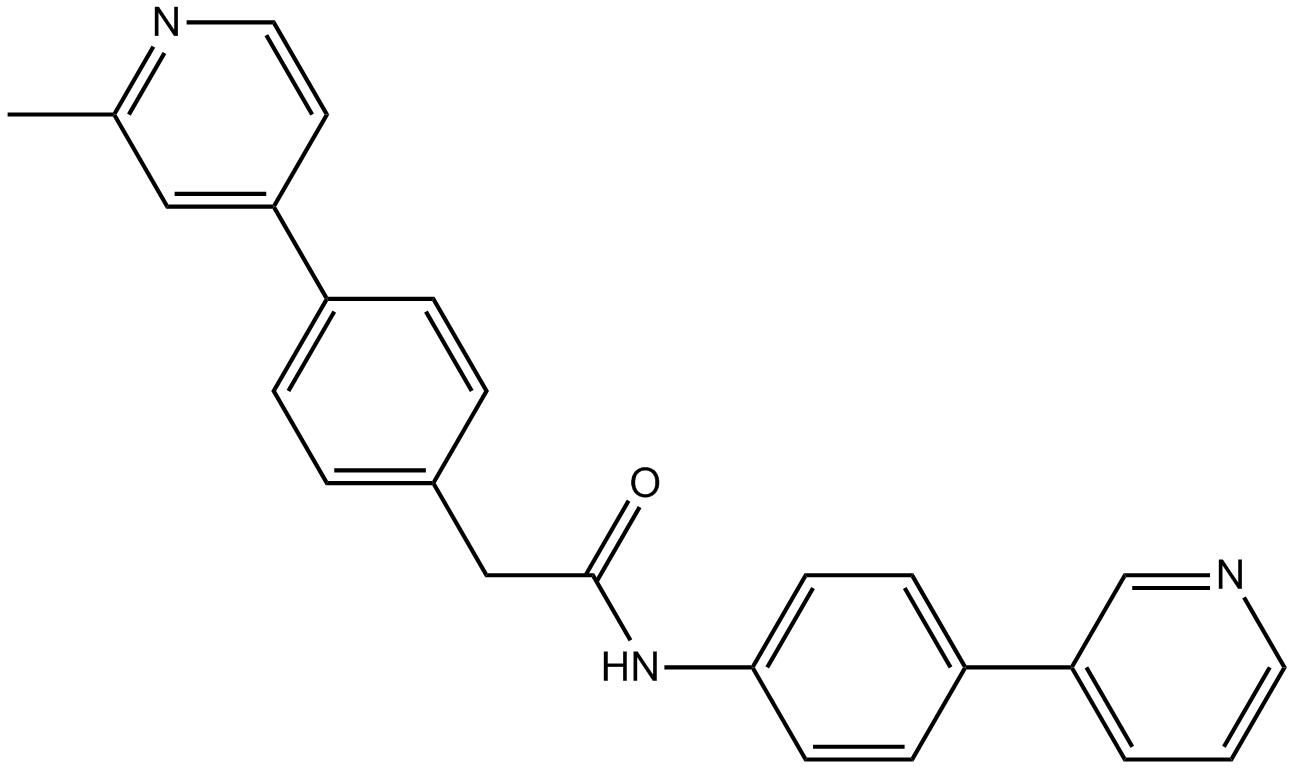 A8685 Wnt-C594 CitationTarget: PORCNSummary: PORCN inhibitor,highly potent and selective
 -
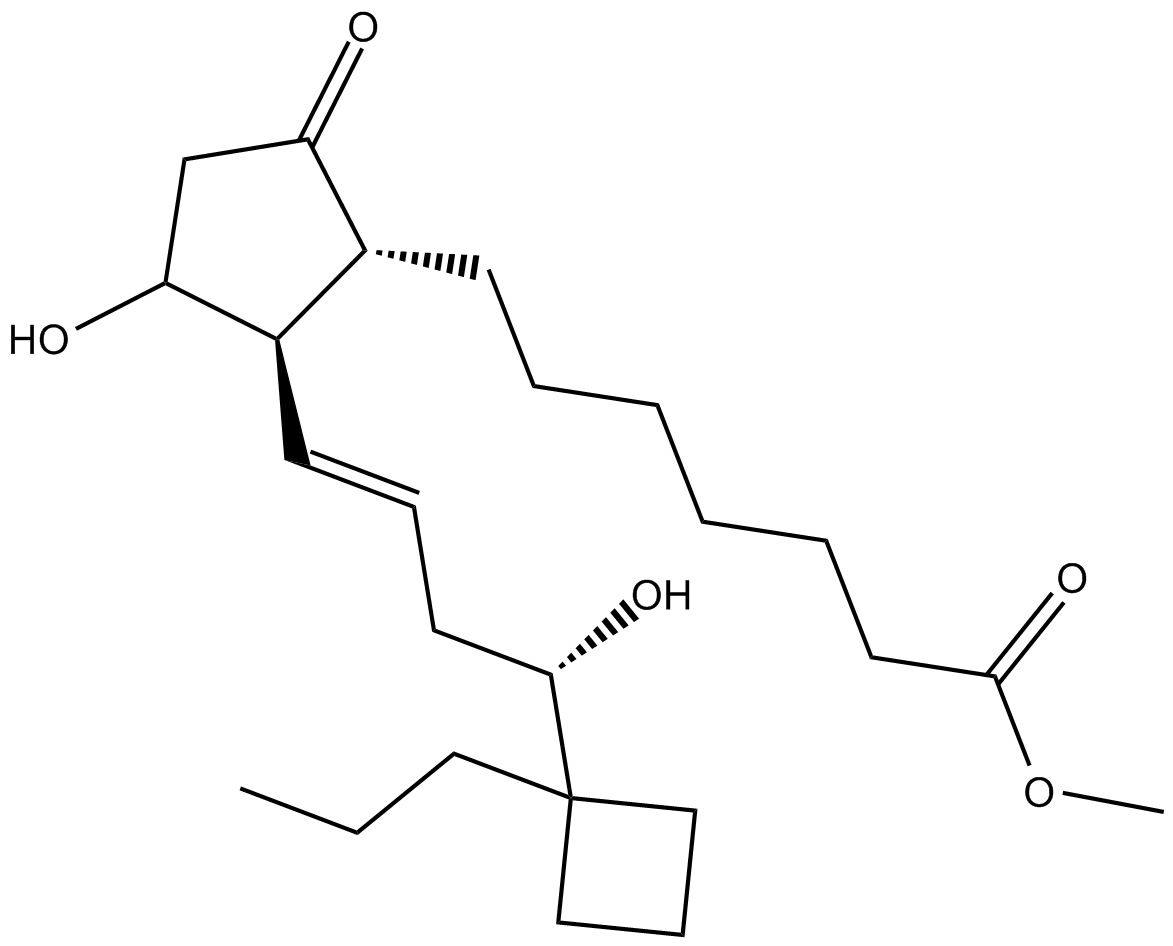 B7931 ButaprostSummary: Structural analog of PGE2, a selective agonist for the EP2 receptor subtype
 -
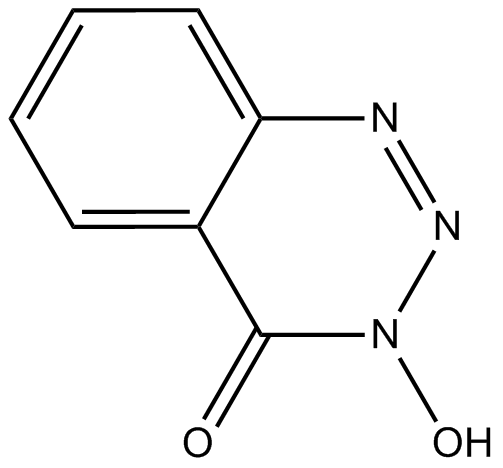 A7026 HOOBt
 -
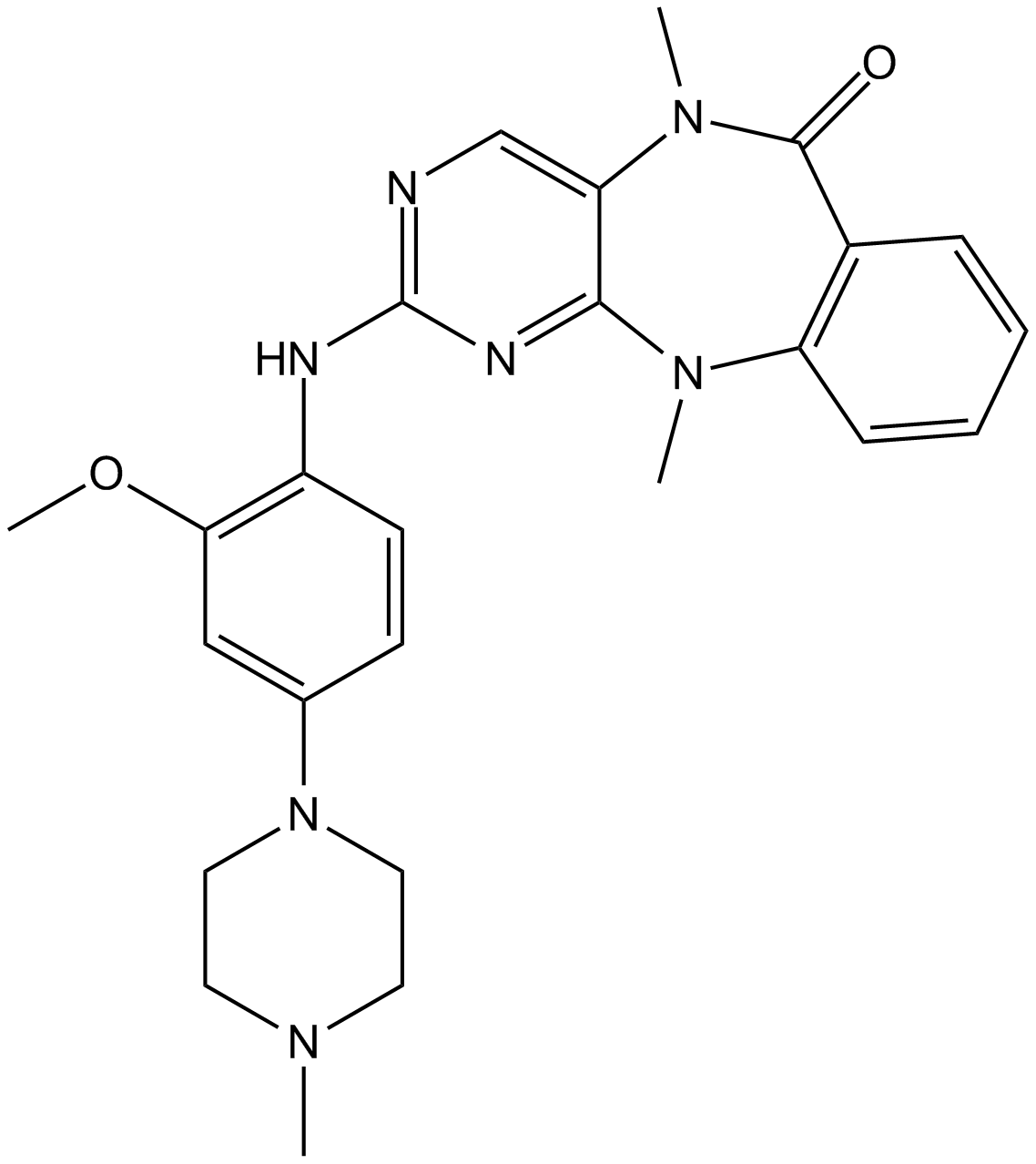 B8388 ERK5-in-1Summary: An effective ERK5 inhibitor for intracellular ERK5 phosphorylation
 -
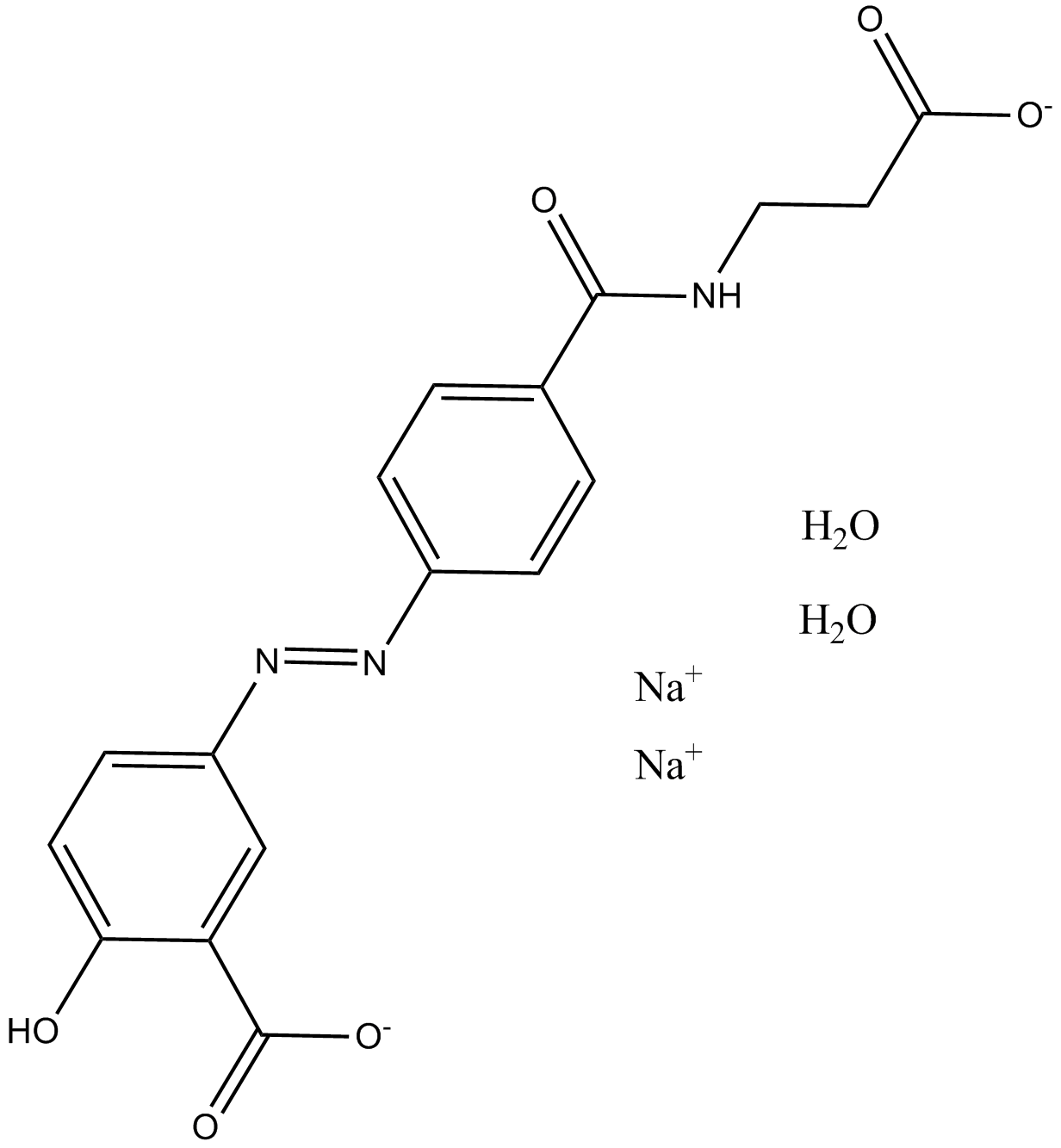 C6459 Balsalazide disodium dihydrateSummary: A prodrug of aminosalicylic acid that exerts local anti-inflammatory effects in the colon
 -
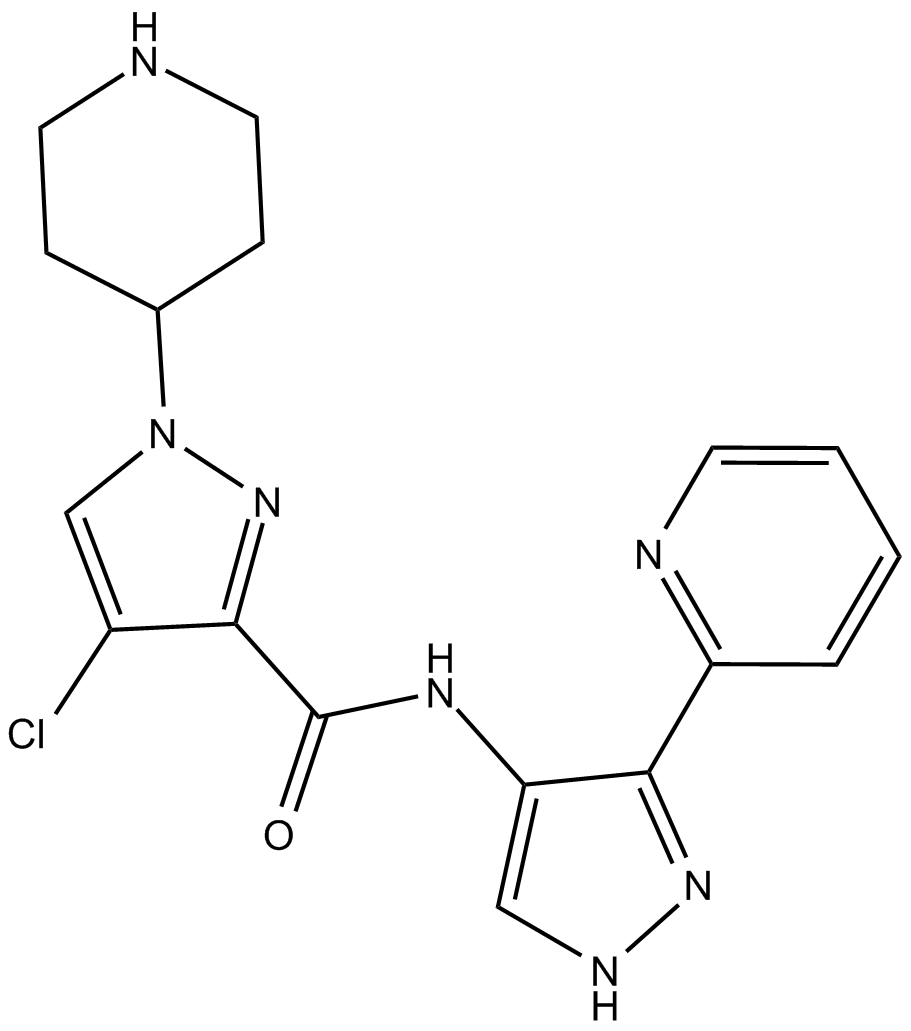 B8531 BDP5290Summary: A potent inhibitor of ROCK and MRCK
 -
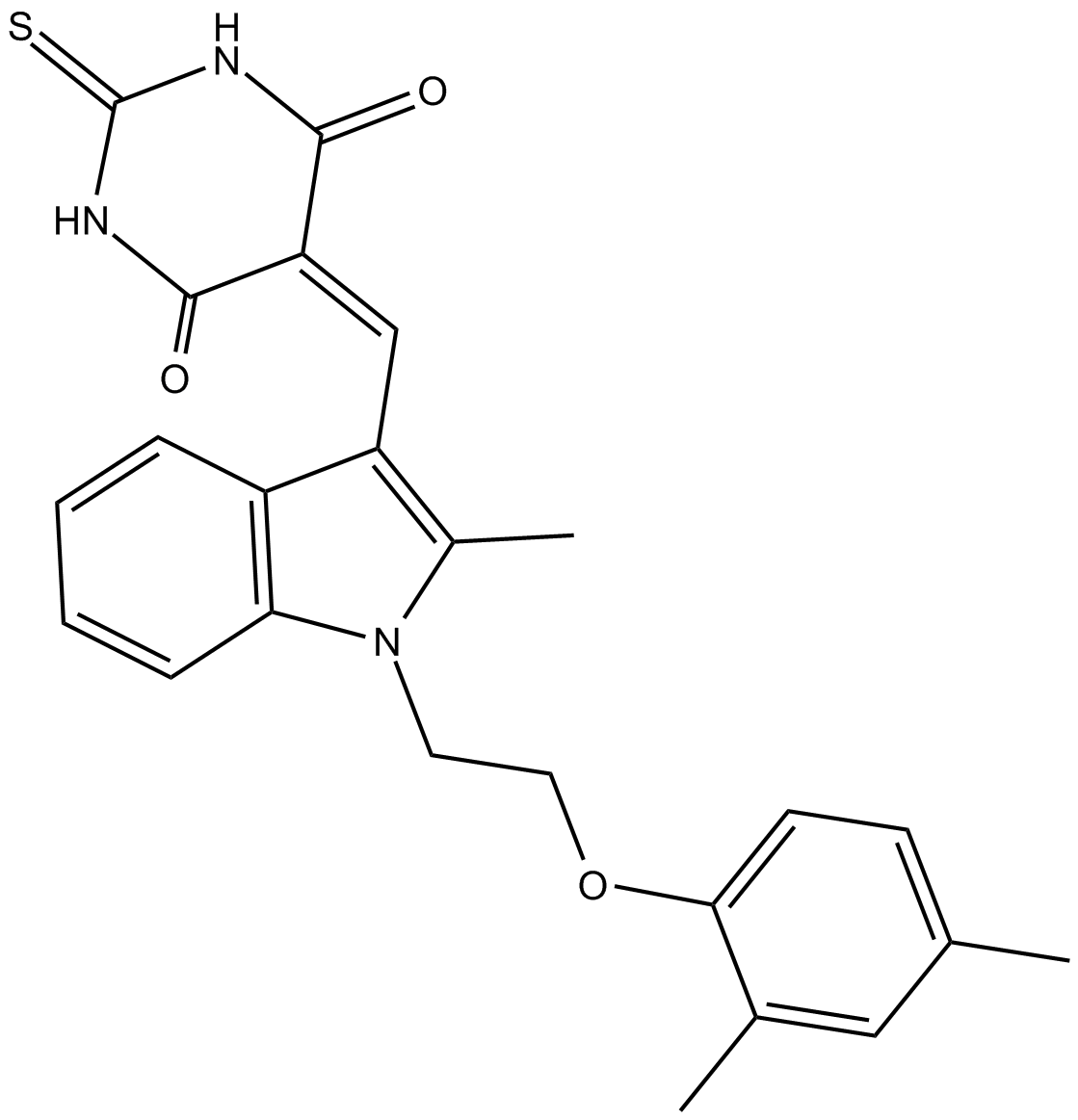 B8555 ZLDI-8Summary: Inhibitor of Notch activation/sheddase ADAM-17
 -
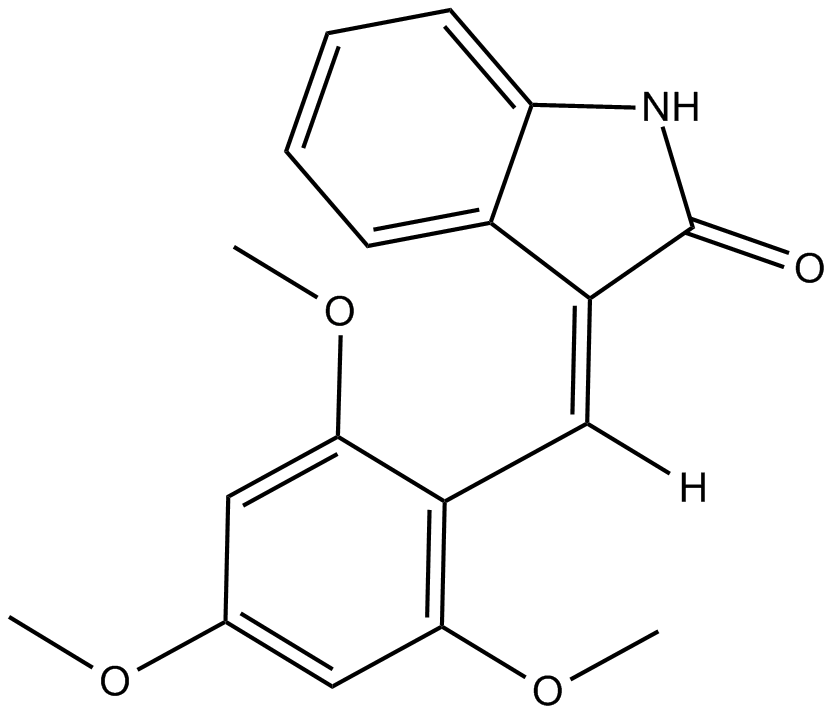 B6108 IC261Summary: CK1 inhibitor
 -
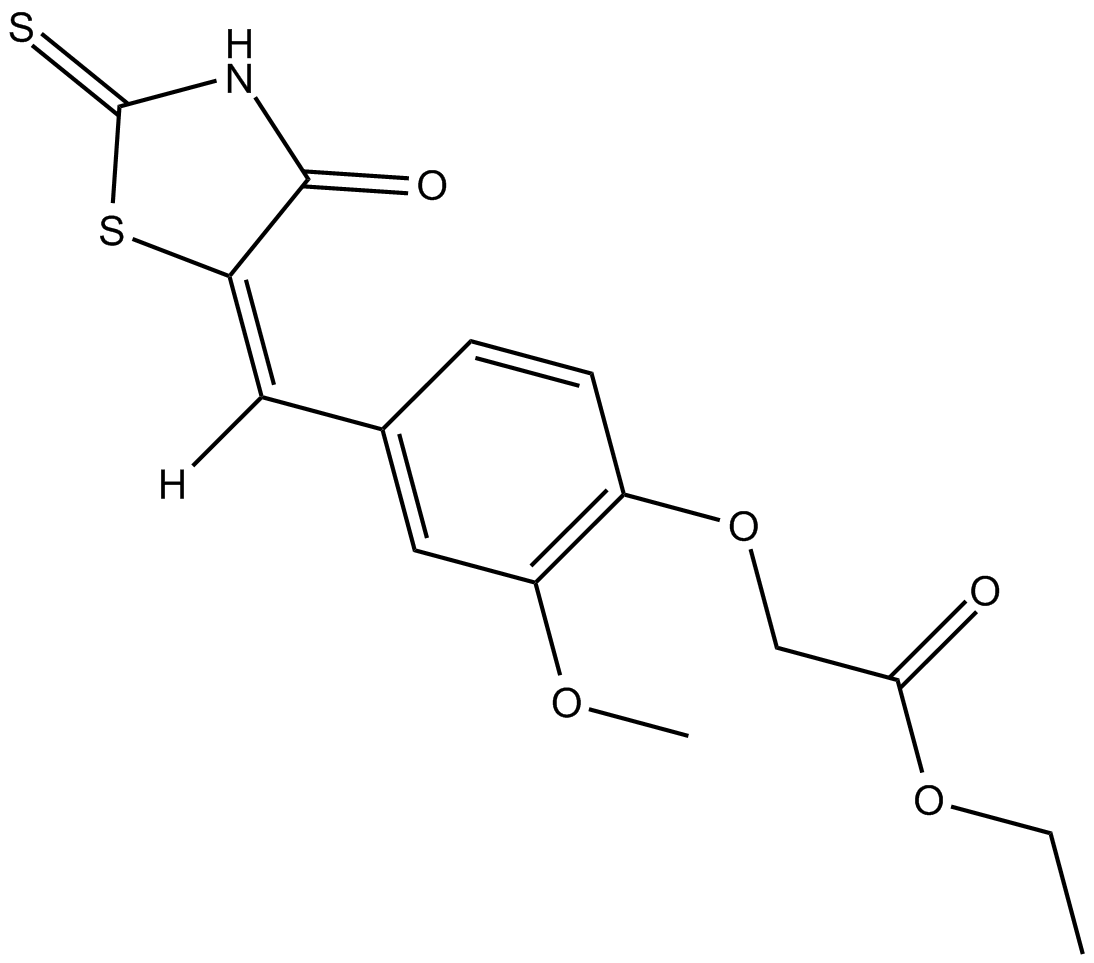 B6110 IMR-1Summary: Notch pathway inhibitor
 -
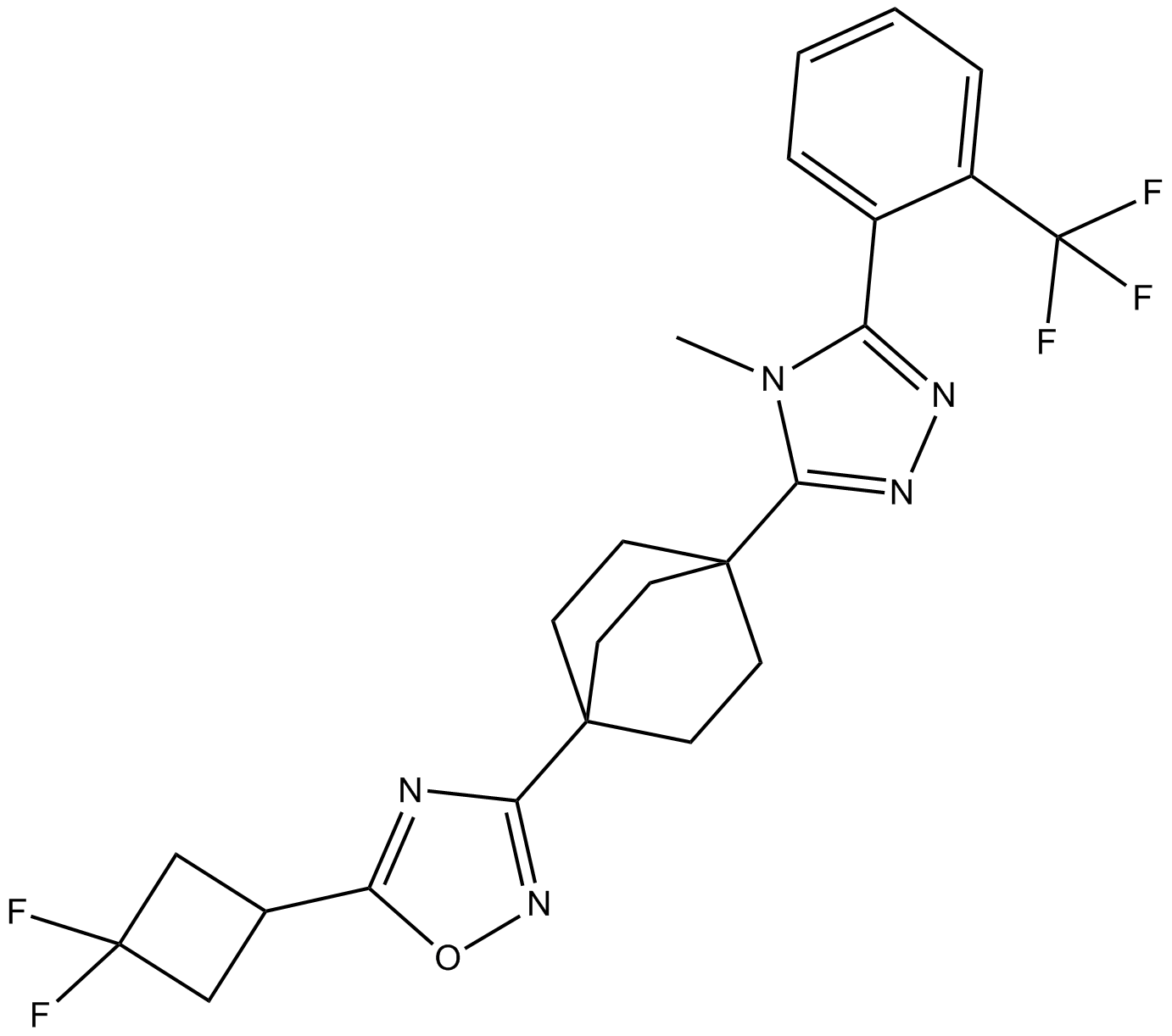 B7803 MK-4101Summary: Hedgehog (Hh) signaling pathway inhibitor