


Stem Cell
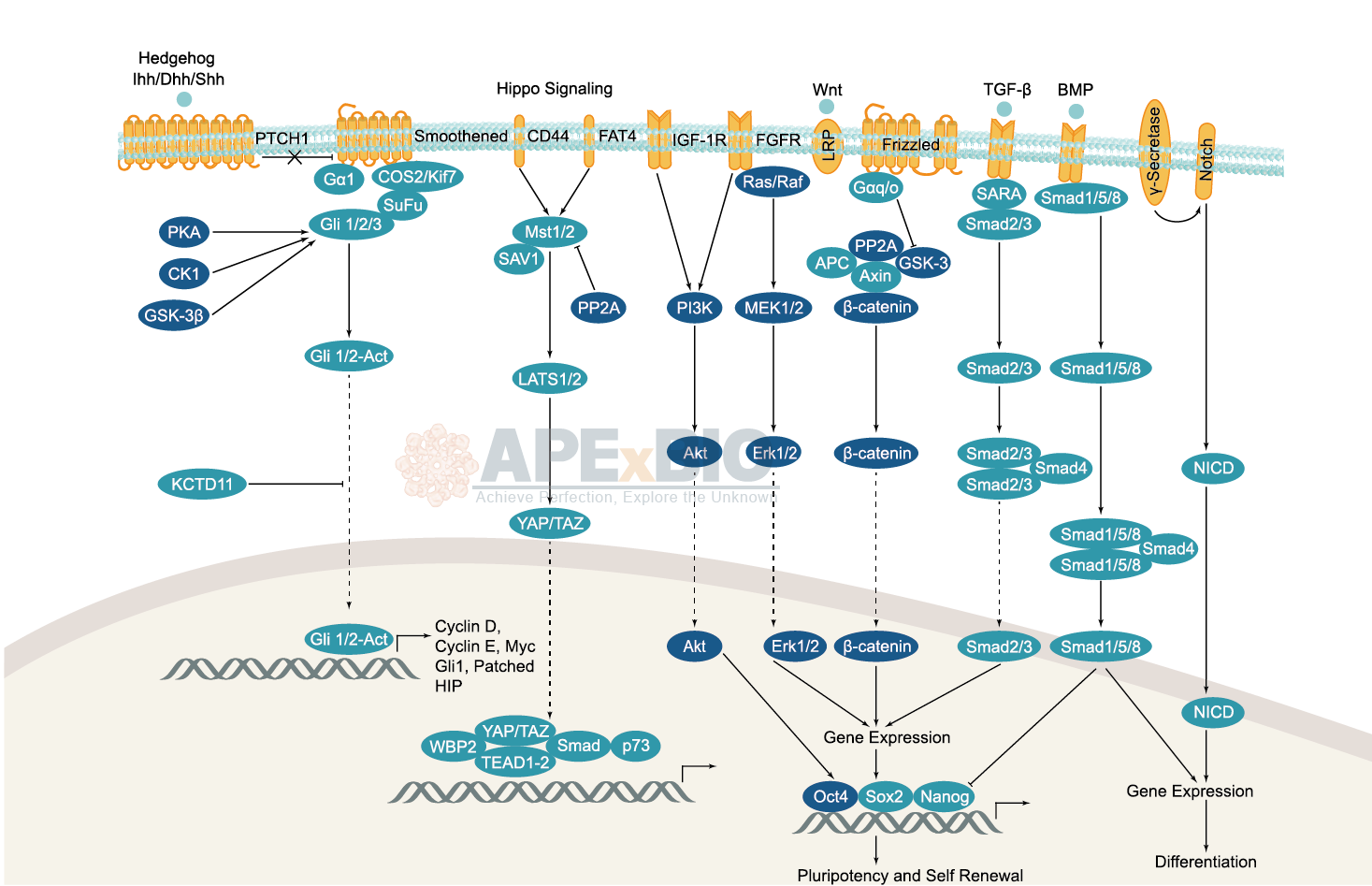
In ESC, BMP/TGF-β signaling pathway plays a key role in maintaining pluripotency and self-renewal. It signals through Smad proteins, and the FGF signaling pathway, which activates the MAPK and Akt pathways. The Wnt signaling pathway also promotes pluripotency. OCT-4, SOX2, and NANOG are three main transcription factors that are expressed and activated by these pathways. Induced pluripotent stem cells (iPSC) are pluripotent cells that can be generated from differentiated cells with forced expression of specific reprogramming factors. Both ESC and iPSC can be induced to develop into distinct cell types that associated with three primary germ layers: ectoderm, mesoderm and endoderm. Signaling pathways that control the development of these cell lineages, including BMP/TGF-β, Notch, Wnt/β-catenin, Hedgehog and Hippo pathways, which regulate cell division, growth and differentiation. Defects in stem cell signaling are related to developmental disorders and cancer.
-
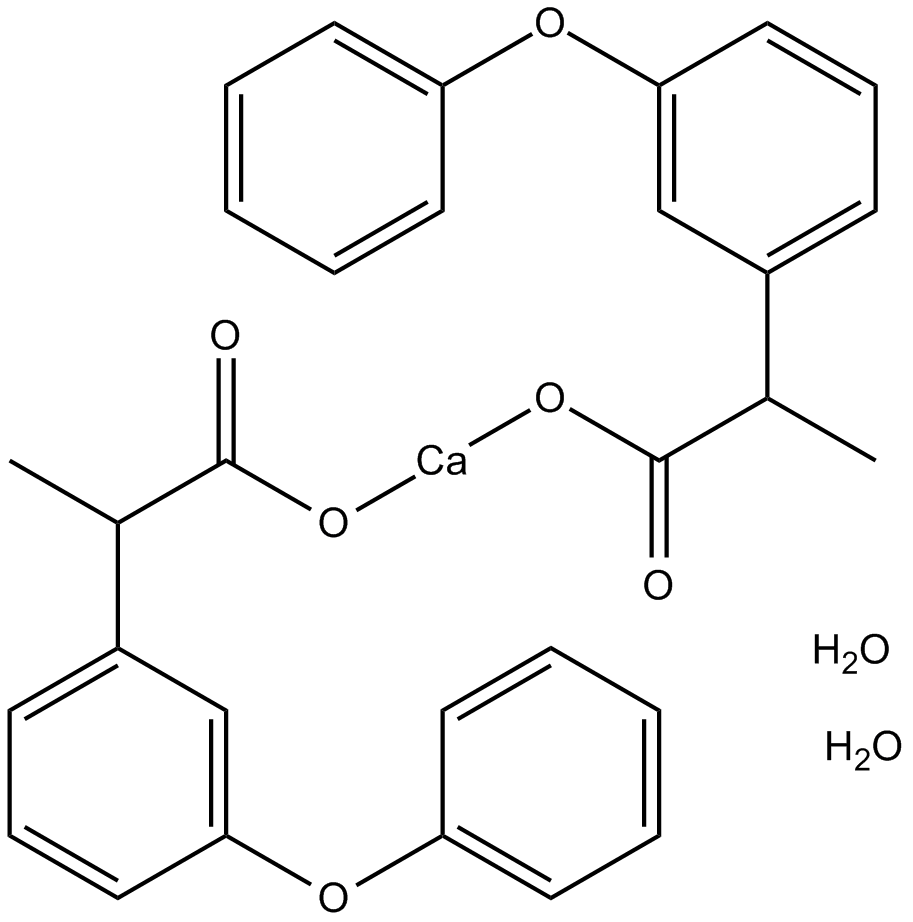 B1945 Fenoprofen calcium hydrateSummary: nonsteroidal, anti-inflammatory antiarthritic agent
-
 B2306 IWR-1-endo1 CitationSummary: Potent Wnt signaling inhibitor
-
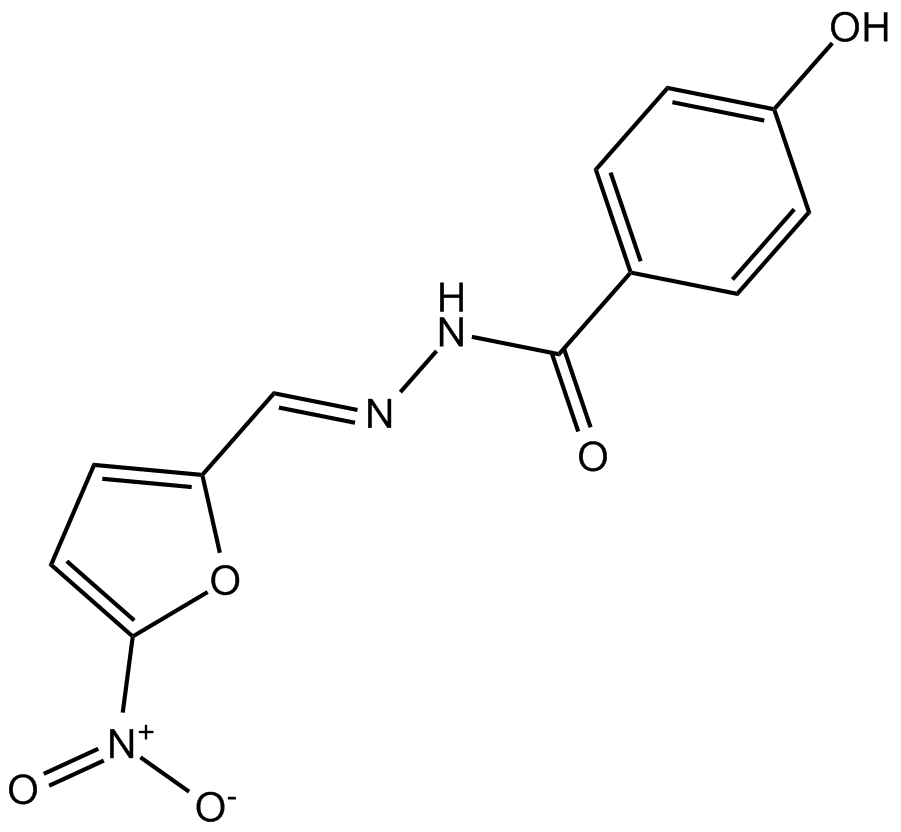 B1799 NifuroxazideTarget: STATSummary: STAT inhibitor
-
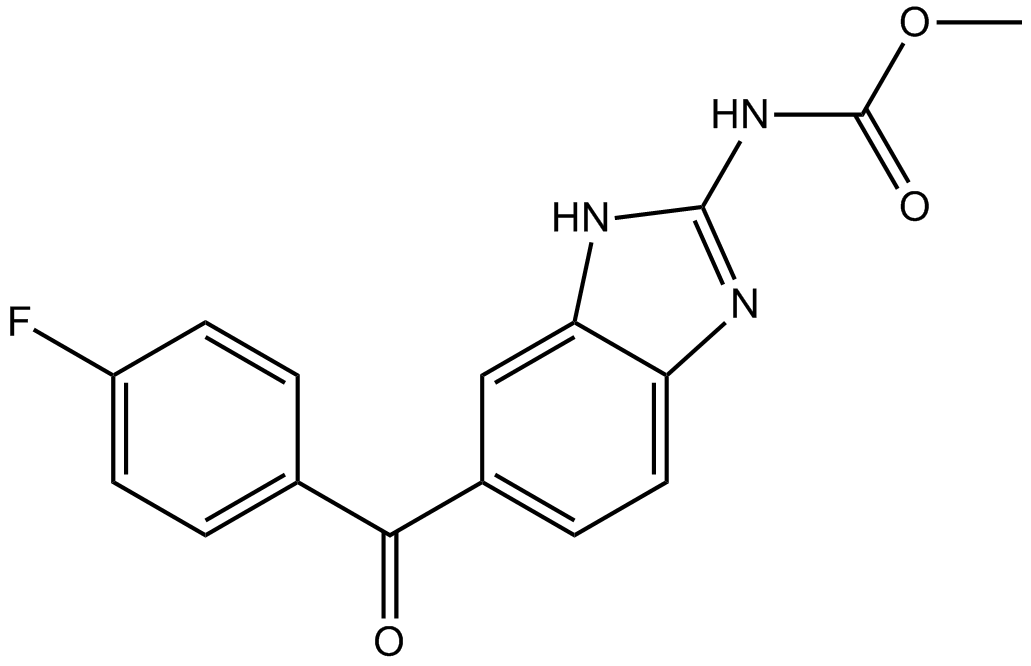 B1759 FlubendazoleSummary: Autophagy activator
-
 B1807 PamidronateSummary: A nitrogen-containing bisphosphonate that regulates bone metabolism and alleviates osteoarthritic cartilage degeneration.
-
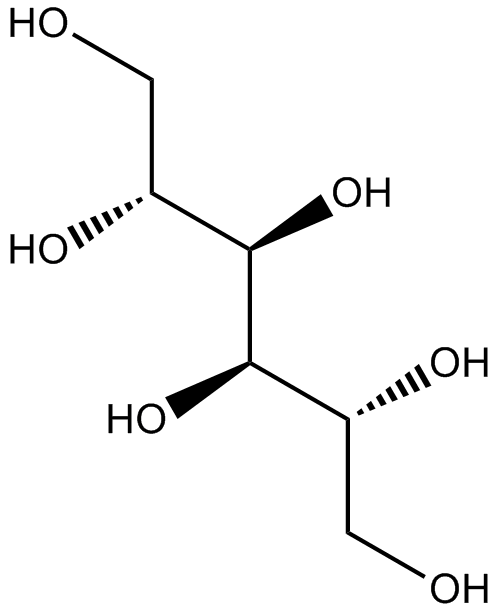 B2090 D-MannitolSummary: An osmotic regulator for adjusting intracellular and extracellular water distribution.
-
 A8958 Box5 TFASummary: A Wnt5a antagonist
-
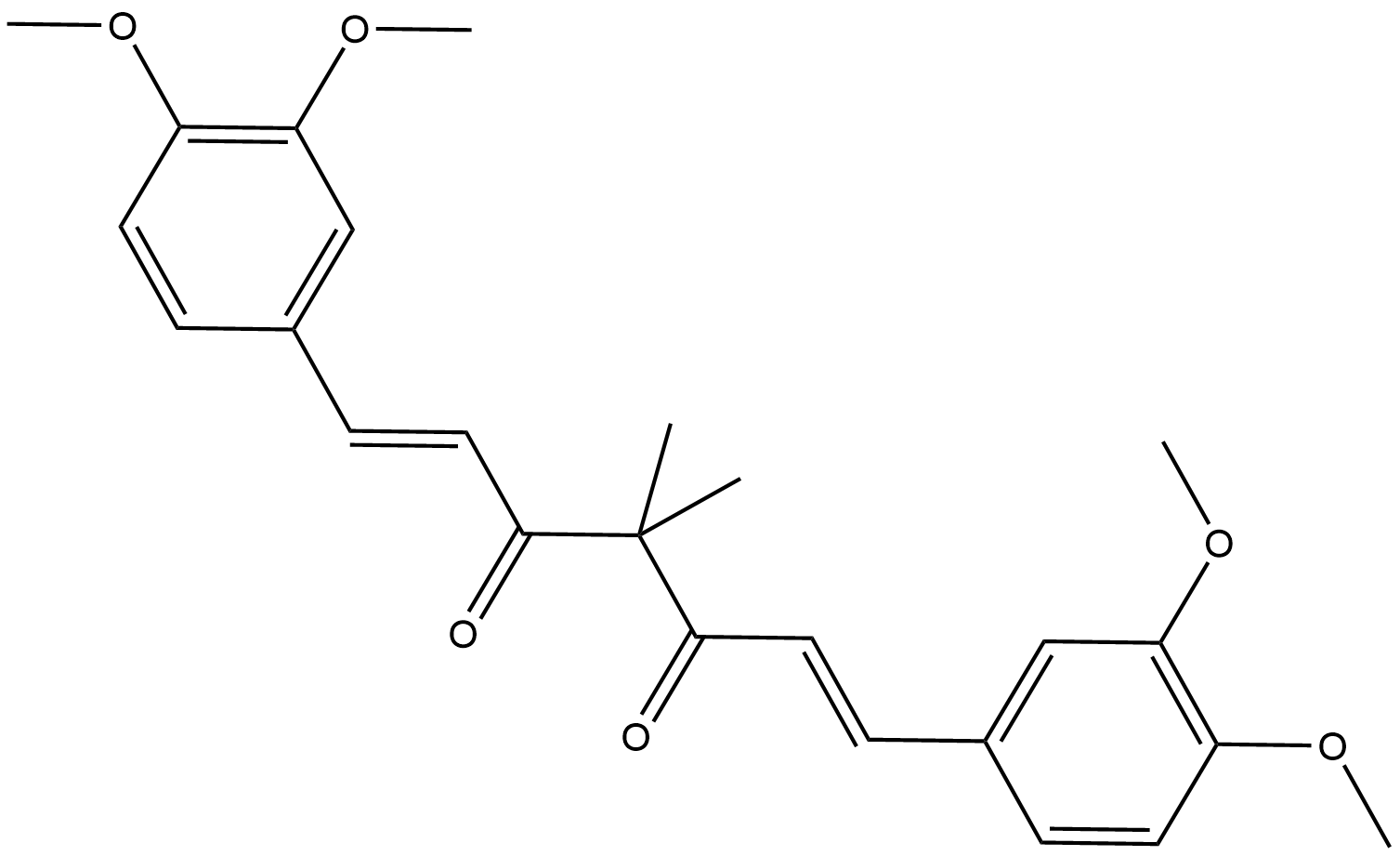 A4768 TetramethylcurcuminSummary: A curcumin derivative that selectively inhibits STAT3 phosphorylation
-
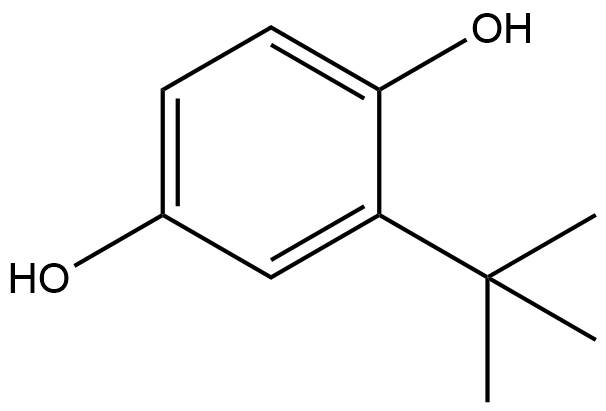 A4790 TBHQSummary: An organic phenolic compound that activates the Nrf2 and ERK pathways
-
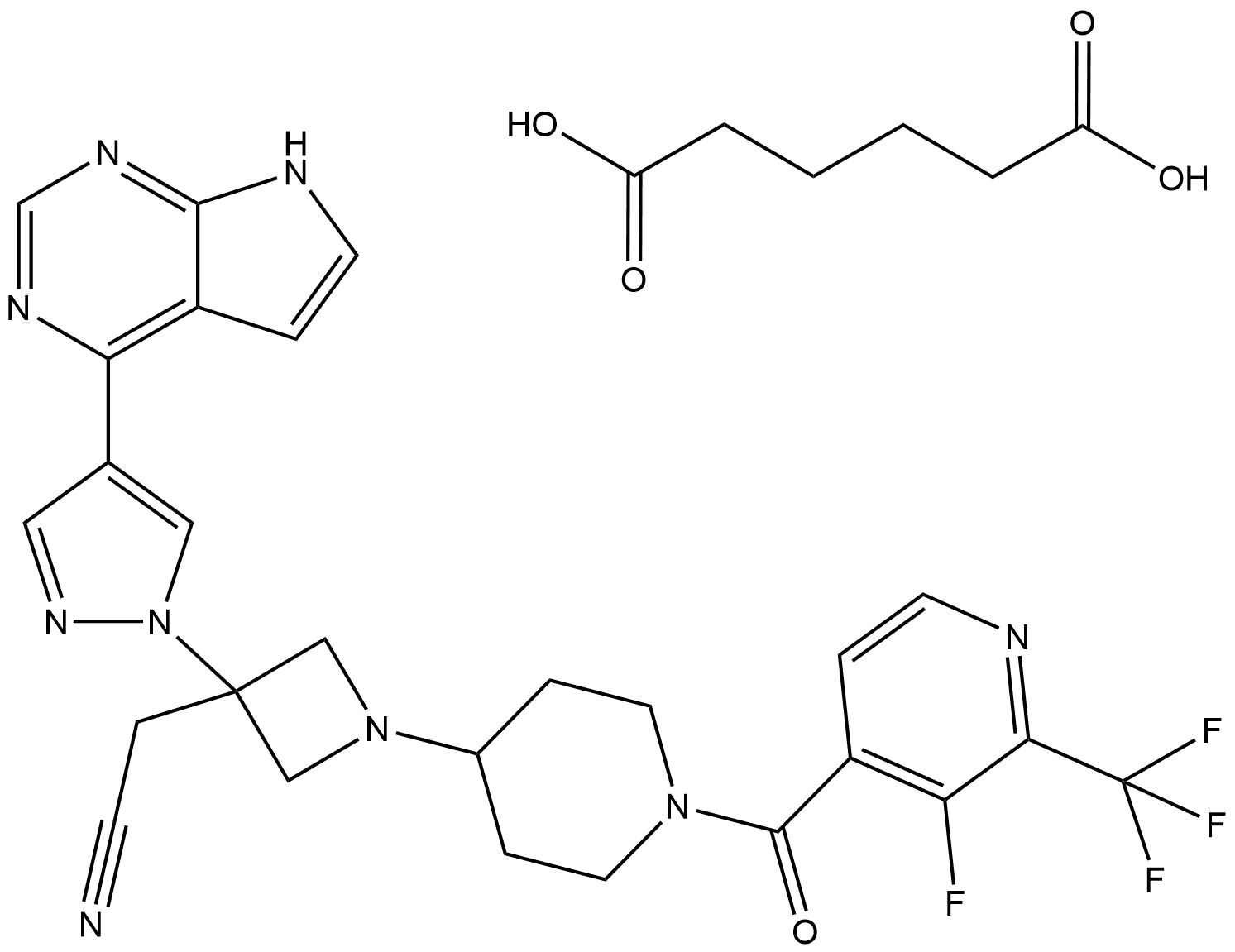 A8970 Itacitinib adipate