


Microbiology & Virology
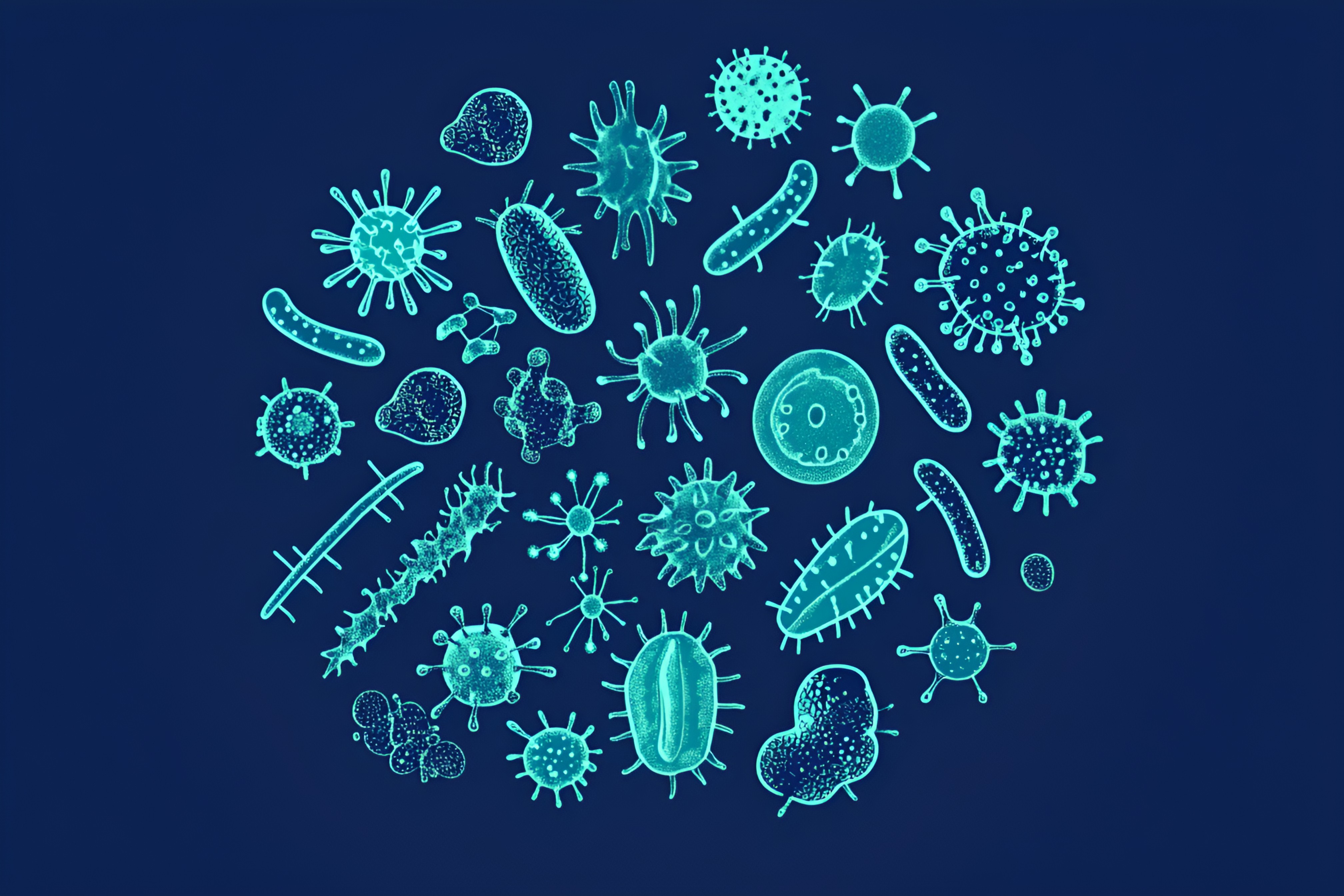
Furthermore, small molecules enable selective modulation of the microbiome, balancing interactions between beneficial and pathogenic microorganisms. Coupled with advances in high-throughput screening technologies, they continue to overcome limitations related to target specificity and drug resistance, thereby serving as a crucial bridge between basic research and clinical anti-infective practice. Collectively, small-molecule compounds offer diversified solutions to global public health challenges.
-
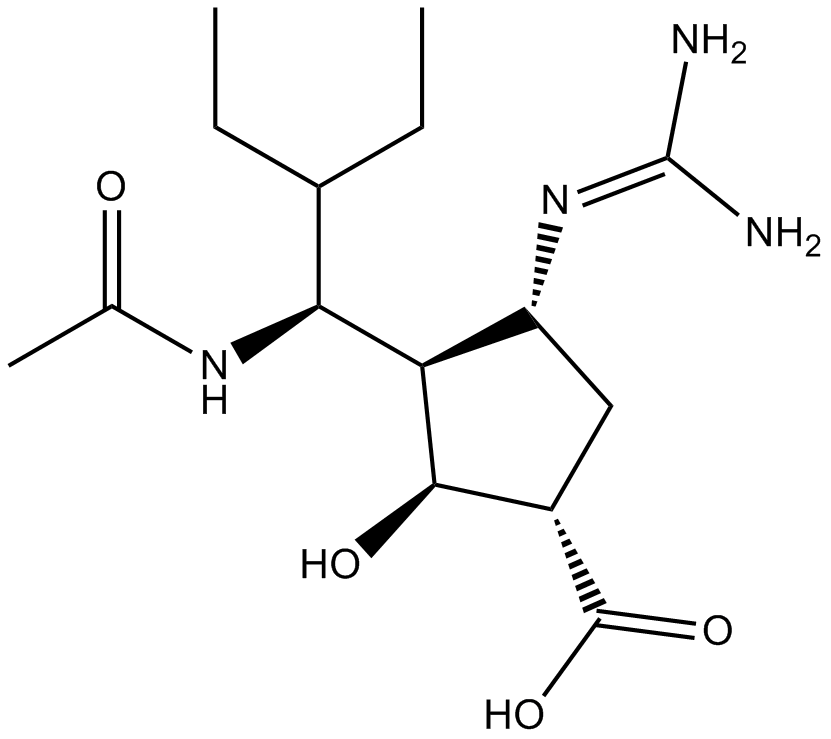 A3709 PeramivirSummary: Aeuraminidase inhibitor;antiviral drug
 -
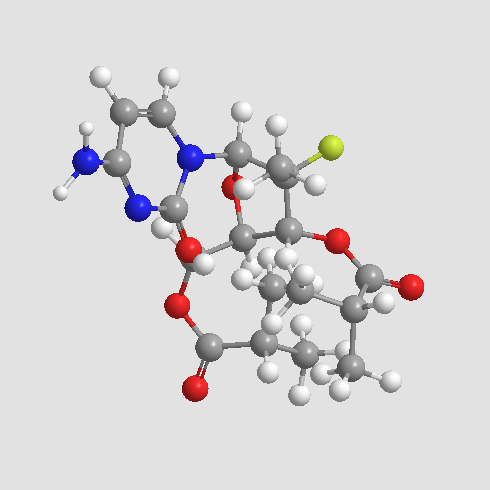 A3747 R-7128Summary: NS5B inhibitor
 -
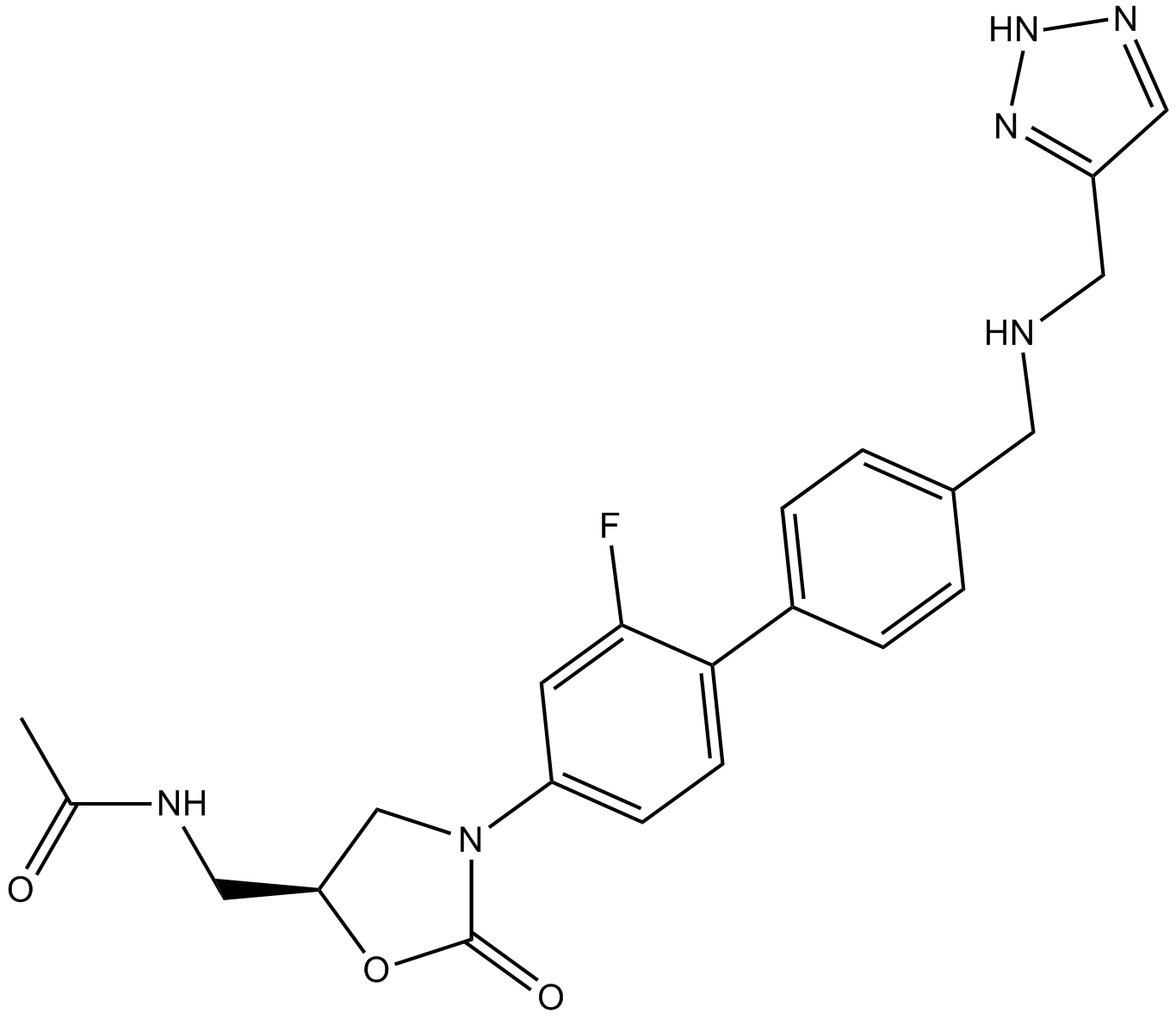 A3749 Radezolid3 CitationSummary: Novel oxazolidinone antibiotic agent
 -
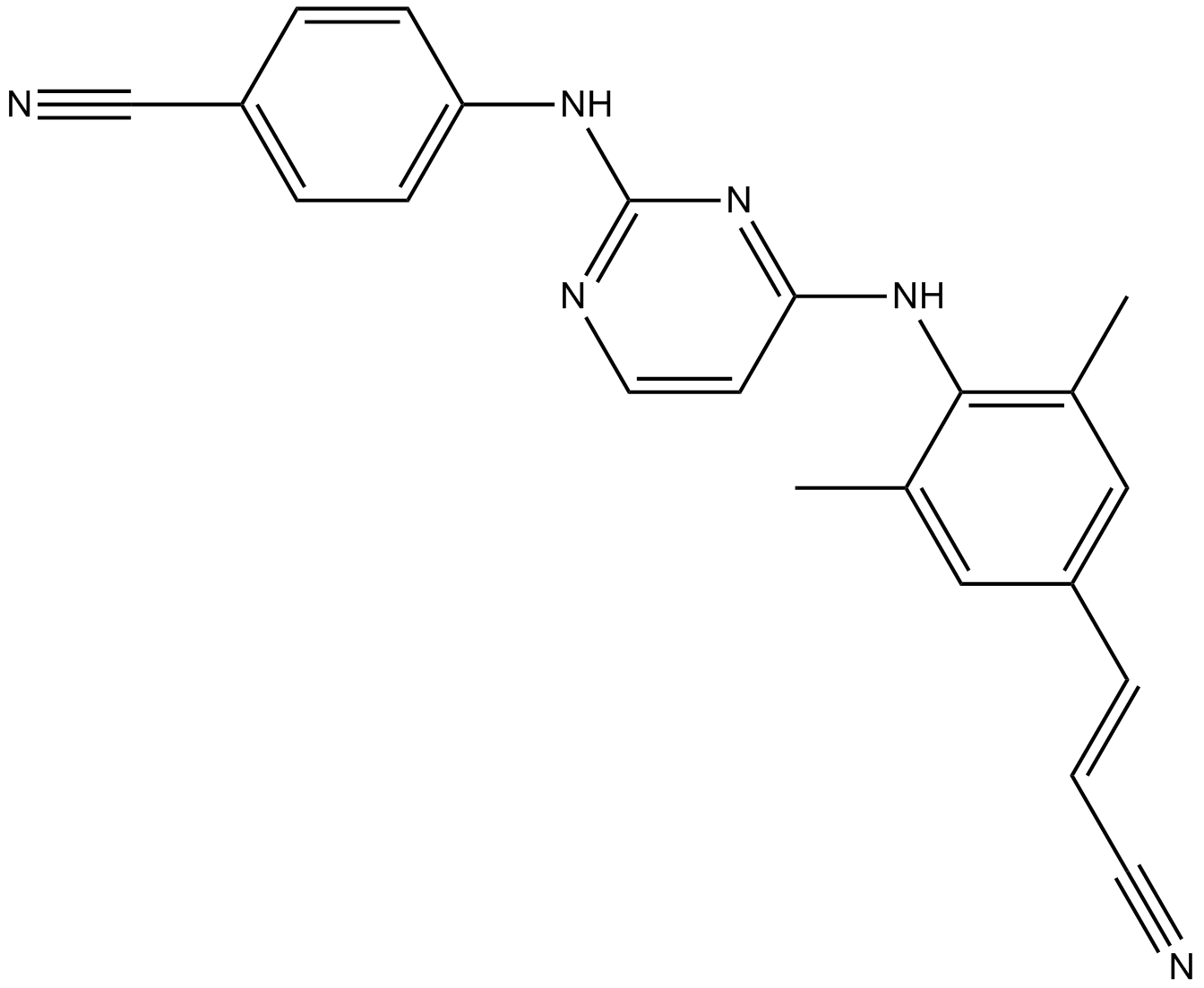 A3765 RilpivirineTarget: reverse transcriptaseSummary: Inhibitor of next-generation nonnucleoside reverse transcriptase
 -
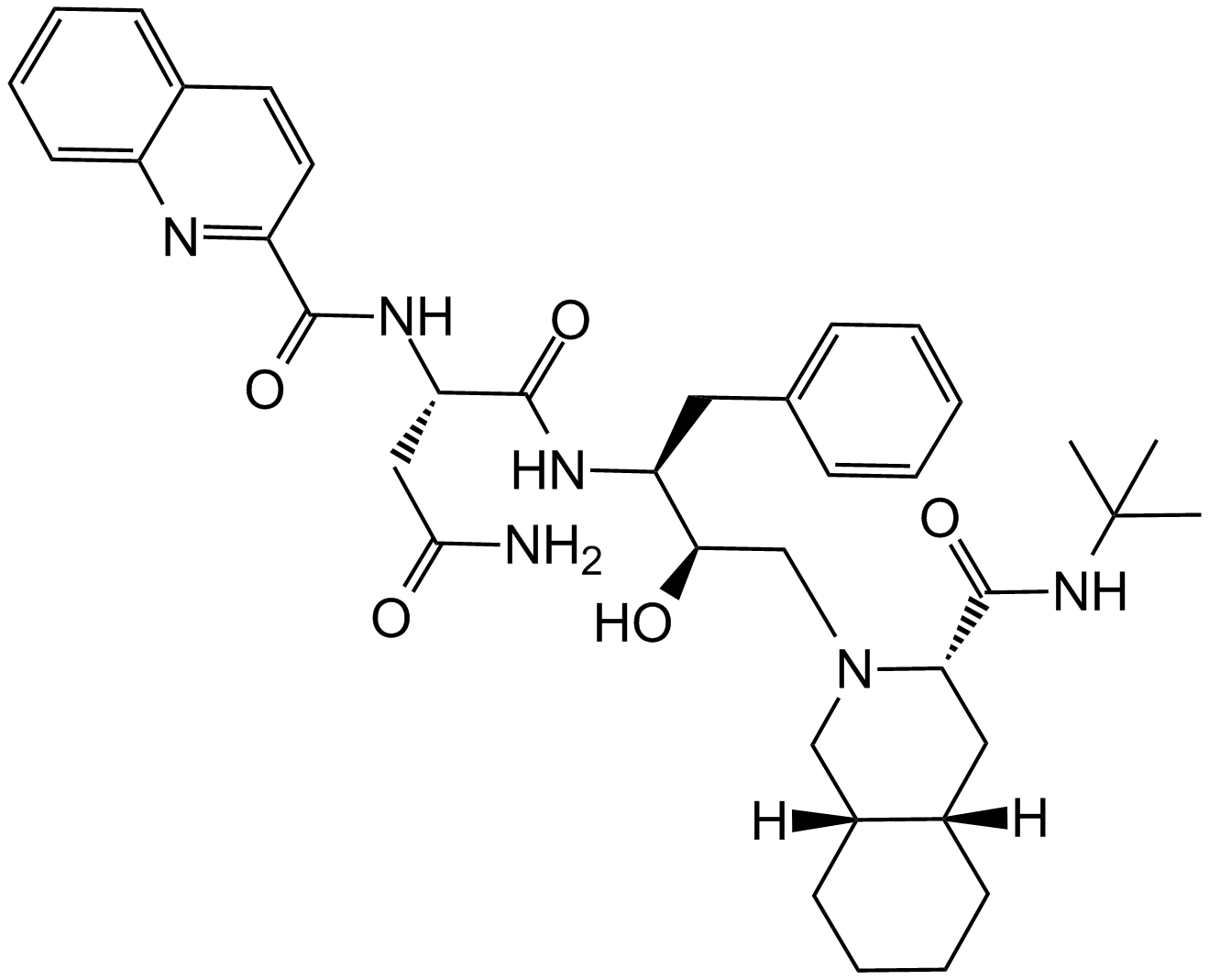 A3790 Saquinavir1 CitationSummary: HIV Protease Inhibitor
 -
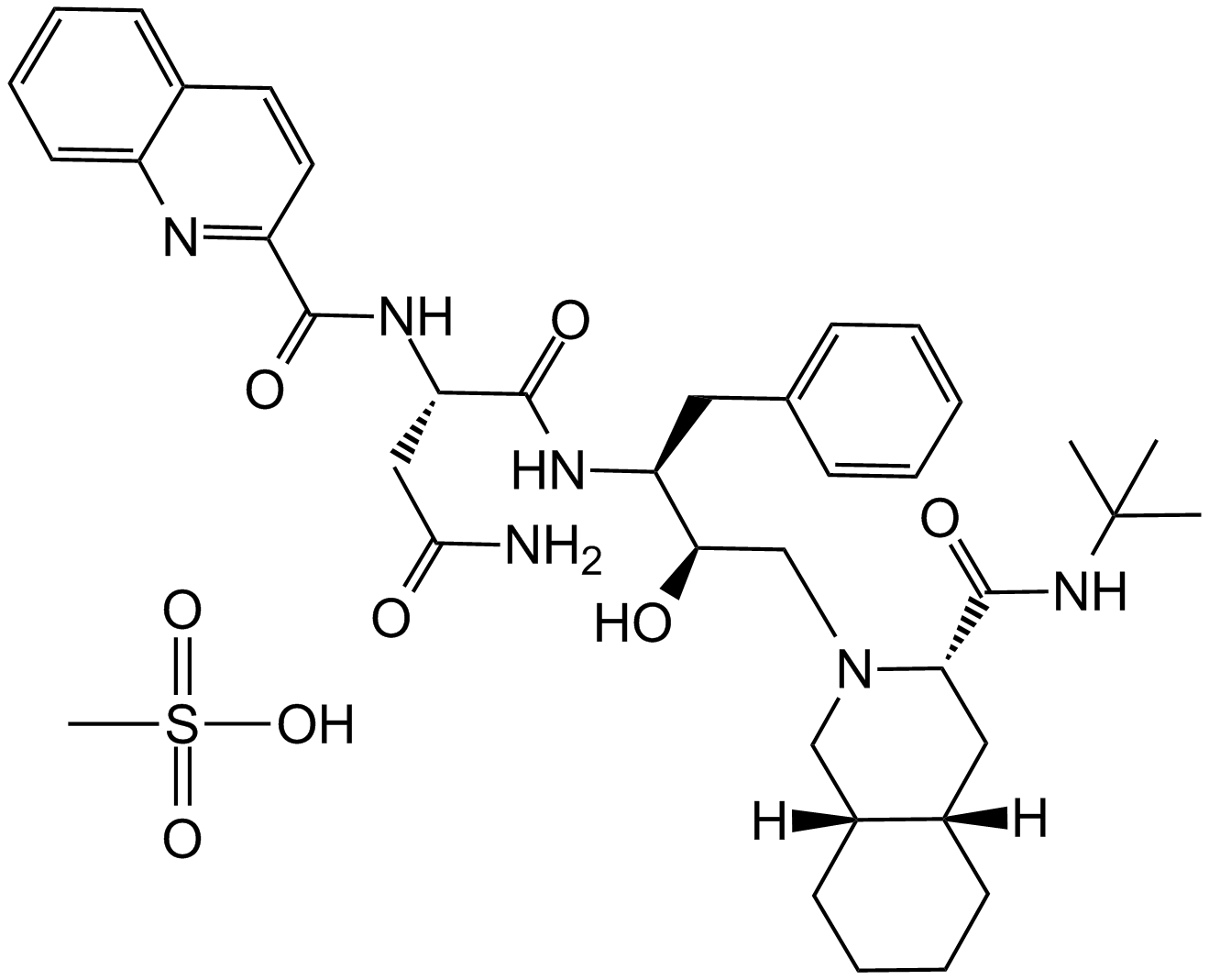 A3791 Saquinavir mesylateSummary: HIV Protease Inhibitor
 -
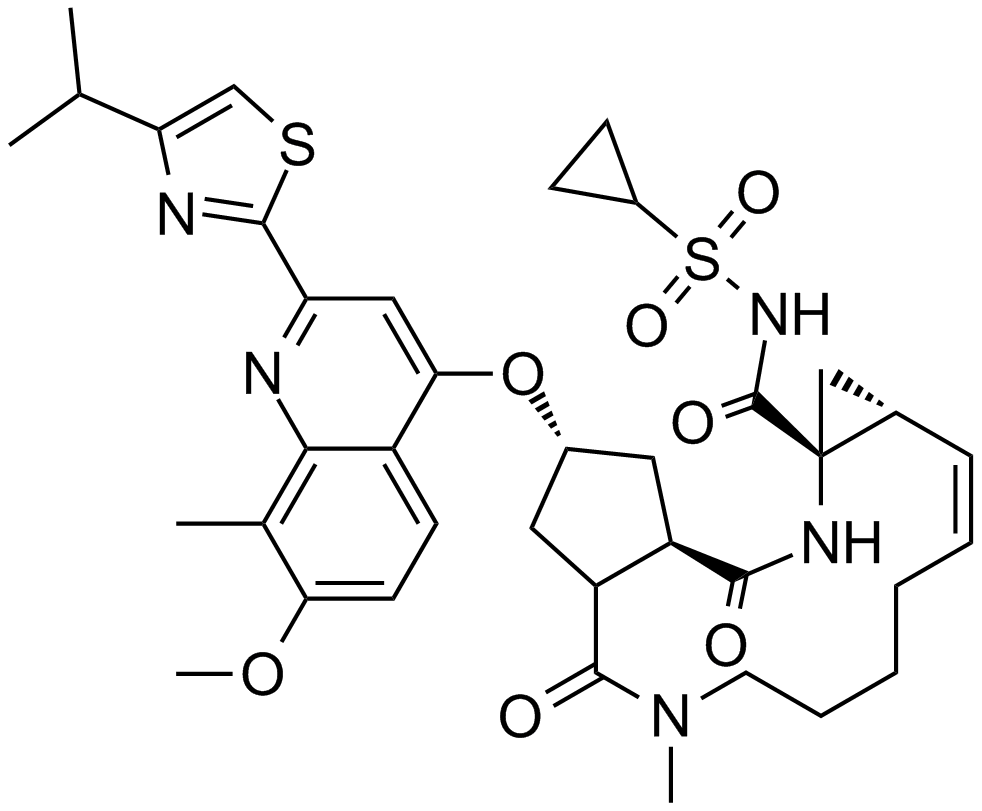 A3820 Simeprevir1 CitationTarget: HCV ProteasesSummary: Inhibitor of HCV NS3/4A protease
 -
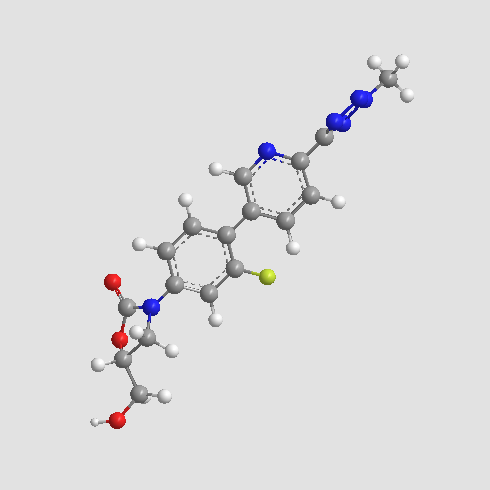 A3863 TedizolidSummary: Oxazolidinone for gram-positive infections
 -
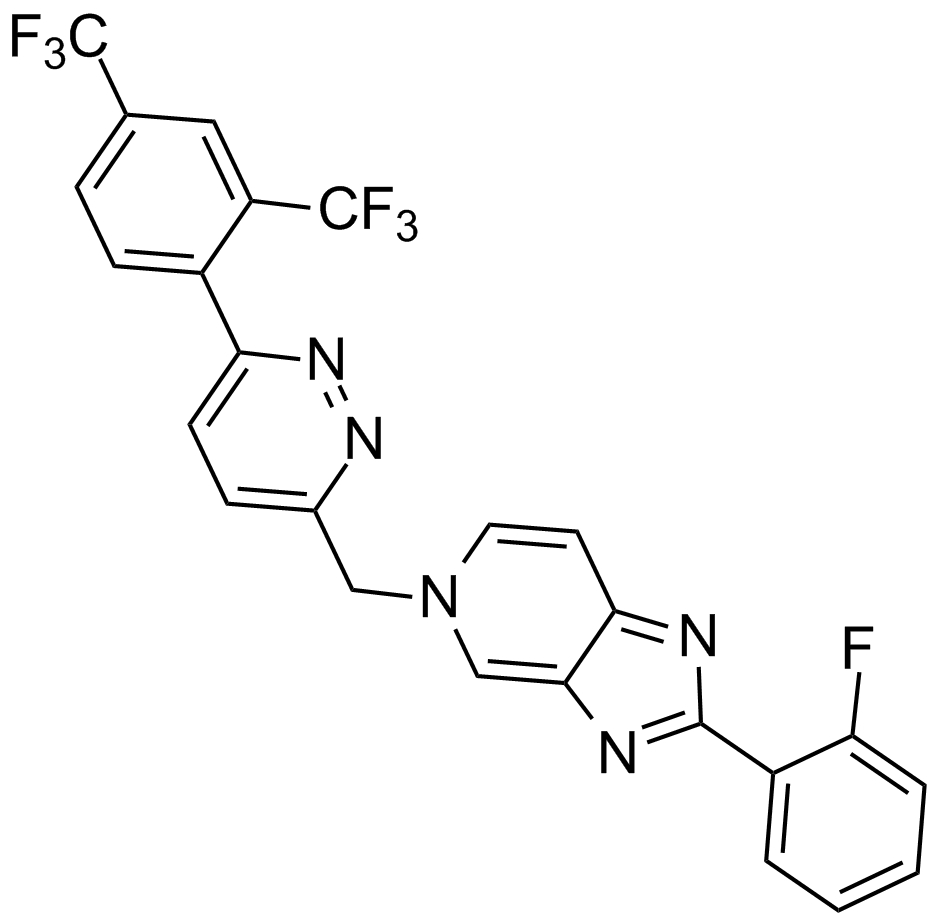 A3864 TegobuvirSummary: HCV RNA replication inhibitor
 -
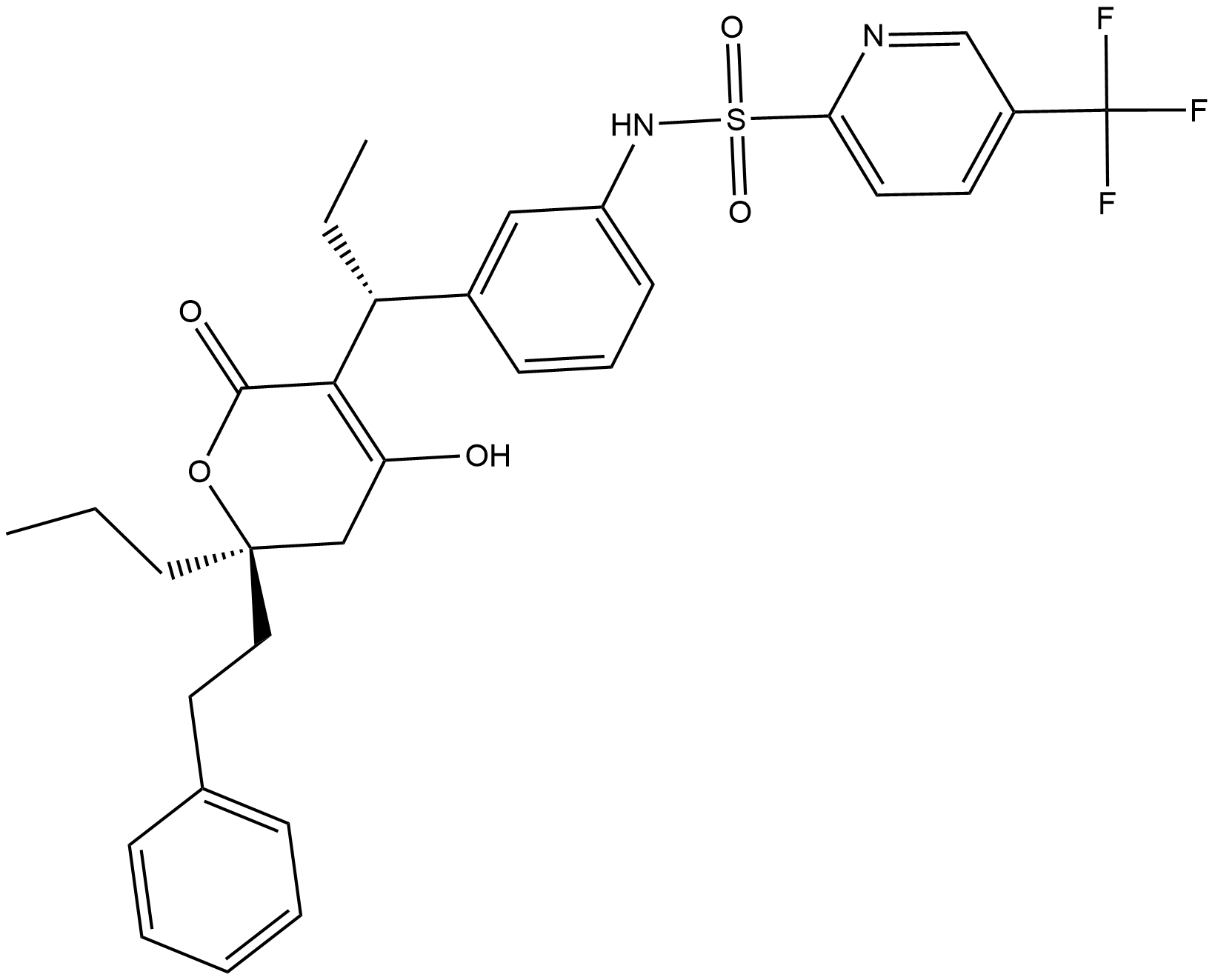 A3876 TipranavirSummary: HIV protease inhibitor