


Microbiology & Virology
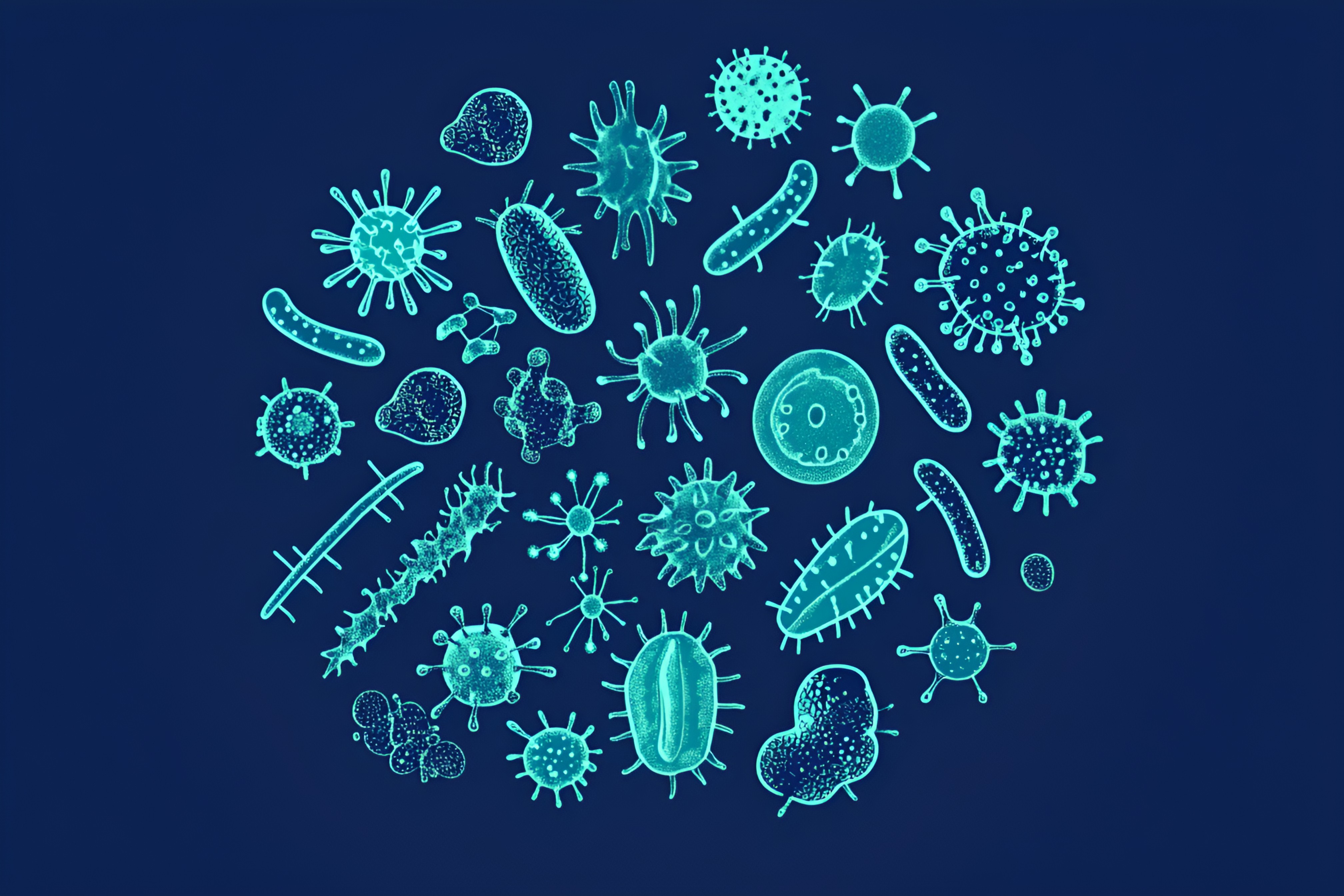
Furthermore, small molecules enable selective modulation of the microbiome, balancing interactions between beneficial and pathogenic microorganisms. Coupled with advances in high-throughput screening technologies, they continue to overcome limitations related to target specificity and drug resistance, thereby serving as a crucial bridge between basic research and clinical anti-infective practice. Collectively, small-molecule compounds offer diversified solutions to global public health challenges.
-
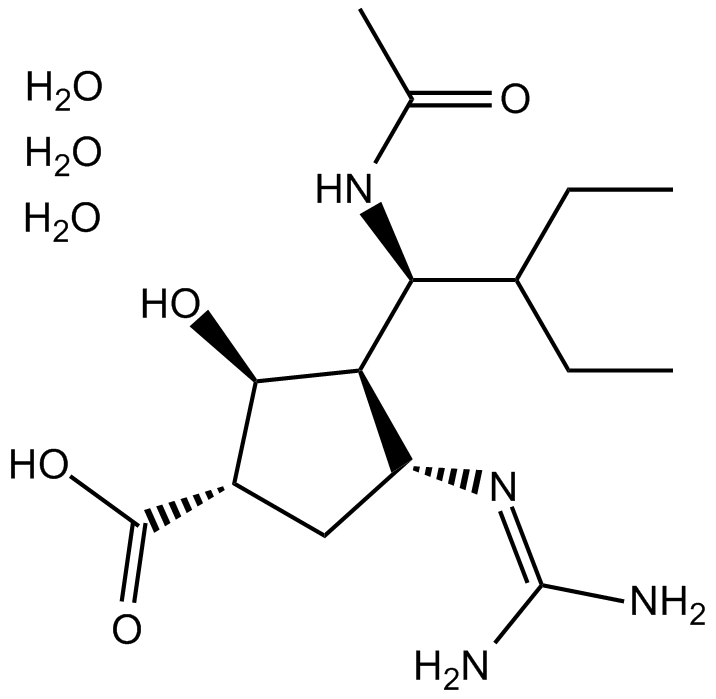 B2147 Peramivir TrihydrateSummary: potent, specific influenza viral neuraminidase inhibitor
 -
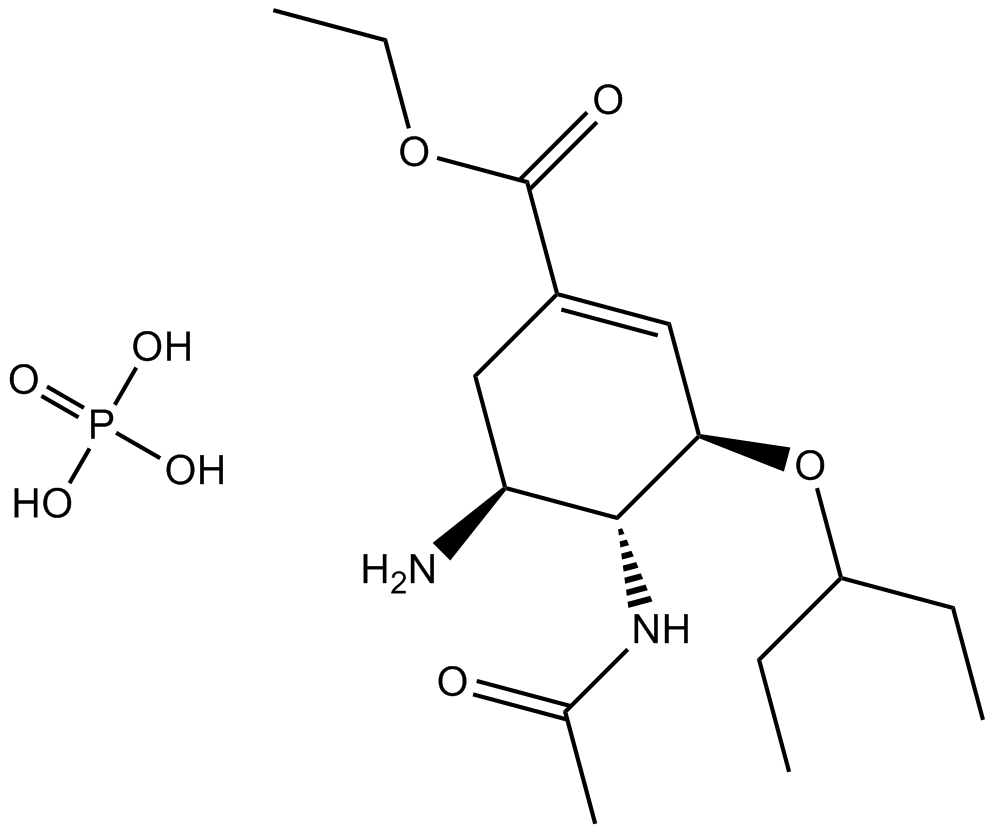 B1803 Oseltamivir phosphate1 CitationTarget: Neuraminidases (NA)Summary: Potent and selective inhibitor of the neuraminidase
 -
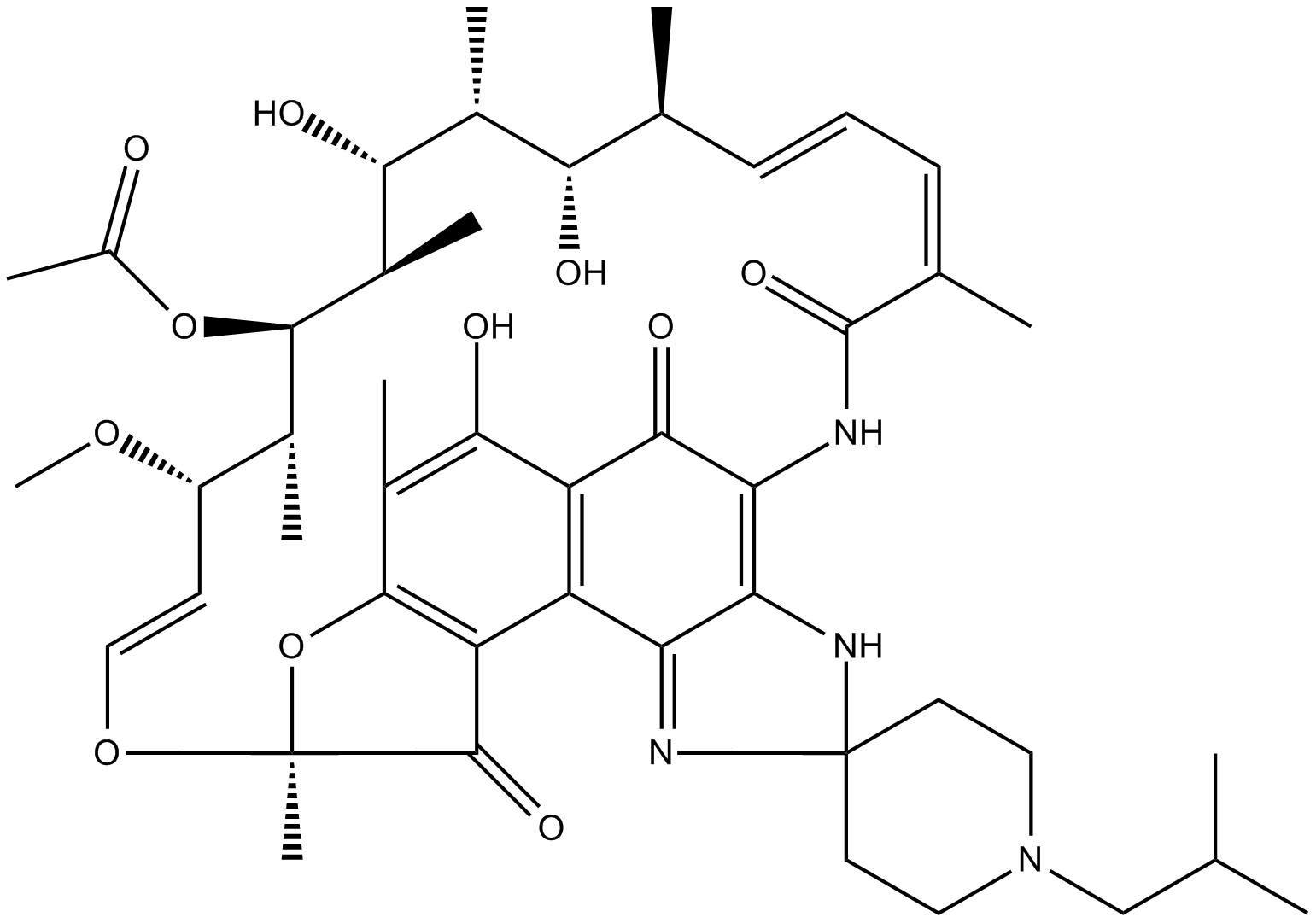 B2126 RifabutinTarget: Cytochrome P450 (CYP450)Summary: anti-TB(tuberculosis) medicine
 -
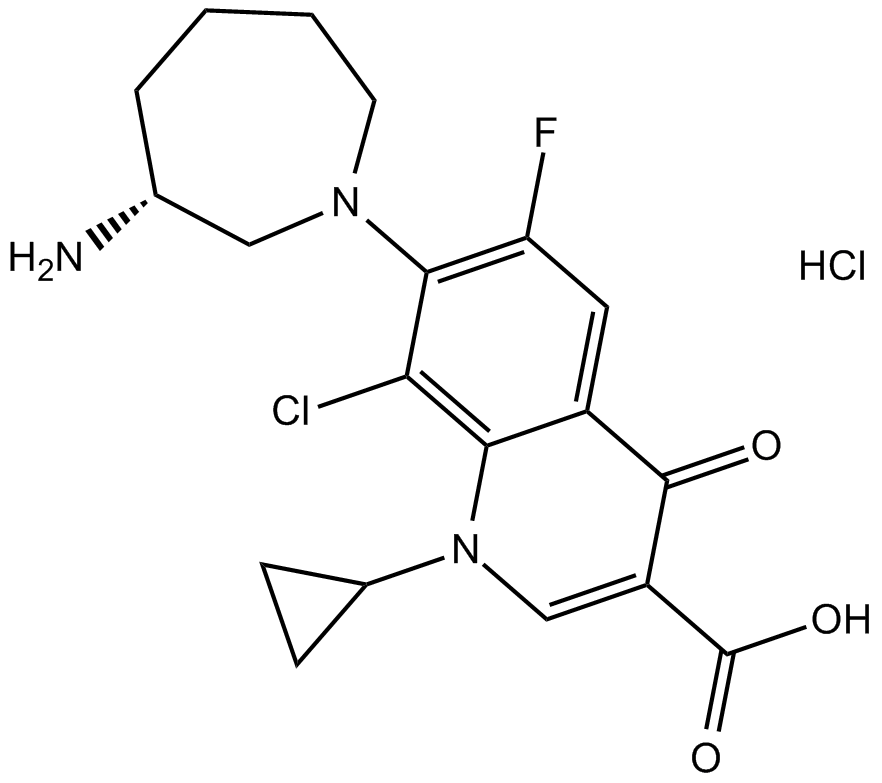 B1895 Besifloxacin HClSummary: fourth-generation fluoroquinolone antibiotic
 -
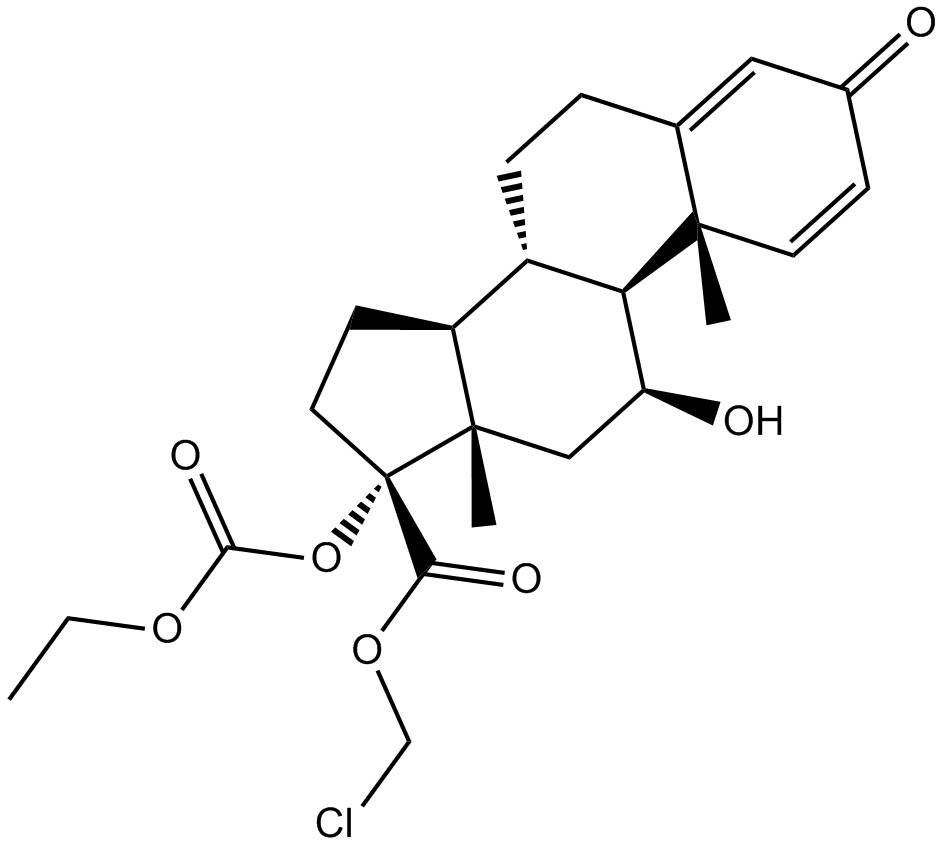 B2106 Loteprednol etabonateSummary: potent glucocorticoid receptor agonist
 -
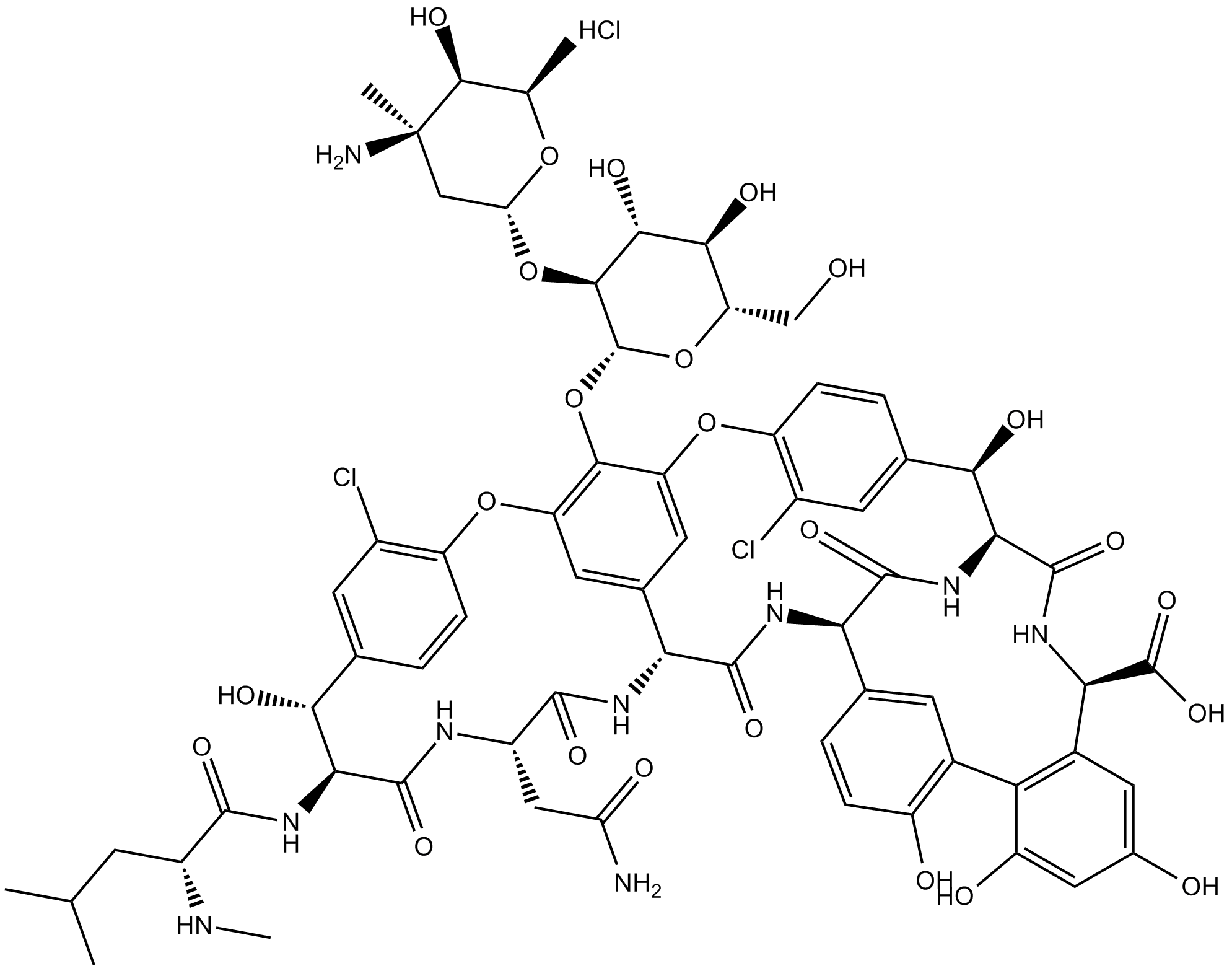 B1223 Vancomycin hydrochloride1 CitationTarget: AntibioticSummary: glycopeptide antibacterial agent
 -
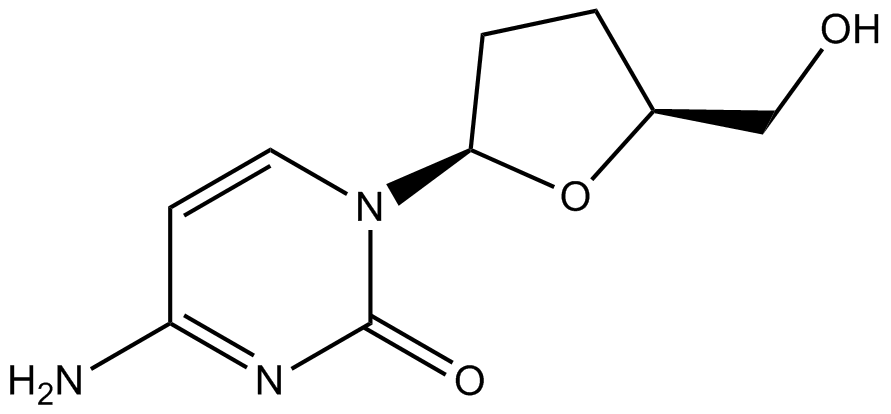 B2223 ZalcitabineTarget: Reverse TranscriptasesSummary: Reverse transcriptase inhibitor
 -
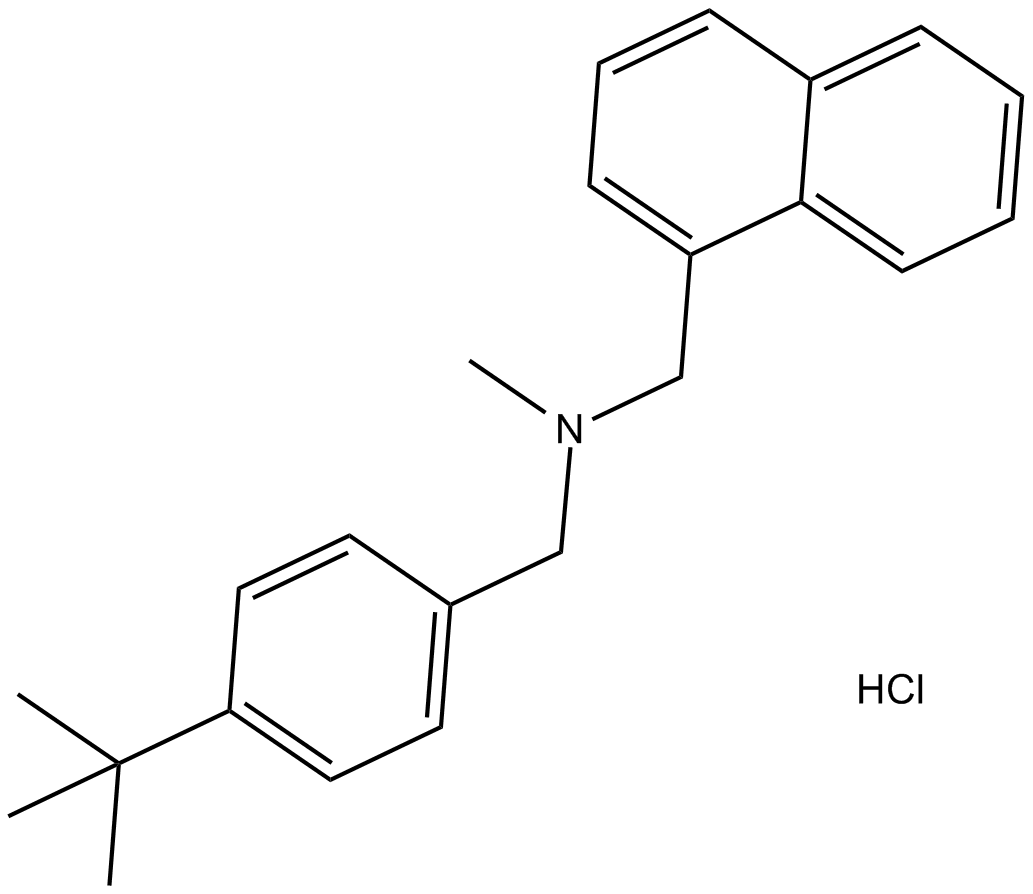 B1901 Butenafine HClTarget: Squalene epoxidasesSummary: synthetic benzylamine antifungal
 -
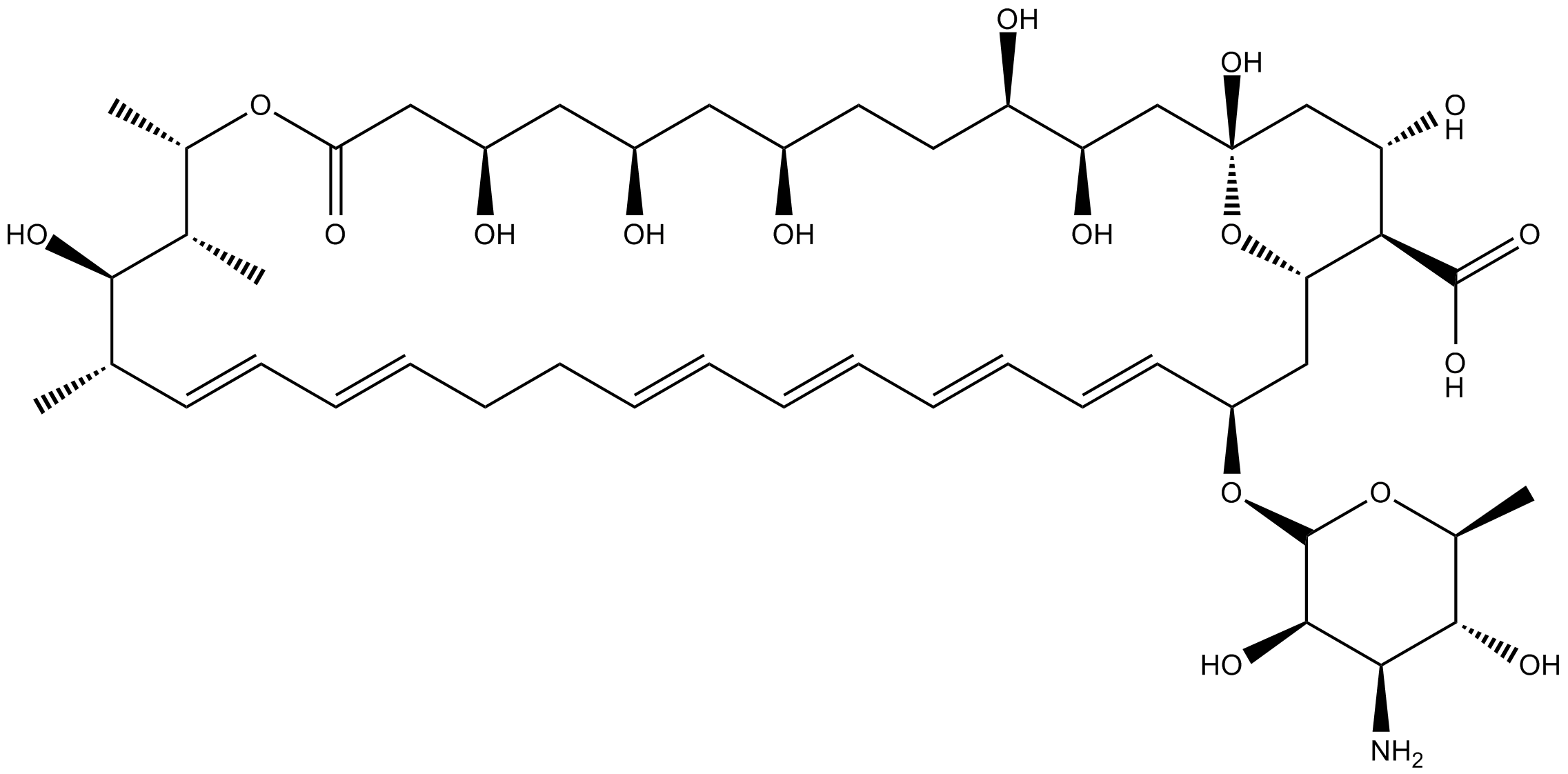 B1993 Nystatin (Fungicidin)5 CitationTarget: AntifungalSummary: antifungal antibiotic
 -
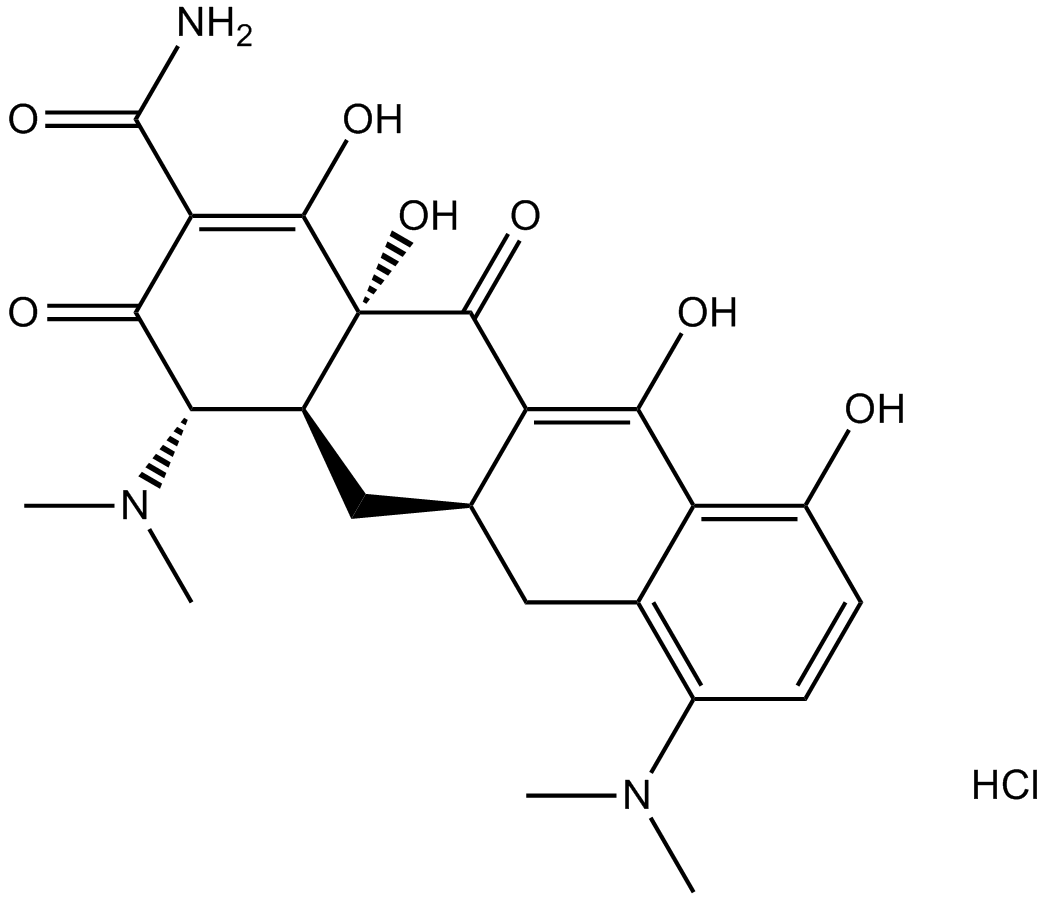 B1791 Minocycline HCl2 CitationTarget: AntibioticSummary: Tetracycline antibiotic