


Microbiology & Virology
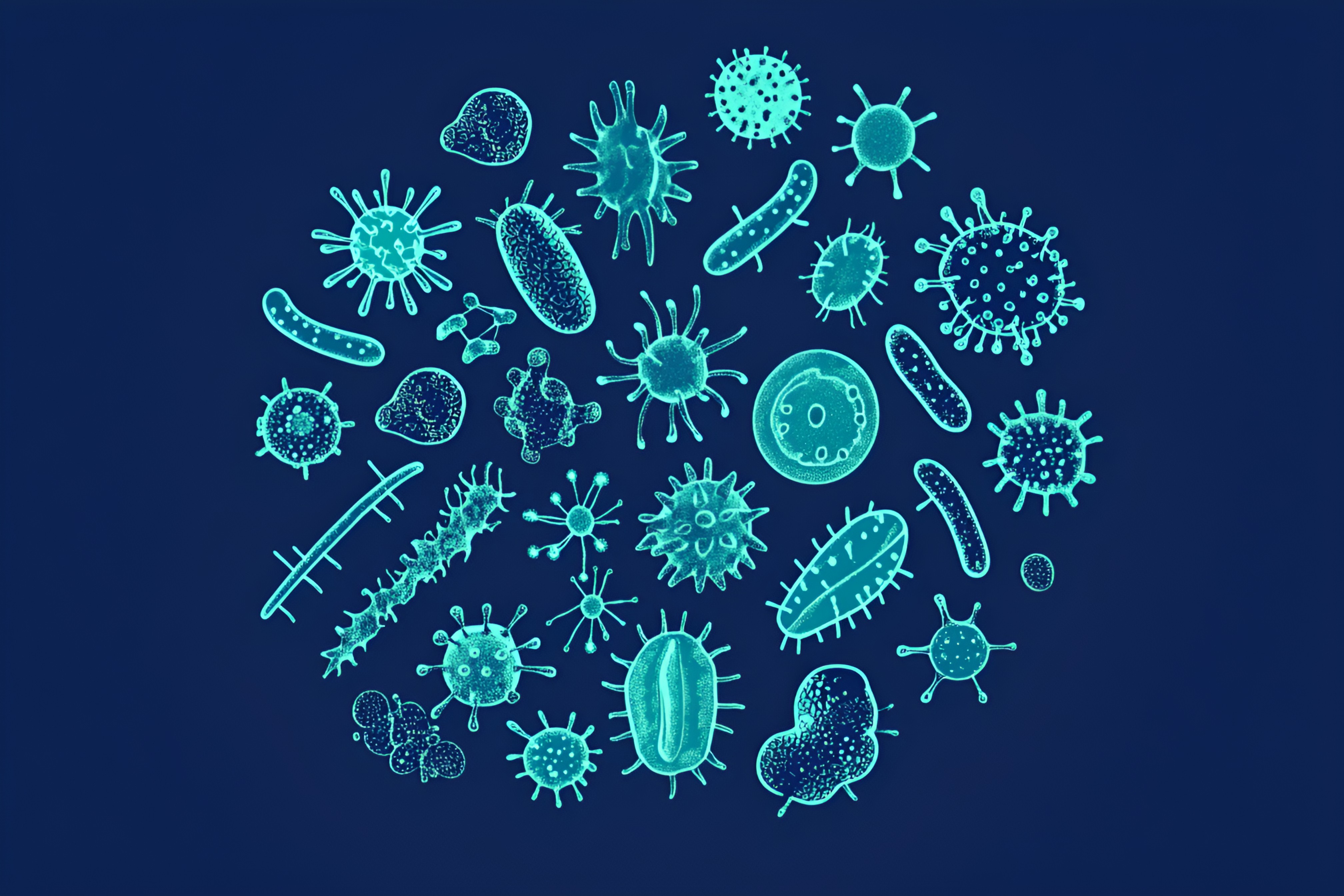
Furthermore, small molecules enable selective modulation of the microbiome, balancing interactions between beneficial and pathogenic microorganisms. Coupled with advances in high-throughput screening technologies, they continue to overcome limitations related to target specificity and drug resistance, thereby serving as a crucial bridge between basic research and clinical anti-infective practice. Collectively, small-molecule compounds offer diversified solutions to global public health challenges.
-
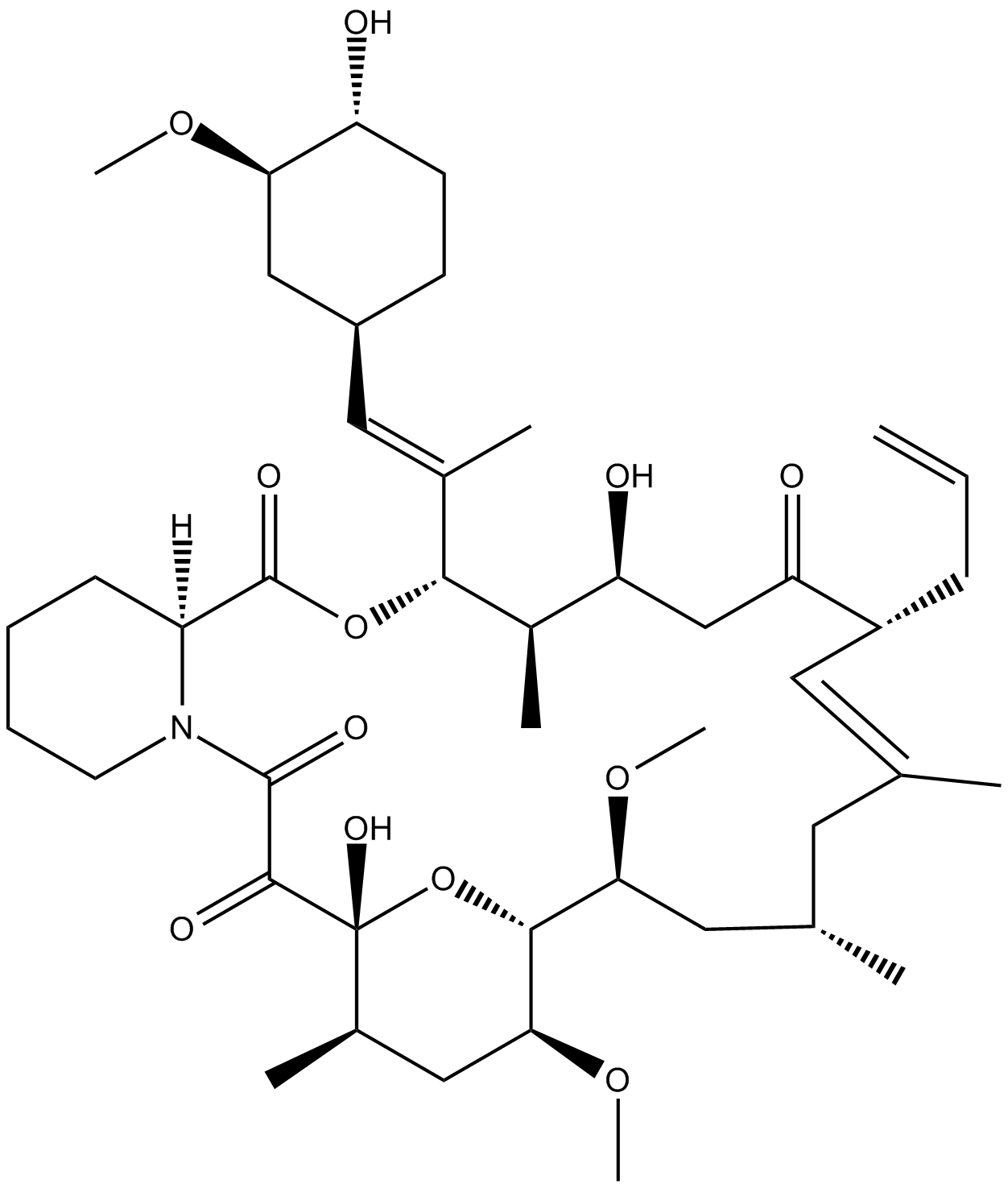 B2143 Tacrolimus (FK506)10 CitationTarget: Peptidylprolyl isomerasesSummary: calcineurin inhibitor
 -
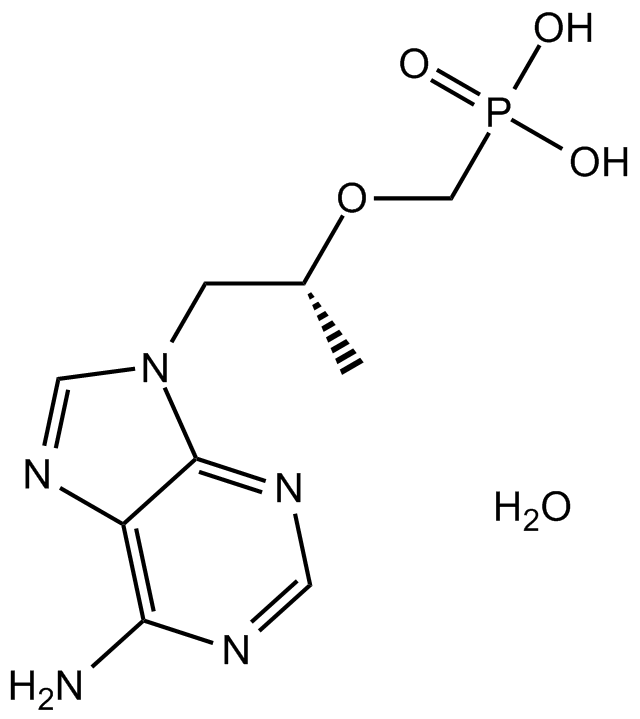 B1252 Tenofovir hydrateSummary: Reverse transcriptase inhibitor
 -
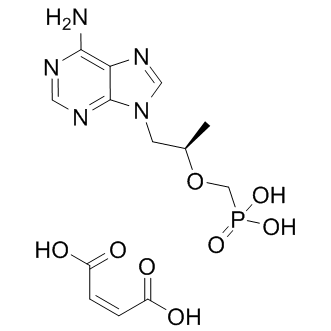 B1253 Tenofovir maleateSummary: Reverse transcriptase inhibitor
 -
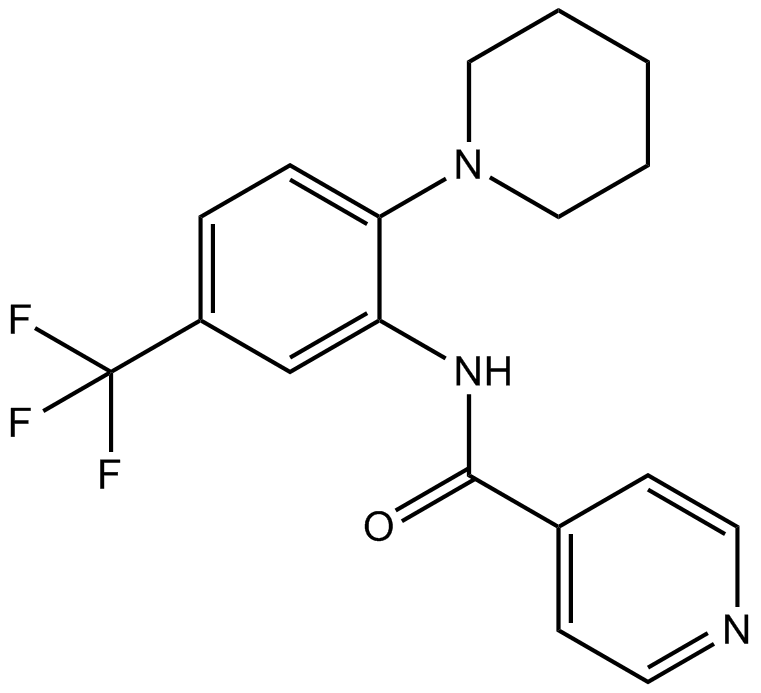 B2032 SRPIN340Target: SRPK1Summary: Selective SRPK1 inhibitor
 -
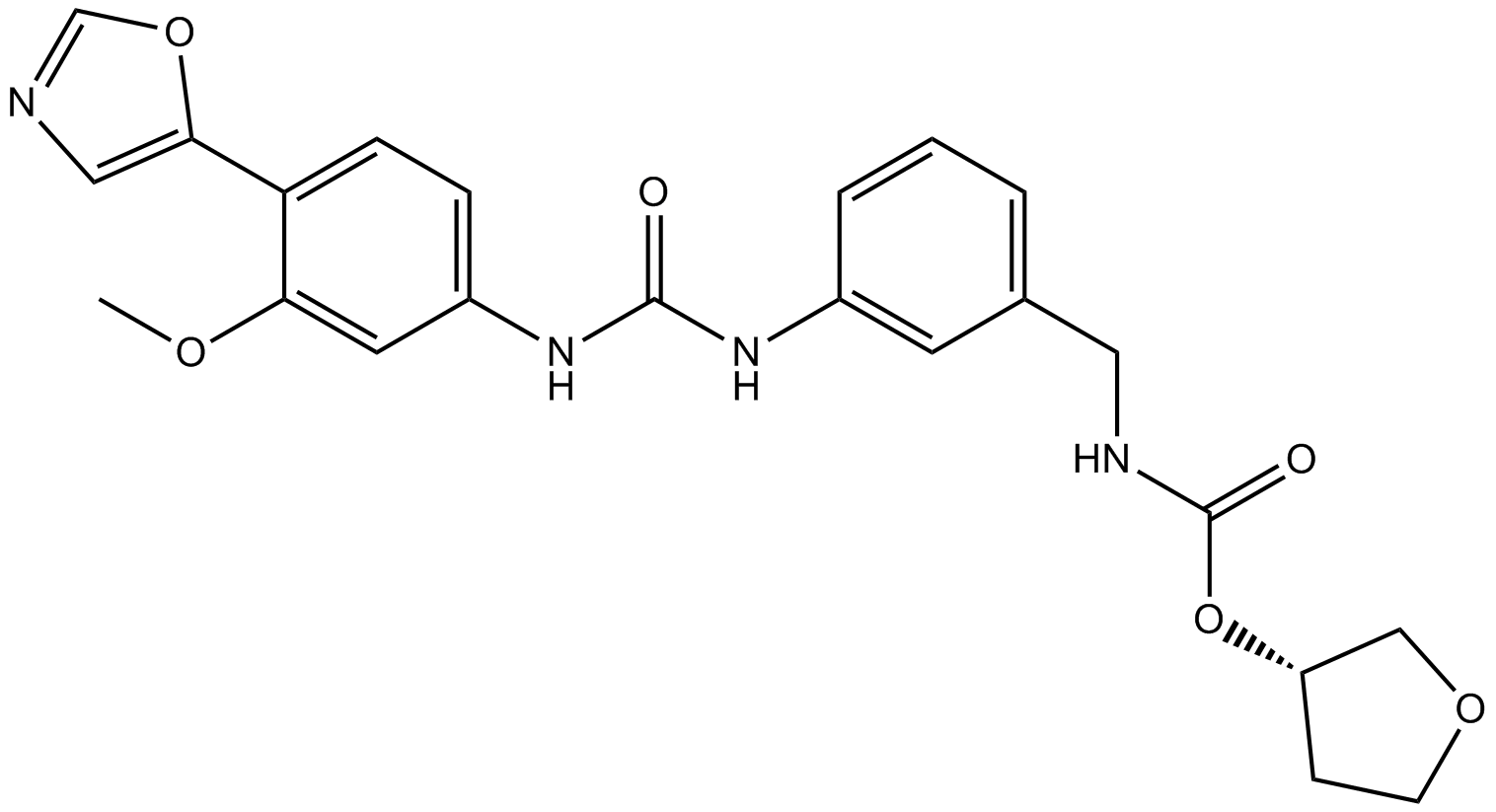 B1112 Merimepodib1 CitationTarget: IMPDHSummary: Novel noncompetitive inhibitor of IMPDH(Inosine monophosphate dehydrogenase).
 -
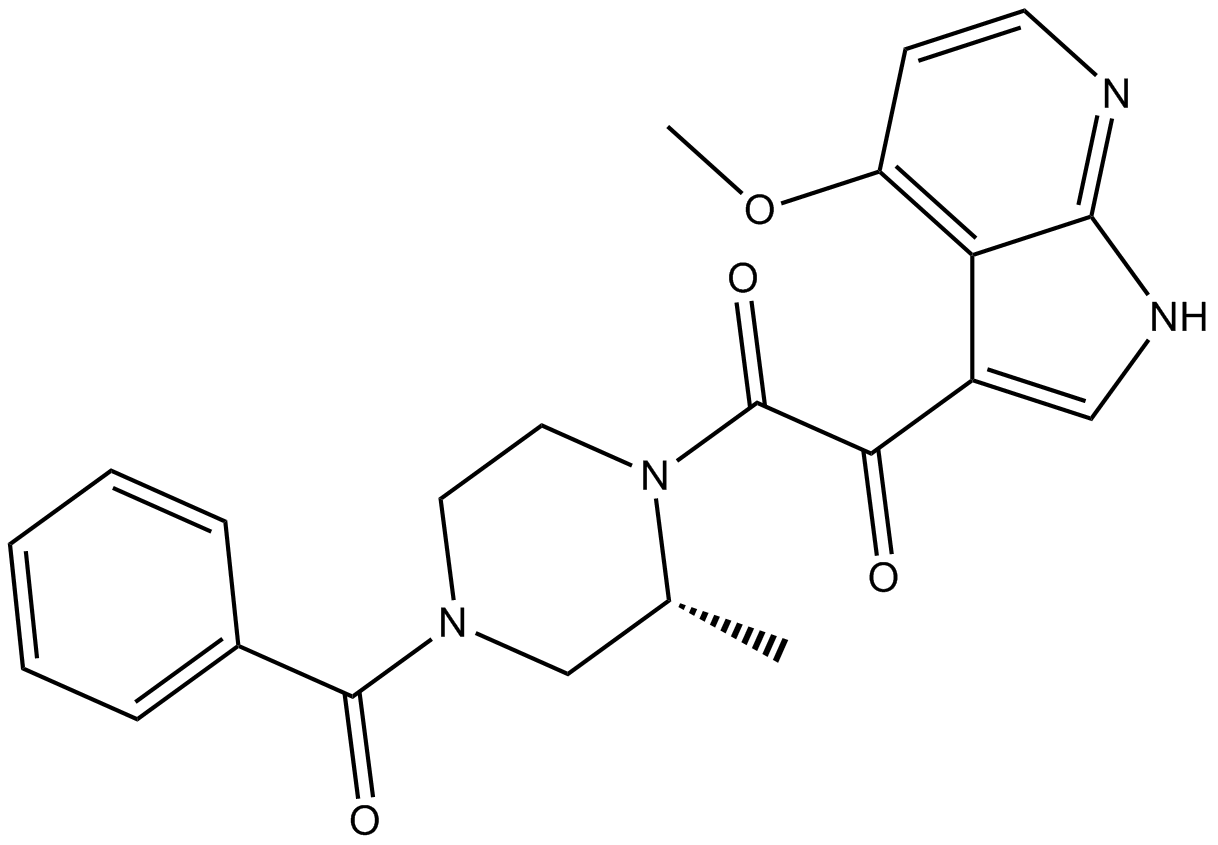 B1533 BMS-3788061 CitationTarget: gp120/CD4Summary: Gp120/CD4 inhibitor
 -
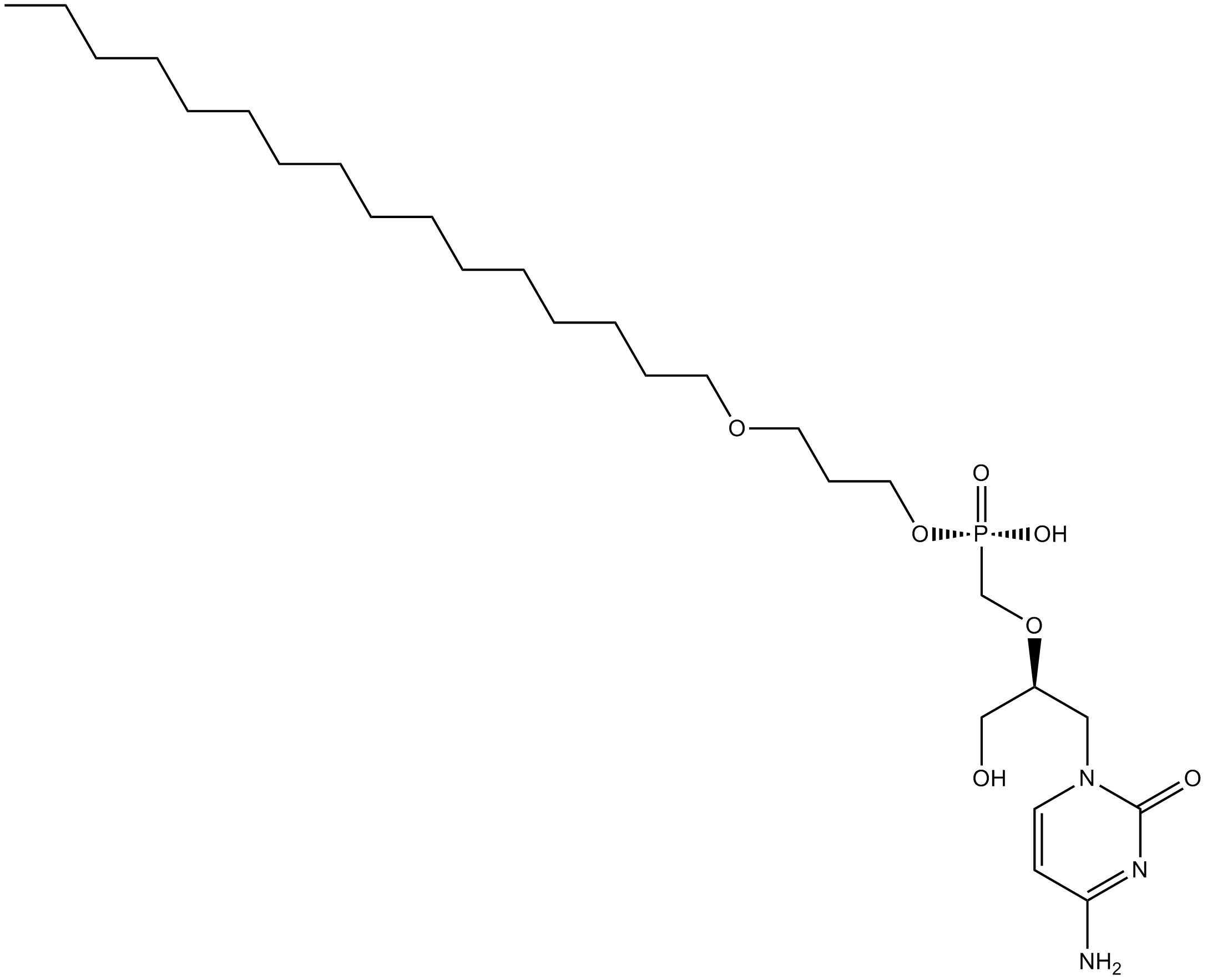 B1089 CMX001Summary: Broad spectrum antiviral drug
 -
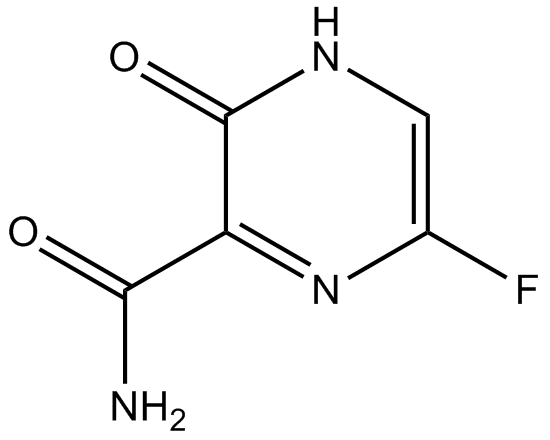 B1114 T 705Target: RNA PolymerasesSummary: Potent and selective RNA-dependent RNA polymerase inhibitor
 -
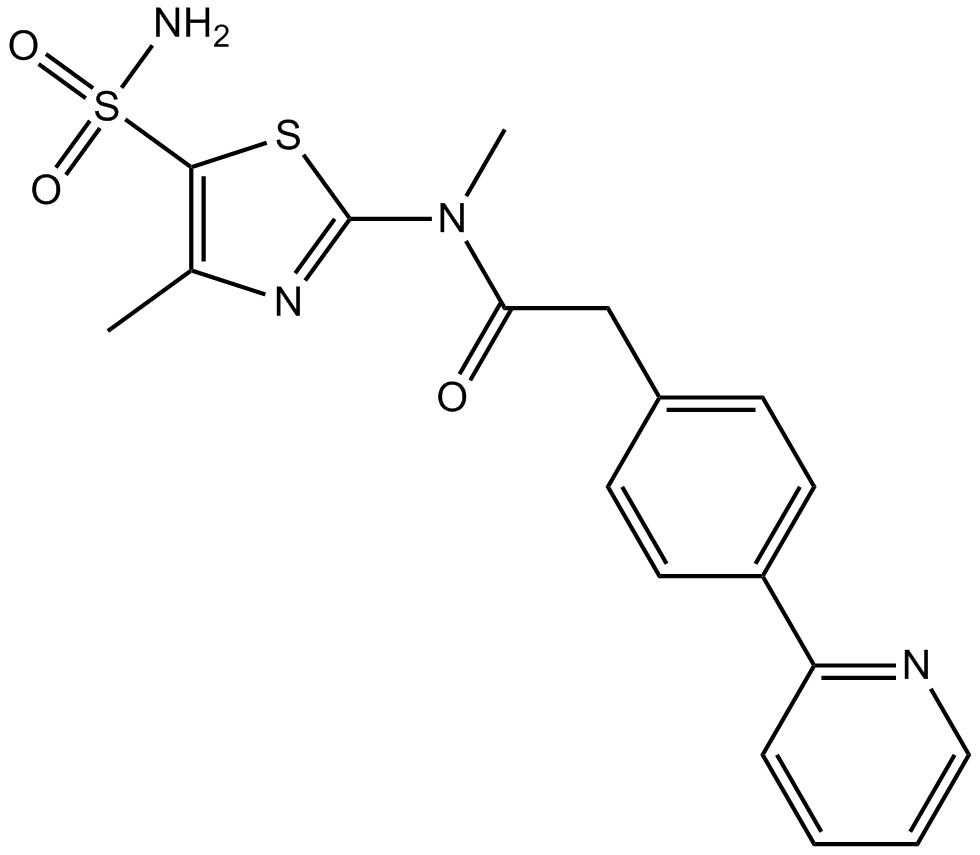 B1029 BAY 57-1293Target: HSVSummary: HSV helicase-primase inhibitor
 -
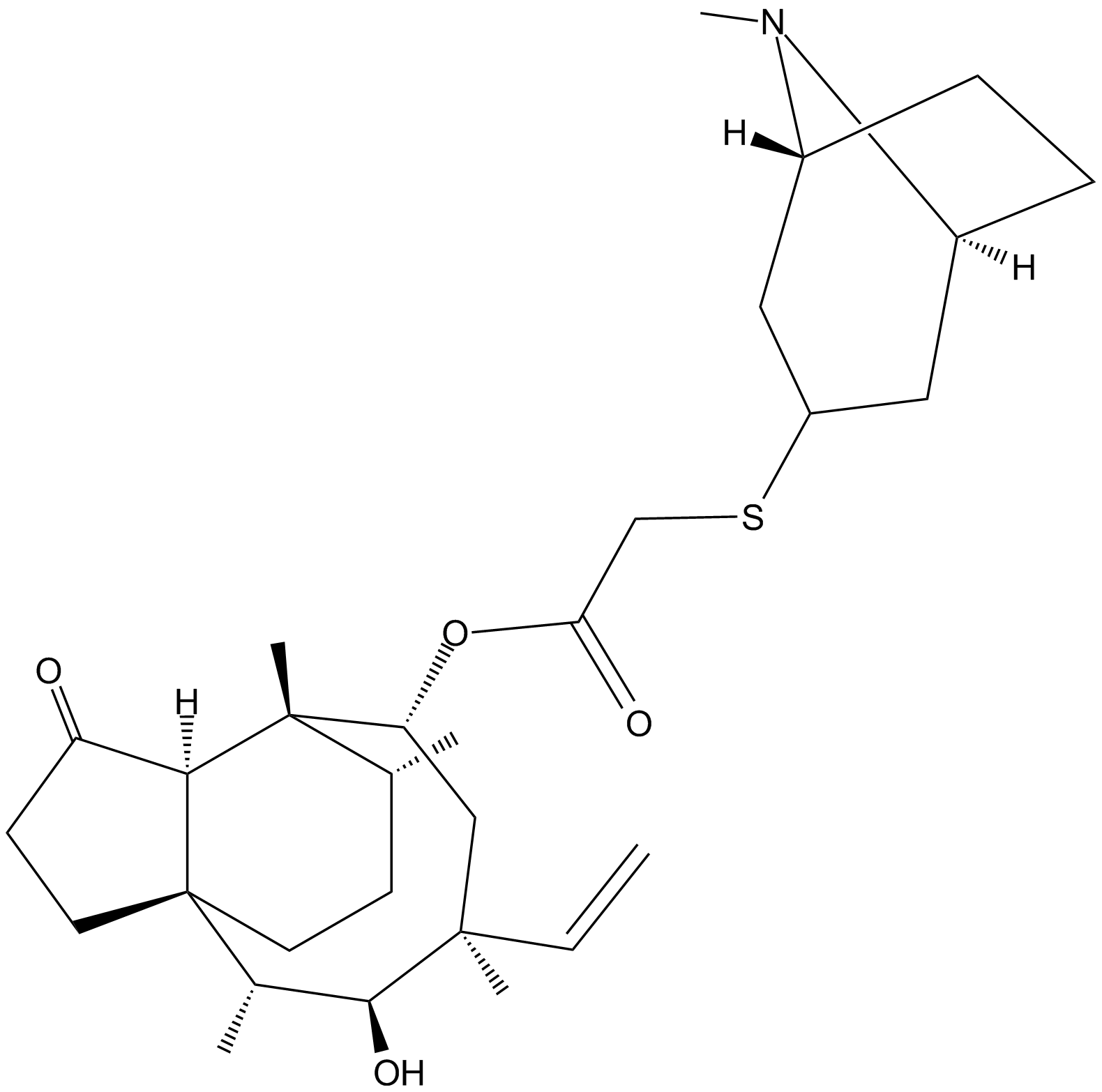 B2019 RetapamulinSummary: Pleuromutilin antibiotic,protein synthesis inhibitor