


Metabolism
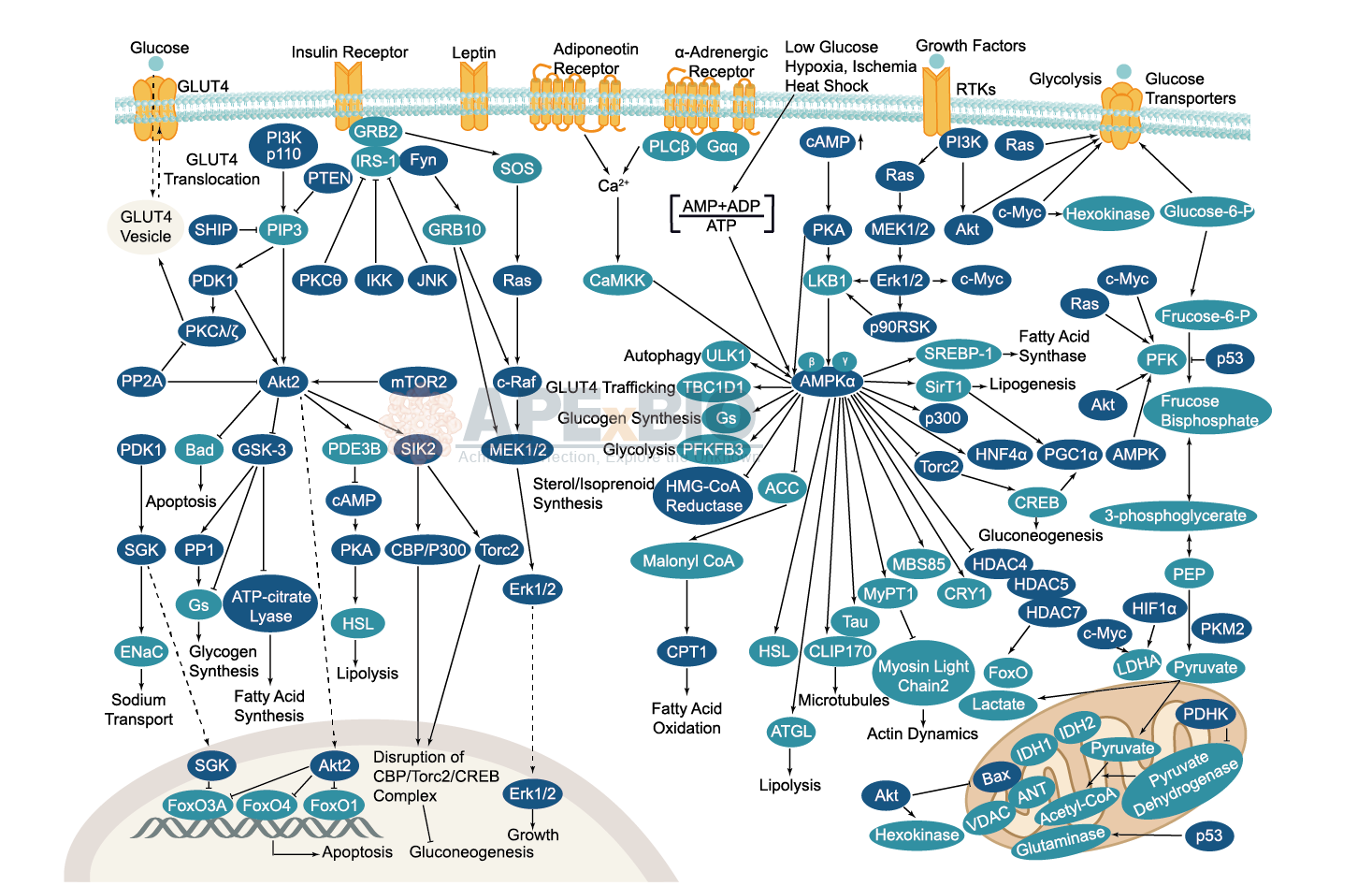
Serine/threonine kinase AMPK upregulates glucose uptake by promoting the expression and function of glucose transporters. AMPK is activated by increased AMP/ATP ratio, resulting from cellular and environmental stress, e.g. low glucose, heat shock, hypoxia and ischemia. AMPK activation positively modulates signaling transductions that refill ATP levels. Moreover, it also stimulates catabolic processes such as fatty acid oxidation and glycolysis through inhibition of ACC and activation of PFK2. AMPK negatively regulates various proteins which are important to ATP-consuming mechanisms, e.g. mTORC2, glycogen synthase, SREBP-1, and TSC2, causing the downregulation/inhibition of gluconeogenesis and glycogen, lipid and protein synthesis.
-
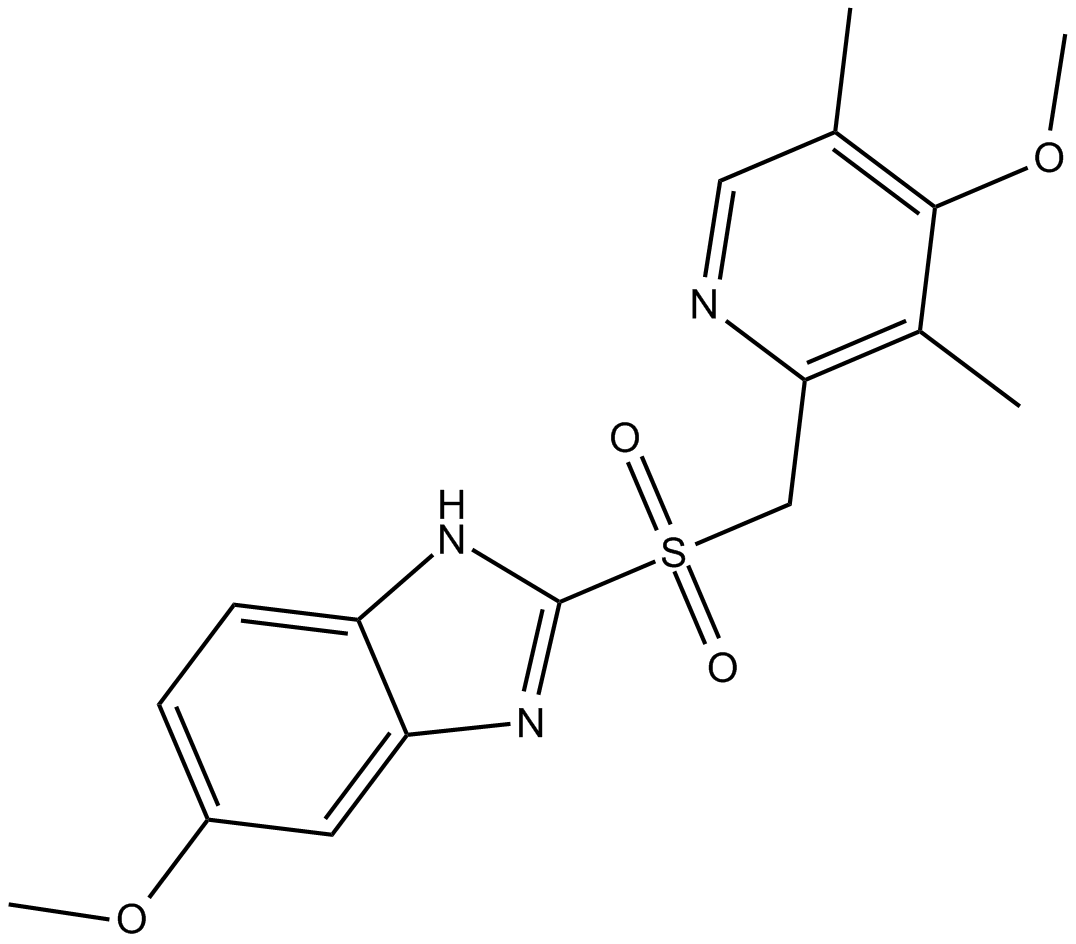 C3471 Omeprazole sulfoneSummary: CYP2C19 inhibitor
 -
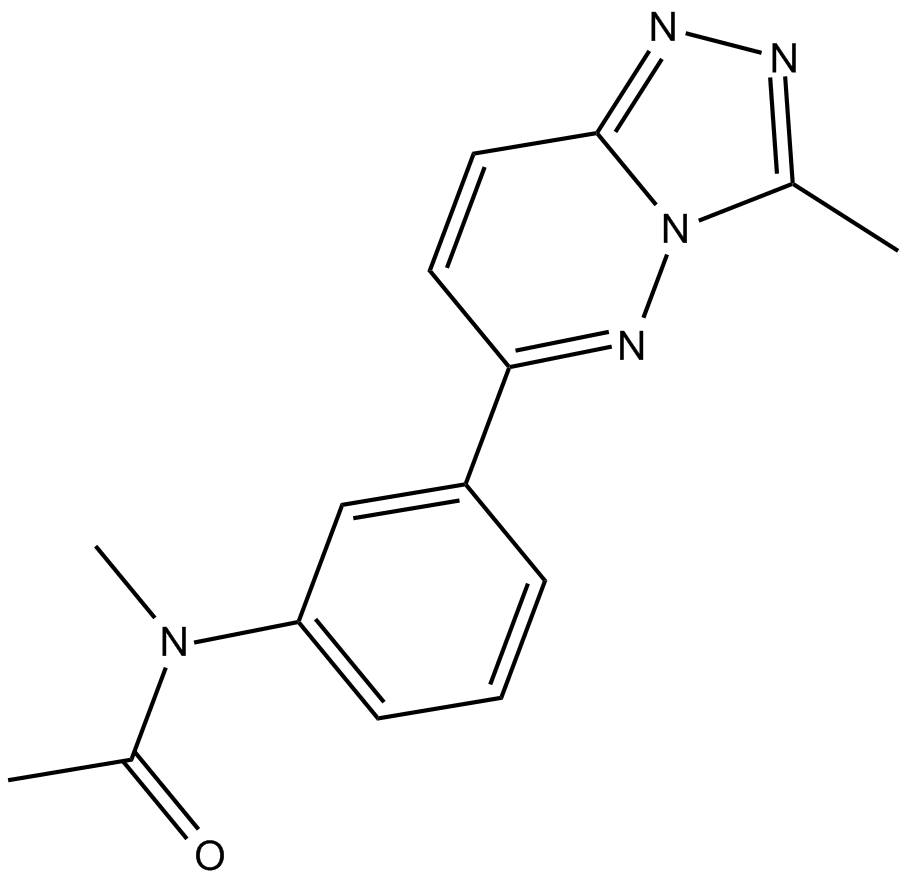 B7840 Lin28 1632Summary: RNA binding protein Lin28 inhibitor, also bromodomain inhibitor
 -
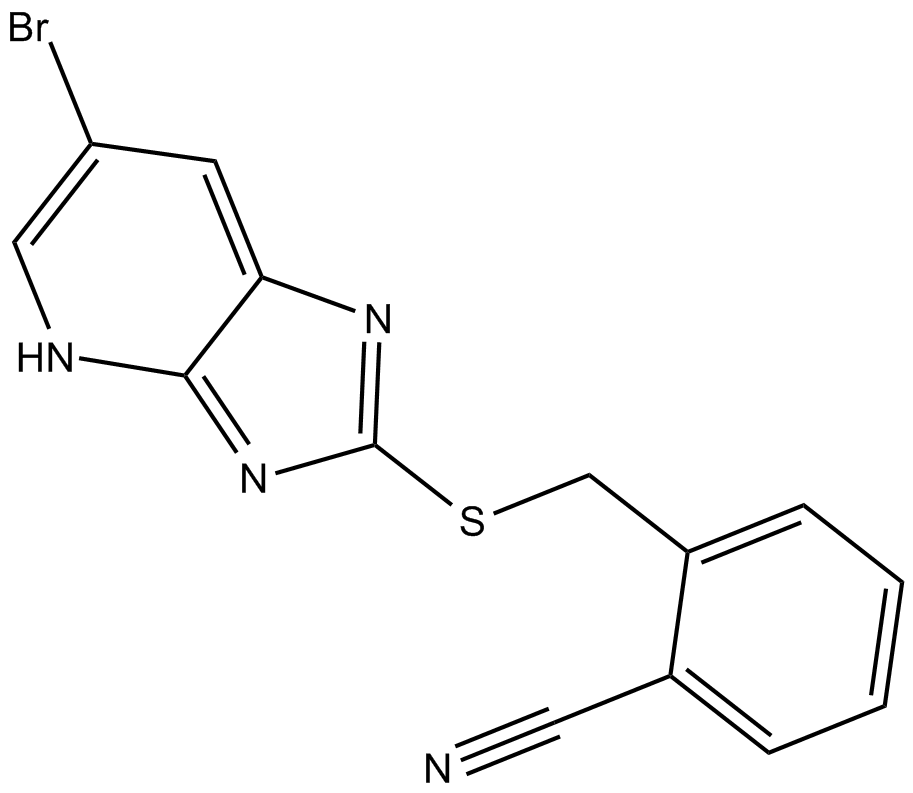 C3039 STK393606Summary: competitive inhibitor of NAD+-dependent type-I 15-hydroxy PGDH
 -
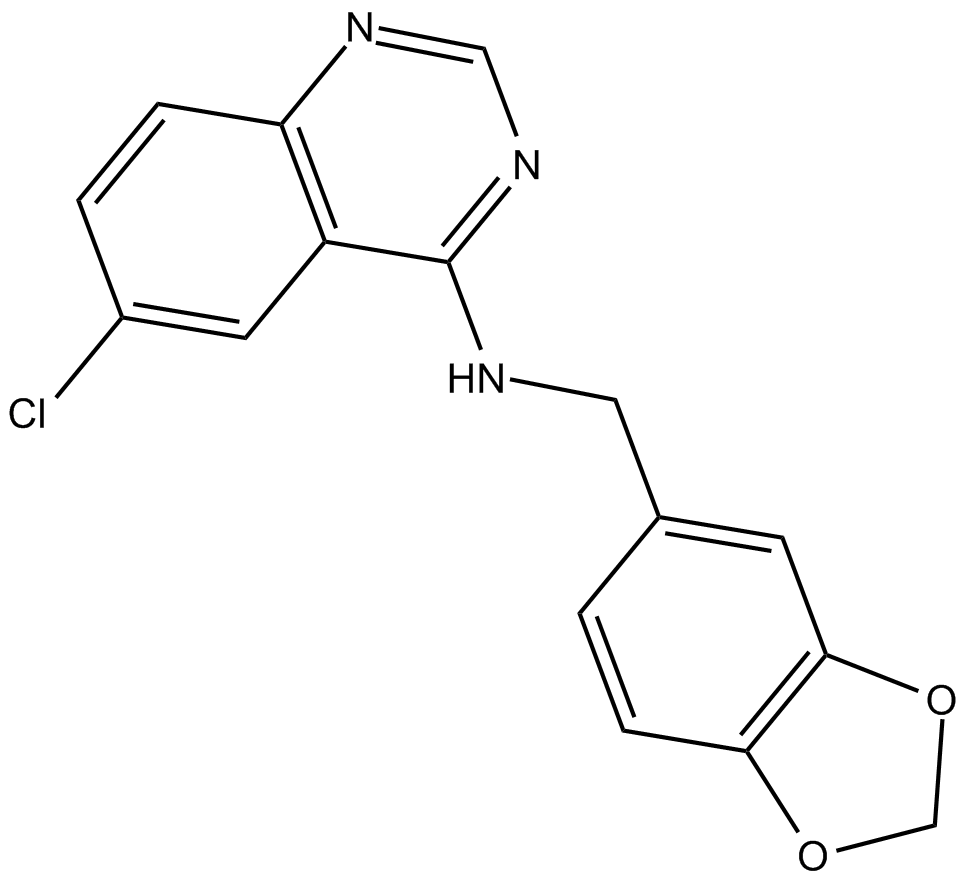 C3510 MBCQSummary: cGMP-specific phosphodiesterase PDE V inhibitor
 -
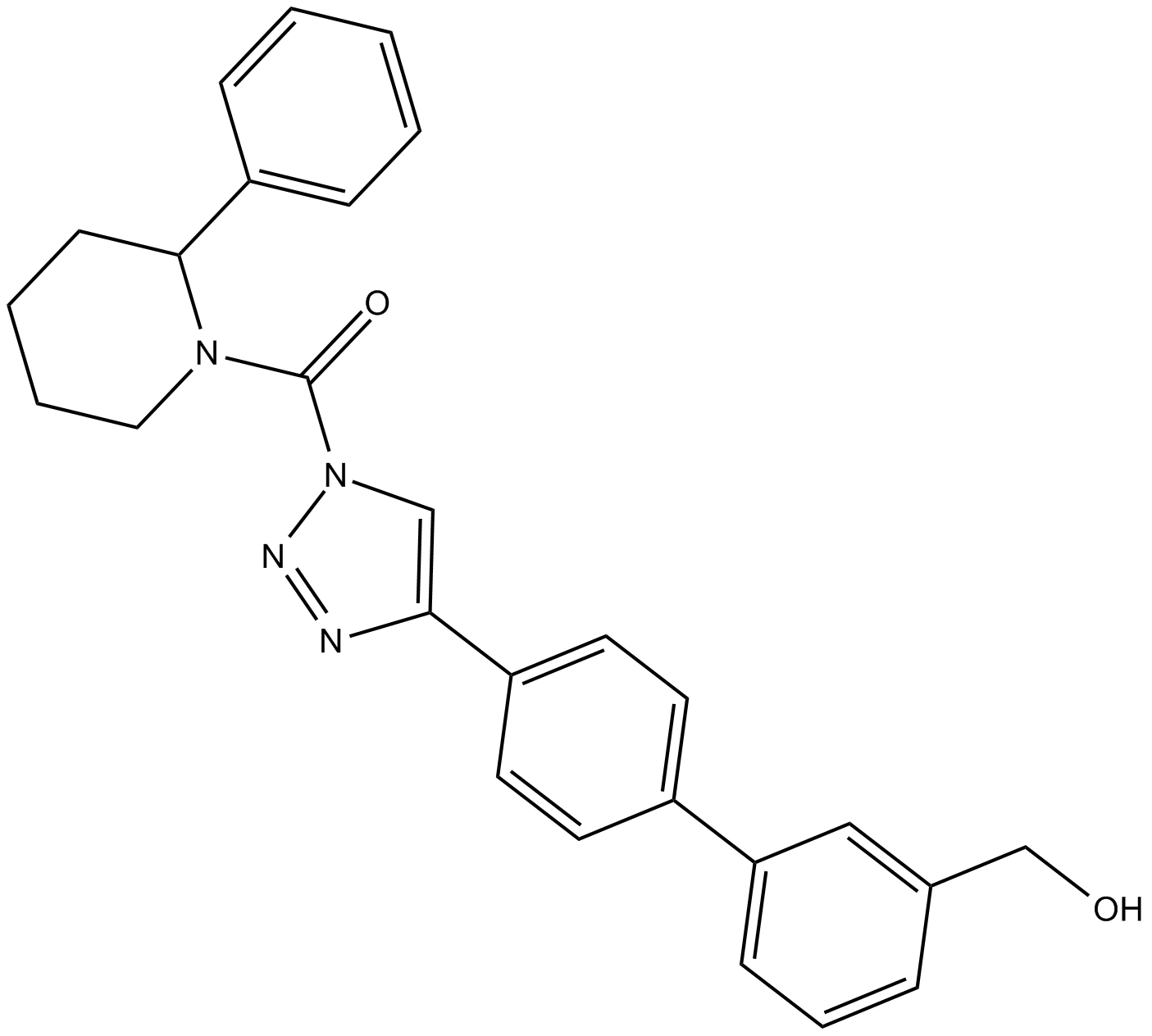 C3516 KT182Summary: ABHD6 (a/b-Hydrolase Domain Containing 6) inhibitor
 -
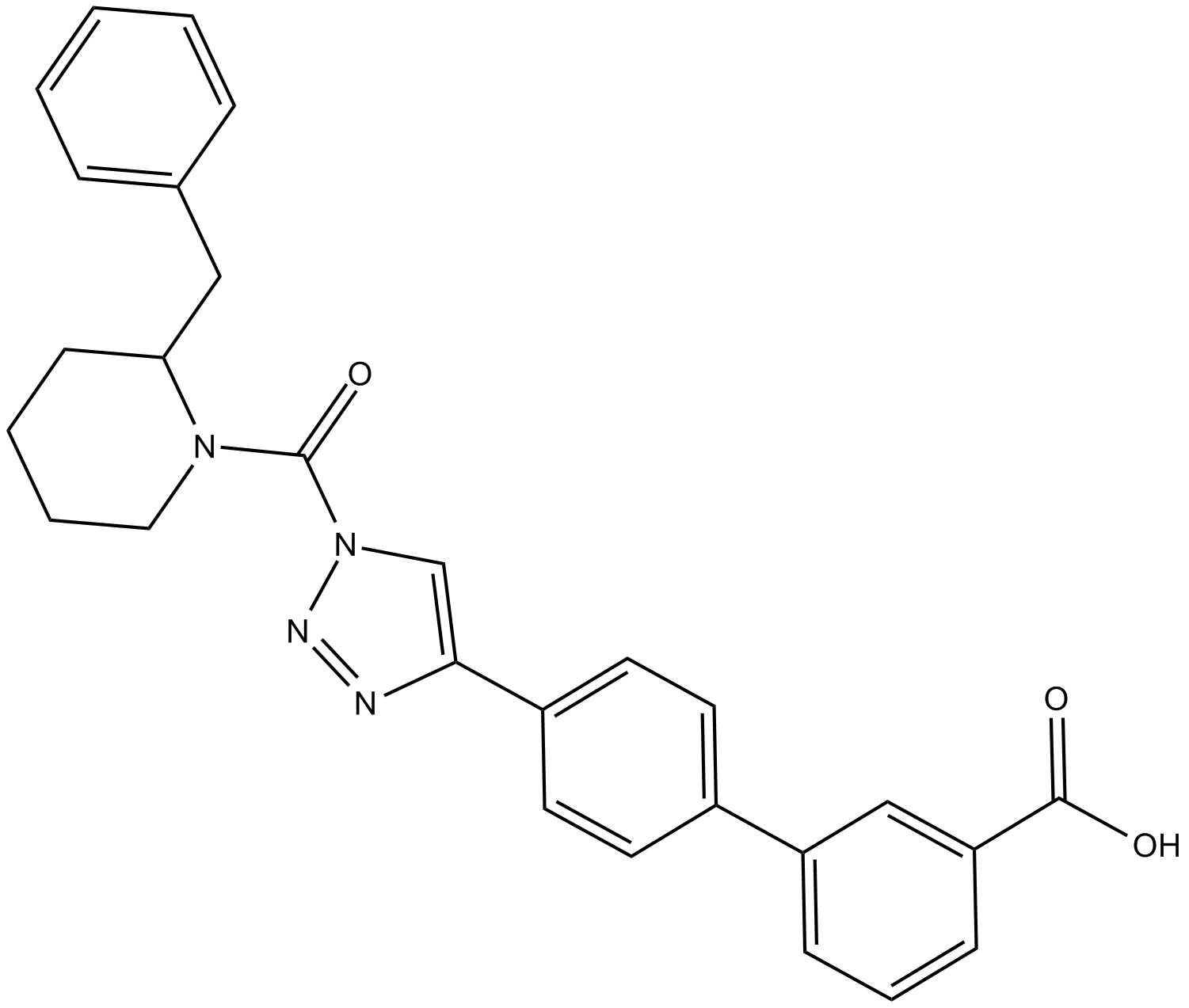 C3518 KT203Summary: ABHD6 inhibitor
 -
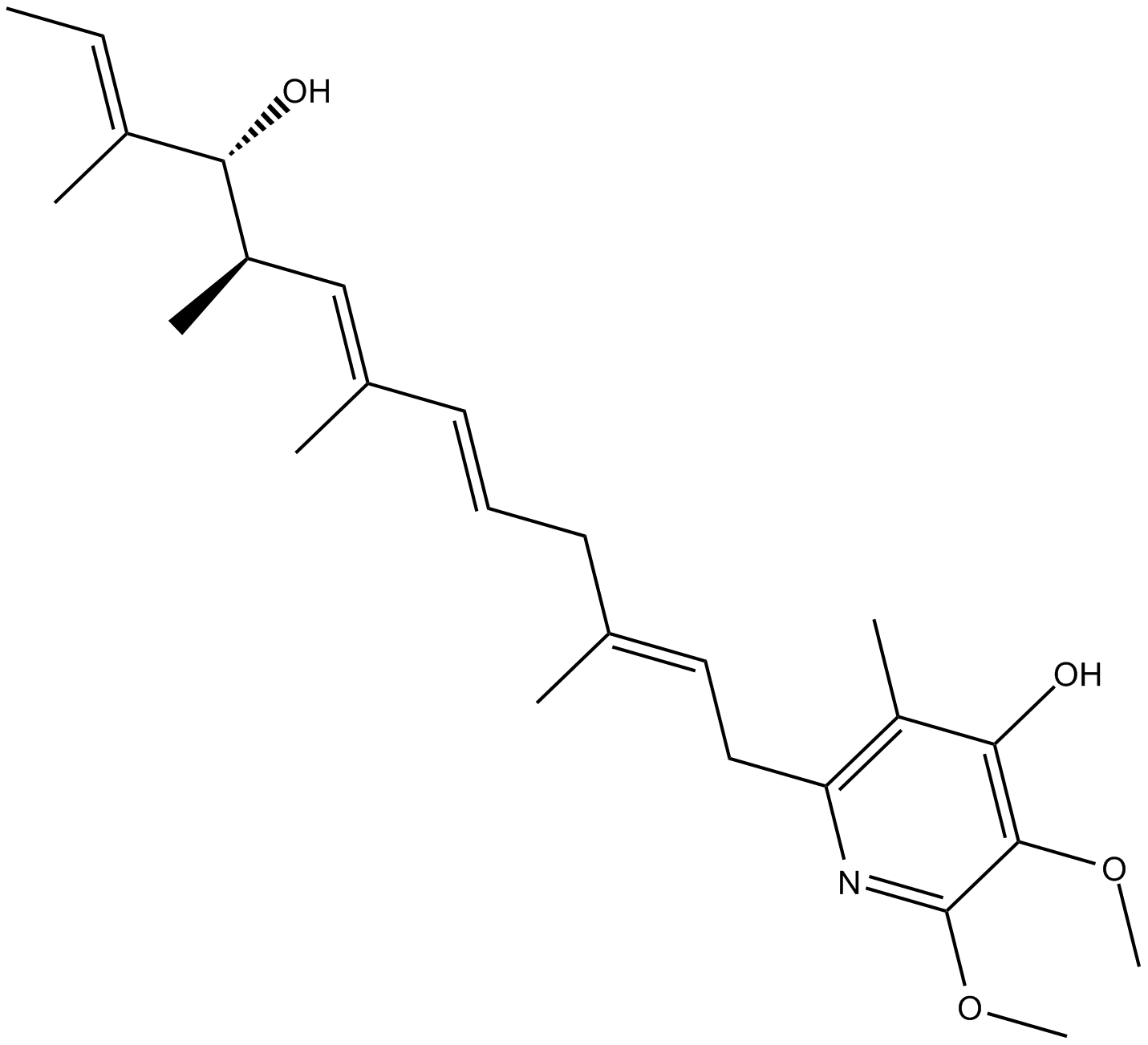 C3535 Piericidin ASummary: mitochondrial complex I inhibitor
 -
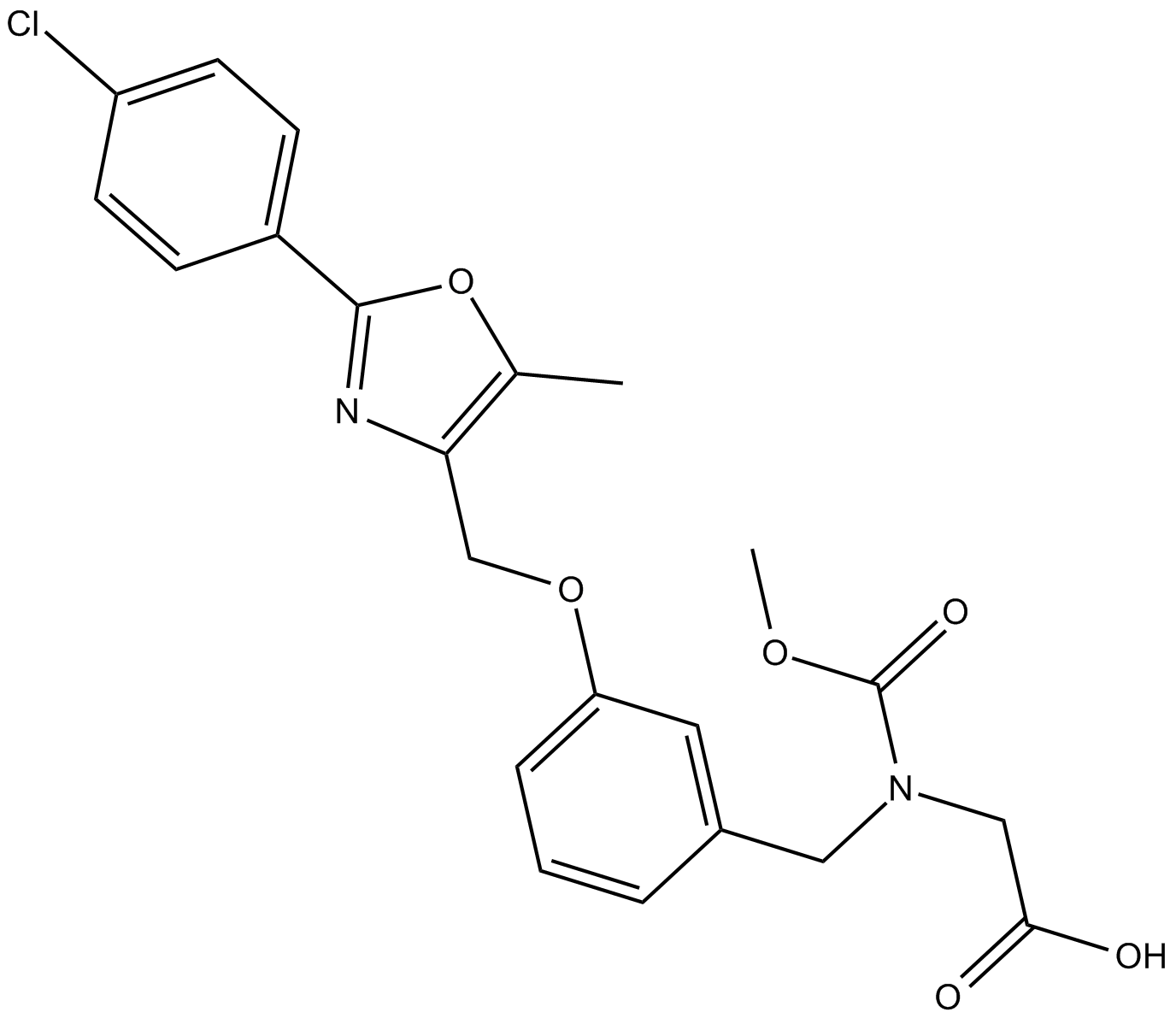 C3544 BMS 687453Summary: PPARα agonist
 -
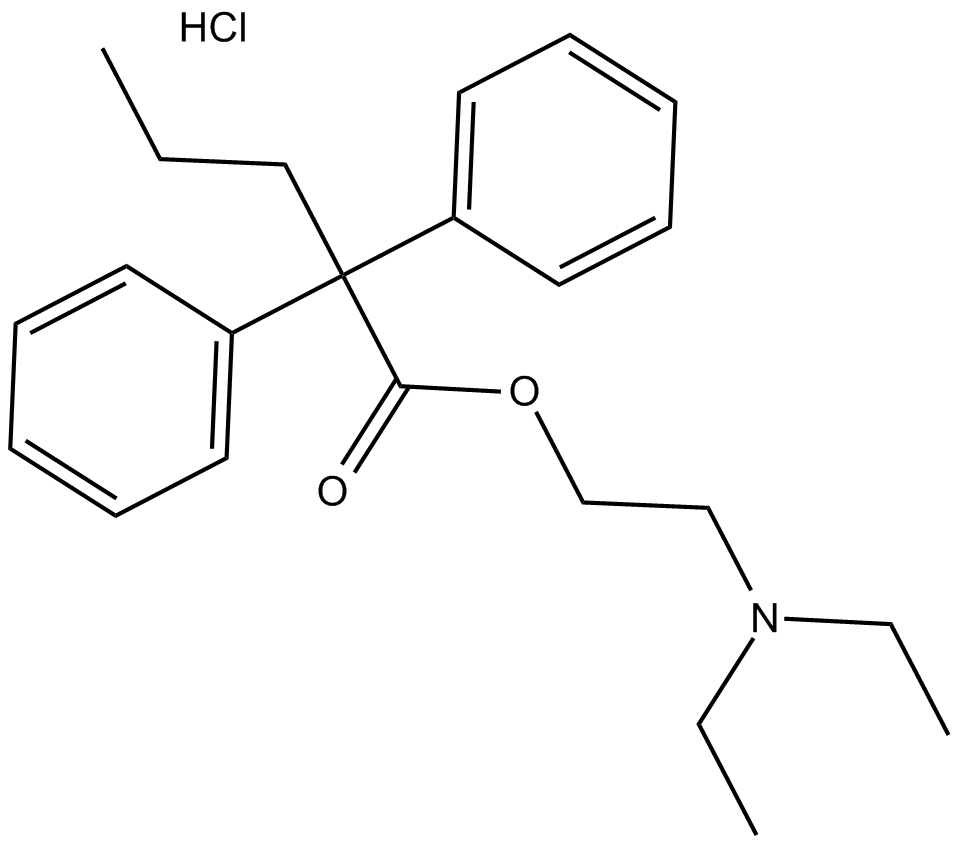 C3560 SKF 525A (hydrochloride)Summary: cytochrome P (CYP)450 inhibitor
 -
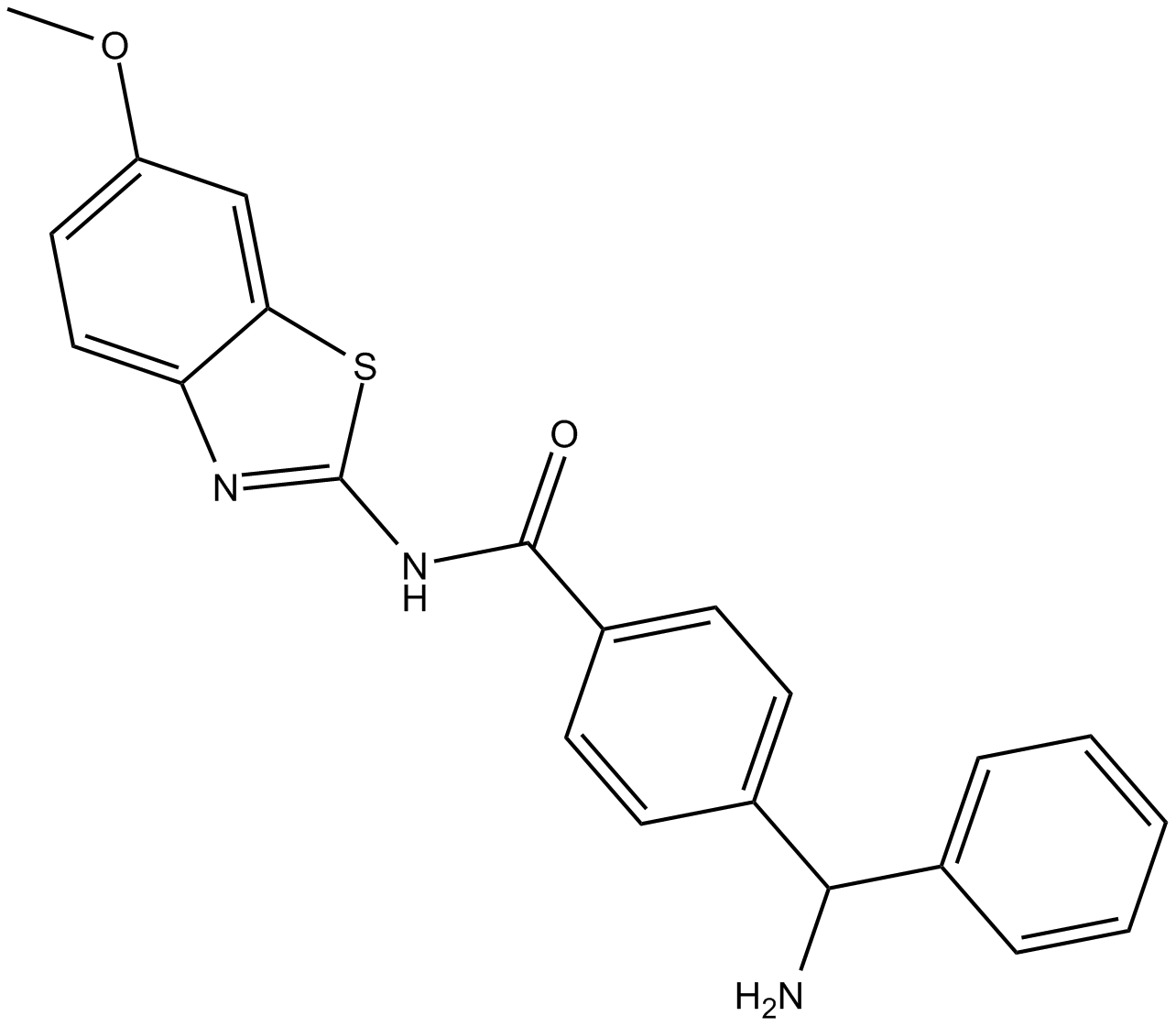 C3569 SW203668Summary: stearoyl CoA desaturase inhibitor