


Membrane Transporter/Ion Channel
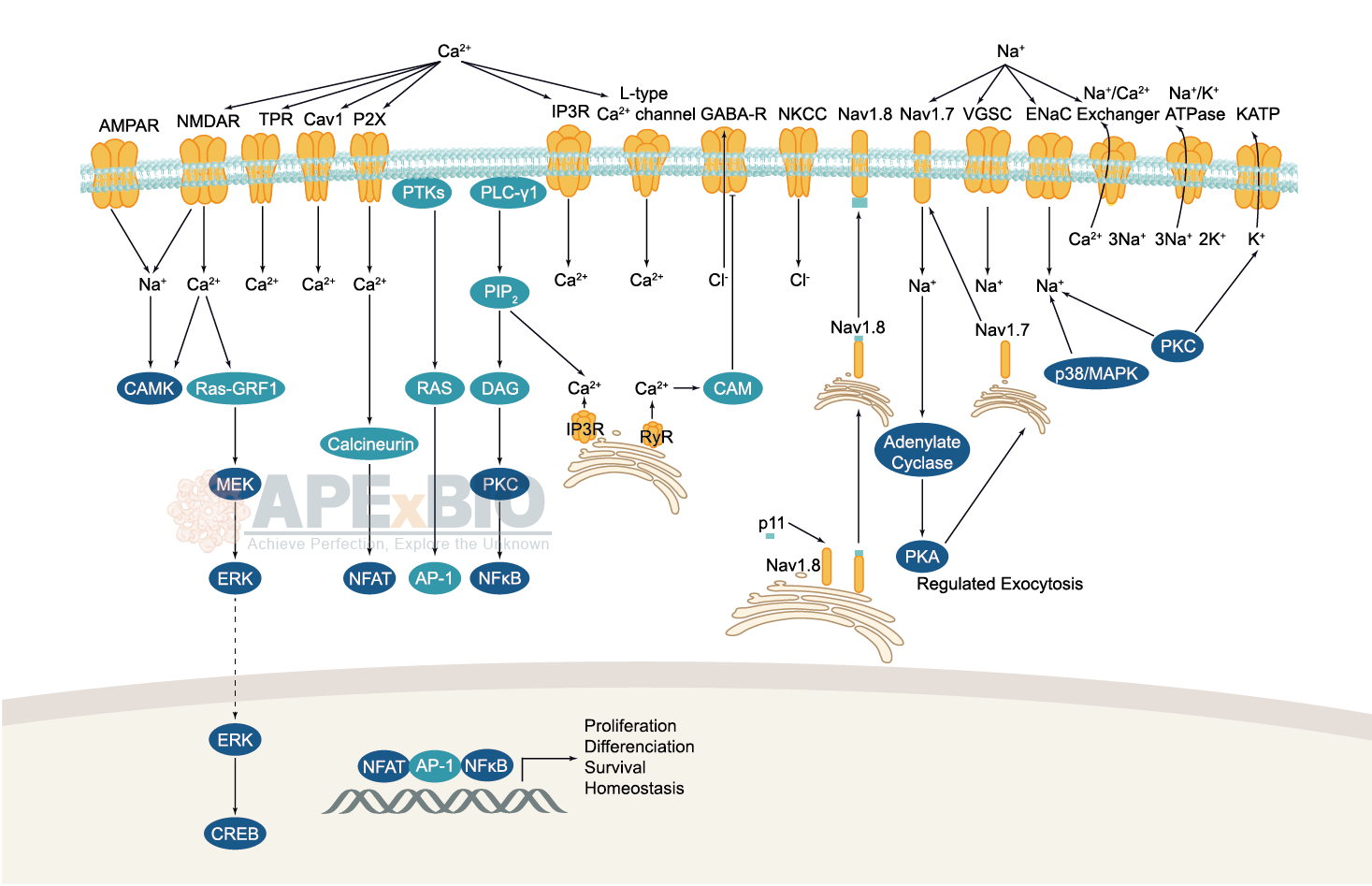
Membrane Transporters mediate the movement of ions and molecules via binding and moving the substance across the membrane. There are two main actions of transporter: facilitated diffusion (passive transport) and active transport. Membrane transporters which bind the hydrolysis of ATP to the transport of target molecules are referred to as ATPases. For instance, Na+,K+-ATPases or Na+,K+-pumps are responsible for the transport of Na+ out of and K+ into cells.
Ion channels are pore-forming membrane proteins which allow the flow of ions across the membrane. The ion channels can be broadly grouped into six families including calcium channels, chloride channels, potassium channels, sodium channels, gap junction proteins and porins. Not all ion channels are gated, such as certain type of K+ and Cl– channels, transient receptor potential superfamily of cation channels, the ryanodine receptors and the IP3 receptors, but most Na+, K+, Ca2+ and some Cl– channels are all gated by voltage. Ligand-gated channels are regulated in response to ligand binding (e.g. neurotransmitters signaling). These ligand-gated neurotransmitter receptors are known as ionotropic receptors. Various neurotransmitters couple to ionotropic receptors such as glutamate, acetylcholine, glycine, GABA, and serotonin.
-
 A8961 COG 133 TFASummary: An APOE peptide fragment with anti-inflammatory and neuroprotective activities
 -
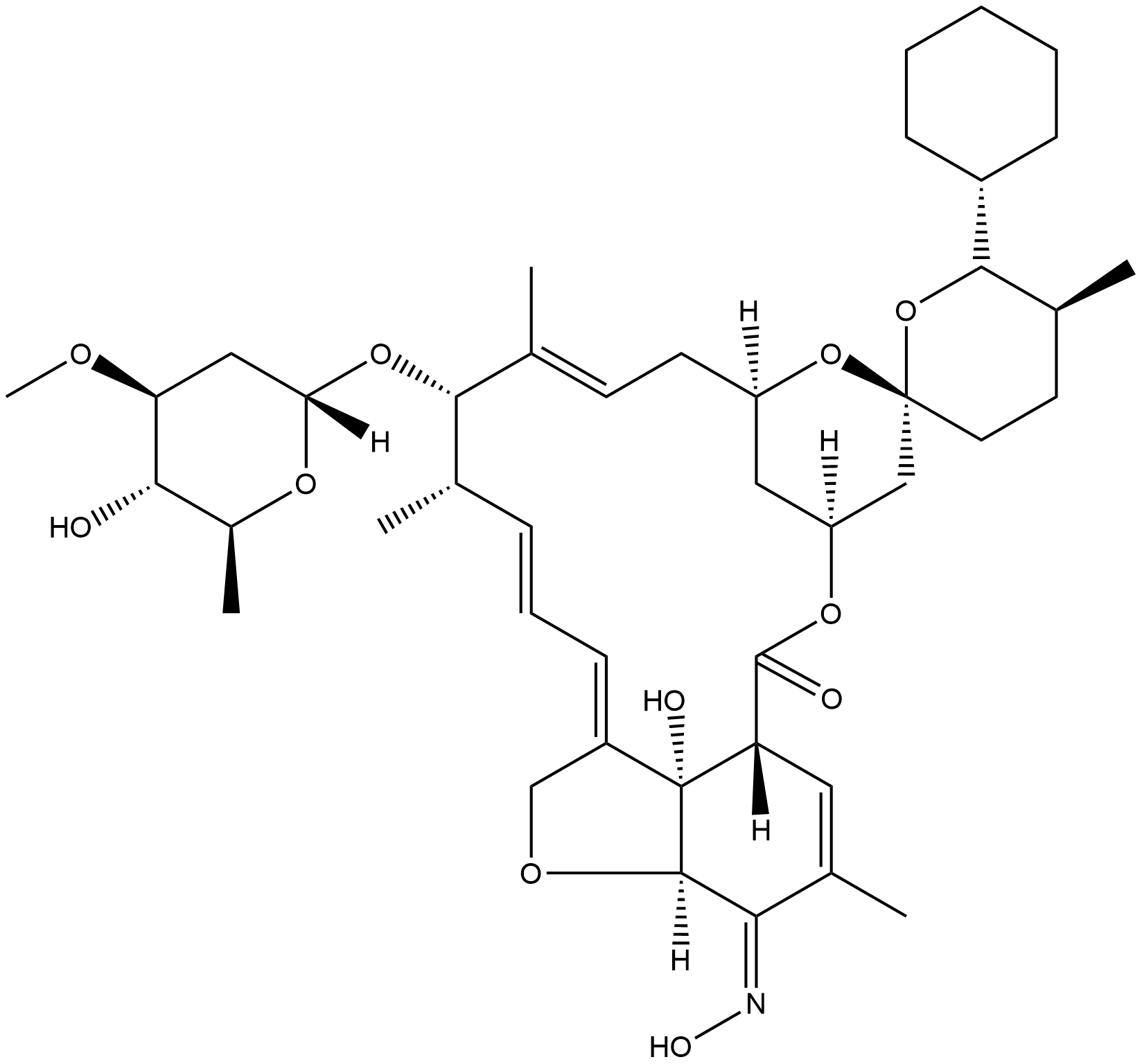 A8978 SelamectinSummary: A topical medication for dogs and cats that prevents and treats parasitic infections such as heartworm, fleas and ear mites
 -
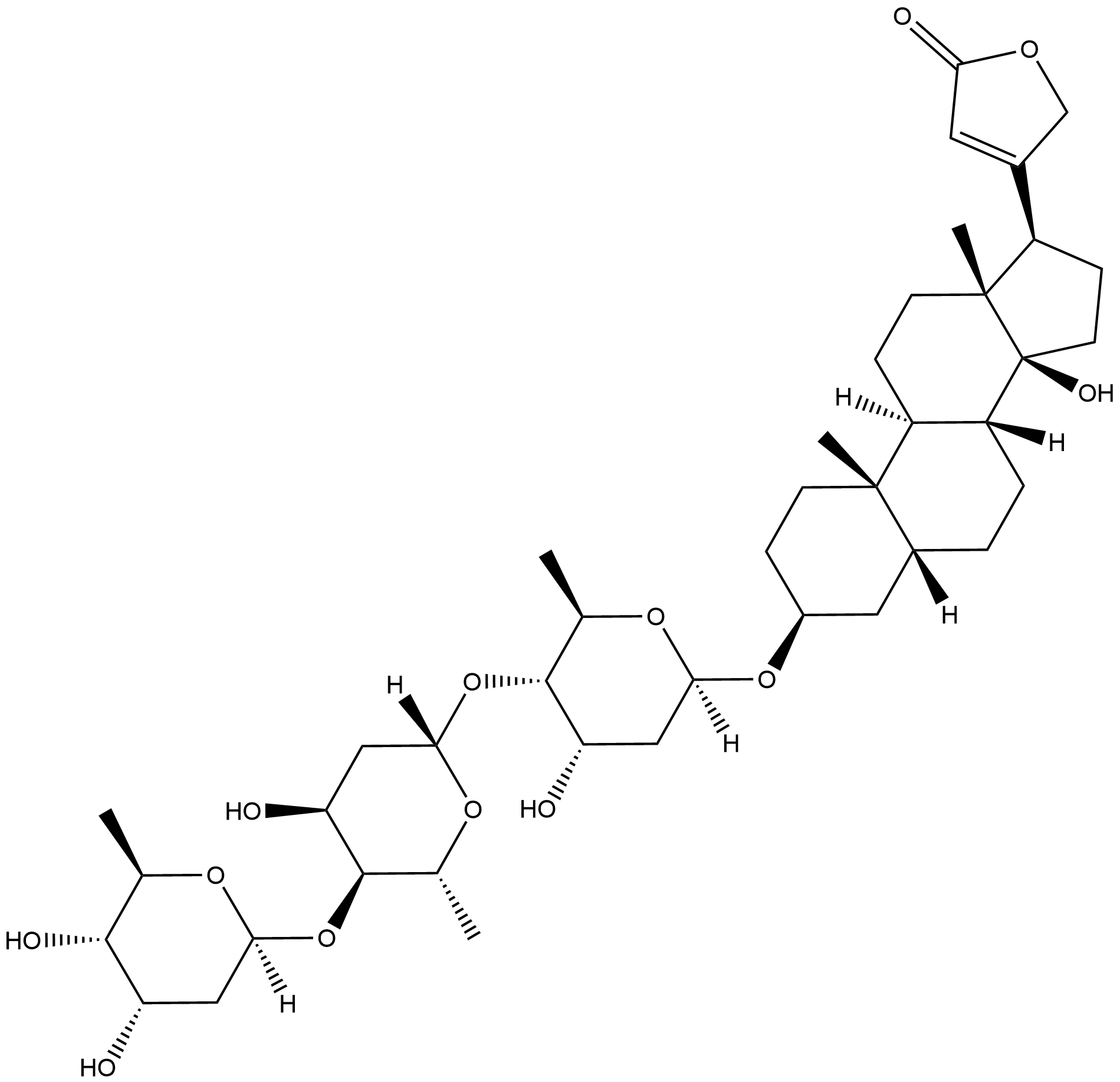 A8979 DigitoxinSummary: A cardiac glycoside for the treatment of heart failure and induction of apoptosis
 -
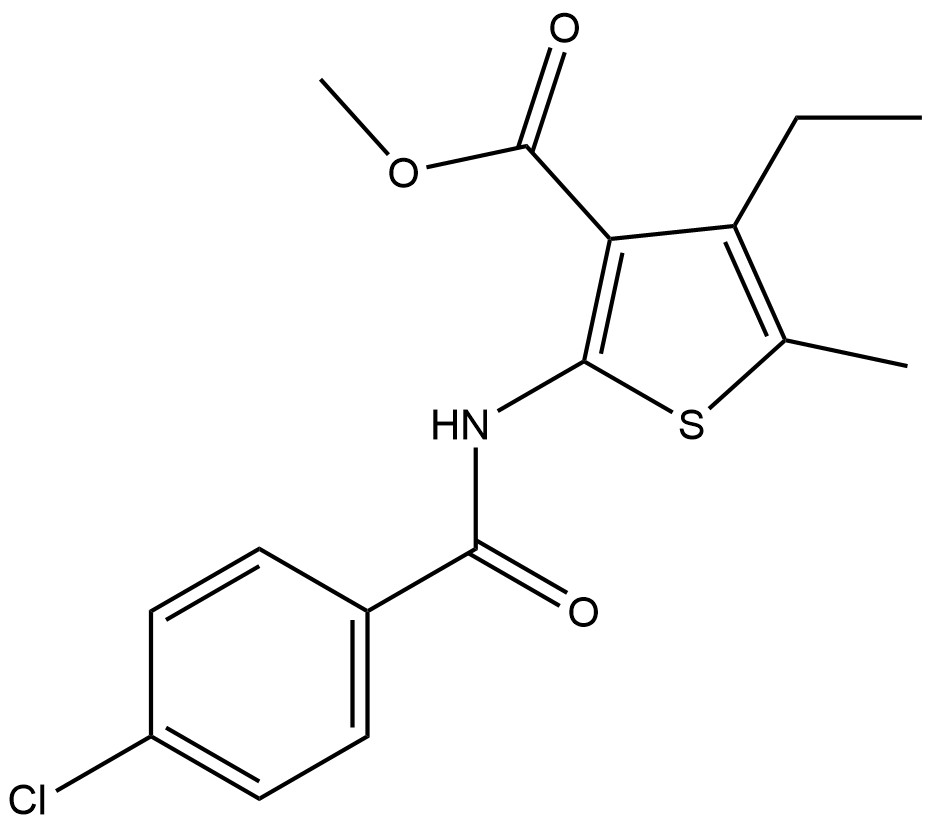 A8996 COR659
 -
 A9001 GSK205
 -
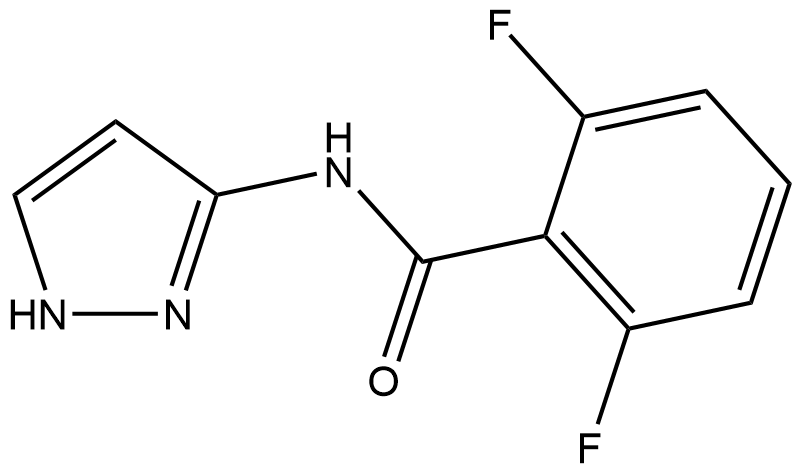 A9015 CRAC intermediate 1
 -
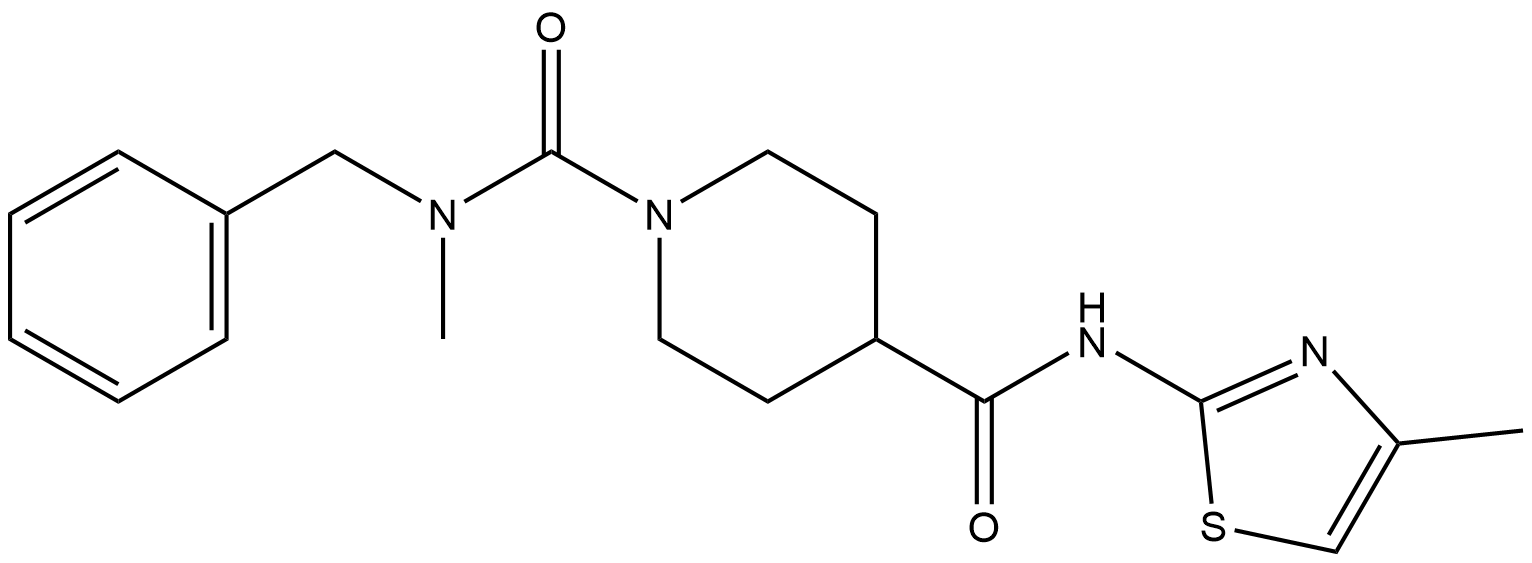 A9018 H3B-120
 -
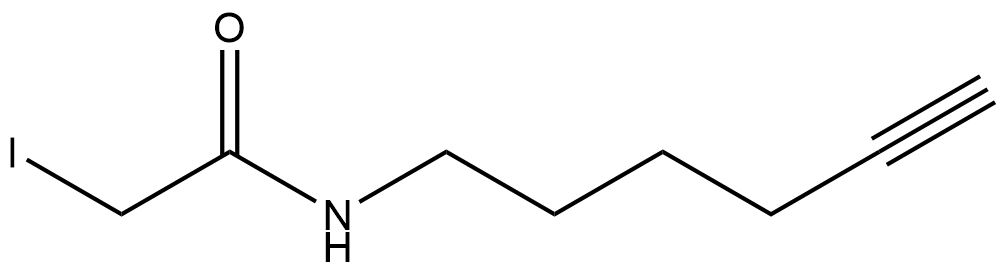 A9028 IA-Alkyne
 -
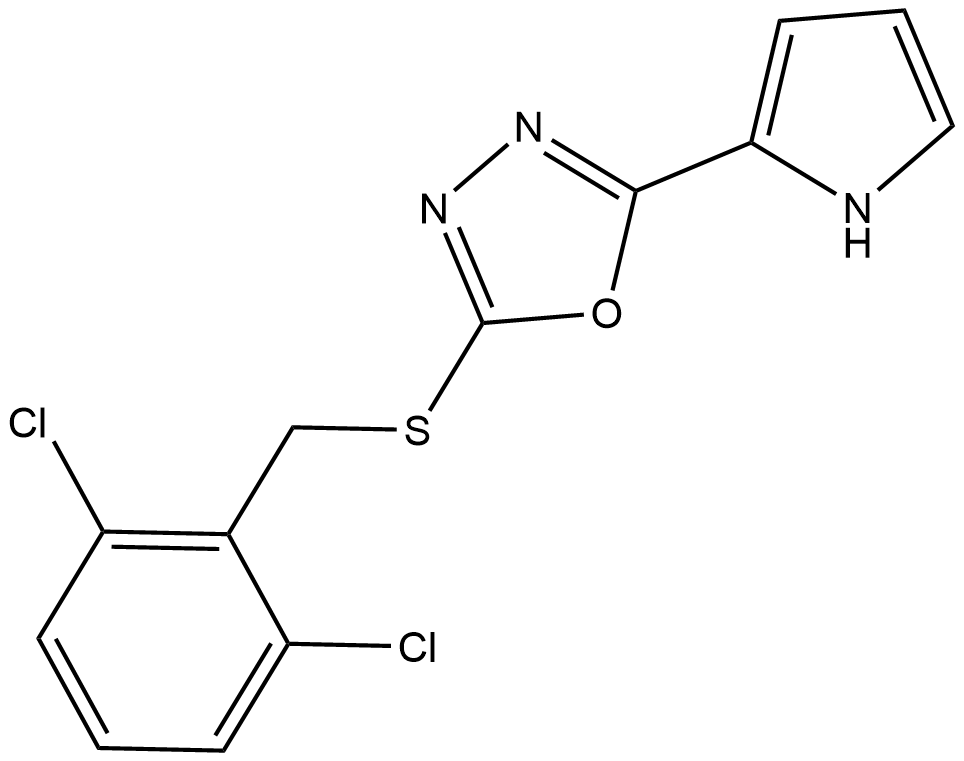 A9047 Dooku1
 -
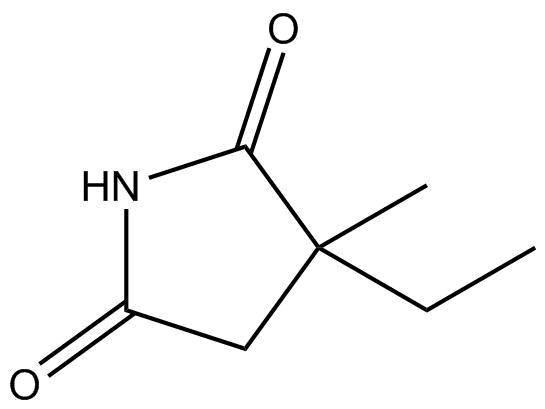 C6540 EthosuximideSummary: An anticonvulsant primarily for the treatment of absence epilepsy