


GPCR/G protein
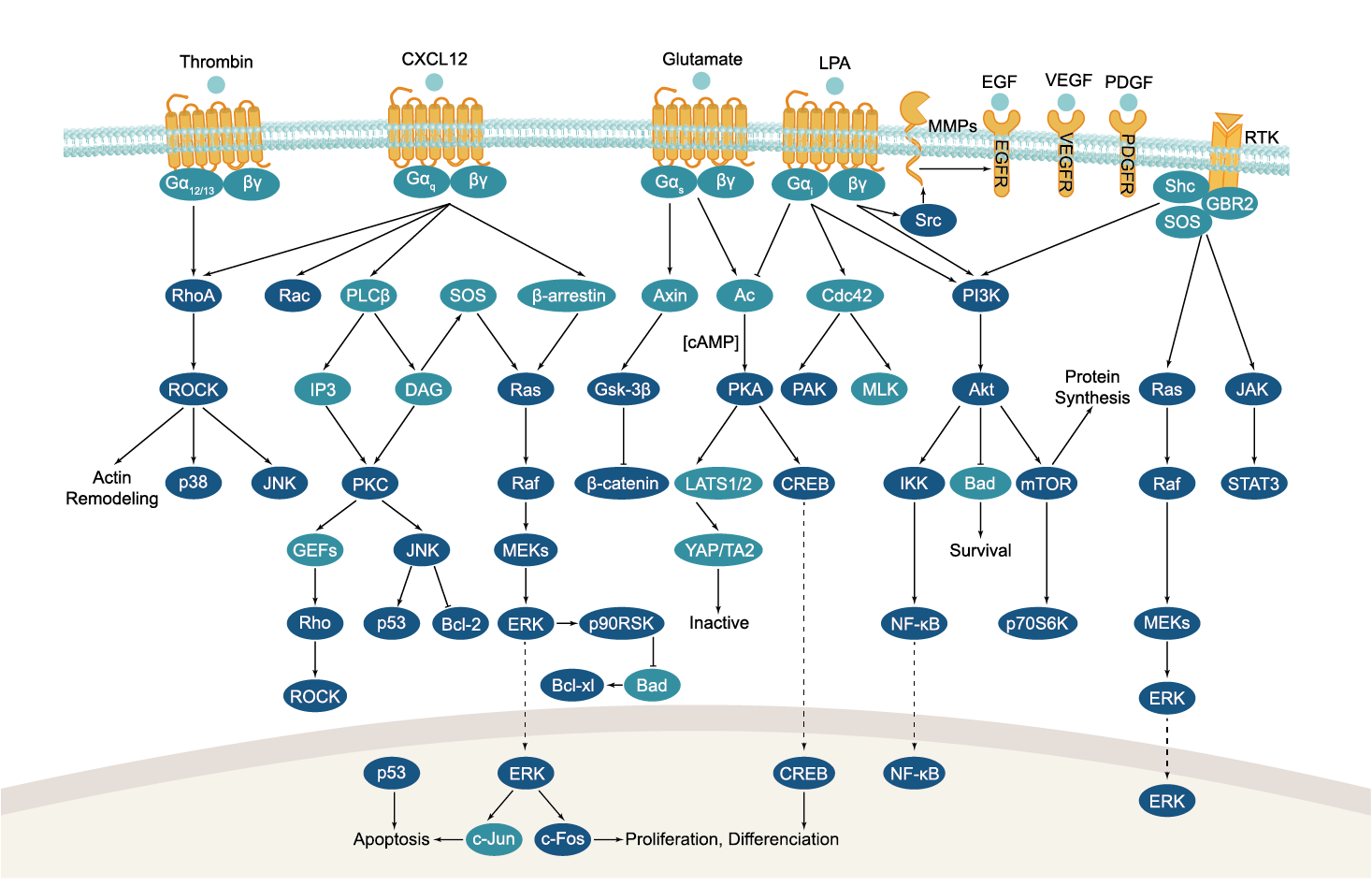
All GPCRs share a common seven trans-membrane structure. GPCRs are associated with heterotrimeric G-proteins which are GTP-binding proteins made of alpha, beta, and gamma subunits. When a ligand binds to GPCR, it activates the attached G-protein, the GDP is replaced with GTP. The activated G-protein then dissociates into an alpha and a beta-gamma complex which activates downstream signaling pathways. These intracellular signaling pathways include cAMP/PKA, calcium/NFAT, phospholipase C, protein tyrosine kinases, MAP kinases, PI-3-kinase, nitric oxide/cGMP, Rho, and JAK/STAT.
GPCRs are one of the most important therapeutic targets for various diseases, over 30% of all modern medicinal drugs target this family. Aberrant GPCR functions are involved in pathological conditions such as neurological, immunological and hormonal disorders. A large number of GPCRs have been identified, but whose ligands are not known, are classified as orphan receptors.
-
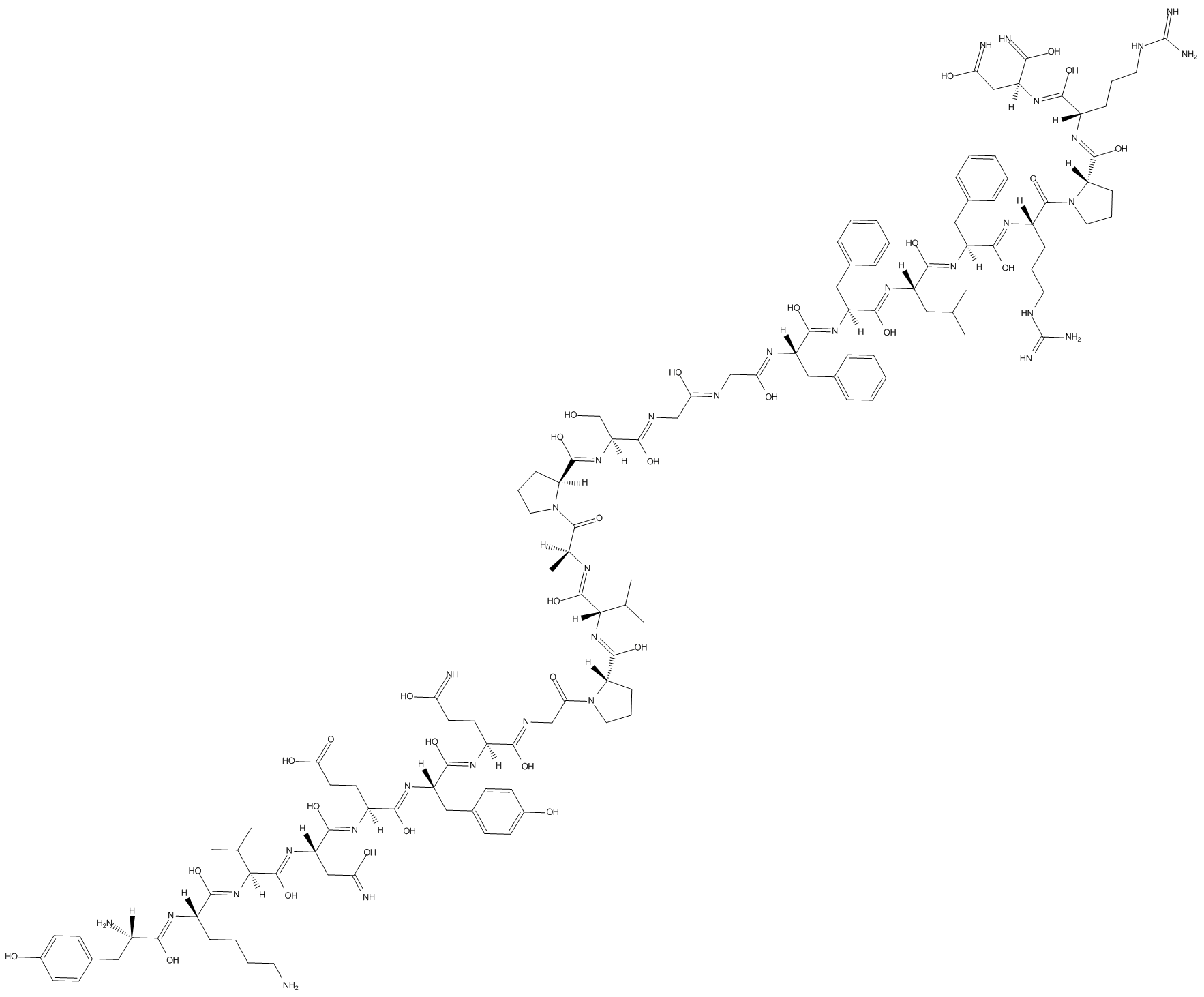 B5231 Neuromedin U (rat)Summary: Endogenous peptide regulating blood pressure
 -
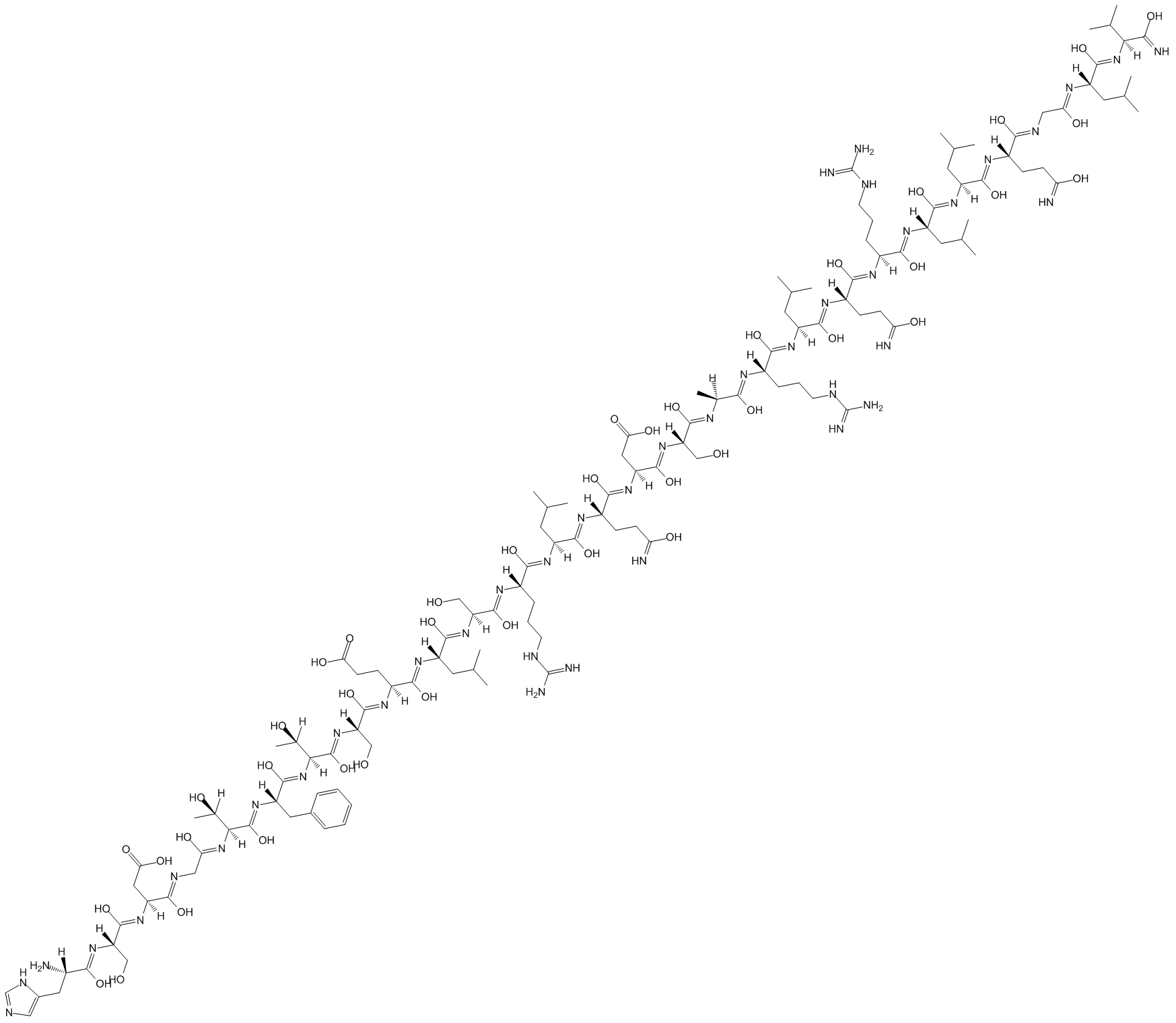 B5232 Secretin (rat)Summary: Gastrointestinal peptide that stimulates pancreatic and biliary secretion
 -
![[D-Lys3]-GHRP-6](https://www.apexbt.com/media/prod_images/b/5/b5234.png) B5234 [D-Lys3]-GHRP-61 CitationTarget: ghrelin receptorSummary: ghrelin receptor antagonist
B5234 [D-Lys3]-GHRP-61 CitationTarget: ghrelin receptorSummary: ghrelin receptor antagonist -
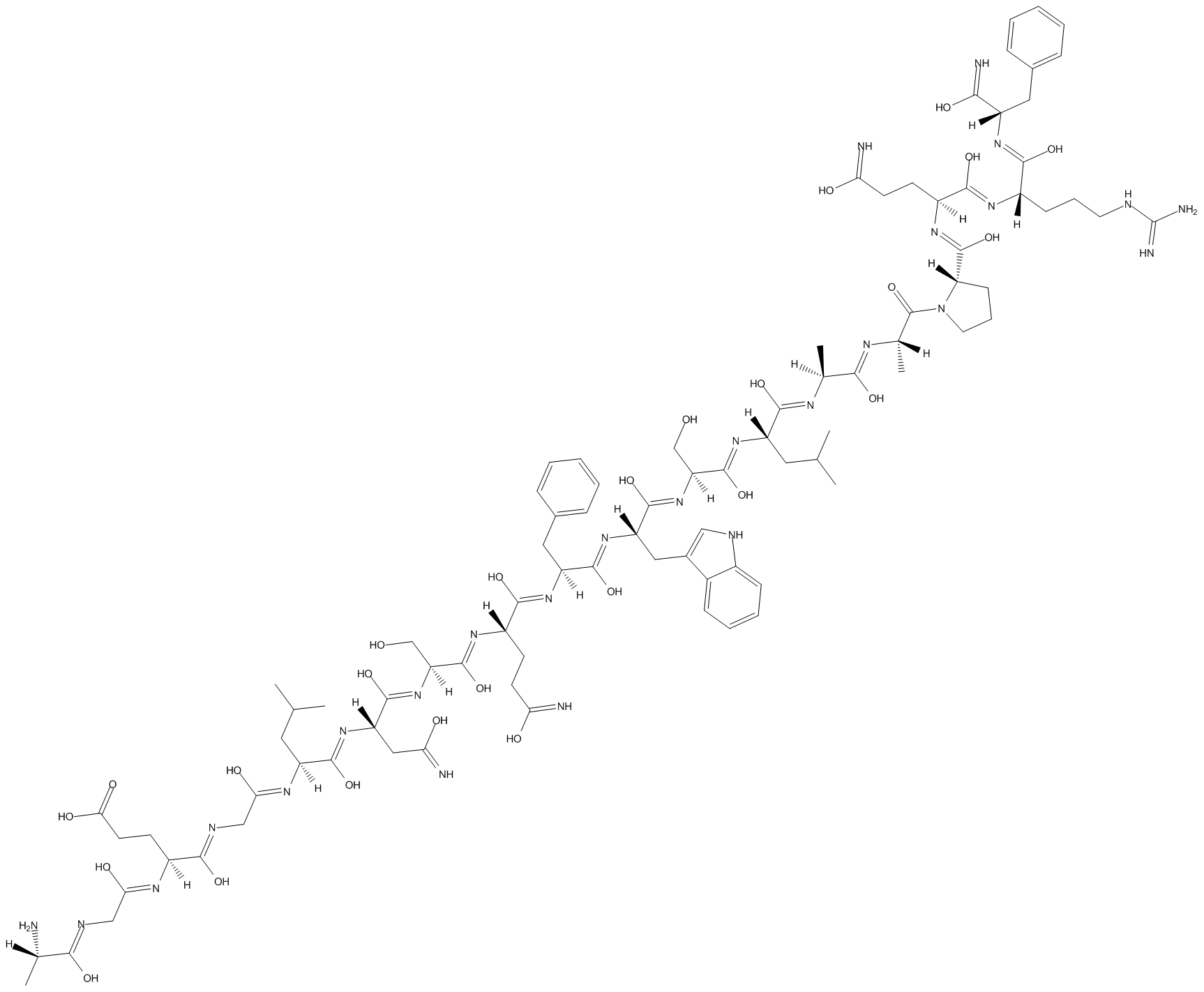 B5238 Neuropeptide AF (human)Summary: Endogenous antiopioid peptide implicated in pain modulation and endocrine functions
 -
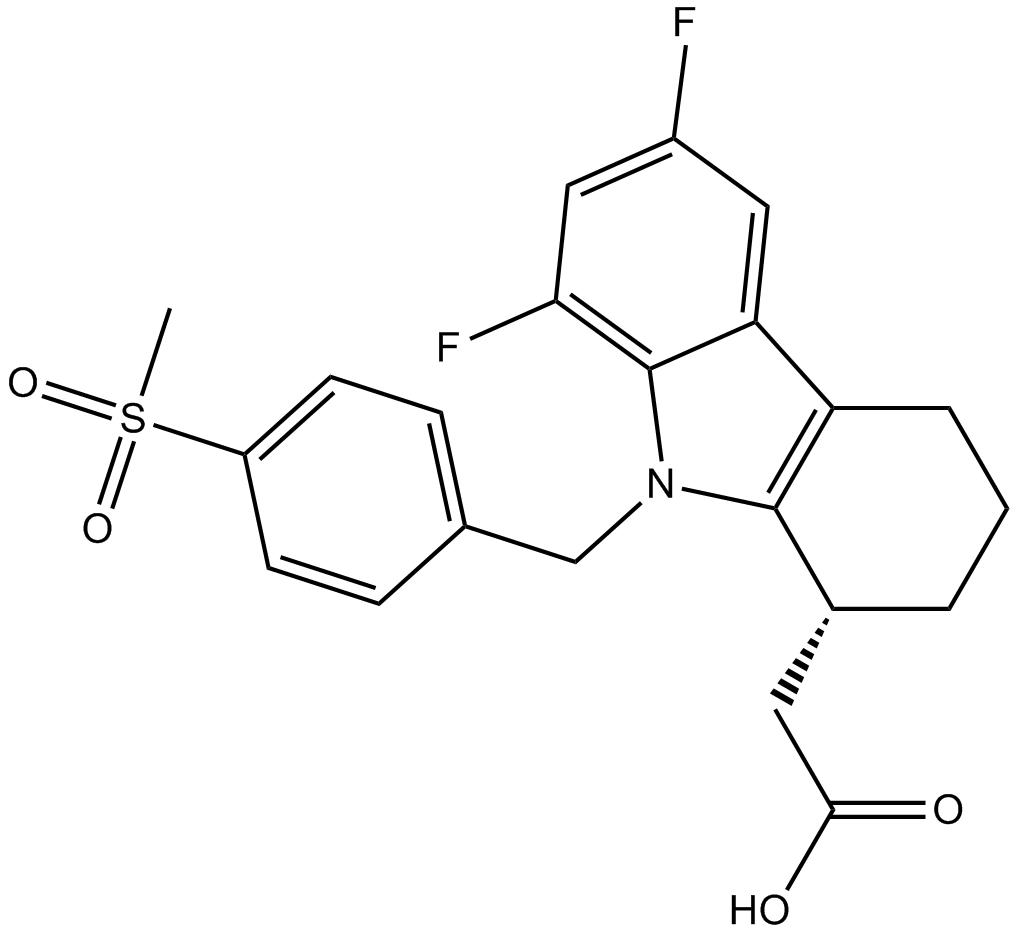 B5242 L-670,596Summary: thromboxane A2/prostaglandin endoperoxide receptor antagonist
 -
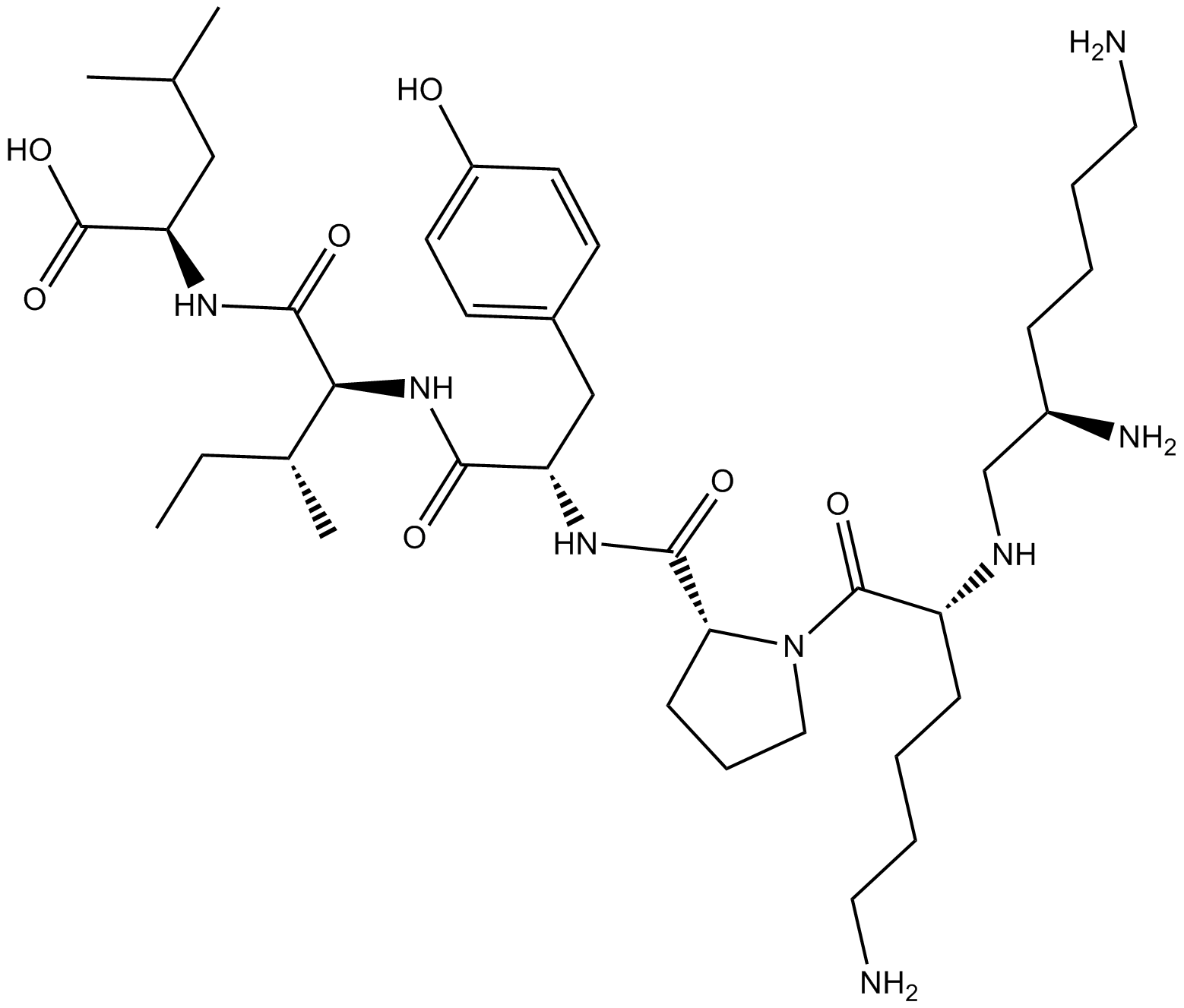 B5248 JMV 449Summary: metabolically stable neurotensin receptor agonist peptide
 -
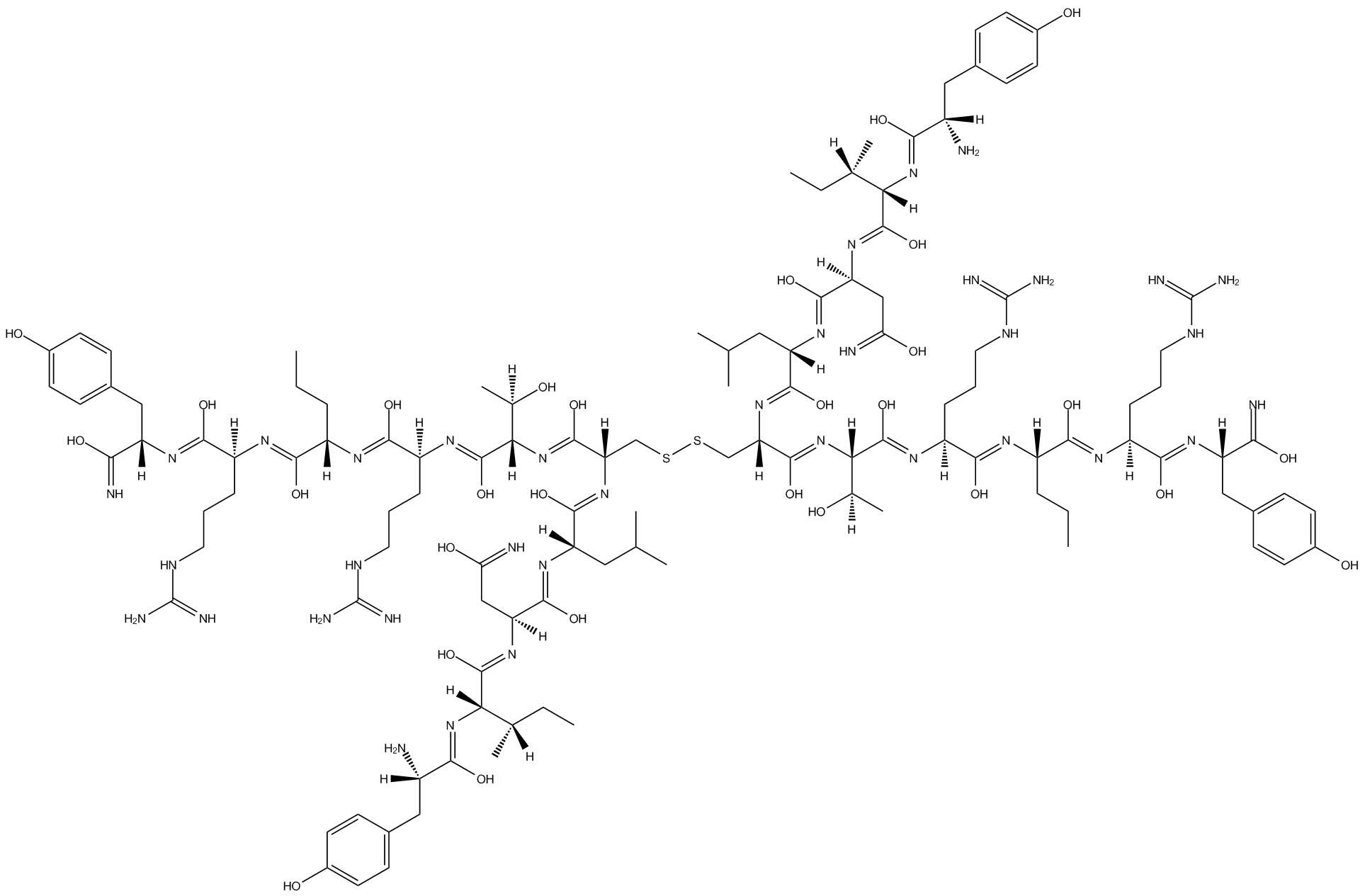 B5250 BWX 46Summary: NPY Y5 receptor agonist,potent and highly selective
 -
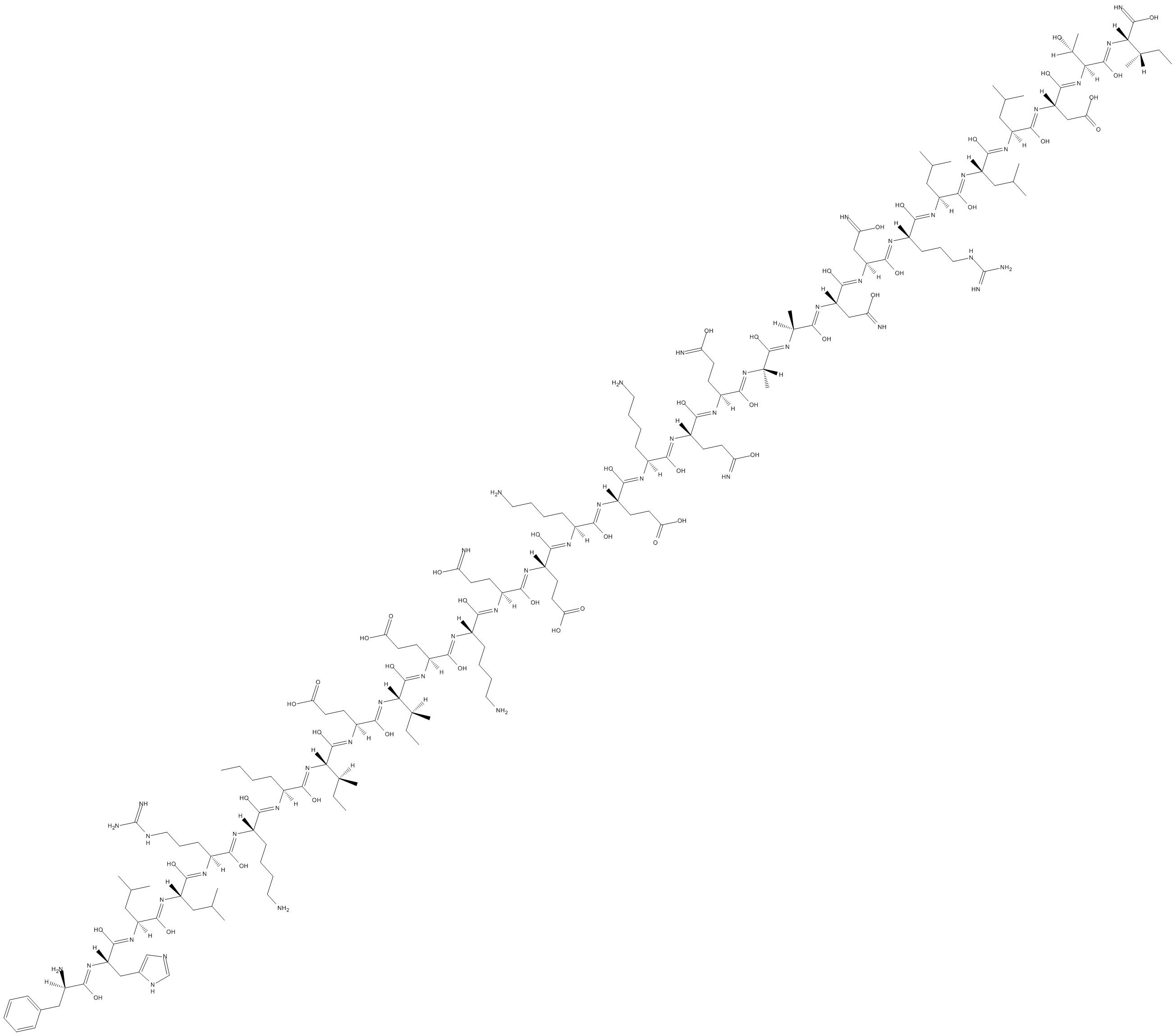 B5252 K 41498Summary: Potent and highly selective CRF2 receptor antagonist
 -
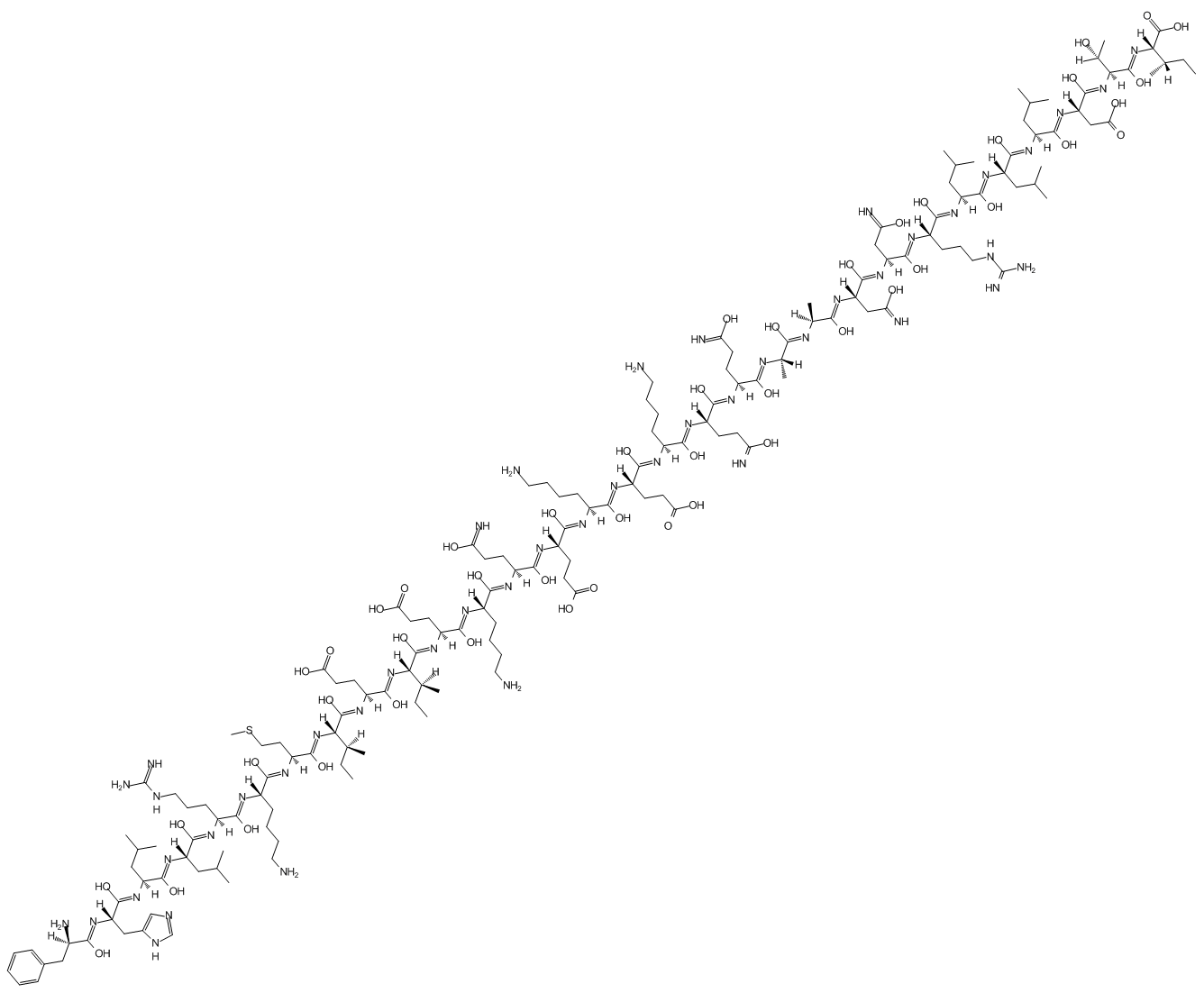 B5253 Antisauvagine-30Summary: corticotropin-releasing factor CRF2 receptor antagonist
 -
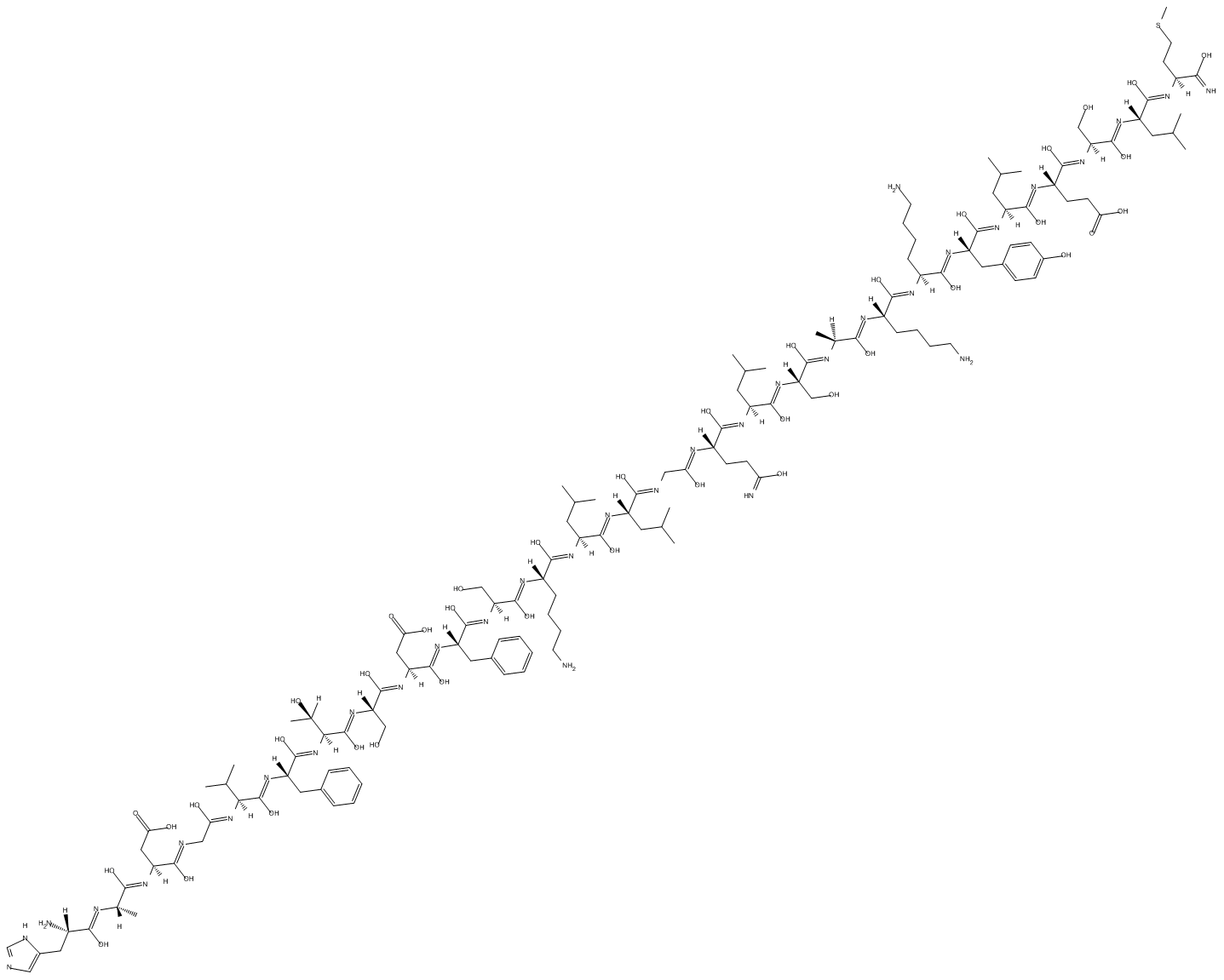 B5254 PHM 27 (human)Summary: potent agonist for the human calcitonin receptor