


Anti-infection
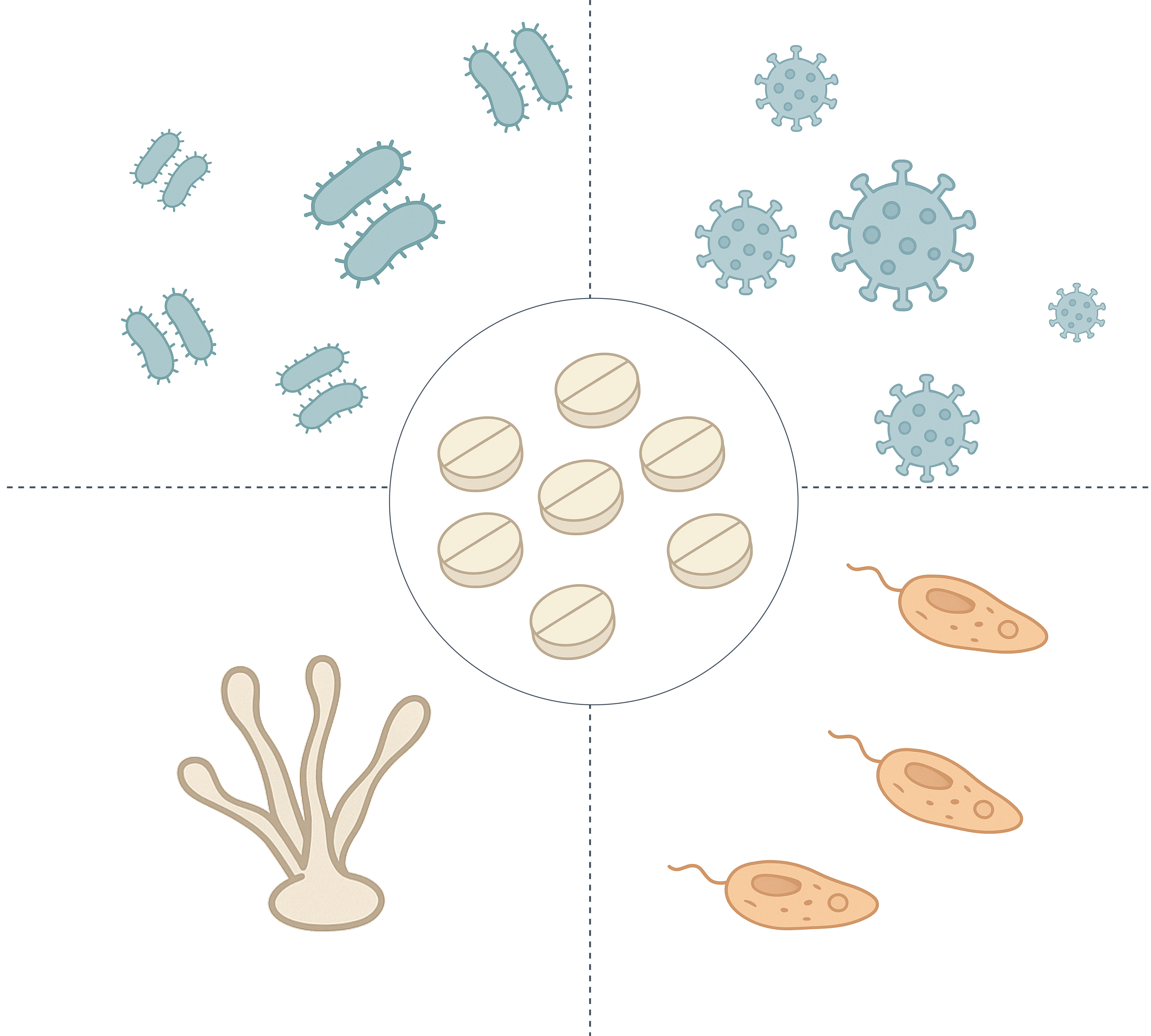
Anti-infectives are agents that eliminate or inhibit the spread of infectious organisms, encompassing antibiotics, antifungals, antivirals, and antiprotozoals.
Antibiotics are a class of antimicrobial agents specifically designed to target bacterial pathogens. They exert their effects by interfering with essential bacterial processes such as cell wall synthesis, protein synthesis, nucleic acid replication, and metabolic pathways, thereby either inhibiting bacterial growth or inducing bacterial death.
Antifungals are antimicrobial agents employed to combat fungal infections (mycoses) in humans and animals. Common antifungal classes include azoles, polyenes, echinocandins, and allylamines, which function by disrupting unique fungal structures or pathways, such as the synthesis or integrity of ergosterol-containing cell membranes and β-glucan-based cell walls, or by interfering with nucleic acid or protein synthesis.
Antivirals are compounds developed to inhibit the replication and spread of viruses within host organisms. Antivirals typically act by blocking viral entry, genome replication, protein processing, or virion assembly and release. Representative examples include nucleoside analogs, protease inhibitors, and neuraminidase inhibitors.
Antiprotozoals are drugs used to treat infections caused by protozoan parasites, including malaria, amebiasis, giardiasis, and trypanosomiasis. They act through a variety of mechanisms, including inhibition of nucleic acid synthesis, interference with mitochondrial function, and disruption of heme detoxification pathways in susceptible parasites.
-
 BA1373 SanguisorbigeninSummary: Sanguisorbigenin is a natural antibacterial agent.
 -
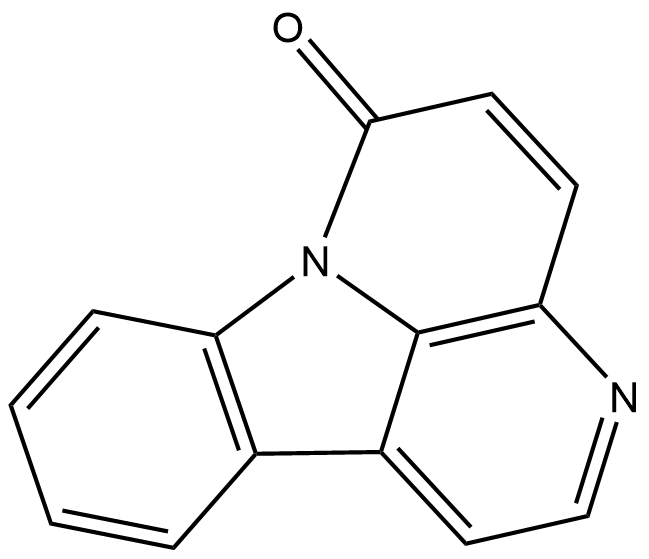 BA1374 Canthin-6-oneSummary: An indole alkaloid with antibacterial and anti-inflammatory activities for bacterial infection and inflammation
 -
BA1375 IlimaquinoneSummary: Ilimaquinone is a marine sponge-like metabolite that exerts antitumor activity through a GADD153-mediated signaling pathway.
-
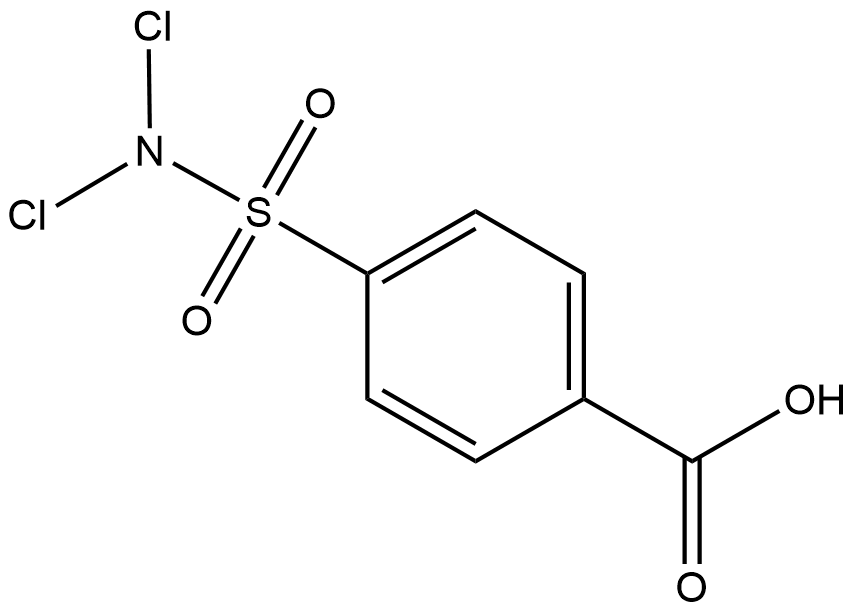 BA1377 HalazoneSummary: An antimicrobial sulfonamide derivative and carbonic anhydrase II inhibitor for drinking water disinfection
 -
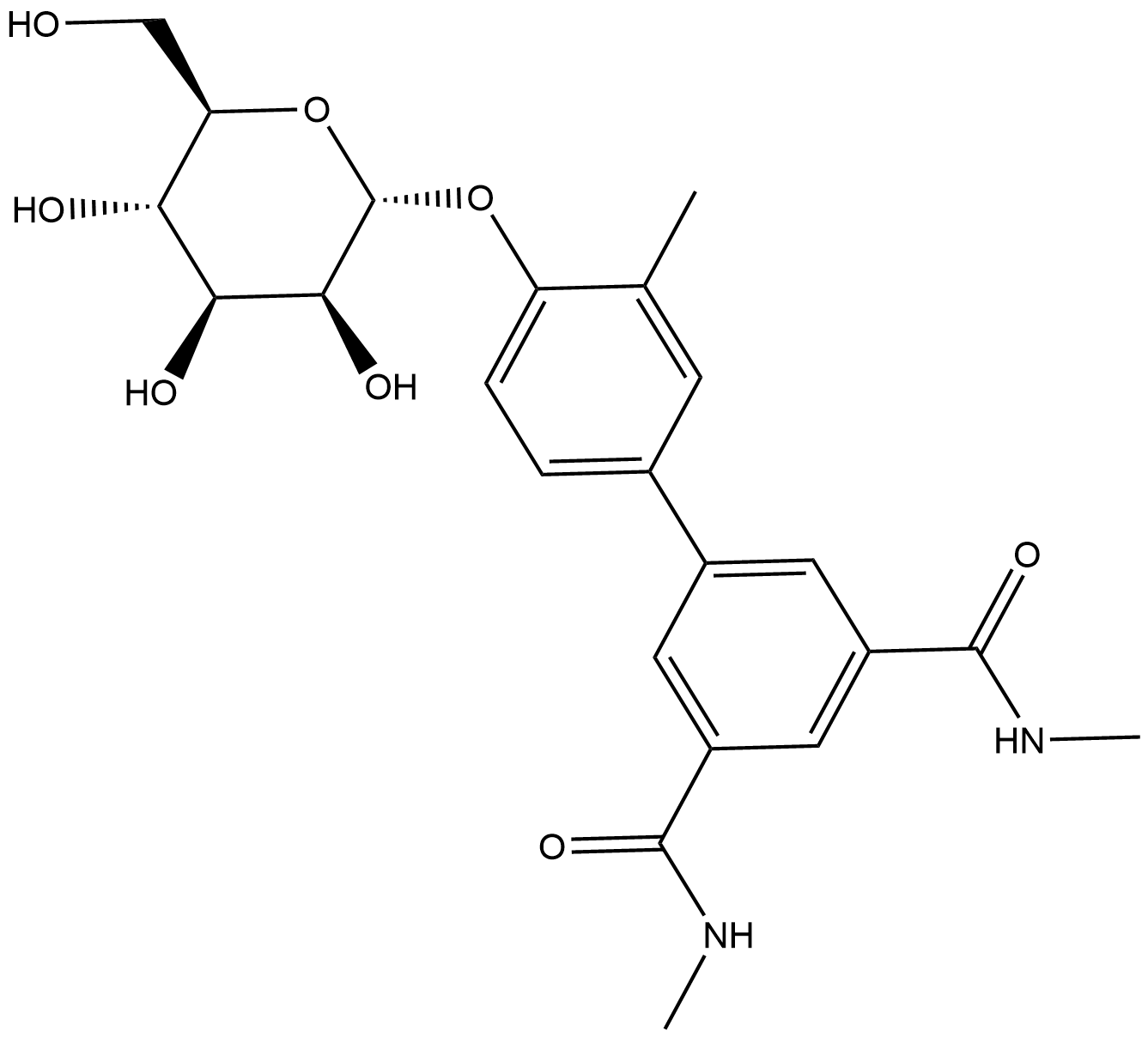 BA1378 M4284Summary: A selective and orally active biphenyl mannoside FimH antagonist for urinary tract infection
 -
BA1379 JH-LPH-33Summary: JH-LPH-33, a sulfonylpiperazine analog, is a potent inhibitor of UDP-2,3-diacylglucosamine pyrophosphate hydrolase.
-
BA1380 EnterobactinSummary: Enterobactin is a bacterial iron carrier that promotes iron uptake and can be used in studies of inflammation.
-
BA1382 RapanoneSummary: Rapanone is a natural benzoquinone.
-
BA1383 6-AzathymineSummary: 6-Azathymine, the 6-nitrogen analog of thymine, is a potent D-3-aminoisobutyrate-pyruvate aminotransferase inhibitor.
-
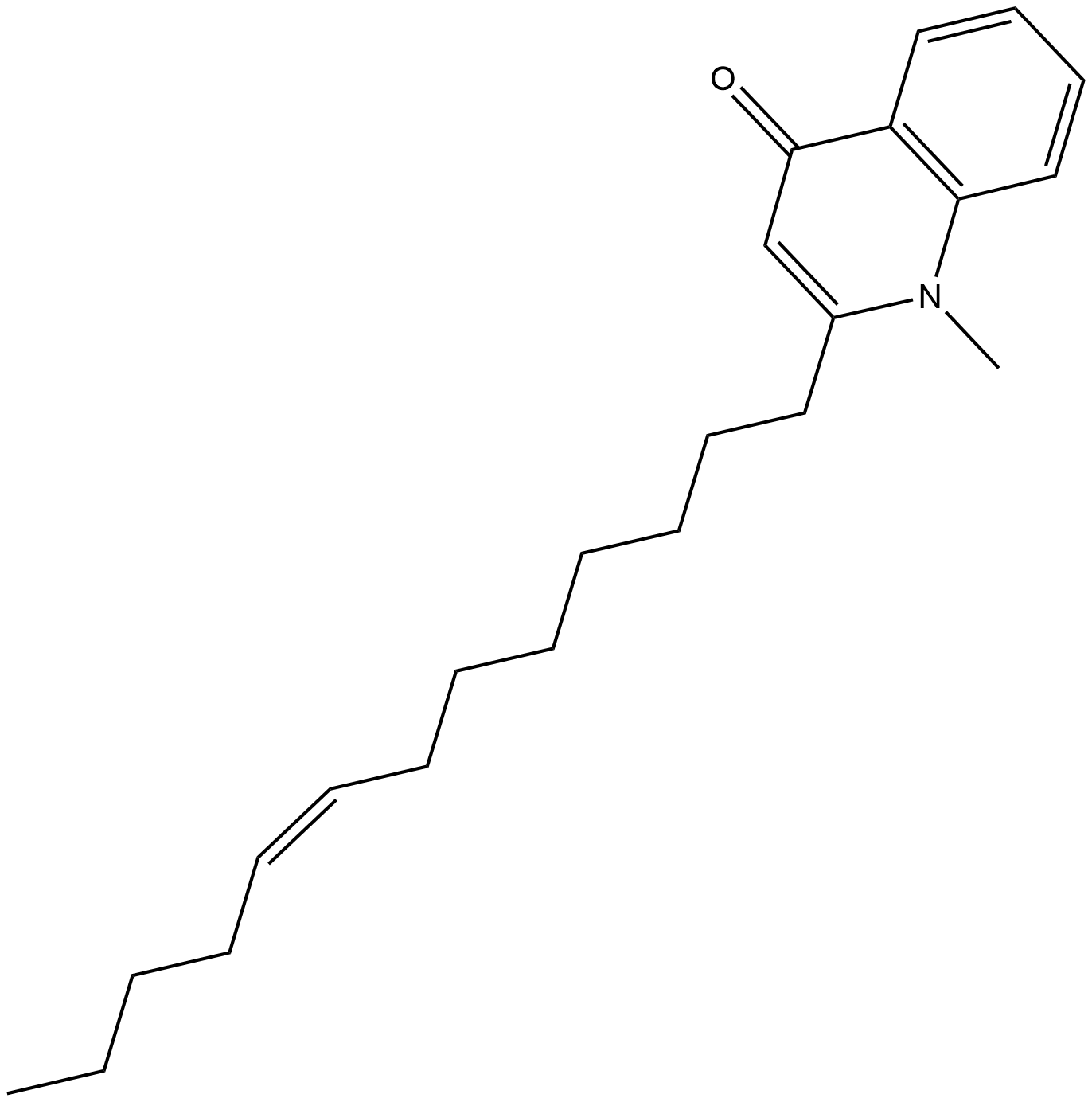 BA1385 EvocarpineSummary: A quinolone alkaloid isolated from Evodiae fructus that inhibits voltage-dependent Ca2+ influx, with antimycobacterial activity