


Anti-infection
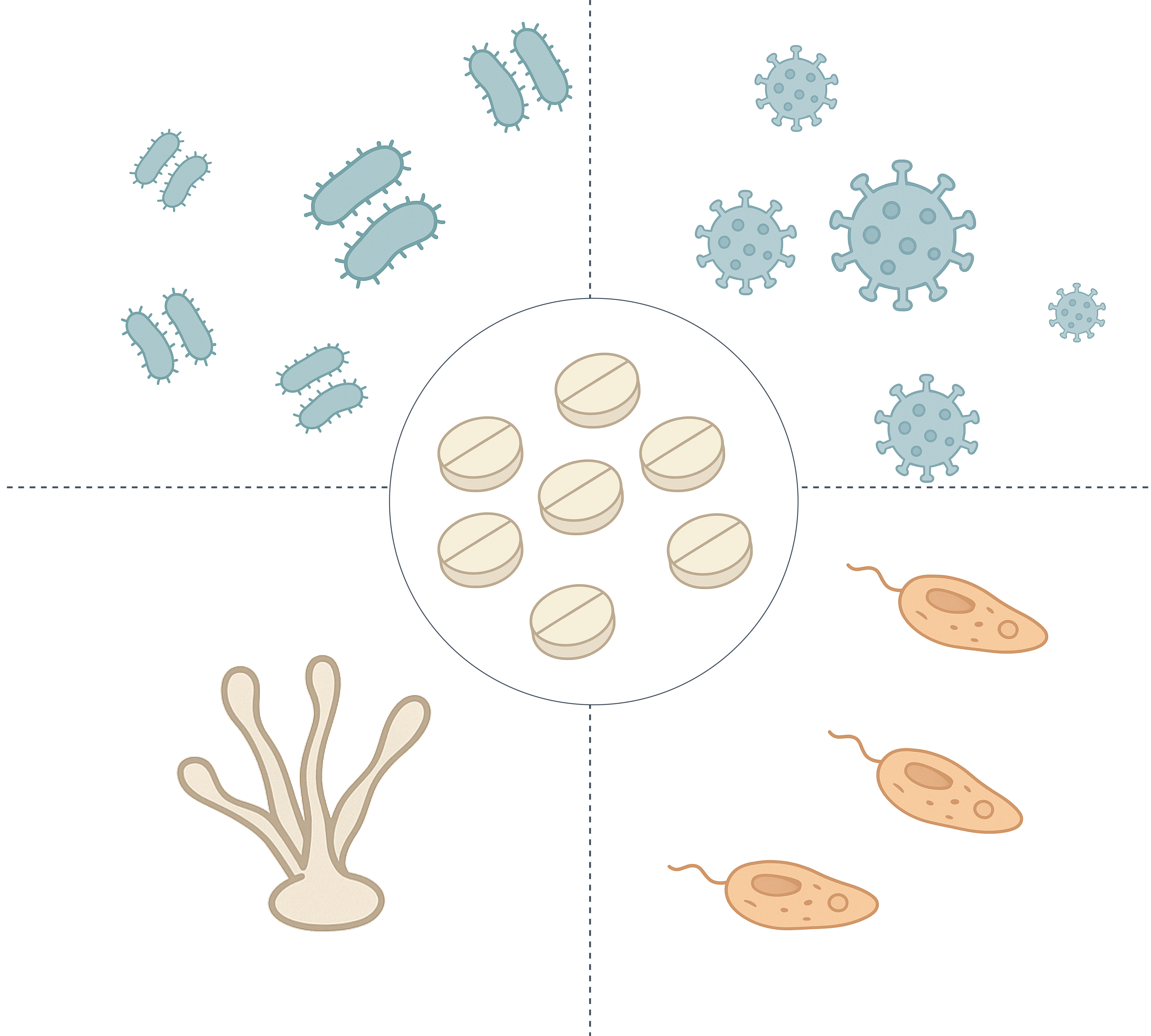
Anti-infectives are agents that eliminate or inhibit the spread of infectious organisms, encompassing antibiotics, antifungals, antivirals, and antiprotozoals.
Antibiotics are a class of antimicrobial agents specifically designed to target bacterial pathogens. They exert their effects by interfering with essential bacterial processes such as cell wall synthesis, protein synthesis, nucleic acid replication, and metabolic pathways, thereby either inhibiting bacterial growth or inducing bacterial death.
Antifungals are antimicrobial agents employed to combat fungal infections (mycoses) in humans and animals. Common antifungal classes include azoles, polyenes, echinocandins, and allylamines, which function by disrupting unique fungal structures or pathways, such as the synthesis or integrity of ergosterol-containing cell membranes and β-glucan-based cell walls, or by interfering with nucleic acid or protein synthesis.
Antivirals are compounds developed to inhibit the replication and spread of viruses within host organisms. Antivirals typically act by blocking viral entry, genome replication, protein processing, or virion assembly and release. Representative examples include nucleoside analogs, protease inhibitors, and neuraminidase inhibitors.
Antiprotozoals are drugs used to treat infections caused by protozoan parasites, including malaria, amebiasis, giardiasis, and trypanosomiasis. They act through a variety of mechanisms, including inhibition of nucleic acid synthesis, interference with mitochondrial function, and disruption of heme detoxification pathways in susceptible parasites.
-
 BA1006 CalicheamicinSummary: Calicheamicin is a tumor antibiotic and potent cytotoxic agent that causes DNA double-strand breaks.
 -
BA1008 TelithromycinSummary: Telithromycin (HMR3647) is a new ketolactone antibiotic with a structure similar to macrolides.
-
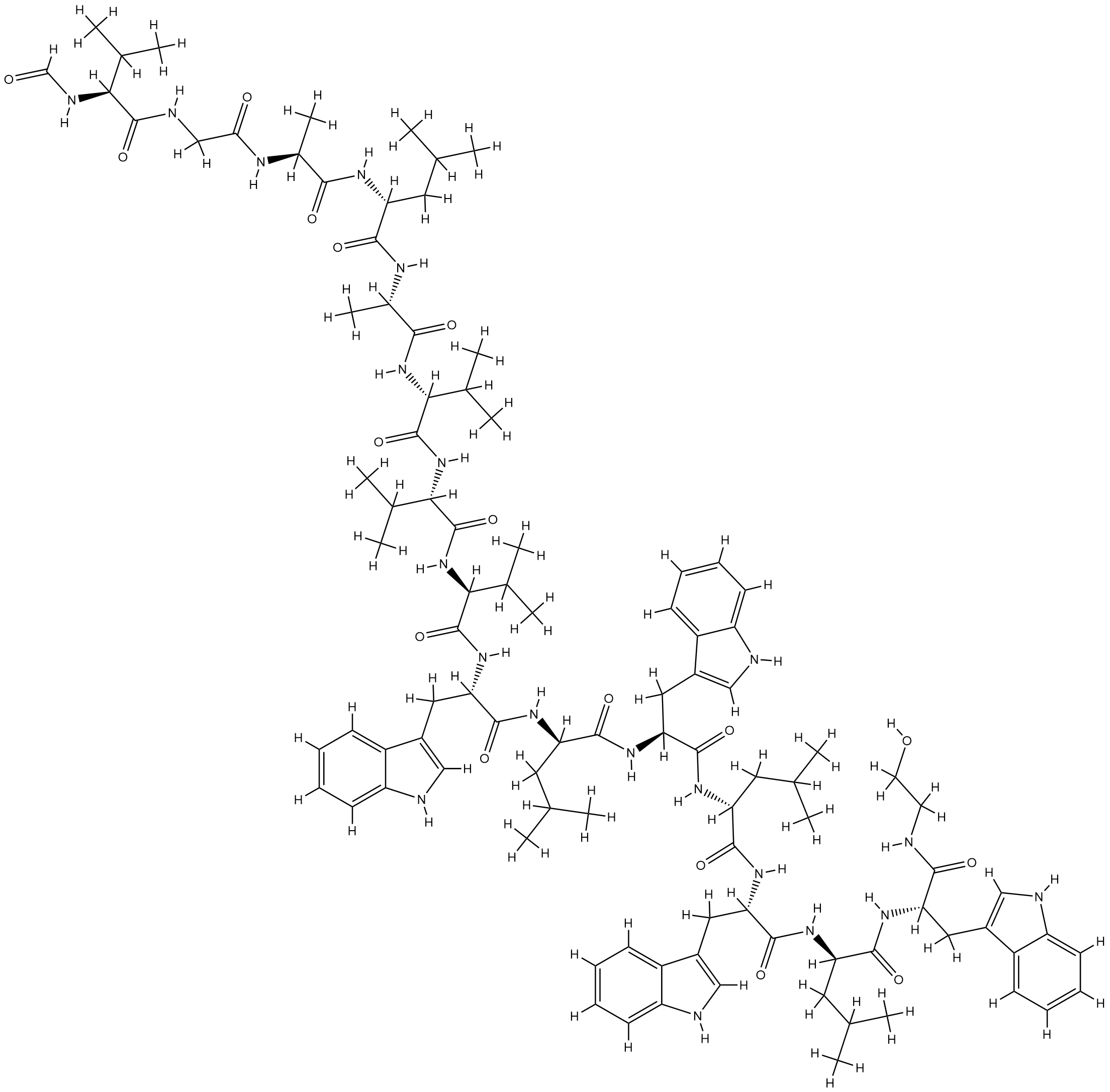 BA1009 GramicidinSummary: Gramicidin is an antimicrobial peptide.
 -
BA1010 ToxoflavinSummary: Toxoflavin is a complex inhibitor and an inhibitor with antitumor activity.
-
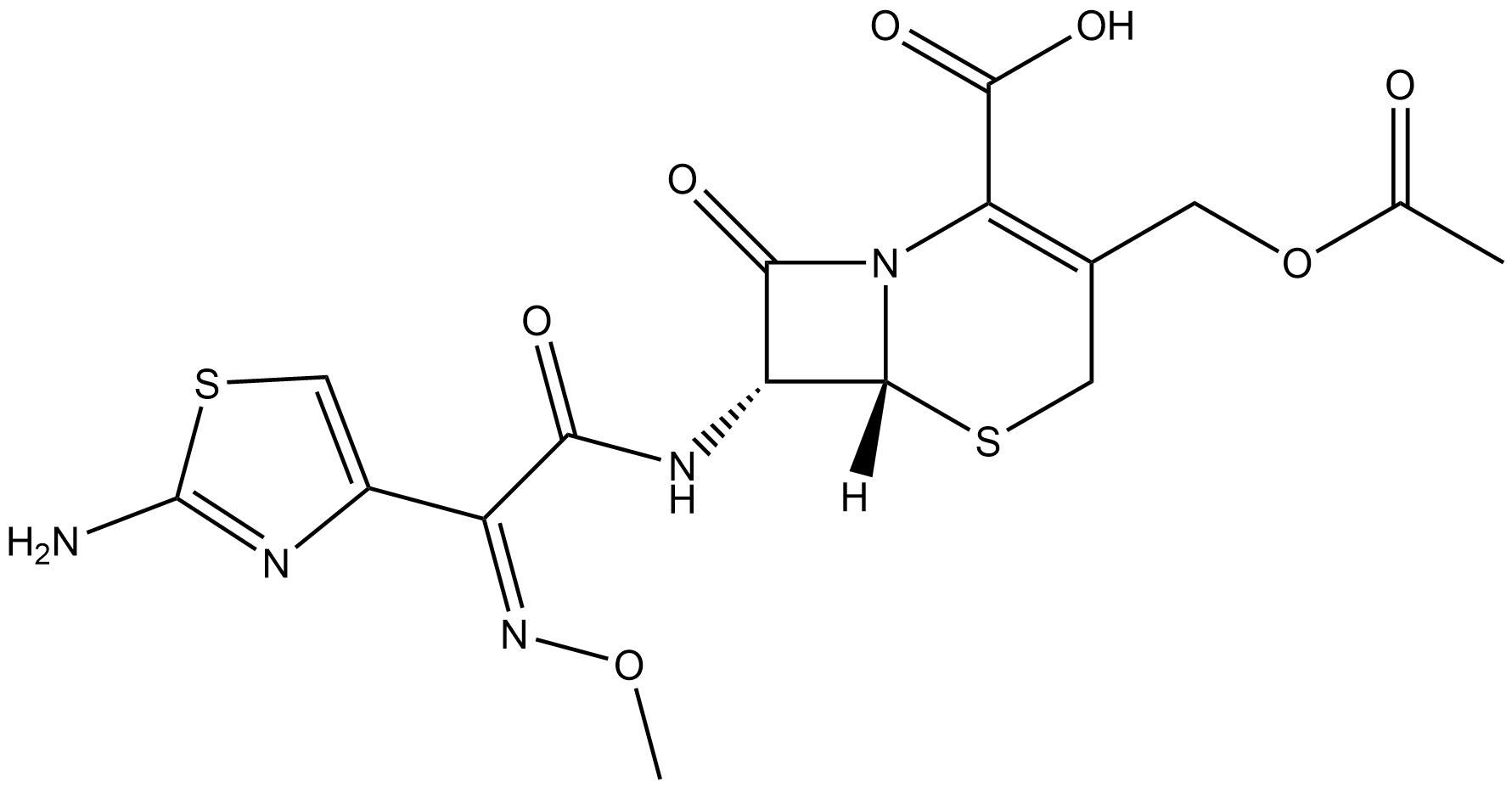 BA1012 Cefotaxime1 CitationSummary: Cefotaxime is a third-generation cephalosporin antibiotic and a lactamase-resistant cephalosporin.
 -
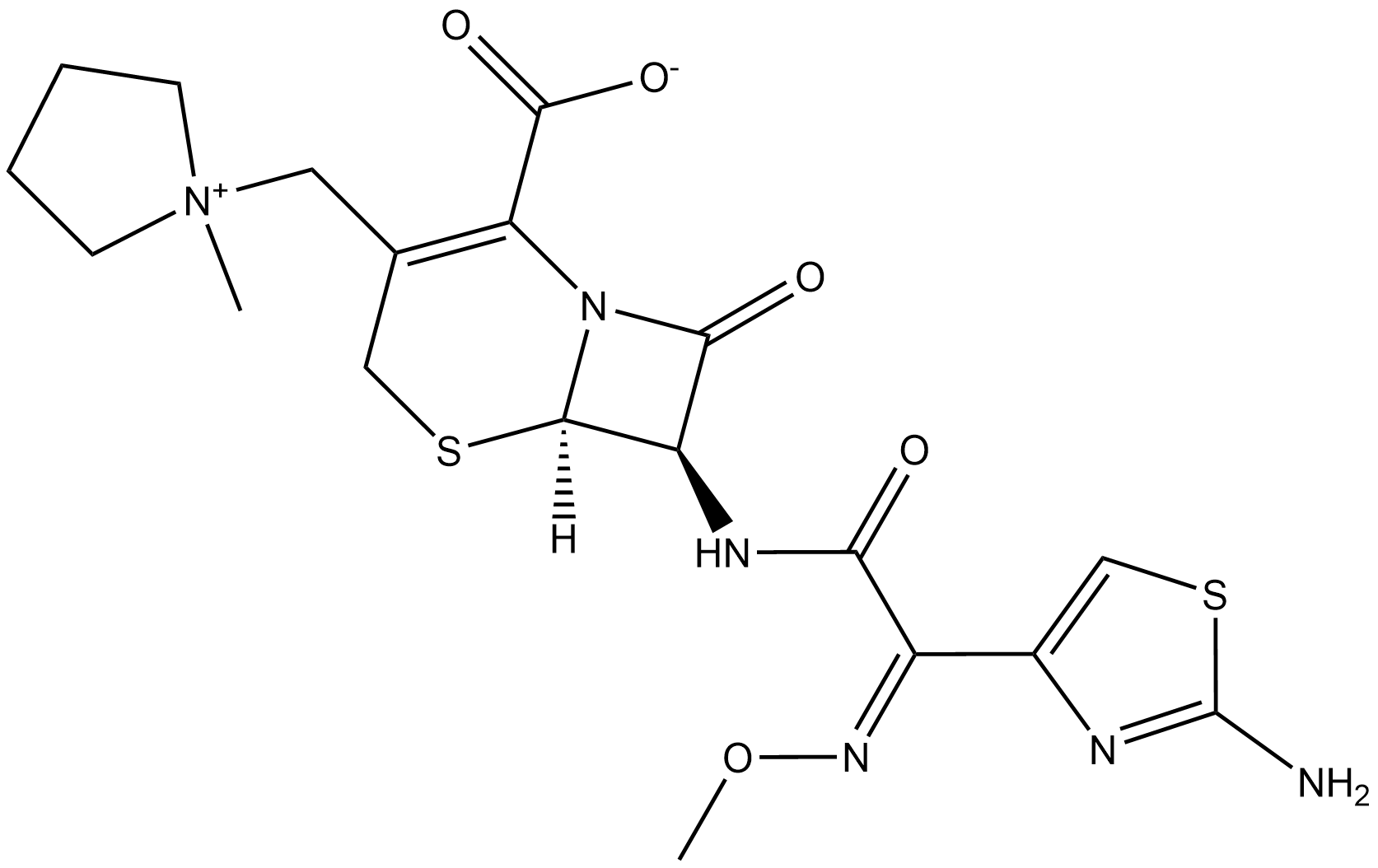 BA1013 Cefepime1 CitationSummary: Cefepime (BMY-28142) is a broad-spectrum and blood-brain barrier-crossing cephalosporin.
 -
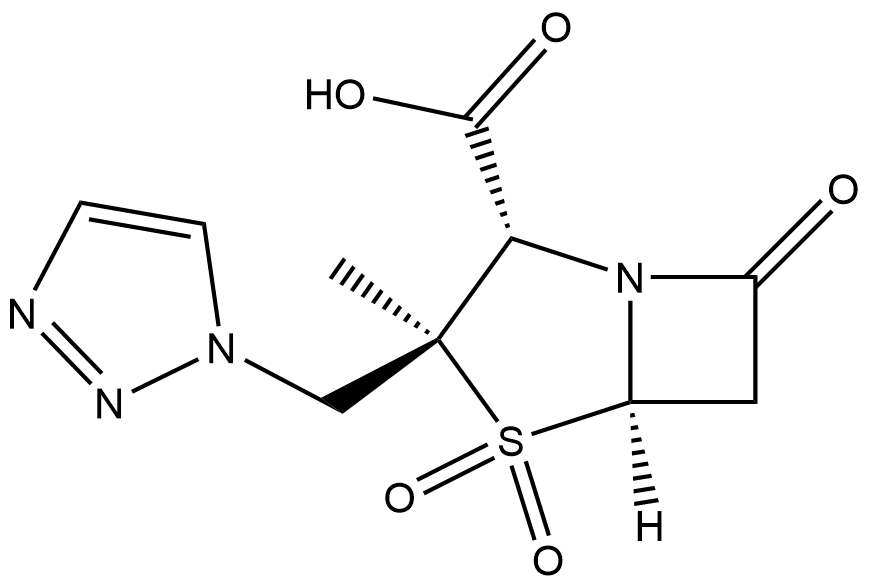 BA1015 TazobactamSummary: Tazobactam is a potent beta-lactamase inhibitor and penicillin antibiotic.
 -
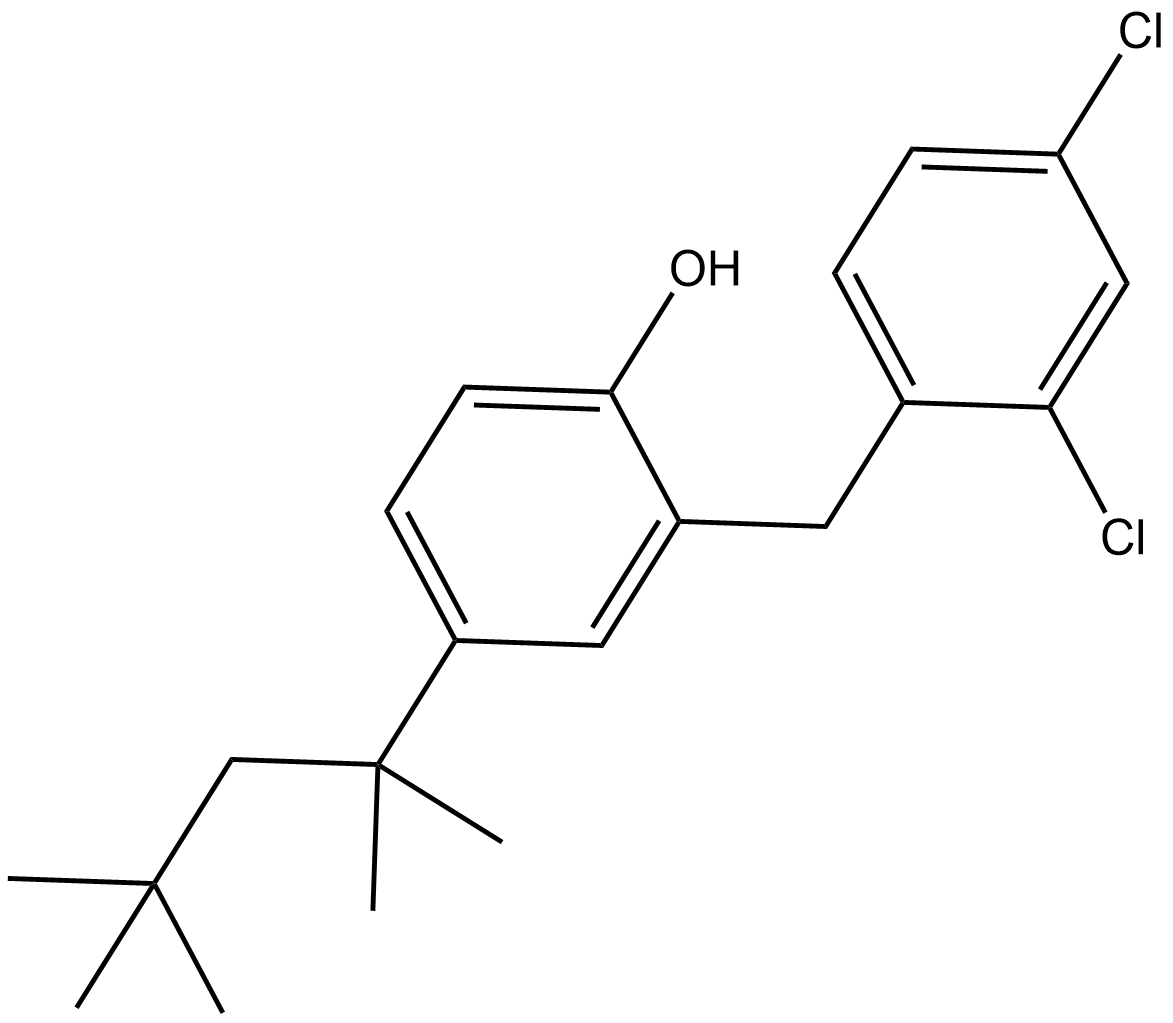 BA1017 ClofoctolSummary: Clofoctol is an antibiotic used in the study of gram-positive bacterial infections that acts only against gram-positive bacteria and penetrates into human lung tissue.
 -
BA1018 EchinomycinSummary: Echinomycin (QuinomycinA) is a potent, cell-permeable small molecule inhibitor of the DNA-binding activity of hypoxia-inducible factor-1.
-
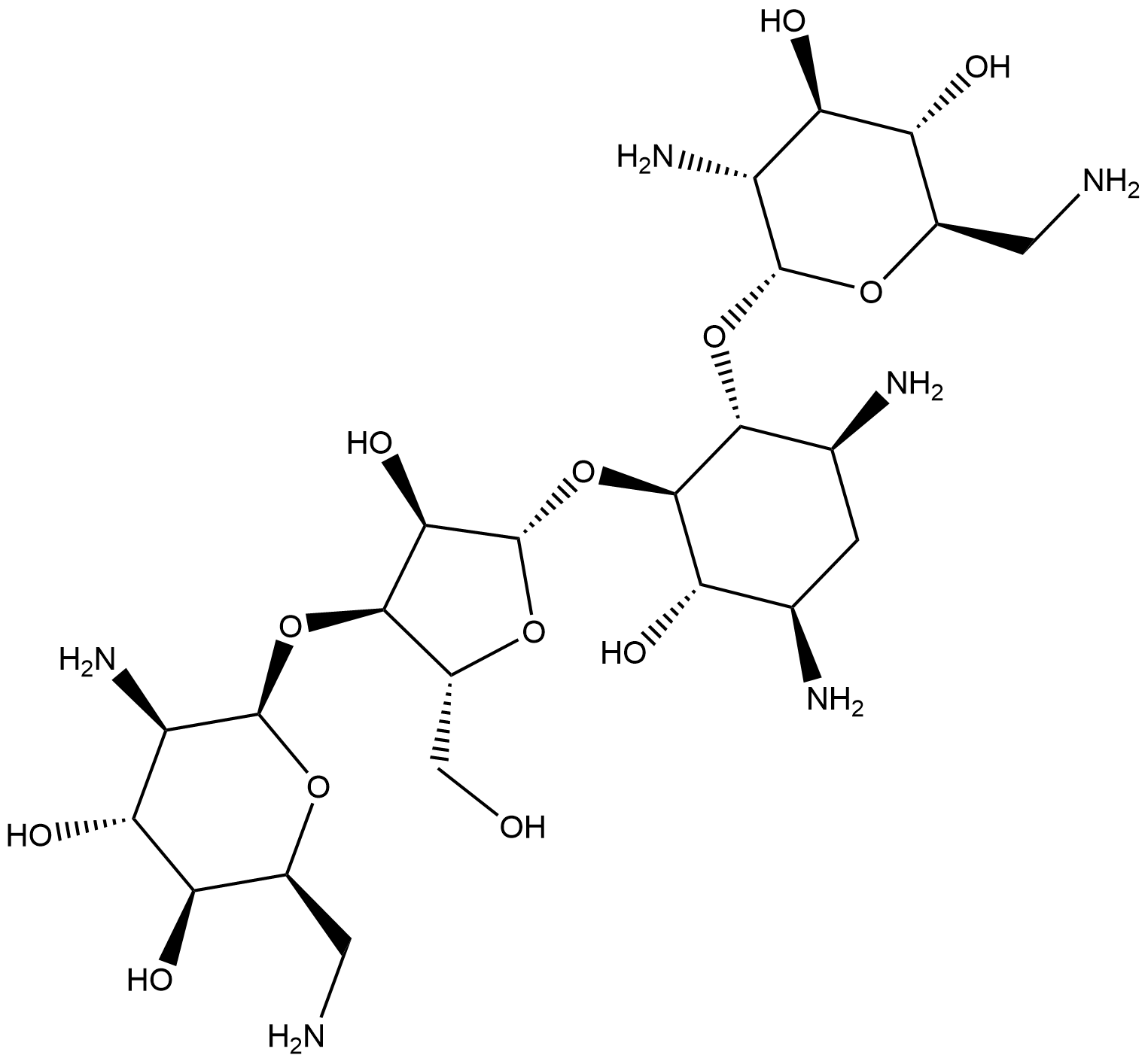 BA1019 FramycetinSummary: Framycetin (NeomycinB) is an aminoglycoside antibiotic that is a potent inhibitor of cleavage activity.