


Anti-infection
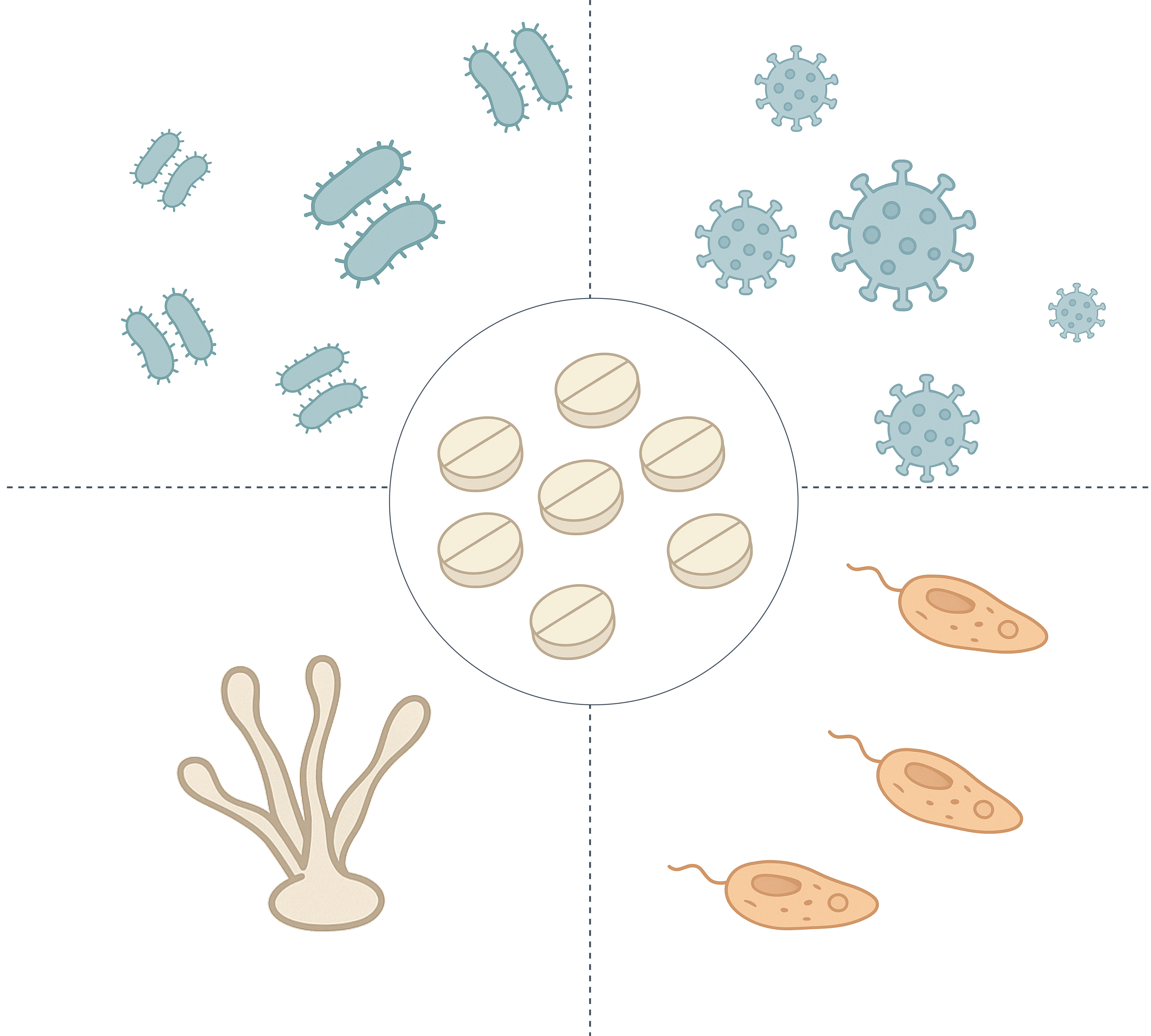
Anti-infectives are agents that eliminate or inhibit the spread of infectious organisms, encompassing antibiotics, antifungals, antivirals, and antiprotozoals.
Antibiotics are a class of antimicrobial agents specifically designed to target bacterial pathogens. They exert their effects by interfering with essential bacterial processes such as cell wall synthesis, protein synthesis, nucleic acid replication, and metabolic pathways, thereby either inhibiting bacterial growth or inducing bacterial death.
Antifungals are antimicrobial agents employed to combat fungal infections (mycoses) in humans and animals. Common antifungal classes include azoles, polyenes, echinocandins, and allylamines, which function by disrupting unique fungal structures or pathways, such as the synthesis or integrity of ergosterol-containing cell membranes and β-glucan-based cell walls, or by interfering with nucleic acid or protein synthesis.
Antivirals are compounds developed to inhibit the replication and spread of viruses within host organisms. Antivirals typically act by blocking viral entry, genome replication, protein processing, or virion assembly and release. Representative examples include nucleoside analogs, protease inhibitors, and neuraminidase inhibitors.
Antiprotozoals are drugs used to treat infections caused by protozoan parasites, including malaria, amebiasis, giardiasis, and trypanosomiasis. They act through a variety of mechanisms, including inhibition of nucleic acid synthesis, interference with mitochondrial function, and disruption of heme detoxification pathways in susceptible parasites.
-
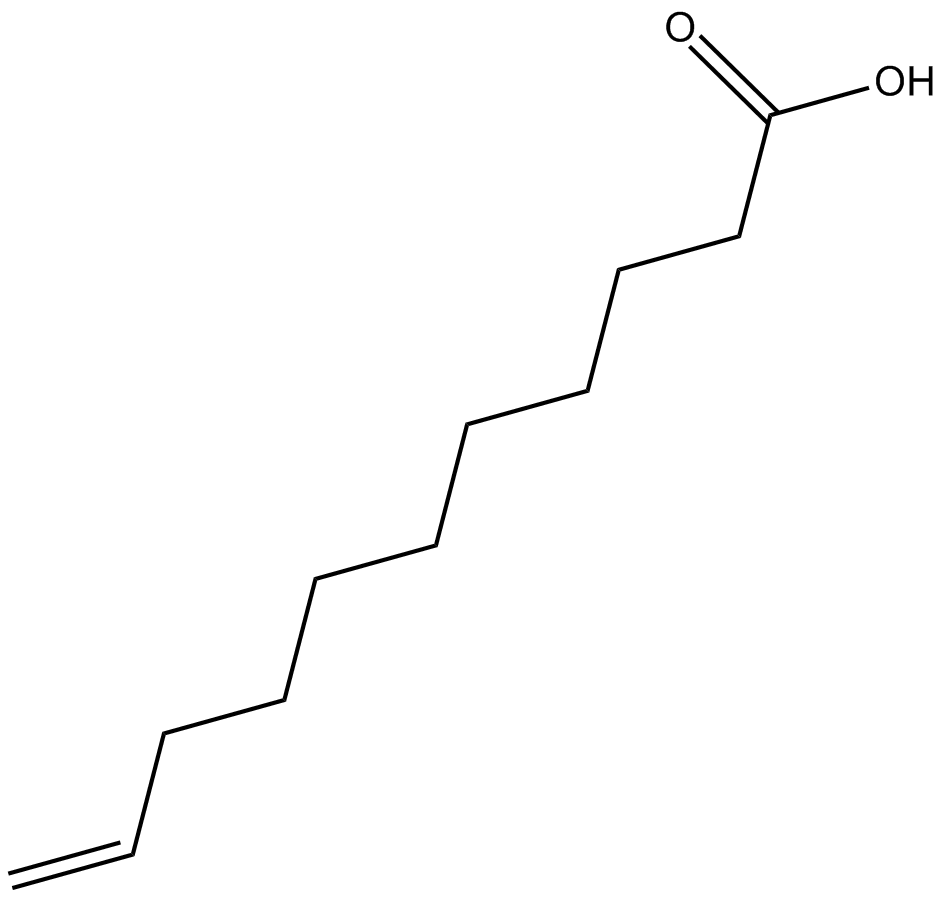 C6968 10-Undecenoic acidSummary: A raw material for synthesizing pheromones, antifungal agents and organic intermediates
 -
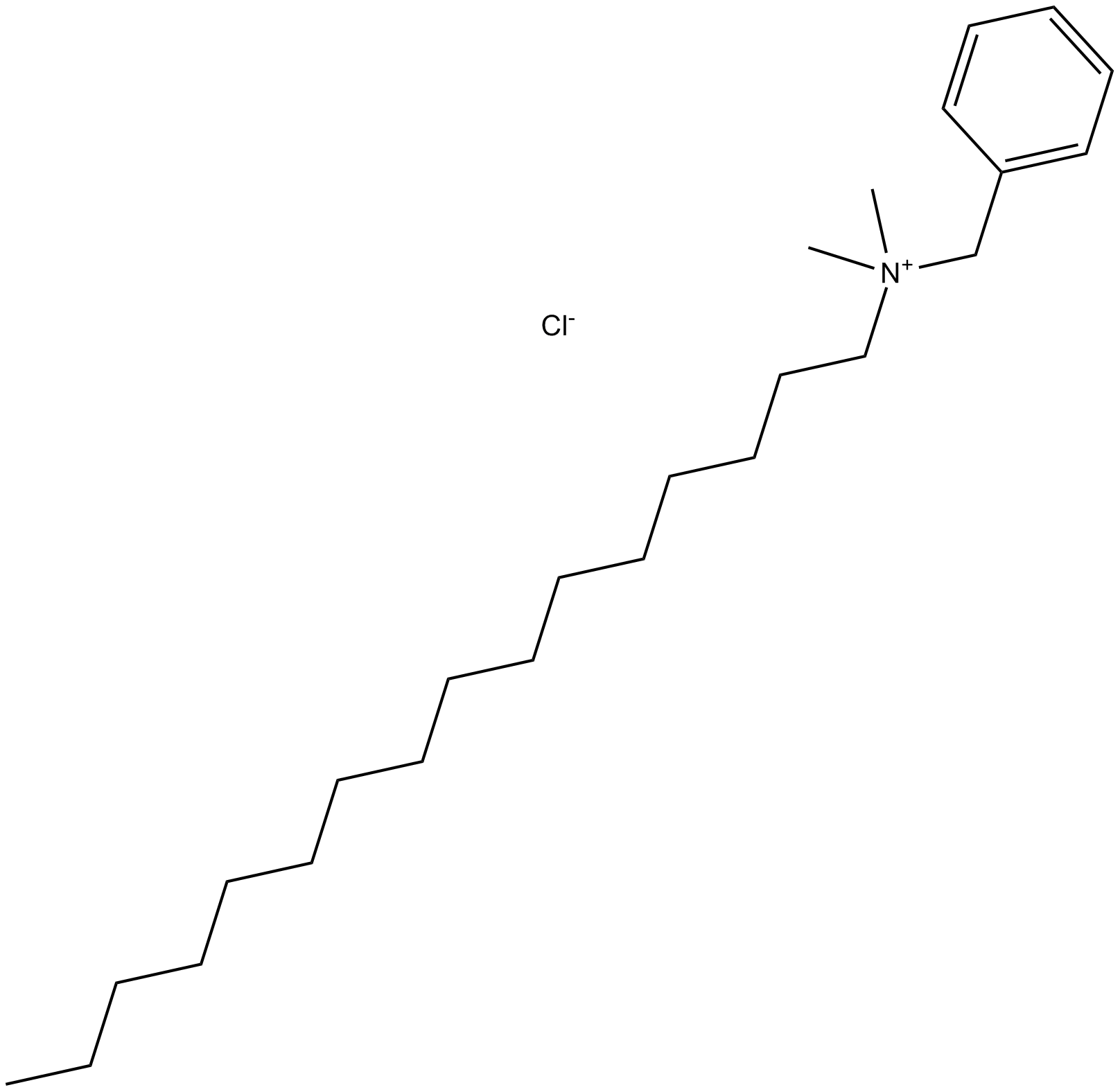 C6971 Benzylcetyldimethylammonium chloride hydrateSummary: A quaternary ammonium compound with surfactant and antibacterial activity
 -
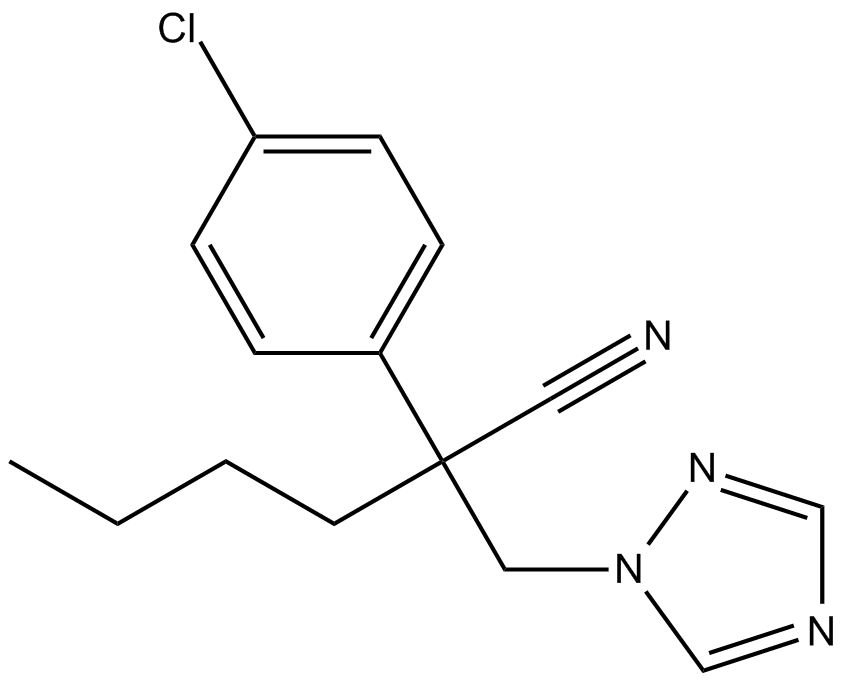 C6981 MyclobutanilSummary: A conazole compound for the investigation of fungal sterol synthesis inhibition
 -
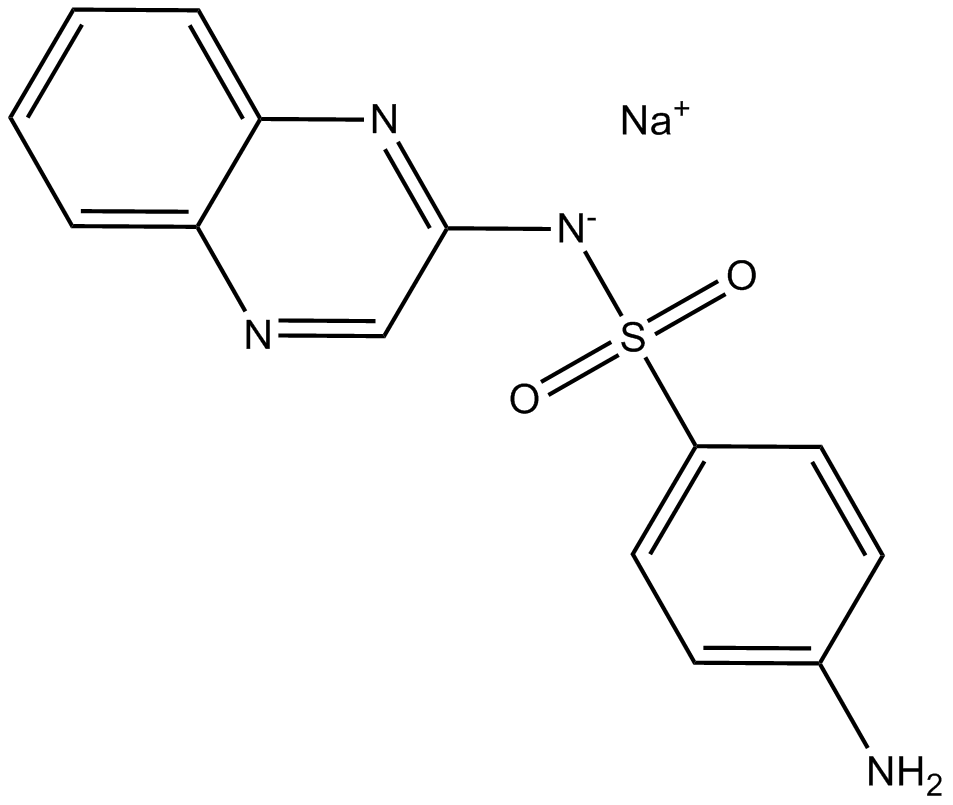 C7006 Sulfaquinoxaline sodiumSummary: A compound that interferes with bacterial folate metabolism, with antibacterial and anticoccidial activities
 -
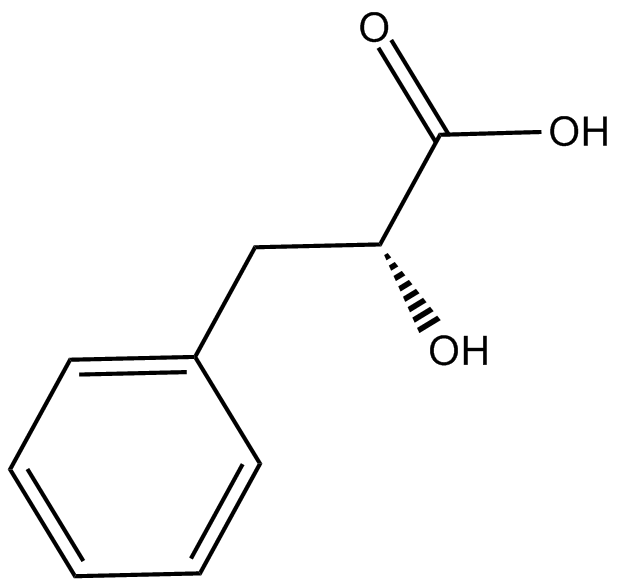 C7007 D-3-Phenyllactic acidSummary: A natural microbial metabolite with antibacterial activity against Gram-positive bacteria
 -
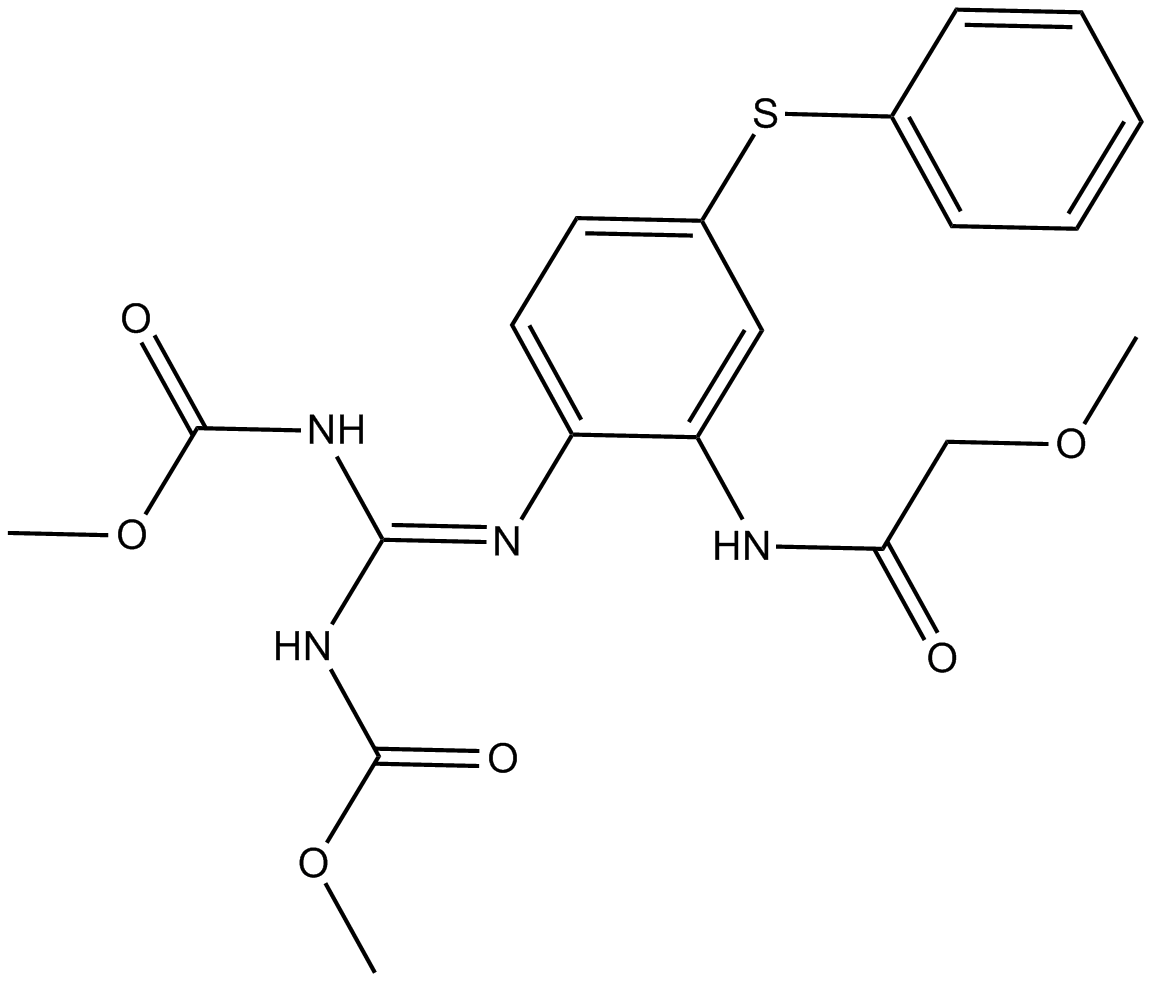 C7012 FebantelSummary: An orally active anthelmintic for the treatment of nematode, roundworm and tapeworm infections in livestock and poultry
 -
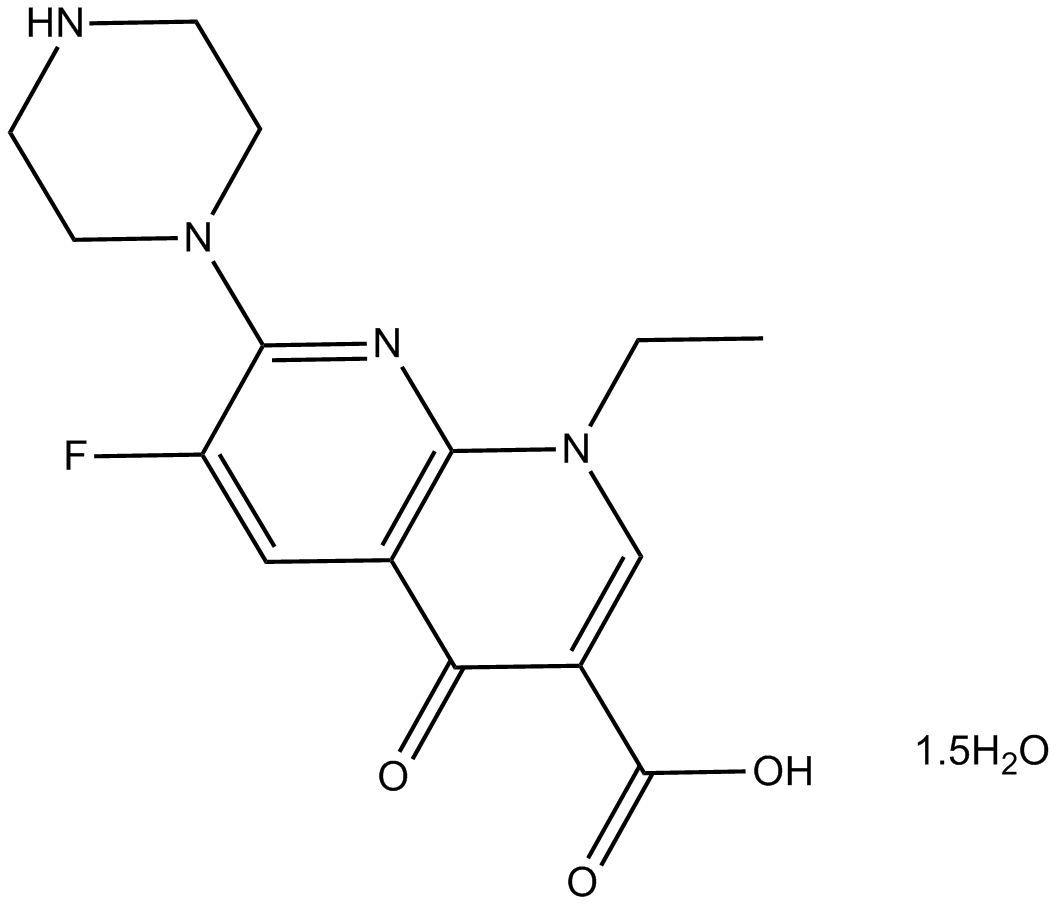 C7015 Enoxacin SesquihydrateSummary: A fluoroquinolone antibacterial agent and miRNA processing activator
 -
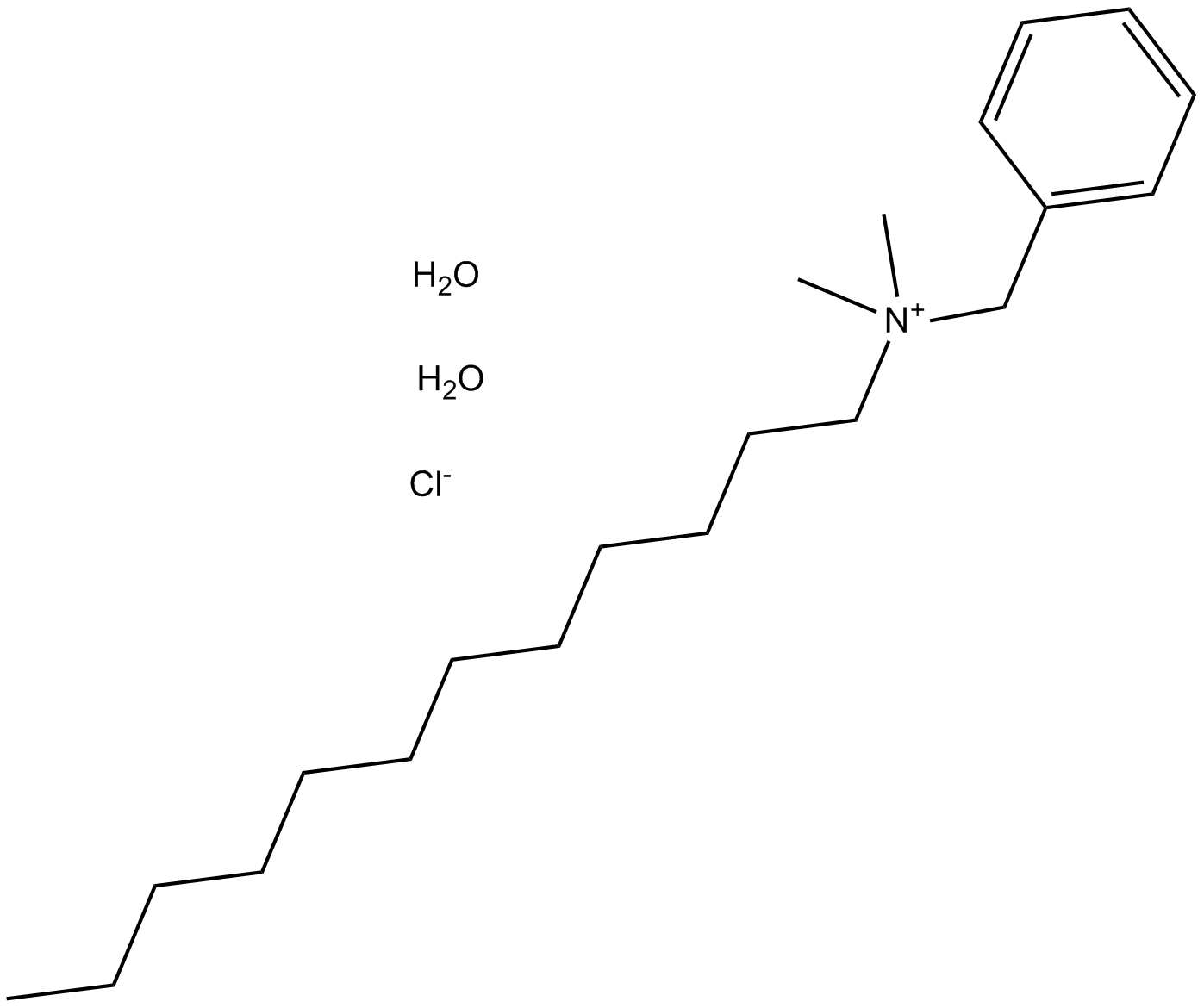 C7024 Benzyldodecyldimethylammonium chloride dihydrateSummary: A quaternary ammonium antimicrobial agent for combating drug-resistant bacteria
 -
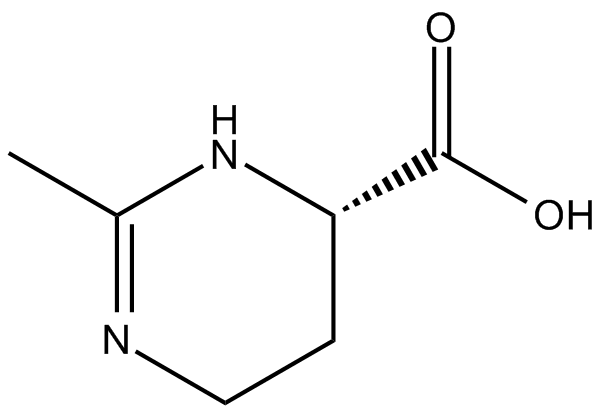 C7041 EctoineSummary: A natural cytoprotectant for enhancing skin barrier and improving moisturizing capacity
 -
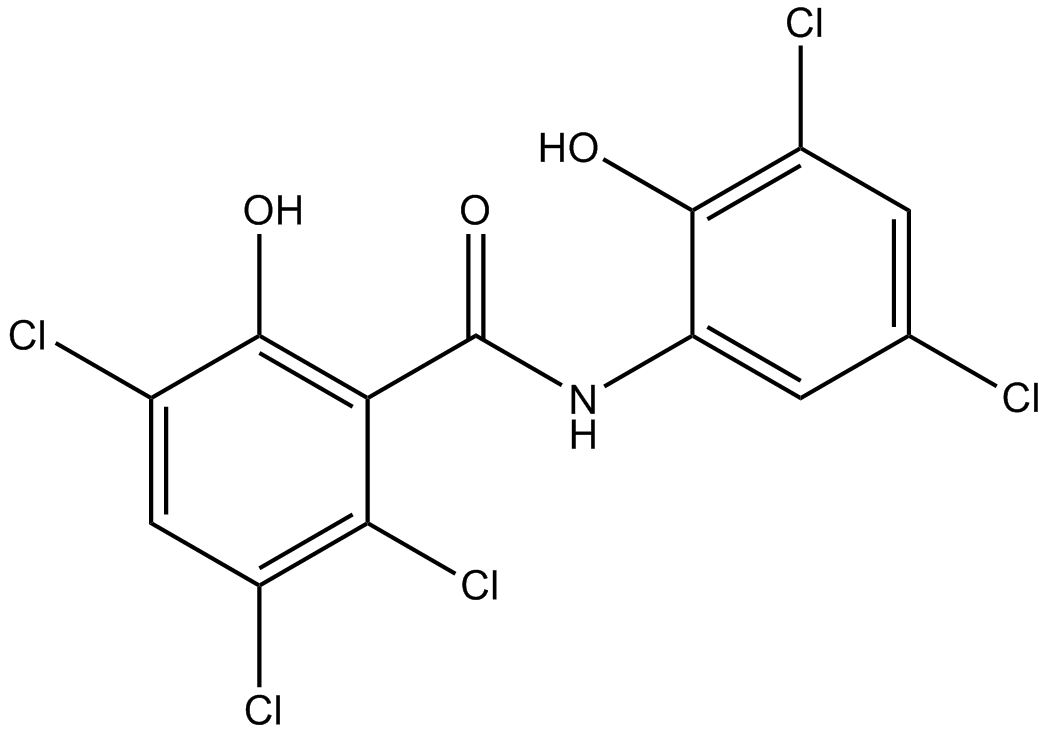 C7047 OxyclozanideSummary: An orally active antiparasitic and antimicrobial/antiviral agent