


Anti-infection
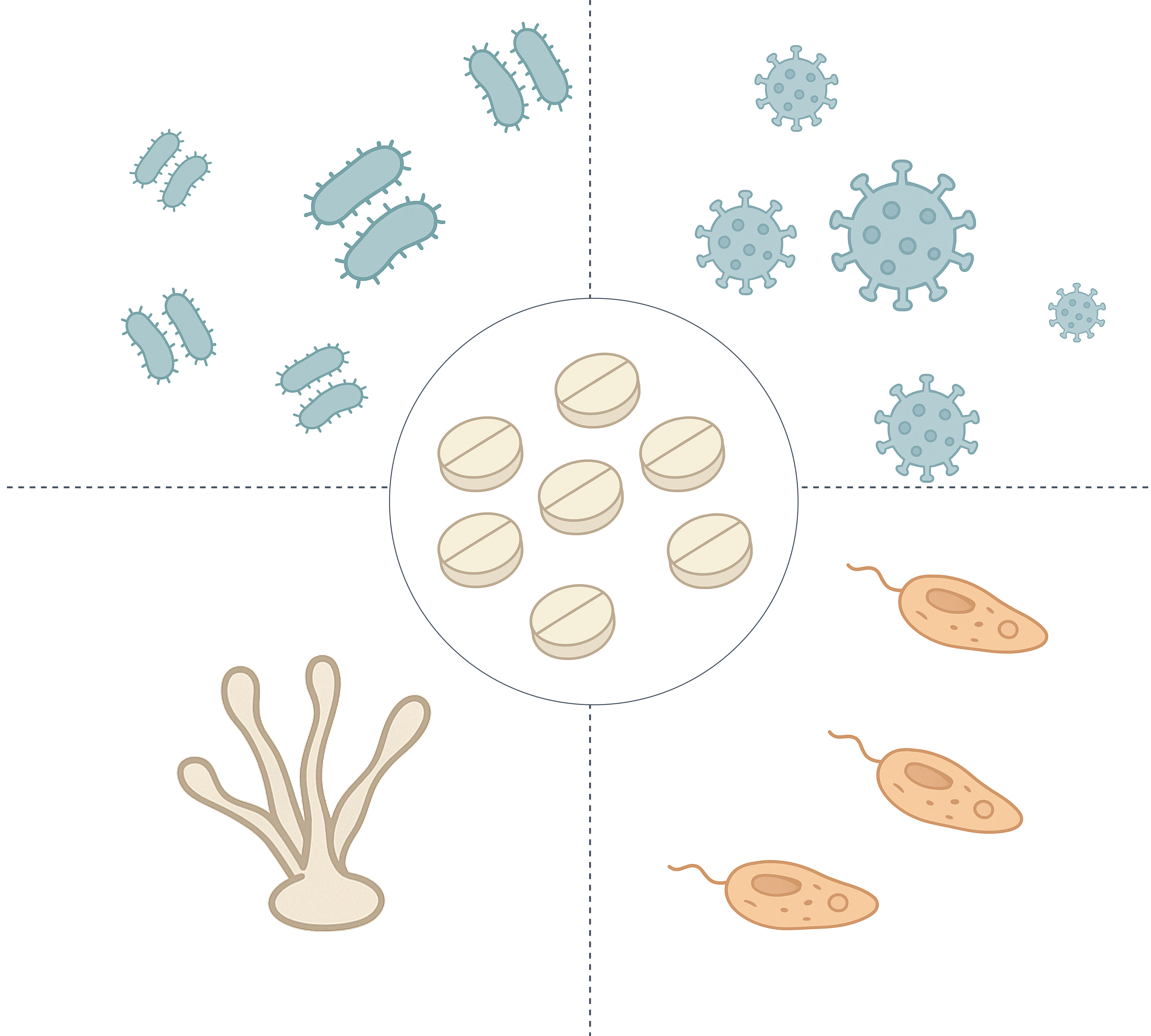
Anti-infectives are agents that eliminate or inhibit the spread of infectious organisms, encompassing antibiotics, antifungals, antivirals, and antiprotozoals.
Antibiotics are a class of antimicrobial agents specifically designed to target bacterial pathogens. They exert their effects by interfering with essential bacterial processes such as cell wall synthesis, protein synthesis, nucleic acid replication, and metabolic pathways, thereby either inhibiting bacterial growth or inducing bacterial death.
Antifungals are antimicrobial agents employed to combat fungal infections (mycoses) in humans and animals. Common antifungal classes include azoles, polyenes, echinocandins, and allylamines, which function by disrupting unique fungal structures or pathways, such as the synthesis or integrity of ergosterol-containing cell membranes and β-glucan-based cell walls, or by interfering with nucleic acid or protein synthesis.
Antivirals are compounds developed to inhibit the replication and spread of viruses within host organisms. Antivirals typically act by blocking viral entry, genome replication, protein processing, or virion assembly and release. Representative examples include nucleoside analogs, protease inhibitors, and neuraminidase inhibitors.
Antiprotozoals are drugs used to treat infections caused by protozoan parasites, including malaria, amebiasis, giardiasis, and trypanosomiasis. They act through a variety of mechanisms, including inhibition of nucleic acid synthesis, interference with mitochondrial function, and disruption of heme detoxification pathways in susceptible parasites.
-
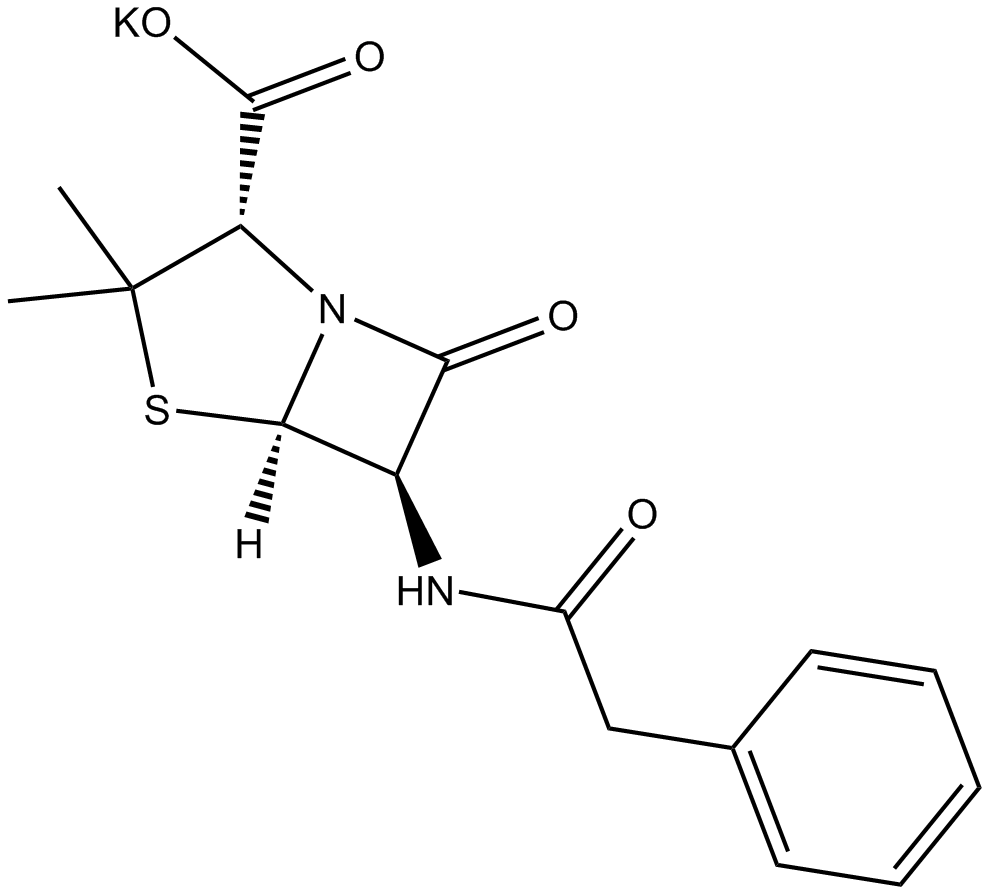 C7124 Benzylpenicillin potassiumSummary: An antibiotic for bacterial infections of the blood, heart, lung, joints and genital tract
-
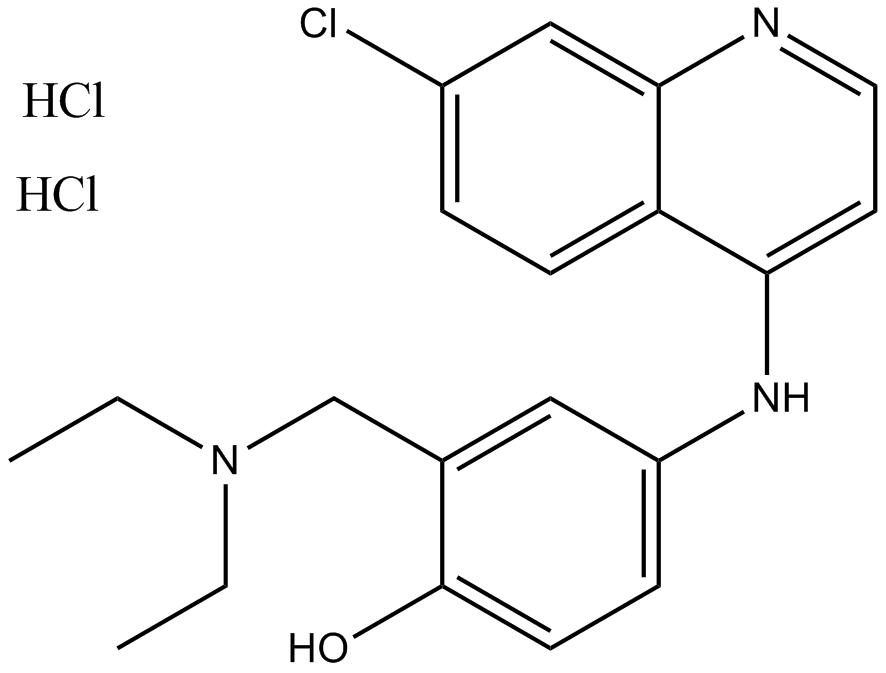 C7157 Amodiaquine hydrochlorideSummary: A compound with antimalarial activity that inhibits histamine N-methyltransferase and activates Nurr1
-
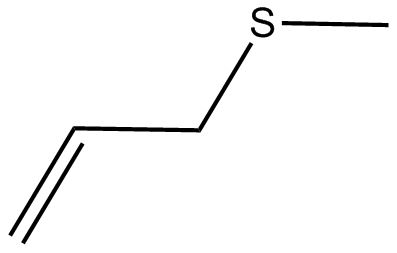 C7172 Allyl methyl sulfideSummary: An organosulfur compound with antibacterial, antioxidant and potential anticancer effects
-
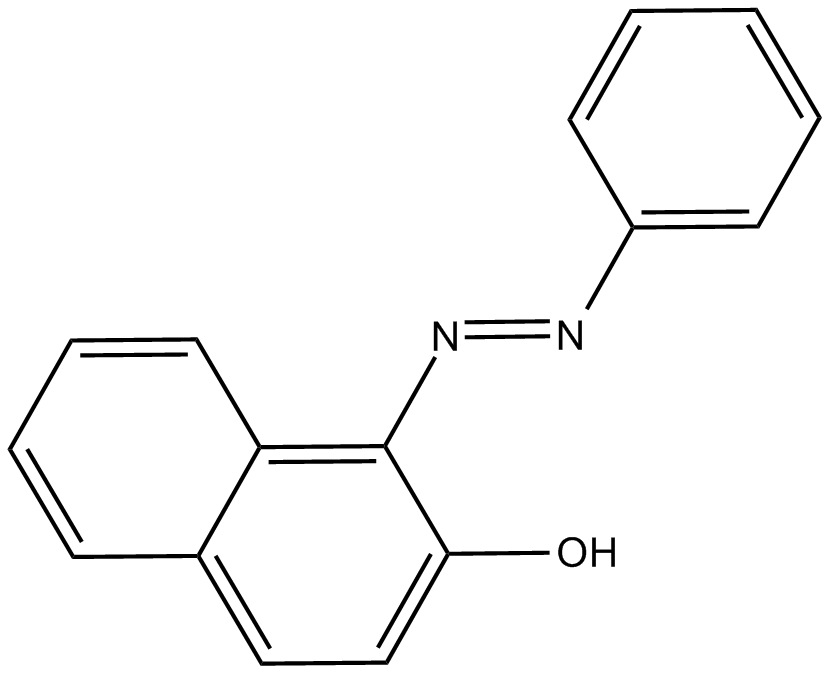 C7176 Sudan ISummary: An azo dye for inhibiting growth of Clostridium perfringens and rhamnose-fermenting bacteria
-
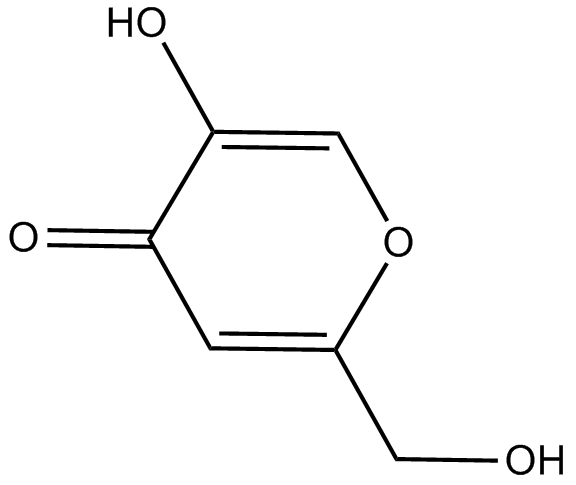 C7192 Kojic acidSummary: An antioxidant with tyrosinase-inhibiting activity and skin-whitening effect
-
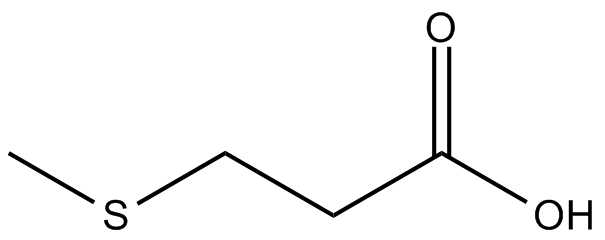 C7197 3-(Methylthio)propionic acidSummary: A methionine metabolic pathway intermediate involved in biological sulfur metabolic homeostasis regulation
-
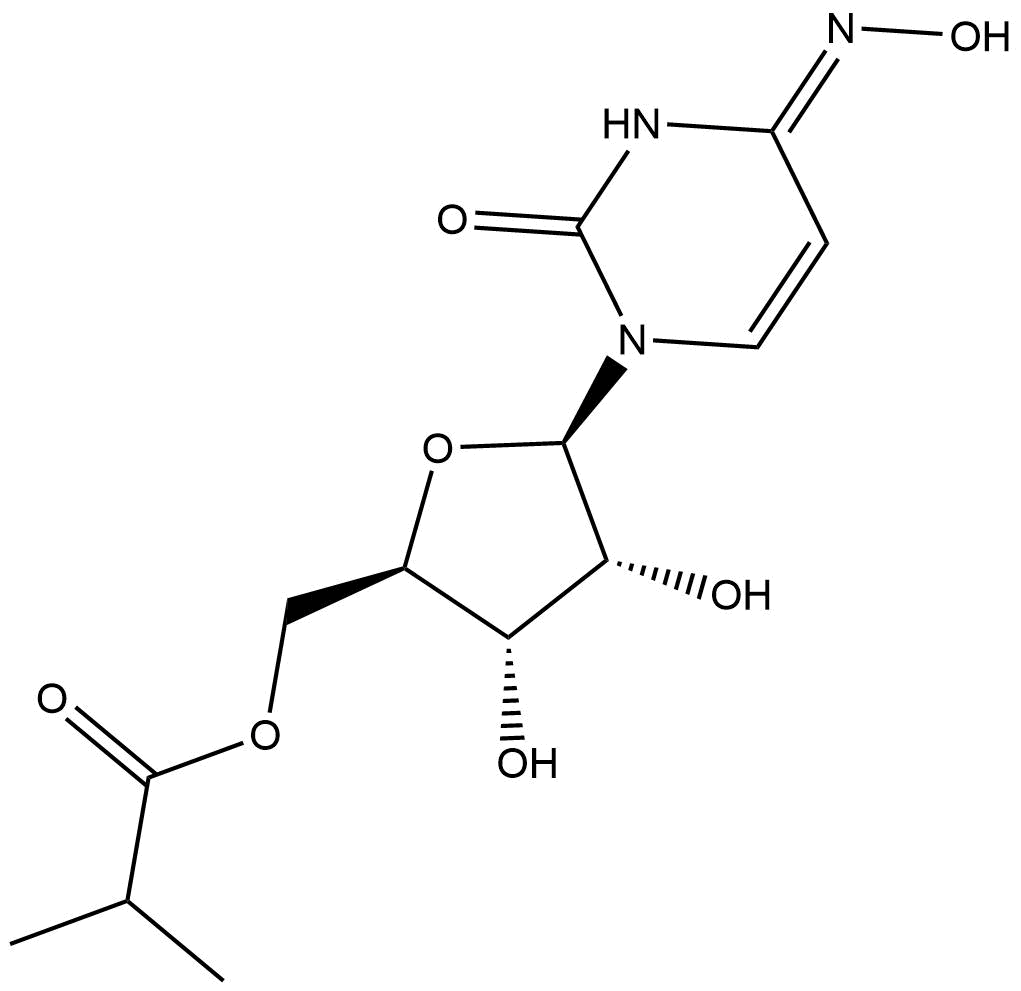 B8578 MolnupiravirSummary: An orally active nucleoside analog prodrug for RNA virus replication mechanisms
-
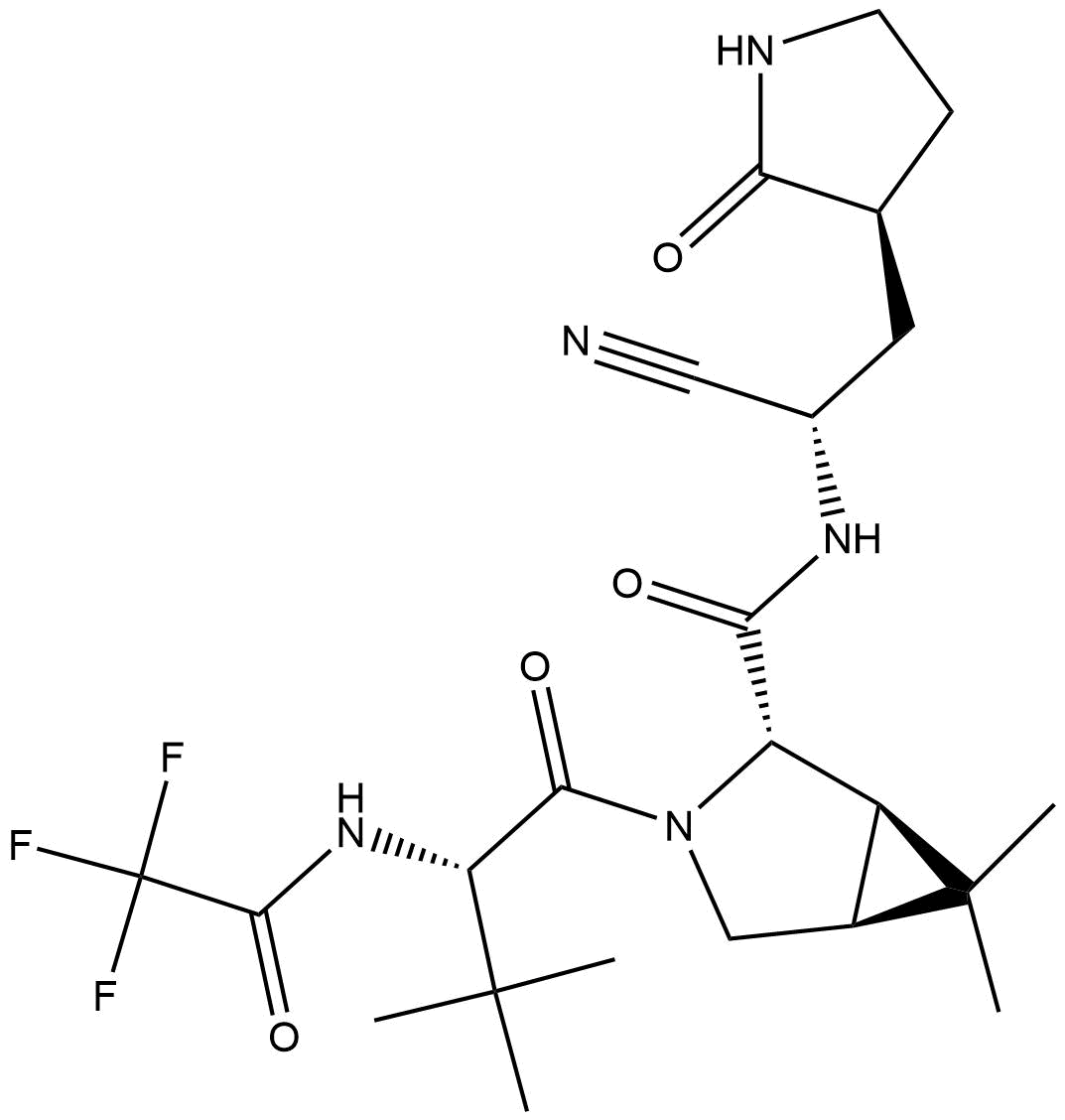 B8579 Nirmatrelvir (PF-07321332)Summary: An inhibitor of SARS-CoV-2 Mpro
-
 B8776 Solanesol1 CitationSummary: A lipophilic terpene alcohol with anti-inflammatory, neuroprotective, and antibacterial activity
-
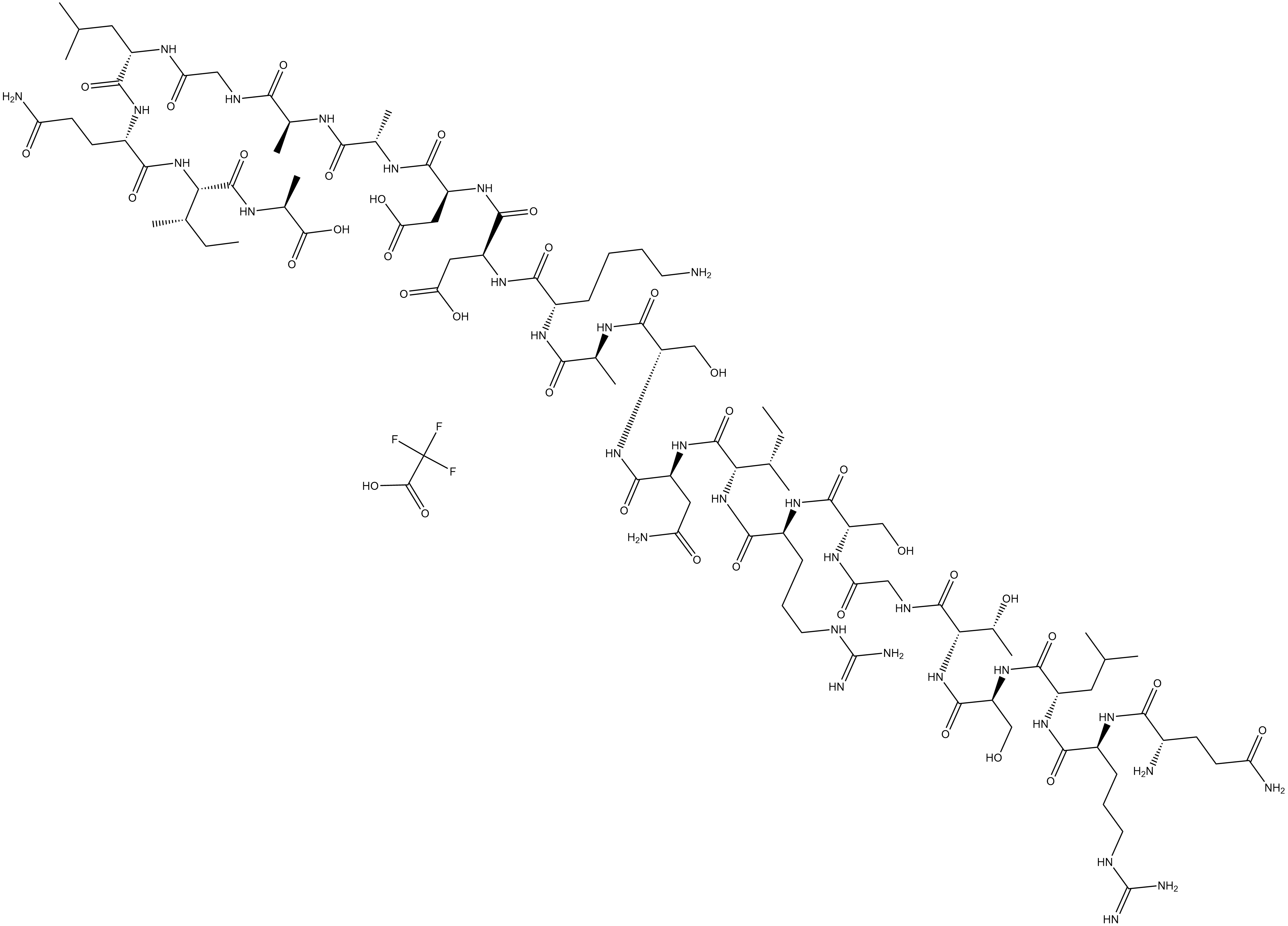 B8780 Flagelin 22 TFASummary: An inducer of plant and algal immune responses derived from bacterial flagellin