


Natural Products
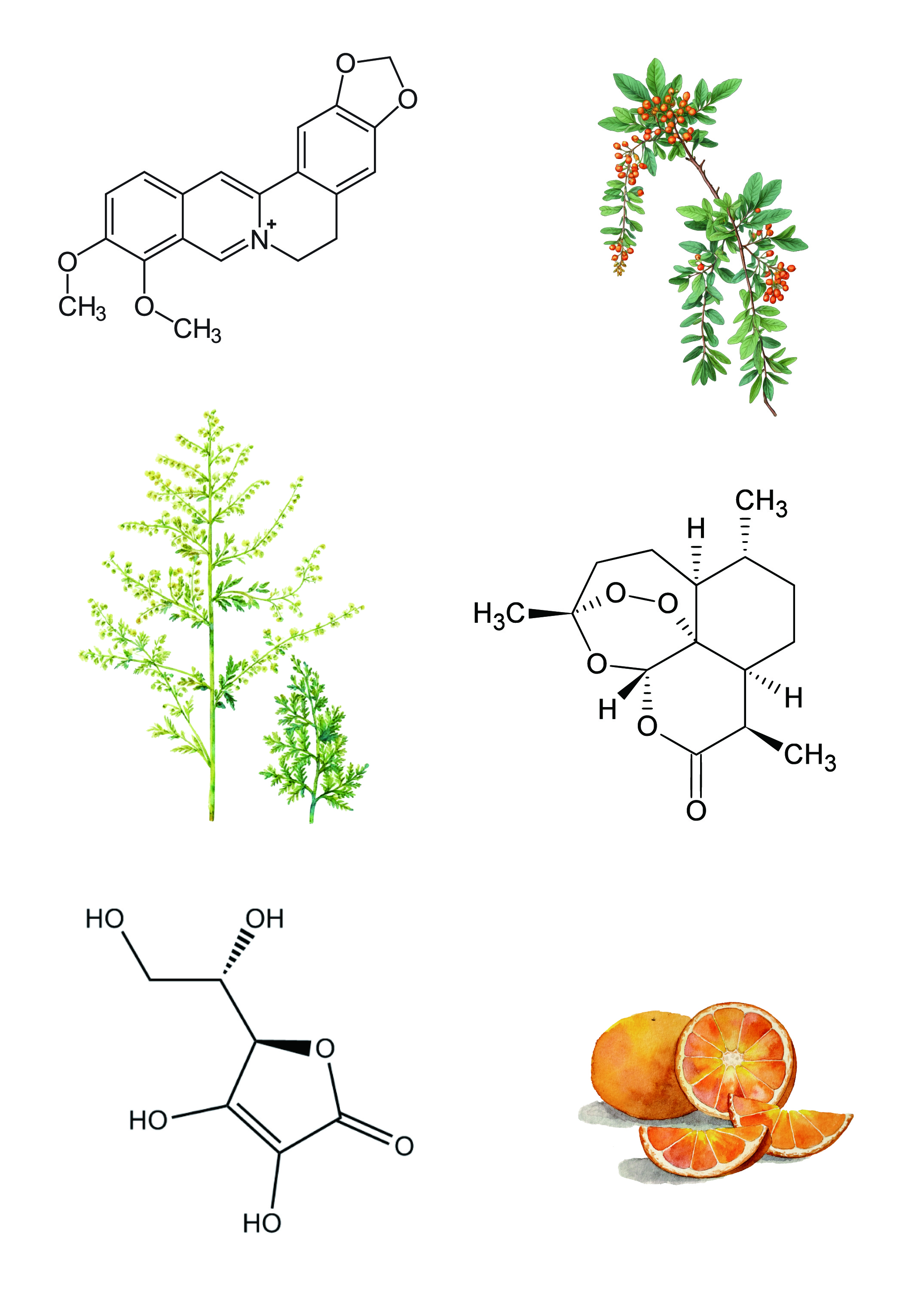
Natural products are compounds produced by living organisms—including animals, plants, and microorganisms—and include both structural components and secondary metabolites. Plants, in particular, are a major source, rich in bioactive constituents like flavonoids and alkaloids, which underpin the pharmacological effects of traditional Chinese medicine. While natural products are primarily obtained through chemical isolation, they can also be prepared by semi-synthetic or total synthesis methods. Their complex structures pose significant challenges for organic chemists.
Natural products represent a core source of lead compounds for innovative drug discovery, providing bioactive templates that facilitate biochemical research, the identification of novel therapeutic targets, the development of new therapies, and the elucidation of underlying mechanisms. In addition, natural products are widely applied in the fields of food, cosmetics, and health supplements, where their antioxidant, anti-inflammatory, and other bioactivities support research into related diseases.
-
 C8100 20-Gluco-ginsenoside-RfSummary: A bilocking saponin.
 -
C8139 N-BenzylheptadecanamideSummary: An N-benzylamide.
-
C8140 trans-9-OctadecenolSummary: A biochemical reagent.
-
C8171 DigitoxoseSummary: Digitoxose (D-(+)-Digitoxose), a natural product that specifically and competitively inhibits glucose-stimulated insulin release from pancreatic islets in lean and obese mice.
-
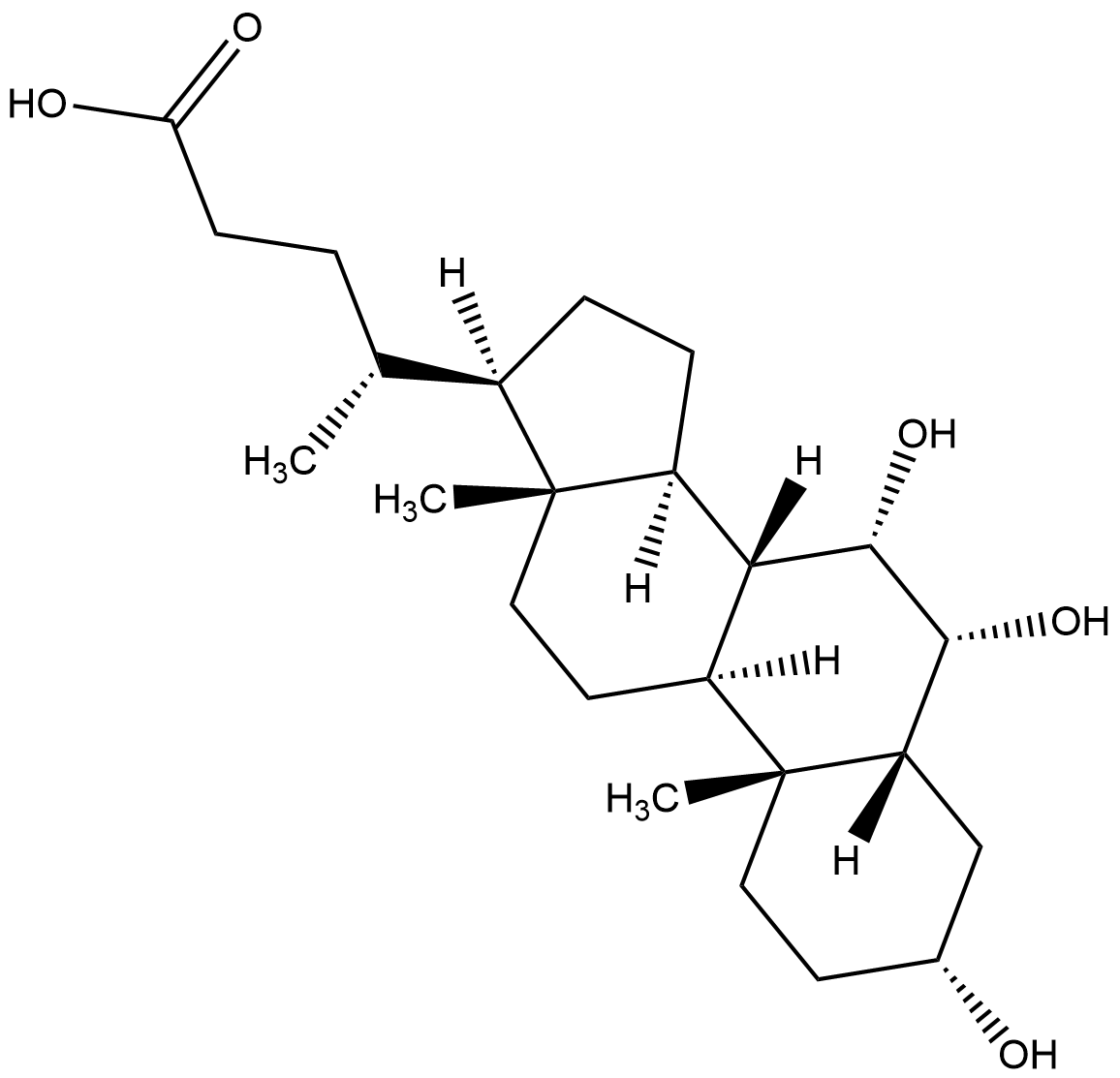 N2844 Hyocholic AcidSummary: Hyocholic Acid is a bile acid first discovered in pigs. It promotes the secretion of glucagon-like peptide-1 (GLP-1) from intestinal endocrine cells by activating TGR5 and inhibiting FXR, showing potential in combating type 2 diabetes.
 -
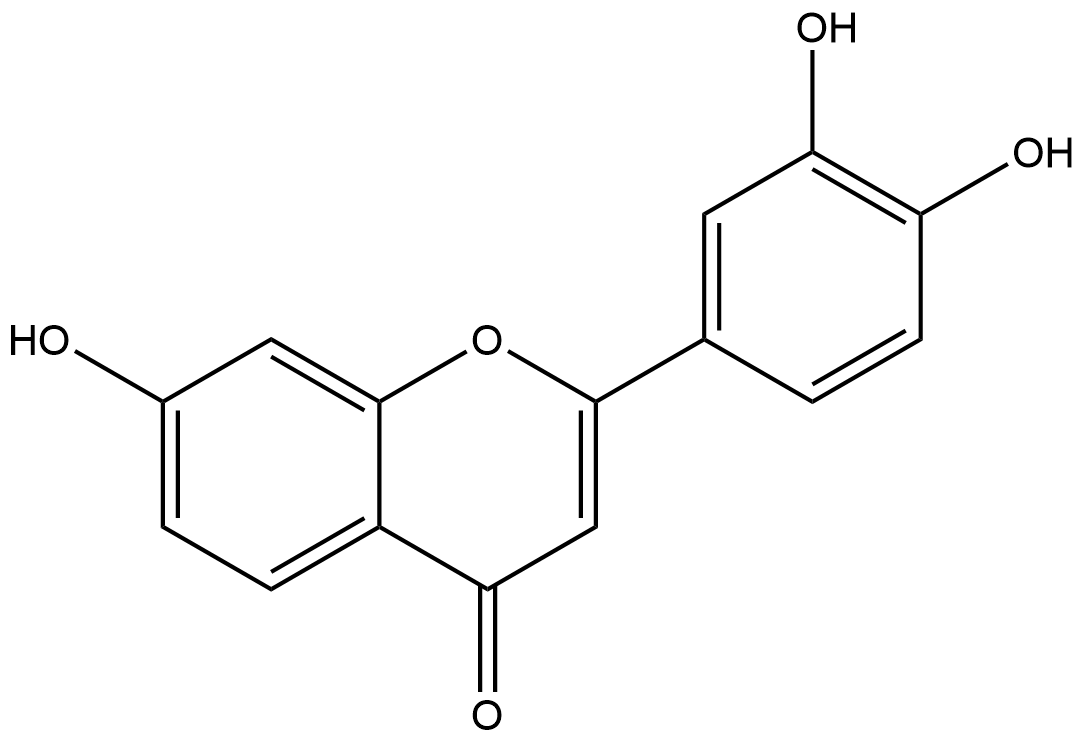 N2845 7,3',4'-TrihydroxyflavoneSummary: 3′,4′,7-Trihydroxyflavone is a flavonoid aglycon compound isolated from broad bean pods.
 -
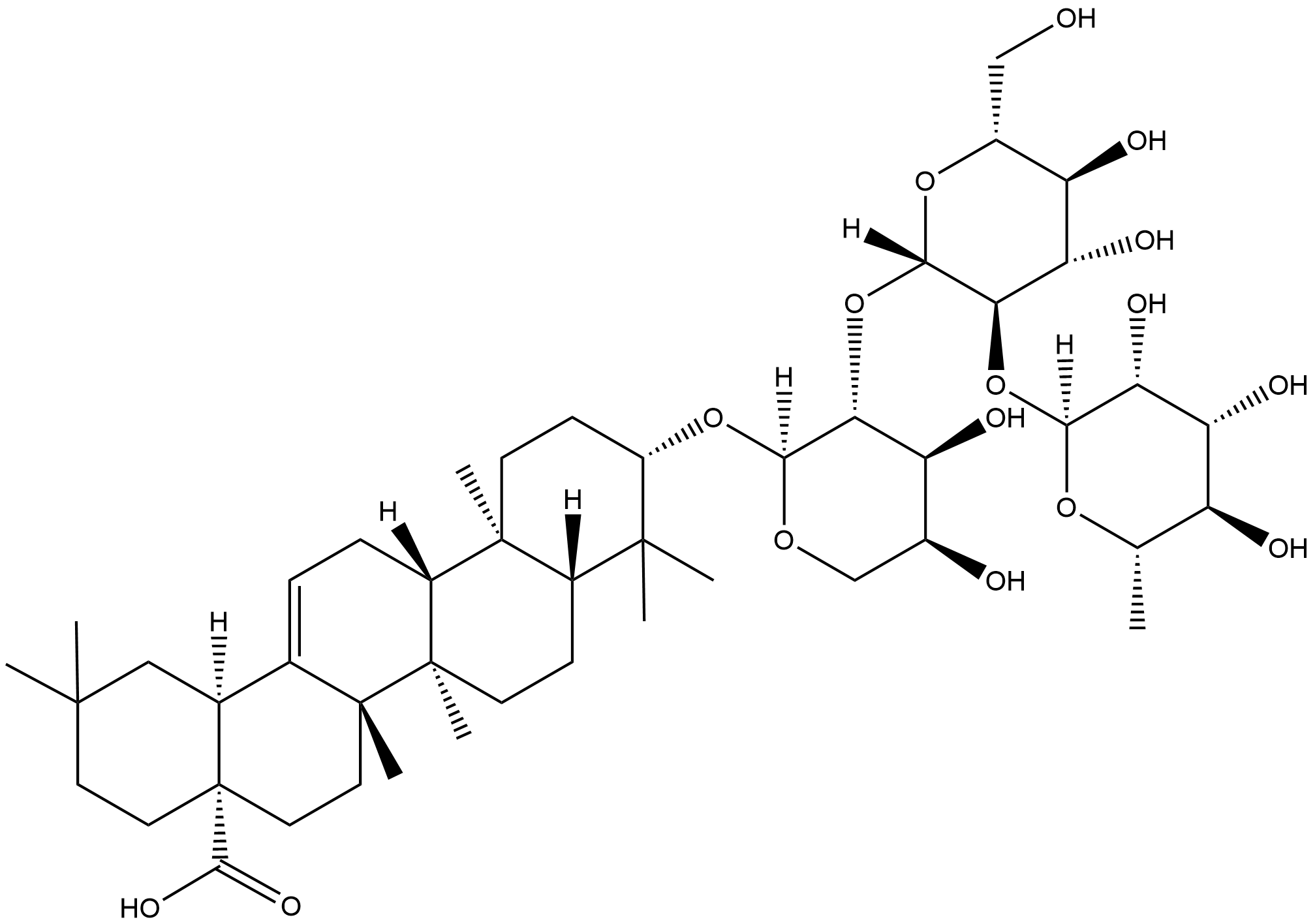 N2846 Raddeanin ASummary: A triterpenoid saponin derived from plants, which has anticancer activity
 -
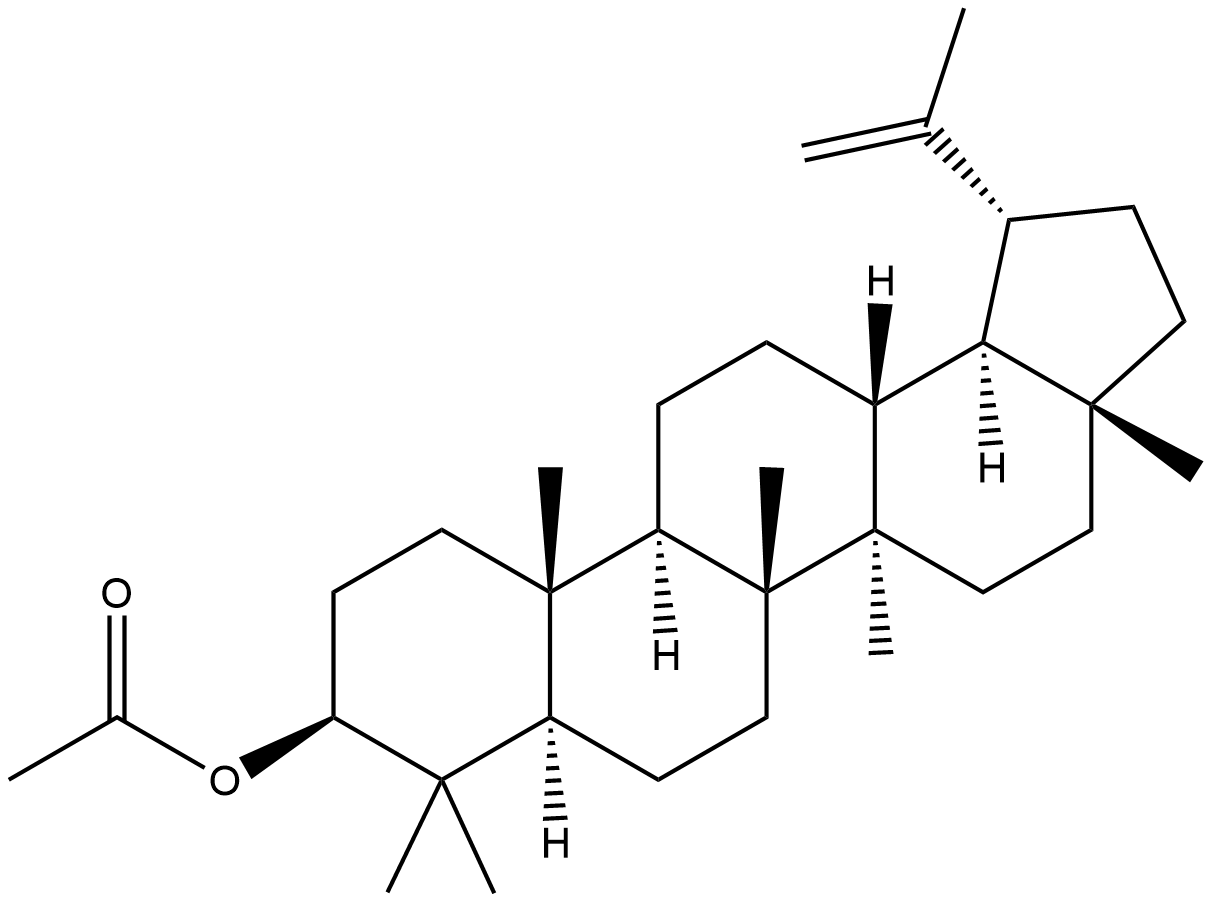 N2847 Lupeol acetateSummary: A naturally occurring triterpenoid
 -
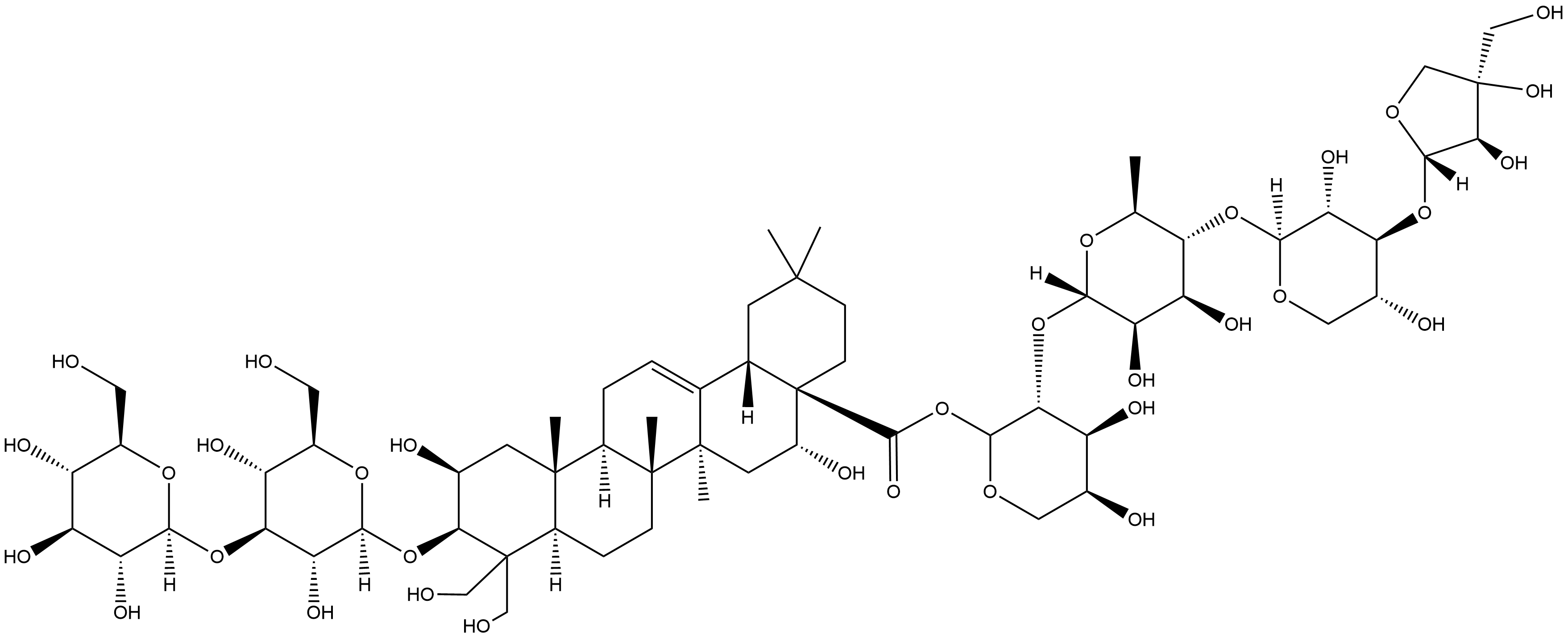 N2848 Platycodin D2Summary: A saponin compound derived from Platycodon grandiflorus
 -
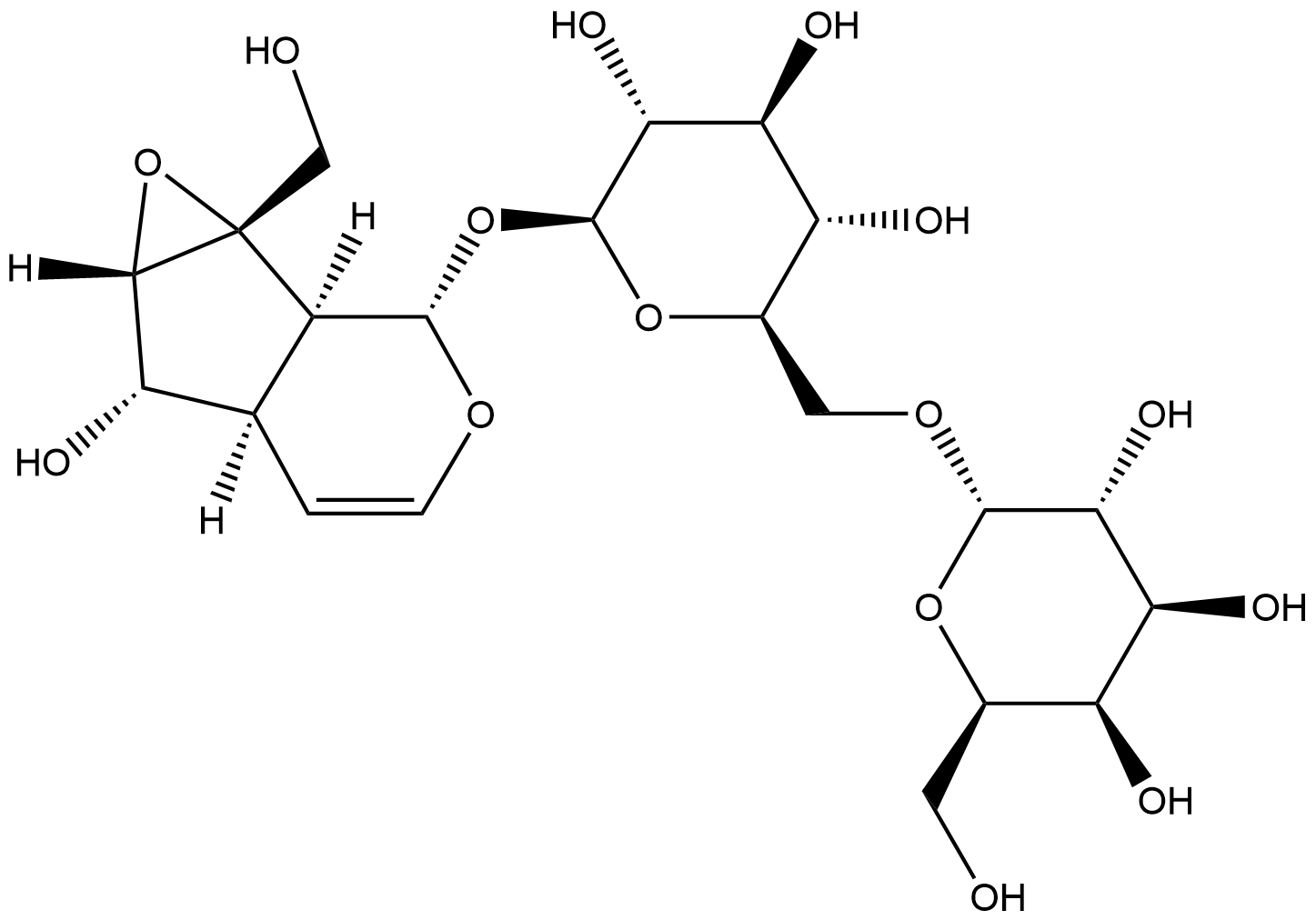 N2849 Rehmannioside ASummary: A steroid glycoside