


Fluorescent dyes
-
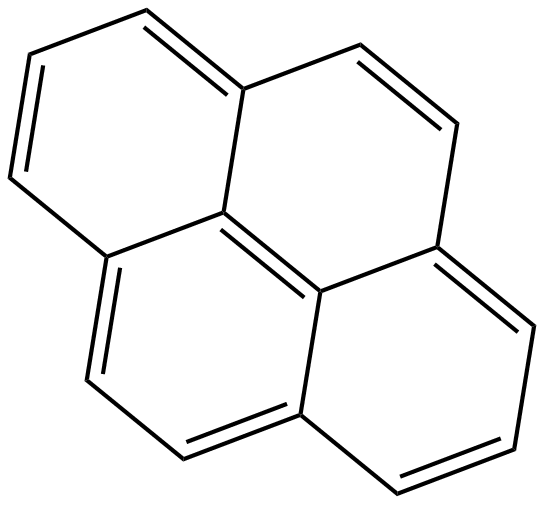 C6343 PyreneSummary: A polycyclic aromatic hydrocarbon bioprobe with blue fluorescence composed of four fused benzene rings.
 -
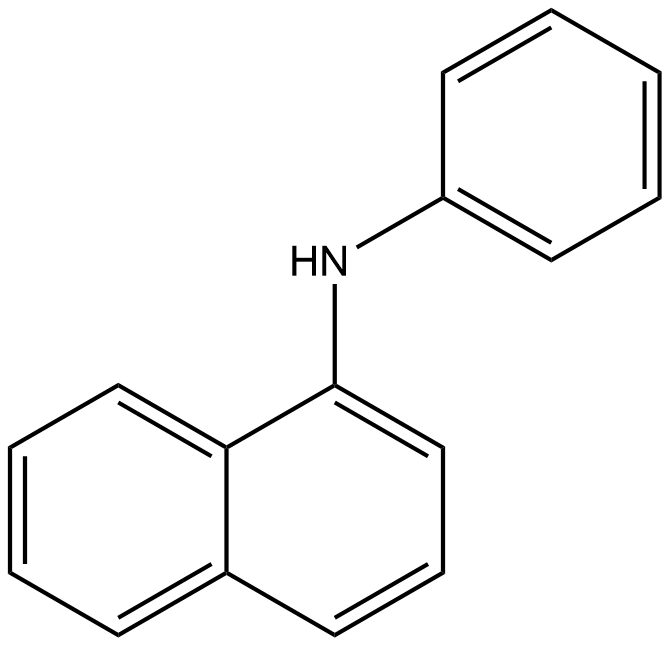 C8336 N-Phenylnaphthalen-1-amineSummary: N-Phenylnaphthalen-1-amine is a fluorescent probe for odorant-binding proteins (OBPs), with a dissociation constant of 1.67μM.
 -
 A9059 FITC-Dextran (MW 4000)Summary: Fluorescein isothiocyanate (FITC) dextran fluorescent probe
 -
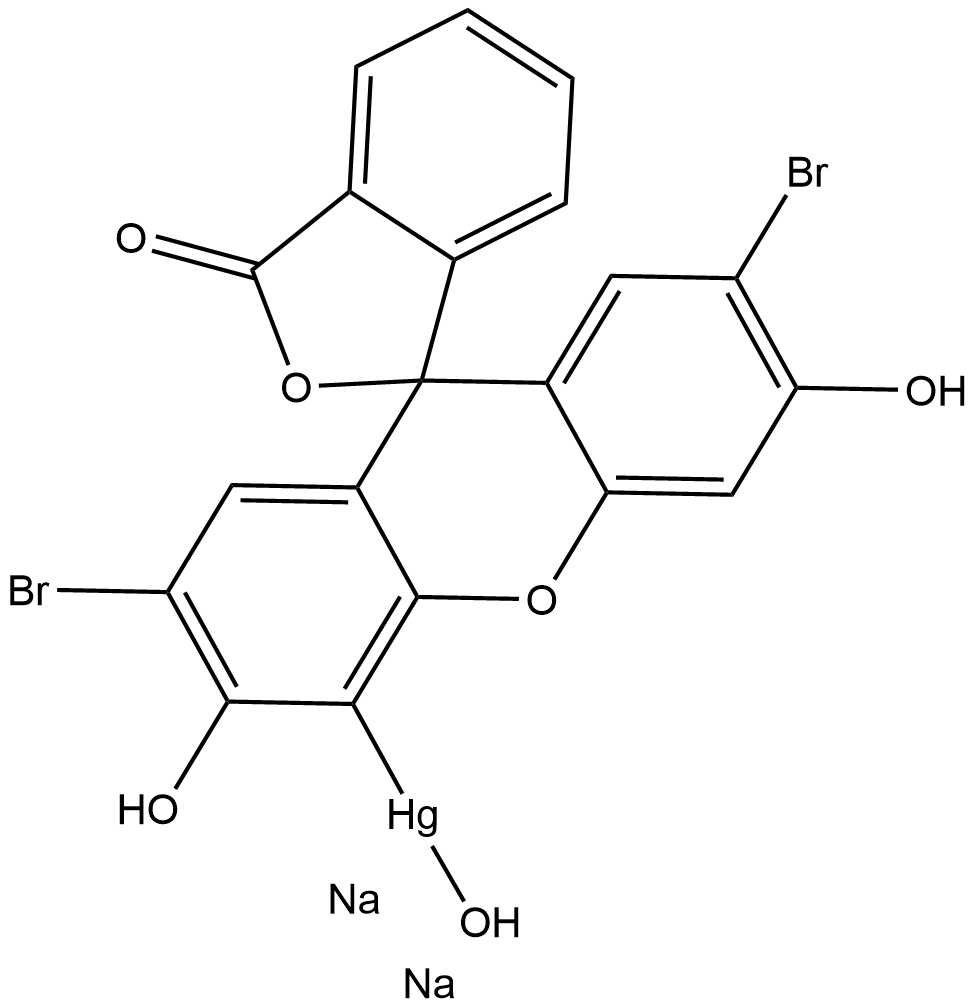 BA1653 MerbrominSummary: Mercurochrome is a mercury-containing fluorescent dye compound that can be used as a topical antiseptic for cuts and abrasions, and also as a biological stain.
 -
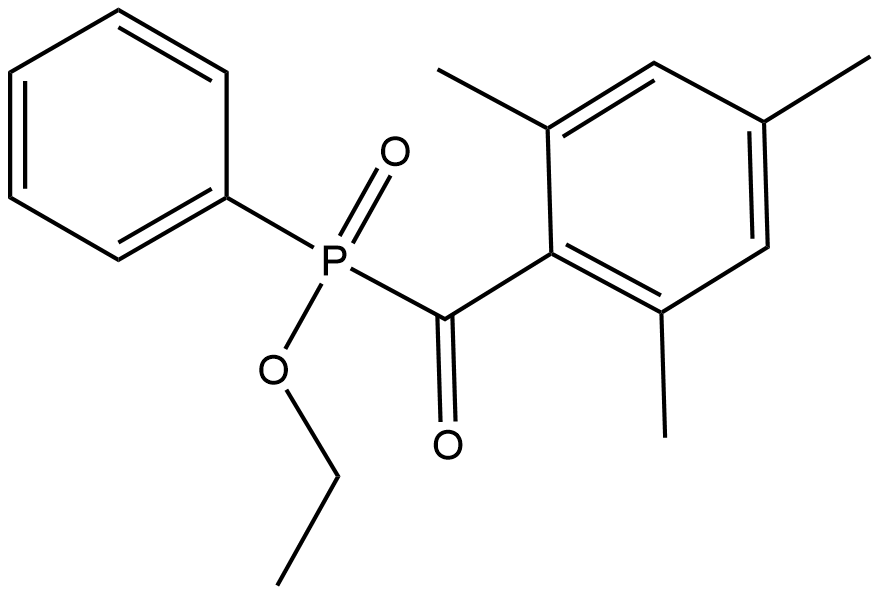 BA9708 TPO-LSummary: TPO-L is a photoinitiator that promotes two-photon induced polymerization.
 -
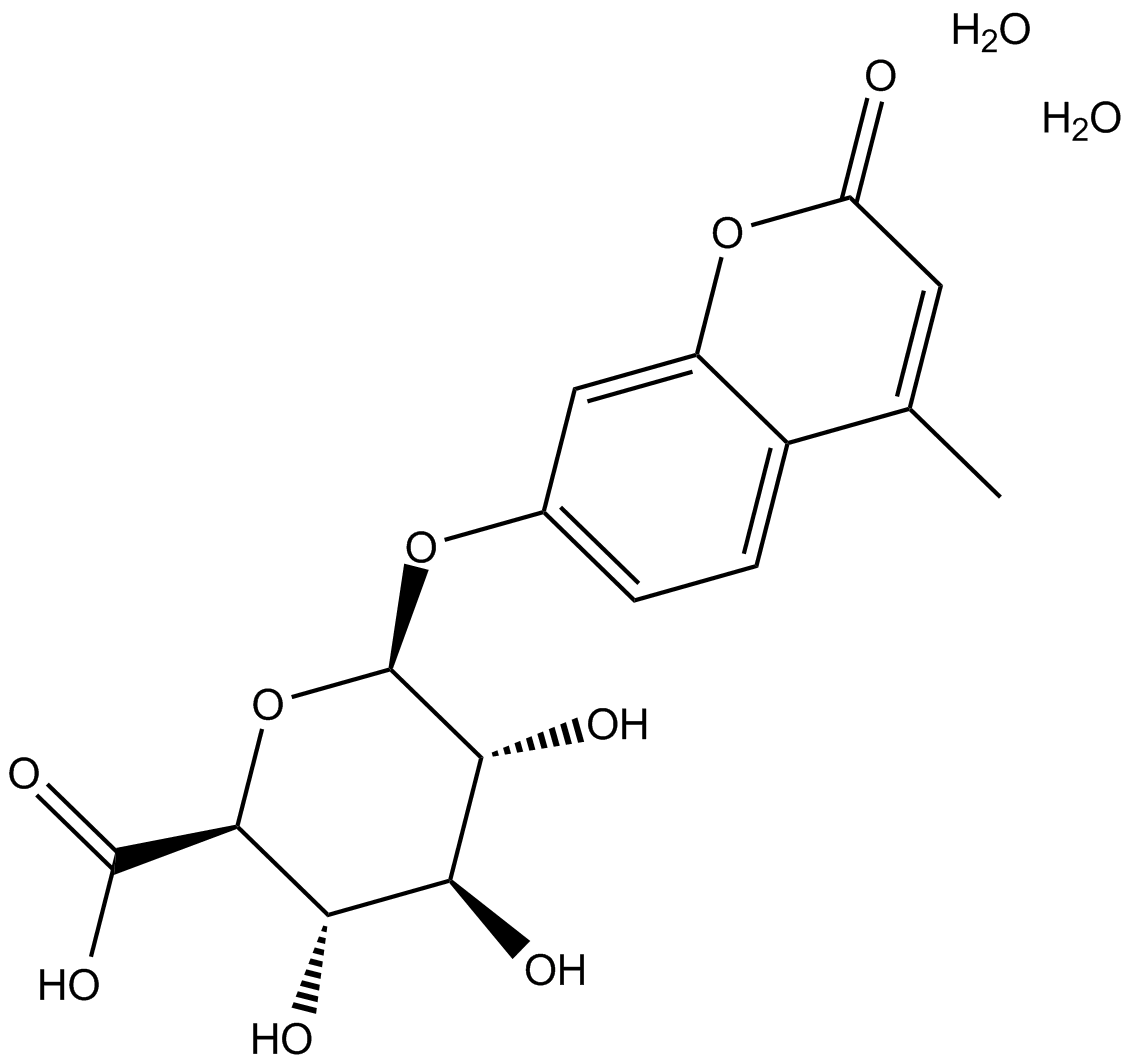 C3307 4-Methylumbelliferyl-β-D-Glucuronide (hydrate)Summary: A fluorogenic substrate for β-glucuronidase; after cleavage by β-glucuronidase, 4-MU is released.
 -
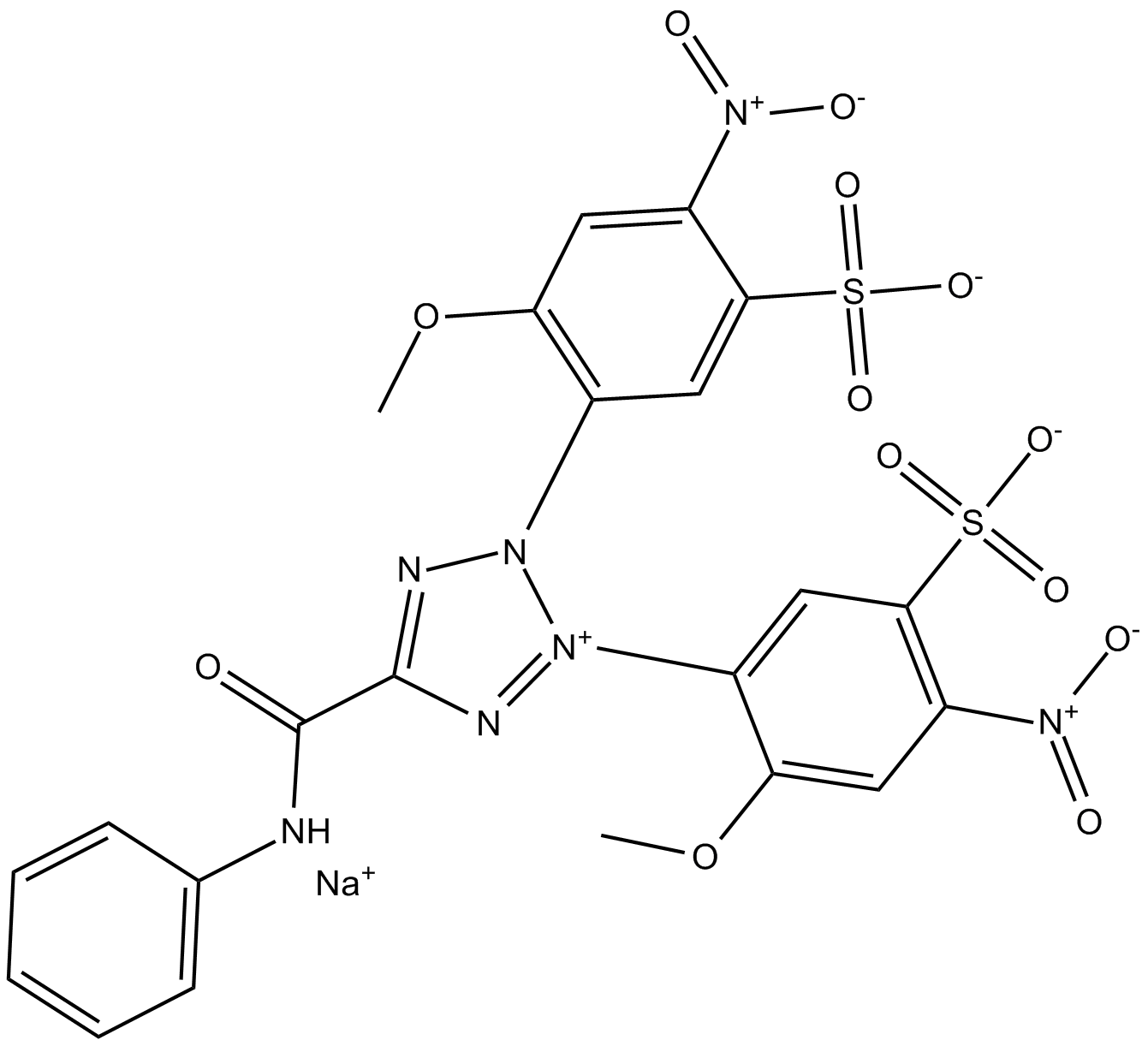 C4249 XTT (sodium salt)Summary: Cell-impermeant dye for colorimetric measurement of cell proliferation or cytotoxicity
 -
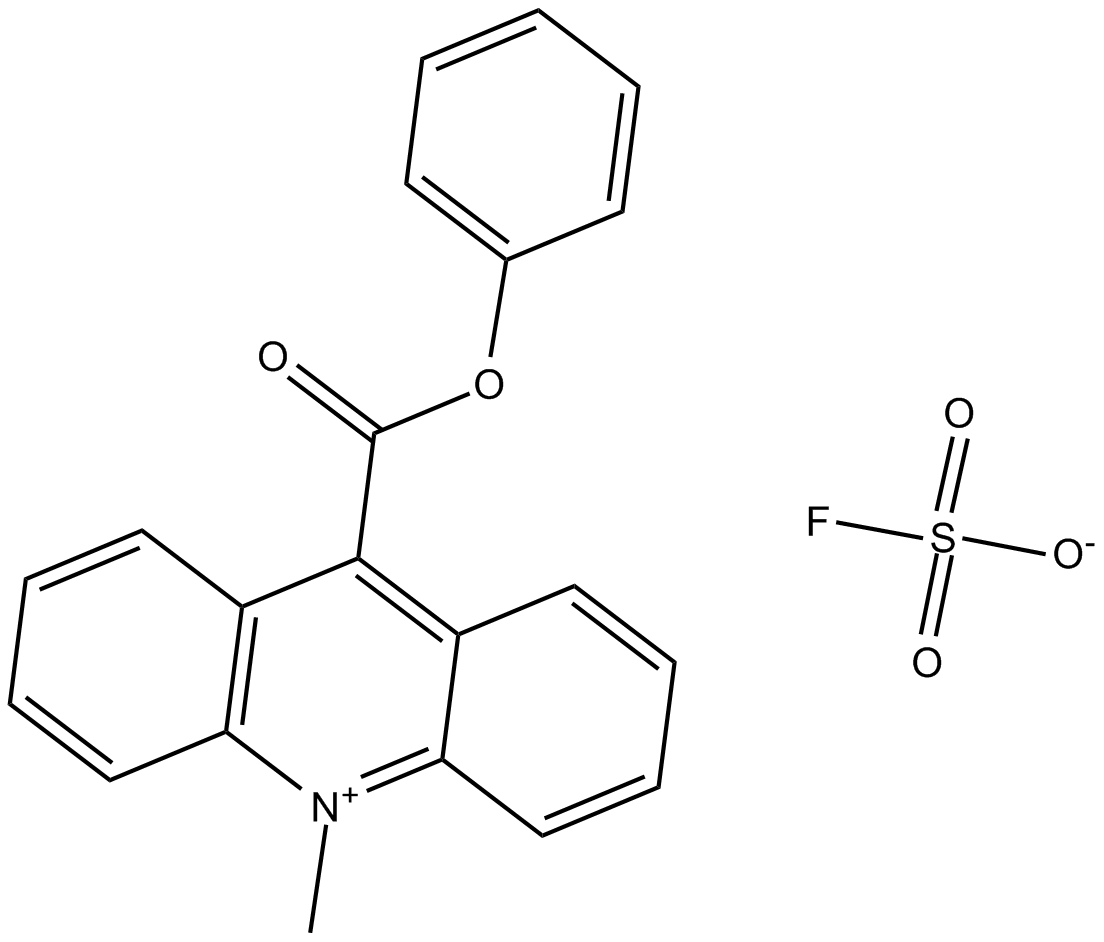 C5147 10-methyl-9-(phenoxycarbonyl) Acridinium fluorosulfonateSummary: A chemiluminescent dye for detecting hydrogen peroxide under neutral conditions.
 -
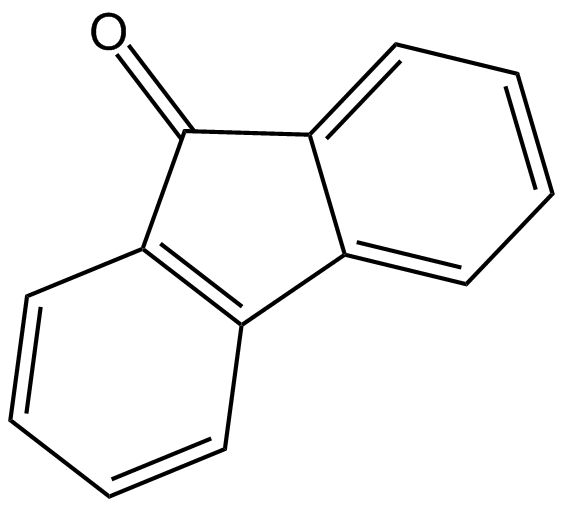 C6169 9-FluorenoneSummary: An aromatic ketone compound used for pharmaceutical synthesis and the preparation of fluorescent probes.
 -
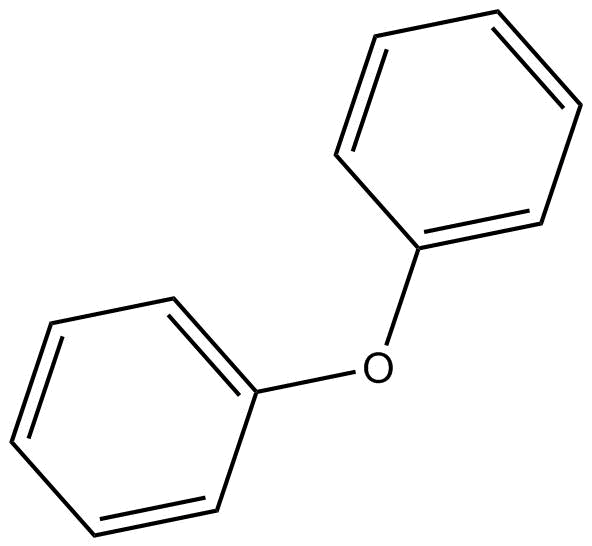 C6253 Diphenyl etherSummary: A compound commonly used in the manufacture of fragrances and dyes and capable of inhibiting specific enzymes.