


Fluorescent dyes
-
 C8277 SPiDER-βGal-1Summary: SPiDER-βGal-1 is a potent probe for β-galactosidase activity.
 -
C8278 HKOCl-4Summary: HKOCl-4 (BXY2142) is a rhodium-based yellow fluorescent probe for the detection of hypochlorous acid with excellent sensitivity and selectivity compared to fluorescein probes.
-
C8280 ZinquinSummary: Zinquin is a fluorescent sensor that can be used to observe active zinc ions.
-
C8281 Naph-EA-malSummary: Naph-EA-mal (Thiol-green1) is a fast-detecting and ultra-fast turn-on type thiol fluorescent probe for protein labeling and bioimaging.
-
C8282 Biotin-C5-AzideSummary: Biotin-C5-Azide (DecarboxyBiotin-N3) is a biotin reagent that can be used to prepare biotinylated couplers.
-
C8283 NADA-greenSummary: NADA-green is a fluorescent D-amino acid probe.
-
C8284 HKOCl-4mSummary: A Rhodol-based fluorescent probe that selectively targets mitochondria.
-
C8285 ANTSSummary: ANTS is a fluorescent dye.
-
C8286 ZnAF-1Summary: ZnAF-1 is a fluorescein-based zinc sensor containing N,N-bis(2-pyridinylmethyl)ethylenediamine chelating unit that can be used for Zn detection.
-
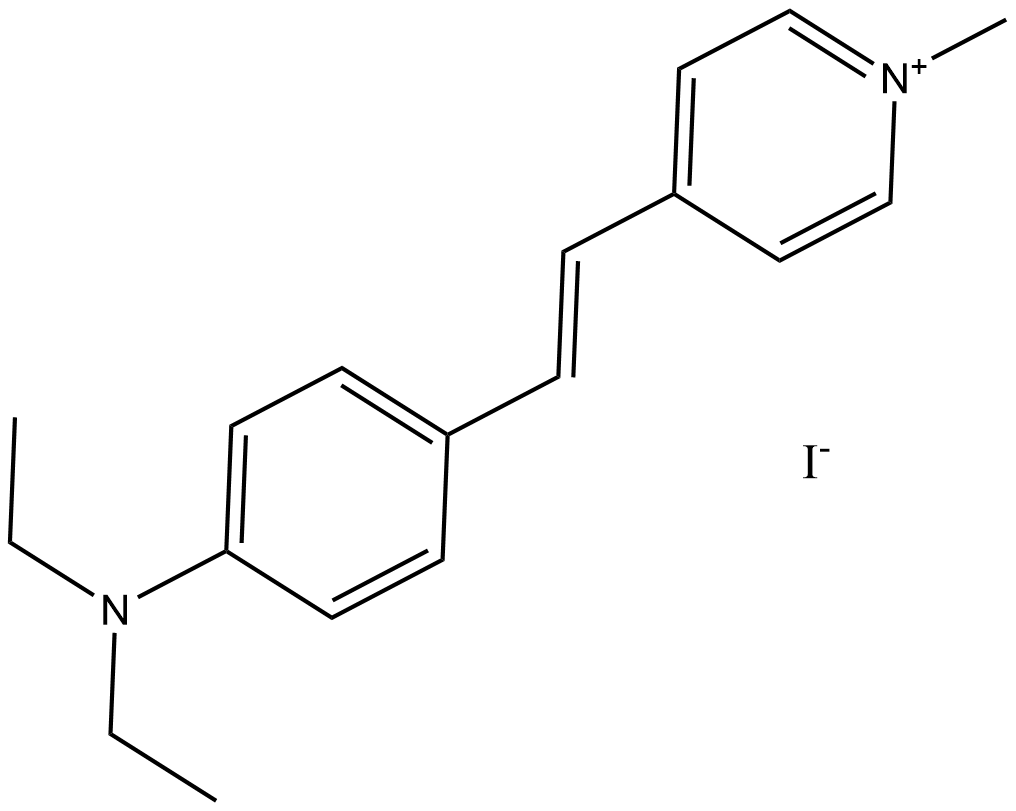 C8287 4-Di-2-ASPSummary: 4-Di-2-ASP, a styrylpyridine fluorescent dye, is an important mitochondrial marker.