


Fluorescent dyes
-
 C8199 RhoNox-1Summary: A fluorescent probe that specifically detects divalent iron ions; upon reaction with Fe, it generates an irreversible orange-red fluorescent product.
-
C8200 DiphenylterazineSummary: Diphenylterazine (DTZ) is a bioluminescent agent.
-
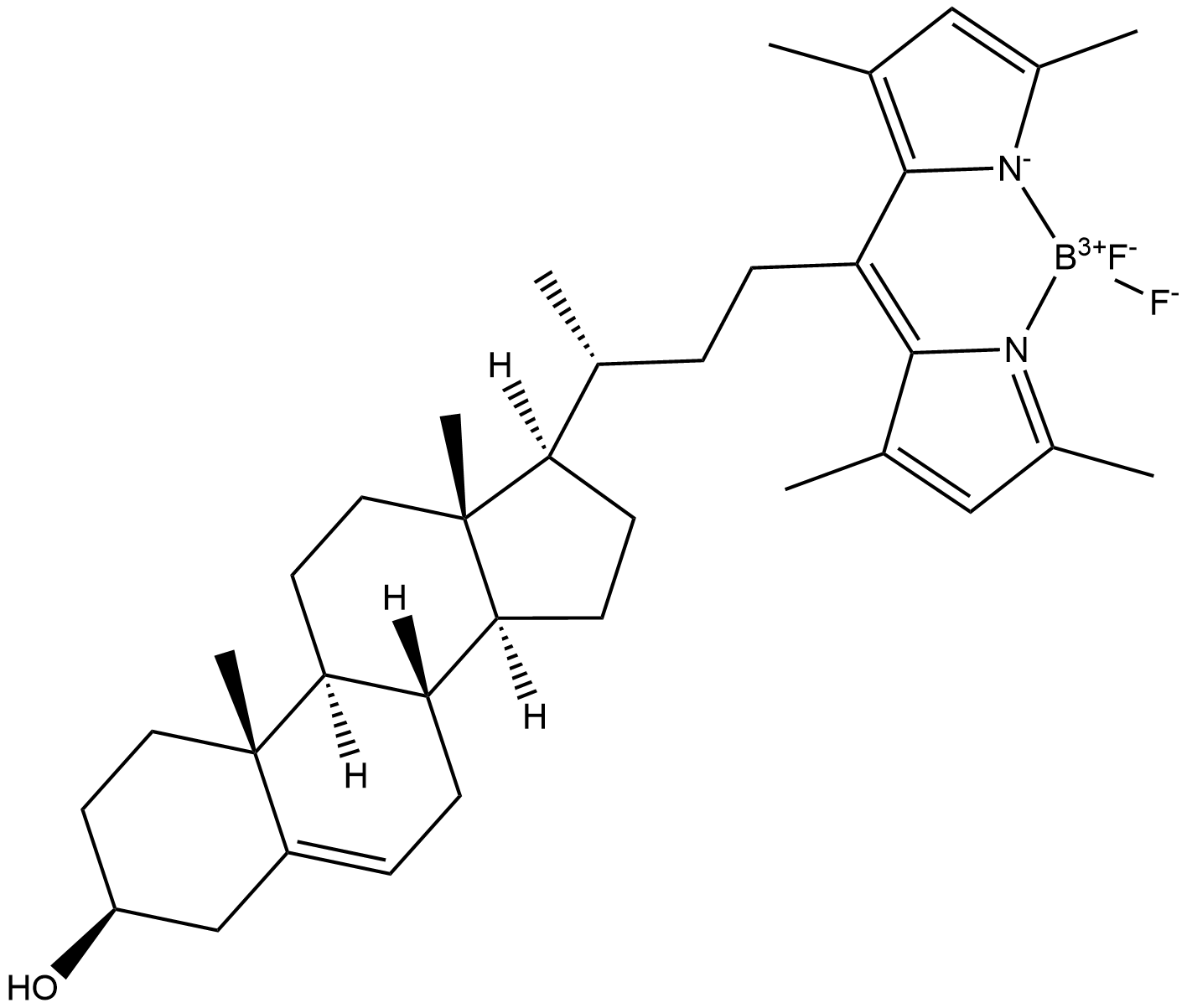 C8201 BODIPY-CholesterolSummary: A lipophilic, cell-permeable cholesterol analog tagged with a fluorescent BODIPY group, used to monitor sterol uptake and inter-organelle sterol flux in cells.
-
C8202 C12FDGSummary: C12FDG (5-Dodecanoylaminofluoresceindi-β-D-Galactopyranoside) is a lipophilic green fluorescent substrate for β-galactosidase detection.
-
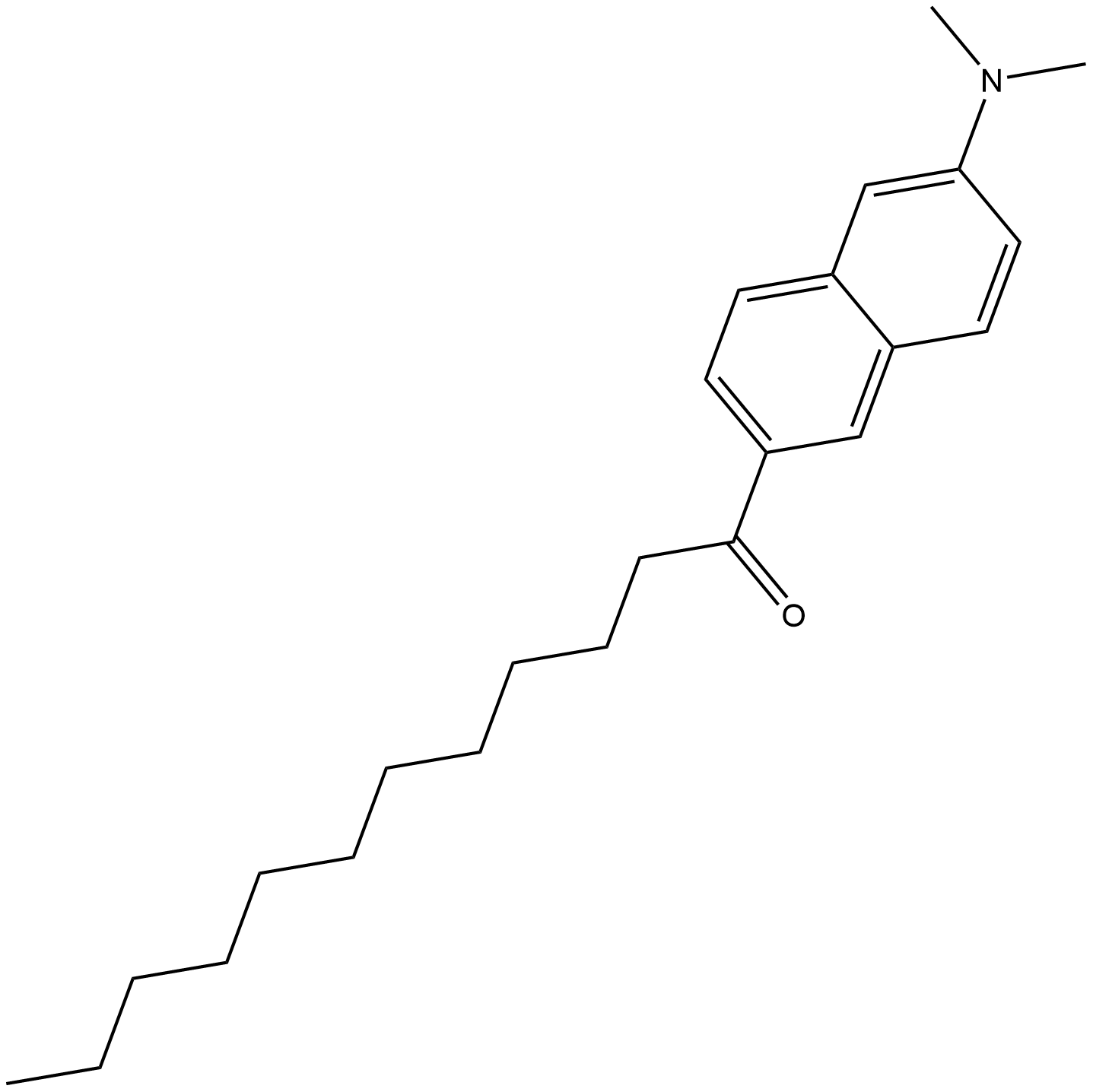 C8203 Laurdan1 CitationSummary: A membrane-permeable fluorescent probe that displays spectral sensitivity to the phospholipid phase of the cell membrane to which it is bound; generalized polarization (GP) quantitation identifies the phospholipid phase.
-
C8204 CY7Summary: CY7 is a CY dye.
-
C8205 CY3Summary: A conventional orange fluorescent marker for proteins and nucleic acids
-
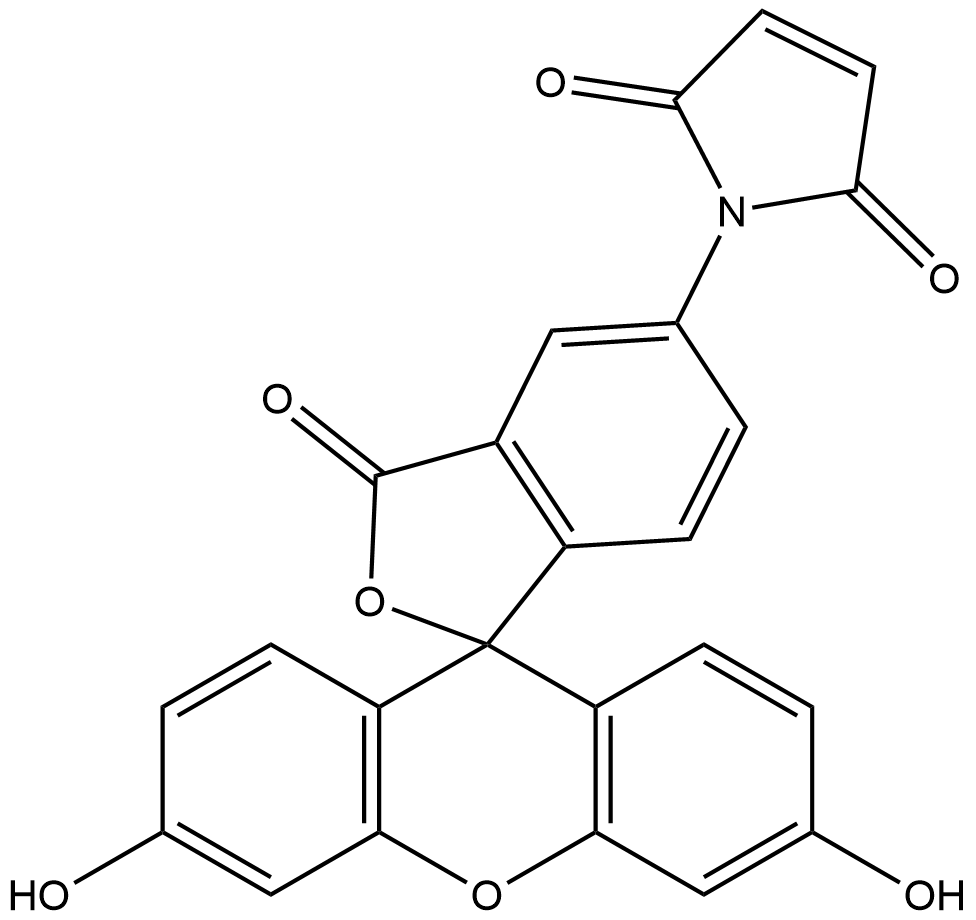 C8206 Fluorescein-5-maleimideSummary: A thiol-reactive fluorescent dye that detects the redox state of thiols in eukaryotic cells and labels peptides and proteins.
-
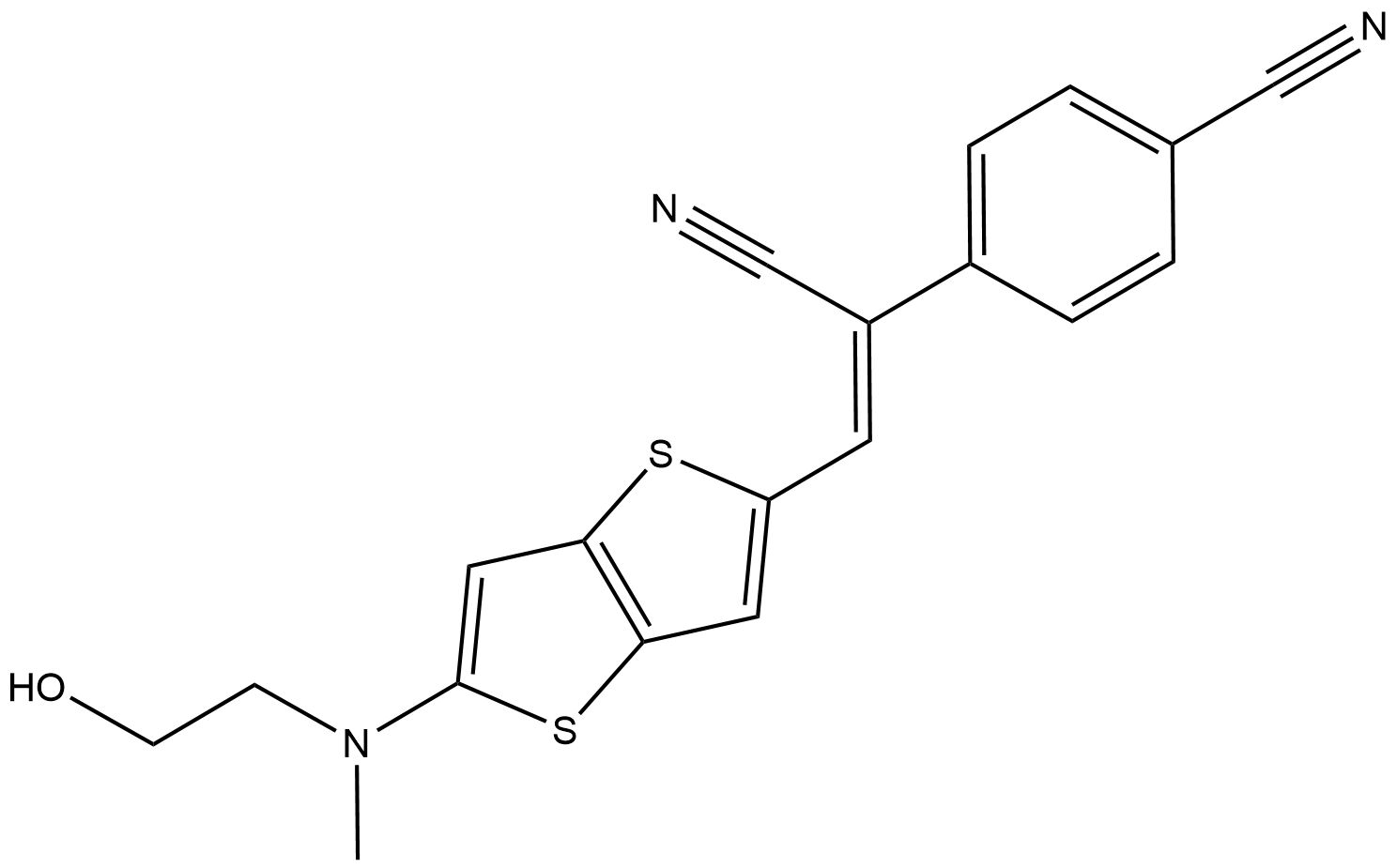 C8207 HBC620Summary: A fluorogenic dye and an analog of HBC that is virtually non-fluorescent in solution but emits strong red fluorescence upon forming a tight complex with the Pepper RNA aptamer, used for visualizing RNA dynamics in live cells.
-
C8208 FM1-43Summary: FM1-43 is a highly lipophilic, water-soluble styrene dye that specifically binds to cell membranes and endosomal organelles to produce fluorescence.