


TGF-β/Smad Signaling
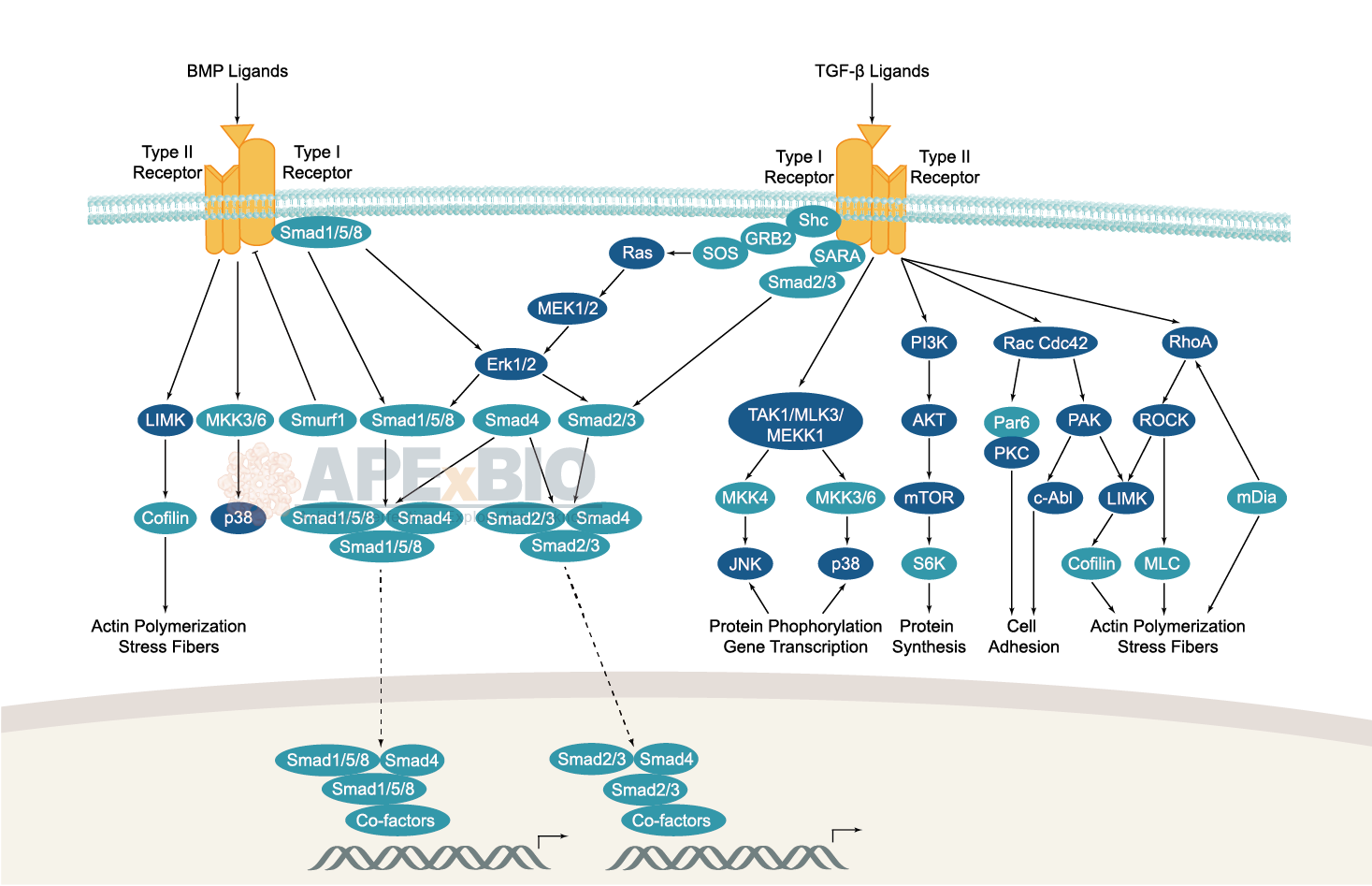
The TGF-β family is generally classified into two sub-families, TGF-β ligands, and bone morphogenic protein (BMP) ligands. In canonical signaling, receptor activation lead to phosphorylation of a group of transcription factors called Smads. TGF-β ligands bind to type II receptors (TGF-β II) which recruit and phosphorylate type I receptor (TGF-β I) on serine/threonine residues. The TGF-β I then recruits and phosphorylates a receptor regulated Smad (R-Smad). The R-Smad binds to the common Smad (Co-Smad) and forms a heterodimeric complex. This complex then translocates into the cell nucleus where it binds with nuclear co-factors to regulate the transcription of various target genes. Dysregulation of TGF-β/Smad signaling pathway is associated with a number of pathological conditions including fibrosis, cancer, immunodeficiency, diabetes and cardiovascular diseases etc.
-
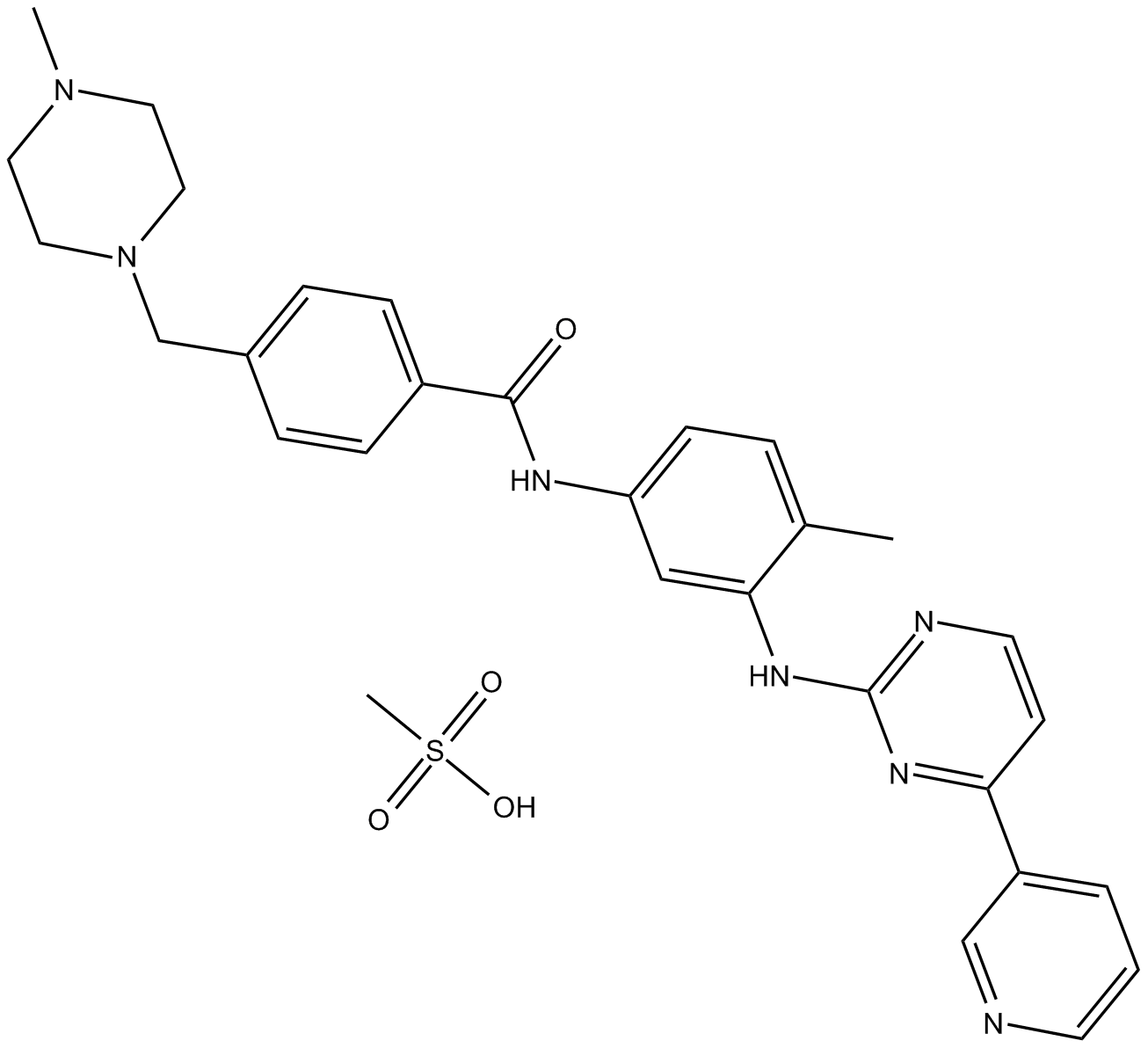 A1805 Imatinib Mesylate (STI571)2 CitationTarget: PDGFR|c-Kit|Bcr-AblSummary: Abl/c-kit/PDGFR inhibitor
 -
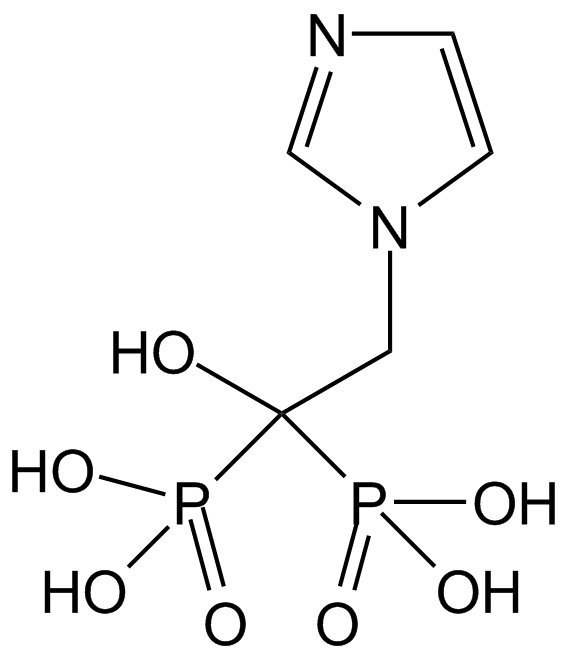 A1352 Zoledronic Acid1 CitationTarget: Farnesyl Diphosphate SynthasesSummary: Potent nitrogen-containing bisphosphonates
 -
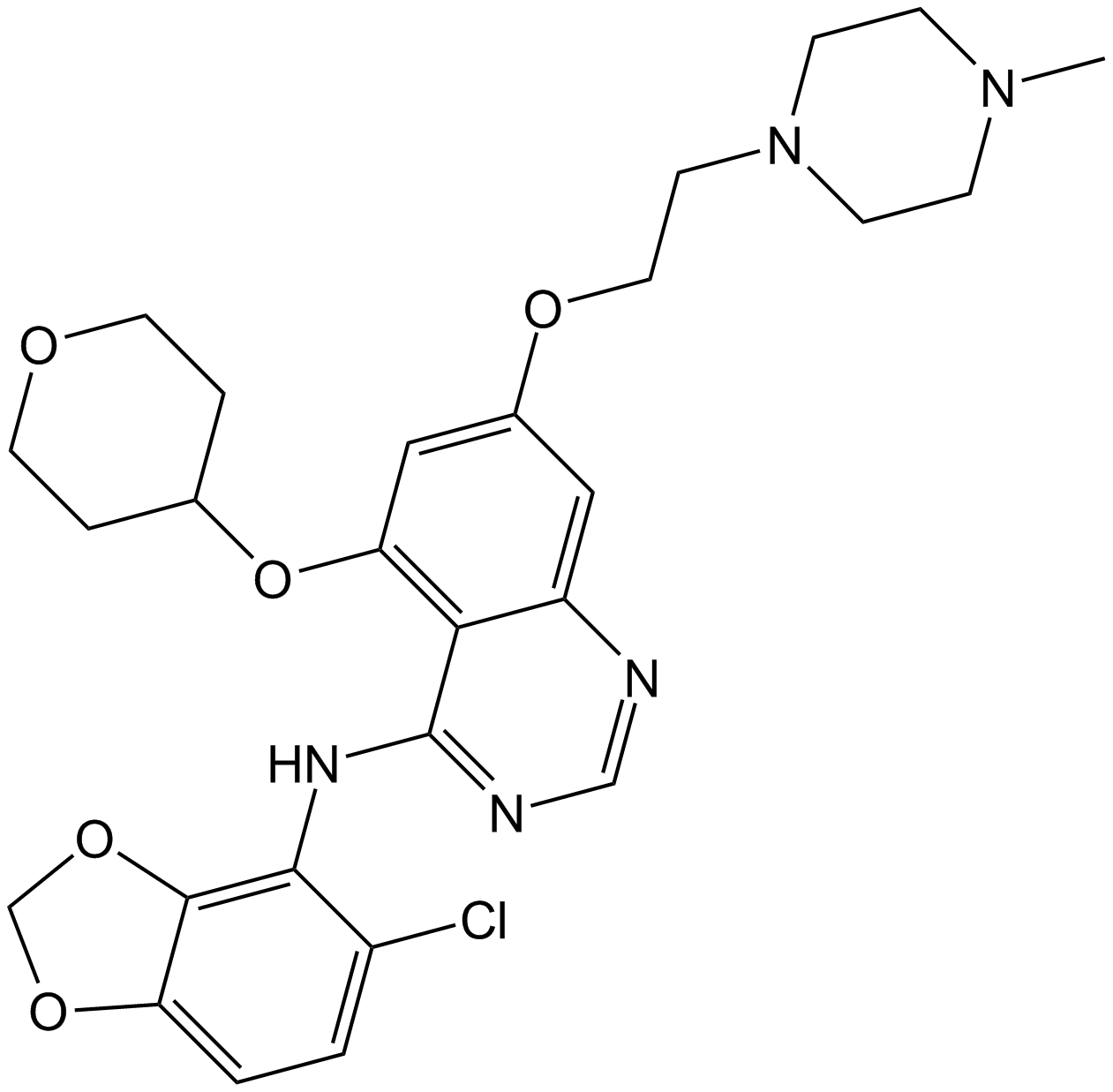 A2133 Saracatinib (AZD0530)3 CitationTarget: SrcSummary: Src/Abl inhibitor,potent and selective
 -
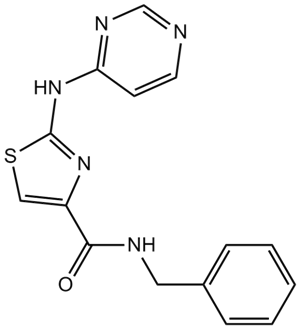 A5506 ThiazovivinTarget: ROCKSummary: ROCK inhibitor
 -
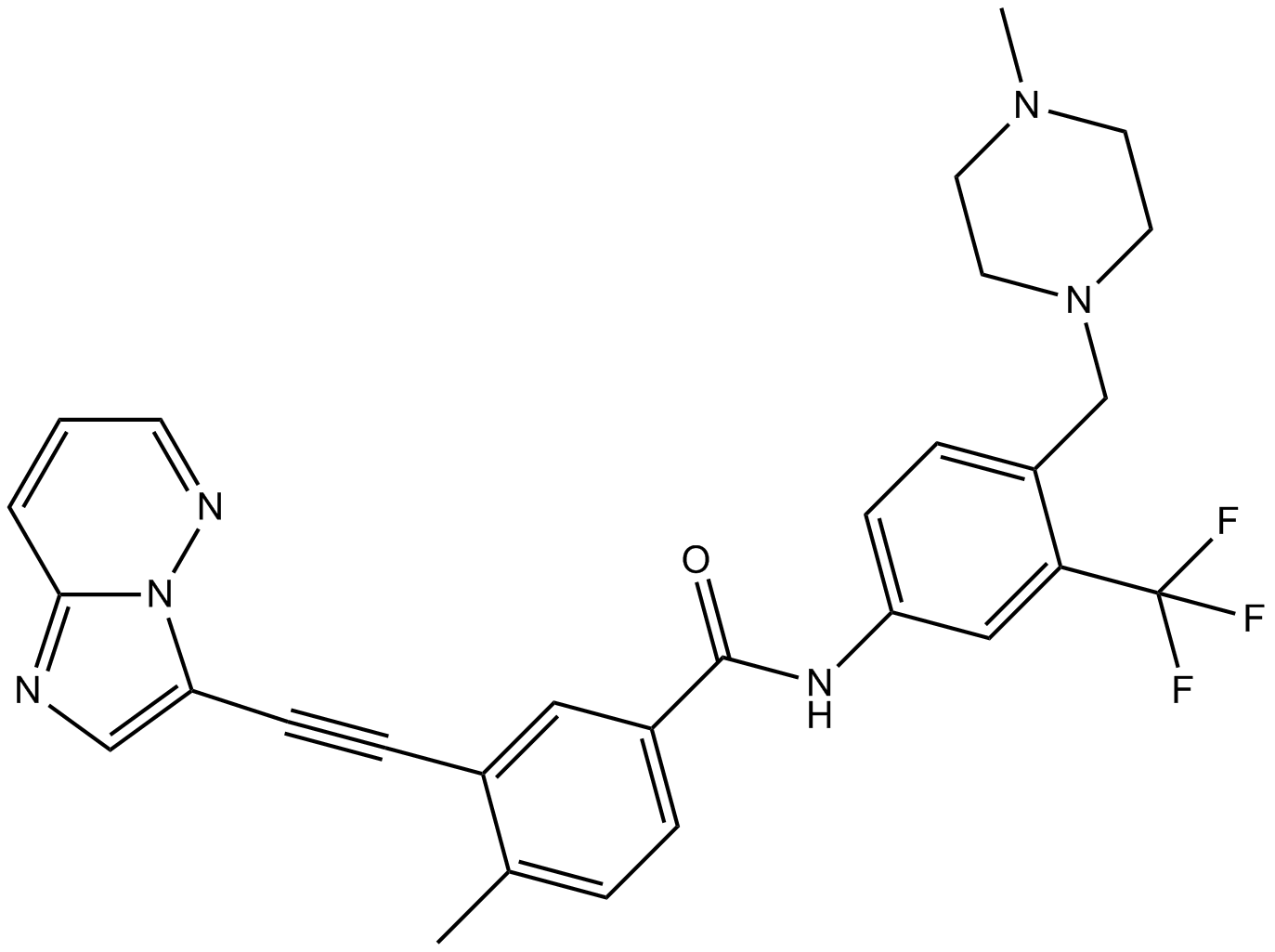 A5467 Ponatinib (AP24534)1 CitationTarget: VEGFR|PDGFR|Bcr-Abl|FGFR|SrcSummary: pan-BCR-ABL inhibitor,multi-kinase inhibitor
 -
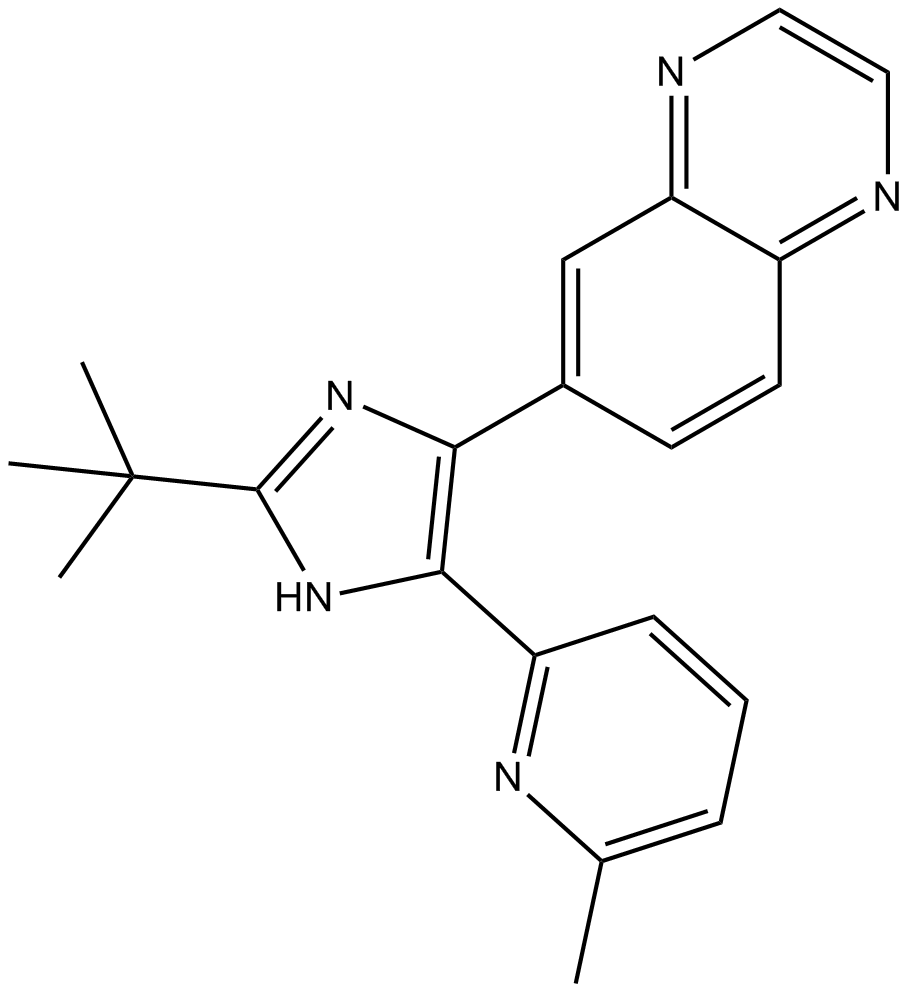 A5602 SB5253341 CitationSummary: (TGF-beta1) receptor inhibitor
 -
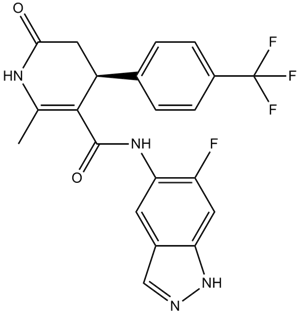 A5611 GSK429286ATarget: ROCKSummary: Selective ROCK1/ROCK2 inhibitor
 -
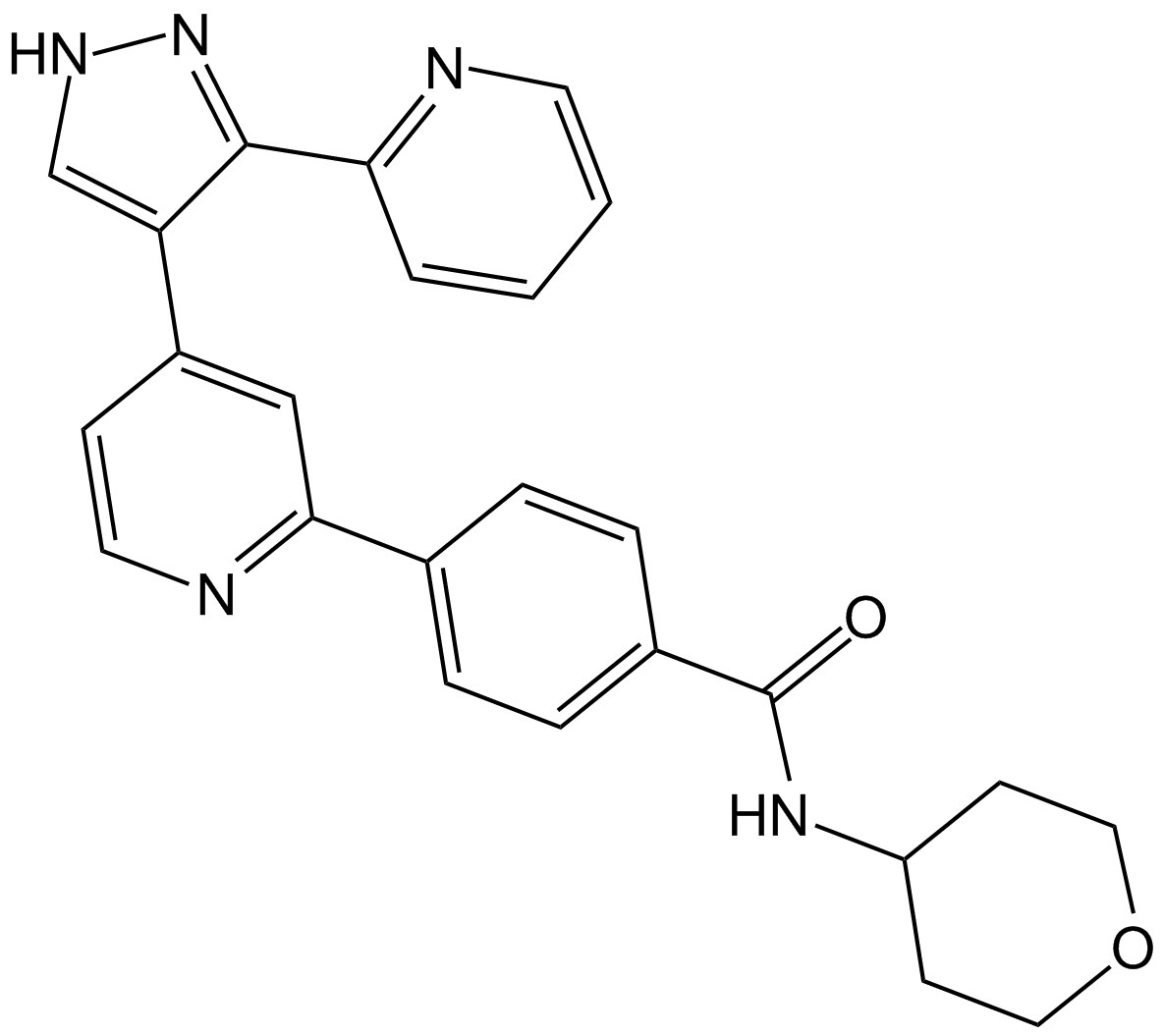 A8301 GW788388Summary: ALK5 inhibitor, potent and selective
 -
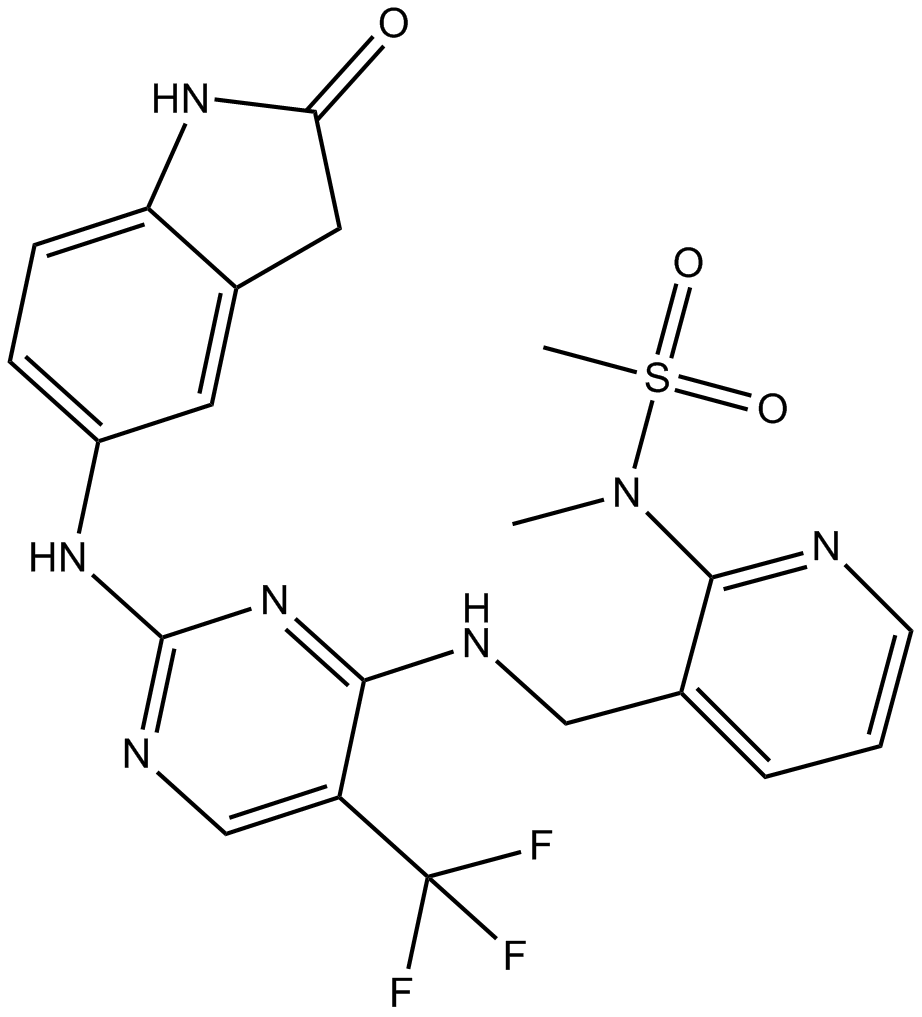 A8310 PF-5622711 CitationTarget: FAK|Pyk2Summary: ATP-competitive FAK inhibitor, reversible
 -
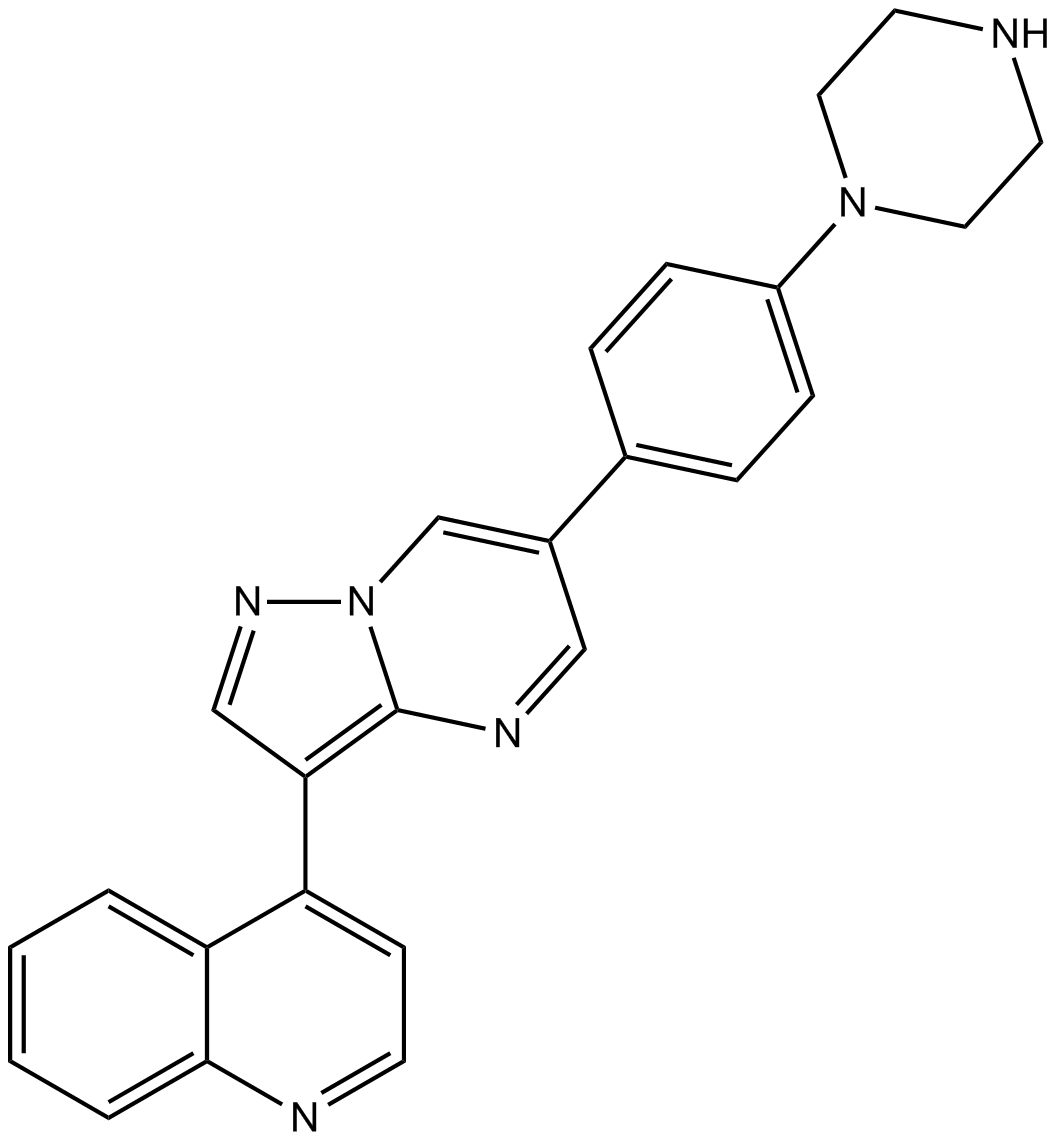 A8324 LDN-1931899 CitationTarget: BMP and Other Activin ReceptorsSummary: ALK inhibitor,potent and selective