


PI3K/Akt/mTOR Signaling
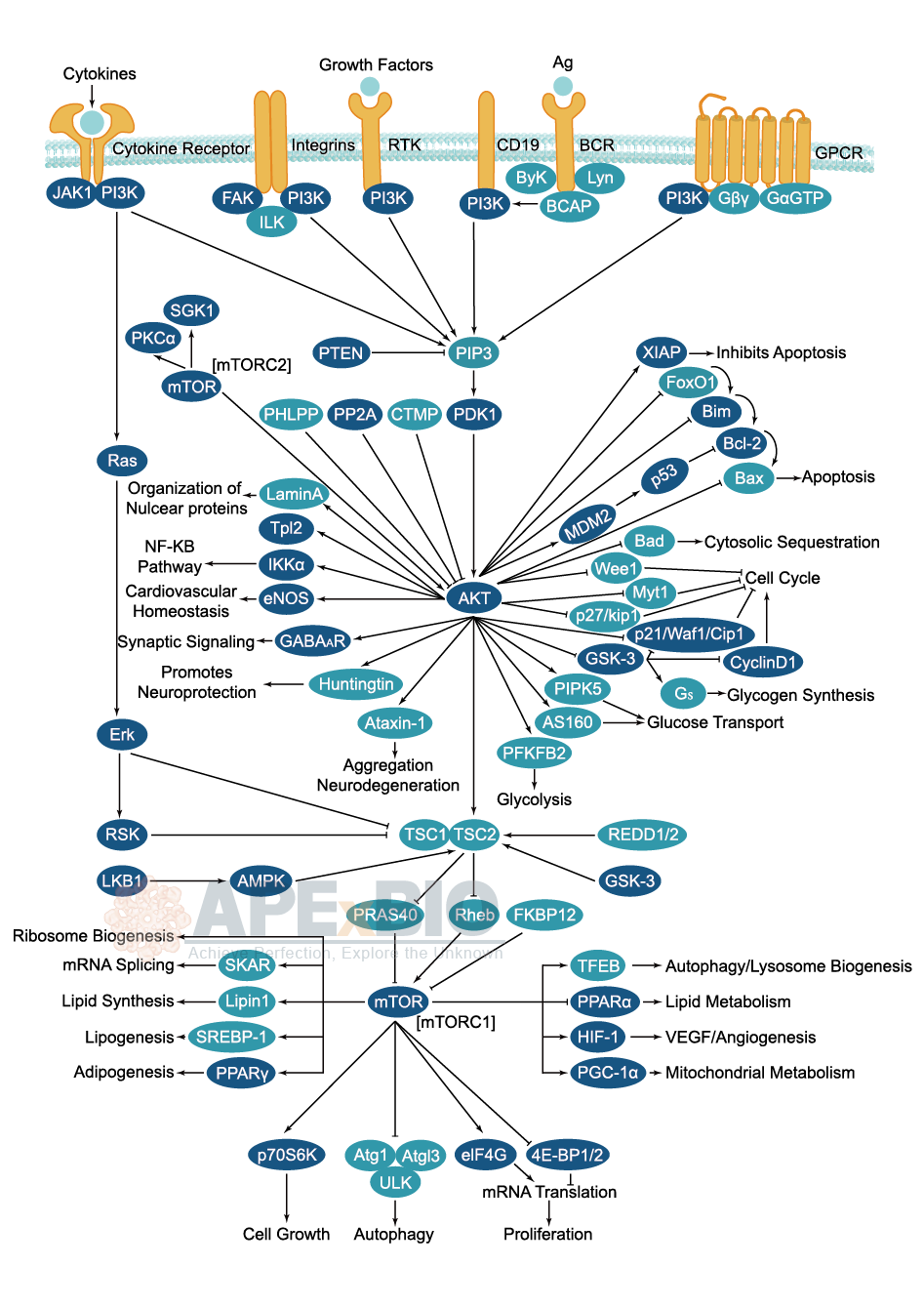
The PI3K/Akt/mTOR signaling pathway is a key regulator in growth, survival, cell cycle proliferation, protein synthesis and glucose metabolism. Growth factors, hormones, and cytokines can activate this pathway by binding their cognate receptor tyrosine kinase (RTK), cytokine receptor, or GPCR, resulting in the activation of lipid kinase PI3K which produces PIP3 at the plasma membrane.
The binding of PIP3 translocates Akt to cell membranes, enables Akt activation through phosphorylation at Thr308 mediated by phosphoinositide dependent kinase 1 (PDK1). In addition, Akt is phosphorylated at Ser473 by the mTOR-rictor complex, mTORC2. PTEN is a negative regulator of Akt signaling that reverses the function of PI3K by removing 3’-phosphate groups. Akt activity is also negatively regulated by the phosphatases PP2A and PHLPP. Akt propagates its signal to affect DNA transcription, cell cycle and apoptosis. Akt can activate mTOR directly by phosphorylation or indirectly, by phosphorylation and inactivation of mTOR inhibitor TSC2 and PRAS40. Together these mechanisms stimulate cell growth and G1 cell cycle progression through signaling via p70 S6 Kinase and inhibition of 4E-BP1. Defects in PI3K/AKT/mTOR signaling are implicated in cancer, diabetes and cardiovascular disease etc.
-
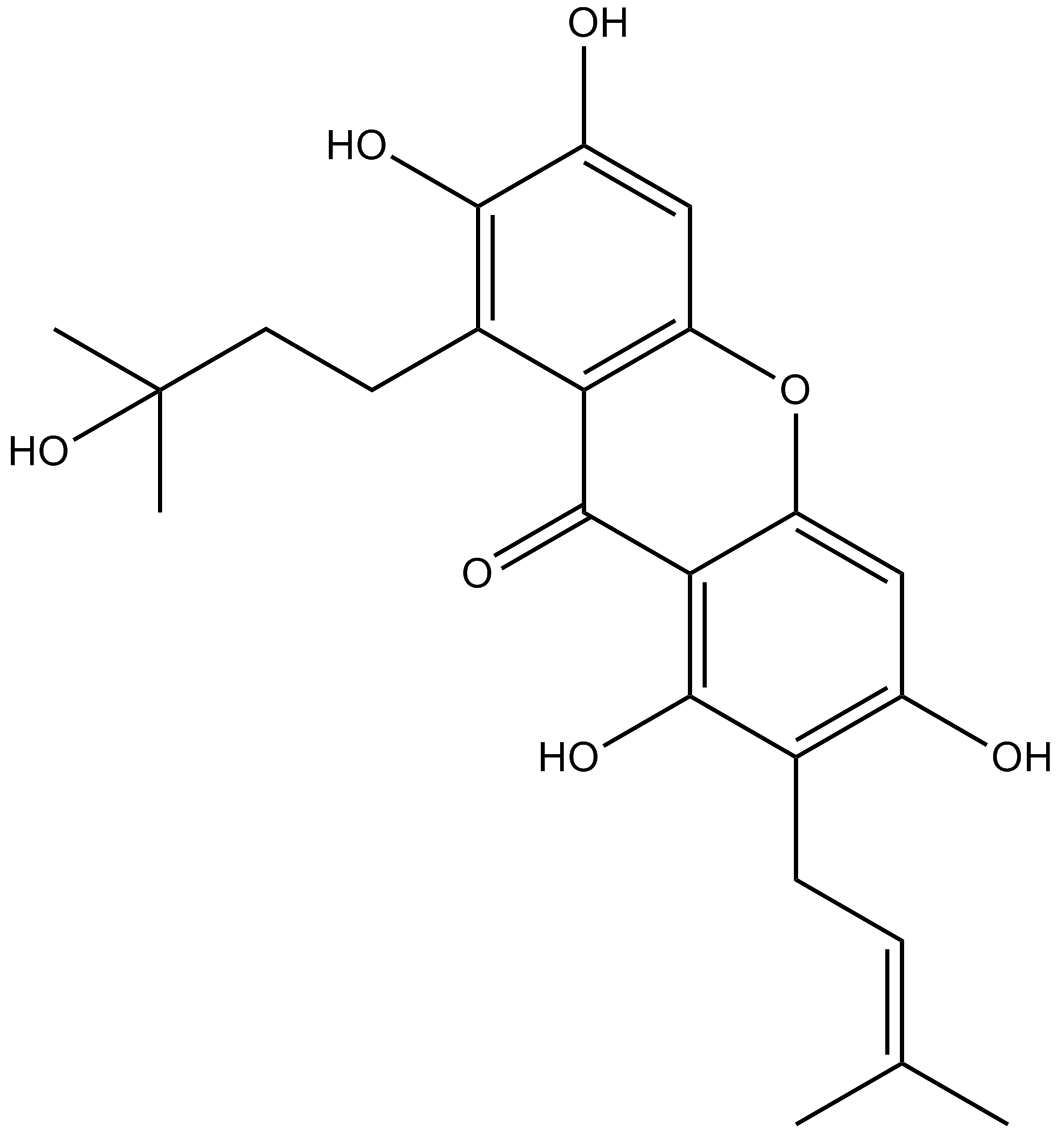 N2174 Garcinone C
 -
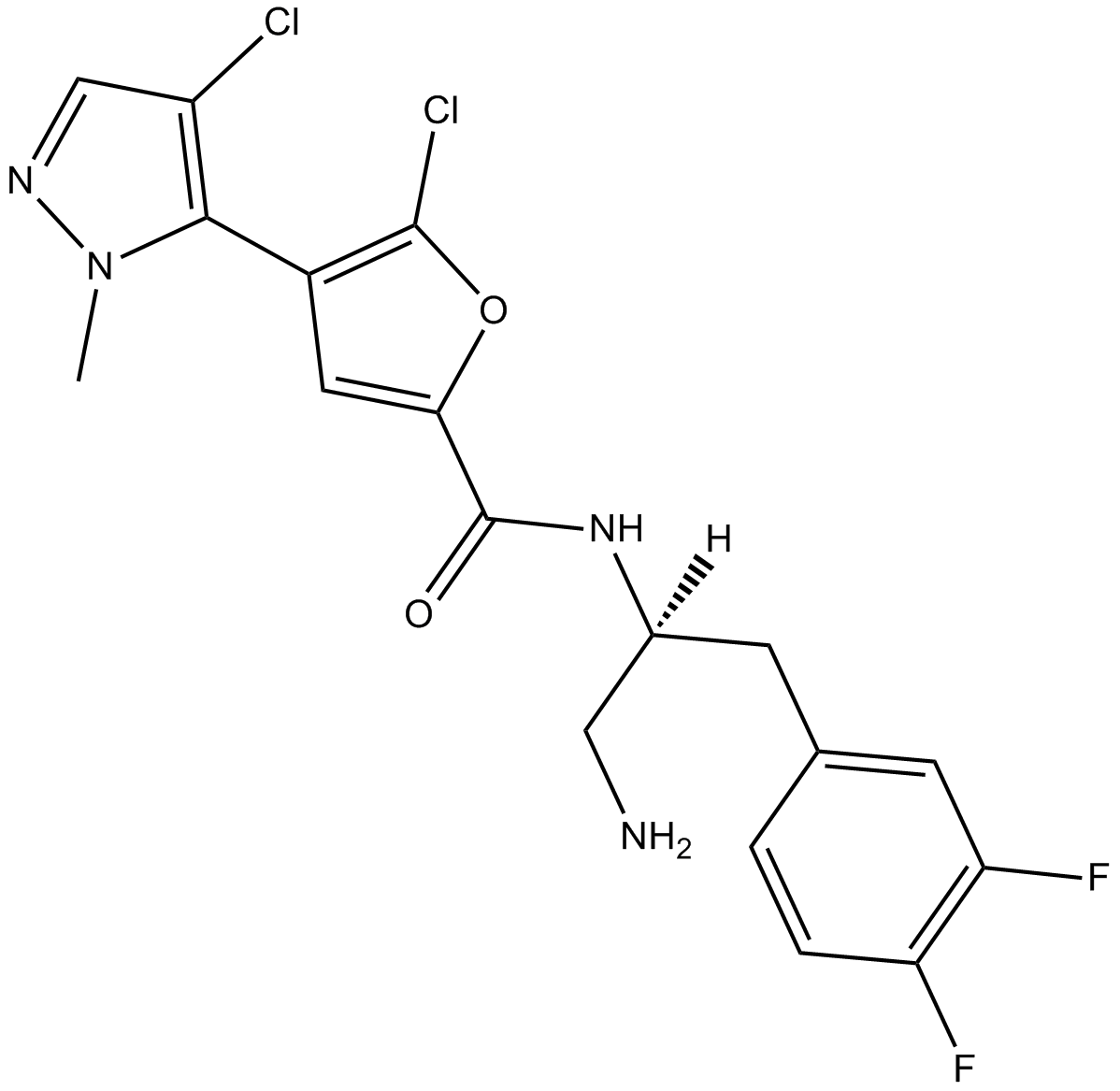 B3590 GSK2141795Summary: pan-Akt inhibitor
 -
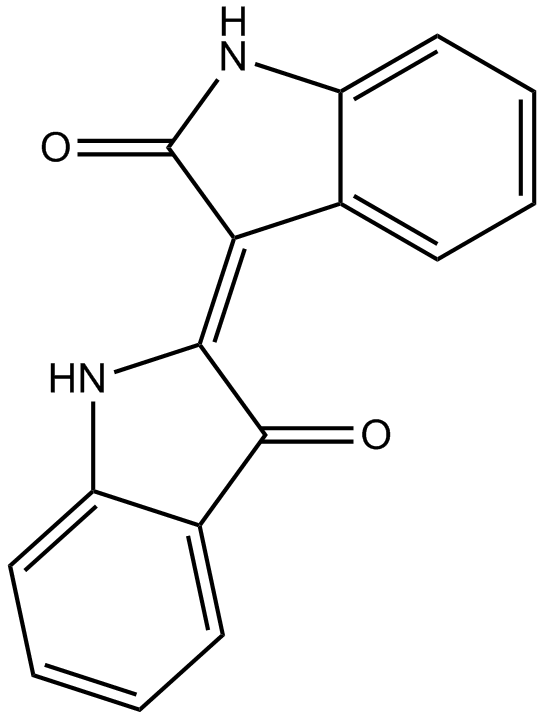 B3672 IndirubinTarget: Cyclin-Dependent Kinases|GSK-3Summary: cyclin-dependent kinases and GSK-3β inhibitor
 -
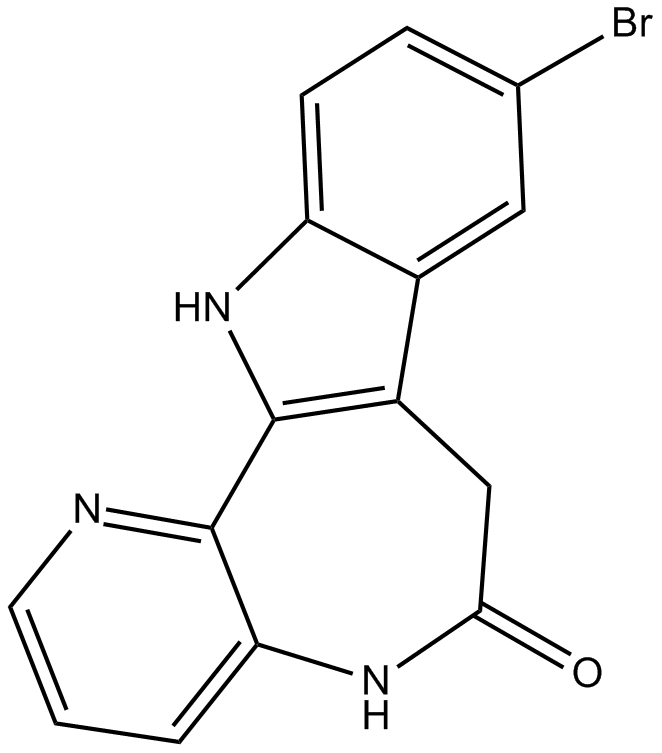 B3690 1-AzakenpaulloneSummary: GSK-3β inhibitor,potent and selective,cell-permeable
 -
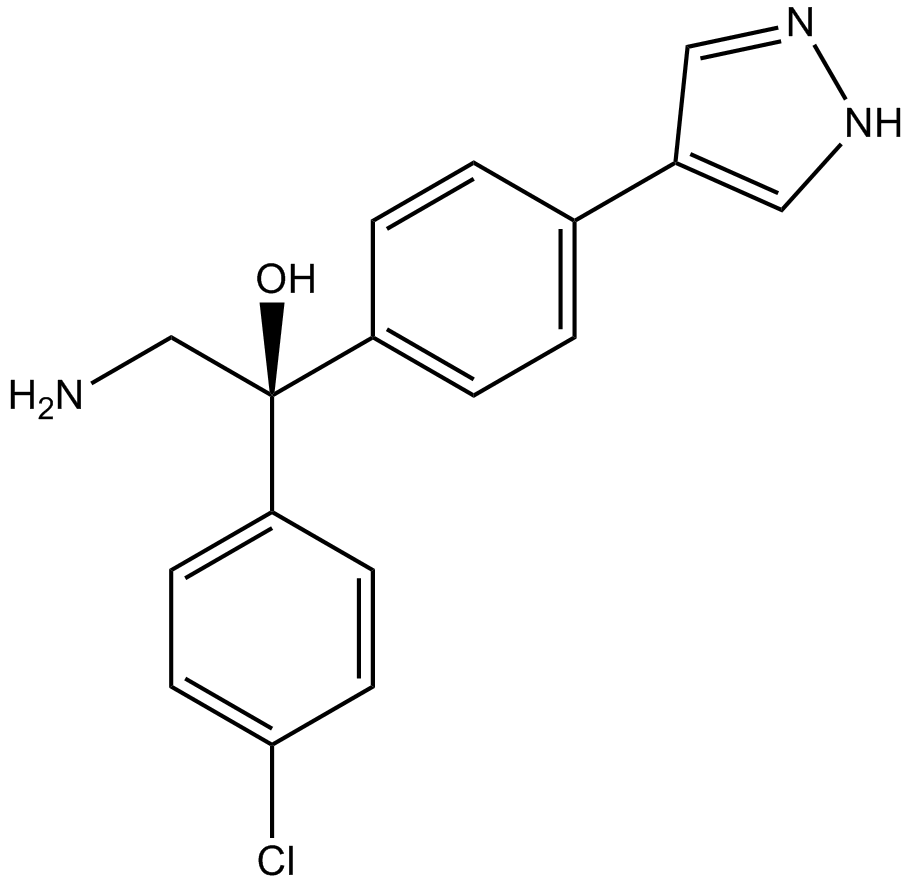 B4158 AT13148Summary: Multi-AGC kinase inhibitor,ATP-competitive
 -
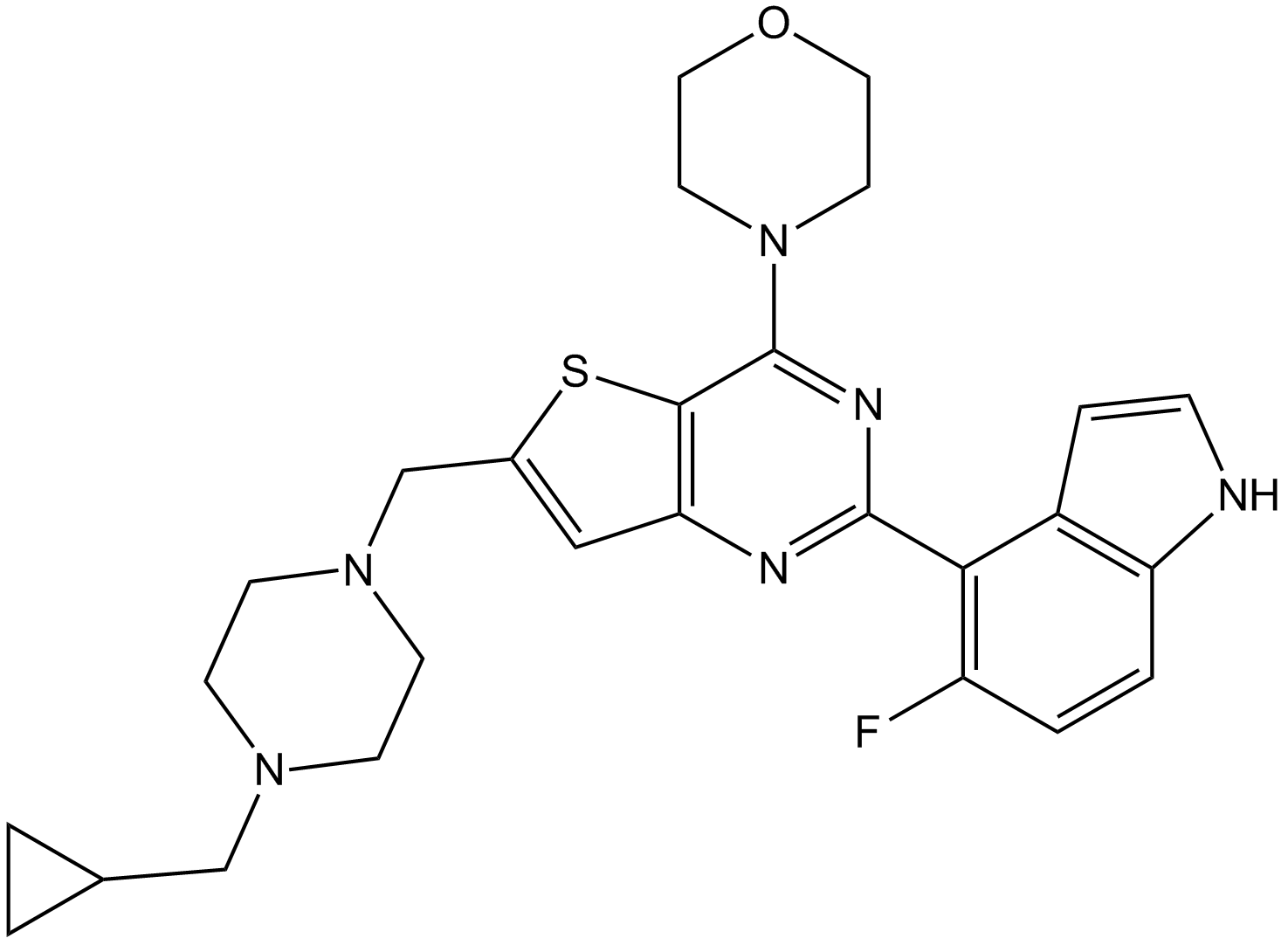 B4660 PI-3065Target: PI3KSummary: P110δkinase inhibitor
 -
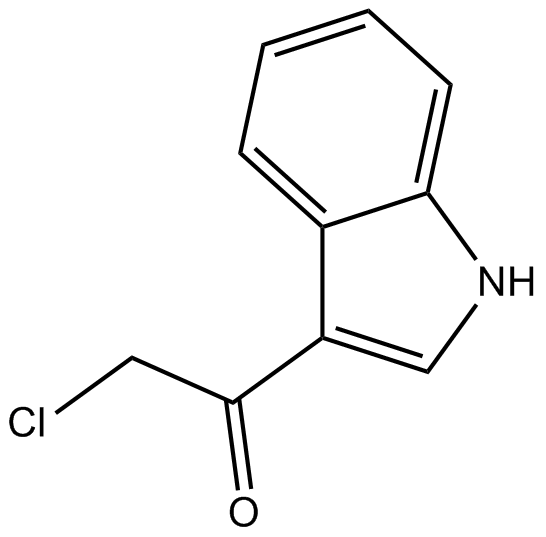 B4688 3CAISummary: AKT inhibitor
 -
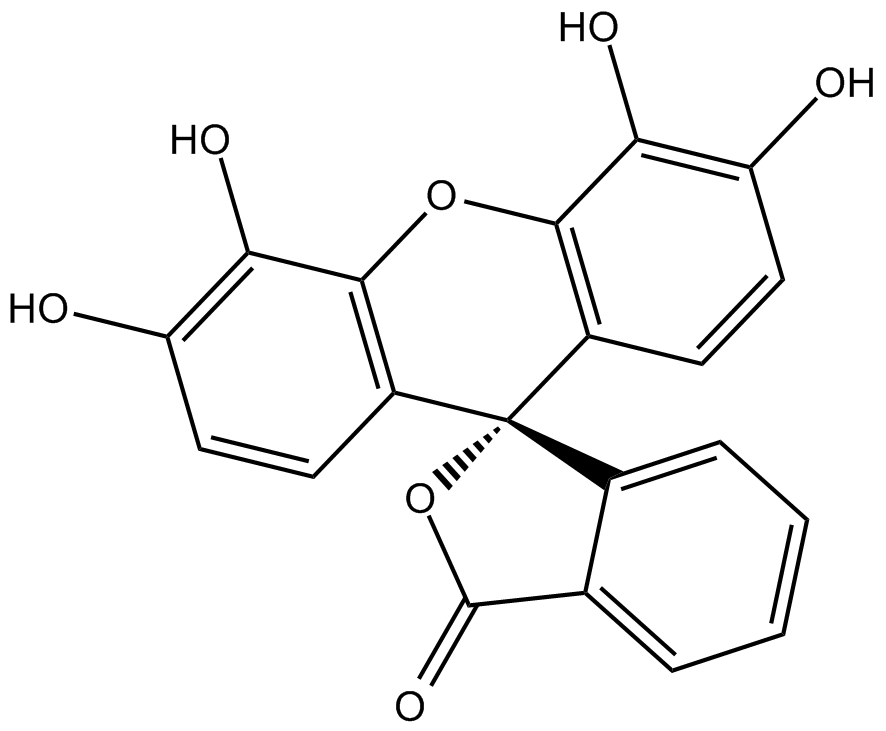 B7271 Gallein2 CitationSummary: Inhibitor of G protein βγ subunit-dependent signaling
 -
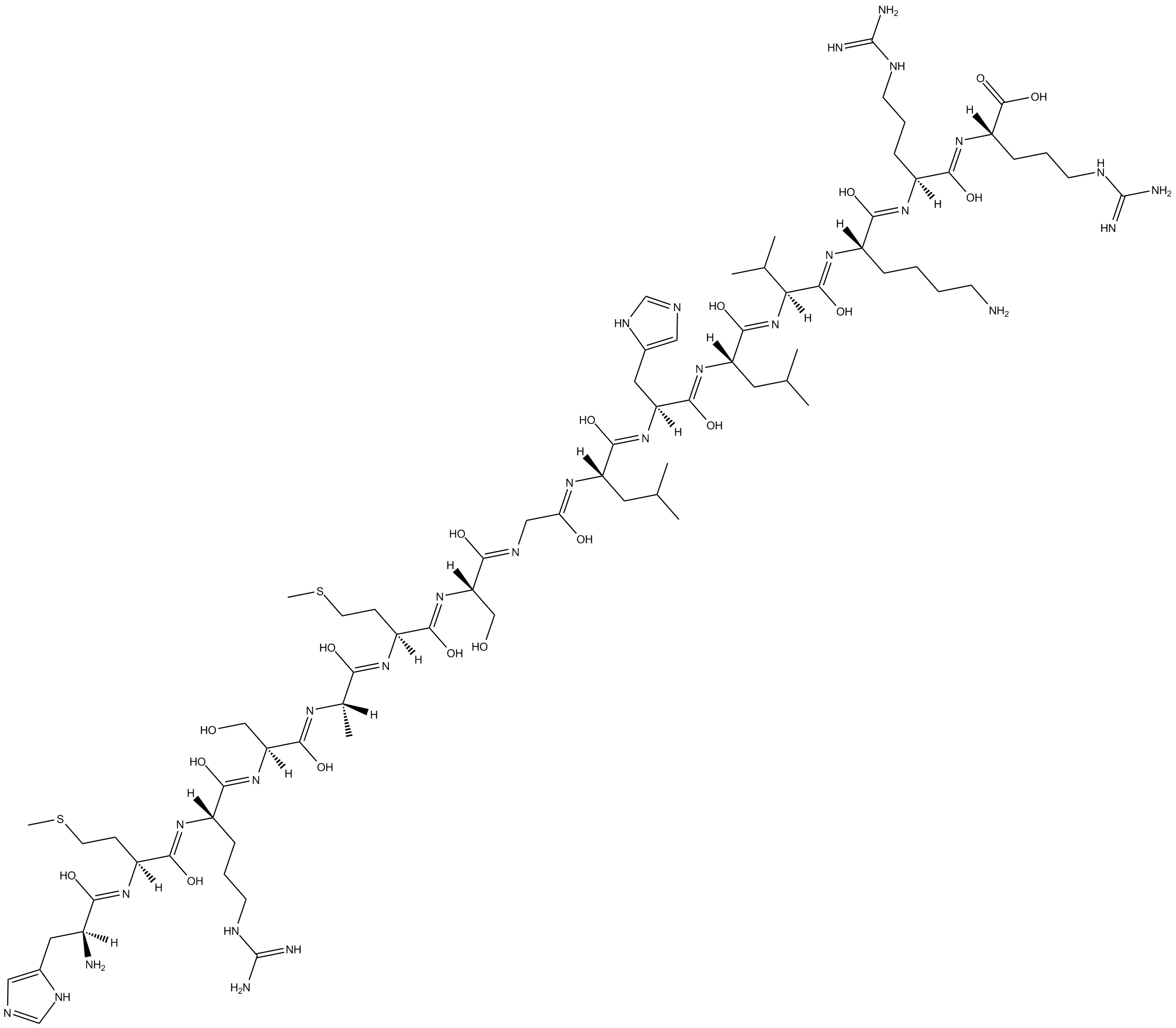 B5097 SAMS PeptideSummary: Substrate for AMP-activated protein kinase (AMPK)
 -
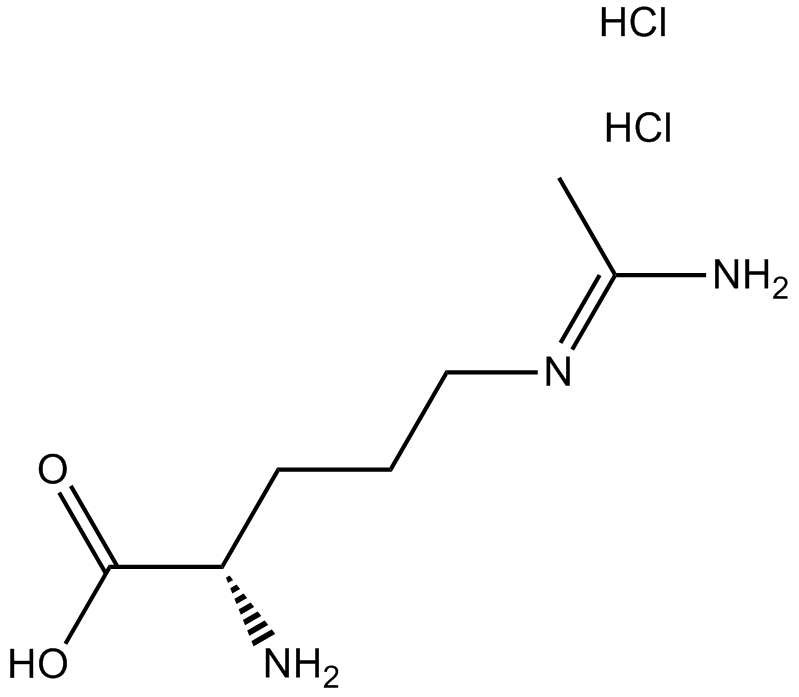 B6345 L-NIO dihydrochlorideTarget: NOSSummary: inhibitor of nitric oxide (NO) synthase