


Neuroscience
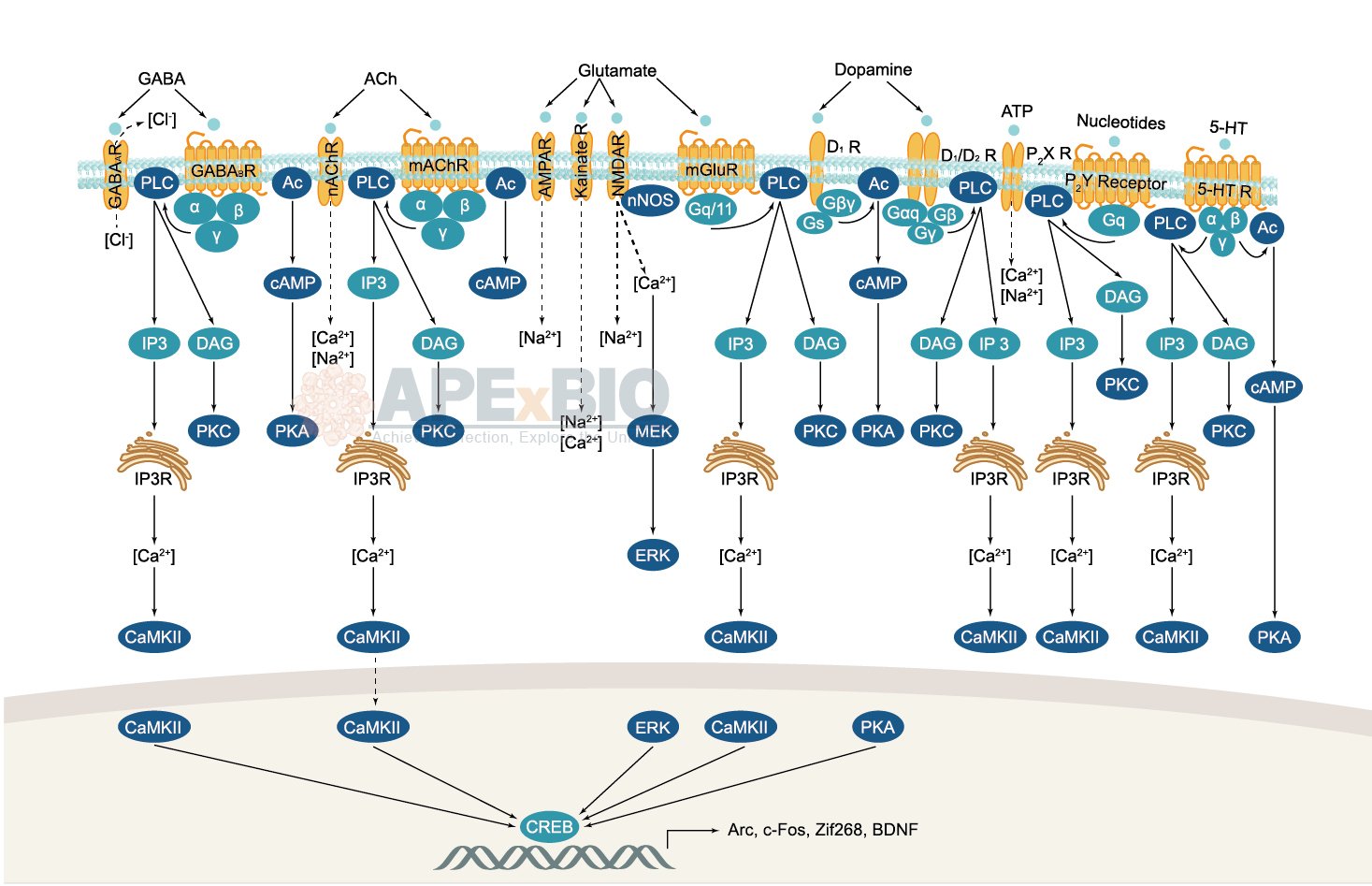
Neurons are the foundations of the sophisticated neural networks. Neurotransmitters such as dopamine, glutamate, and GABA, are crucial signaling molecules for the delivery of neuronal signals. Neurons synthesize/import neurotransmitters, and store them in presynaptic vesicles. A neuronal impulse is propagated by the vesicles released from presynaptic neurons.
Neurotransmitter receptors function via various G-protein coupled and G-protein independent mechanisms that activate downstream intracellular signaling pathways such as cAMP/PKA, PI3K/AKT, phospholipase A2, and phospholipase C pathways. For instance, dopamine receptors act through adenylate cyclase to activate PKA and other signaling molecules, thereby mediate gene expression through the actions of CREB and other transcription factors. Other neurotransmitters such as NMDAR or AMPAR are associated with ion channels that control flux of Ca2+ and Na+, thus propagating the action potential across the post-synaptic neuron.
Dysfunctions in GABAergic/glutamatergic/serotonergic/dopaminergic pathways result in a broad range of neurological disorders such as chronic pain, neurodegenerative diseases, and insomnia, as well as mental disorders including schizophrenia, bipolar disorder, depression, and addiction.
-
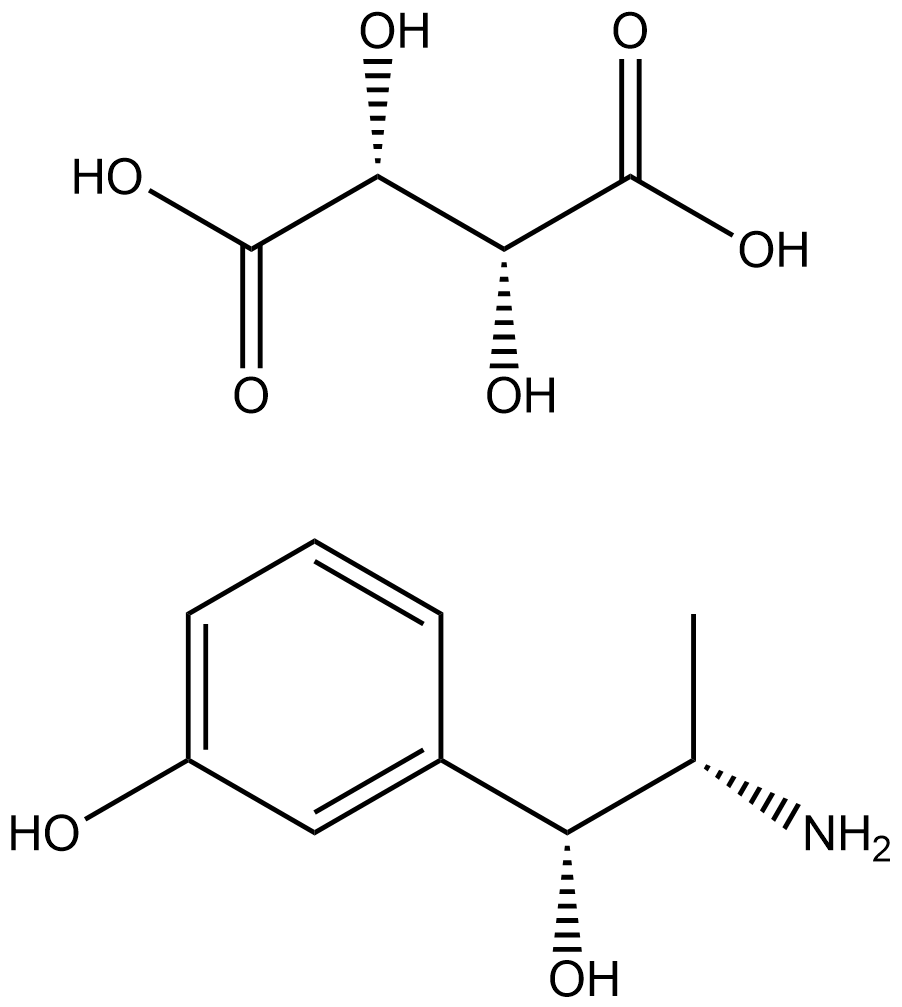 C8831 Metaraminol BitartrateSummary: Metaraminol bitartrate is a synthetic adrenergic agonist targeting α1-adrenergic receptor signaling, widely utilized in cardiovascular pharmacology and autonomic nervous system research.
 -
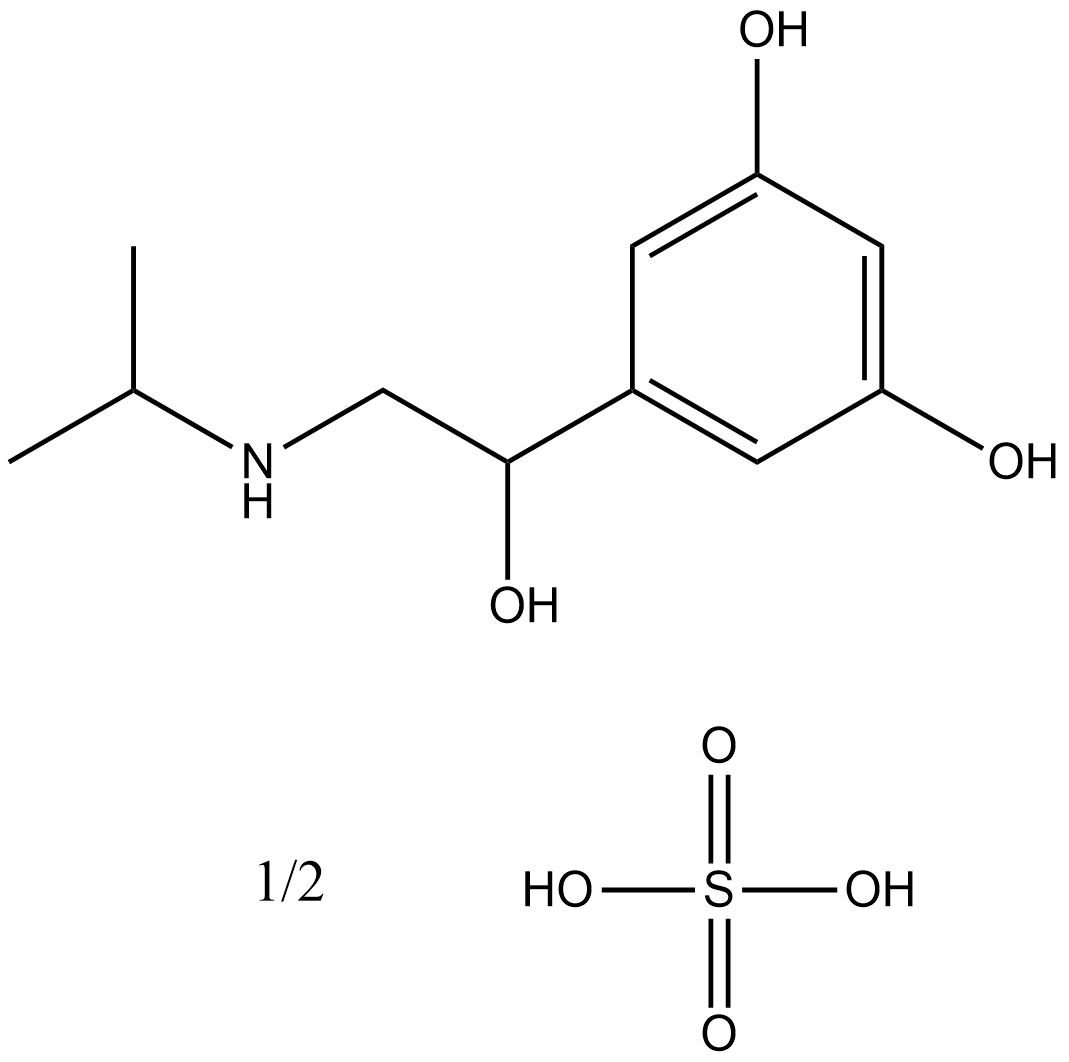 C8830 Metaproterenol hemisulfateSummary: Metaproterenol sulfate is a selective β-adrenergic receptor agonist that activates cAMP signaling and is utilized in adrenergic pharmacology and respiratory physiology research.
 -
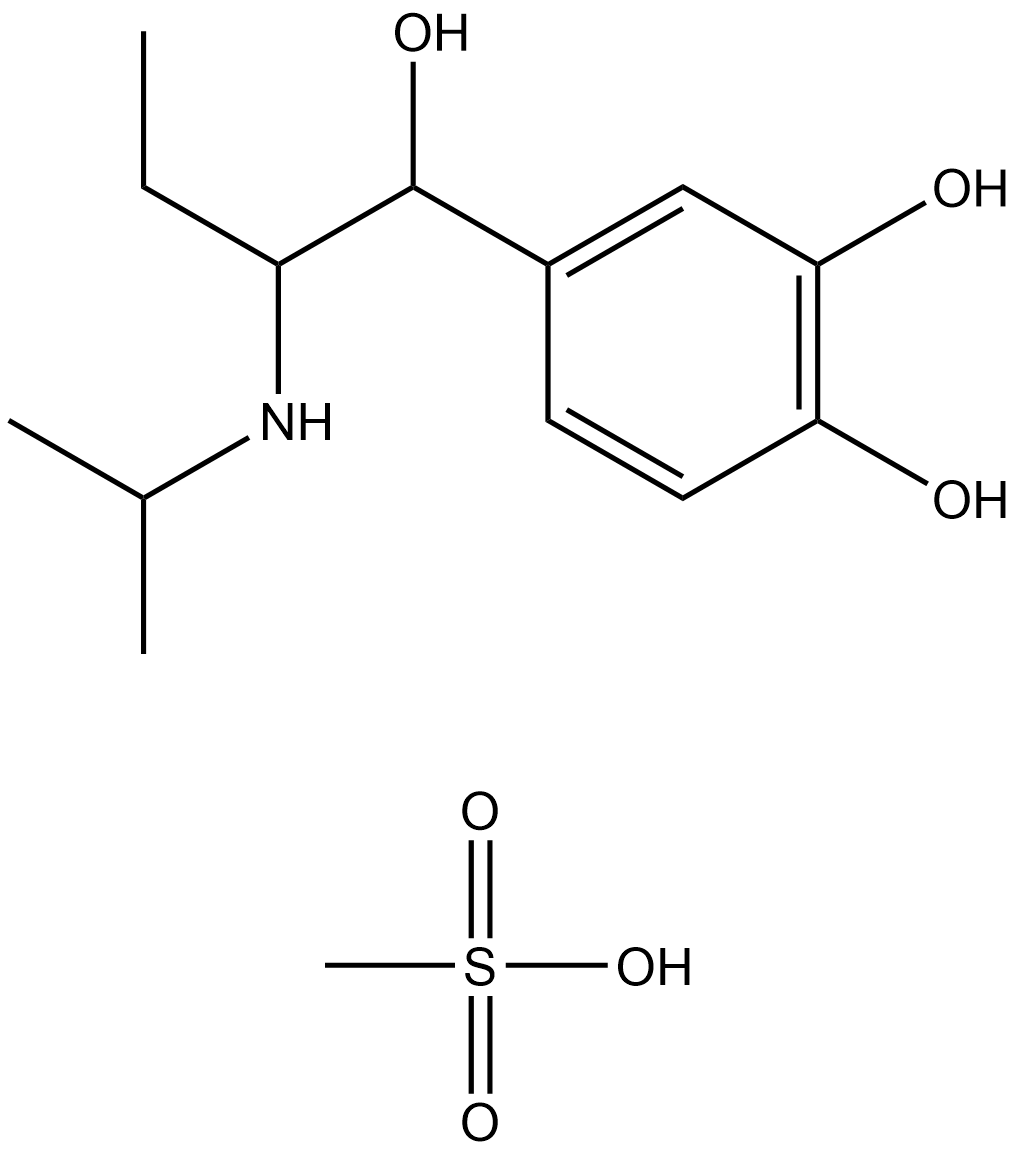 C8829 Isoetharine MesylateSummary: Isoetharine Mesylate is a β-adrenergic receptor agonist used to investigate adrenergic signaling mechanisms in cardiovascular and smooth muscle physiology research.
 -
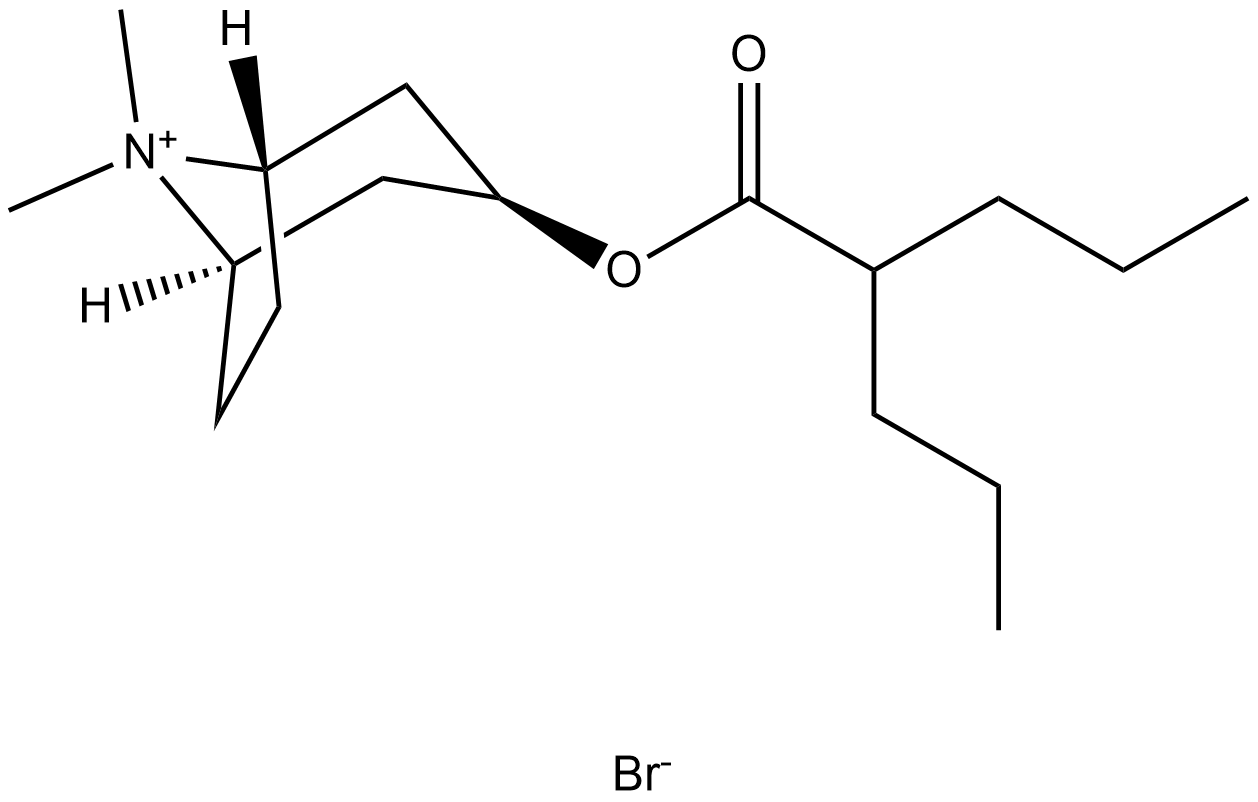 C8828 Anisotropine MethylbromideSummary: Anisotropine methylbromide is a quaternary ammonium antimuscarinic agent targeting cholinergic muscarinic receptors, utilized in pharmacological and neurophysiological receptor-signaling research.
 -
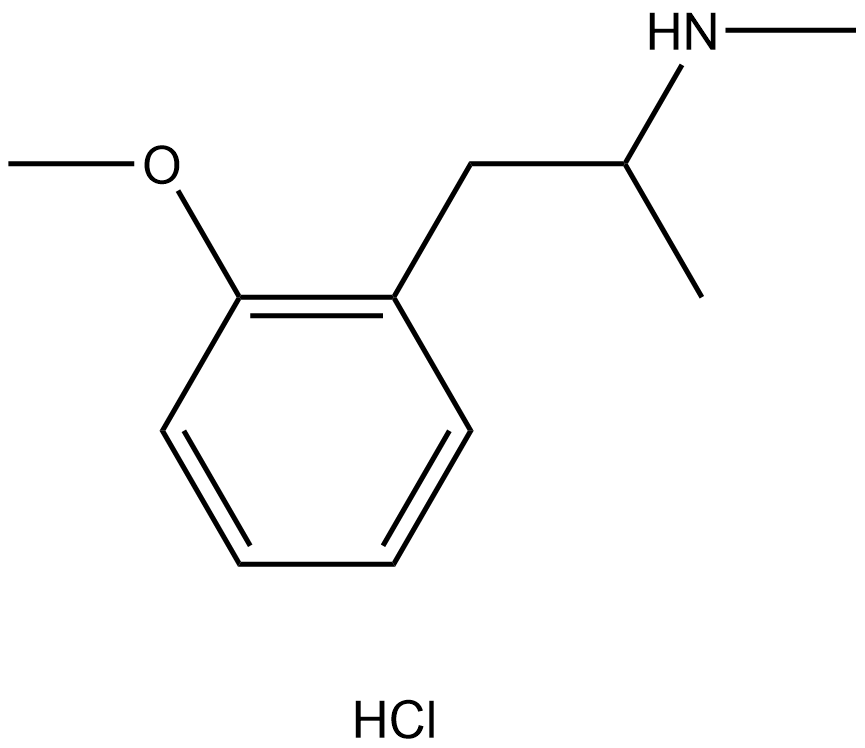 C8823 Methoxyphenamine HydrochlorideSummary: Methoxyphenamine hydrochloride is a sympathomimetic amine and adrenergic receptor agonist used as a reference standard in neuropharmacology and receptor-signaling research.
 -
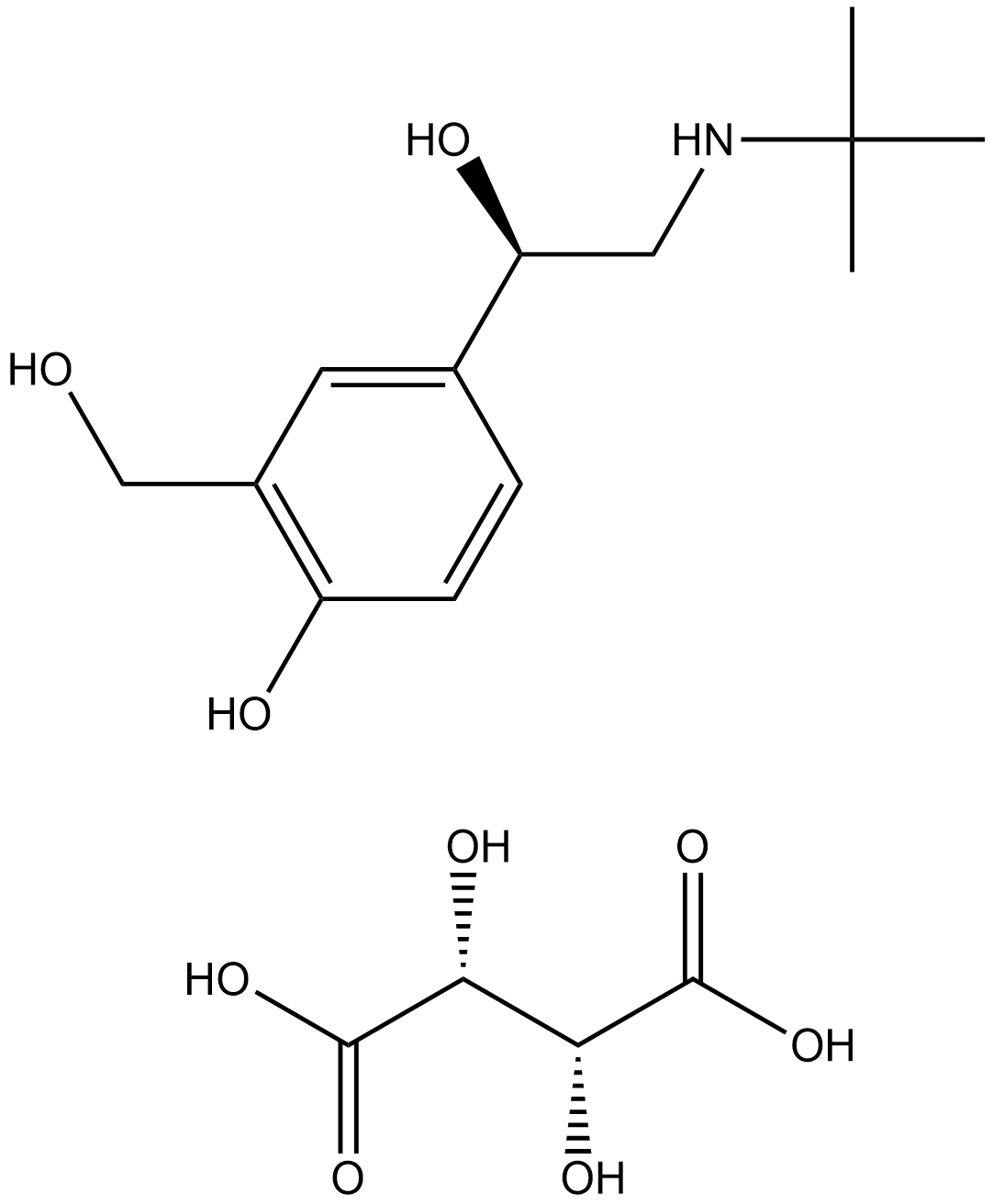 C8821 Levalbuterol tartrateSummary: Levalbuterol tartrate is a selective β2-adrenergic receptor agonist used to investigate adrenergic signaling, airway smooth muscle biology, and respiratory pharmacology mechanisms.
 -
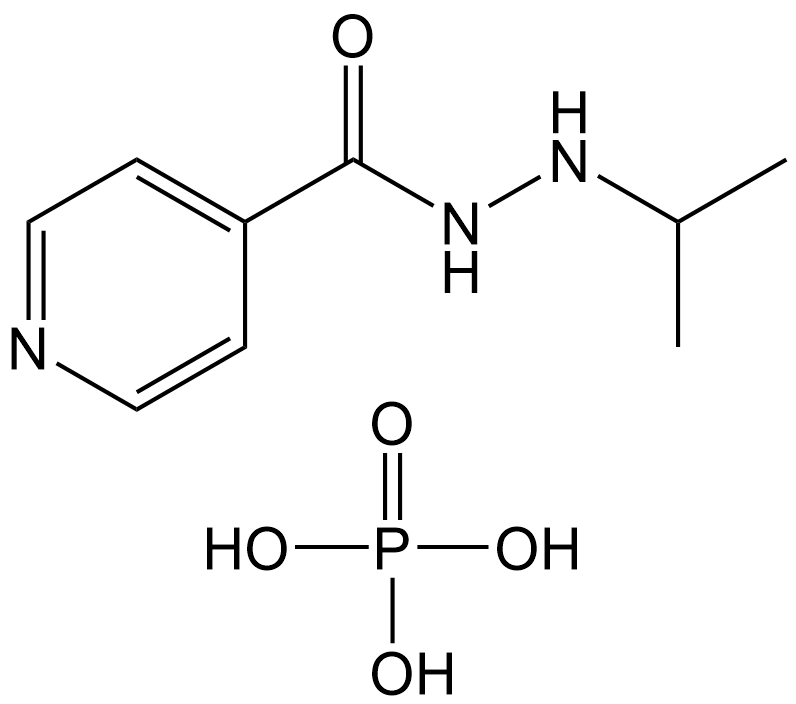 C8798 Iproniazid phosphateSummary: Iproniazid phosphate is a hydrazine-class irreversible non-selective monoamine oxidase inhibitor targeting MAO-A and MAO-B, widely used in neuropharmacology and toxicology research.
 -
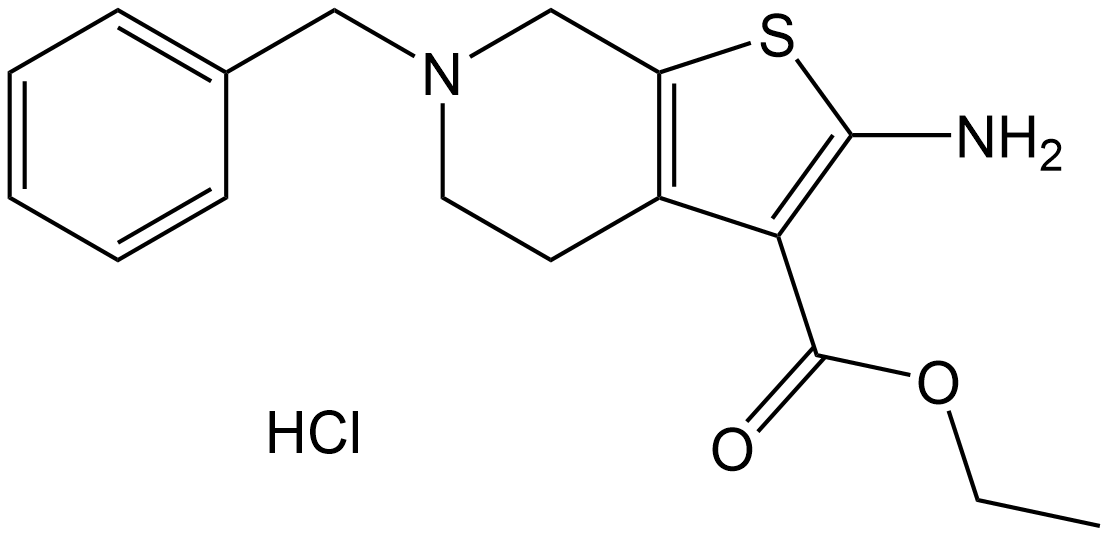 C8791 Tinoridine hydrochlorideSummary: Tinoridine hydrochloride is a small-molecule nonsteroidal anti-inflammatory research compound that modulates lipid peroxidation and oxidative membrane injury in inflammation and oxidative stress research.
 -
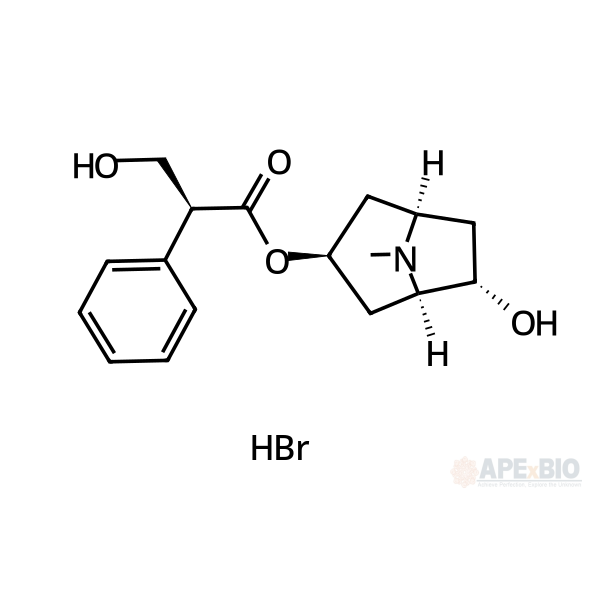 C8789 Anisodamine HydrobromideSummary: Anisodamine Hydrobromide is a tropane alkaloid anticholinergic modulator of muscarinic, nicotinic, and α1-adrenergic signaling used in neuroimmune and inflammation-related research.
 -
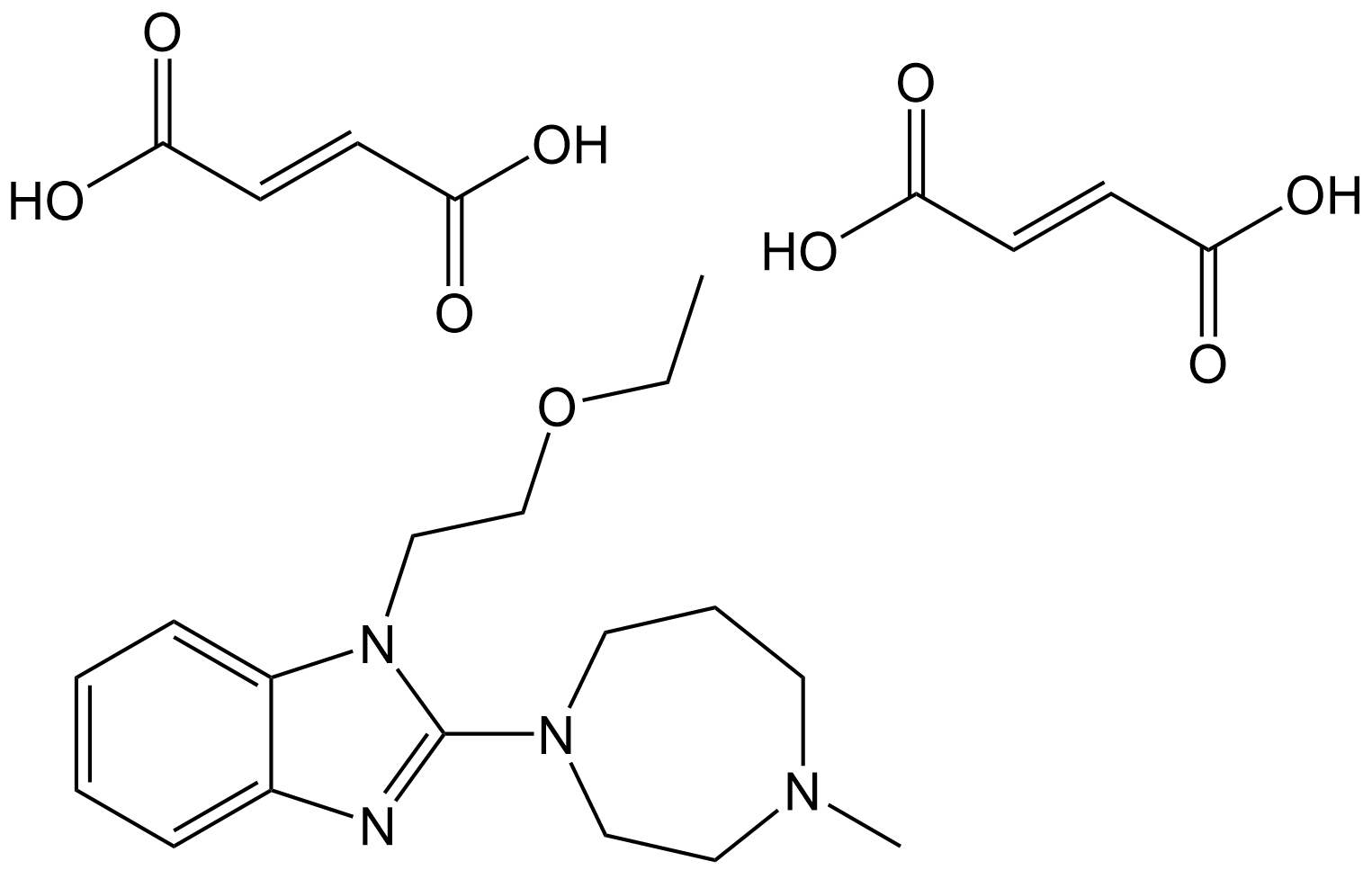 C8788 Emedastine DifumarateSummary: Emedastine Difumarate is a synthetic benzimidazole-derived histamine H1 receptor antagonist used in allergy, inflammation, and histamine-mediated signaling research.